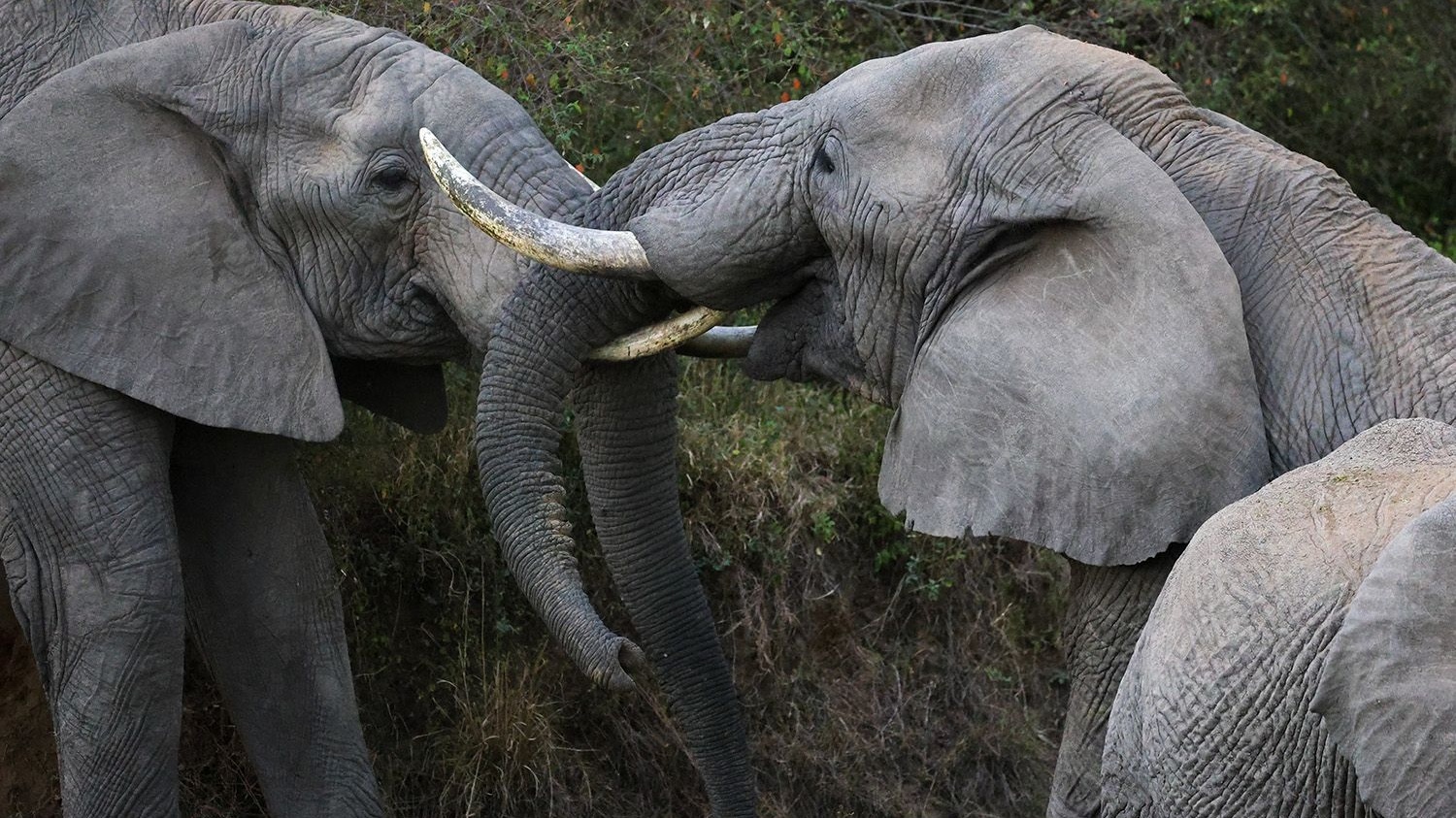
The air was thick with dust. The sharp trumpeting rang in my ears as two adolescent male elephants, each measuring over 10 feet from ground to shoulder, pushed and shoved each other. Locking trunks, thrusting tusks, flapping ears, and butting heads barely a few metres from our safari vehicle. One of the two was clearly trouble; he soon moved from brother to brother in this gang of four, provoking and jousting with each.
“They’re just playing,” Paul Kasaine, chief guide at the JW Marriott Masai Mara Lodge, assured me. We were out looking for a leopard that marked its territory in the vicinity of the property when the elephants stumbled out of the bush and surprised us. Having already spent three days tracking animals with Kasaine, a veteran naturalist, I knew he knew his stuff. So, I wasn’t particularly concerned about our safety. Instead, my mind was on what I needed to do. For I had turned an invitation to experience the newly opened 24-key property into an opportunity to learn a new skill: photography.
ADVERTISEMENT
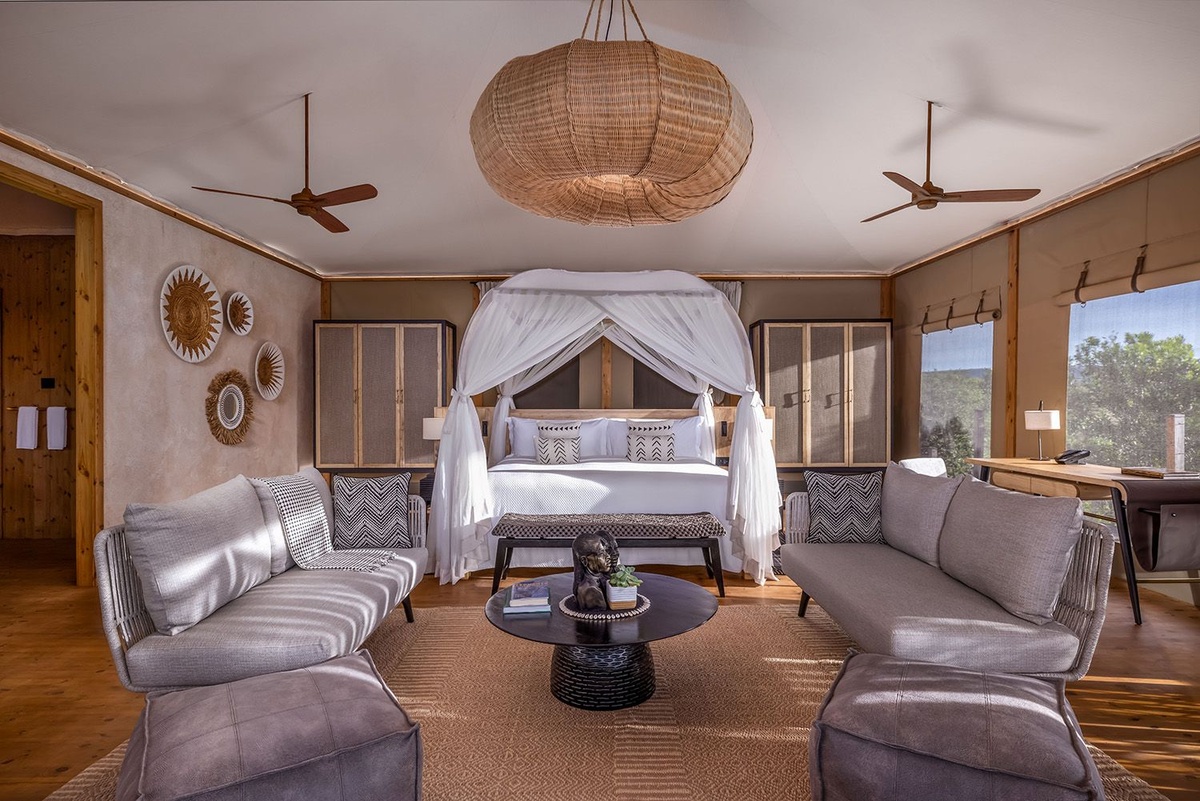
The canvas-topped Deluxe Suite at JW Marriott Masai Mara
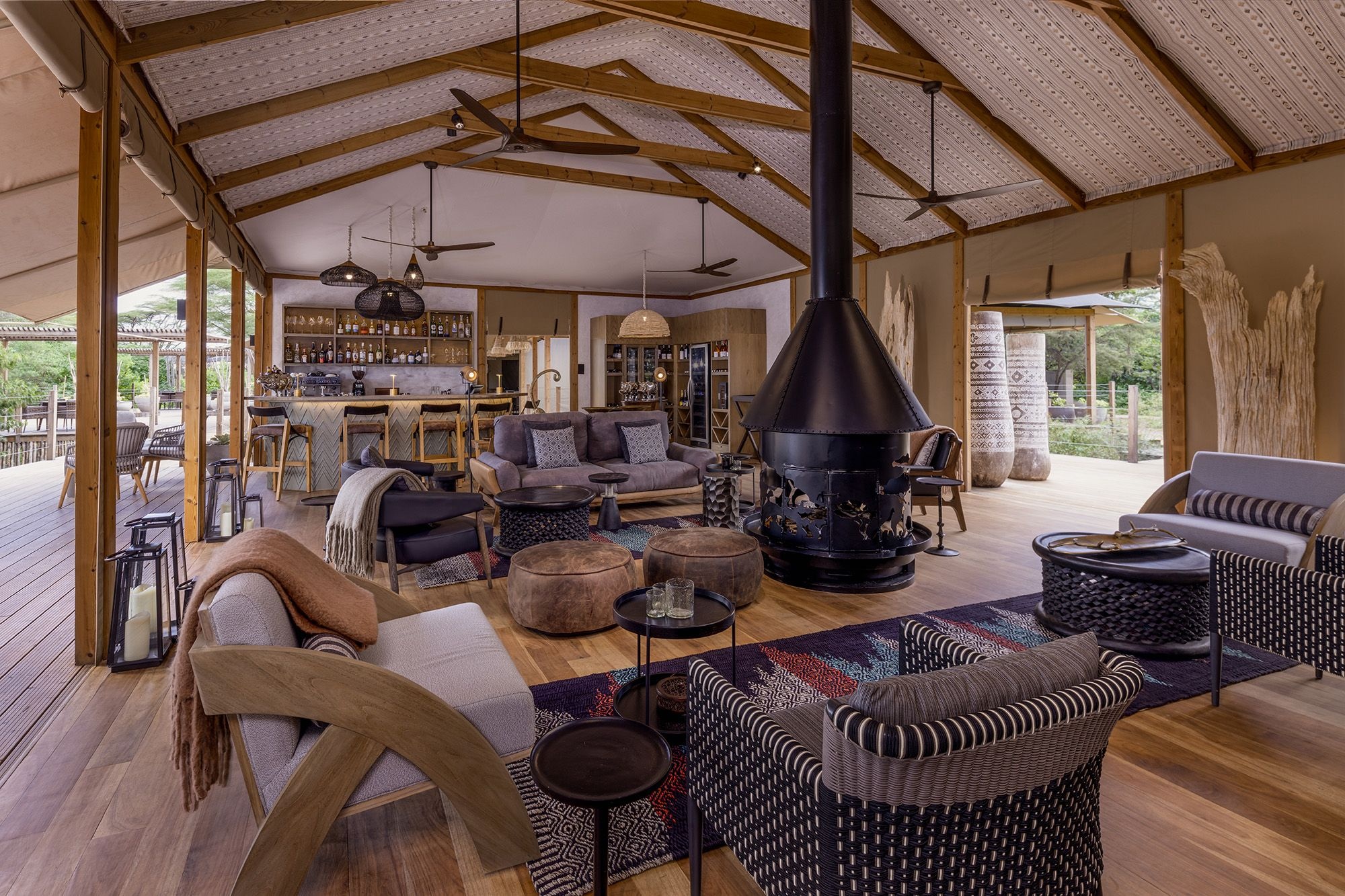
The safari-themed lounge
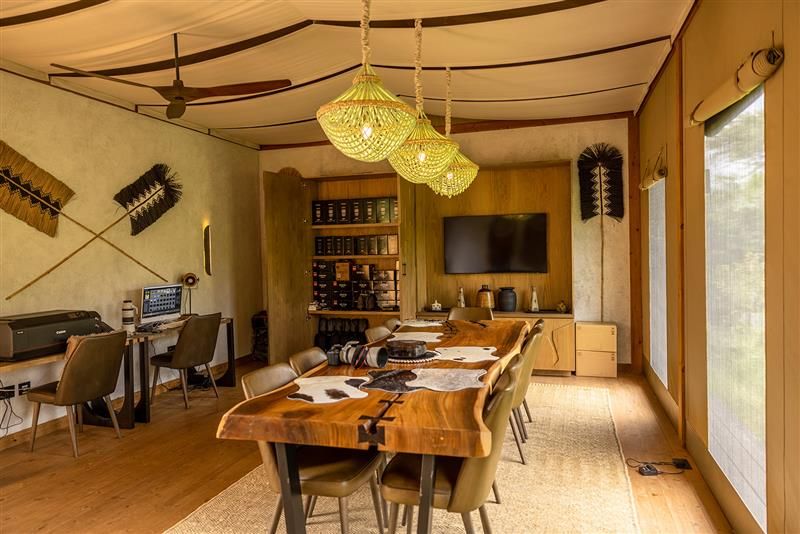
Among other things, the luxury safari lodge offers guests tutoring sessions and the use of high-end Canon cameras and lenses. As someone who’s been keen on switching up from a phone camera to a DSLR, I jumped at the opportunity. As the elephants carried on their boys-will-be-boys moment, the instructions of my excellent teacher, Felix Odhiambo, a wildlife photographer, played in my mind. “In low light, set ISO to high.” (ISO is a measure of how much light is allowed to enter the lens.) “If you think the animal is going to move while you are shooting, set shutter speed to auto till you’re able to judge.”
For smart phone photographers, shutter speed is a metric of how quickly the camera captures an image. Odhiambo’s lessons covered a range of information—the basics of how cameras work, image composition, and shortcuts to access settings. You may point me to a YouTube tutorial, but here you also get tutoring in the field and different cameras to experiment with. Not wanting to miss a shot, I quickly adjusted the settings on the Canon E0S R6 Mark II camera fitted with a 100-500 lens (“Try this for movement shots,” Odhiambo had said while handing it to me). At the press of a button, the camera captured a burst of images that, when viewed at high speed, appeared as though a photomatic—static images edited to look like a movie.
The Canon photo studio where guests can sign up for photography sessions
The journey to the lodge itself, the first Marriott hotel that opened in the Maasai Mara region in April last year, was cinematic, to say the least. (The Ritz-Carlton Masai Mara Safari Camp, the second Marriott hotel in the region, opened doors in August 2025. It’s location has caused controversy and is fighting a legal battle to stay open.) To reach my property on the Talek, a tributary of the Mara river, where the JW is situated, I had to take two Cessna and De Havilland propeller-powered planes from Nairobi’s Wilson Airport, each flown at an altitude where fluffy clouds play hide and seek with the flat land below.
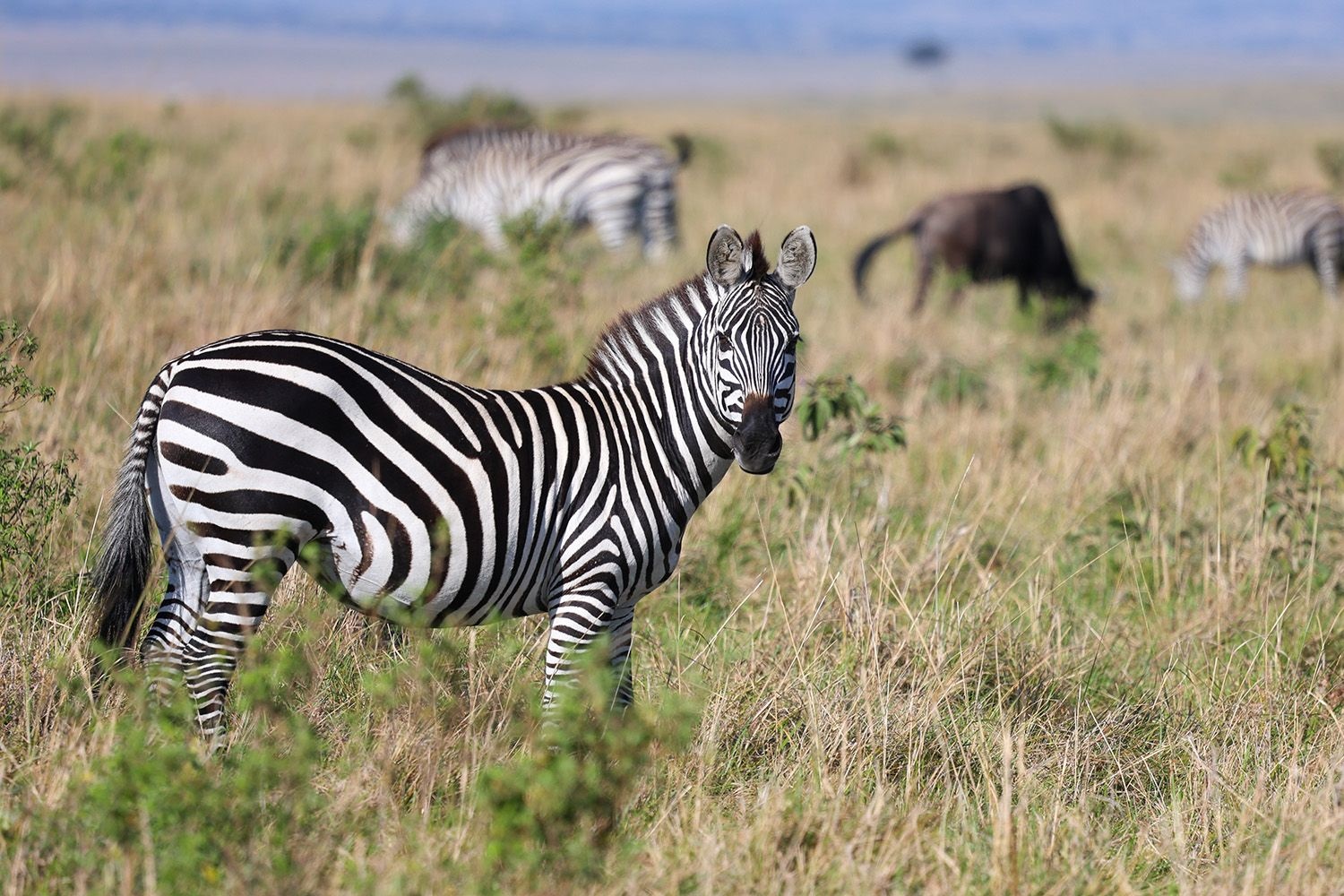
As we touched down at the Keekorok, a 30-minute drive from the lodge, there were zebras, wildebeests, giraffes, Thomson’s gazelles, and kudus grazing all around in the hundreds. It felt like a moment out of the Robert Redford and Meryl Streep starrer Out of Africa. The ‘airport’ wasn’t much more than a dirt track with a ticket booth at one end where visitors pay fees to enter the Masai Mara National Reserve ($200 per adult per day). The only humans around were a few park rangers, guides from local hotels, and a dozen Masai women vending beaded necklaces and bracelets, carved wooden objects and their community’s trademark red shawls, all displayed on plastic sheets spread on the pebbly red ground.
ADVERTISEMENT
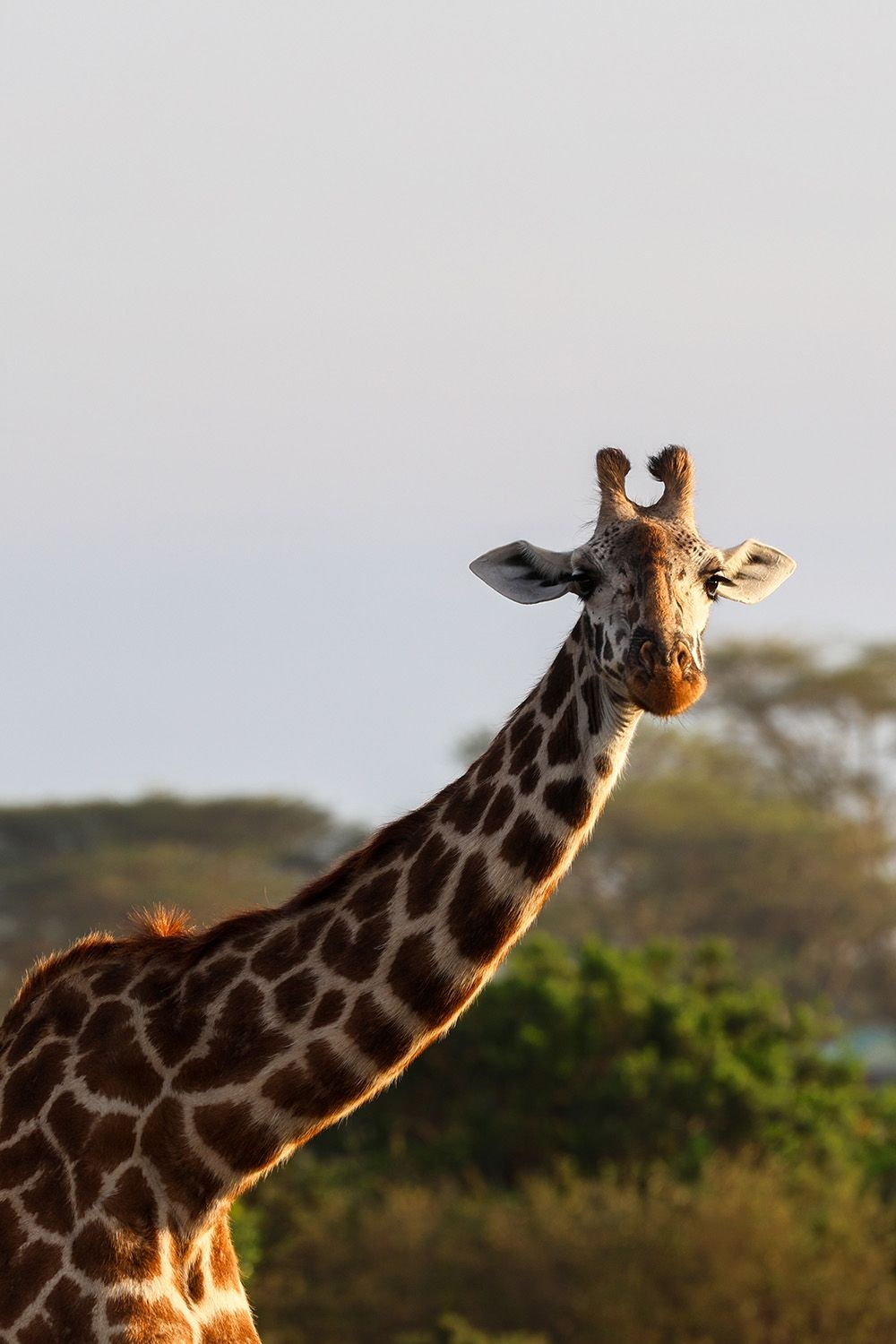
Giraffes, elephants, zebras, wildebeests, Thomson’s gazelles, and kudus are seen grazing around the property
Prasad Ramamurthy
Prasad Ramamurthy
Prasad Ramamurthy
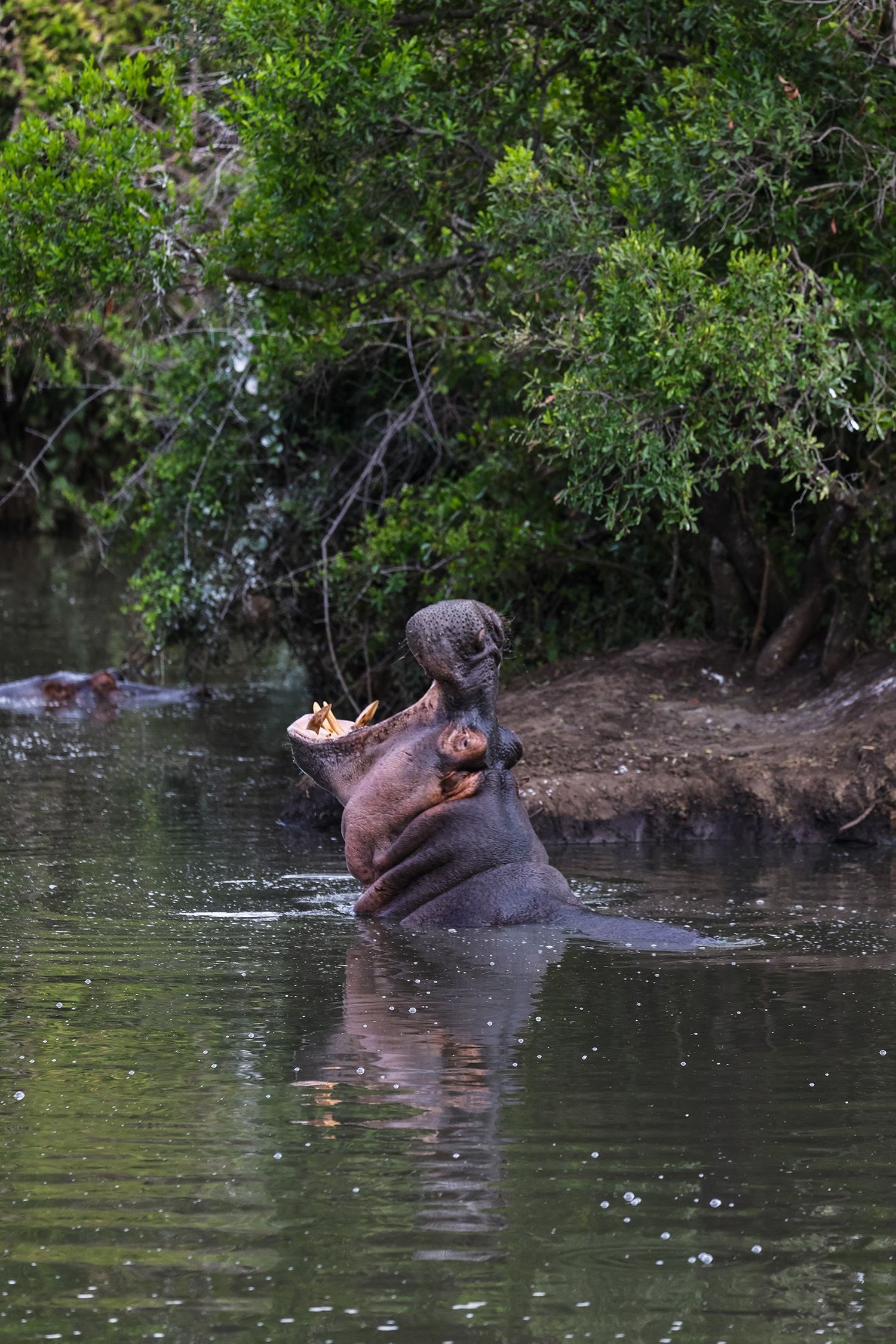
The allure of an African safari, unlike, say, an Indian one, lies in places like this where even before you’ve actually set foot inside a nature reserve’s boundaries you’re treated to its bounty. From the deck of my elegantly designed canvas-topped Deluxe Suite, which came with handcrafted Hypno twin beds, his-and-hers storage, work desks and vanities, and an outdoor jacuzzi, every day I sighted lumbering hippos, kingfishers, foraging tuskers, snake eagles, warthogs, starlings, and baboons that came to drink at the river. The lodge’s two dining venues—Sarabi, an all-day restaurant, and the Fig Tree Lounge and Deck, a coffee-to-cocktails spot—were also great to practise one’s photography as they look out onto a pond occupied by over 20 temperamental hippos and a solitary Nile crocodile.
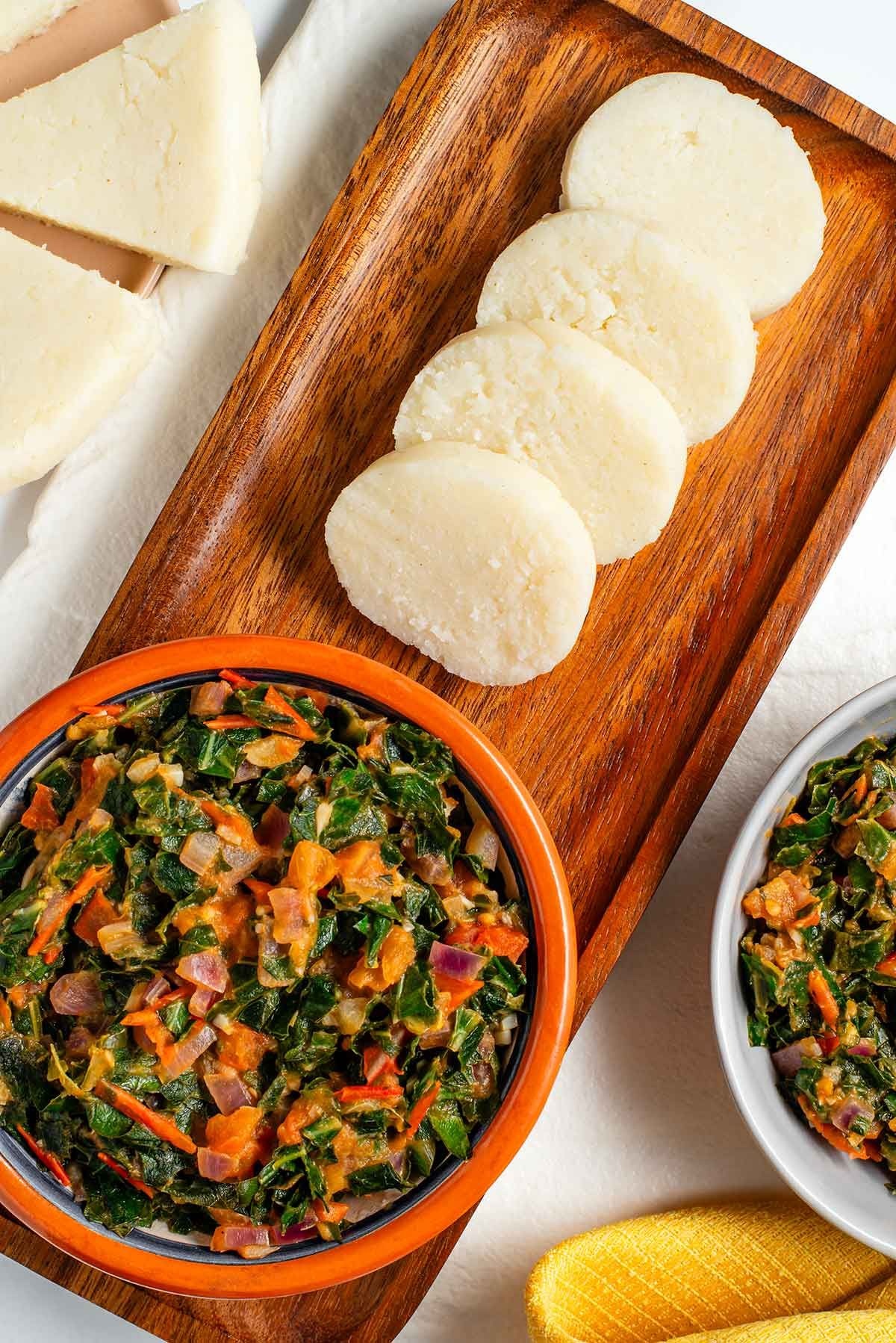
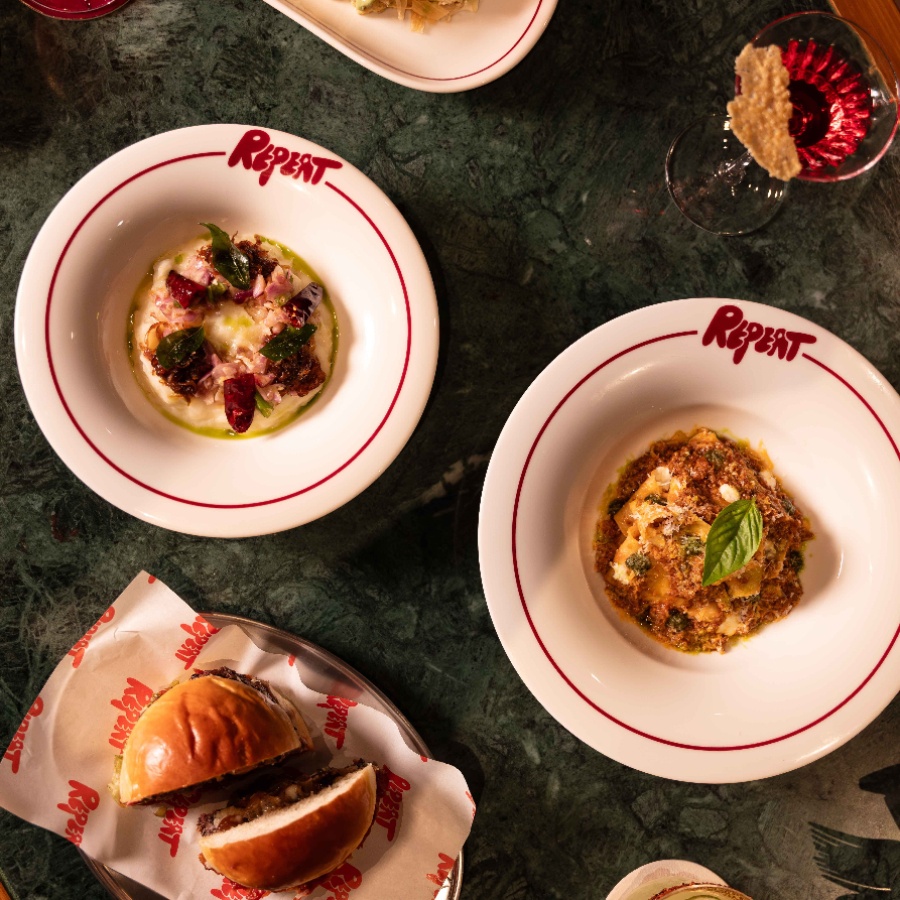
While on the topic of dining, those seeking Indian fare on their travels will be particularly delighted, for the lodge not only features desi dishes on its menu but also dedicates weekly dinners to the Indian theme. My gluten-intolerant self was pleasantly surprised by a fragrant biryani one night and a flavourful kadi chawal on another. Having said that, there are other international cuisines, including Kenyan, to pick from. Several of the Kenyan dishes I tried felt familiar, pointing to the deep impact the Indian immigrants have had on local communities. The githeri, for instance, is a tangy tomato-based stew with maize and legumes that’s similar to a channa masala; kachumbari is the kachumbar salad we know; and the pilau is a cousin of the pulao. The ugali, a polenta-like preparation that’s had with a collard greens salad and a red-meat-based stew, is a local staple that I personally took a shine to. It’s also worth mentioning that much of the lodge’s produce is grown at farms on-site; ask for a tour that includes a visit to their Sustainability Centre, where their staff turn solid waste into cool souvenirs.
ADVERTISEMENT
The rooms at JW Marriott Masai Mara
Ugali with collard greens salad
The dining venue looks out onto a pond occupied by over 20 hippos
Prasad Ramamurthy
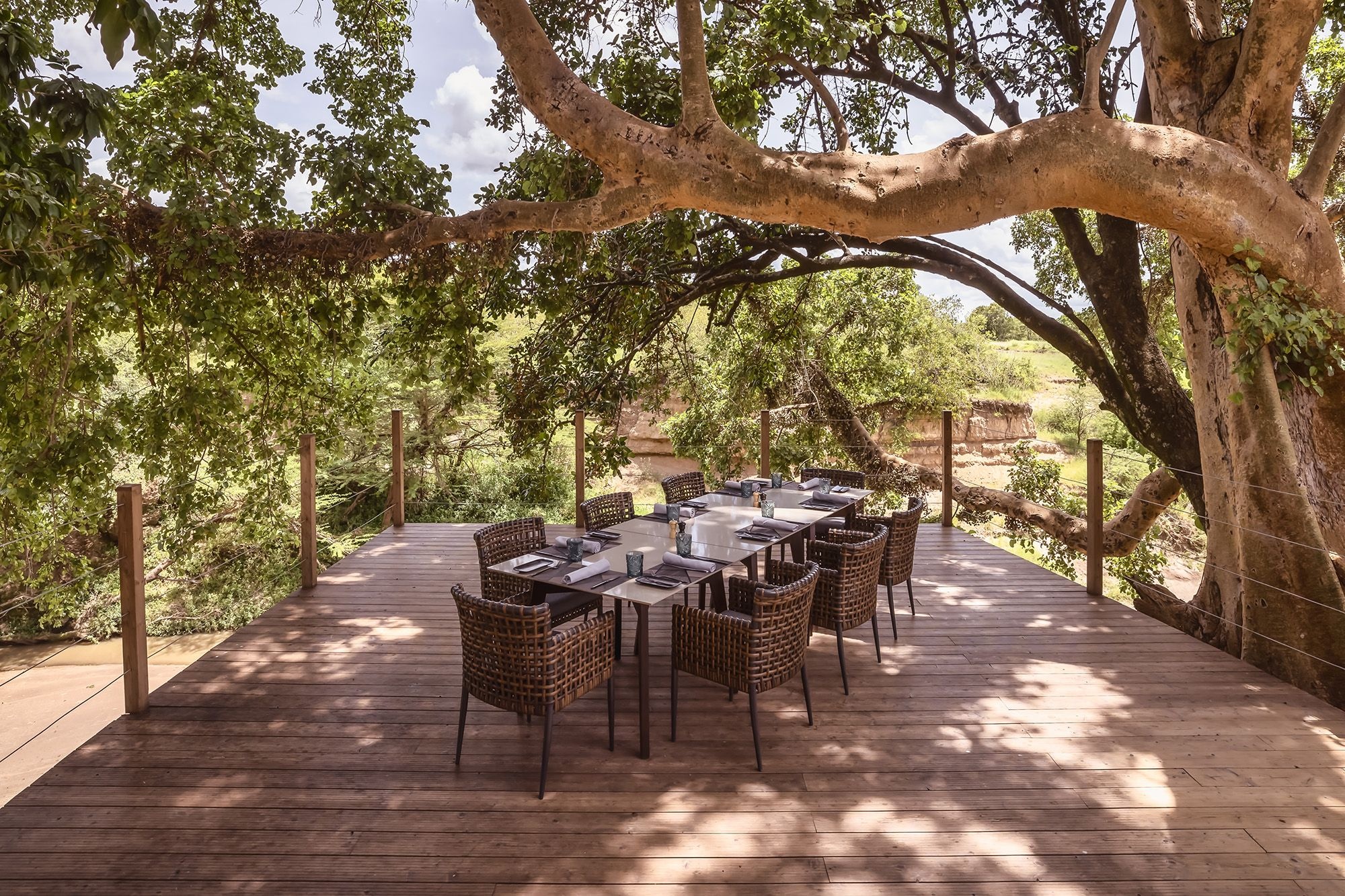
Outdoor dining area at the safari lodge
On my last evening, as I sat by the lodge’s daily campfire nursing a South African Pinotage (I geeked out on the charcoal-cooled wine cabinet), it occurred to me that in three short days I had already become someone who enjoys tinkering with DSLR cameras, and I couldn’t be happier. The journey had been bumpy.
Initially, the images I captured were auto of focus, blurry ones or burnt out. Camera lenses can be heavy; learning to balance its weight while taking a photograph is a challenge and takes strong arms and support equipment to get around. Over the three days I learned how to hold the camera steady, pick the right settings, and frame my shots better. All with my tutor’s constant guidance. I photographed birds and herbivores and even found the confidence to capture textures, such as the patterns on a giraffe’s hide and the wrinkles on an elephant’s back.
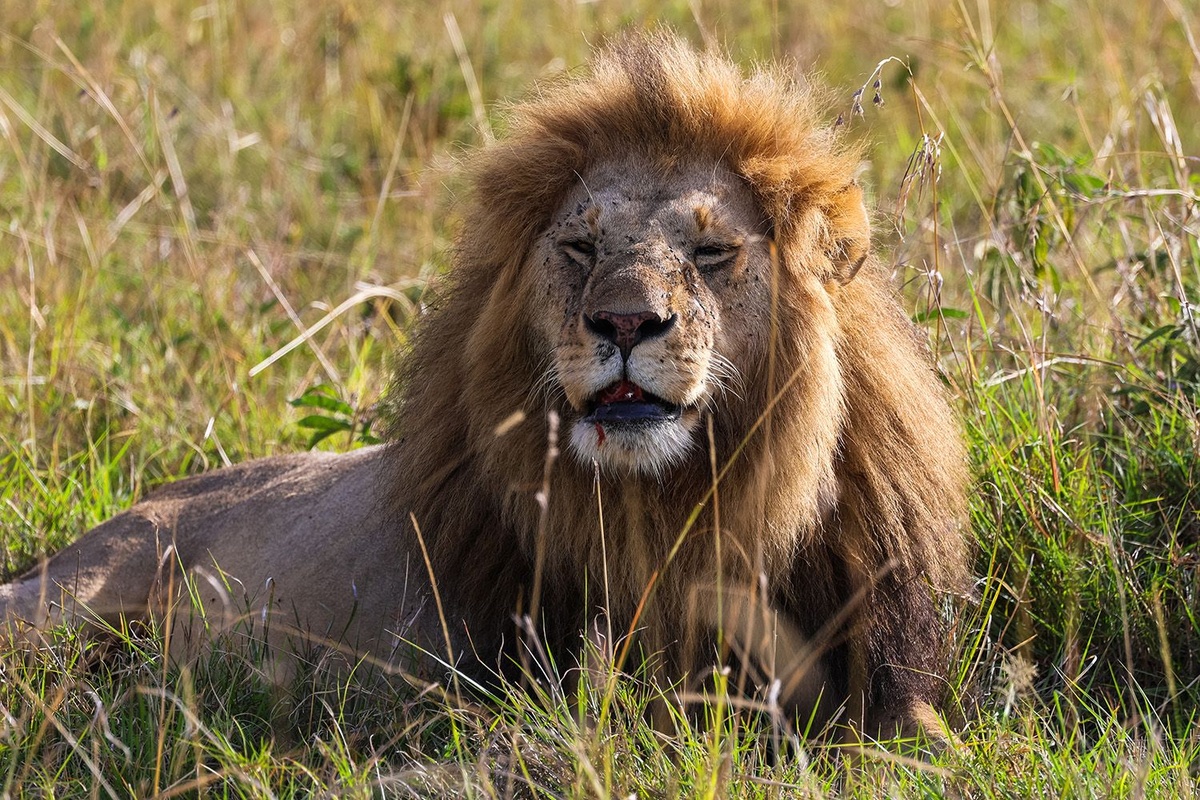
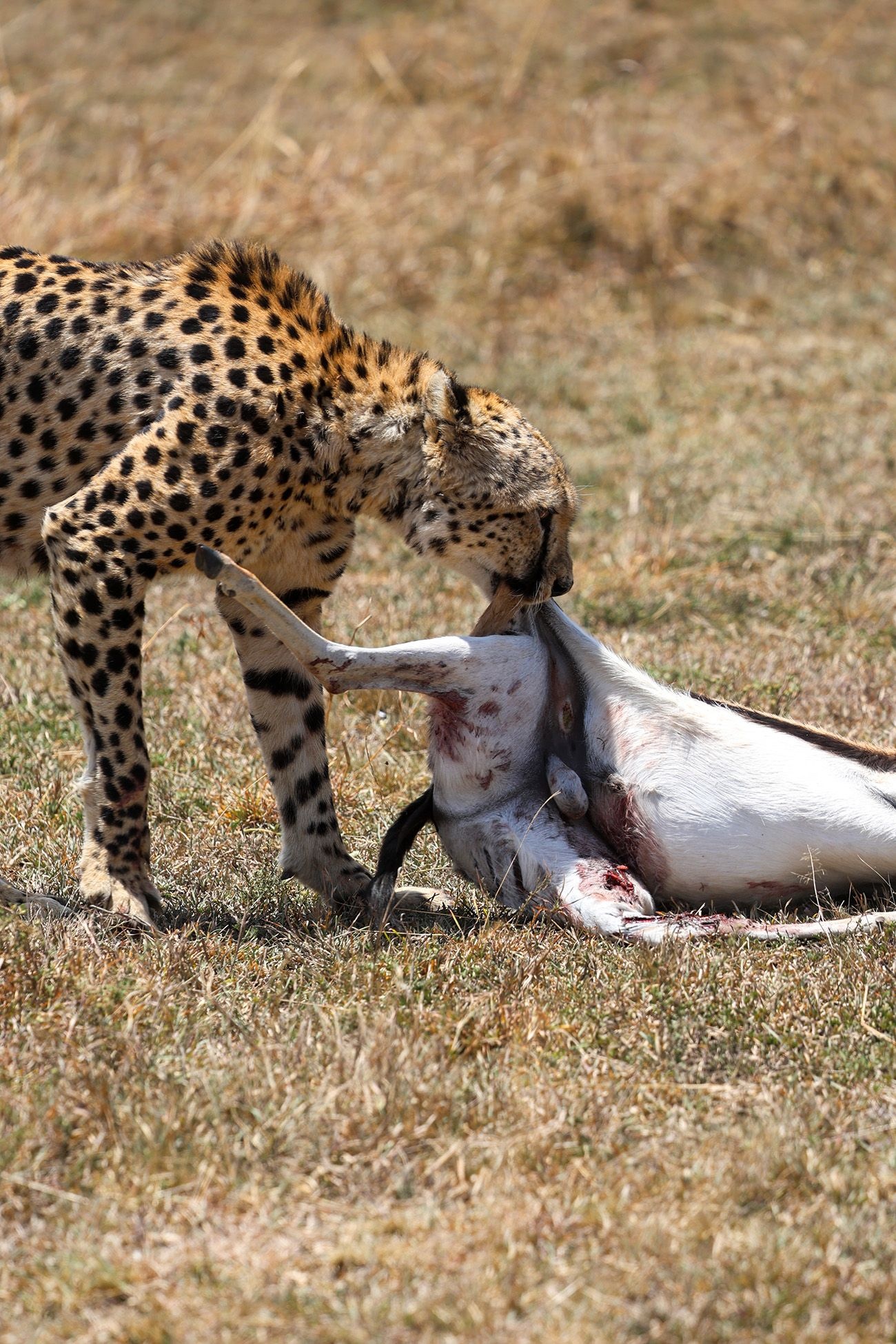
The moments that will be marked as album favourites, though, are those of cheeky hyenas snatching food from lionesses; of an elderly cheetah, the last surviving cast member of the well-known National Geographic documentary Way of the Cheetah, as it killed and dragged an antelope into the bushes; and those unruly jousting elephants. I have the pictures to prove it. But am I ready to trade the phone camera for an actual one? Well, not yet. For now, I’ve taken to the pro mode with a vengeance. Progress comes in baby steps.
ADVERTISEMENT
Prasad Ramamurthy
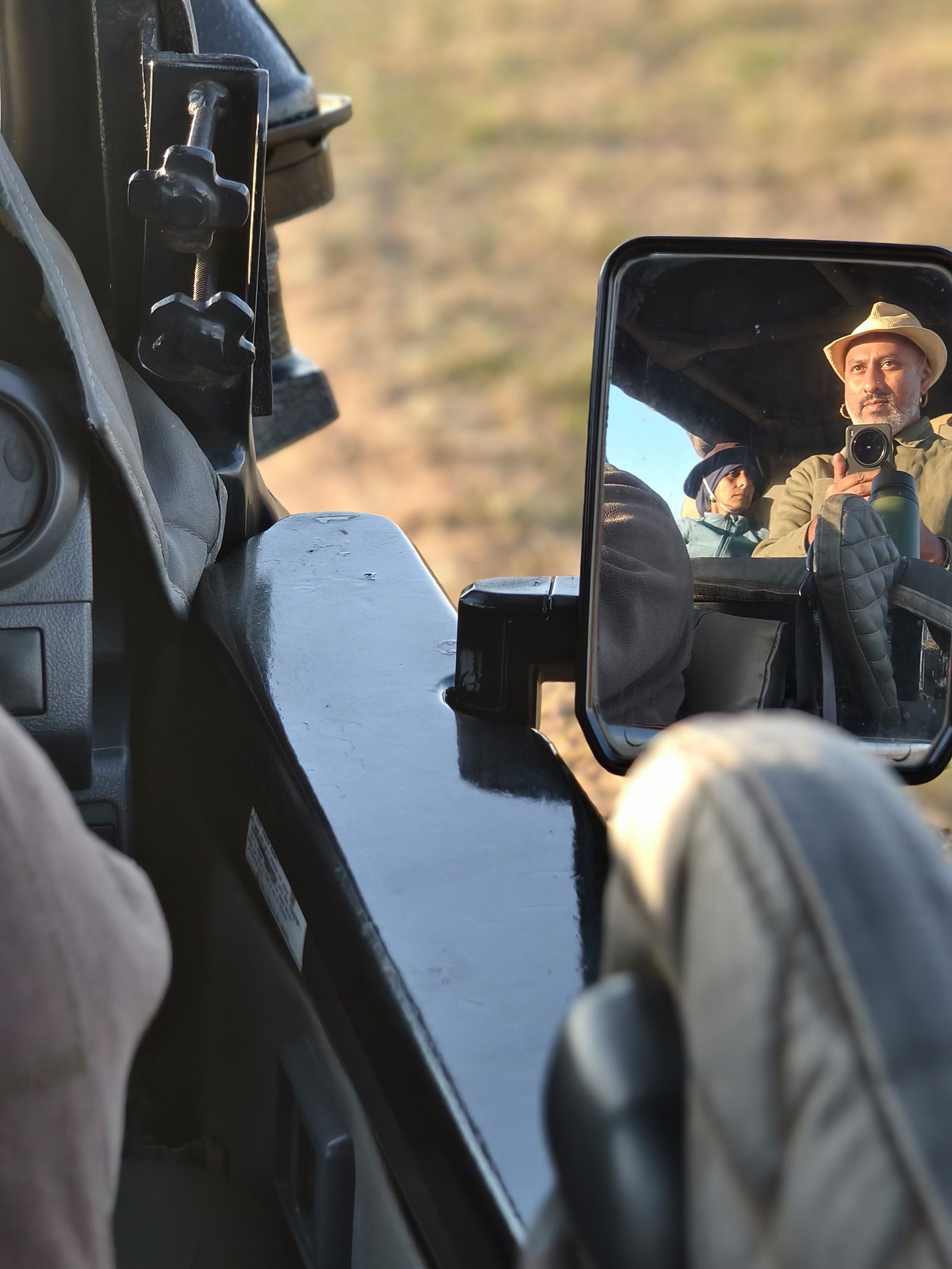
The writer (turned photographer) documents the day’s safari
Prasad Ramamurthy
Prasad Ramamurthy
Prasad Ramamurthy
How to get there: Air India, Indigo and Kenya Airways fly direct from Mumbai to Nairobi’s Jomo Kenyatta International Airport. The airstrip at Keekorok can be reached on AirKenya Express flights from Nairobi’s Wilson Airport, about 17km from the international airport. The Lodge can also be accessed by road; it’s about 275km (or six hours) from Nairobi.
Need to know: Indian nationals will need to provide a Yellow Fever vaccination certificate before being allowed to re-enter the country. Vaccinations must be taken before leaving the country at a government mandated facility near you.