



Travel & Living20 Jul 20265 MIN

An après-art guide to the sā Ladakh Biennale

Planning August with a side of art? Here, our for-all-budgets guide on where to stay (and what to eat) in Leh

Image

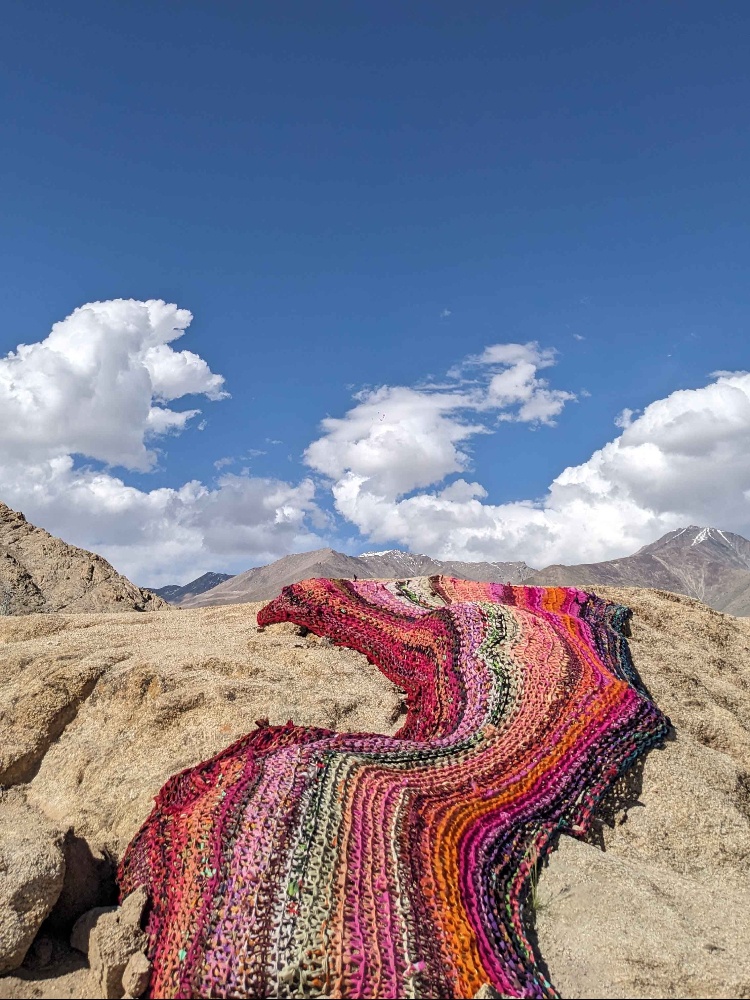
sā - Edition One, 'River of Sweat' by Anshu Singh. The third edition of the sā Ladakh Biennale starts August 1, 2026

Raki Nikahetiya

Leh has always worn its remoteness like a badge—the bike run up from Manali, the long climb out of Srinagar... It’s all about adventure and roughing it out. Or so it may seem, going by my own visits here for fairly different reasons over the years. This year, the journey between August 1 and 10, will be especially rewarding.

Leh and its neighbouring areas—the villages of Basgo, Likir, Nurla, Lamayuru, Henasku, and Mulbekh and the city of Kargil—strung along roughly 230 kilometres of the old Leh-Kargil corridor, a stretch of the Silk Route, are being transformed into open-air exhibition spaces for the third edition of the sā Ladakh Biennale. Set 3,000 metres above sea level, it has positioned itself as the world’s highest regenerative art biennale.

The biennale’s central theme, ‘Signals from Another Star’, shaped by Vishal K Dar, is rooted in Ladakh itself, drawing attention to the urgency of a region warming ever so quickly. With Tsering Motup Siddho as associate curator, it brings together 12 artists and artist duos, Ladakhi and international, working with land and its history.

Like the landscapes of the region, none of this needs to look (or cost) the same. Leh can be anything you want it to be—a luxurious escape with expansive views or a peek into the lives of the ever-so-warm, inviting locals who open up their homes and kitchens. Most of the stays ahead are set up with staff who help you with tips for acclimatisation, intake, and any oxygen cylinders in case of any drop in blood oxygen. Scroll below for our recommendations.

Where to stay (and eat)

For the luxury seeker

Inside Leh town, which is also the Biennale’s first site, base yourself anywhere on this list and you’re pretty much in the centre of Leh. These stays are also, geographically, within a kilometre or two of the main bazaar and each other.

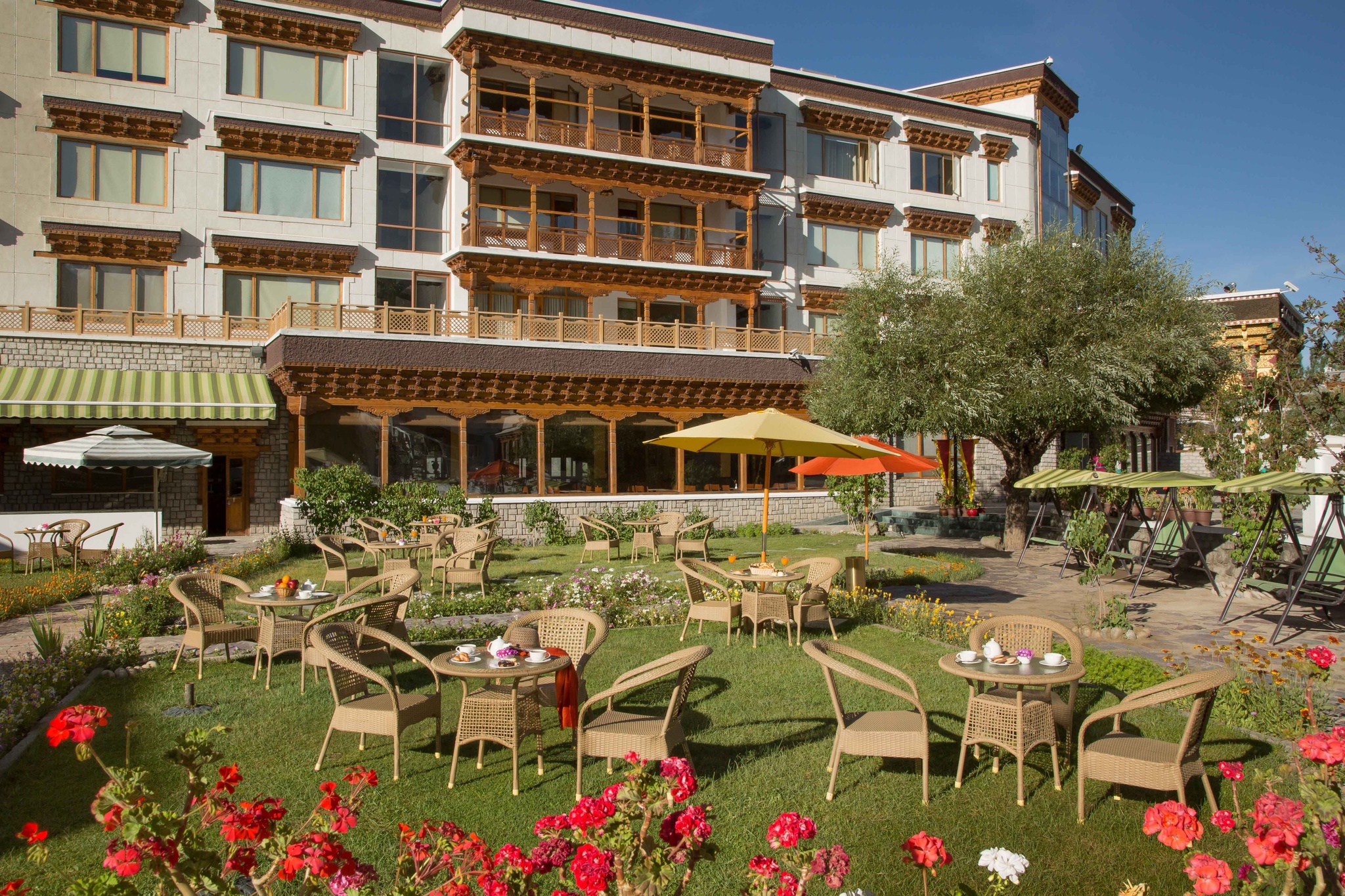
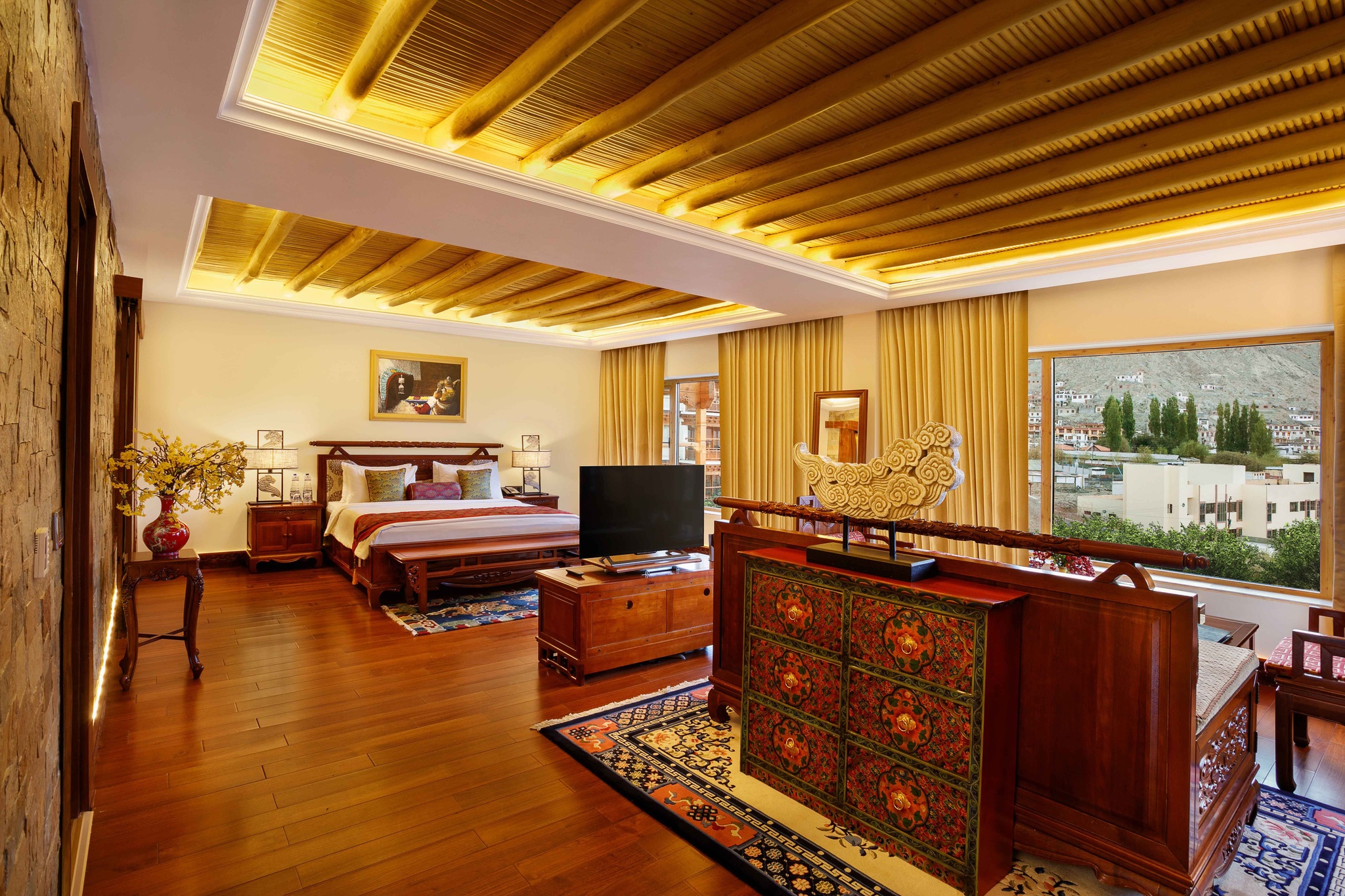
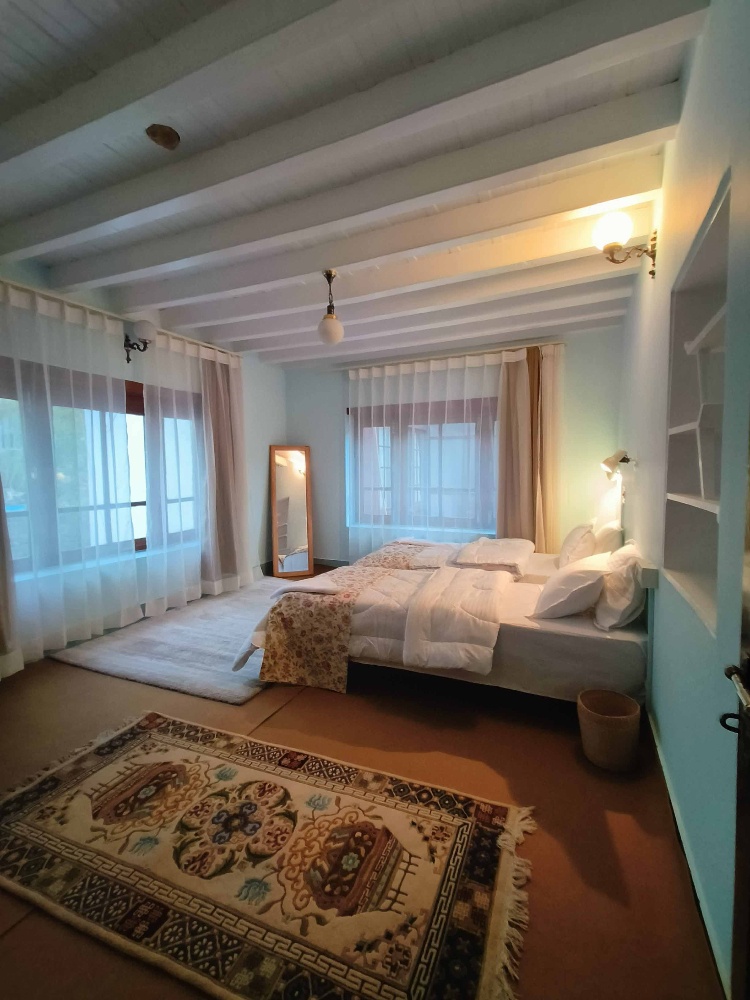
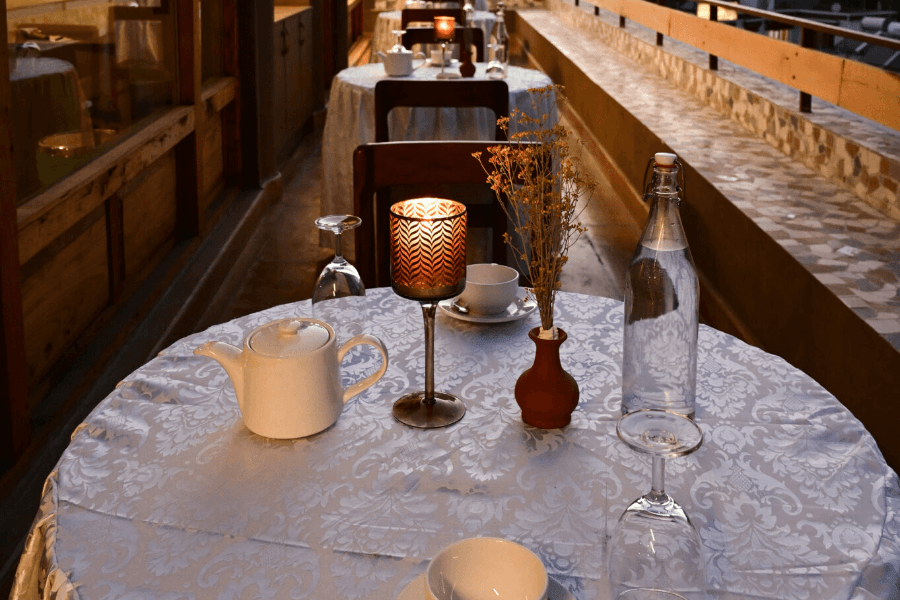
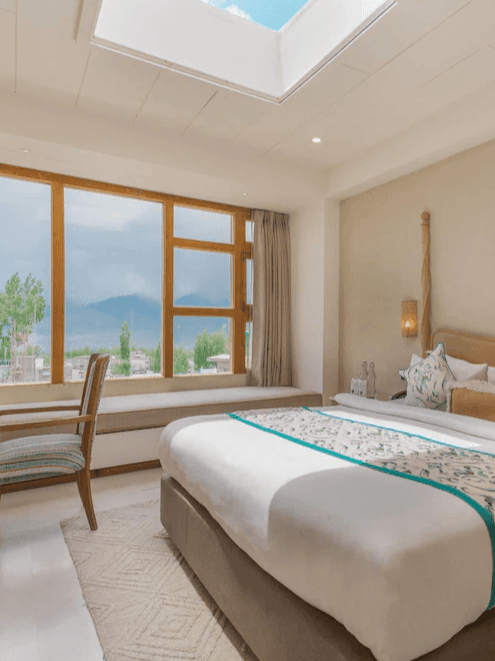
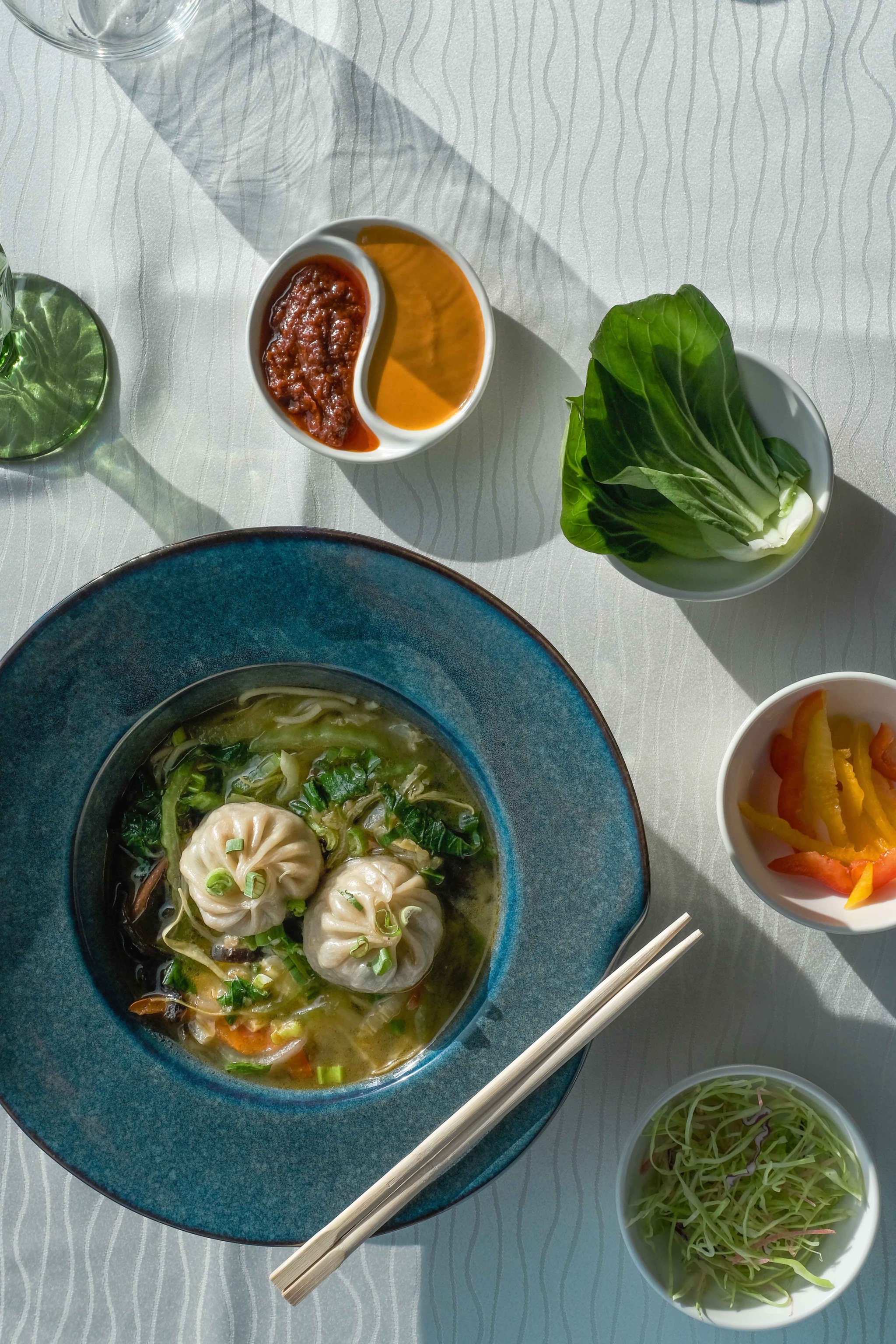
Leh has one proper five-star: The Grand Dragon Ladakh, ten minutes’ walk from the market, starting at roughly ₹18,000 upward a night. Seventy-five rooms (including 36 Luxury Rooms, 29 Premier Heritage, and 11 Suites), a spa, round-the-clock room service—and RYU OKA, its newly-opened Silk Route-themed restaurant, tracing Japanese, Korean, Thai, Chinese and Balinese cooking under one pan-Asian menu for an exclusive stay in luxury. The rooms come with traditional teakwood flooring, and ceilings with teak wood cornices. The walls of the room are done up with Handwoven Khabdan rugs and Ladakhi jewellery.
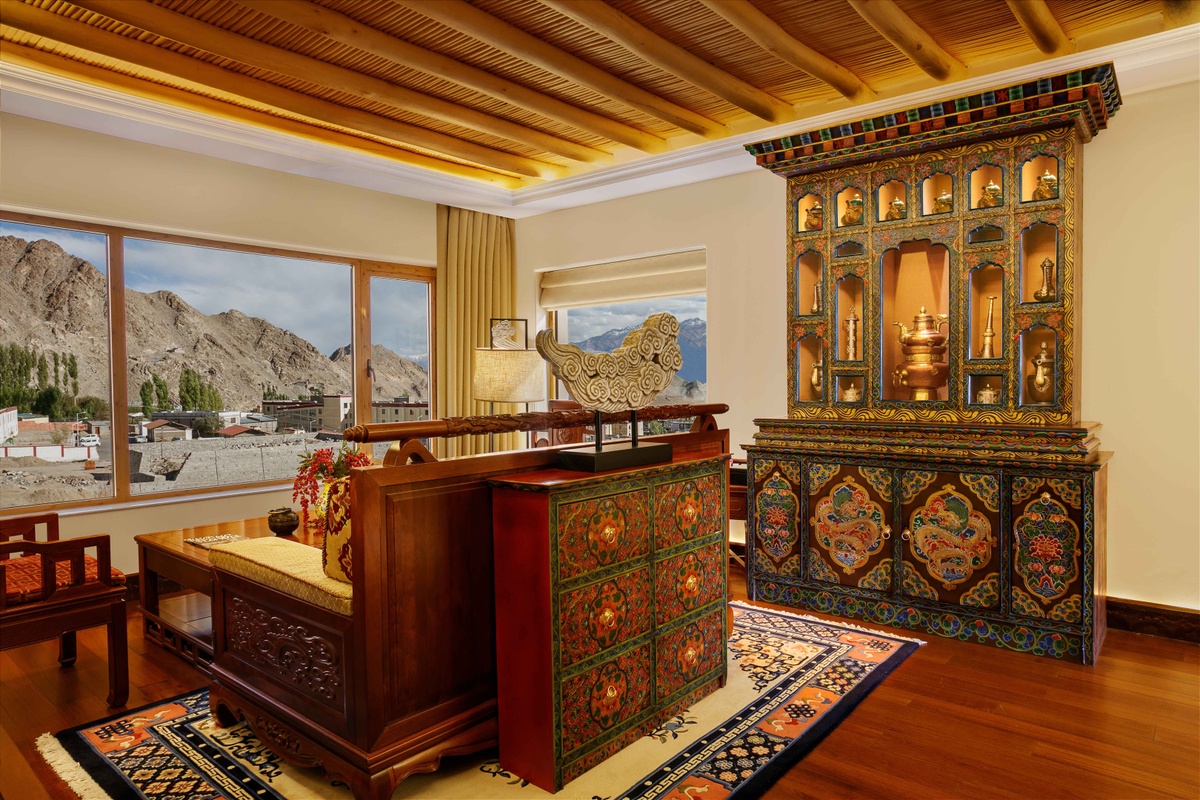
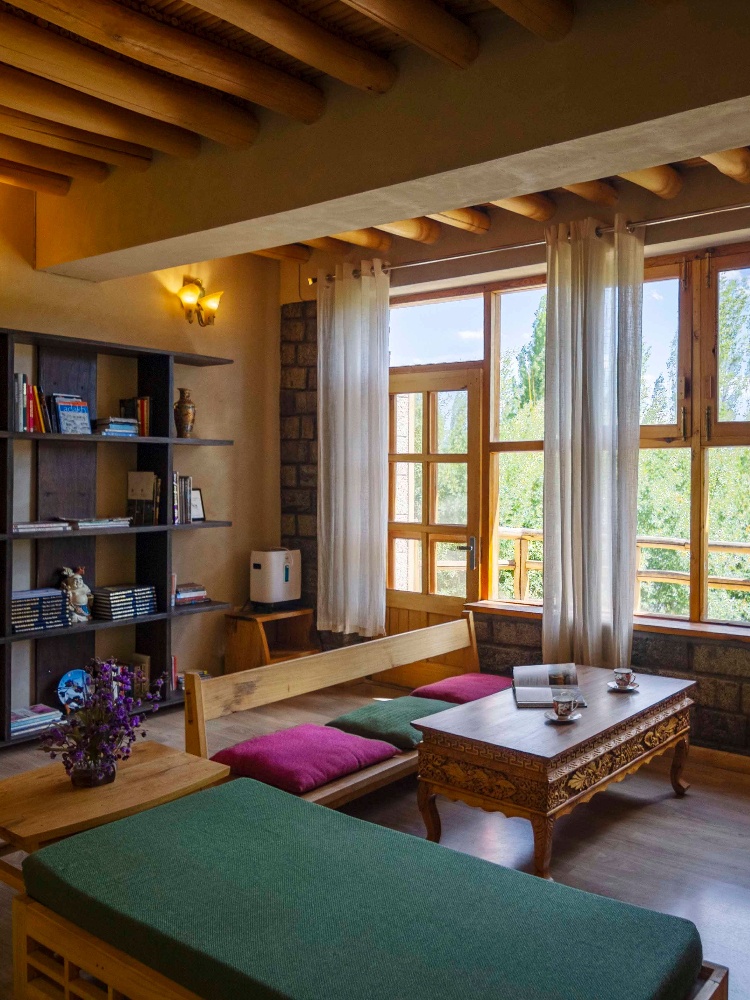
Chospa, a heritage style hotel, sits a few minutes further along, on the historic Old Leh Road. Its 17 rooms are built from local timber, lending it more of a Ladakhi home feel than a hotel. You can stay here for a little over ₹15,000 a night.

A short stroll away in Leh’s Old Town, near the historic 17th-century Leh Palace, two royal-era houses have been restored by the Ladakh Arts and Media Organisation (LAMO) and turned into galleries, a library, and a performance space. These houses will be the site for the three special projects—part of the biennale—put together by five Ladakhi artists, making it one of the biennale’s more walkable detours.

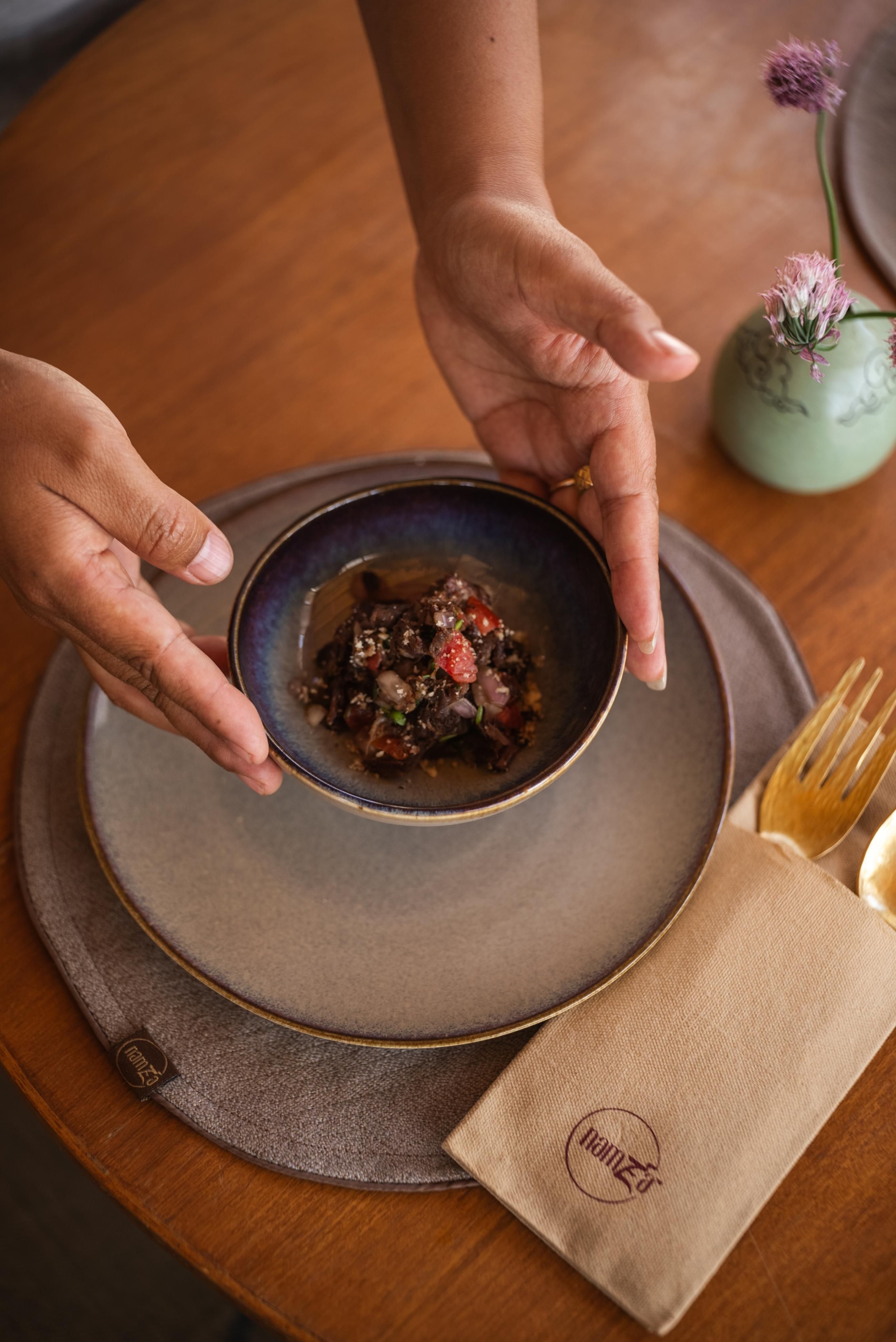
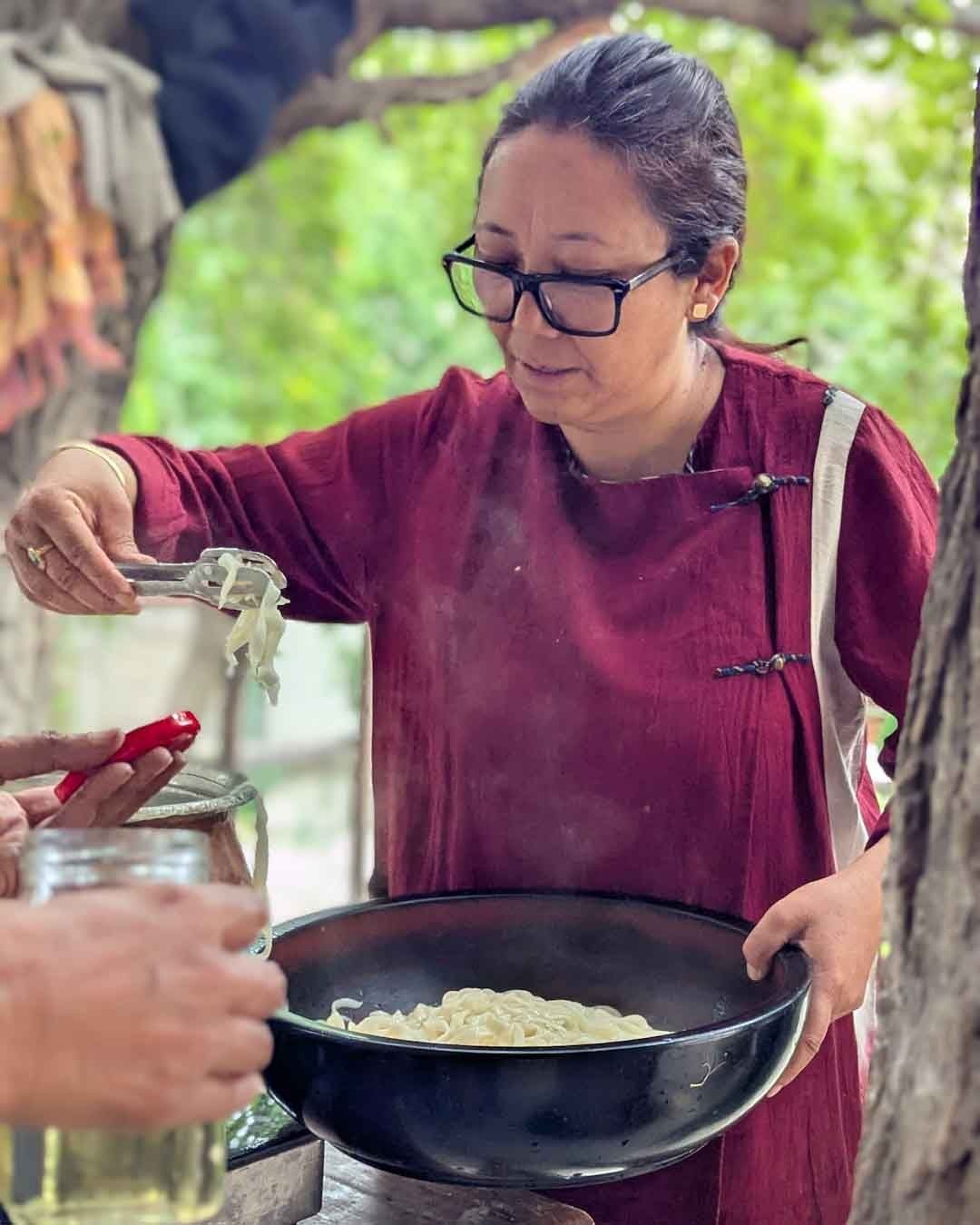
Chospa has its own multi-cuisine cafe—Old Road Cafe and Bar. Stop here for a coffee break (powered by Subko) and definitely ask for their homestyle khichdi. If you are looking for something refined, Namza Dining is a 10-minute walk away. Tucked into the town square behind its own fashion boutique, Namza was one of the first places in Leh to treat Ladakhi food as something worth elevating. Since 2016, its yarkhandi pulao—slow-cooked mutton and rice carried in by Silk Route traders—has been the dish people specifically cross town for, alongside khambir and an apricot cheesecake.

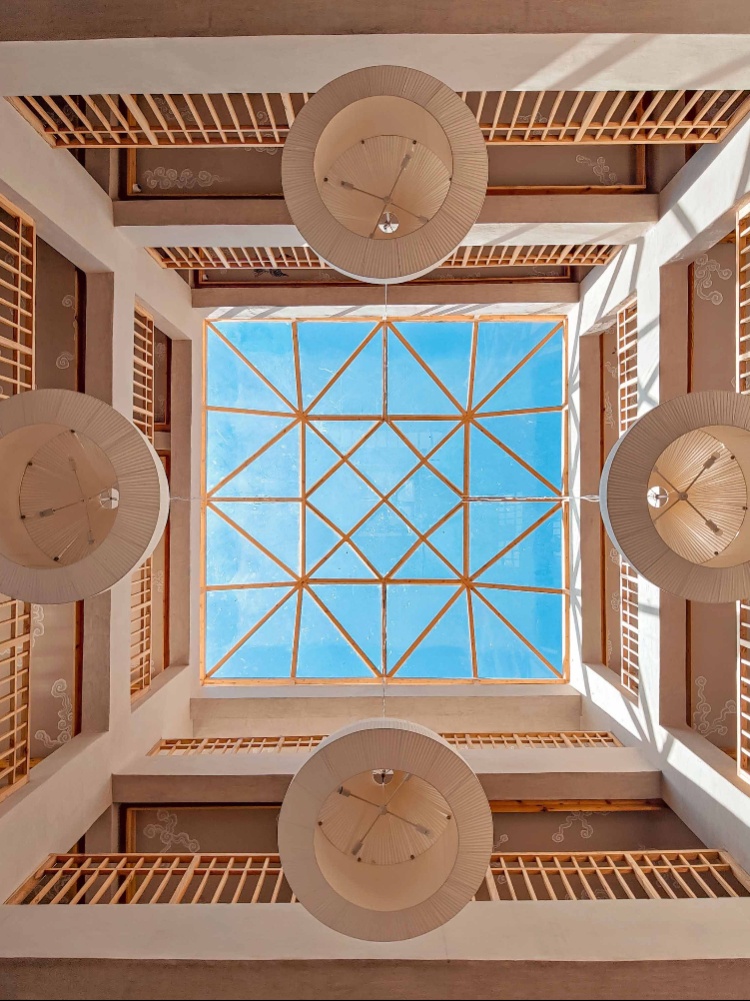
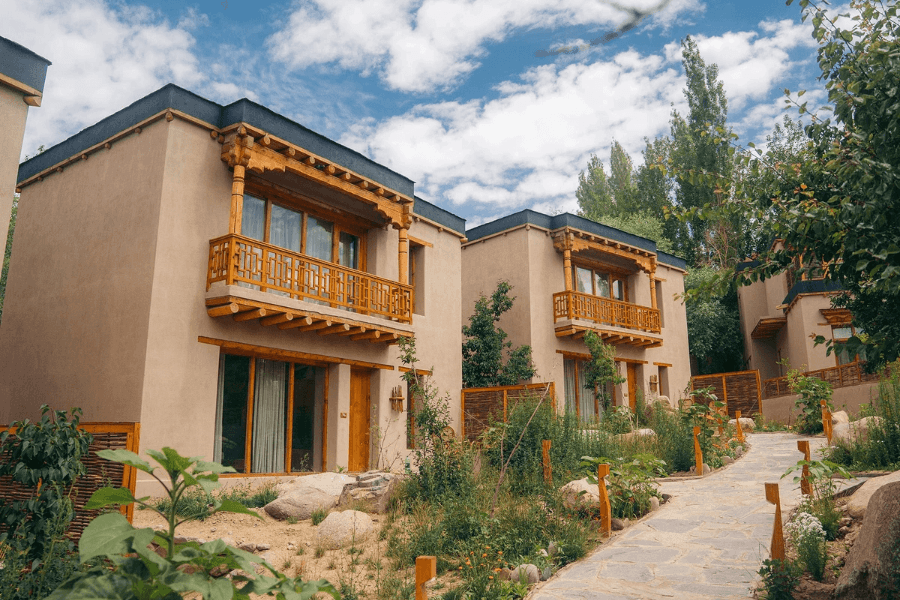
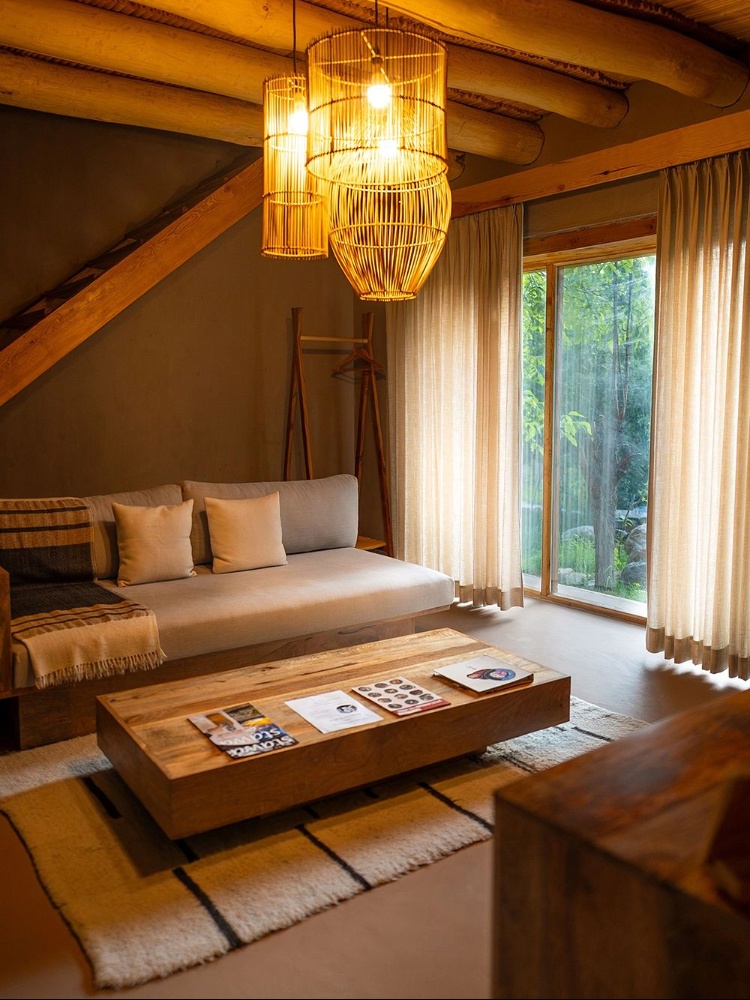
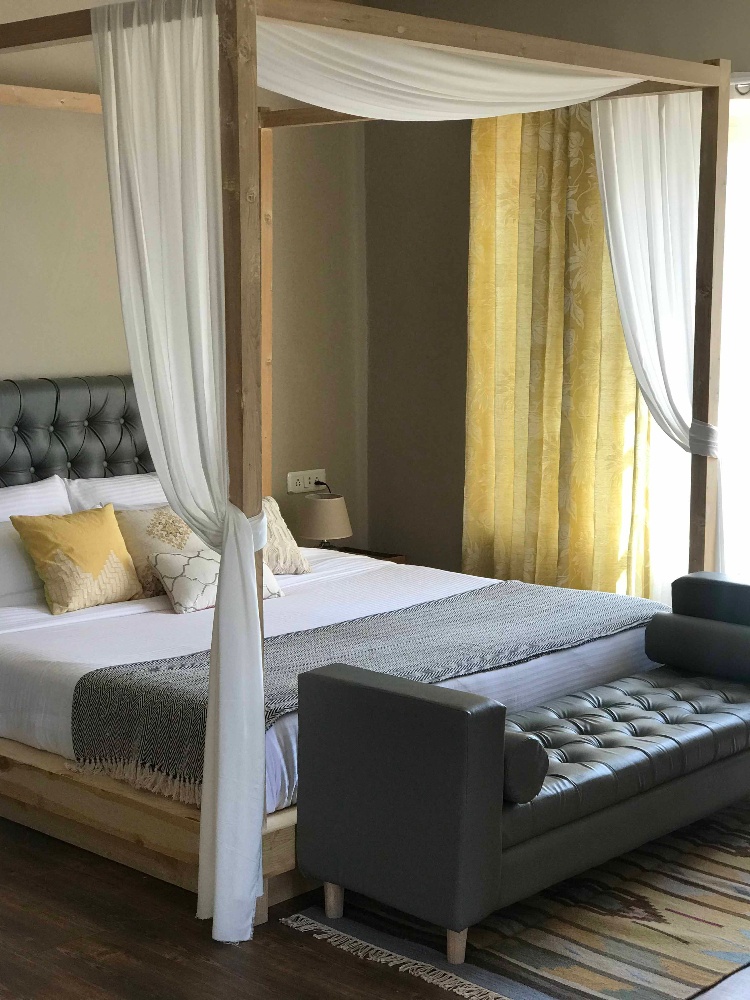
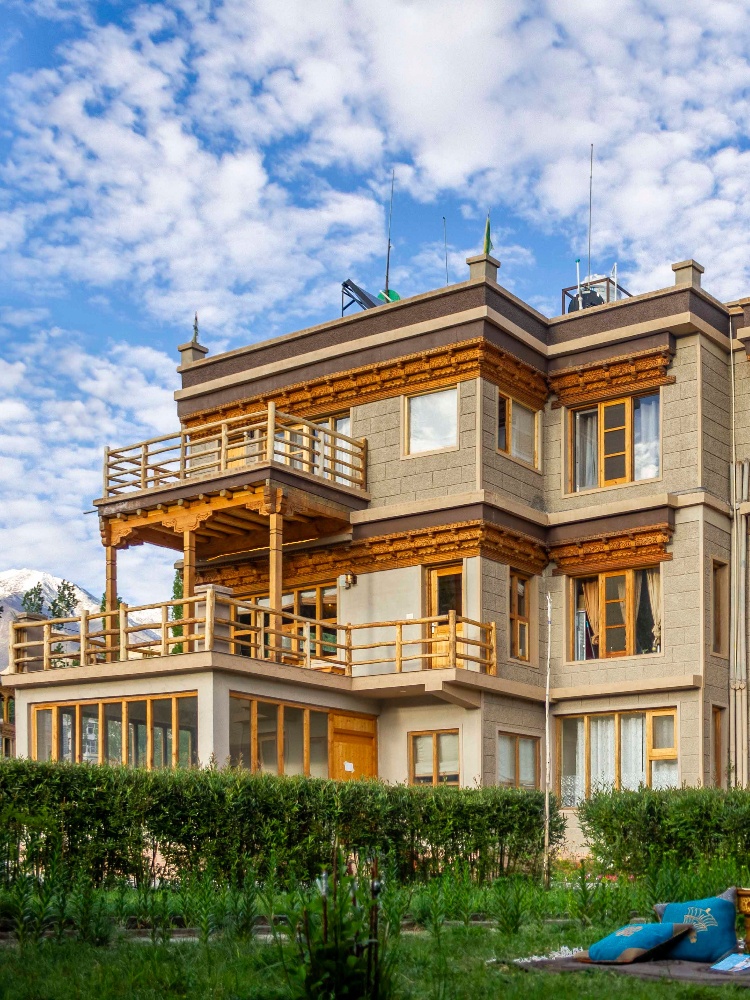
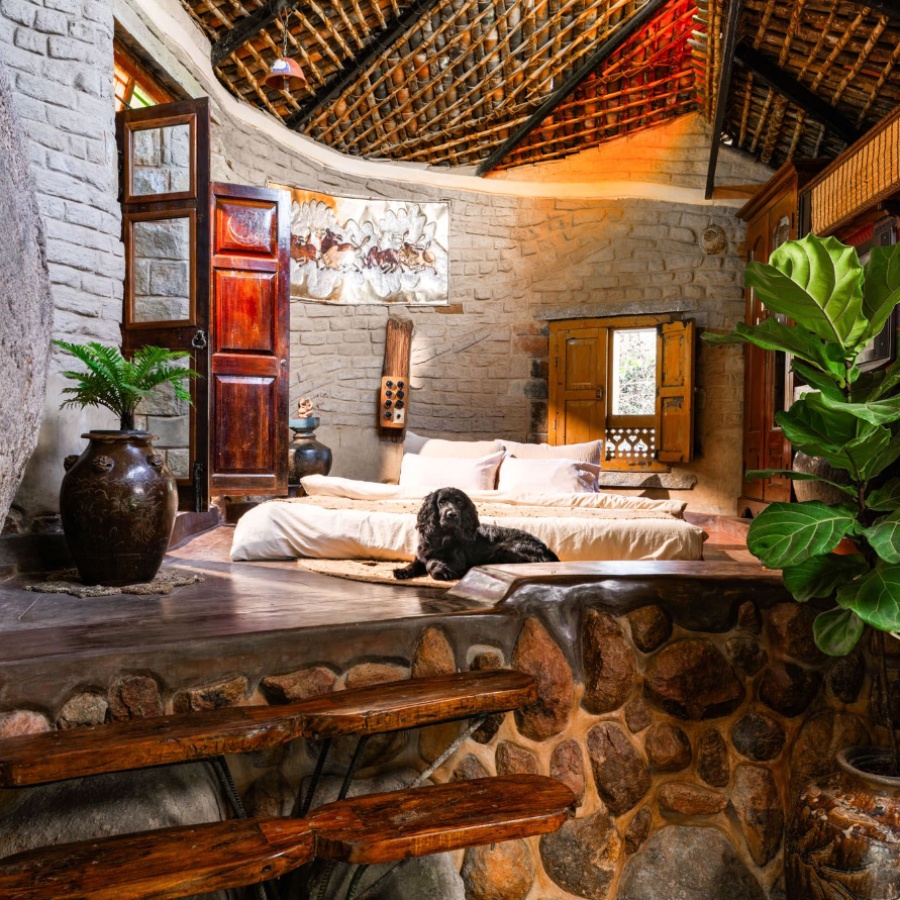
Dolkhar, in Tukcha, is a design-forward conscious luxury stay. Read: seven villas built from compressed earth and reclaimed wood. Fittingly, it’s one of the biennale’s own listed partners. Staying here puts you inside the same material language the exhibition itself is working with—earth, timber, a locally rooted architecture style. It’s the ideal prelude to all the art you will experience. 

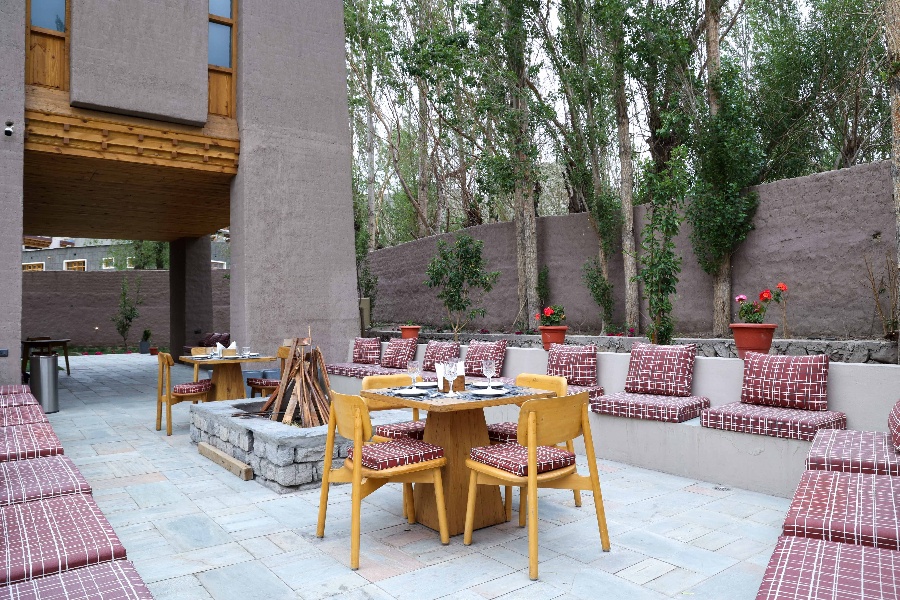
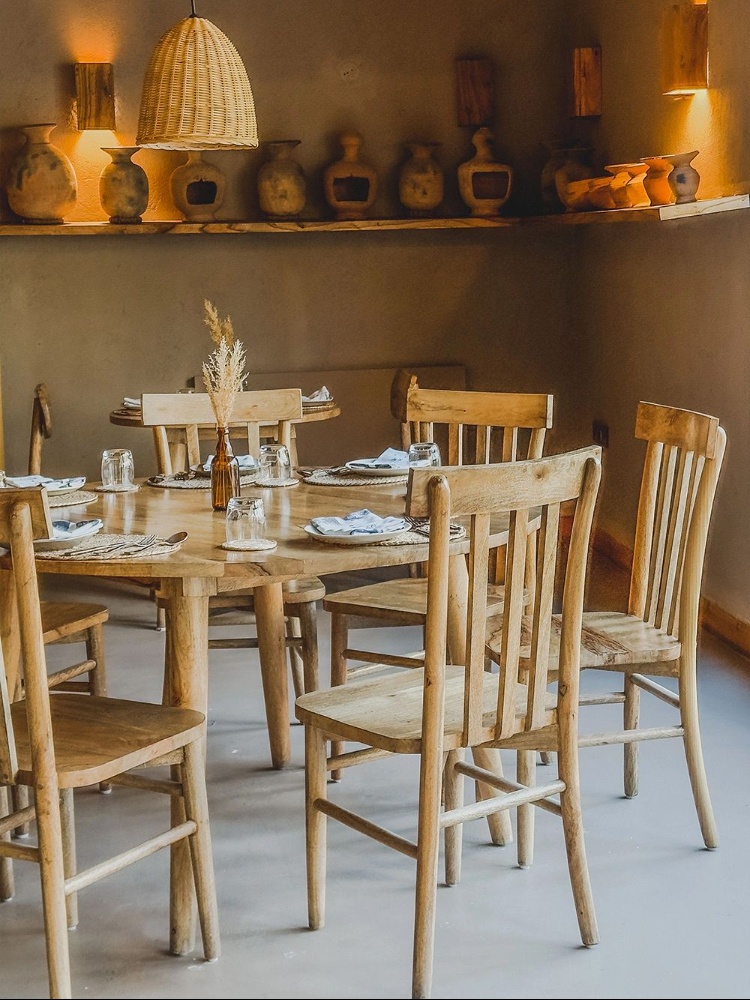
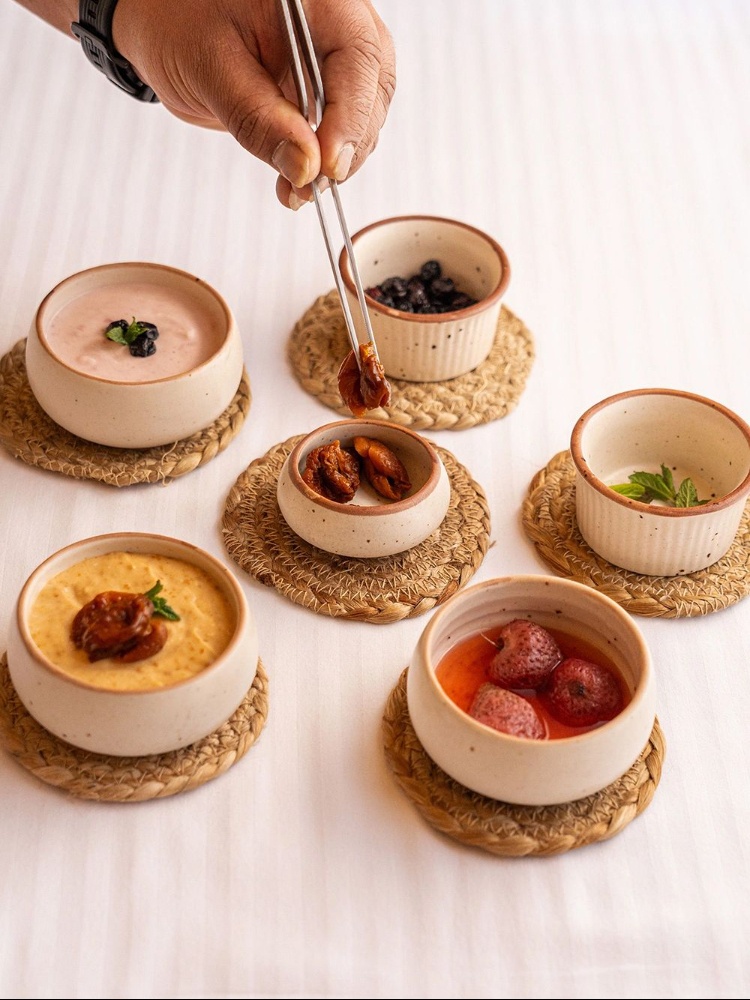
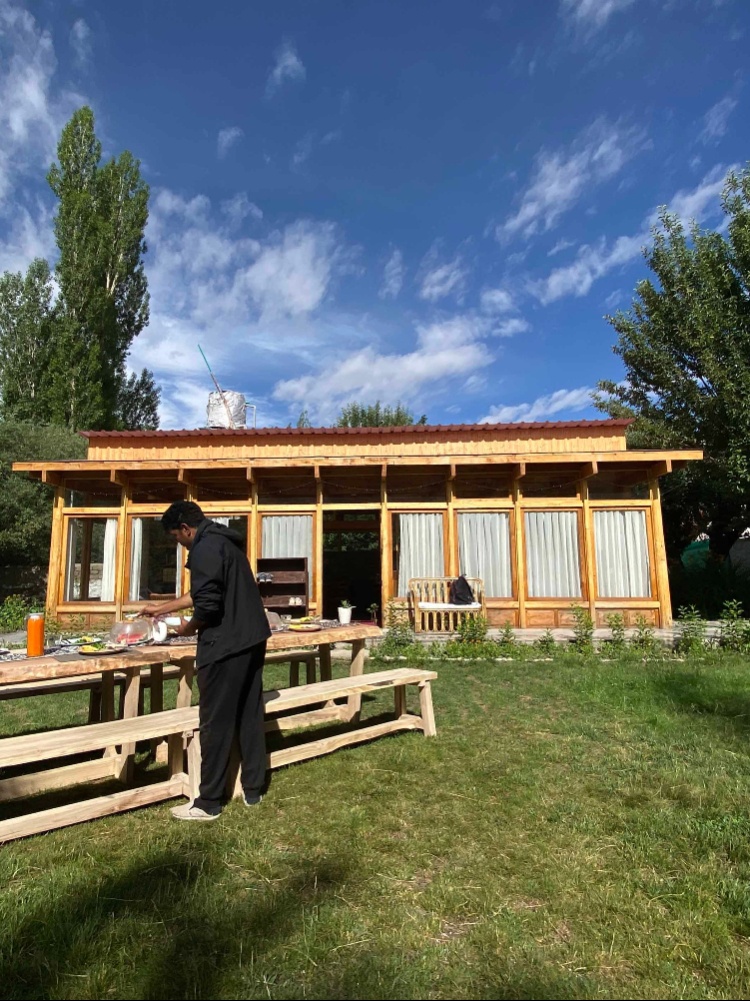
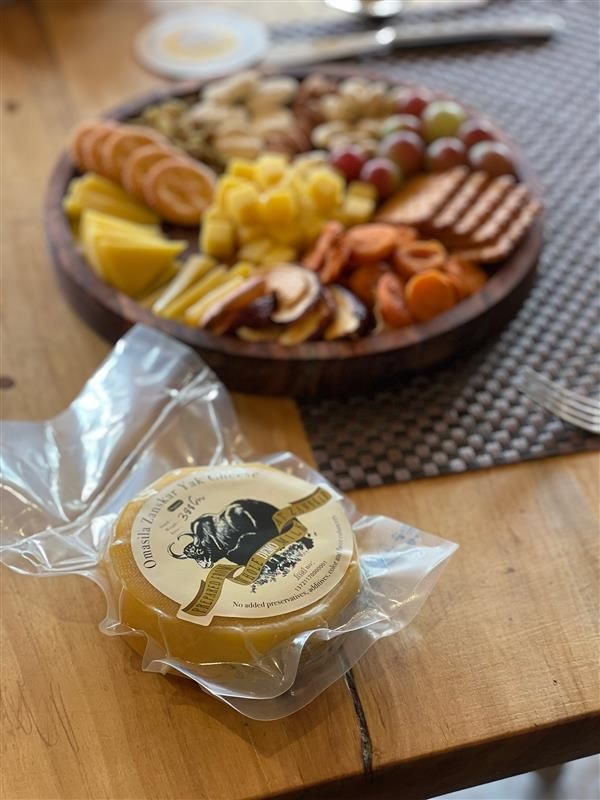
It also houses Tsas by Dolkhar (@tsas.dolkhar), reason enough to stay at Dolkhar. Set in an orchard, the kitchen whips out hand-rolled pasta, wood-fired pizzas finished with Zanskar yak cheese, and a seven-course tasting menu powered by the ingredients from its own garden.

For the budget-conscious:

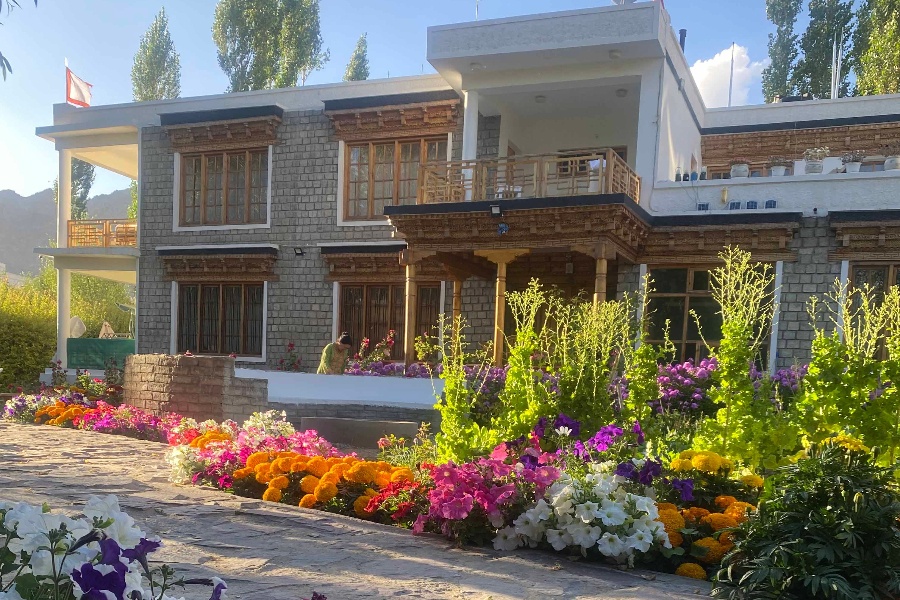
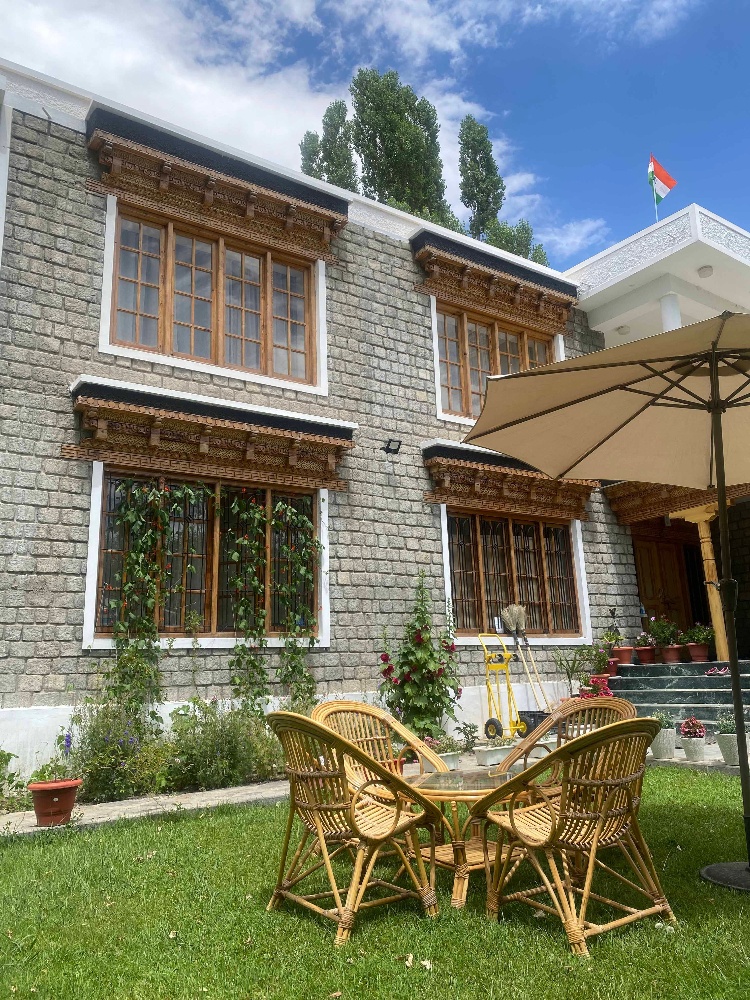
While these hotels make for an indulgent stay, the area close to Leh’s bazaar is equally well served by charming homestays. Jade House (starting at ₹7,000/night), about 500 metres from the bazaar, is ideal for families and solo travellers. The owner personally runs it, keeps a former WHO doctor on call, curates an acclimatisation menu for the first day, and, for this particular trip, will help build an itinerary around whatever each guest is actually drawn to.

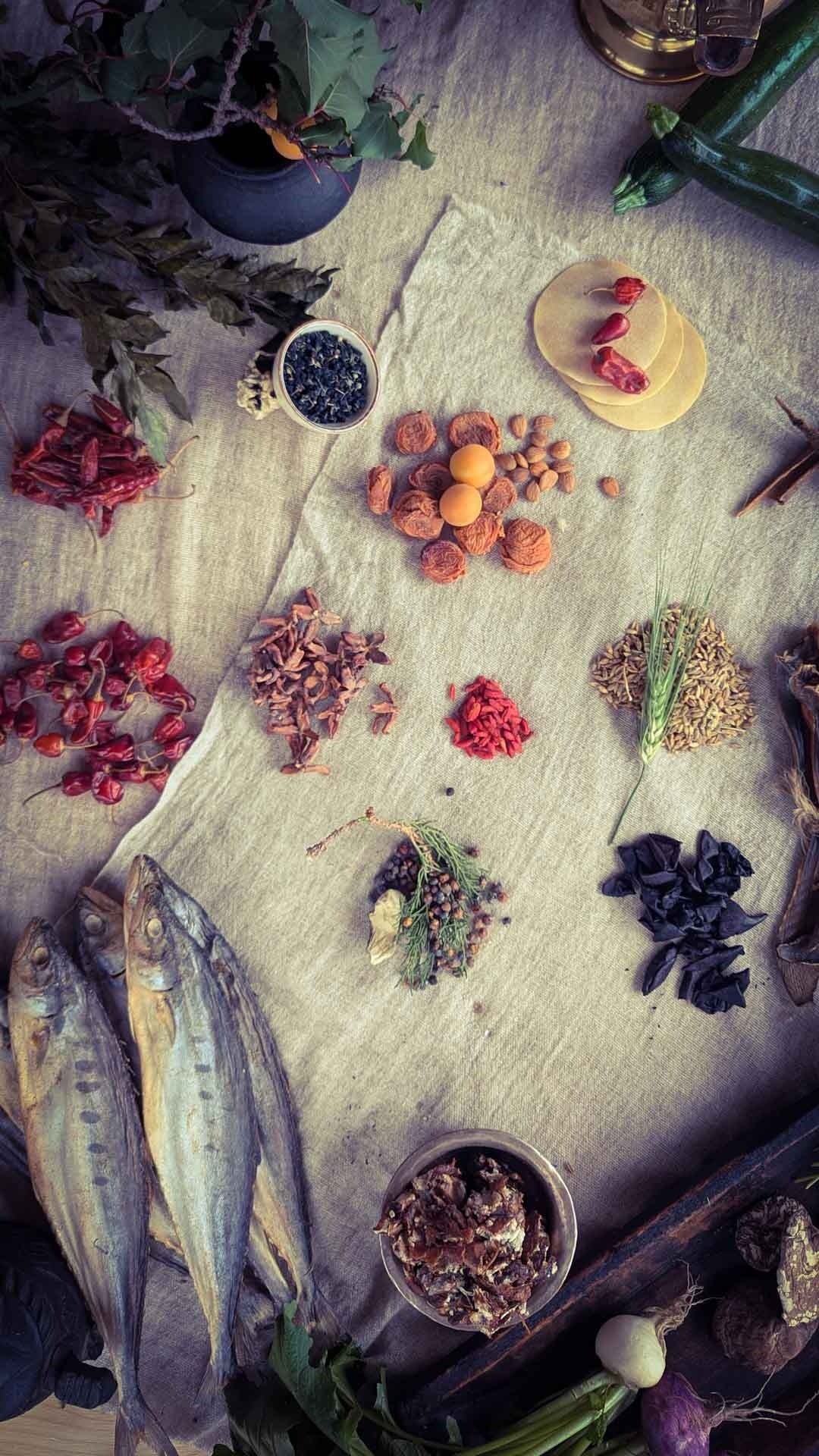
Jade House has its own culinary programme—the much published and praised curated authentic Ladakhi food experience by Artisanal Alchemy. Or plan ahead and pre-pack picnic platters with a picnic mat and basket for day trips.

Another charming homestay is Rabsal House (starting at ₹5,000/night), a 20-minute walk from the bazaar and close enough to Stok Palace, where Stanzin Wangail’s stippled ink tribute to Ladakhi history is on view. 

A few minutes from there, behind the old Tibetan handicrafts market, is one of Leh’s oldest (and still the best) momo place—The Tibetan Kitchen. Try the mutton and steamed variant and you will know. The cheese bagleb and a bowl of thukpa complete the mountain meal.

Slow Garden, in the middle of town, under its own apricot and apple trees, is another serene homestay, ideal for long stays. Irrespective of the room type you pick, you will be spending less than ₹10,000/night here. It’s complete with a library and a yoga shala. The property serves as a base for artists and writers during the Biennale, with a community living room and writing residencies. The owner, Gyatso, runs Lehchen Restaurant & Bar on Zangsti Road, a few doors from Namza. It is one of the only proper bars in Leh, a rooftop establishment with a multi-cuisine menu consisting of Thai, Indian, and Chinese bar snacks.

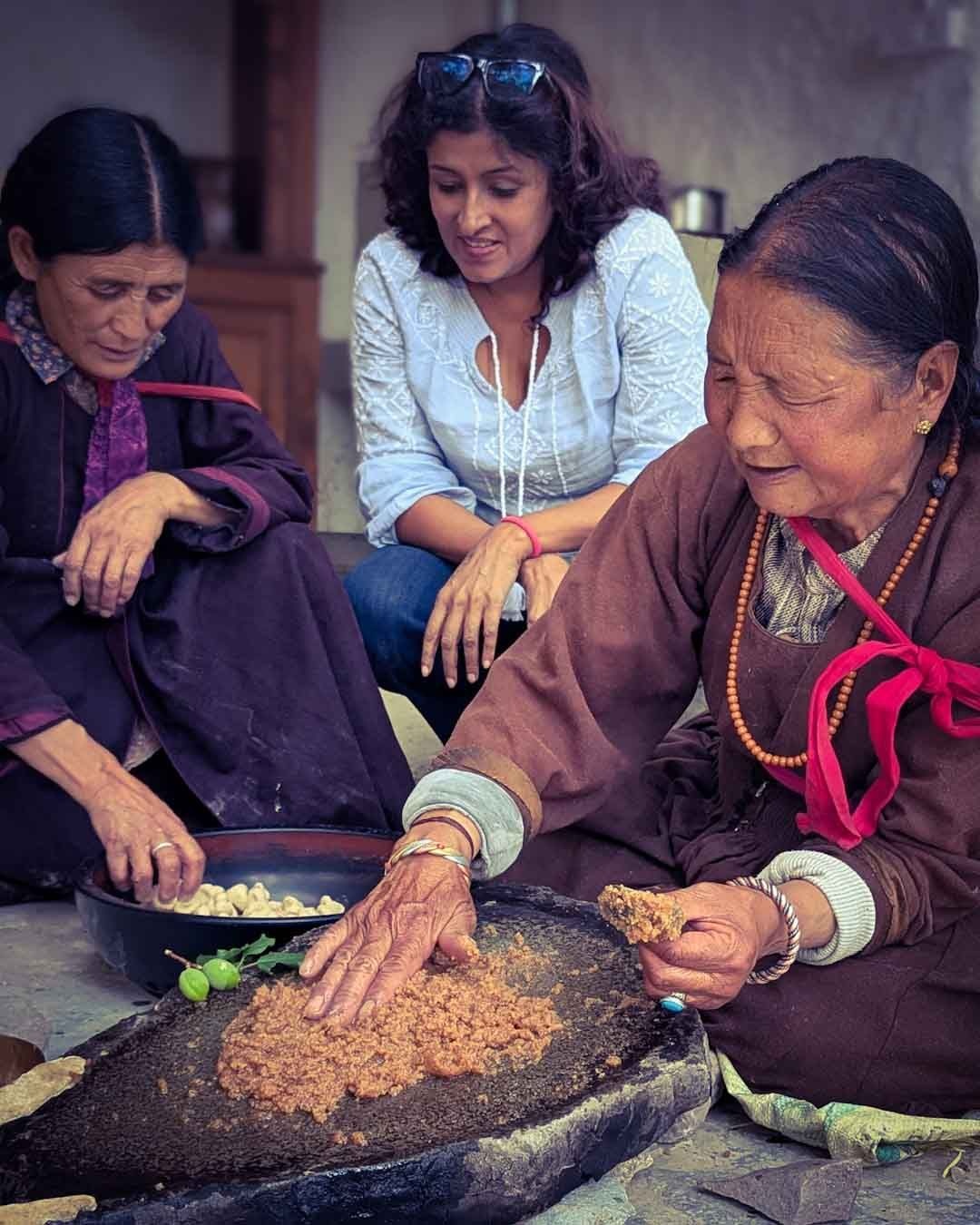
Alchi Kitchen is worth leaving town for. Run by Nilza Wangmo, this eatery has an entirely women-staffed kitchen, and sits near Alchi village, about 70 km from Leh. It’s close to the Biennale’s Likir and Nurla sites. So, plan a lighter day built around the chutagi and the eight-ingredient Tashi Tyage tea. If Wangmo likes you (very likely!), she might just indulge you in a wee dram of chhang, the local fermented spirit made from barley. On the way, stop at Alchi’s 11th-century monastery.

Whatever else you eat, make sure you try the gur-gur cha, Ladakh’s salted butter tea, one morning and reserve a glass of sea buckthorn juice for the afternoons, and the kahwa, the saffron-and-almond tea, for evenings.

The Pal, a conscious boutique hotel on Upper Tukcha Road, is the shortest walk of the lot—two minutes to the market. Built from mud construction and Trombe walls, oriented to hold indoor temperatures around 17 to 18°C through Ladakh’s winters without much artificial heating, it runs a strictly vegetarian kitchen and a no-single-use-plastic policy. It furnishes its rooms with repurposed and upcycled pieces alongside the work of local Ladakhi artists. It is an affordable luxury stay costing you ₹8,000 (plus taxes) a night.

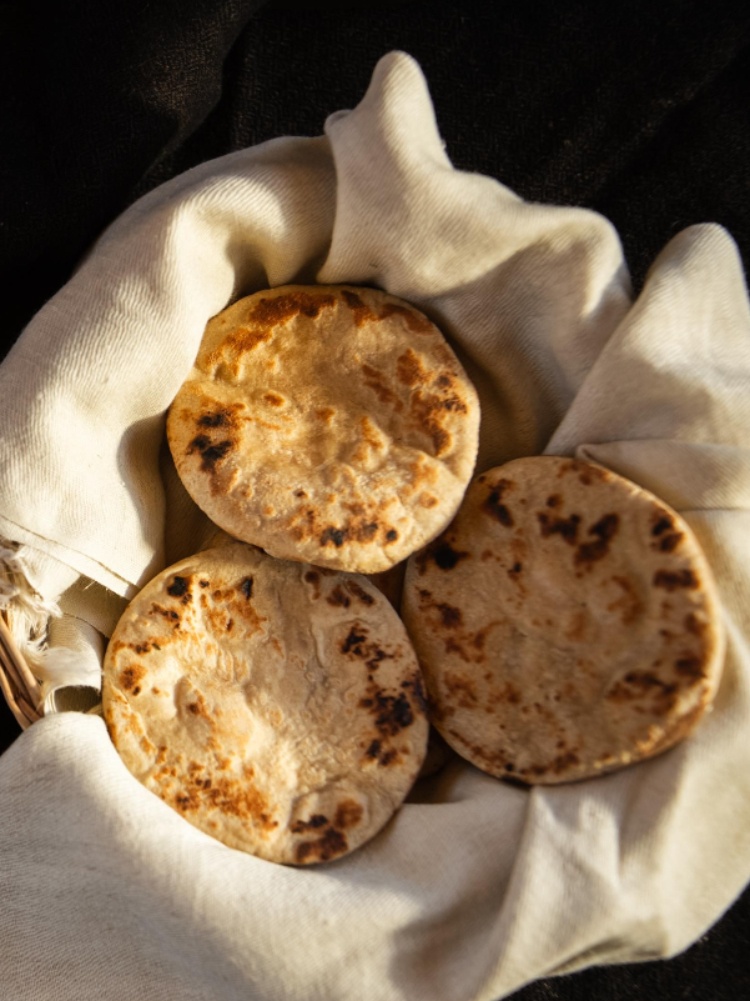
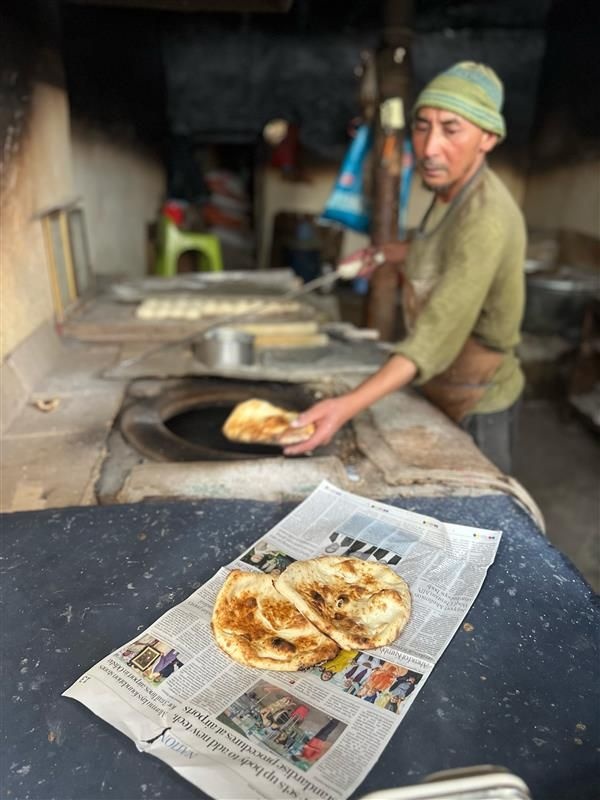
On your walk to the main market, you’ll pass what locals call “bread lane”—where stall after stall features Ladakhi breads shaped as much by Kashmir and Persia as by the Silk Route that ran through here. Pick some fresh bakes to dip into butter tea for a mid-afternoon snack. For days when you need a break from Ladakhi food, Bon Appétit—an idyllic spot tucked into the lanes off Fort Road with Stok range views—is the place that serves a good wood-fired pizza, chocolate momos (no, it’s not frowned upon), and a glass of sea buckthorn juice—a tart orange berry juice that’s a genuine pick-me-up.

All the other Biennale sites sit further out. From any of these stays, the Leh-Srinagar highway leads west to the seven remaining sites—Basgo first, under an hour out; Likir and Nurla not far past that; Lamayuru, the furthest most people manage as a long day trip; and Mulbekh and Kargil beyond that again, closer to a full day’s drive than an outing, better treated as an overnight than a there-and-back.

The Nod Newsletter

We're making your inbox interesting. Enter your email to get our best reads and exclusive insights from our editors delivered directly to you.