


There are beauty products I use because they work. Then there are the ones I use because I enjoy having them around.
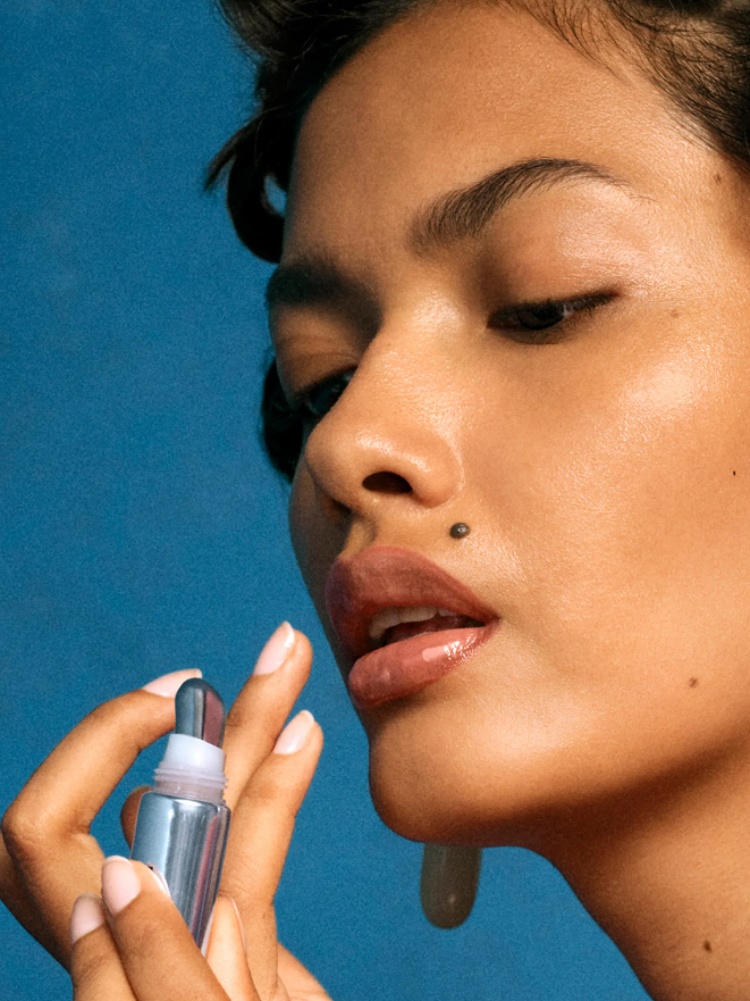
For me, it started with Eadem’s Le Chouchou lip balm. Nothing particularly revolutionary about the formula. What kept me hooked was the little metal applicator, cool against my lips every time I used it. It was such a small detail, but suddenly putting on lip balm felt like something I wanted to do rather than something I had to do.
That, essentially, is sensory beauty. It is everything about a product that exists beyond its shade, ingredients or promised results: the texture, temperature, scent, sound, and even the way it feels in your hand.
Spend five minutes on Beautygram and you’ll see products wobble, bounce, squish, and melt. Applicators are cold metal or soft silicone. Blushes come in jelly-like textures that practically beg to be poked. Creams melt into skin, compacts make satisfying little clicks, and some skincare smells suspiciously good enough to eat. The product is no longer just something you use. It is something you experience.
Makeup with a personality
For years, beauty sold us performance: full coverage, long wear, pigment payoff, sweat-proof, transfer-proof. Then makeup started borrowing from skincare and every product suddenly had an extensive ingredient list that sounded like a chemistry lesson.
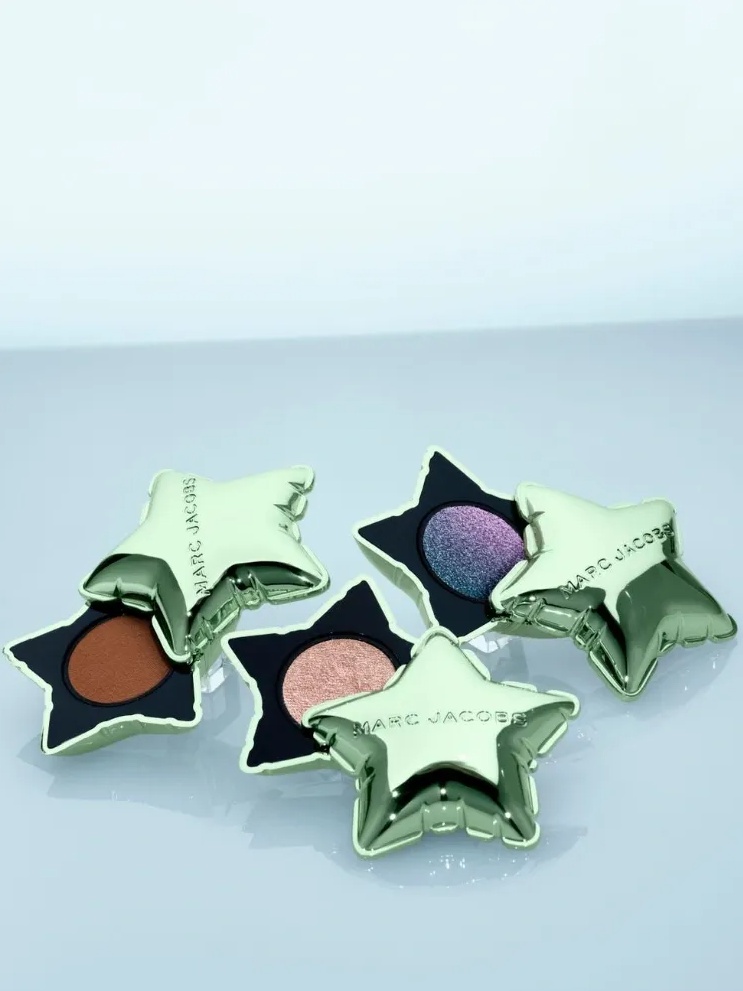
We kept asking our products to work harder. Now, perhaps, we want them to be a little more fun, too. Marc Jacobs Beauty’s return, for instance, taps into its Joyride Sensoriality concept–the idea that beauty should be playful and engage the sense–with the bouncy Money Shot jelly highlighter gel and the cream-to-powder Born Star eyeshadows that open with an addictive swivel mechanism, all designed to make makeup more satisfying to touch and use.
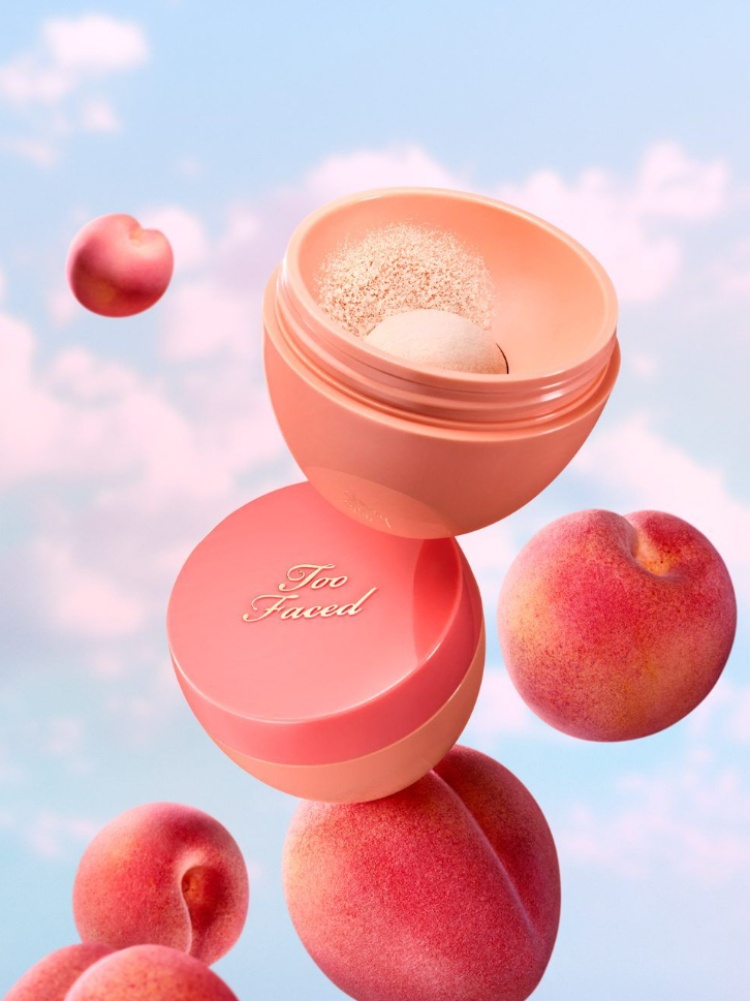
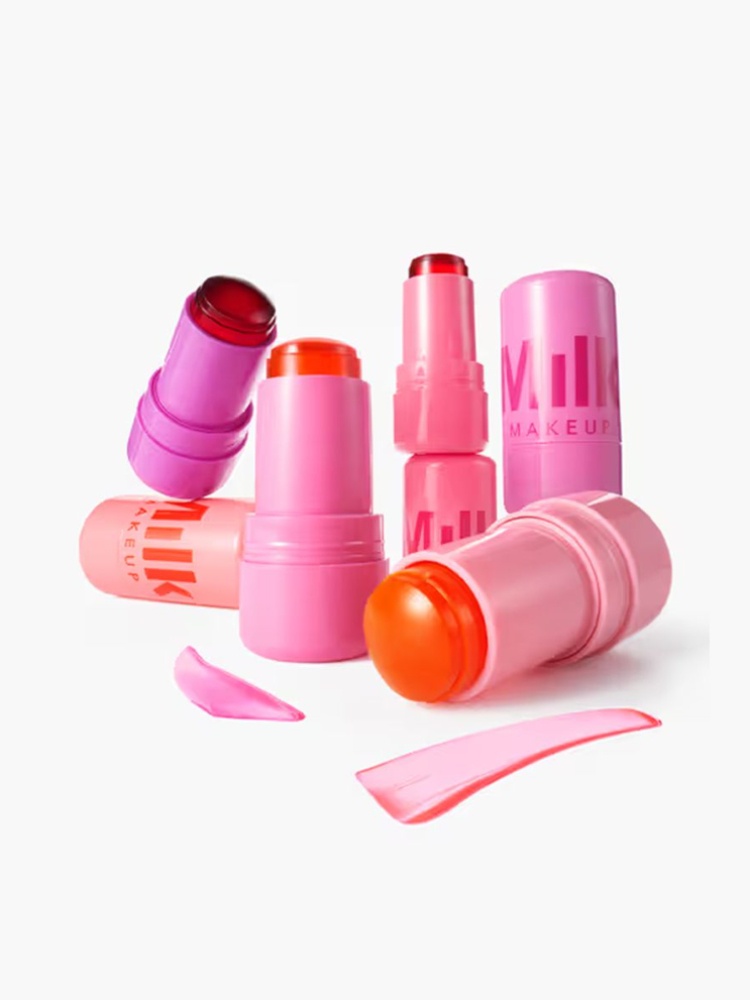
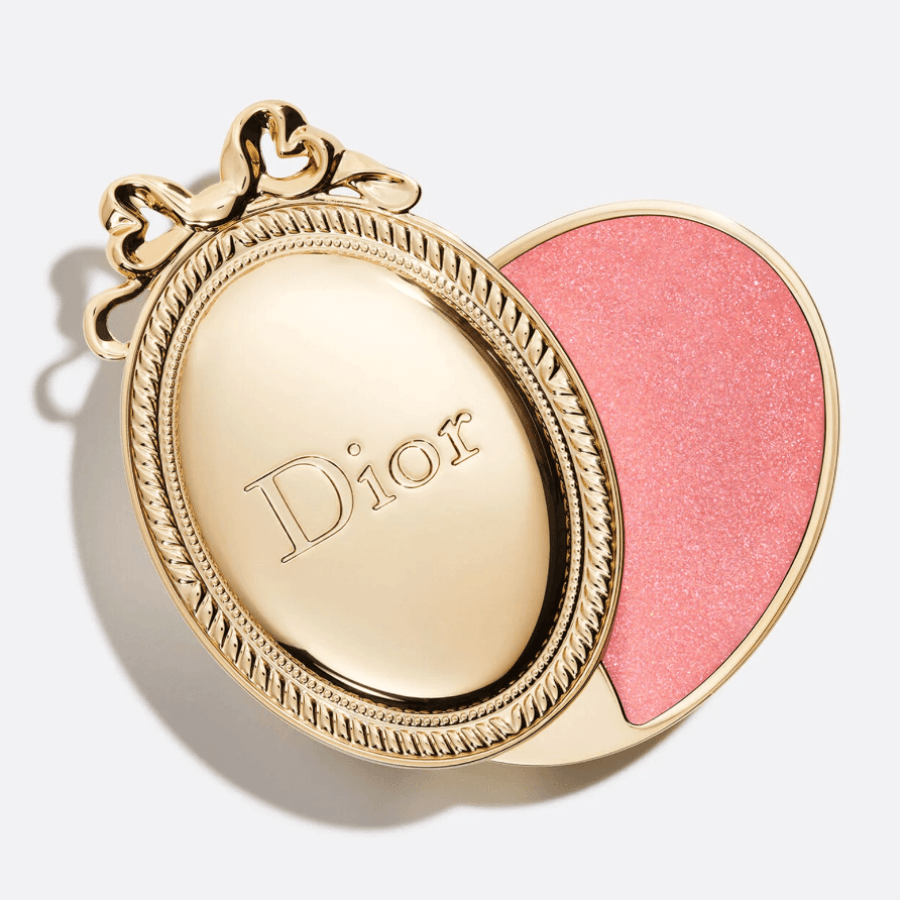
And the fun doesn’t stop there. Milk Makeup’s Cooling Water Jelly Tint has a satisfyingly squishy texture, Gush Beauty’s Play Pot comes with a cute spongy applicator, and Sheglam’s Lunar Glow Highlighter goes all in on space-inspired packaging. Too Faced adds a peachy scent and rollerball to its loose setting powder, while Typsy Beauty spotlights a cooling metal applicator.
Aaron Christopher, a makeup artist and publicist, thinks some of this comes down to beauty becoming predictable. “I think the beauty community is bored of plain-Jane makeup,” he says. “It can’t just be about performance anymore. If I’m making a purchase, I want it to smell good, feel sexy, and look cool sitting on my vanity. If it's another black casing, it won't make me feel excited. In the words of the famous Cassandra meme, ‘Where's the flavour?’”
That is a different expectation from simply wanting a good blush. Now, the blush has to work, but it can also have a texture you want to touch and packaging you want to leave on your vanity. Christopher points to Huda Beauty’s Easy Bake Powder, whose recognisable scent eventually inspired a fragrance. “When your setting powder has its own perfume lore? That’s called branding,” he says. And he has a point. When formulas and beauty claims start sounding increasingly alike, sensory details can set a product apart.