



Weddings24 Apr 20265 MIN

An Indian-American wedding with a West African heartbeat

Entrepreneurs Shobhita Soor and Kavaneet Dhami met in a boardroom and got married at a bank

Image

Photographs by Rene Zadori

Sometimes you have to travel halfway across the world to meet your partner for life. Shobhita Soor and Kavaneet Dhami did exactly that. The couple were born and raised in Canada and the United States respectively, just across the border from each other in fact, but met in Accra, Ghana where they had both moved in 2016 to bring their entrepreneurial dreams to life. Shobhita founded Legendary Foods, a food-tech company geared towards insect agriculture (she’s all about protein maxxing, but make it affordable), while Kavaneet built KDHI Agriculture, an AI-powered agri-commodities trading platform. A chance meeting in a board room brought them together—Kavaneet of course remembers the exact date, December 17, 2018—and over the years they stayed connected over discussions about investor pitches, supply chain models and the future of agriculture in Africa.

Fast forward to 2023 when Kavaneet popped the question on a trip to Miami with a toi et moi ring and the two began planning their Indian-American wedding that had bits of their new home in West Africa with them. Full disclosure: there were no insects on the menu but there were cashews from Kavaneet’s farms.
When entrepreneurs turn wedding planners

Shobhita: It took us about a year and a half to put together and we actually had to do most of it ourselves, as we didn’t have a planner we could actually rely on. So between Accra, where we live, New York where we had the wedding, Canada where my family lives, and India where we had to travel for our outfits and supplies, it really put entrepreneurial skills to the test. There were Google Sheets, Powerpoint presentations and everything. I even used AI for smaller details like naming the cocktails or even to find vendors.

Kavaneet: We had already been working together for years so we were comfortable with sharing spreadsheets, tagging each other, ‘project managing’. It was a language we were comfortable with.

Shobhita: We’re really good with dividing things up. So if I had a really busy time at work, then Kivi would pick up the slack on the planning, or sometimes we would do a sprint together for things like locking down the dream hotel. It was a lot of moments of intensity and also a lot of having each other’s back.

A melting pot of cultures

Shobhita: We really tried to incorporate a little bit of West African influence into our wedding, make it more global. So the dance troupe, led by Divya Raj, we had perform at the sangeet wore customised outfits that were made using kente, a cloth that’s part of Ghana’s heritage, and then they did a dance that incorporated Afrobeats and bhangra which was really cool. Earlier in the evening, we had a fusion tabla artist perform, Mankaran Singh Bhasin, the energy was amazing and he got everyone dancing. 

Kavaneet: Honestly one of the best parts was how much music and dance brings people together from different parts of the world.

Shobhita: The music was really important for us. We made customised playlists for each event ourselves and gave it to the hotel to play, even at breakfast or tea time.

Kavaneet: Music is a big part of our lives and the culture in Ghana. We go for concerts a lot and many of our friends are musicians. I would say that I was definitely the initiator on looking for music and performers for our wedding. Although the final decision was always shared.

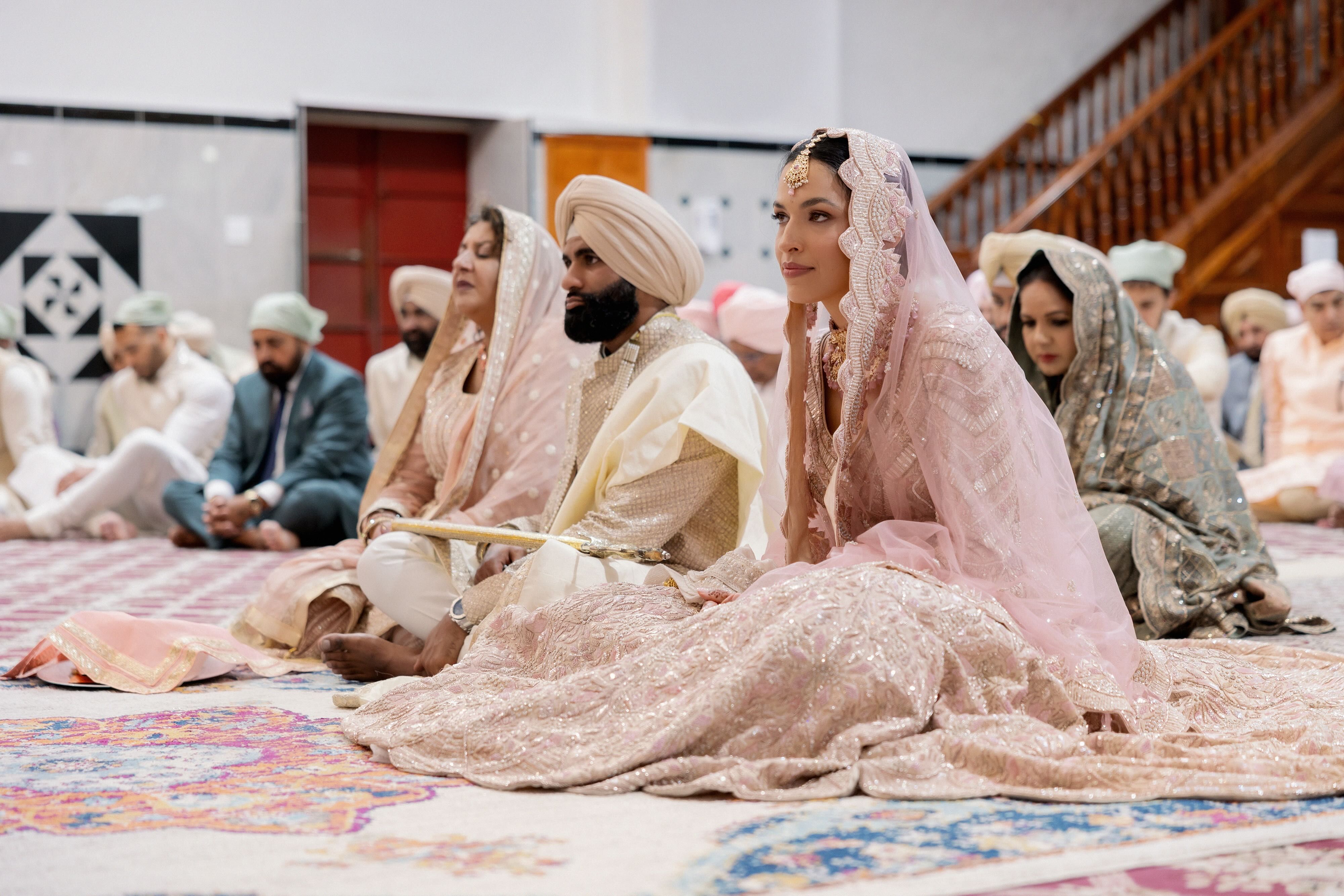
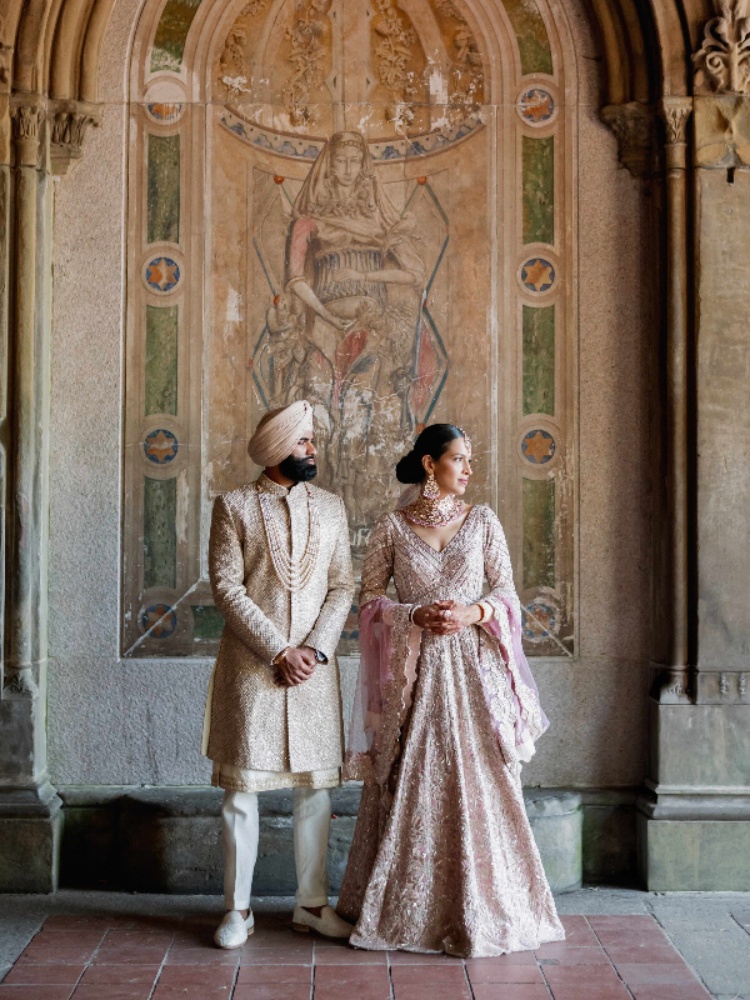
Shobhita: The wedding was held at a gurudwara and even there I had very specific kirtans that I wanted to be sung.

R6RZ7469 copy.jpg
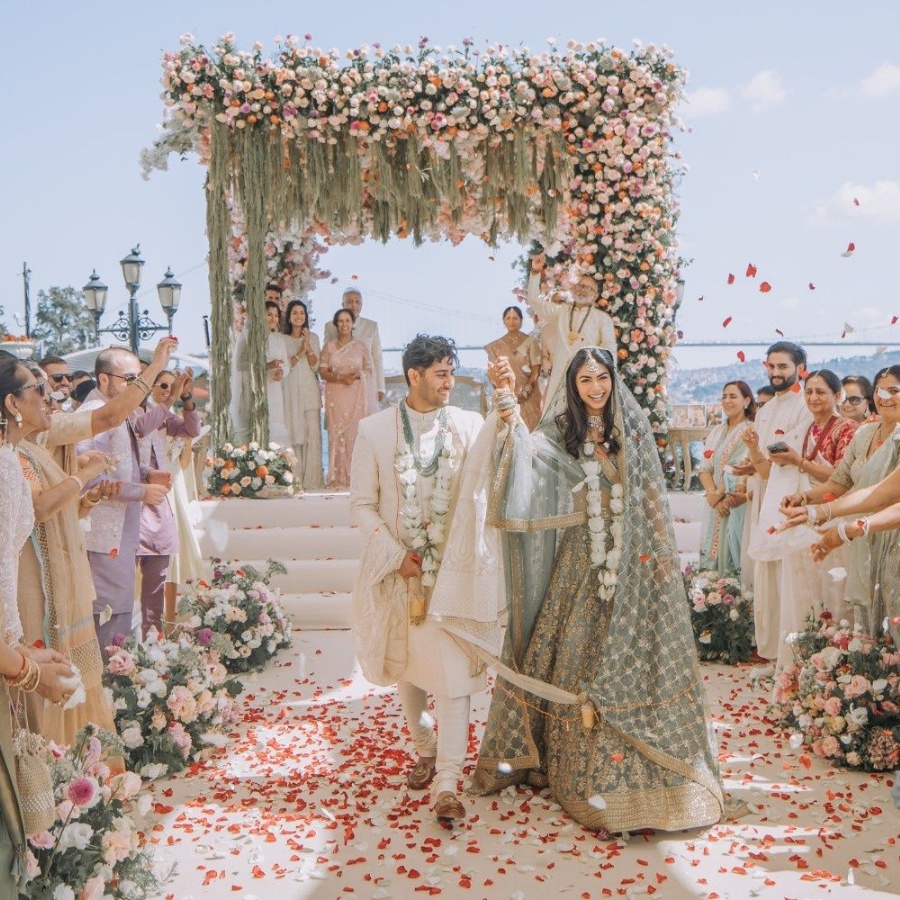
The couple during their anand karaj at a gurudwara

A venue with a history

Shobhita: New York was really the most convenient location to have the wedding. Kavaneet’s family lives close by and mine live in Canada. We drove down to New York from across the border, all of us in five big vans and cars, carrying mithai, shakarpara, clothes and more. It was so much fun, like the last road trip before I got married.

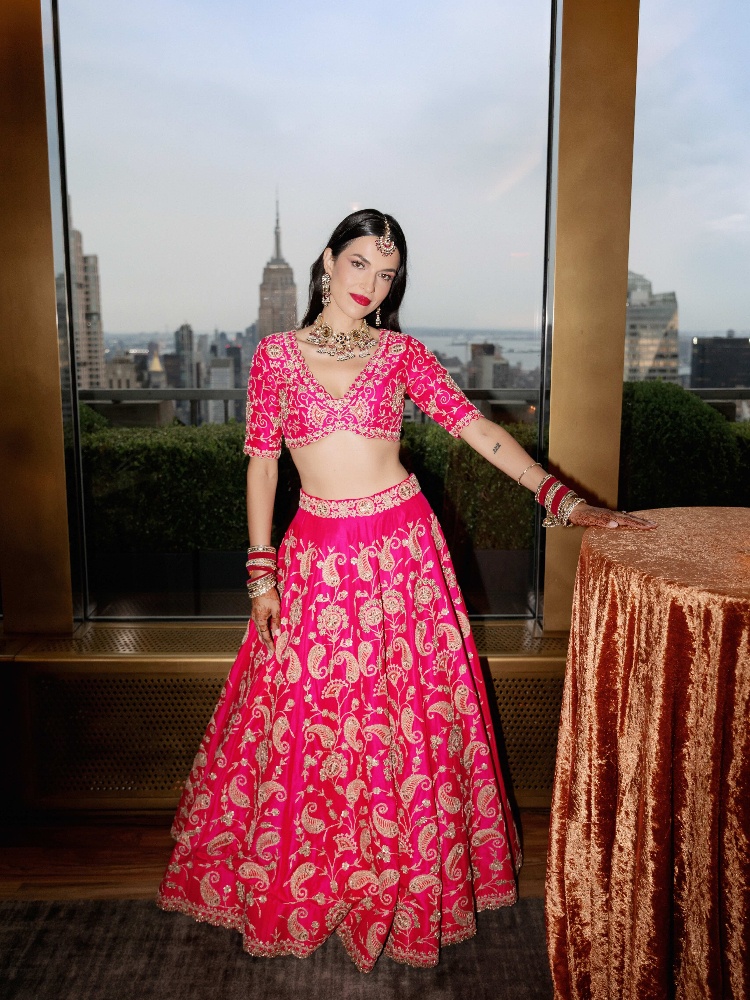
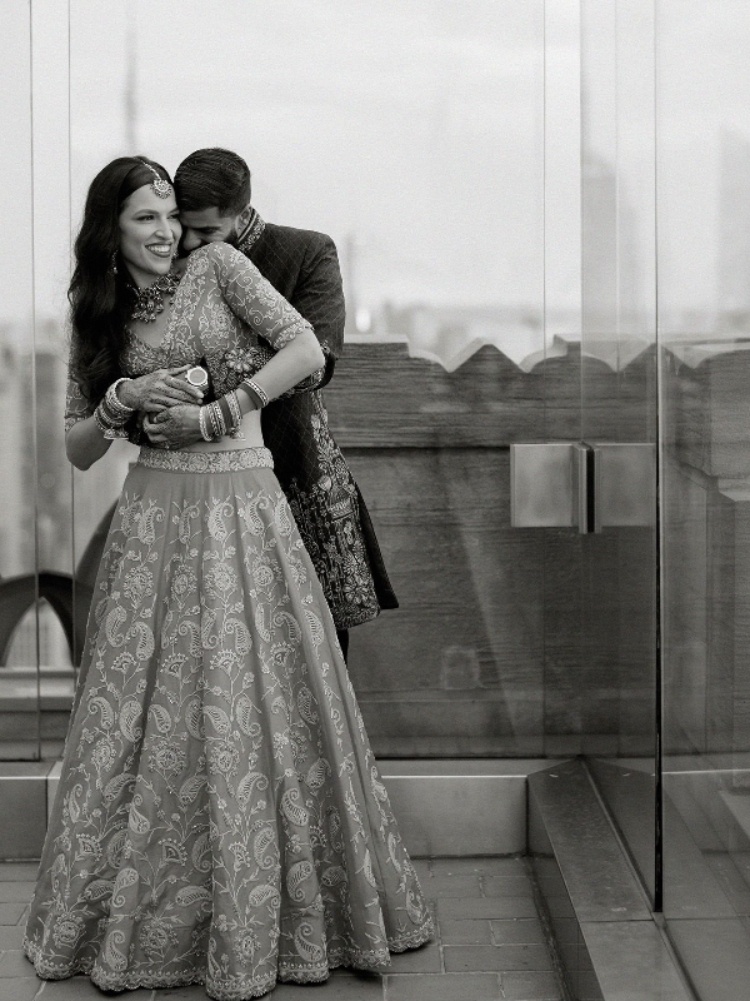
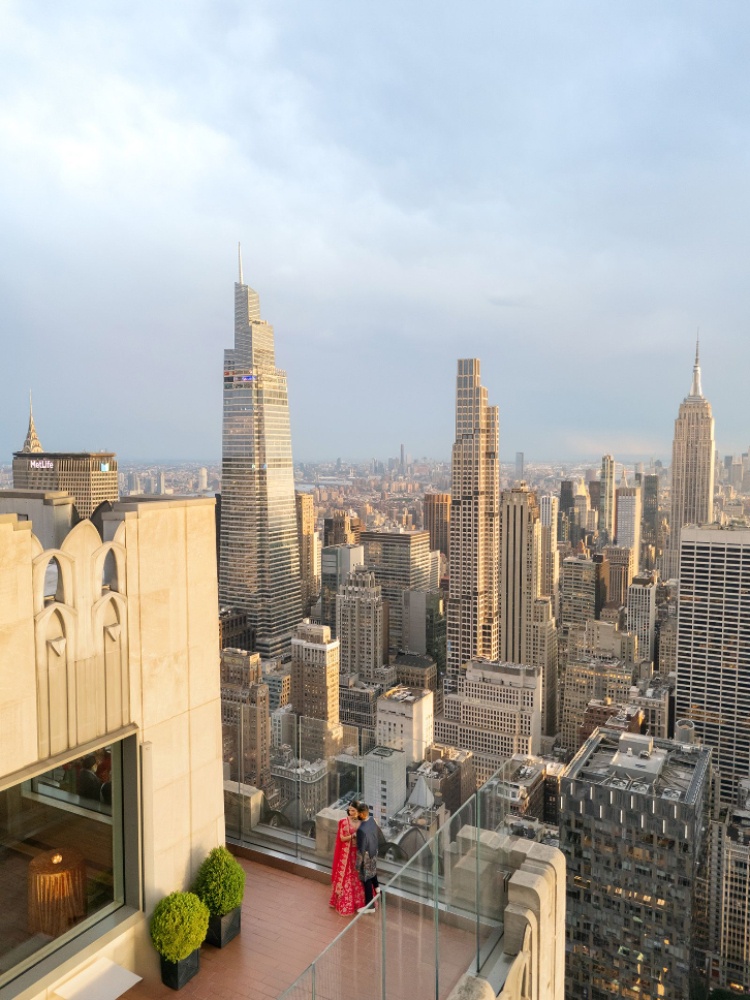
Kavaneet: The first event we had was the mehendi and then the sangeet at the Rainbow Room at the Rockefeller Centre. It’s on the 65th floor so you see these amazing views of the New York City skyline. It was a great way to welcome our guests to the city. We were all so excited and everyone had so much energy we just danced all night.

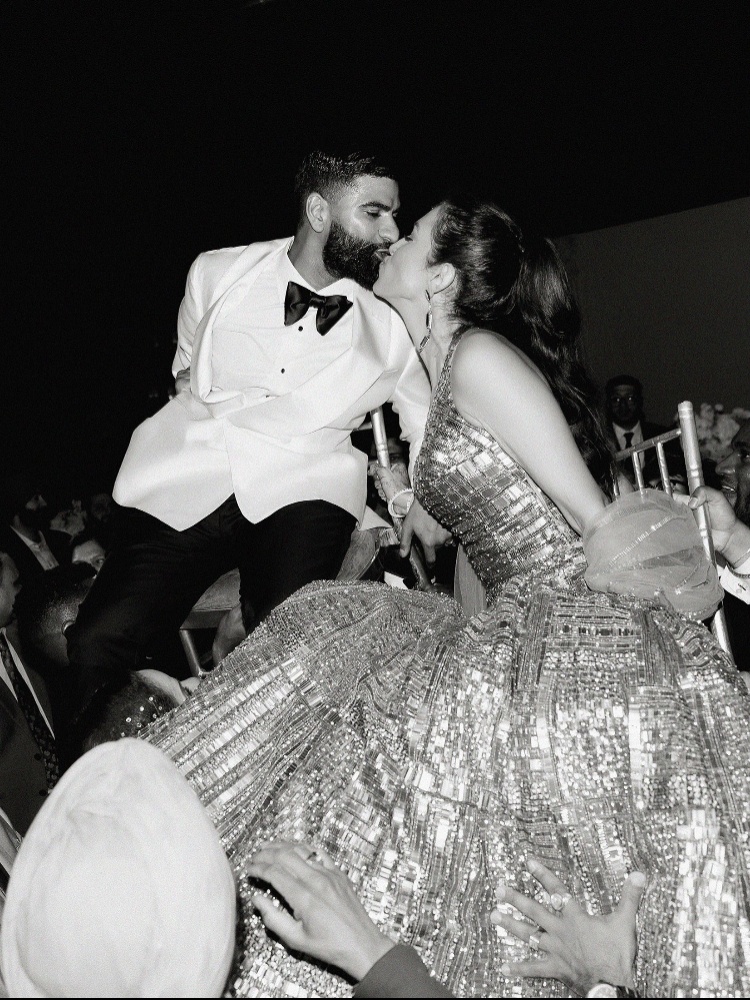
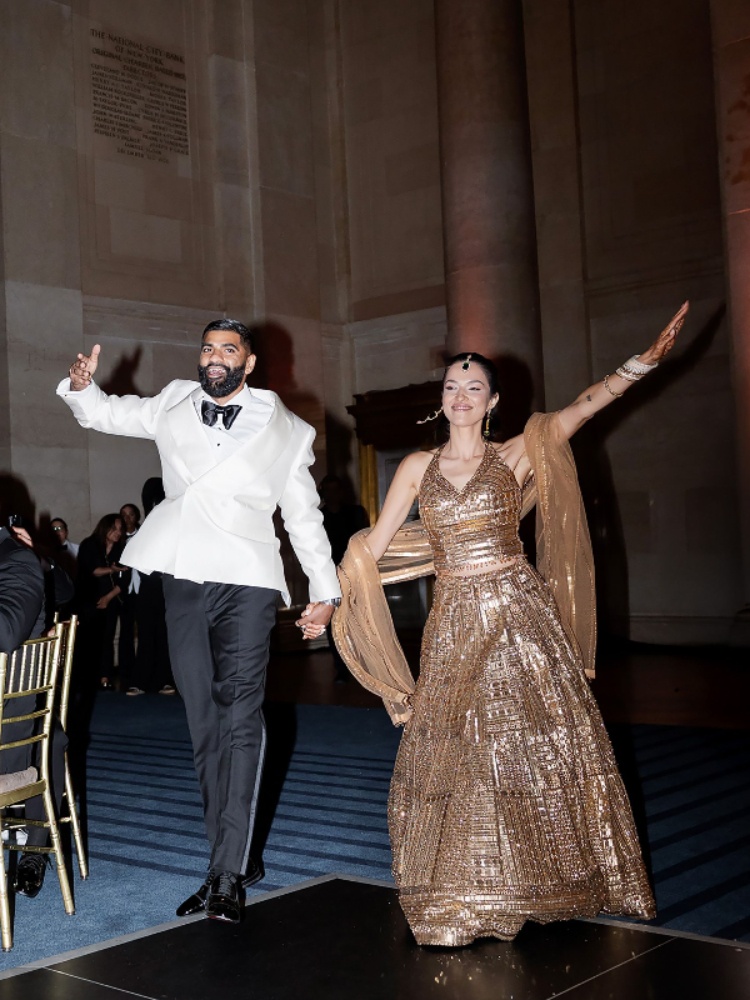
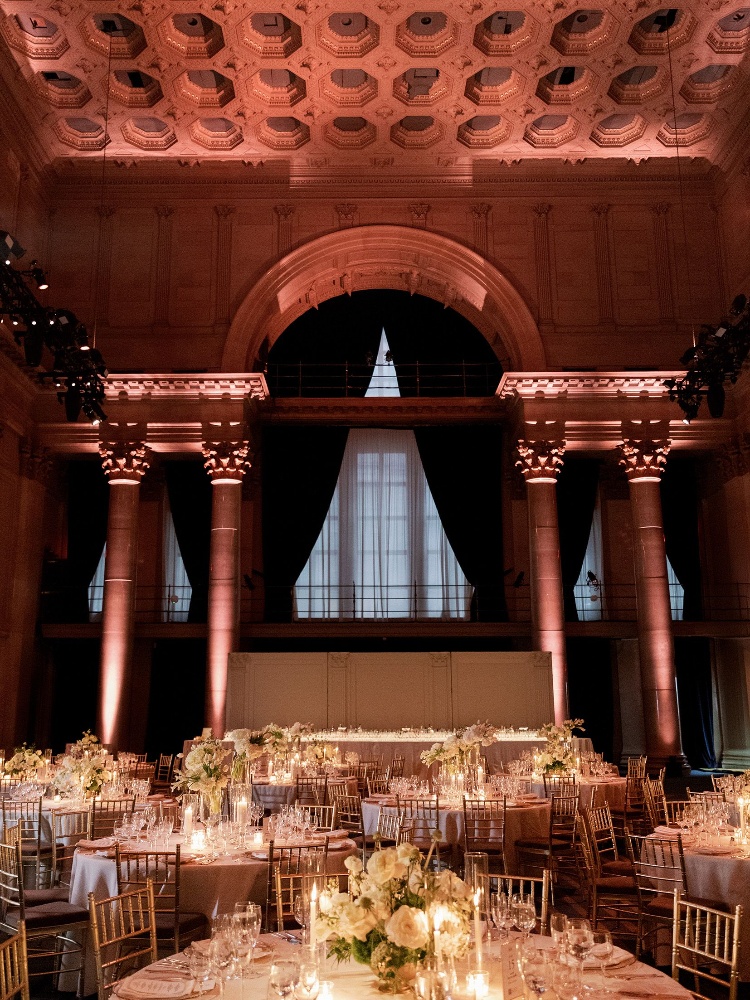
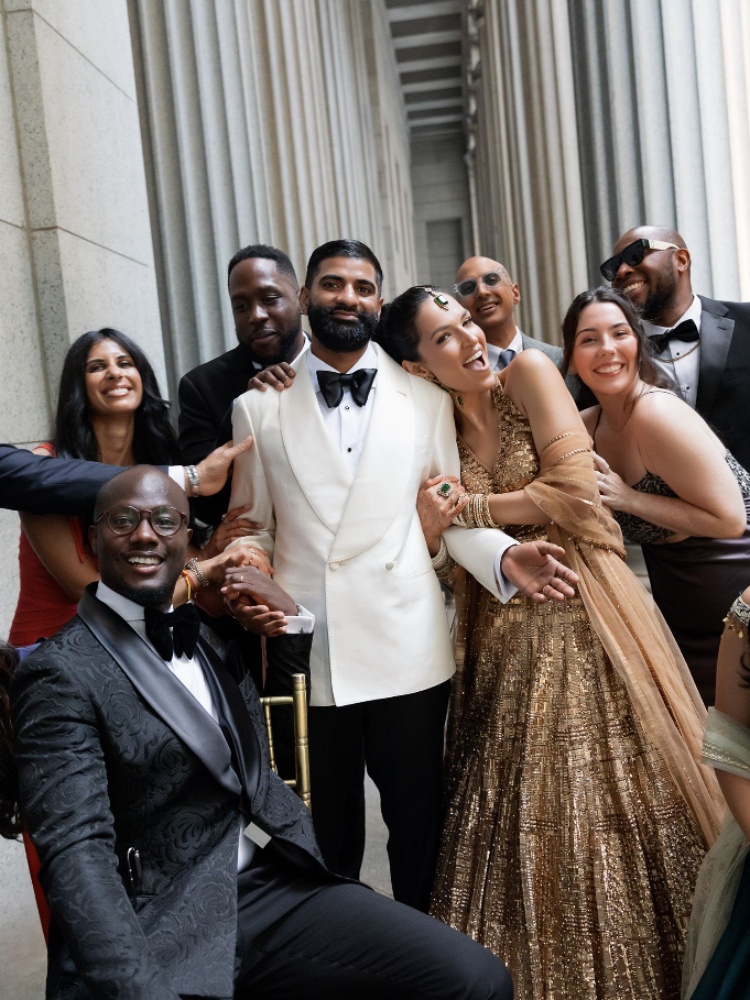
Shobhita: The venue for the wedding reception used to be the United States’ oldest merchant bank [the landmark building once housed headquarters of the National City Bank and the New York Stock Exchange]. Now it’s Cipriani Wall Street. It was cool because Kavaneet is an agricultural commodities trader and my dad is yarn trader so it felt very serendipitous. As soon as we walked into the space and saw how grand and beautiful it was, plus the history, we immediately knew it would make a great venue.

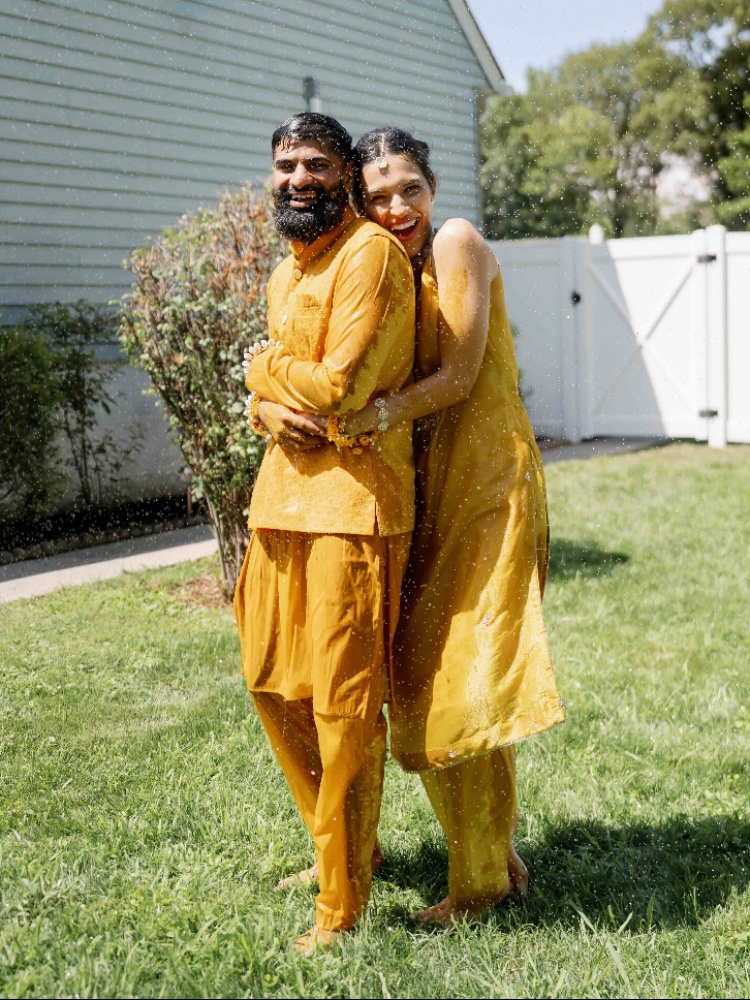
One of my favourite functions was the haldi at Kavaneet’s parents’ house. They did all the decor themselves, yet it looked professionally done, it was fun and intimate and eventually it became like a Holi party. It was such a good start to the week.

RZS07391 copy.jpg
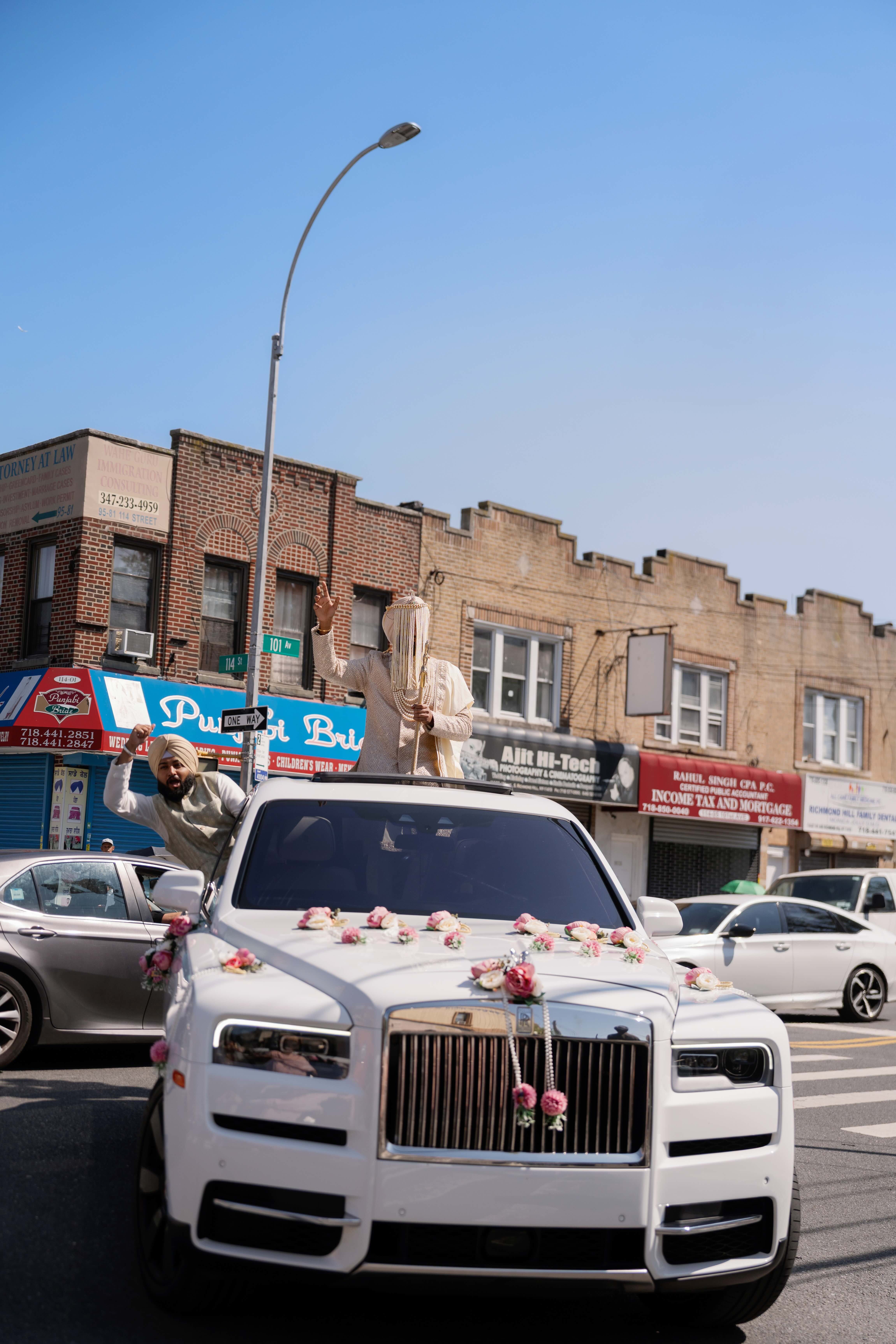
Kavaneet’s baraat rolling through the streets of New York

A New York style baraat

Kavaneet: The anand karaj was held at a gurudwara and for the baraat we hired a Rolls-Royce with a sun roof. It was such a great feeling driving it through New York with all my friends and family.

A fashionable dispatch from India

Shobhita: I went to India twice before the wedding. The first time I went with all my inspiration pictures and Pinterest boards, met with a bunch of designers and placed orders. Then the next time we both went together for fittings when my outfits were ready.

Kavaneet: I spent several hours shortlisting looks on the Pernia’s Pop Up Shop website, and ultimately, when I went in person, I chose completely different outfits.

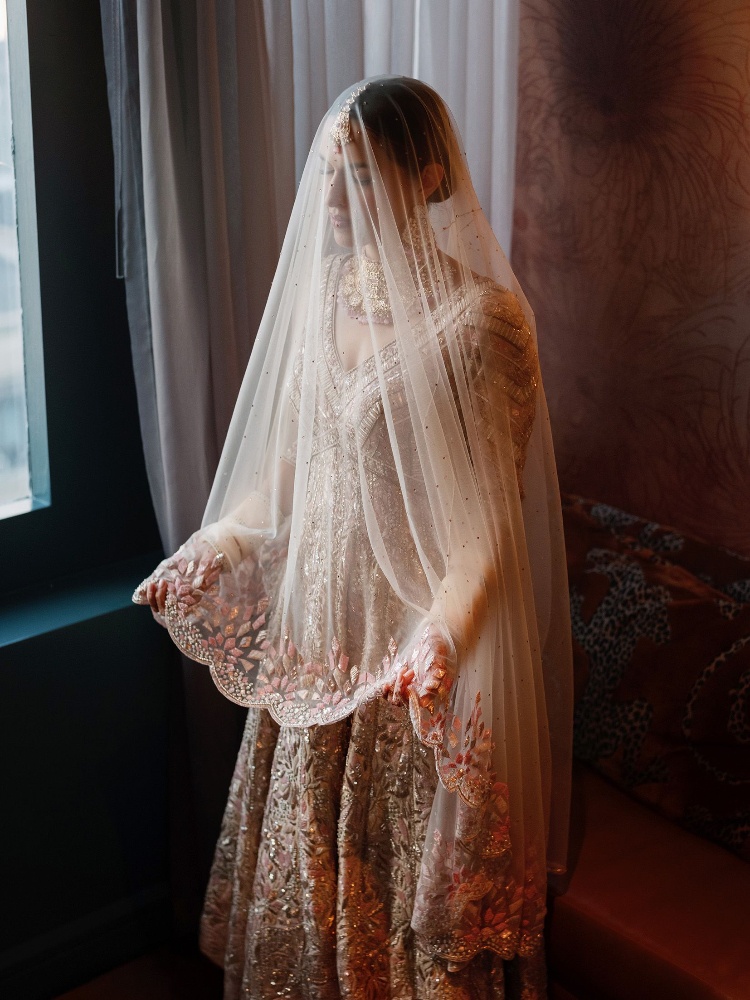
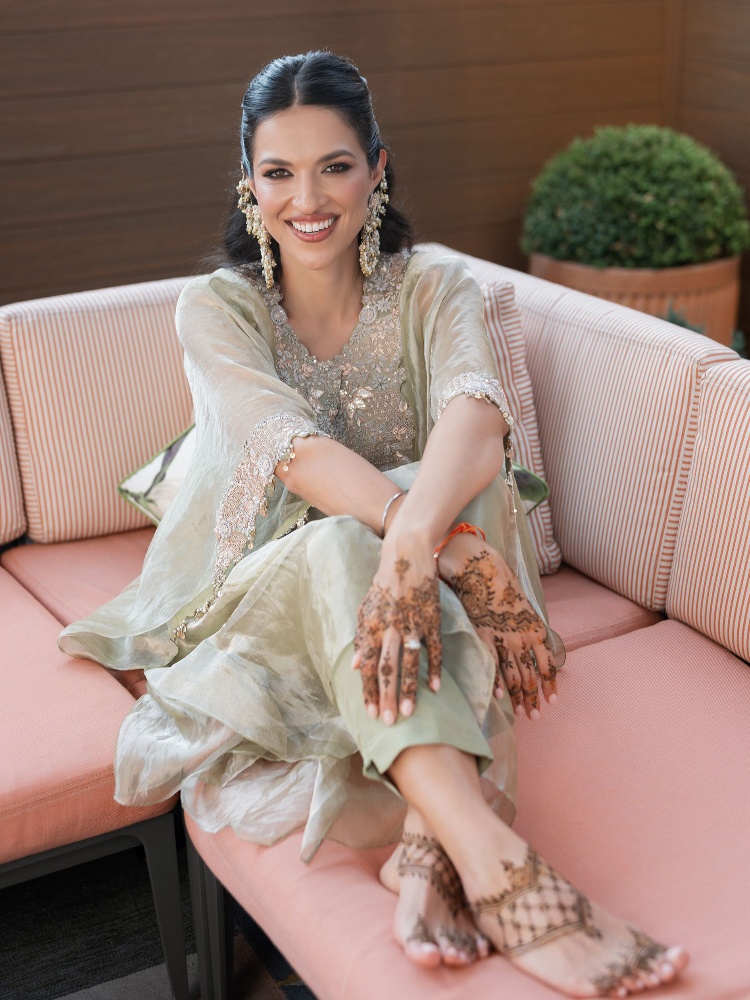
Shobhita: For the mehendi I wanted to wear a kaftan, which for me was a bit of a nod to my life in West Africa. Then for my wedding I chose an anarkali which all the shops told me was out of trend but I realised, you know, I don’t care, I want to wear what I like. I had seen a lehenga with embroidery I liked at Saisha and I managed to ask her to use the same embroidery on an anarkali. I also knew that I wanted a veil, this is the only time in my life that I will get to wear one after all.

The Nod Newsletter

We're making your inbox interesting. Enter your email to get our best reads and exclusive insights from our editors delivered directly to you.