




Jewellery & Watches08 Jan 20265 MIN

The most covetable jewellery pieces right now are silver

Once seen as secondary to gold, the precious metal is now enabling jewellers’ most interesting ideas

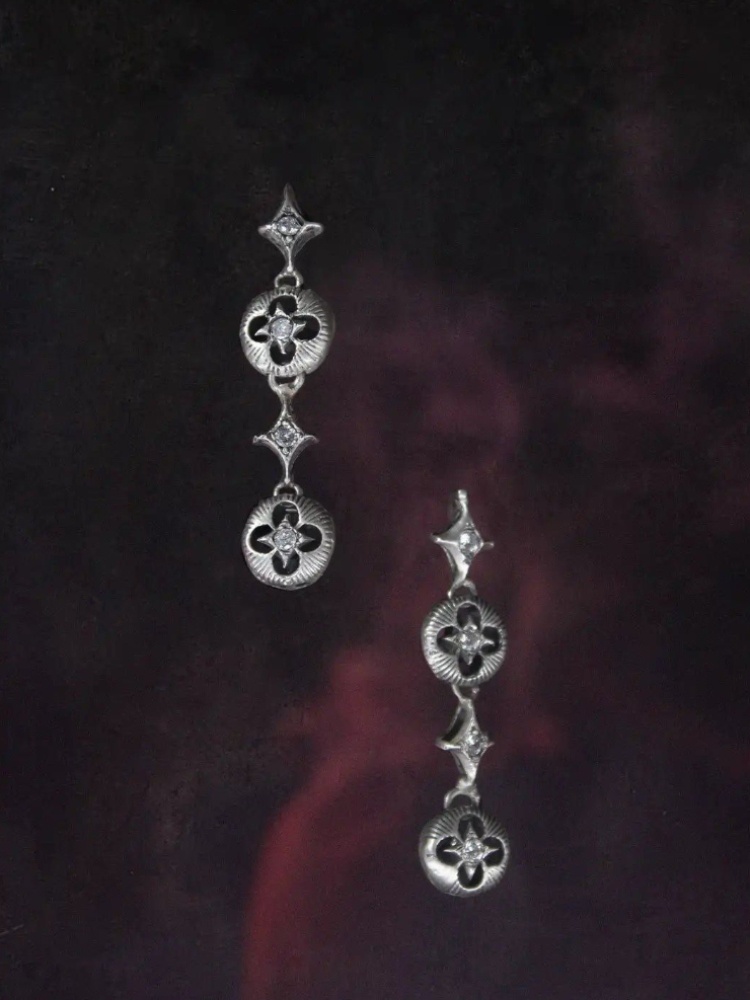
Earrings by Bhavya Ramesh Jewelry

Instagram.com/bhavyarameshjewelry

For decades, silver has occupied an awkward middle rung in the Indian jewellery space. Not costume, not as precious as gold. It’s the metal of rituals and gifts, anklets and puja trays, what you start with before graduating to something more serious. In workshops, it has often been the material apprentices practice on before being entrusted with gold. Silver, in short, is where craft starts. But what if it’s also where the future of craft is being imagined?

A growing cohort of jewellery designers—some new to the scene, others with years of practice behind them—have been treating silver not as a cheaper alternative or a stepping stone, but as a primary medium in its own right. As prices for silver have climbed to record highs globally, the metal long dismissed as the middle child of jewellery is being talked about in the language usually reserved for gold: value, scarcity, investment.

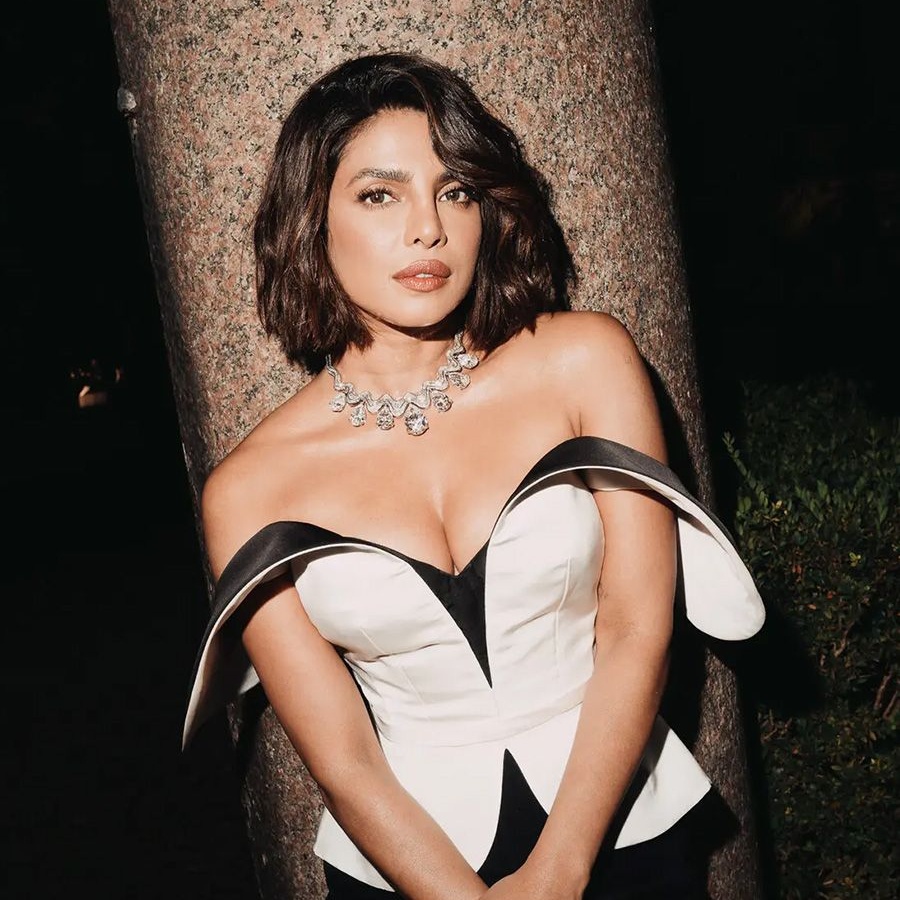
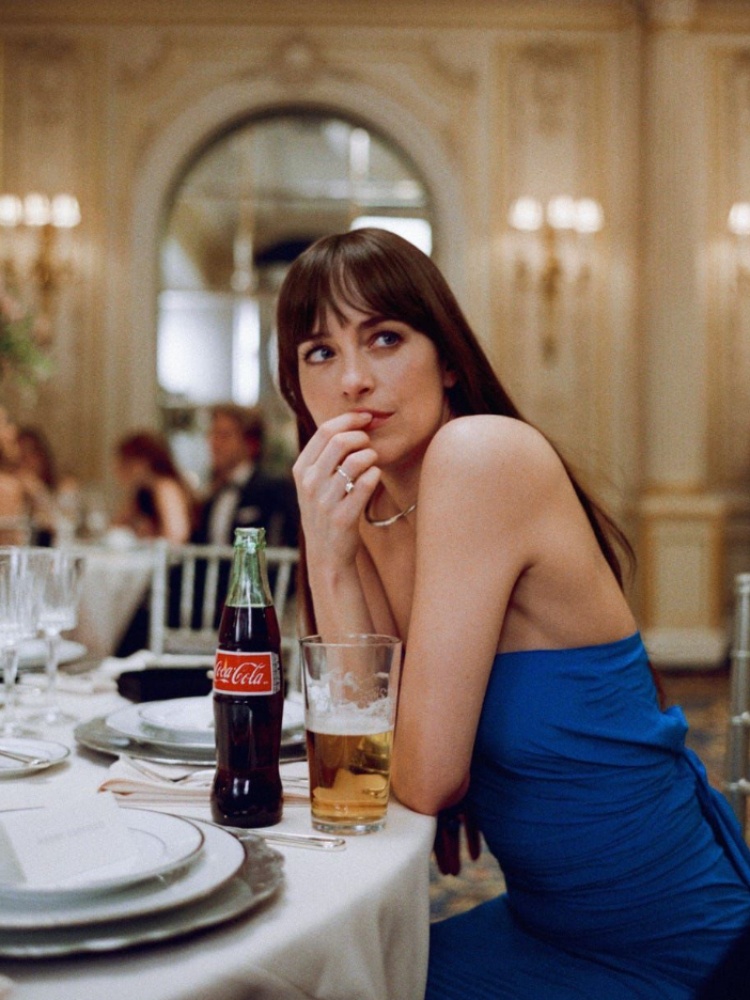
What feels new today is not the material nor the designers, but the way the choice of metal is finally being understood. In April last year, the Financial Times published a story titled ‘Why buy gold when silver is so chic?’. In Materialists, Dakota Johnson’s sterling silver collarbone-grazing necklace and hoops by NYC-based brand Meuchner drove the girls wild. Meanwhile, on the runways, silver jewellery is having a major moment thanks to brands like Hermès and Bottega Veneta, which has consistently shown sterling silver pieces since its Drop earrings from 2022 became a hit. Then there’s Elsa Perreti’s eternally-iconic collection for Tiffany & Co from the 1970s. In 2025, Peretti’s Bone Cuff was one of the most sought-after pieces amongst UHNI shoppers in the Gulf. At a moment when gold is increasingly out of reach—and when jewellery is being asked to carry not just value but meaning—silver is being reappraised as something more than secondary: a metal of experimentation, integrity, and alternative luxury.
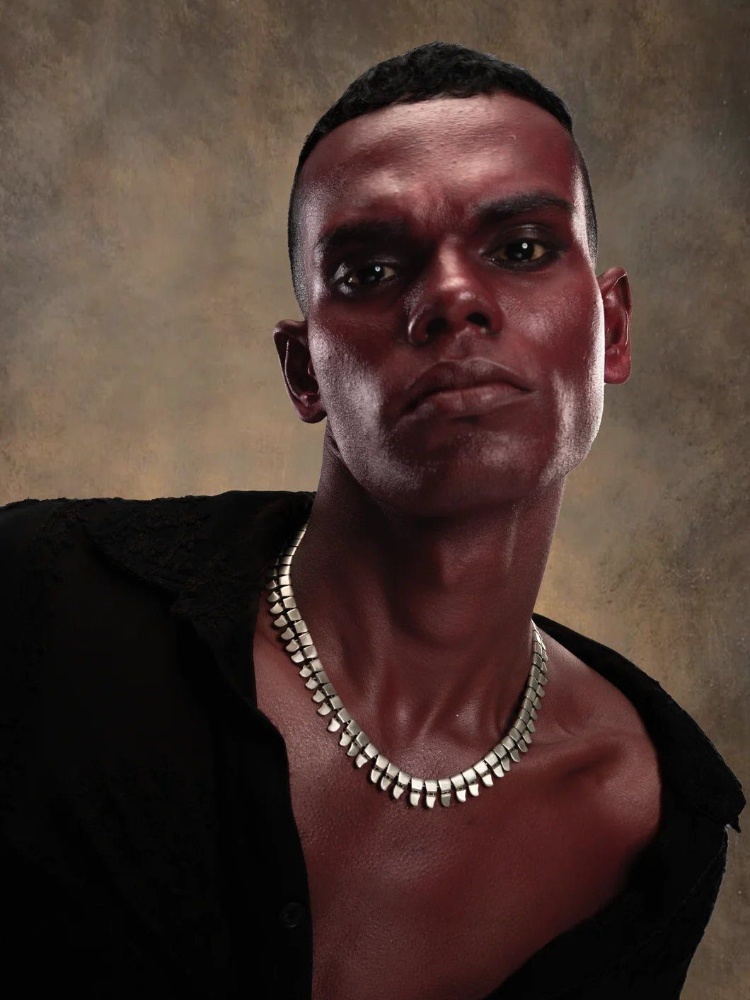
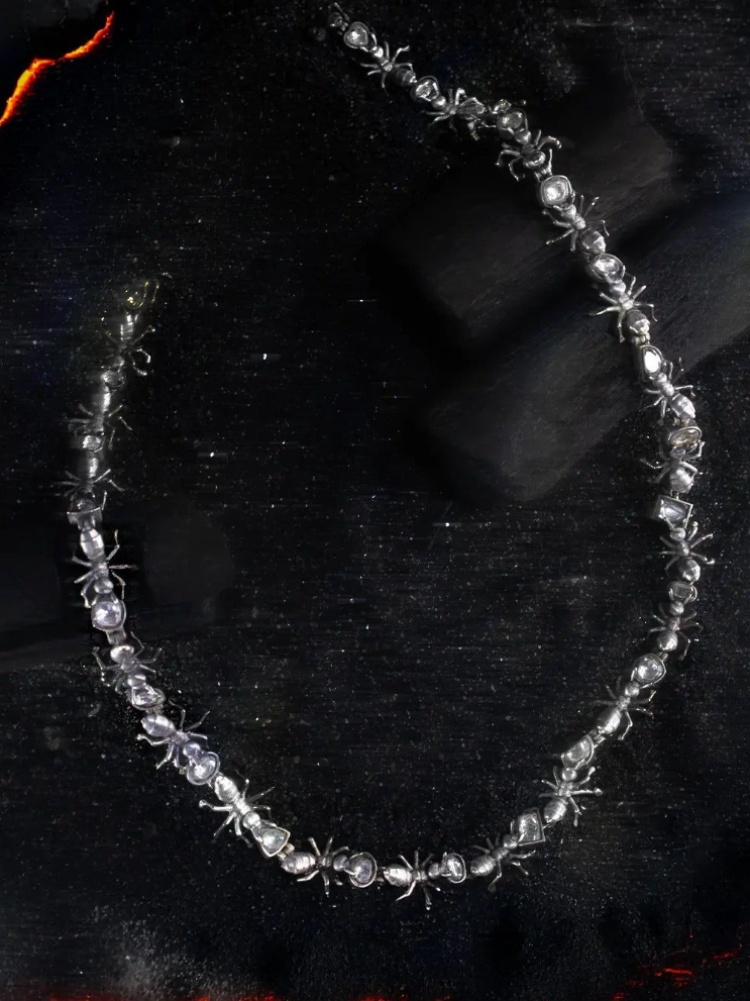
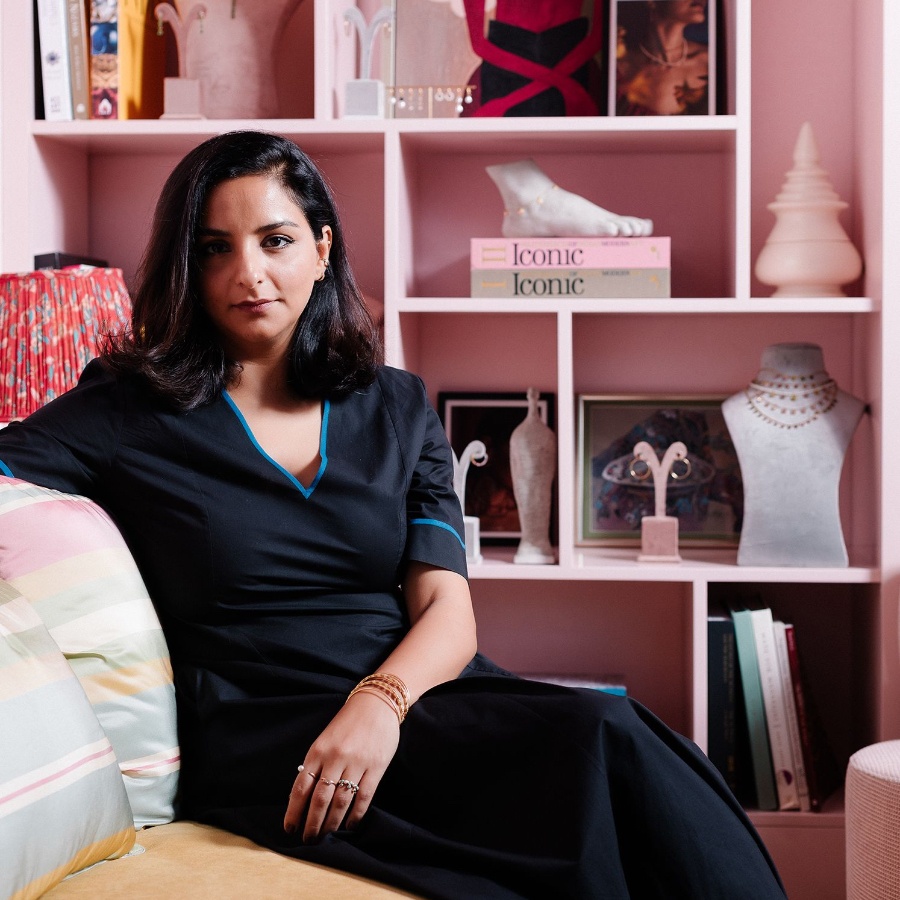
While the market is only now catching up, Bhavya Ramesh—whose unconventional pieces are currently blowing up on TikTok after her jhumkas were spotted on artist, illustrator, and the newly minted first lady of New York City Rama Duwaji—has been working with silver exclusively since founding her eponymous label in 2018. “I’ve always been drawn to silver,” says the designer who’s built a reputation for unique, avant-garde styles like her nail rings that look like insect wings or modular haath phools that cover the hand like jewelled armour. “It has a personality that evolves with time. Every stage of silver, whether pure and bright or oxidised and darkened, carries its own beauty. I see each of these stages as part of adornment itself.” Rather than chasing high gloss, she allows silver to age, shift, and patinate, resulting in pieces that have textural richness and a deep engagement with the metal’s natural states.

Where gold signals spectacle, for Ramesh, silver signals thought. “To me, silver feels like the metal of intellectuals. Gold is a little showier, but silver carries a quiet strength and sophistication.” She likens the timelessness of cool metal to khadi cotton, something that never loses relevance while allowing for individuality. Ramesh came to use silver partly out of necessity. “When I began, I couldn’t afford to work with gold—it’s a serious jeweller’s metal.” But what began as access became conviction. “Silver felt right—it was accessible, valuable, and still an investment. Even if no one liked my designs at first, I knew I was investing in a metal that holds value. It’s a creative and financial safety net that keeps appreciating with time.”

But her clientele’s shift of preference to silver tone pieces goes beyond economics. “I think silver resonates because it feels like the metal of the alternative culture. Gold has always been the mainstream choice—traditional, expected. Silver, on the other hand, has this quiet rebellion about it. It speaks to individuality.” Affordability may be part of the story, but it is not the whole of it. “People today are more intentional—they want pieces that feel personal, versatile, and enduring. Silver offers that balance.”

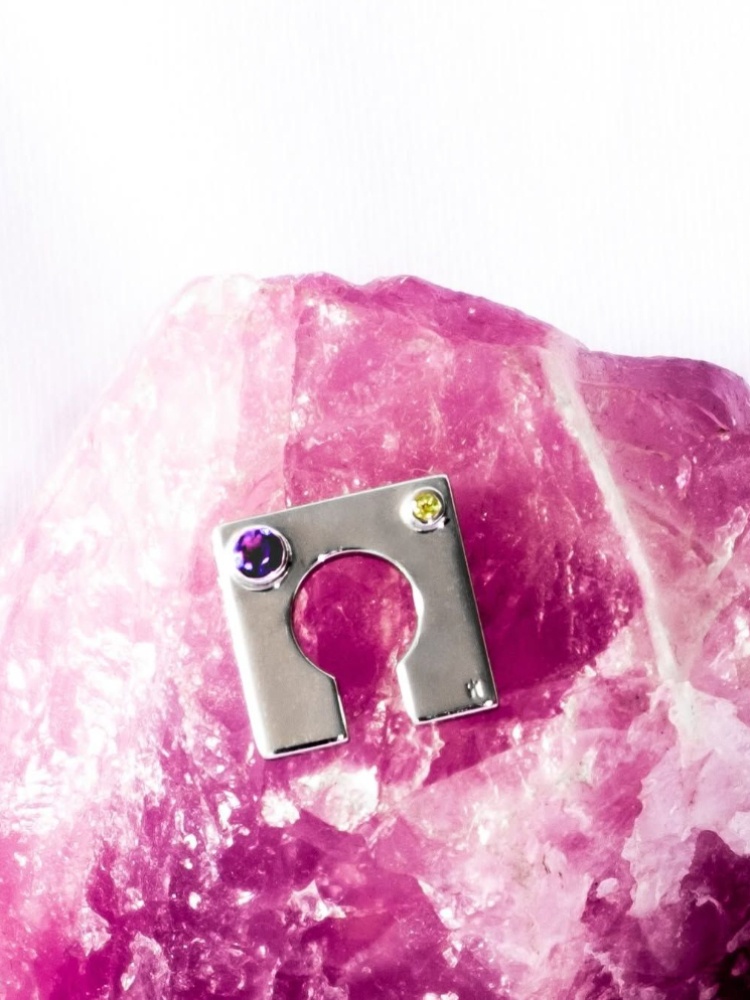
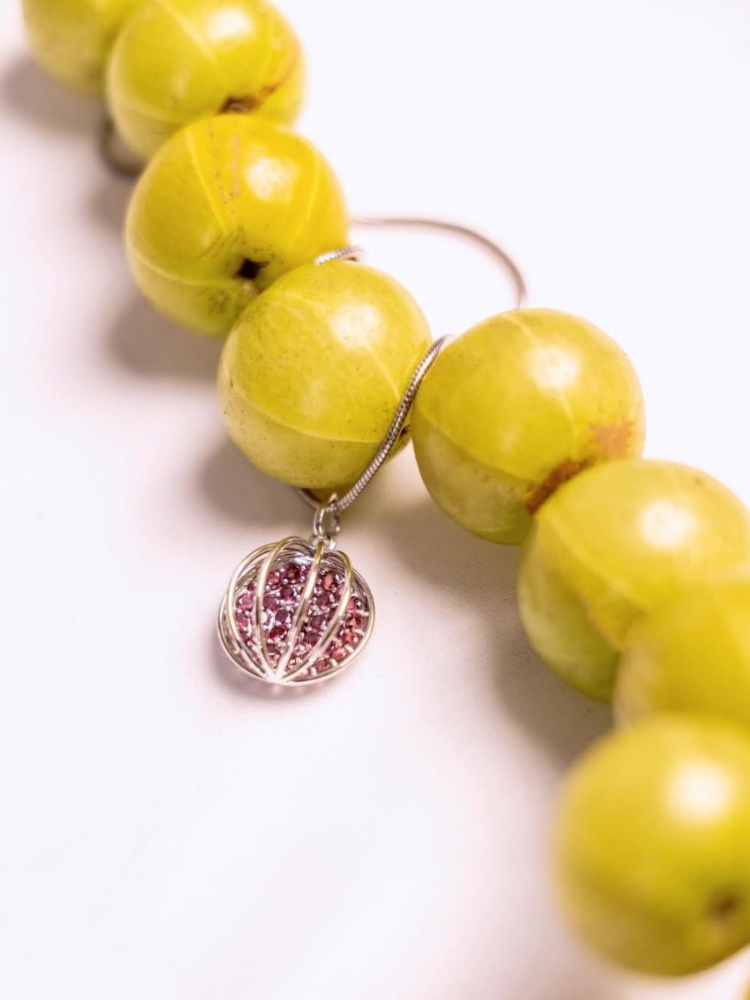
For Meghna Ratra, founder of Maison Megh, which positions itself not as a jewellery label that happens to use silver, but as what she calls a “silver experimental fashion house”, the metal is a language that carries deep emotional inheritance. “Silver has always existed in India’s cultural landscape. From birth gifts to rituals, silver carries blessings, good fortune, and a sense of continuity,” she says. Ratra’s mission is to hold on to silver’s cultural meaning while breaking its visual codes and making it bold, contemporary, and sculptural. Think rings and earrings inspired by a hopscotch grid or studs and a pendant in an architectural, cage-like form that mimic the stripes on an amla fruit. Even when the designs nod to ritual—like her recent collectible silver diya for Diwali—they are reimagined as contemporary design objects.

Ratra’s thinking is as strategic as it is aesthetic. When she began researching the market before launching her brand last year, she found that while consumer demand for silver jewellery itself was not necessarily surging, the metal’s industrial relevance was. “Silver is increasingly essential in sectors like EVs, electronics, and solar technologies, and demand is projected to grow sharply. Prices in India have already touched record highs, and analysts expect them to continue climbing.” In a culture where jewellery is inseparable from the idea of investment, that matters. “Indians, and South Asians more broadly, still view jewellery as an investment,” she says. Ramesh agrees adding that silver, “Is no longer seen as a ‘lesser’ metal. People now recognise silver as a precious metal—not just for adornment but as an asset.” Even when customers choose gold-plated silver, she notes, “they do it because there’s still that inherent value in the silver base.” Ratra recalls that when silver prices first surged last year, “We’ve had clients ask if it’s real silver and if it can be melted later.”

What makes silver’s current moment feel different is that it is being chosen for what it represents as much as for what it costs. In the hands of these designers, the metal is evolving to be just a warm-up act to gold, but as a star in its own right.

The Nod Newsletter

We're making your inbox interesting. Enter your email to get our best reads and exclusive insights from our editors delivered directly to you.