



The Real Deal31 Dec 20255 MIN

The curious case of the diamond and its doppelgänger

To the eye, natural and lab-grown diamonds match. But emotionally—and economically—they’re in entirely different leagues

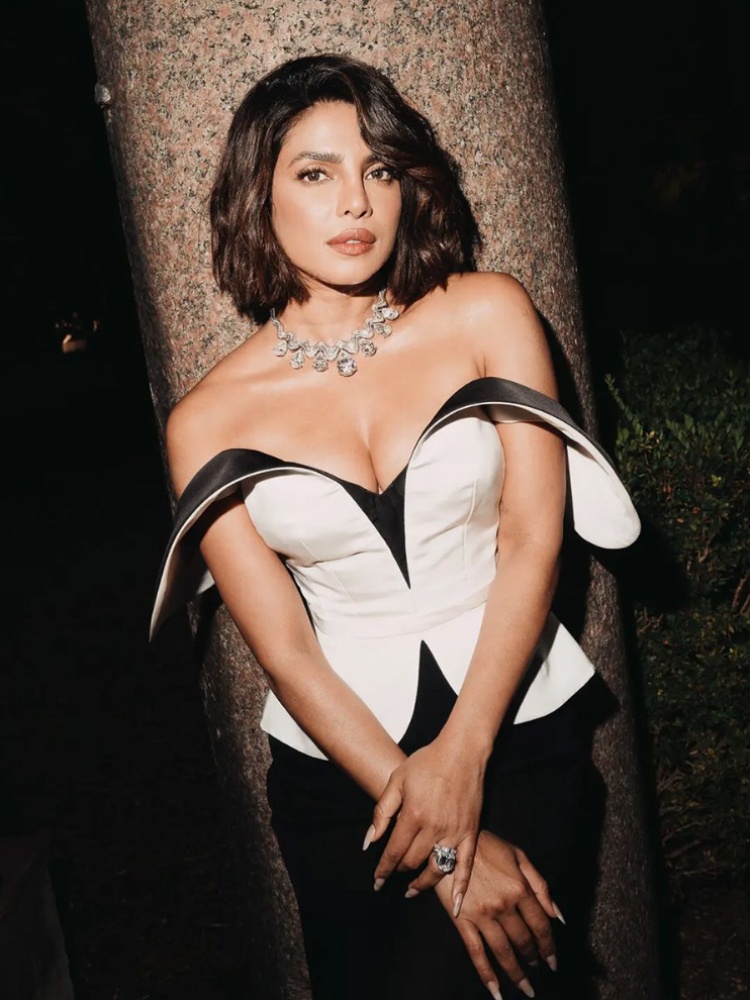
Priyanka Chopra Jonas wearing Bvlgari High Jewelry with natural diamonds at a Bvlgari event in rome.

Getty Images

There was a time when diamonds exclusively represented tradition. Now, they symbolise choice. The industry that once insisted on forever has branched into two timelines: one shaped by geology and deep-time magic, the other by accessibility. And while today’s customer is aware of both, their relationship to each is different. Natural diamonds continue to carry the emotional and cultural weight they always have. Lab-grown diamonds, meanwhile, exist as a newer category in the market, offering major carats without breaking the bank.

“Jewellery is identity cast in metal and memory,” says jewellery collector and designer Siddhi Kankaria. “Diamonds—whether natural or engineered—occupy different emotional neighbourhoods,” she adds. And increasingly, consumers are recognising that difference.

The promise of forever

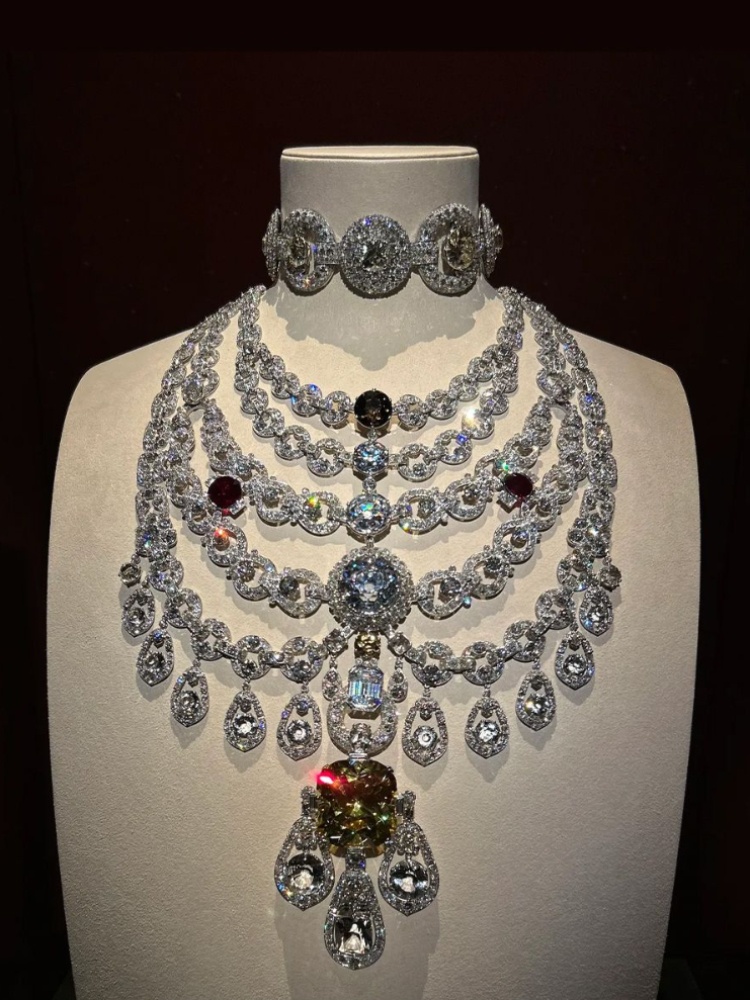
Natural diamonds still hold the authority in this relationship. They are the geological elders—older than the Himalayas, older than language, older than the very idea of love. They remain the heavyweights, the ones families negotiate over like UN delegates, the ones insured heavily and passed down over generations.

And the market reflects it. In a recent statement, De Beers Group CEO Al Cook said that India’s natural-diamond market—estimated at under $10 billion—is set for dramatic expansion, likely doubling within five years as demand surges across Asia’s third-largest economy. Meanwhile, according to a recent McKinsey & Co report, diamond-studded jewellery will drive the biggest growth in India with a roughly 21 to 23 per cent increase as demand surges in the country. And it is millennials and Gen Z who make up a sizable chunk of the share. Not exactly the generations known for clinging to tradition—and yet they want meaning, longevity, fewer pieces, and deeper relationships. In their pursuit of authenticity, natural diamonds offer a depth and narrative that simply can’t be mimicked.
The rise of a new character

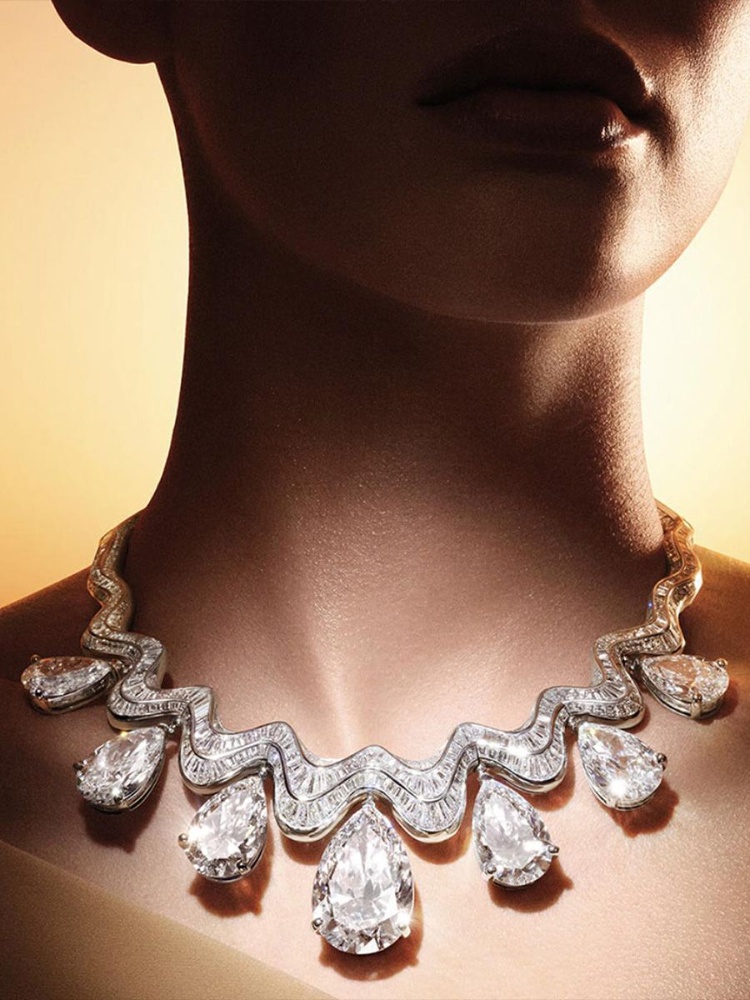
Lab-grown diamonds have entered the industry as a newer material alternative—mass-produced, efficient, and chemically identical, yet without the natural scarcity or inherited emotional architecture that defines traditional diamond buying. “Lab-grown diamonds have democratised sparkle—but they’ve also challenged the idea of scarcity. And scarcity has always been the soul of luxury,” Kankaria adds.

While access to lab-grown diamonds is increasing because of the price drops (Economic Times reports a 65 per cent decrease in the last year), for many jewellers it’s not really about price or ease of access—their loyalties are clear. Natasha Khurana, founder and designer at fine jewellery label The Line, describes herself as a “purist” when it comes to gems. “When I started my label I wanted very specifically to bring quality gemstones into the soul of what I could wear everyday. It was genuinely about the wonder of gems; where they come from, how they’re made by the Earth. It’s not something that’s grown in a factory. The fact that they can be mass-produced, for me, doesn’t hold any wonder.”

Khurana goes so far as to say that she’s happy to turn away customers who reach out for a design using lab-grown diamonds. “You cannot say to me that a stone that is mass-produced holds intrinsic value. It doesn’t. Plus of course, the fact is that if you resell a lab-grown diamond today, the buy-back for it is zero.” Her viewpoint reinforces a quiet reality: sparkle is easy to replicate but significance isn’t.

What’s more ethical?

A few decades ago, lab-grown diamonds arrived with a sense of moral superiority. Marketed as the planet-friendly alternative, they positioned themselves as the socially conscious antidote to natural stones. But over the past few years, that conversation has shifted. Questions about carbon emissions and sustainability have been raised around lab-grown diamonds. Through it all, natural diamonds have remained the heirloom we choose for the next generation.

Natural-diamond houses also responded with full-force transparency initiatives—blockchain tracking, origin passports, carbon-neutral polishing facilities, and meticulous sourcing disclosures.

De Beers’s Tracr blockchain platform, first piloted in 2018 and scaled in 2022, assigns each natural diamond a unique digital identity—a so-called ‘digital passport’ from source to store. Tiffany & Co began disclosing the country or region of origin for new diamonds in 2019. Even Cartier has publicly committed to improved traceability. Sustainability, once the territory of lab-grown brands, has become a shared vocabulary—one that emphasises accountability over purity.

“Believe it or not, the modern Indian customer is reading these reports before shopping. There’s no single ethical lane anymore, only informed choices,” Kankaria adds. In India, where jewellery is cultural architecture, realness isn’t about carbon structure, it’s about narrative structure. “Meaning has become the fifth C,” she adds.

But can you tell the difference?

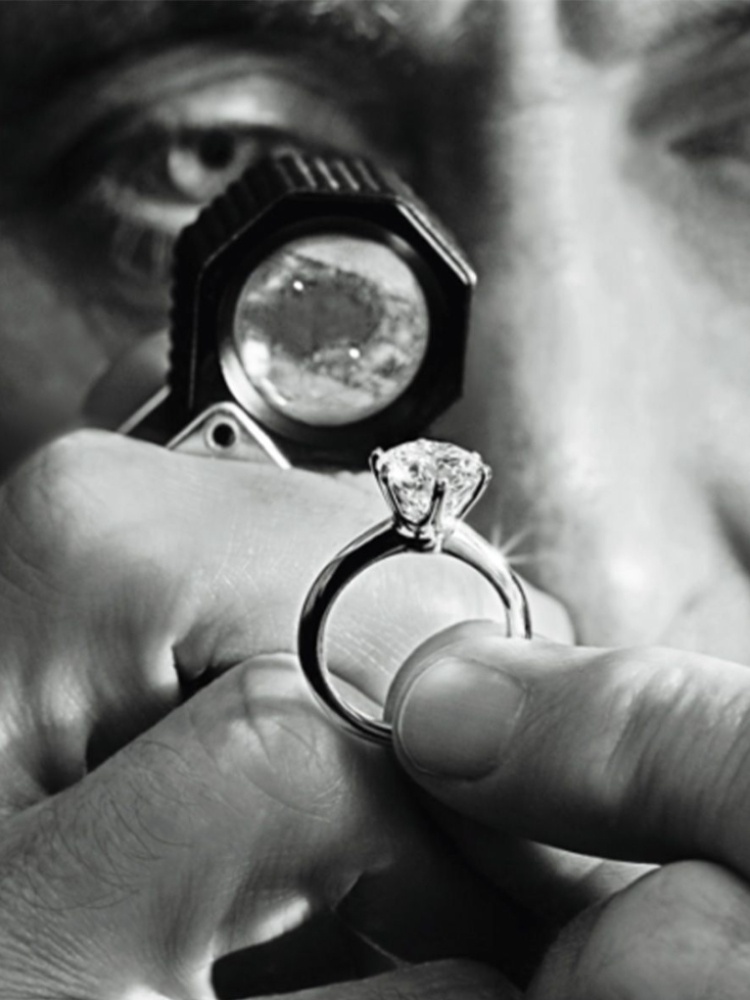
To the naked eye, not really—and that’s part of the thrill. But behind the scenes, gemologists use specialised tools to understand a diamond’s origin story, whether it was formed over billions of years deep inside the earth or grown over weeks inside a meticulously calibrated chamber.

Each process leaves its own mark—subtle grain patterns, traces of nitrogen, and the way a stone reacts to ultraviolet light. While the choice is yours to make, it simply ensures transparency. “In a market where choice is finally expansive, these instruments help buyers match their values, budgets, and moods to the diamond that feels right for them,” says Kankaria.

The engagement ring factor

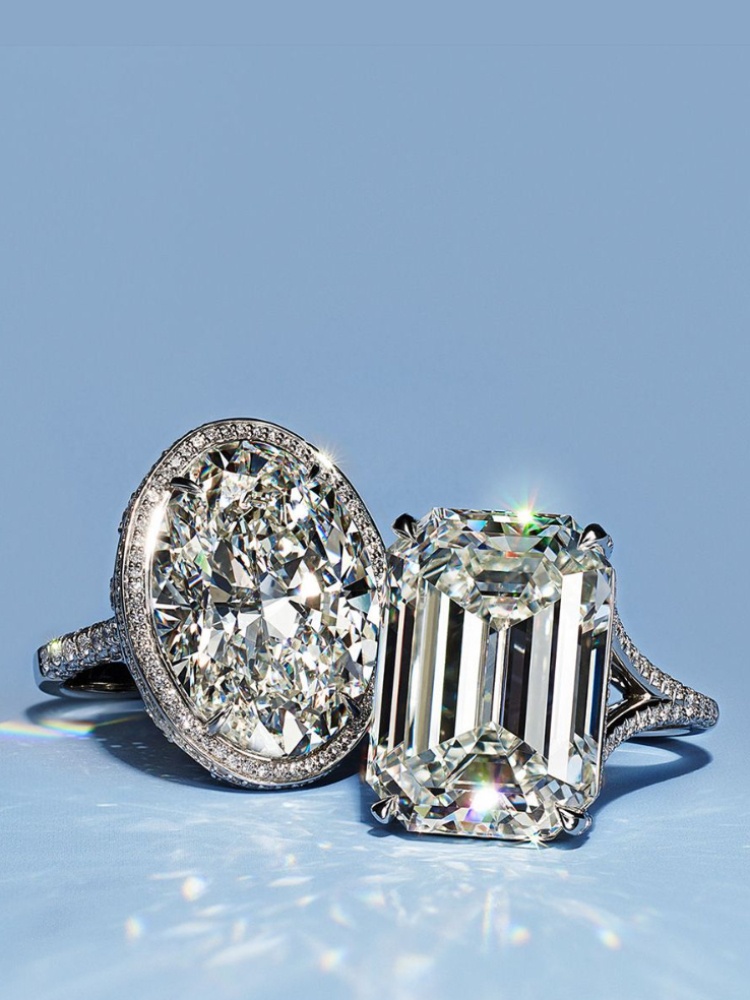
The discussion around engagement rings has also entered an entirely new orbit with celebrities showcasing diamond rocks that do more than simply signal happily ever after. Today’s rings are also meant to reflect personal style and agency. Take Taylor Swift, whose vintage-inspired ring—an elongated cushion-cut natural diamond—represents old-world charm just like her songwriting. Meanwhile, Lady Gaga’s massive oval-cut stone mimics her main character energy. It looks like, for the big moments that matter, a natural diamond is still the first choice for many.

The market is evolving

Heritage brands like Tiffany & Co., Cartier and Bvlgari remain fundamentally committed to natural diamonds, doubling down on rarity, while other brands have carved out space in the lab-grown segment, catering to a different kind of consumer intention. One timeline honours permanence and provenance, the other is anchored in a fast-fashion-like accessibility and engineered innovation.

If anything, the coexistence of both marks the most exciting phase in jewellery’s modern evolution: more transparency, more access, more dimensions of beauty. After all, a girl may have two best friends—but only one comes with a billion-year-old story worth passing down.

The Nod Newsletter

We're making your inbox interesting. Enter your email to get our best reads and exclusive insights from our editors delivered directly to you.