



Fashion04 Mar 20263 MIN

We’ve been seeing a lot of Kartik Kumra. Prepare for more

How the ‘Indian future vintage’ designer behind Kartik Research, an LVMH Prize semi-finalist, became the architect of cool

Kartik Kumra

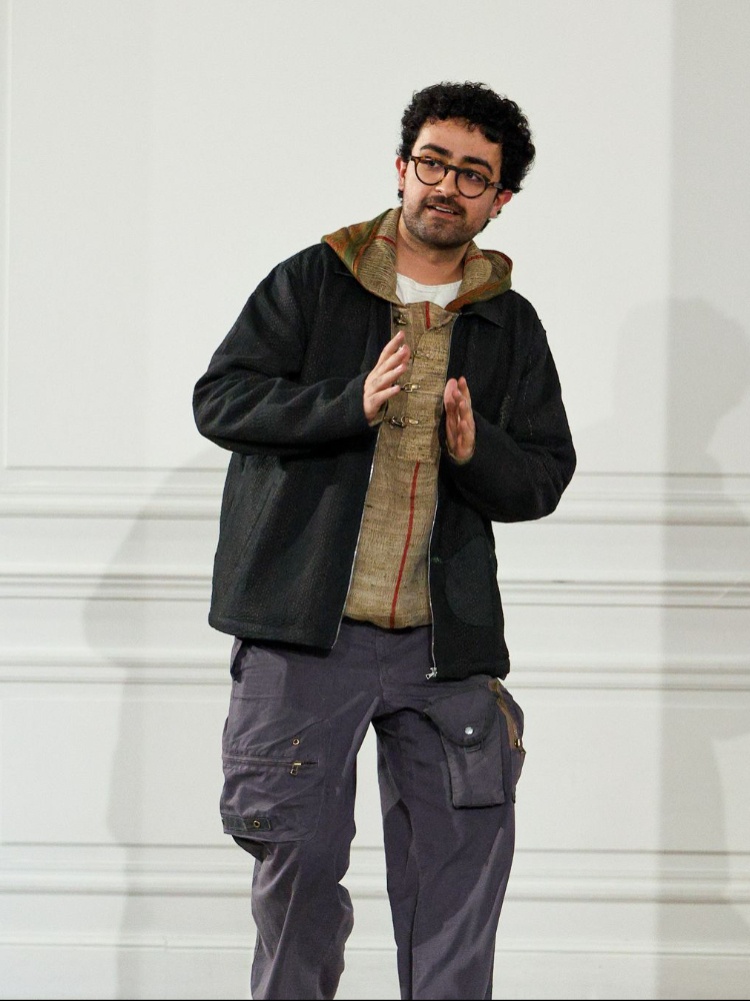
The designer Kartik Kumra takes a bow after his menswear show at Paris fashion week fall/winter 2026

Getty Images/Lyvans Boolaky

Kartik Research is not merely a contemporary label from New Delhi; it is a living archive of Indian craft reframed for the present. From the outset, in 2021, the brand placed culture—not trends—at the heart of its practice. Its guiding philosophy is simple yet radical: to restore the humanness of clothing, the hands and histories from which garments emerge.

With the brand shortlisted for the LVMH Prize that was announced a few weeks ago (this is founder Kartik Kumra’s second time on the list; the first was in 2023), it seemed timely to ponder what makes a young brand like his so significant. Kumra is the only India-based designer on the shortlist this year, following in the footsteps of Miuniku and Kaushik Velendra who were nominated in 2014 and 2020 respectively. It’s not just that he’s on the official calendar of Paris Fashion Week as of January this year. Or that his clothes have been worn by everyone from Lewis Hamilton to Paul Mescal and Zohran Mamdani. What’s more interesting is that for Kumra, craft is not nostalgia. It is contemporary cultural capital. His ascendence has signalled a shift: Indian handmade textiles entering the global luxury conversation not as exotic heritage but as intellectual authority, as a source of rigorous material knowledge.

This shift from “exotic” to “expert” is significant because it becomes intellectually compelling in global fashion discourse. There is now a shift in the power dynamics—a cultural correction. Indian craft is no longer entering Western markets as raw material for foreign designers; it is arriving authored by an Indian voice, presented on an equal footing—even on platforms like Paris Fashion Week. That shift in authorship is important.
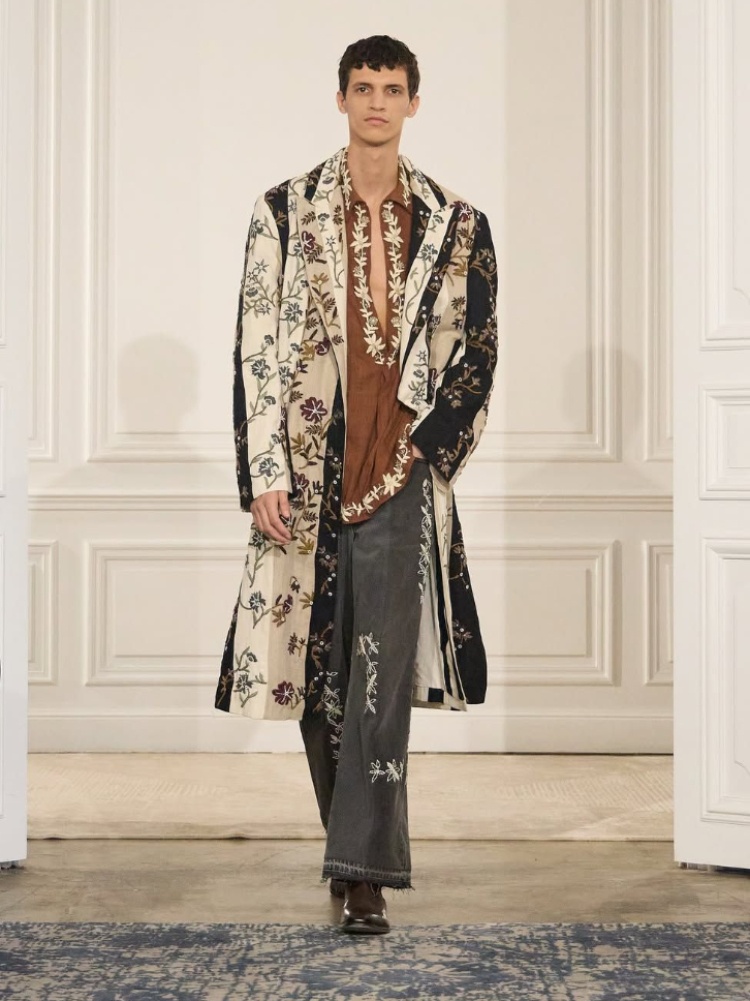
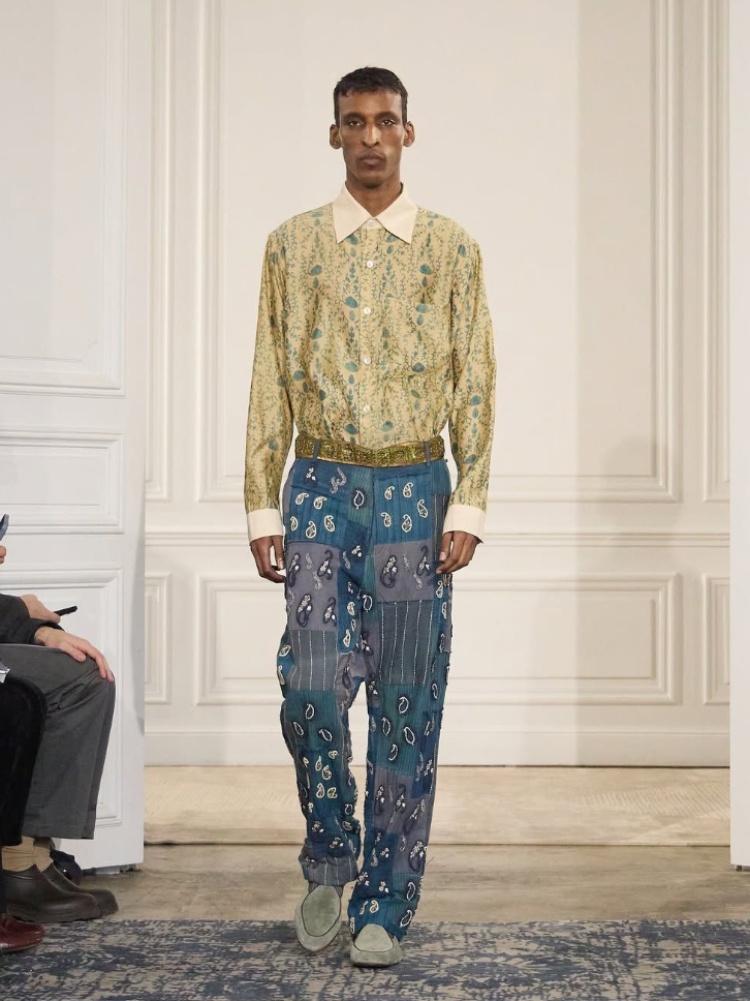
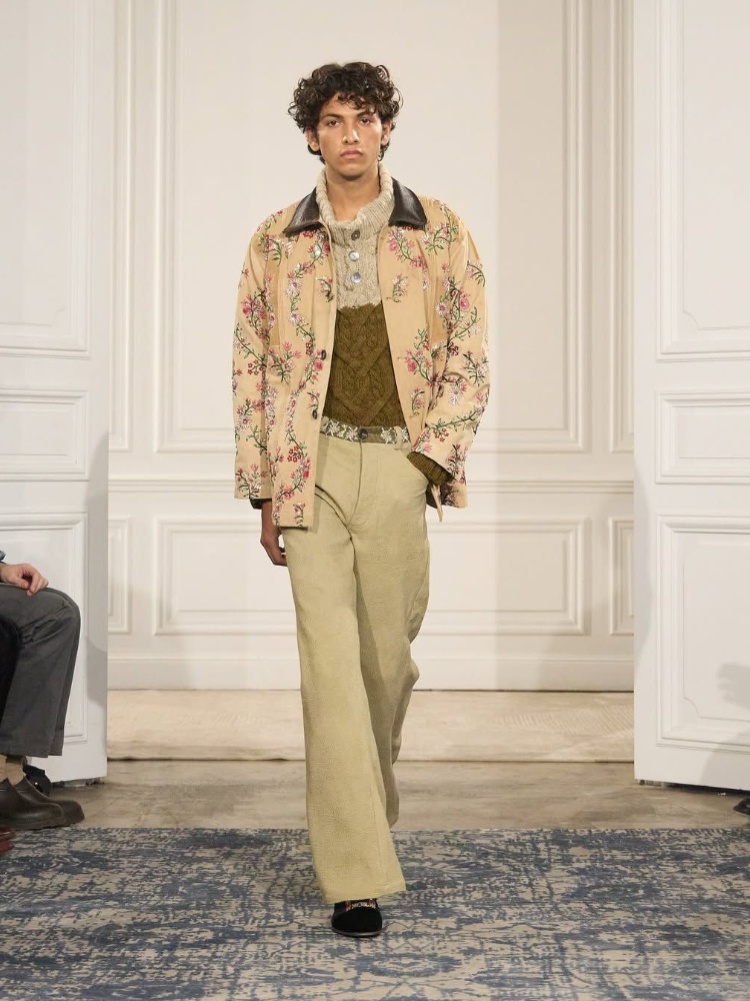
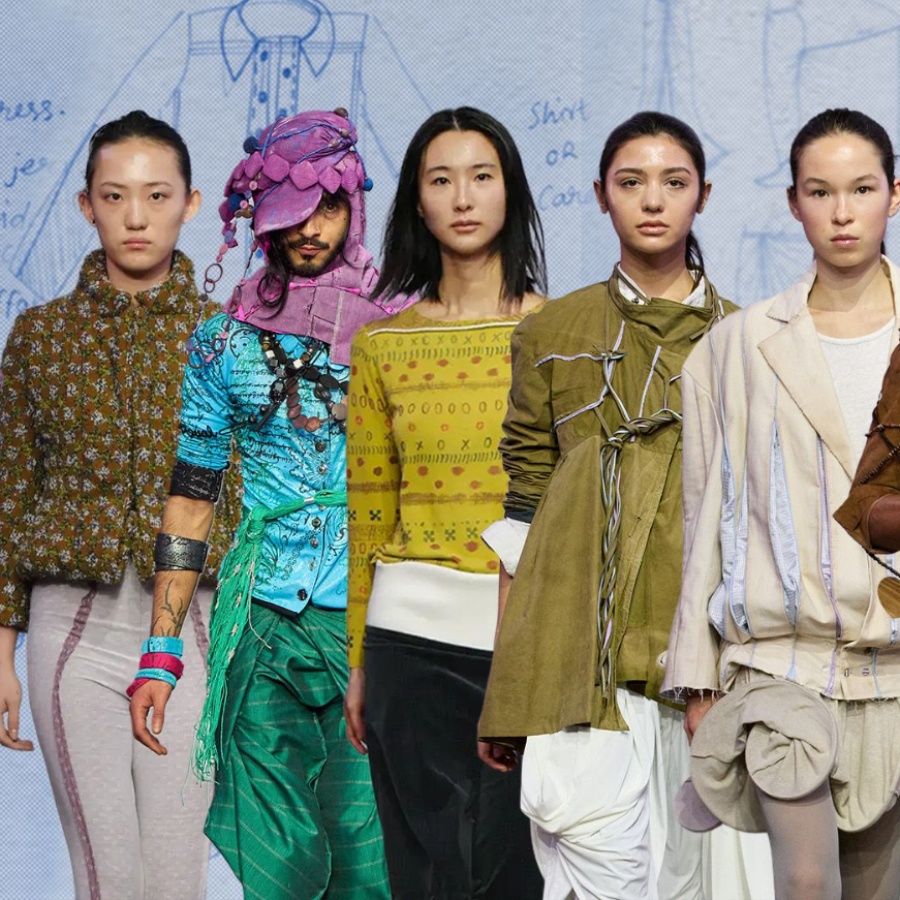
Kartik Research’s youthful collections—Indian future vintage, as they are labelled—often draw on layered narratives within Indian society—youth movements, music subcultures, inherited wardrobes, and the poetry of the everyday. His debut collection was an ode to the aesthetic inspired by 1960s psychedelic rockers while his most recent spring/summer 2026 show offered a nod to the effortless way craftspeople dress. His spring/summer 2025 showcase spotlighted the mix-and-match aesthetic of what people often wore on pilgrimages—garlands with sneakers, loose-fitting jackets layered over hand knitted cardigans and Converse shoes. This hybridity of ‘future vintage’ feels contemporary and avoids the museum-like stiffness often associated with craft. Rather than treating heritage as costume, Kartik Research approaches it as lived experience, allowing traditional techniques to shape modern silhouettes that feel both intimate and globally relevant. 

The label’s evolution from menswear into more fluid, gender-inclusive forms reflects the dynamism inherent in Indian craft traditions themselves—adaptive, porous, and always in dialogue with change. In his work, zardozi isn’t reserved for occasionwear, it can appear on a chore jacket just like a kantha stitch can show up like a wave on a safari-suit like trouser or a paisley motif can embellish an oversized rugby shirt.

Most importantly, Kartik Research champions sustainability not as a marketing tool but as an inherited ethos embedded in hand processes that value time, skill, and community. In his craft-conscious presentations, Kumra demonstrates that slow fashion is an ethical urgency. Sustainability needs to shift from a trend to a moral imperative. His work is a reminder that fashion designers, especially in India, who have inherited from centuries-old craft ecosystems, must uphold the Gandhian principles of community-based, low-impact, less extractive businesses with a slower economic rhythm. To counter the rapid homogenization of design, he places great value on origin stories—where and how clothing is made. This brings his artisan communities as co-creators in giving his narrative depth and authenticity. This is sartorial integrity.

What Kartik Research ultimately reveals is not just a market appetite for Indian craft but the clarity of the designer himself. It is important to see the human being he is, the inner architecture of Kartik Kumra’s philosophy. For him, creativity is responsibility. His work suggests that fashion is not merely aesthetic output but creative custodianship of culture. When craft is treated as knowledge, the artisan ceases to be an invisible labourer and the power structure shifts from extraction to exchange. In the present climate of celebrity designers and flashy branding, his humbling personal conviction becomes magnetic. He articulates a clear worldview and cuts through noise. Ultimately, it is the trust between maker and wearer that is luxury.

The Nod Newsletter

We're making your inbox interesting. Enter your email to get our best reads and exclusive insights from our editors delivered directly to you.