A store of his own
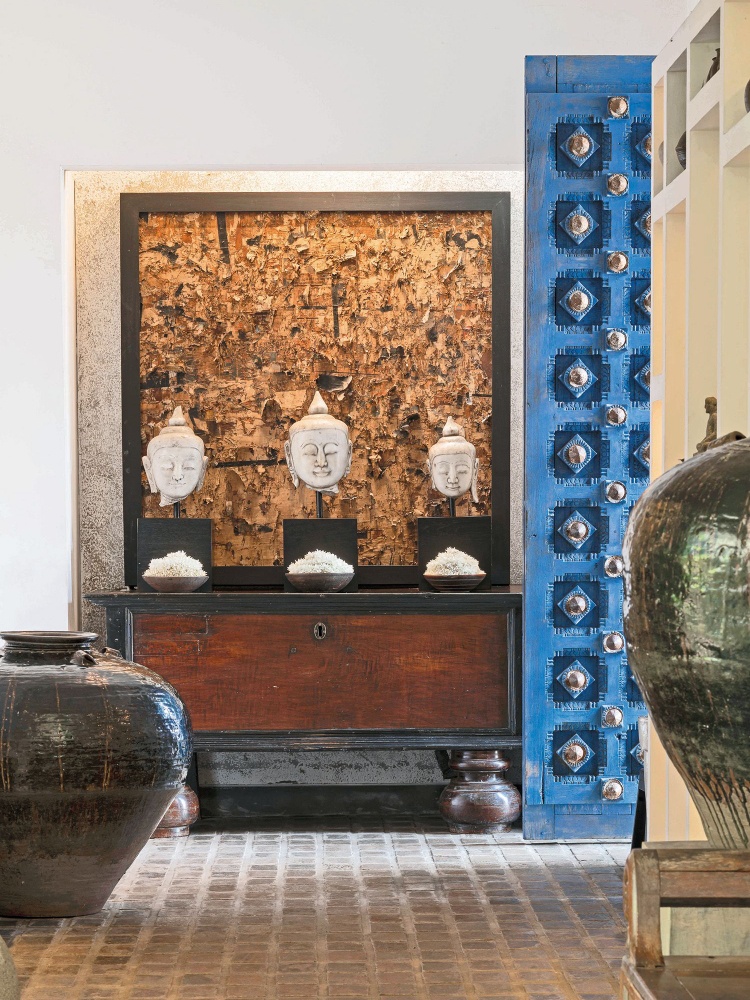
“I found this shop that inspired me to pursue something for myself,” he shares. Paradise Road opened in 1987 with the things Fernando was drawn to: stripped-back old furniture, Dutch-period antiques, plain white porcelain, ceramics, stylised batik, and objects produced in collaboration with local artisans, often reworking familiar craft techniques and materials into new, pared-back forms. “I would be inspired to design for that artisan or a craftsman who would come in with an innovative use of a material. It was always an organic progression of production rather than a business-driven decision.”
That is how the store and its signature style took shape: “I discovered a batik artist, and I stylised batik in what is now a distinct Paradise Road style. Then I recycled old furniture in minimal, clean lines. If something was overly carved, I didn’t buy it. I also started selling authentic Dutch antiques, ceramic ware and porcelain, but everything was very plain, very white. I even have a white room in my shop today with just white porcelain and ceramic, because that is essentially my taste.”
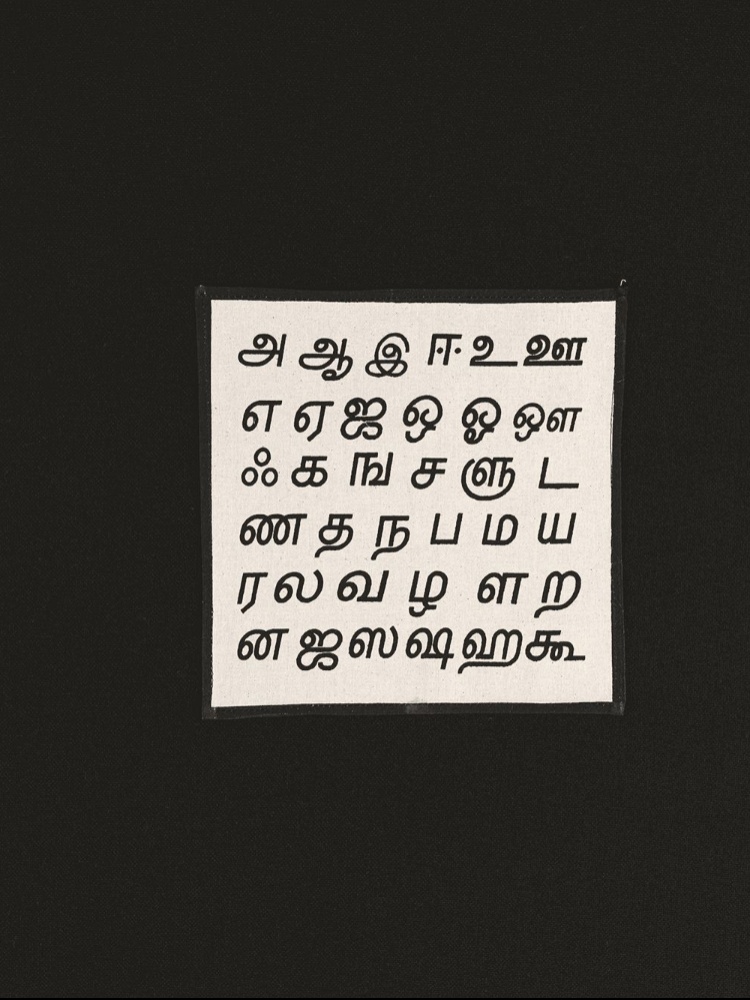
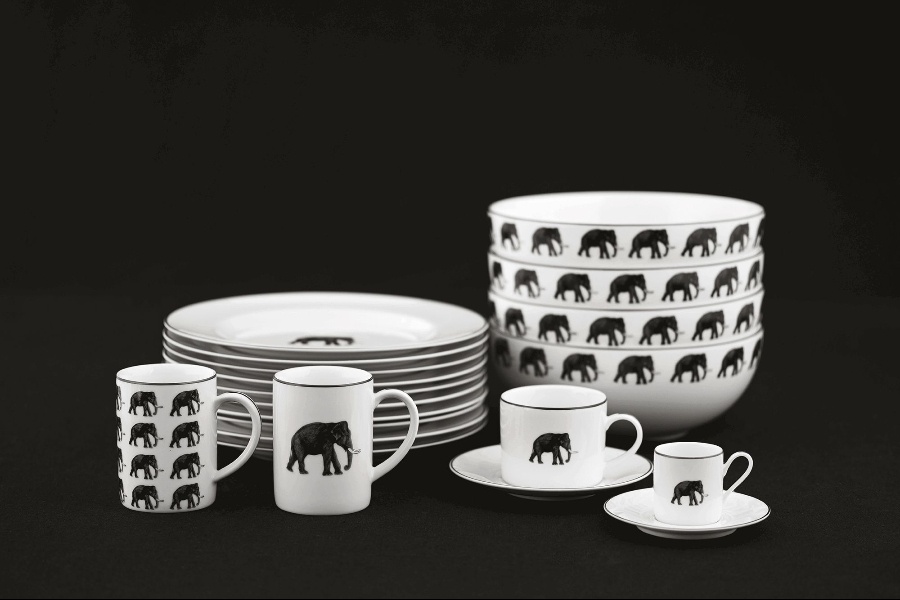
Soon, Paradise Road’s inventory and visual vocabulary began to emerge with its now-iconic black-and-white stripes, hand-painted ceramics, woven pieces, wrought-iron furniture and vivid sheets of crushed kite paper used for gift wrapping. Then came the Sinhala and Tamil letterforms that appeared on crockery, mats, and linen. The idea, Fernando says, began with an old English ceramic plate edged with the alphabet. Looking at the rounded Sinhala script and the more angular Tamil one, he saw two beautiful calligraphic forms waiting to be used differently. During a period when the country’s ethnic divisions were painfully visible, using both scripts felt poignantly significant too. Fernando designed ceramics carrying Sinhala and Tamil lettering together and later made a cloth bag with one script on either side. These remain one of the top selling souvenirs from the store even today.
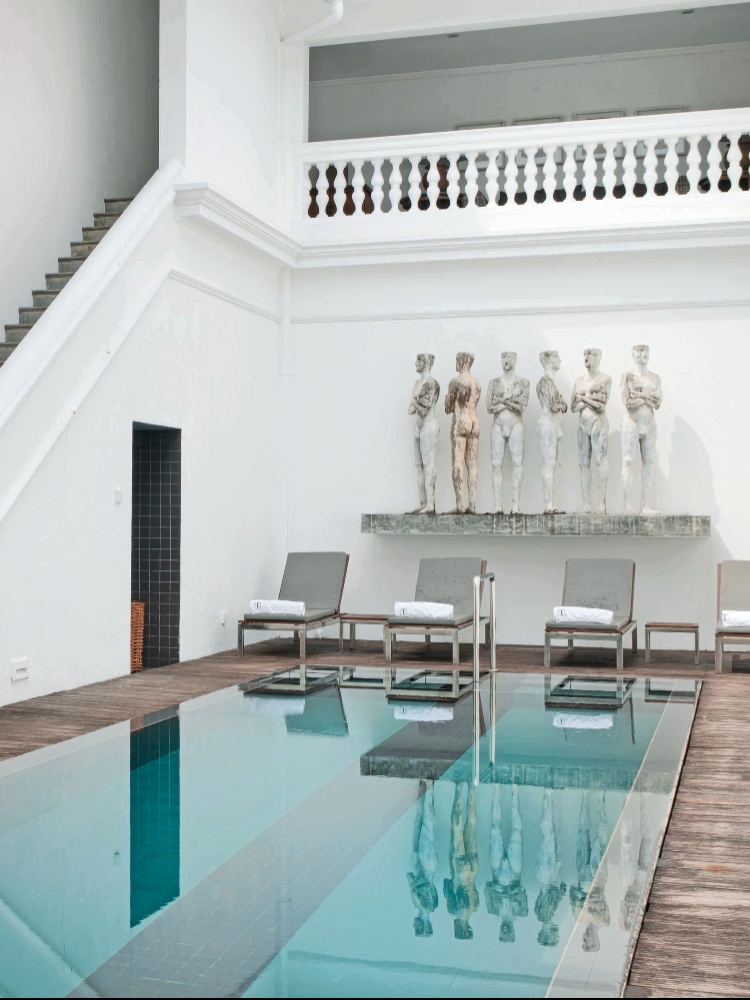
Fernando continued to respond to spaces that stirred something in him. Like a small shop that went on to become the first Paradise Road, a grand old house became an emporium, Geoffrey Bawa’s former office became The Gallery Café; and another historic residence became the 10-suite hotel Tintagel. While The Gallery Café brought together art, dining, and design, giving Lahore-based artist Ali Kazim his first solo exhibition outside Pakistan, Tintagel became Fernando’s take on what a hotel could feel like.
The last tastemaker
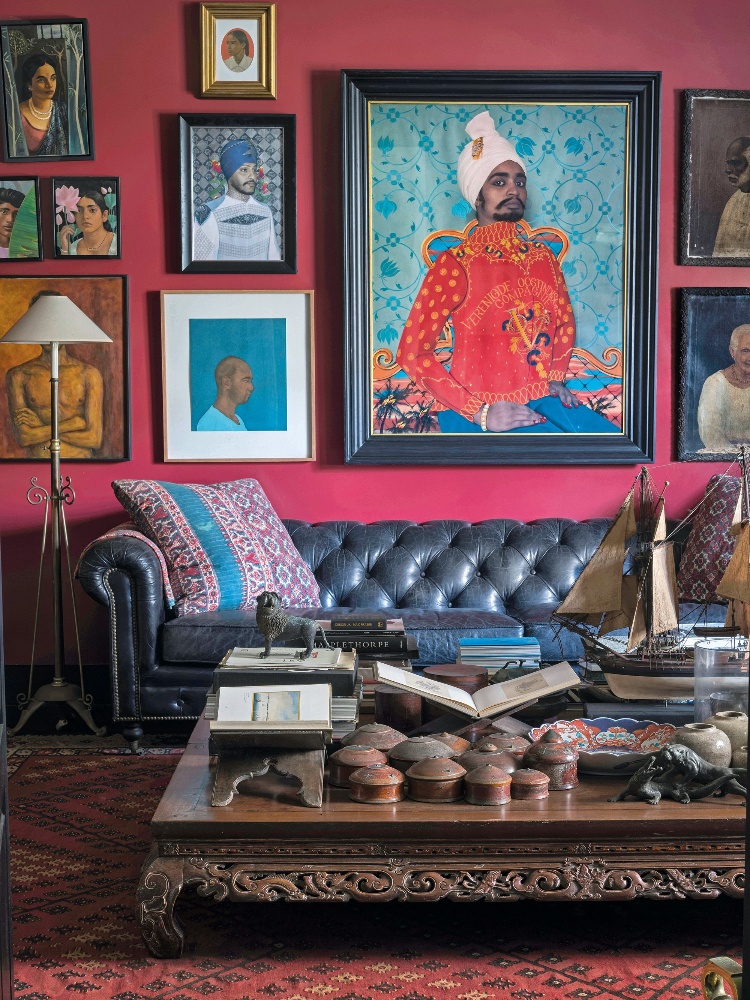
While Bawa taught the world how Sri Lanka could build, Fernando helped shape the aesthetic of the interiors in Sri Lanka and how the island could live: with its antiques, craft traditions, scripts, and inherited histories not preserved behind glass but brought into the home, the restaurant table, and the hotel room. Paradise Road began during Bawa’s later years, and its pieces soon found their way into many of the architect’s post-mid-1980s spaces.
“We all seek inspiration. When I travel to Europe, I go to the most beautiful stores to discover colour and material combinations, and it all goes into my mental filing cabinet. Then, when I’m trying to create something, I pull these ideas out one by one. No design is 100 per cent original; it is all a variation on a form.” Though the septuagenarian is active on Instagram, he has not yet ventured into Pinterest. “I’m a toad in a well!” he exclaims. “I love poring over magazines and I love my books. I have a huge library. If I buy a book and get one idea to replicate or inspire me, I am content.”
Today, Fernando still draws every design himself, works directly with craftspeople, and remains involved in the smallest decisions, from the shape of a bowl to the colour of a stripe. Spend any time speaking with him and one word keeps returning: taste. Not as a marker of status, but as a habit of looking closely, remembering what moves you and knowing, instinctively, what belongs together. “You can learn or buy style but not taste. Taste is something you believe in wholeheartedly, and it has nothing to do with money,” he muses.
Udayshanth Fernando: Living Design is distributed by Rizzoli, and available in-store at Nilaya Anthology; ₹5,700