


Books03 Jul 20265 MIN

Suddenly, Terry Pratchett fans are a whole lot worried

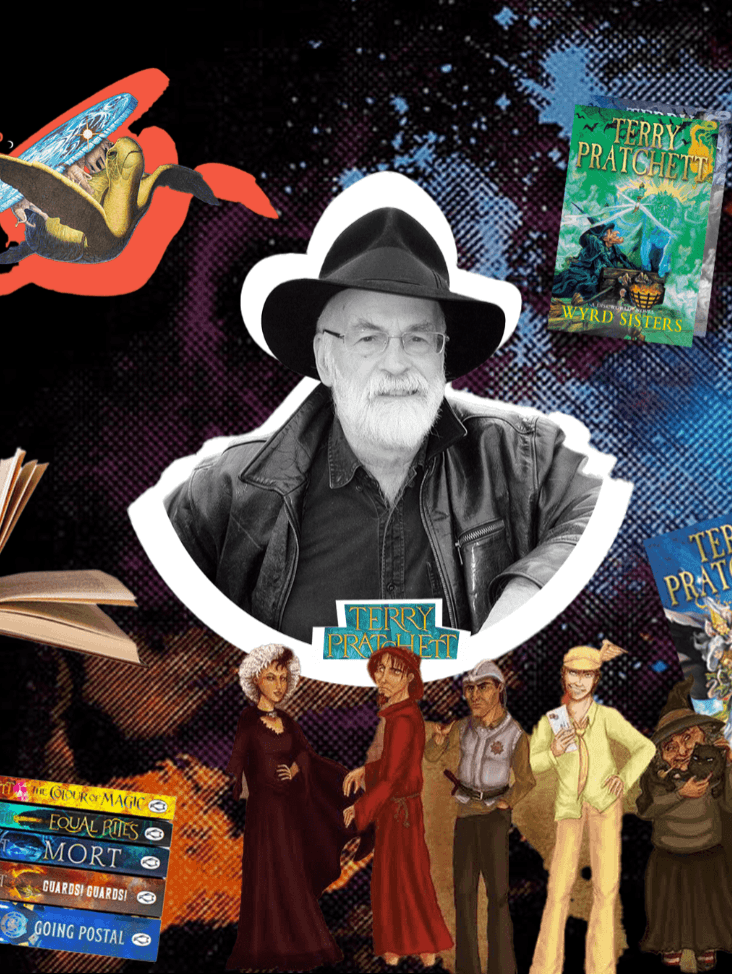
A growing concern on Reddit among Discworld fanatics: if Tolkien had Peter Jackson, and Rowling has the films and the theme parks, what does Pratchett have to keep his legacy alive?

Image

Mitali Parekh, a well-known feline and canine behaviourist based in Mumbai, was about 22 when her best friend pressed a Terry Pratchett novel into her hands. The book, her introduction to Pratchett, was Interesting Times—a satirical romp about autocracy set on a flat planet balanced on the backs of four elephants, themselves standing on a giant turtle drifting through space. She read. She laughed. And she kept reading. More than two decades later, in 2022, when Pratchett’s biography, A Life with Footnotes, released, Parekh took a week off and retreated to the remote village of Shojun in Himachal Pradesh with nothing else. “I just thought, oh, I get to hear him again,” she says.

This is a very specific kind of grief—the grief of a reader who has run out of books by their favourite author. And for the millions of people who found in Terry Pratchett something they could not find anywhere else, it is a grief that has lately, unexpectedly, grown louder. In May this year, The Atlantic published a piece by Helen Lewis titled ‘I Am Begging You to Read Terry Pratchett’, arguing that one of England’s funniest writers was in danger of being lost to history. Social media—Bookstagram, BookTok, Reddit, Threads—erupted.

The discourse got louder on Reddit’s Terry Pratchett fan clubs. On Instagram, Reels started circulating in the familiar register of gentle urgency: read him now, before his voice disappears. His fans do not understand what these people are talking about, but there are just as many who don’t understand just who is being talked about. The premise of the alarm was simple, and slightly terrible: that one of the most beloved novelists of the 20th century, a man whose books have sold over 100 million copies in 43 languages, might be quietly fading from the cultural conversation simply because no one has managed to put his work on a screen properly.

Pratchett died in March 2015 at the age of 66 following early-onset Alzheimer’s, a disease that took from him, cruelly, the very faculty that made him Pratchett: his ability to write. His final books were dictated to his long-time collaborator Rob Wilkins. On his hard drive he left 10 unfinished novels, all fragments, which he had instructed Wilkins to destroy with a steamroller after his death. Wilkins obliged. What remained were 41 Discworld novels, a handful of standalone works—among them Nation, which Parekh calls “a great book for developing a value system”—and a narrator’s voice so singular, so wry, wary and humane that readers still reach for it when the world goes sideways.

Shruti J, 29, an editor and writer based in Gurugram, bought a hardcover copy of Mort (1987) during the pandemic. “I was immediately hooked,” she recalls. “I found him to be absolutely hilarious, gentle, very sophisticated when it comes to folklore and philosophy. His play with language was absolutely marvellous.” She quotes her favourite joke in that second-nature way that comes from repetition: “Everybody knows there are four elements. But there is a fifth element too—surprise.” It might not sound much in the way of punchlines these days, but in context—buried in a footnote, delivered in Pratchett’s bone-dry register in The Truth—it becomes something else entirely. A statement about the nature of knowledge and who gets to decide what that is.
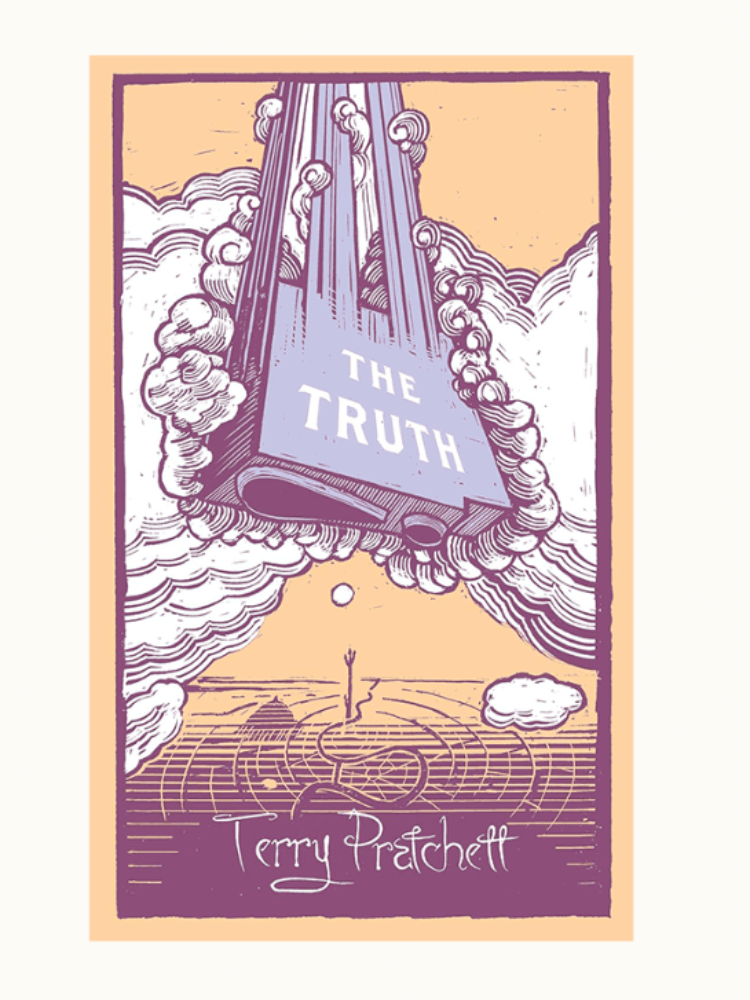
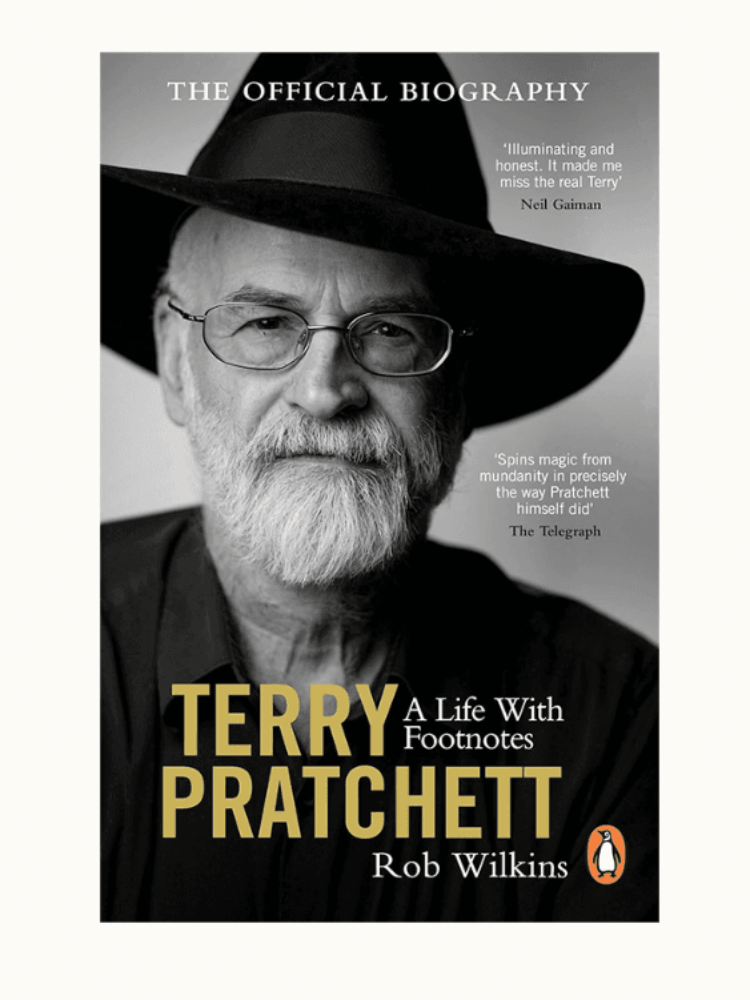
This is what his fans keep struggling to explain to the unconverted: that Pratchett is not simply funny. He is funny in the way that makes you understand things you did not know you needed to understand.

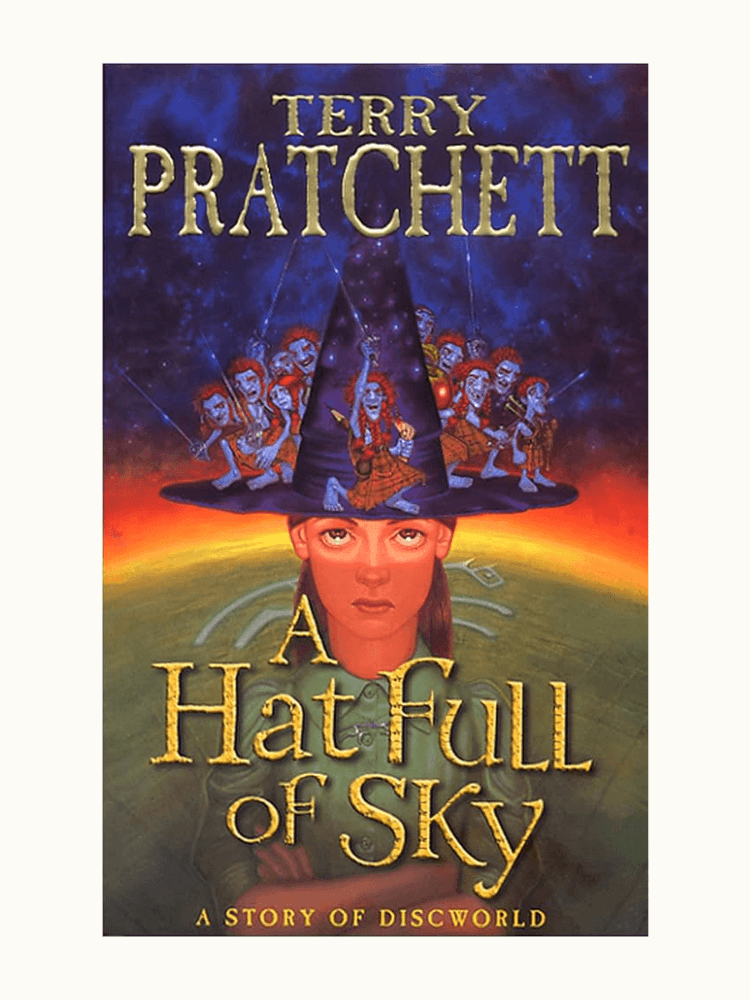
Music journalist Bhanuj Kappal, who recently bought a signed first-edition copy of A Hat Full of Sky from London vintage bookstore Adrian Harrington Rare Books for $150 as a birthday gift for his wife, describes him as part of “the holy trinity of British SFF satire” alongside Douglas Adams and Neil Gaiman. “Pratchett is basically our comfort read,” he says. “We have gone through his bibliography at least four times already.”

That is the sort of thing 1980s-’90s kids would know—or do—for that is when science fiction, speculative fiction, and fantasy had their first big renaissance since the 1940s and ’50s in Europe and the US. Pre-history and medieval brutalist pasts (Michael Crichton, George RR Martin) to dystopian futures (Octavia E Butler, Margaret Atwood), cyberpunk (Neal Stephenson) to urban legends (Neil Gaiman) and plain old magic (JK Rowling)... Imaginations were rife. What made Pratchett—and Adams and Gaiman—stand out, arguably, was the dry wit and sarcasm, a very English sense of humour.

Others like Parekh describe the draw of repeatedly reading Pratchett’s novels—and by extension their enduring relevance—with enthusiasm. “If you wanted to know how journalism works in the world, you read The Truth,” says the former journalist. “If you wanted to learn how diplomacy works, you read The Fifth Elephant.” The Discworld, for all its turtles and wizards and undead bureaucrats, was always a mirror held up to the systems we actually live inside. And the reflection, once seen, cannot be unseen.

Pratchett was particularly great at writing wonky but morally uncorrupt and very memorable characters. Death in the Discworld is a gentle creature who arrives only after someone has died, unless they hurt kittens. Death’s granddaughter, Susan Sto Helit, is a school teacher who expands the minds of children by telling them, matter-of-factly, that monsters exist and often there isn’t much that they can do about it.

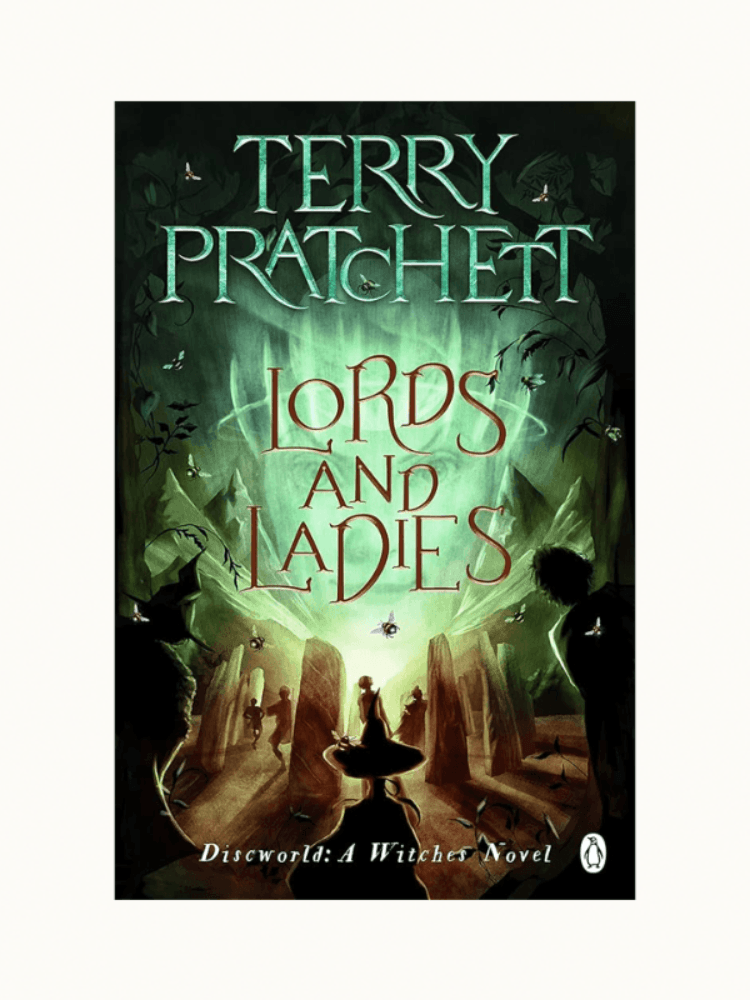
Esme Weatherwax, the morally uncompromising witch who does the right thing not because it makes her popular but because it is the right thing, is hailed as a role model among Pratchett fans. In Lords and Ladies, Weatherwax’s resistance to the glamour of the elves is a lesson in refusing beautiful things—because beautiful things can be malicious and harmful. In 2026, when the glamour of social media does something structurally similar to entire generations, the lesson feels especially resonant.

“Pratchett’s books are humanist,” observes Shruti J. “I was surprised to see that even though he never explicitly names gender and sexual orientations, there is ample representation in his book that points towards accommodation. For example, one of the female dwarves in his books has a beard, but she also wears makeup and feminine clothing. There are these easy ways that diverse expressions are included in his books.”

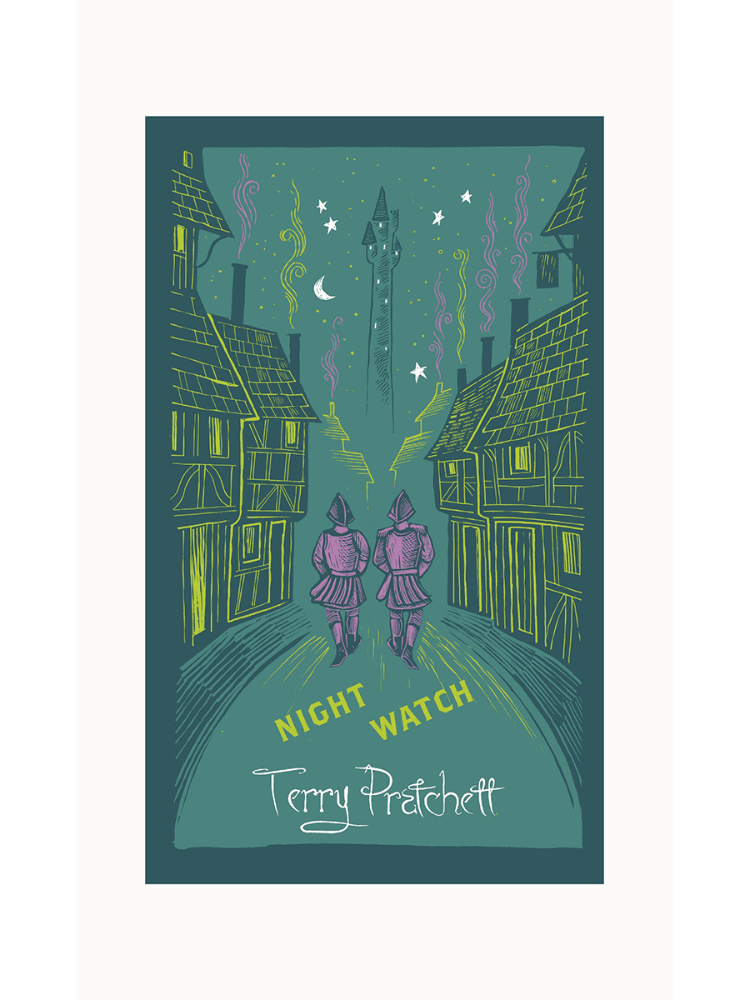
So why the worry? If his worldview is this relevant, his books this good, and if they sell this well—over 100 million copies, consistent appearances on UK bestseller charts through the early 2000s, 12 titles charting in a 300-week analysis, and the three bookstores I checked in Mumbai being completely sold out of Pratchett except for one sad, browning copy of Night Watch under Penguin Classics—why the sudden alarm?

The answer, his fans agree, is the screen. In a cultural landscape shaped by streaming, prestige television and algorithmically driven discovery, an author without a defining adaptation is an author who risks disappearance. Tolkien has Jackson’s Lord of the Rings trilogy. Rowling has the films, the theme parks, the franchise—and a new series coming out soon. Gaiman, until recent events complicated matters, had The Sandman and Good Omens and an almost aggressively present social media personality that kept him in continuous conversation with readers. Pratchett had none of these. “He had severe impostor syndrome,” Shruti J notes. “Perhaps there is limited stuff out there for people to have a parasocial engagement.”

There have been 11 screen adaptations of Pratchett’s work across 32 years, and not one has landed in pop culture the way it needed to. The most faithful—Sky One’s Hogfather in 2006—reproduced every scene and was warmly received by fans who already loved the books. But that is not the same thing as bringing in new ones. The most recent, 2022’s The Watch, essentially removed Pratchett from a story about his own characters: Sam Vimes appeared in eyeliner; Colon and Nobbs were written out entirely. Pratchett’s daughter Rhianna noted quietly that the series shared “no DNA with my father’s The Watch”.

Good Omens succeeded, but the complication is that Good Omens is as much Gaiman’s book as Pratchett’s, and the adaptation was almost entirely Gaiman’s show. The absence of a clean, successful, Pratchett-only adaptation on a major platform remains a gaping hole in his legacy.

Kappal puts the fundamental challenge simply: “[His books are] very focused on a narrative voice, with lots of world-building. But what really carries it is the narrator. And it’s hard to translate that particular wry tone into a visual story.” The comparison he reaches for is Douglas Adams—whose work only truly succeeded on screen in the form closest to prose, a radio play that was the basis for Garth Jennings’s The Hitchhiker’s Guide to the Galaxy.

There is hope. Rhianna Pratchett is working with screen partners to develop what she has described as “truly authentic prestige adaptations” that remain faithful to her father’s “original, unique genius”. Whether that means finding a way to keep the footnotes—to trust the voice—remains to be seen.

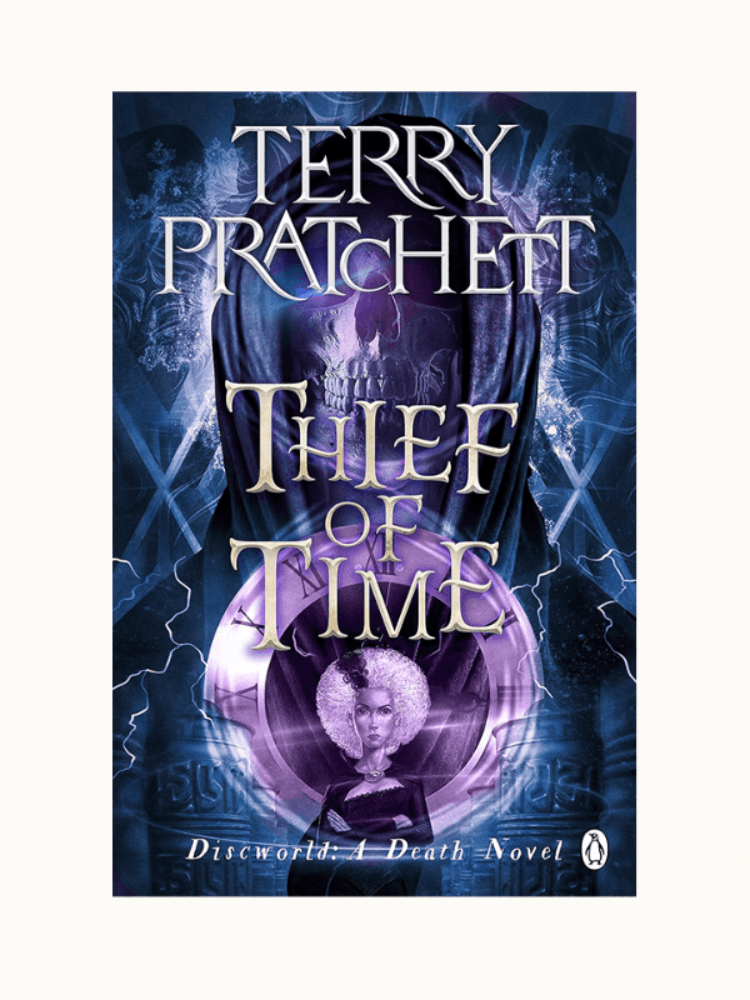
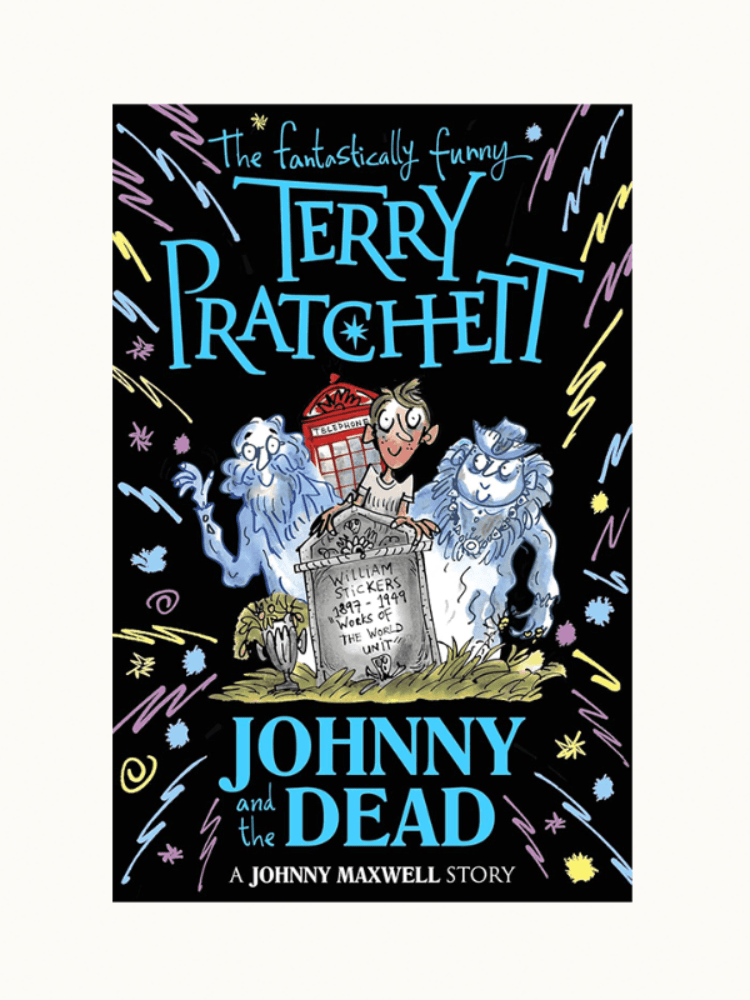
Our essential guide to Terry Pratchett

The Nod Newsletter

We're making your inbox interesting. Enter your email to get our best reads and exclusive insights from our editors delivered directly to you.