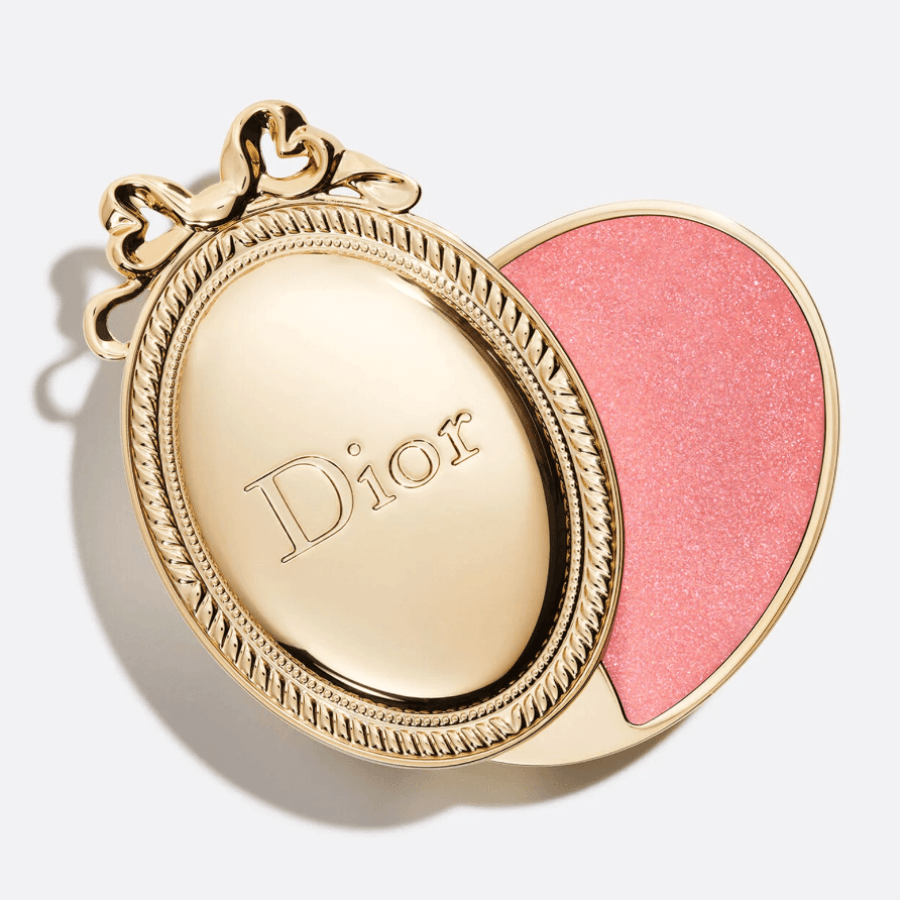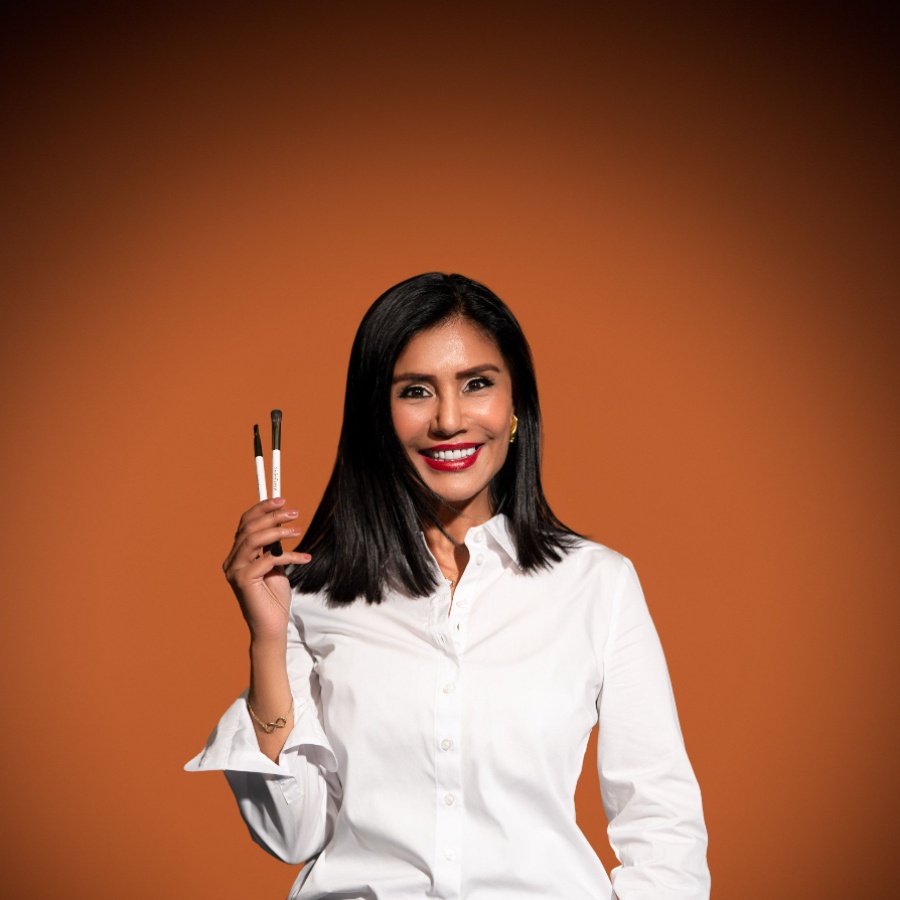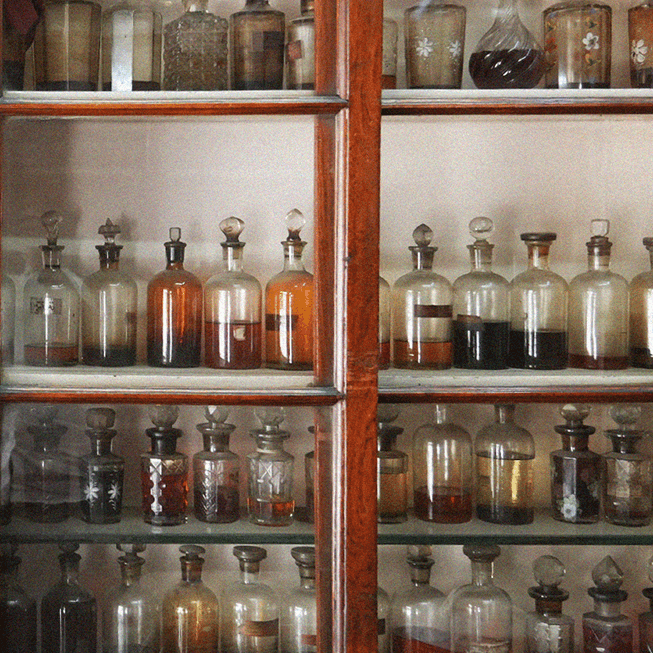



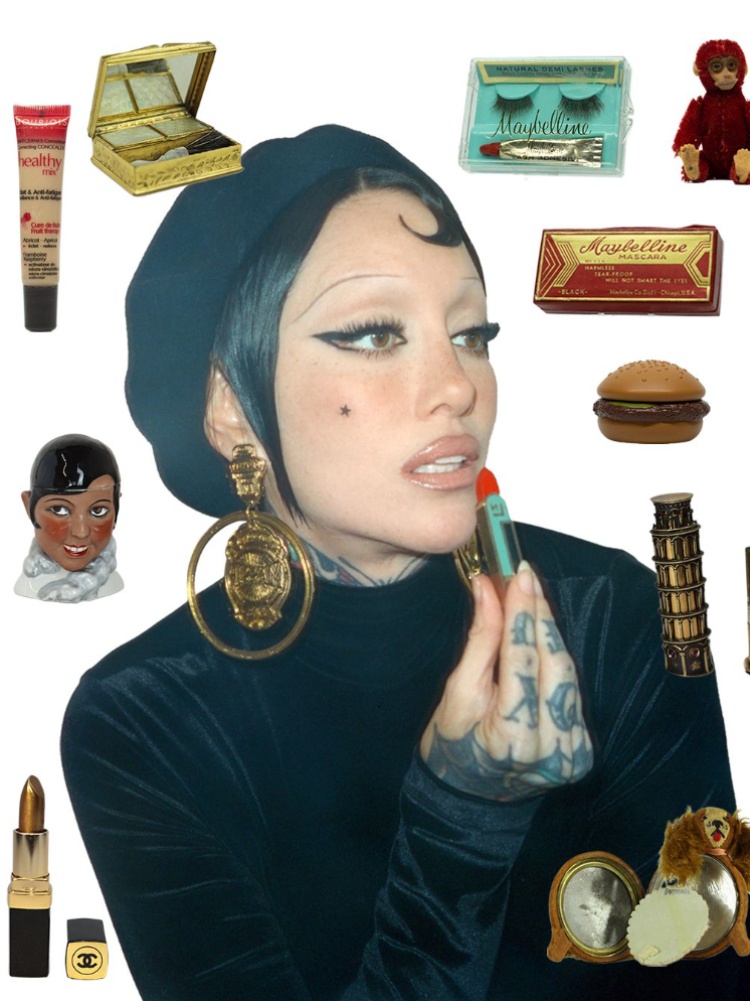
Celebrity makeup artist Erin Parsons has spent years excavating the history that can fit inside a makeup case. The result of all that research is The Makeup Archive, an online museum with over 1,500 vintage objects. They include a pretty 18th-century French mouche box used to hold stick-on beauty spots; a 1920s compact shaped like a monkey, with a lipstick concealed inside its head; and a powder jar shaped like the singer Josephine Baker. Scroll further through the site and there’s a lipstick case that looks like the Leaning Tower of Pisa, an Avon lip gloss that takes the form of a hamburger, and a compact from 1929 that captures the likeness of a cute velveteen puppy. These were the objects through which beauty was packaged as fantasy, status, entertainment, and design. Now, they have found a permanent home in Parsons’s new online museum, where the ephemera of the dressing table becomes a cultural record.
ADVERTISEMENT
A beauty museum ft Marilyn Monroe’s lipstick and a hamburger-shaped lip gloss
With The Makeup Archive, celebrity makeup artist and beauty historian Erin Parsons turns her passion for collecting into an online museum with more than 1,500 vintage objects
Artwork by The Nod

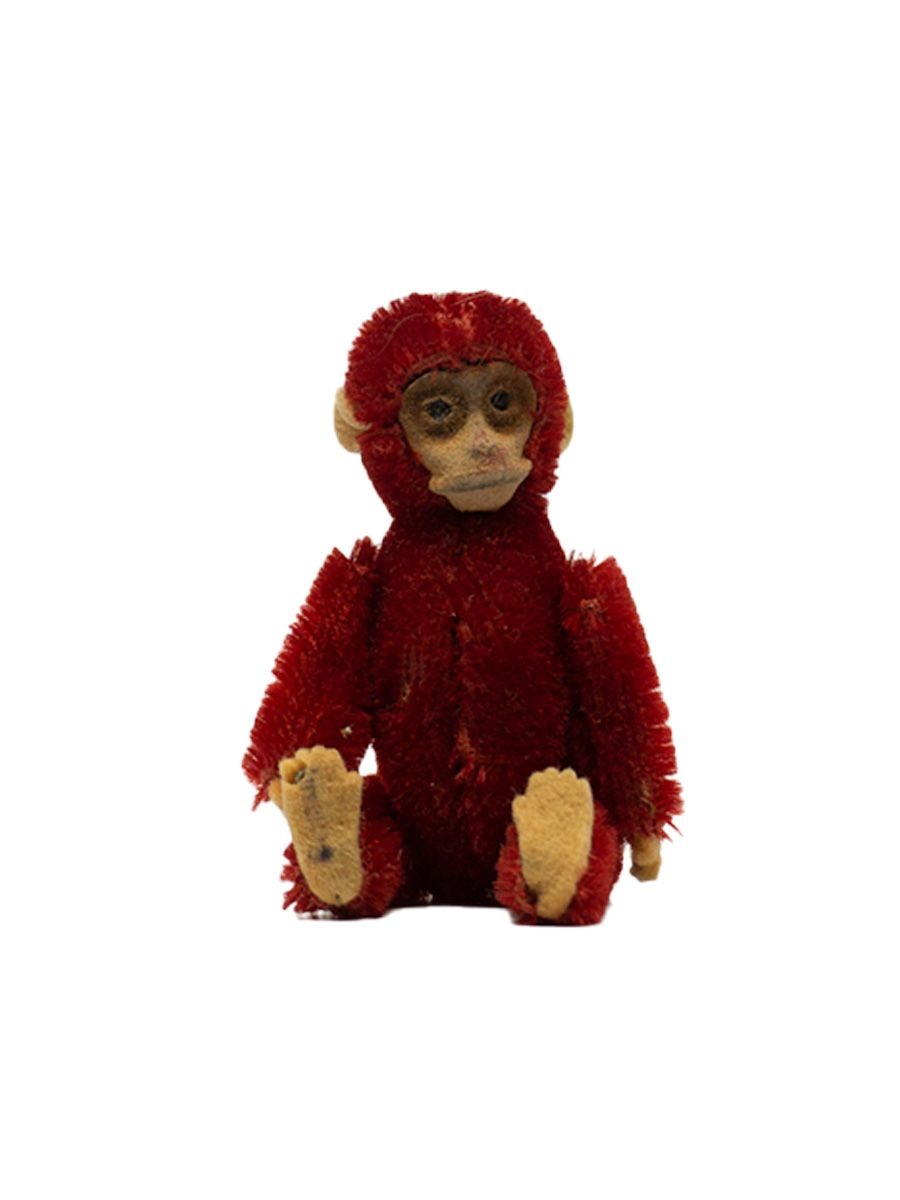
Schuco Red Monkey Compact
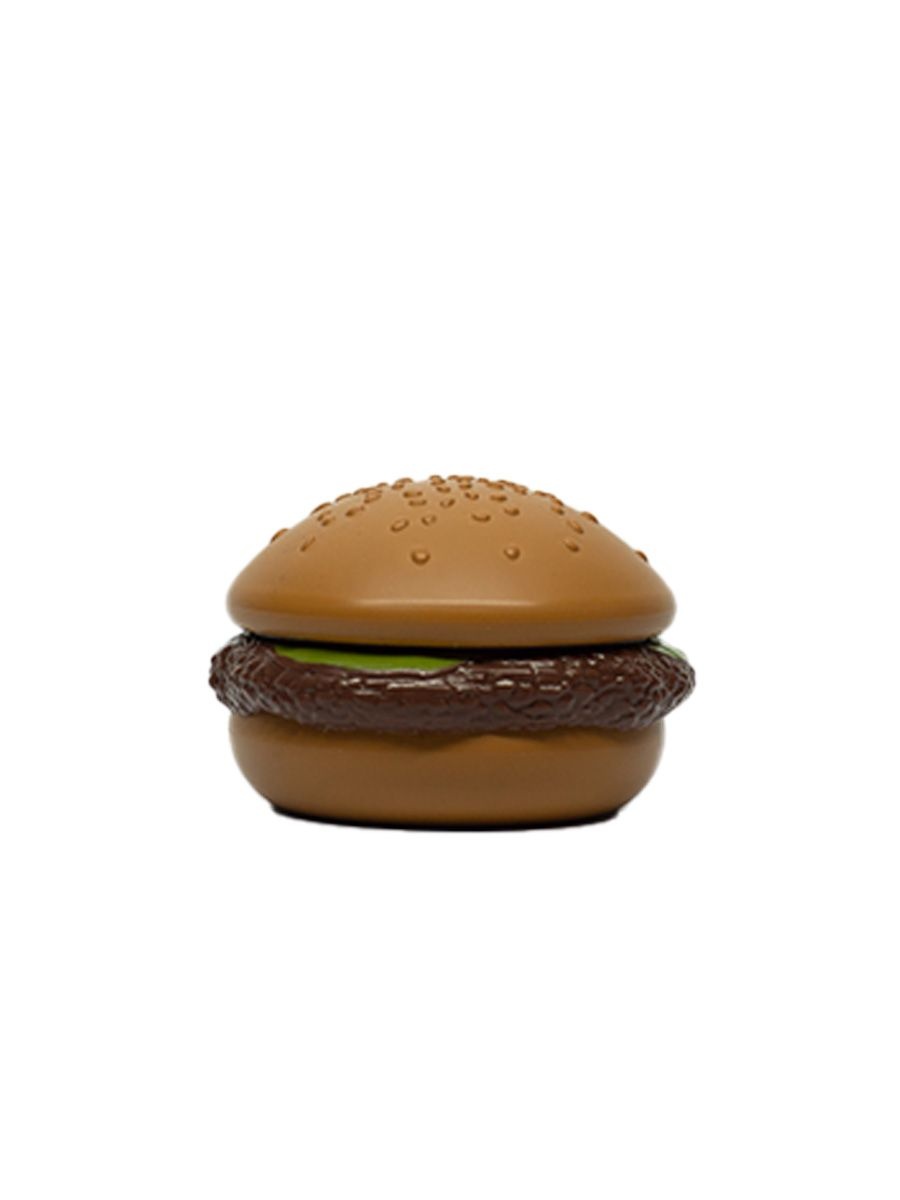
Avon Hamburger Lip Gloss
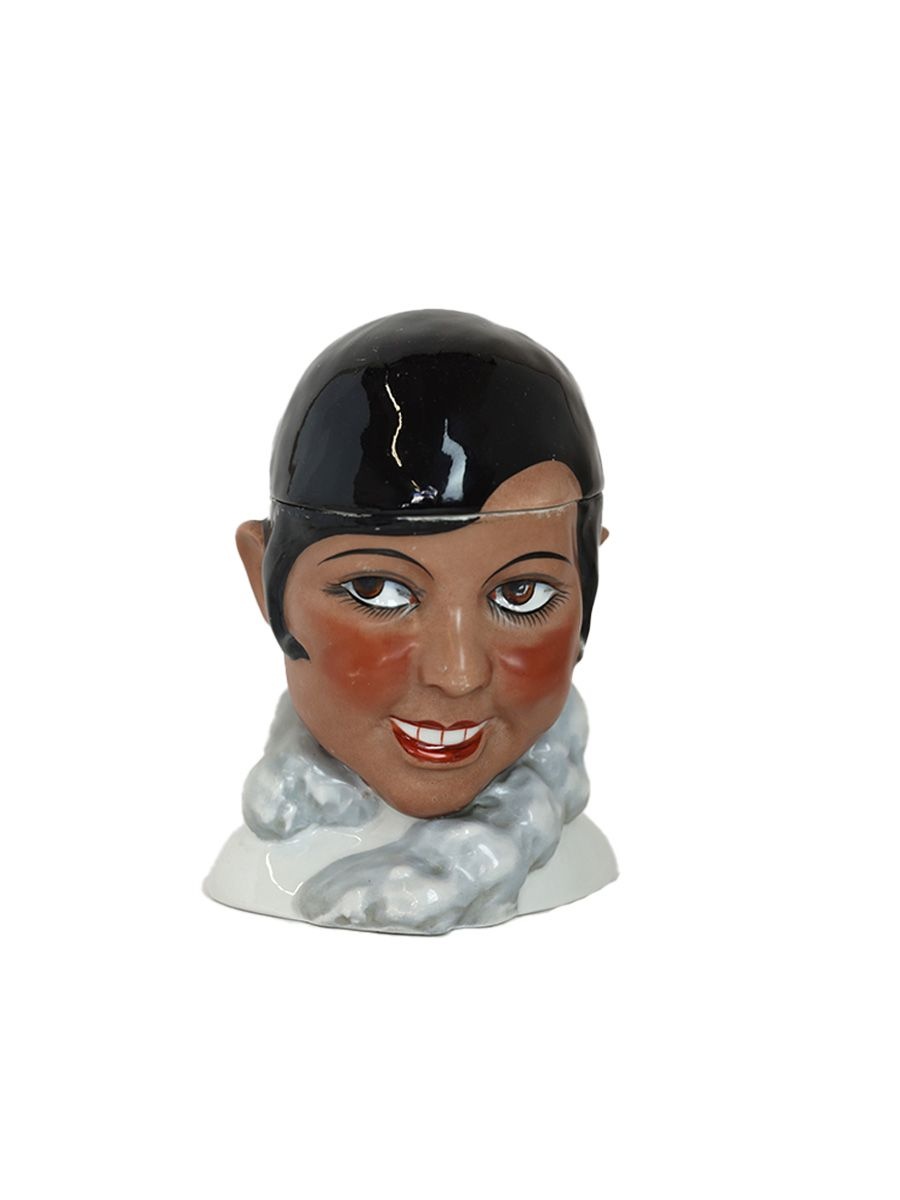
Josephine Baker Powder Jar
A curious obsession
The archive itself is the result of Parsons’s years of work in the industry. She began her career in retail, in Ohio, before moving to New York at the age of 28 to assist iconic makeup artist Pat McGrath, with whom she spent seven years before establishing herself independently. In 2017, she became Maybelline’s global makeup artist and worked with clients including Gigi and Bella Hadid, Kendall Jenner, and other major fashion figures. Her fascination with historical beauty, however, had begun much earlier, through an adolescent obsession with Marilyn Monroe.
Her impressive collection started with a Maybelline cake mascara from the 1950s and quickly became something way more consuming. Parsons began scouring eBay, online and offline auctions, and specialist sellers for rare, preferably mint-condition objects, learning to identify products through collector books and vintage advertisements. Some of the most desirable pieces came from celebrity estates: Marilyn Monroe’s false eyelashes, eyebrow pencil, mascara brush, lip gloss and rouge pot, Amy Winehouse’s correcting concealer, as well as objects associated with old-Hollywood actor Mae West. The archive’s pièce de résistance, however, is a Max Factor lipstick belonging to Monroe, which Parsons acquired at an online auction for more than $15,000 (₹14,00,000 approx).
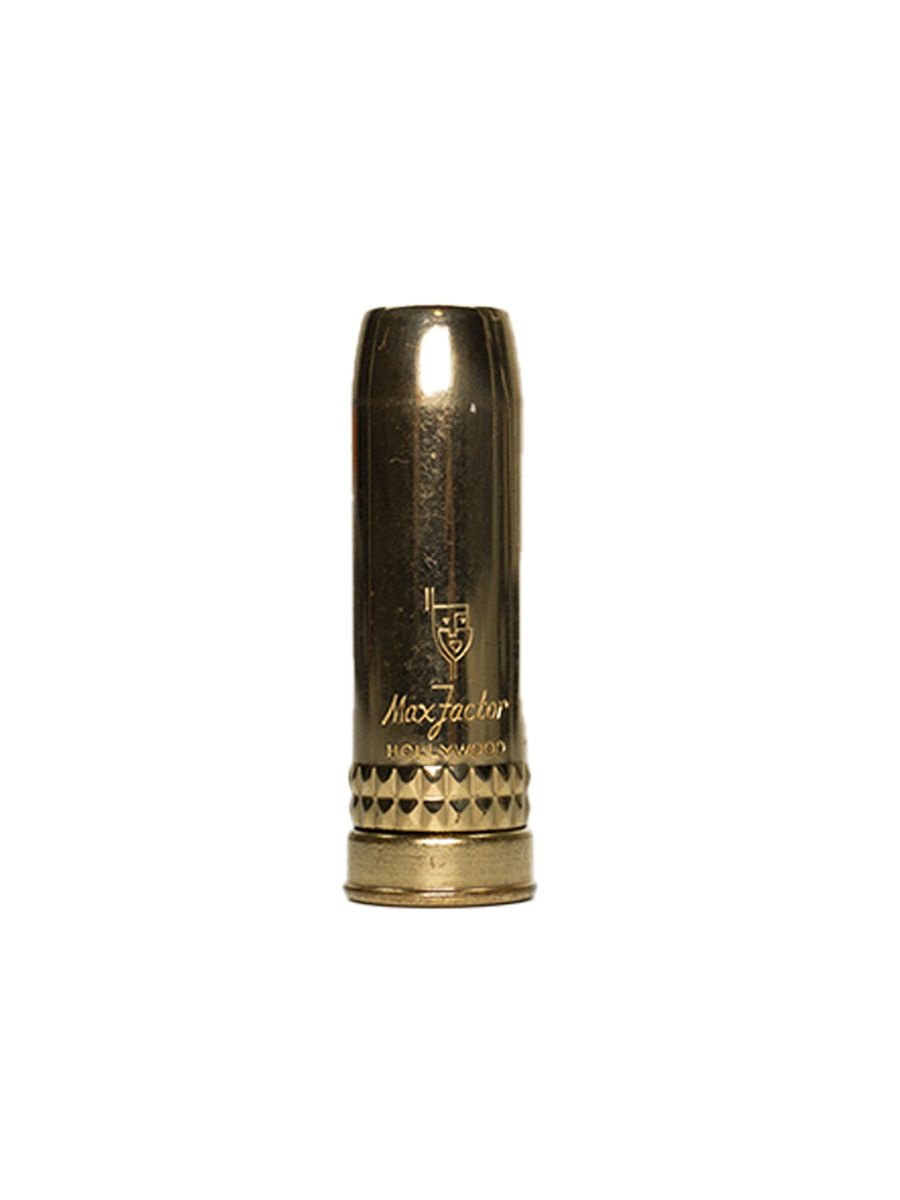
Marilyn Monroe's Lipstick
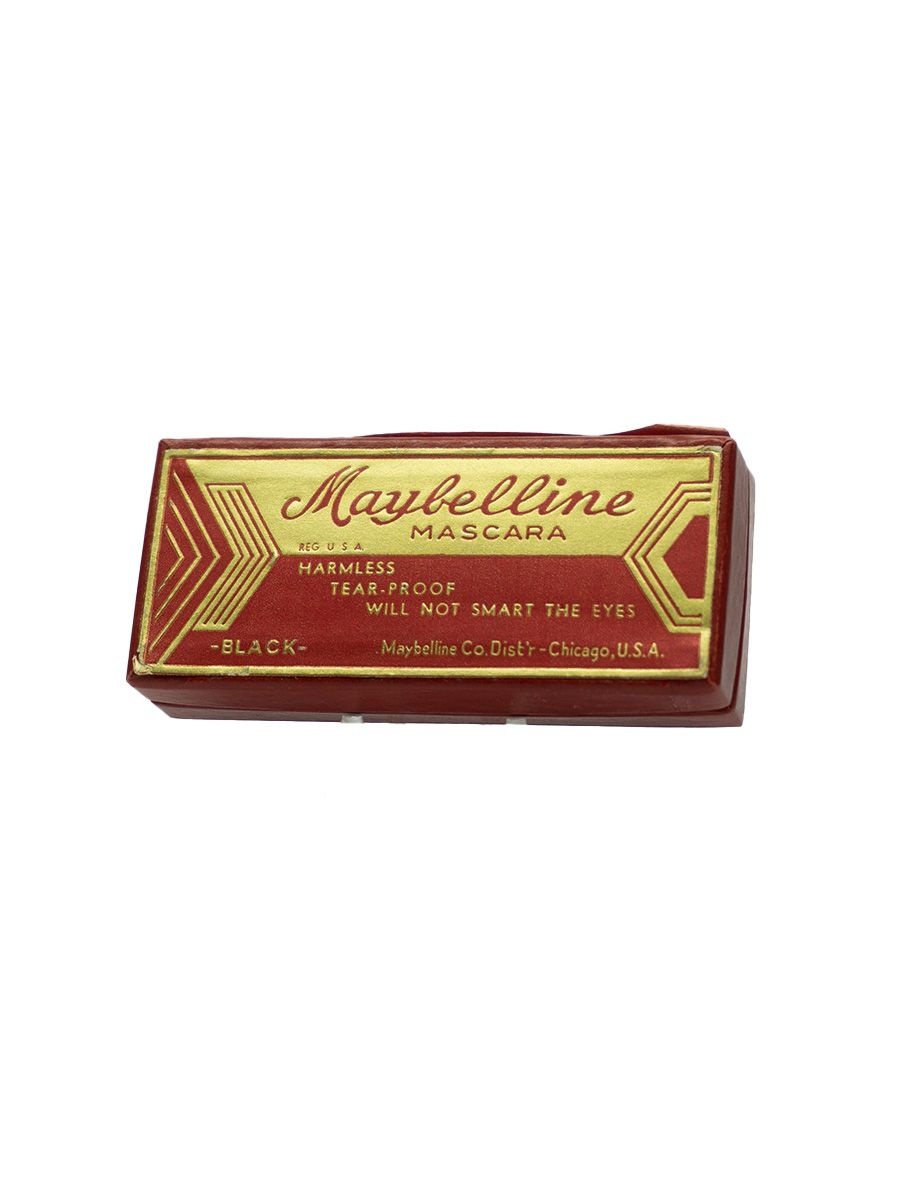
Maybelline Cake Mascara
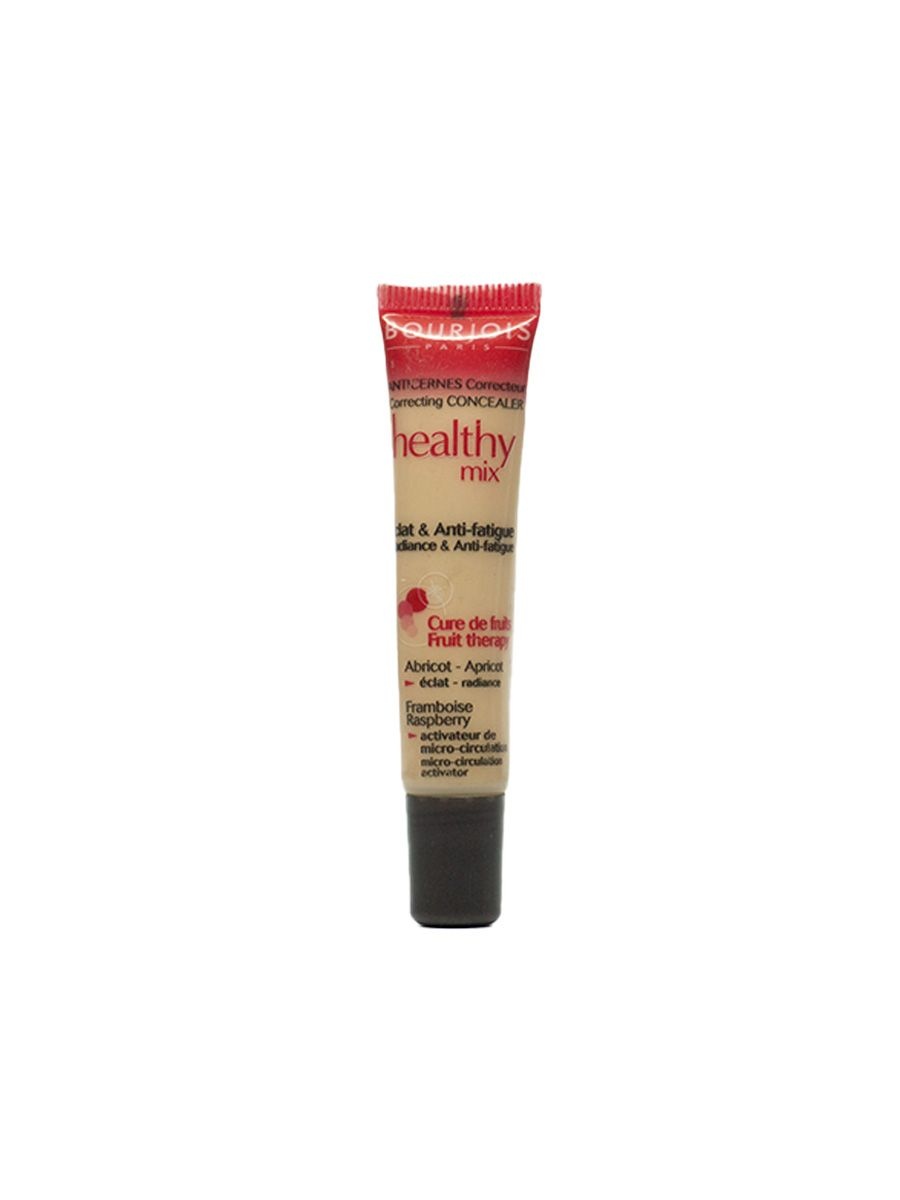
Amy Winehouse's Bourjois Correcting Concealer
The history of glam
What makes Parsons different from a conventional collector is what she does with her discoveries. Her social media channels have become an informal beauty-history classroom where she demonstrates how earlier generations actually used cosmetics.
She has recreated medieval and ancient beauty practices, experimented with vintage formulas, and showed her followers how products that sound bizarre by contemporary standards—like liquid leg makeup used during the Second World War—were ingenious responses to their moment. A 1917 Lash-Brow-Ine becomes an opportunity to discuss early mascara; 1920s false eyelashes open a conversation about the unconventional materials used to construct them; artificial beauty marks lead into the history of mouches, the small patches once placed on the face to mimic beauty spots, and so on.
A museum without walls
Makeup has always been transient: applied, consumed, wiped away, and replaced. Its containers were made to travel through handbags and mirrored vanities, rarely expecting to survive long enough to become historical evidence. This online archive gives those objects permanence while making them searchable and accessible to an audience that might never encounter something like this in person.
Parsons spent more than three years working with archivist Holly McGraw to photograph, identify, and document the collection, transforming what had once been a sprawling personal obsession into a structured public resource. The MUA Foundation, a non-profit founded by Parsons, is now working towards establishing New York City’s first public makeup archive, with research, preservation, and education at its core.
The Makeup Archive also hosts a library containing hundreds of books on beauty, with selected pages from titles including Kevyn Aucoin’s Making Faces, Denise Nicholas’s Beauty Book, and Sally Pointer’s The Artifice of Beauty.
As someone whose FYP is filled with makeup tutorials, I think this project couldn’t have arrived at a better time. While makeup is entering another period of technological upheaval, from algorithmic recommendations and virtual try-ons to filters and AI-generated faces, Parsons is moving in the opposite direction. Her videos make history participatory, and now her museum gives it a physical memory. Between the two, beauty becomes something wonderfully expansive and educational—a record of technology, commerce, celebrity, and the endlessly human desire to alter the face and, with it, the self.
Visit the Makeuparchive.org to know more