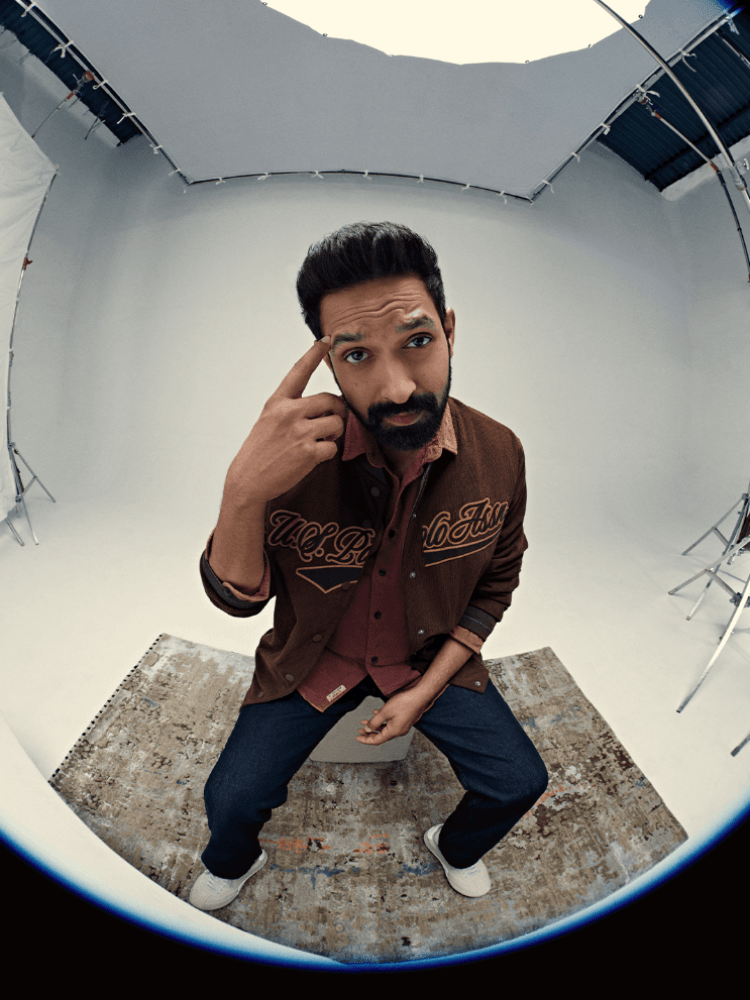

I am now somehow trying to figure how to make a Spiti trip happen. It started with me asking actor Vikrant Massey about the Musafir Cafes (the cafes, not the series) that he plans to open in Himachal Pradesh and Uttarakhand, then us talking about landslides and the paucity of space in Mussoorie, and him telling me that if I am travelling up north, Spiti is the place to head to. He tells me about UNESCO designating Spiti as India’s first high-altitude cold desert biosphere reserve.
Which, of course, brings us to Musafir Cafe (the series), the Netflix drama that has made stars of its actors Vedika Pinto and Mahima Makwana and put Massey at the centre of a bittersweet love triangle. It’s also the first project co-produced by his new production house, Homemade Stories.
“I was looking for scripts to produce, not necessarily act in. I wanted to go beyond acting responsibilities, just get involved in the entire creative process of developing a script,” he says. Musafir Cafe came to him through his mentor Vijay Subramaniam, the founder of Collective Artists Network, a talent management agency that works at the intersection of films, sports, music, and comedy. “Subramaniam had acquired Terribly Tiny Tales around that time and said, ‘I’m going to produce this. Why don’t you produce this with me? And why don’t you act in it?’ Then Netflix got involved, and I’ve had a great working relationship with Netflix the last 10 years. So, I think all of it fell into place. I got attached as an actor and a co-producer and got to be a part of the entire development process with showrunner Sharanya Rajgopal.”
Alternating between two timelines set in Bhopal and Mussoorie, respectively, Musafir Cafe is about Chander (Massey) and the two women who come into his life at different points in time. We don’t know who he ends up with, as that is, annoyingly, a story for another season (in which the love triangle most likely turns into a love rectangle or even a love pentagon). “Why the suspense!” I groan. Massey laughs. “Did you really think we’d reveal the ending so easily?”
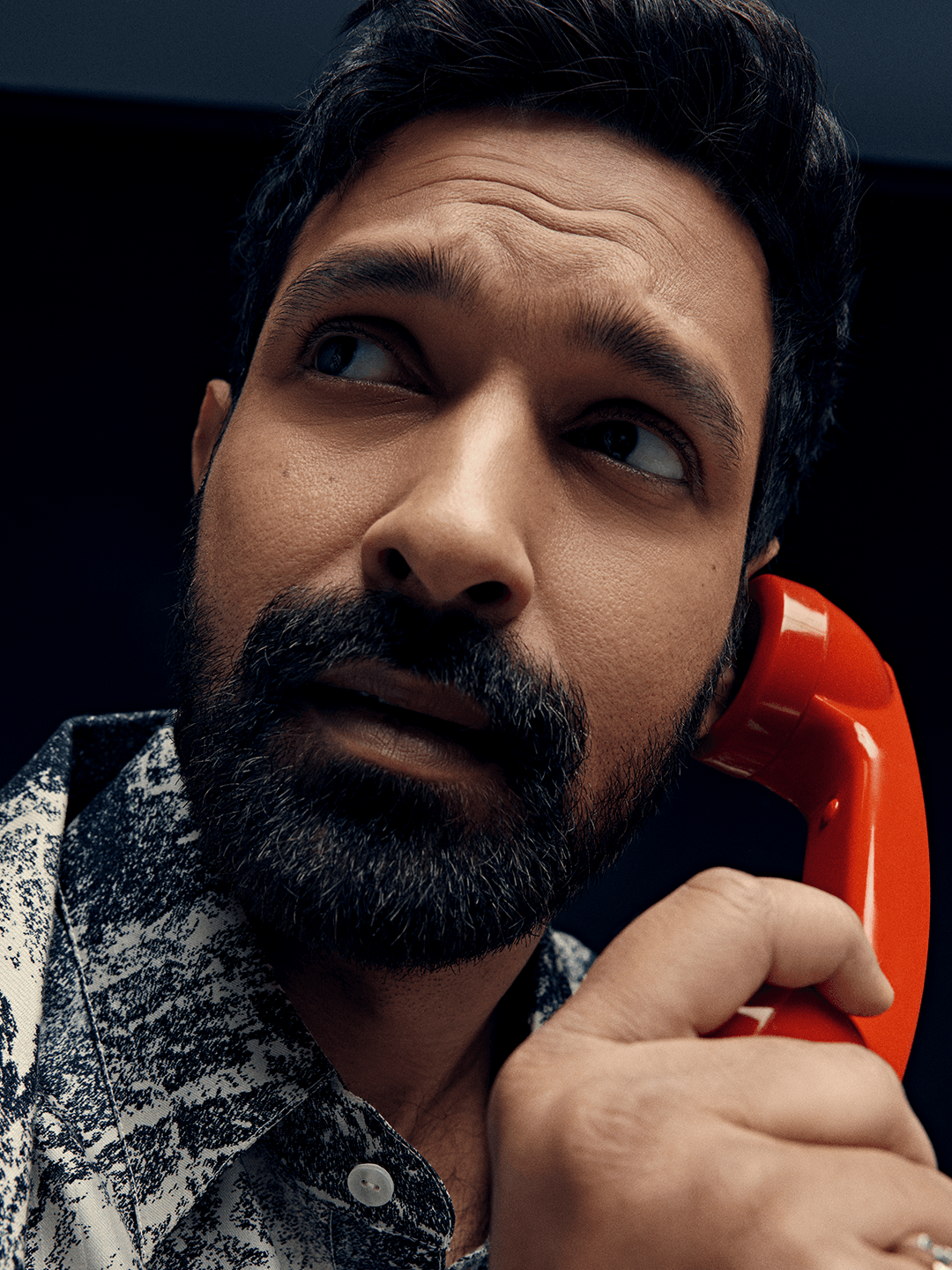
With its gentle pacing, Musafir Cafe feels almost old-timey. “I knew we had a very good show on our hands even before we started filming, because of the depth of Sharanya’s writing. I think we complemented each other as creative artists; both of us very strongly feel that less is more,” he says. “We’re in the age of modern storytelling, wherein you have these lenses that can really do the job for you. You don’t really need to project a lot…”
Massey has been a steady presence on our screens this year. Besides the Netflix show, there’s been the Rajkumar Hirani-produced Pritam and Pedro on JioHotstar, where he plays neither Pritam nor Pedro but a mysterious hoodie-clad hacker running circles around them. Sometime in 2027, we’ll see him playing Sri Sri Ravi Shankar in the film White; it’s been a year since Massey began trailing the spiritual guru on and off, studying his mannerisms up close. The film’s title notwithstanding, Massey says, “He’s not just a guy in a white robe.”
Sitting in the green room of a studio in Goregaon, at the end of a long shoot, I remind him that in December 2024 he announced he was quitting acting (the word “shocking” came up often in news reports). What was going on?
“Oh, I think it was, firstly, professional burnout. By the grace of God, I’d had two great years, first with 12th Fail (2023), and then with Sector 36 (2024) and The Sabarmati Report (2024). I was literally living out of a suitcase. My wife [actor Sheetal Thakur] and I had our first child [Vardaan] around that time. I think by the time he was four months old I was already out of the house as I was busy with work commitments. It was professional burnout. It was mental exhaustion. It was emotional burnout. And most importantly, it was that desire to go home, because I did not spend a lot of time with my son. I wanted to go spend time with my wife as well,” he says.
“I just wanted to go back home,” he says again. “I wanted to eat some homecooked food. I wanted see my son grow up. When he started saying Papa, I was not there. He started crawling and I was not there. He started walking and I was not there. When his first tooth sprouted, I was not there. So, in the first year and a half, a lot of the memories I have of my son are through my mobile phone, through the pictures and videos my wife would send me. And that is when I realised that there was a massive void within despite all the conventional successes you’ve always prayed for. You’re full of gratitude for it, but conventional success does not feed your soul.”
Looking back, he’s glad he took those seven months off. “And now I can talk about it, because it was around that time that I felt I also wanted to go beyond being recognised as an actor. My production house, Homemade Stories, was ideated upon at that time. I was preparing myself to go out there, read a lot of scripts, find the right partner to collaborate with. And here we are with Musafir Cafe.”
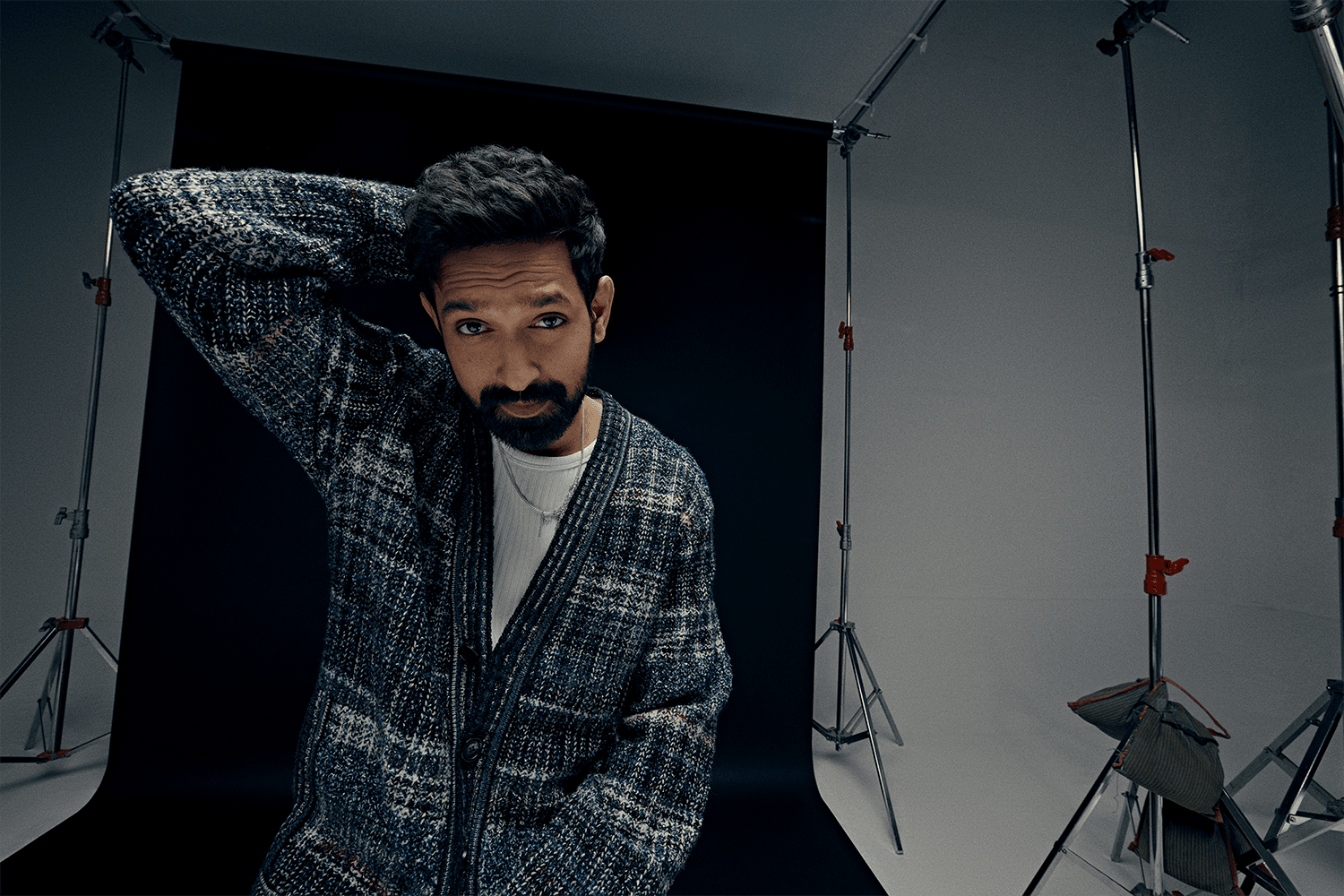
Chander may be a mountain person, but Massey calls himself a “coastal boy”. His father is from Shimla and his mom from Mumbai, where he was born and raised. He recalls the time when as a 17-year-old he would shuttle between junior college, auditions, and classes at Shiamak Davar’s Institute for Performing Arts (SDIPA) on Grant Road (where he was part of the “special potential batch”, like a front-bencher but in dance school), before finally taking the train to Andheri station and then catching bus number 249 back home.
I point out that despite the initiation into dance, he’s not an actor known for running around trees and slow-mo flailing of arms in snowy landscapes or lip-syncing songs. He’s what you call a Serious Actor.
“I think it was 2003 when Maqbool had come out. I’ve spoken about this often, but when I saw Maqbool, there was a seismic shift within me. Yes, I was a part of SDIPA, and the first instinct is to do the conventional Bollywood song and dance. But when I saw Maqbool, I saw a slow but gradual shift towards the art of storytelling in India. Movies like Maqbool, like Hyderabad Blues (1997)…they were still categorised as offbeat films. But when they came out there was a large chunk of the audiences rooting for them,” he says. “I wanted to prepare myself for something that I was not trained in, which is performing as an actor in front of the camera. Dancing was something that came pretty naturally to me. And because I could not afford to go to an acting institute, the idea was to shift my focus from dancing to learning the art of acting on the job, on TV shows like Balika Vadhu (2008–2016). Working with actors like Anup Soni, Surekha Sikri… That was my on-ground training.”
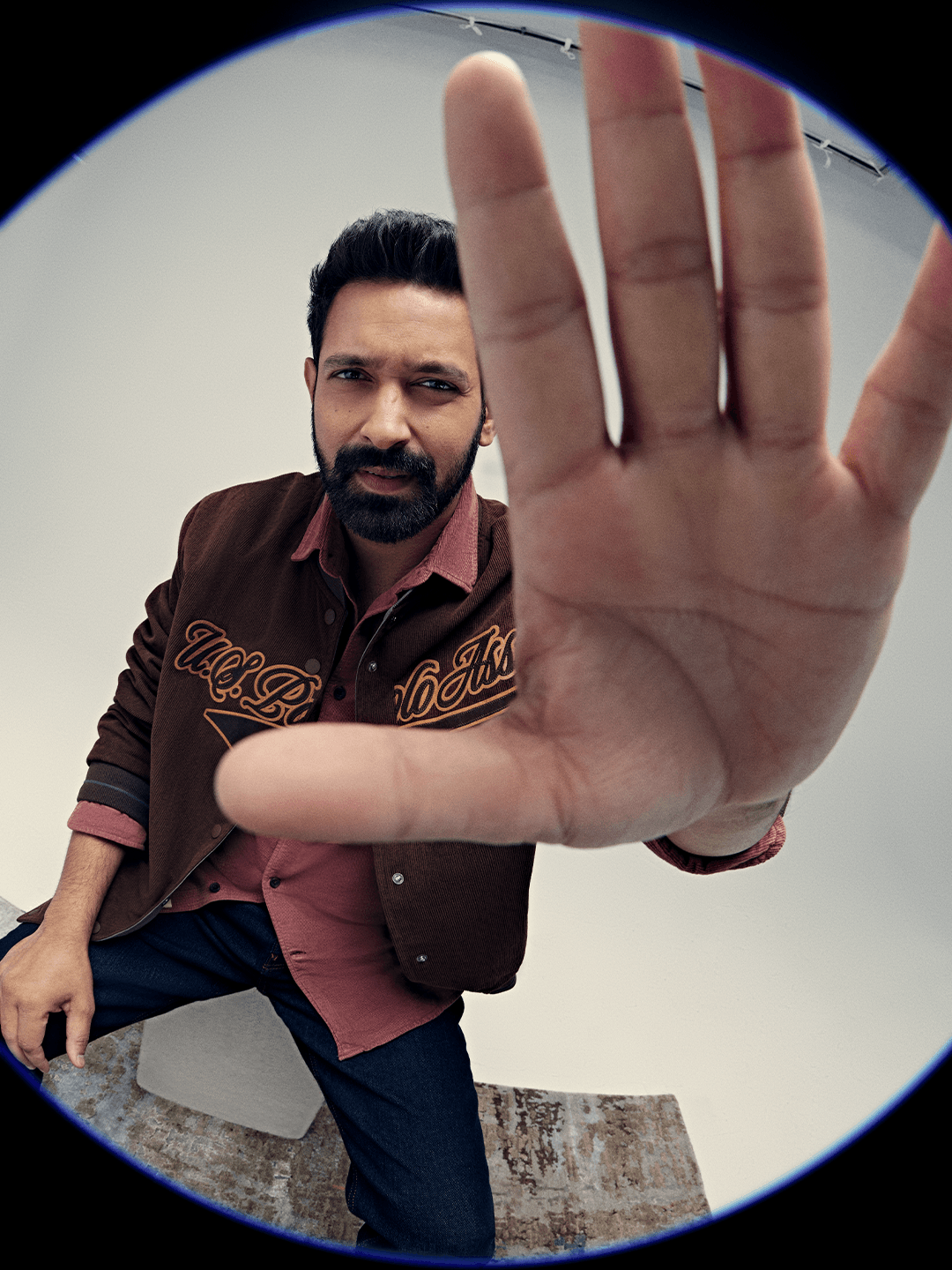
While my Gen Z colleagues recall with fond nostalgia his TV debut Dhoom Machao Dhoom (2007–2008) that was part of their media diet in the mid-aughties, his breakout role proved to be that of Shutu in the Konkona Sen Sharma-directed A Death in the Gunj (2016)—sweet, sensitive Shutu who somehow falls through the gaps in the complex web of relationships around him.
“During workshops with Atul Mongia [acting workshop director] and Konkona, there came a few moments when I realised that Shutu was too close to me personally. Maybe it was the worldview, maybe it was the sensitivity. The moment we went out to shoot in Jharkhand—we were in McCluskieganj—there was so much of me that I poured into that character. I’ve always been someone who’s very shy, who’s not found it very easy to express himself, especially in public, so I empathised with Shutu,” he recalls.
It was difficult to shake off this role, even after the shoot ended. “Once I came home, within a couple of weeks I realised I needed counselling. I needed to get the film off my back. But I think Shutu will always be a part of me. Some characters stay with you far longer than needed. But maybe that is one of the reasons why that performance was so appreciated. I’m happy that when people talk about my filmography, that film is always mentioned. And I’m really grateful to Konkona, to Honey Trehan, and the studio that backed the film, because I had not done anything substantial in movies by then.”
He shares that A Death in the Gunj came to him when the Alankrita Shrivastava, who directed him in Lipstick Under My Burkha (2017), recommended his name to Konkona Sen Sharma.
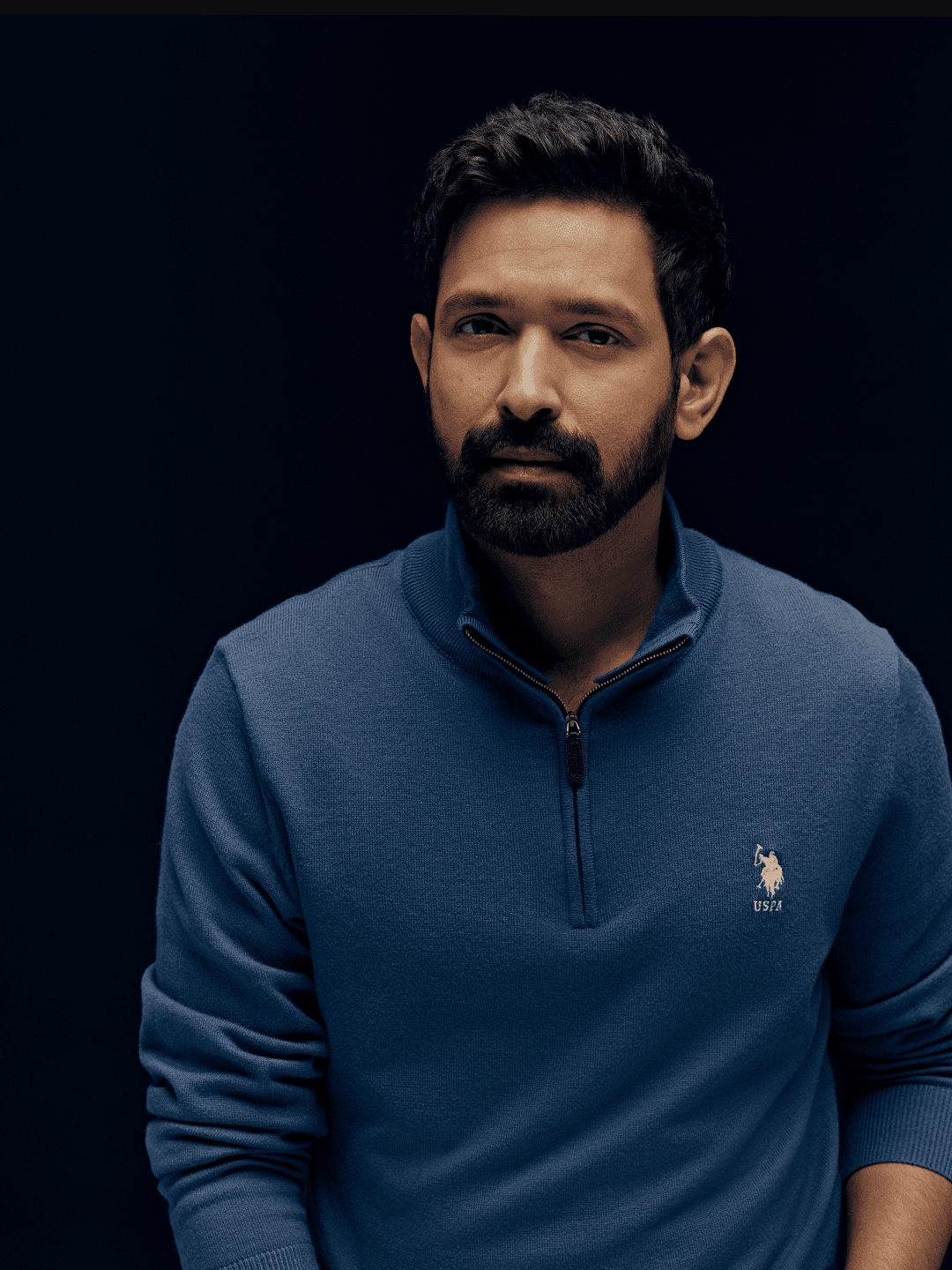
His role of the persistent civil service aspirant in 2023’s 12th Fail brought greater success and accolades—and a National Award and Filmfare Award. Do awards matter to him?
“While I concede that I’m not chasing them, an award is that pat on your back that is so needed for any creative artist. And I take that as an appreciation, as a catalyst for me to go out there and better myself. When I was really young I remember watching the Filmfare Awards on December 31 every year because we could not go out anywhere. So, our New Year’s Eve plans were very simple. We would order in food from outside, mostly Chinese, watch the Filmfare Awards until midnight, wish each other good night, and go off to sleep. Since then, I’ve always wanted to see myself on that stage. And I’m glad I got to live those.”
When not working, he’s reading—mostly nonfiction over the last five to seven years. He’s currently reading Peak Human: What We Can Learn from the Rise and Fall of Golden Ages by Johan Norberg; he’s carrying it with him today. “I prefer reading over watching, actually,” he says. “I have realised that the audio-visual medium tends to influence me immediately. When I’m collaborating with writers and directors, I tell them to not show me audio-visual references. The moment I see something on screen, I start imitating that. And it’s not worked for me.” Reading, he says, leaves space for interpretation. In his love for reading and good food, he says he’s like Musafir Cafe’s Chander. Does he, like Chander, carry his coffee apparatus everywhere too? “I have a coffee machine at home,” he says. “I push a button.”
At the photo shoot, there’s no nervous fidgeting or peeking into the photographer’s camera-tethered laptop, no performative bobbing his head to the music. “I trust you guys” is what he began the morning with. At some point, when ‘Show Me Love’ by WizTheMc and Bees & Honey cues up, he softly says, “I like this song.”
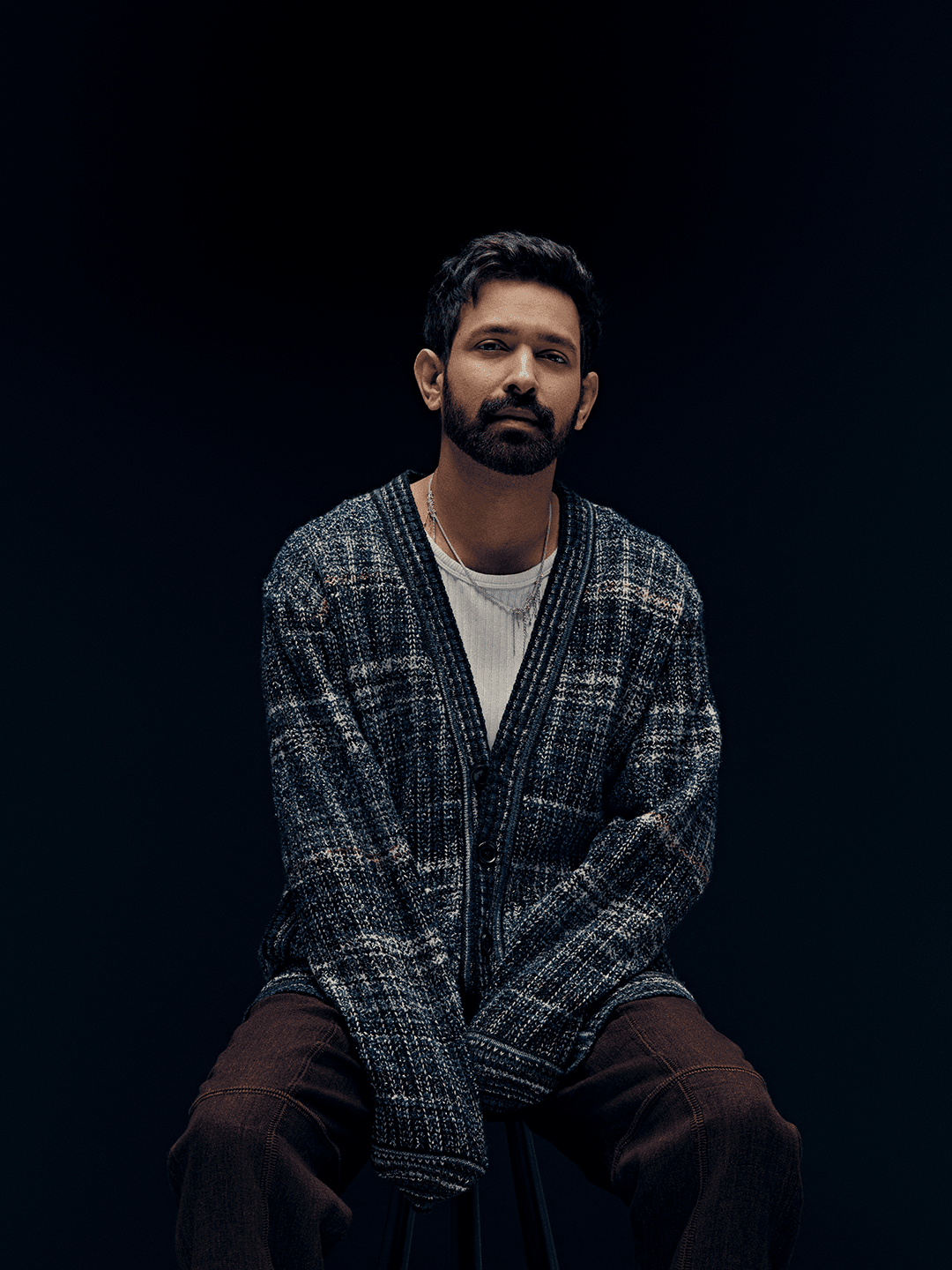
After two decades of acting, are there still roles he wants to tick off? “I think I would love to play a sportsman. I would love to play Rahul Dravid. I would also love to play a musician who can sing, who can play an instrument.”
Mention of ‘The Wall’ takes us to his other big love—cricket. “I love cricket. I like watching cricket. I don’t play anymore, but I used to play a lot of cricket, at least 10 hours every day.”
He loved to bat and field. Bowling not so much, “because it was hard labour”. “I really enjoyed fielding at point and cover and I used to throw myself on concrete floors, bruise my arms, my knees every third day. That was the time when India was recognised as a fielding team as well. Unfortunately, up until then, we were not really seen as a country of good fielders. I think it was Ajay Jadeja who brought in that change for us. And I was really fascinated by Yuvraj Singh and Mohammad Kaif. And then Suresh Raina came and India suddenly became a team that could save 20 to 25 runs a match, at par with the Aussies and the Kiwis.”
Why Dravid, in particular? “I always, always looked up to Rahul Dravid, not just for what he’s done on the field but also for the way he conducted himself off the field. So, if there’s someone making a biopic… I can field decently well on slips as well.”
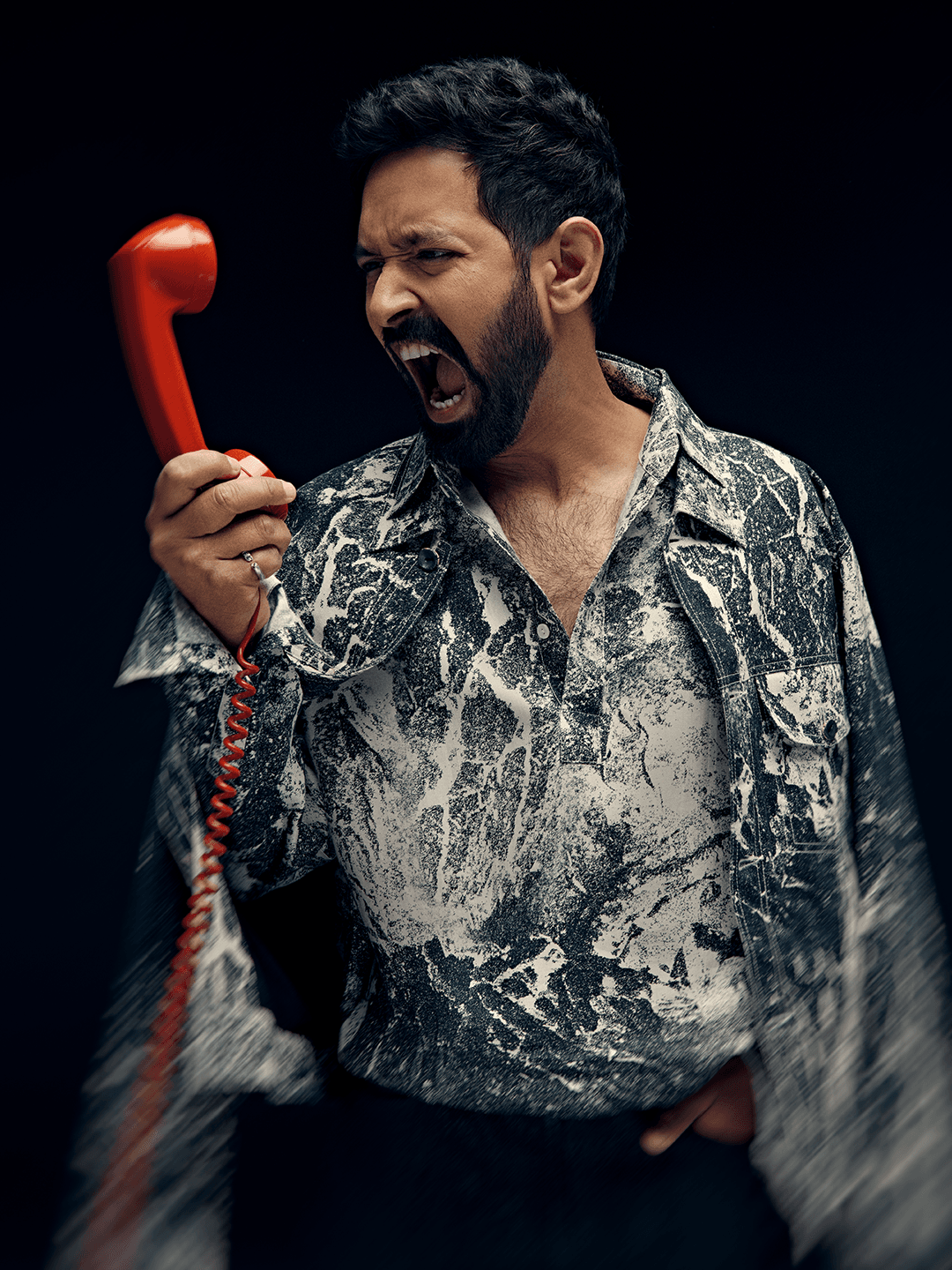
All this while I’ve been sitting across a couch from Vikrant Massey, my iPhone next to him, the Voice Memo app set on record. When, in the end, I pause the recording and my lock-screen photo becomes visible, pat comes the question: “Is that Japan?”. It is—a poorly lit image of a traffic signal that most people with average observation skills would not identify as Shibuya Crossing. Turns out, there’s a family outing planned in Japan next year to celebrate Massey turning 40, which, among others, includes a visit to Nara (because his son wants to feed the deer) and Hakone to see Mt Fuji. For some reason, the mountains keep calling the coastal boy.
Editorial direction: Megha Mahindru. Photography: Vikas Vasudev. Videography: Prasanna Khawale. Styling: Ruhani Singh. Art direction: Pooja Shah. Set design: Rhea Shetty and Risha Shetty. Multimedia design: Mehak Jindal. Visual editing: Ria Rawat. Bookings: Nikita Moses. Makeup: Rohan Shelke. Hair: Vinit. Styling assistance: Marzia Tyeby. Photography assistance: Davesh Mehta. Production: Imran Khatri Productions, Radhika Chemburkar, Vishal Baniya. Artist reputation management: Spice PR