The awkward tween has disappeared from our screens
There’s a reason 11-year-olds are watching ‘Euphoria’—the shows that once filled the gap between childhood and the teenage years are gone, leaving Gen Alpha to grow up on a media diet that has no awkward middle ground
When I was nine, there were a lot of things I was convinced I absolutely needed, usually because I had seen them on TV or because someone cooler than me had one. One of them was a baby-blue Disney bag. I can’t remember what was particularly special about it now, but at the time I wanted it badly enough that the perfectly good plain black denim bag my mum had already bought me suddenly felt unacceptable for school.
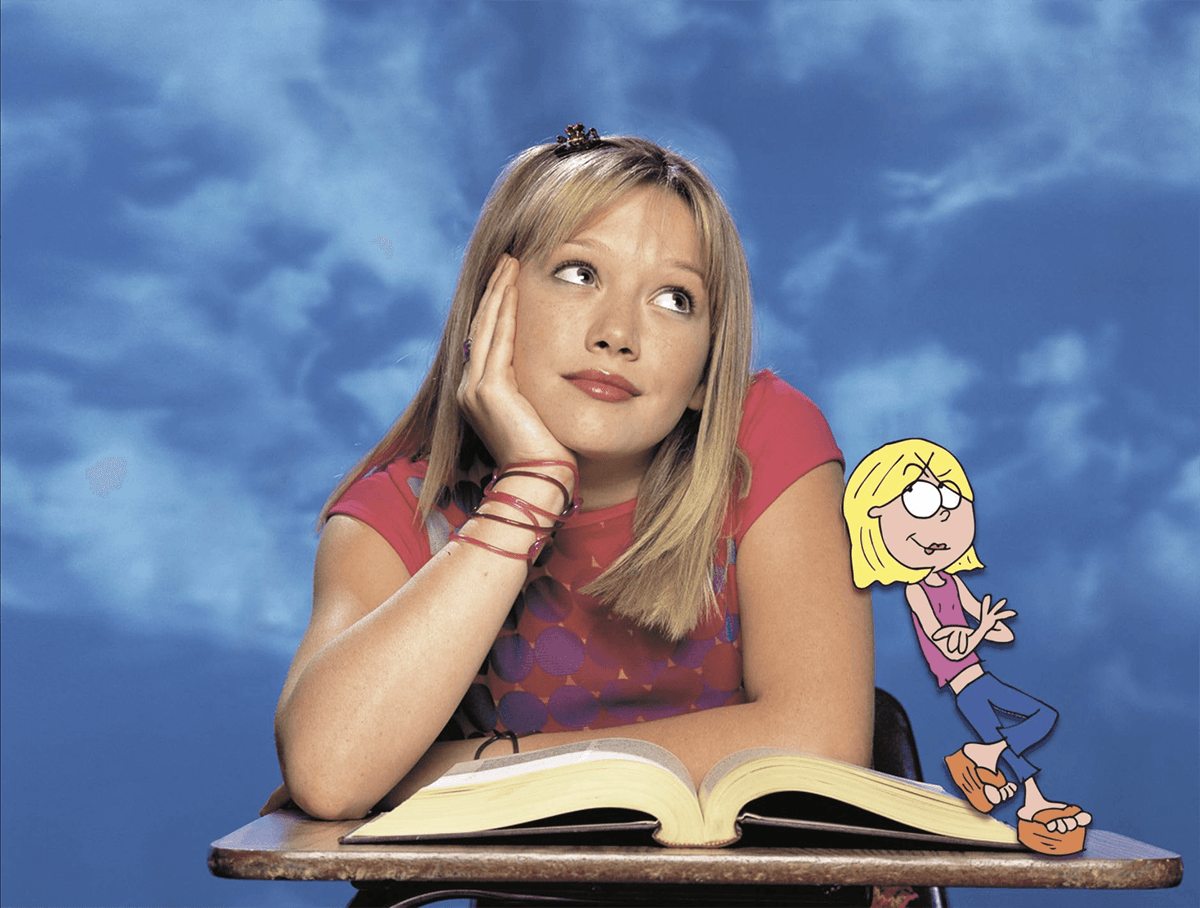
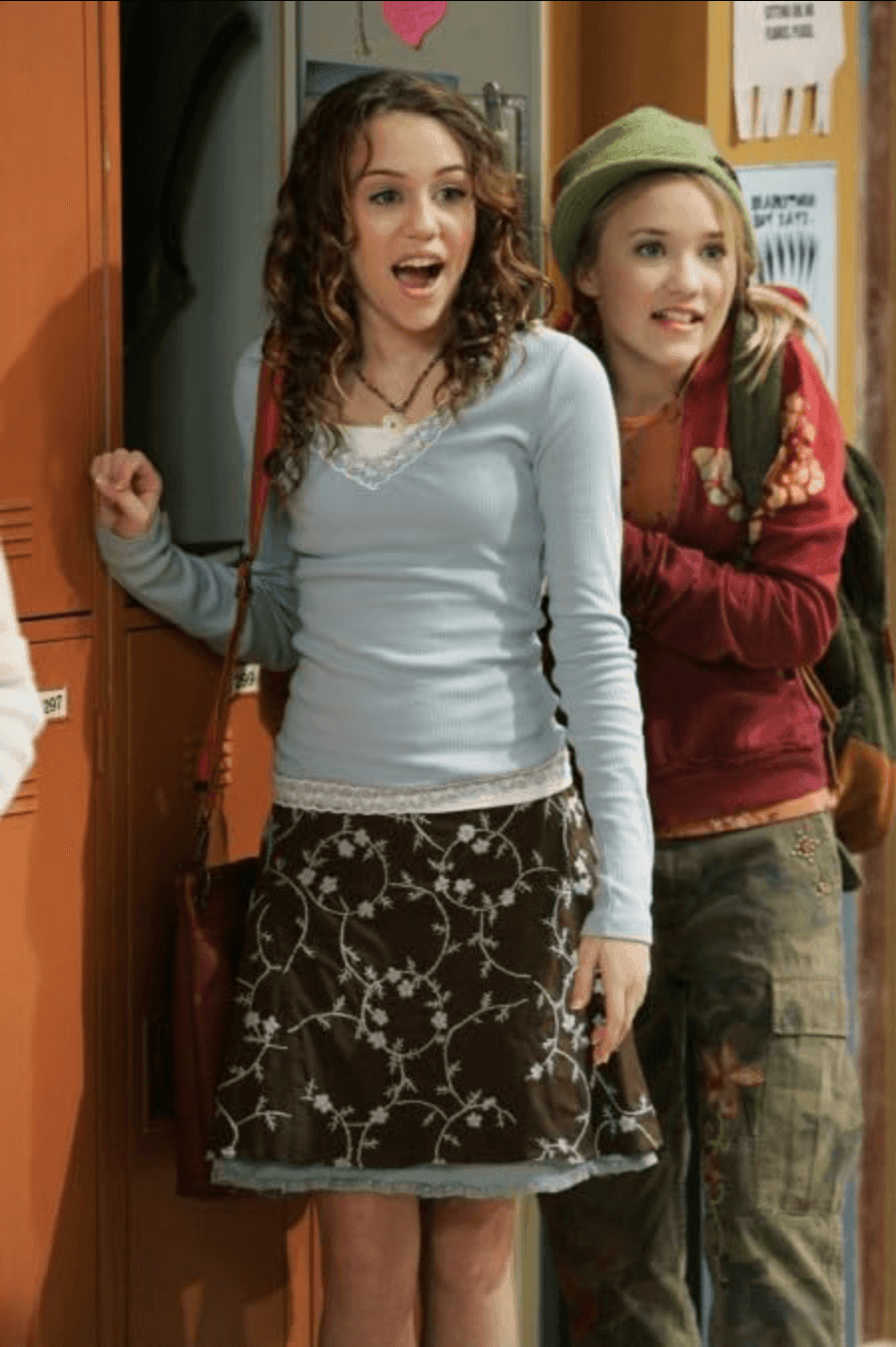
Unfortunately for me, my mum had Lizzie McGuire (2001) on her side. In one of the episodes we watched that summer, Lizzie becomes obsessed with an expensive pair of hip-huggers from Style Shack because she thinks they are her easy ticket to winning the best-dressed award at school. The jeans get ruined, she reluctantly wears something her mum bought from a bargain basement store instead, and ends up getting the compliments she wanted anyway. I remember my mum using that episode to convince me to give up on the Disney bag and stick with the black one. Even more annoyingly, it kind of worked.
I look back at that moment because it is such a specifically tween memory. At that age, wanting the right jeans or bag did not feel trivial. You were only just beginning to understand what clothes could say about you, what it meant to fit in, and how desperately you wanted other kids to think you were cool while still being young enough for your mum to have the final say. Lizzie McGuire understood that. So did so much of the television made for us back then.
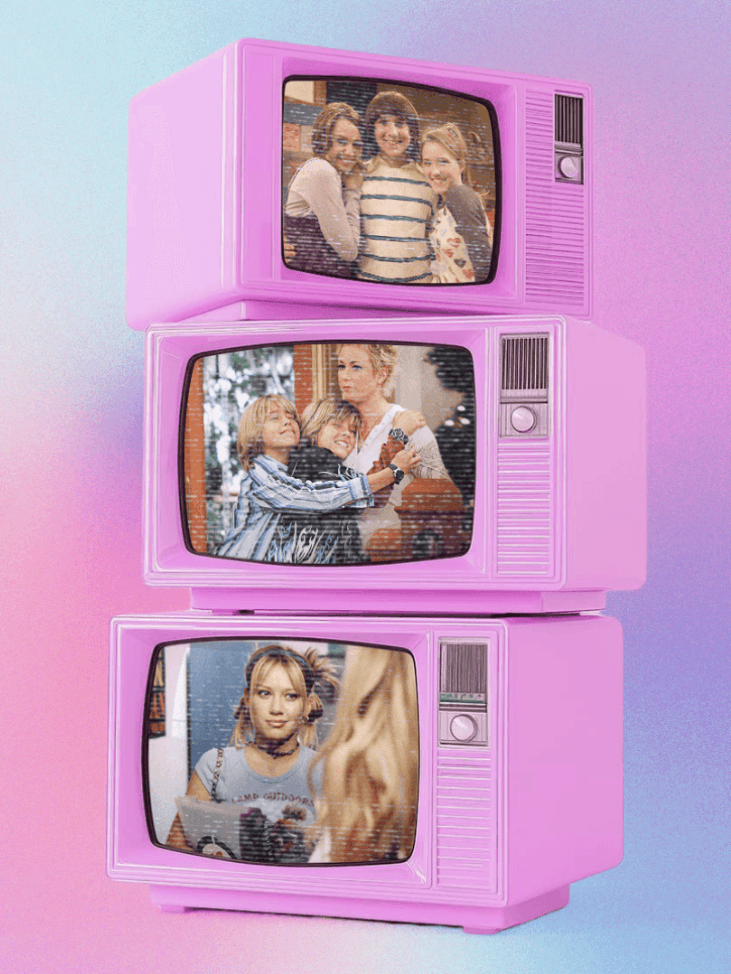
That’s So Raven (2003) showed that your first impressions of people, and yourself, are not always right. iCarly (2007) made friendship feel like its own little safety net, while Wizards of Waverly Place (2007) let you be jealous of your siblings, mess up spectacularly, and still find your way back. The lessons were rarely enormous. They were about surviving that strange stretch right before puberty, when your self-image is forming, friendships suddenly feel life-or-death, and every emotion seems enormous.Inside Out (2015) understood this beautifully too. You are still a kid, but everything is starting to feel a little more complicated.
Talking to my 11-year-old niece, Elsa, recently made me realise just how much that world has disappeared. She had graduated from watching Phineas and Ferb (2007) to Euphoria (2019), a show about high schoolers that is very clearly not made for 11-year-olds and is, among other things, pretty sexualised. “I love watching Euphoria. All my friends watch it, and we actually really like Maddy’s outfits and makeup,” she told me. I was genuinely taken aback. My TV life at 11 looked quite different, and so did that of most of the generations before Gen Alpha. It made me wonder where that middle had gone. Because there used to be so much of it.
ADVERTISEMENT
Still from 'Lizzie McGuire'
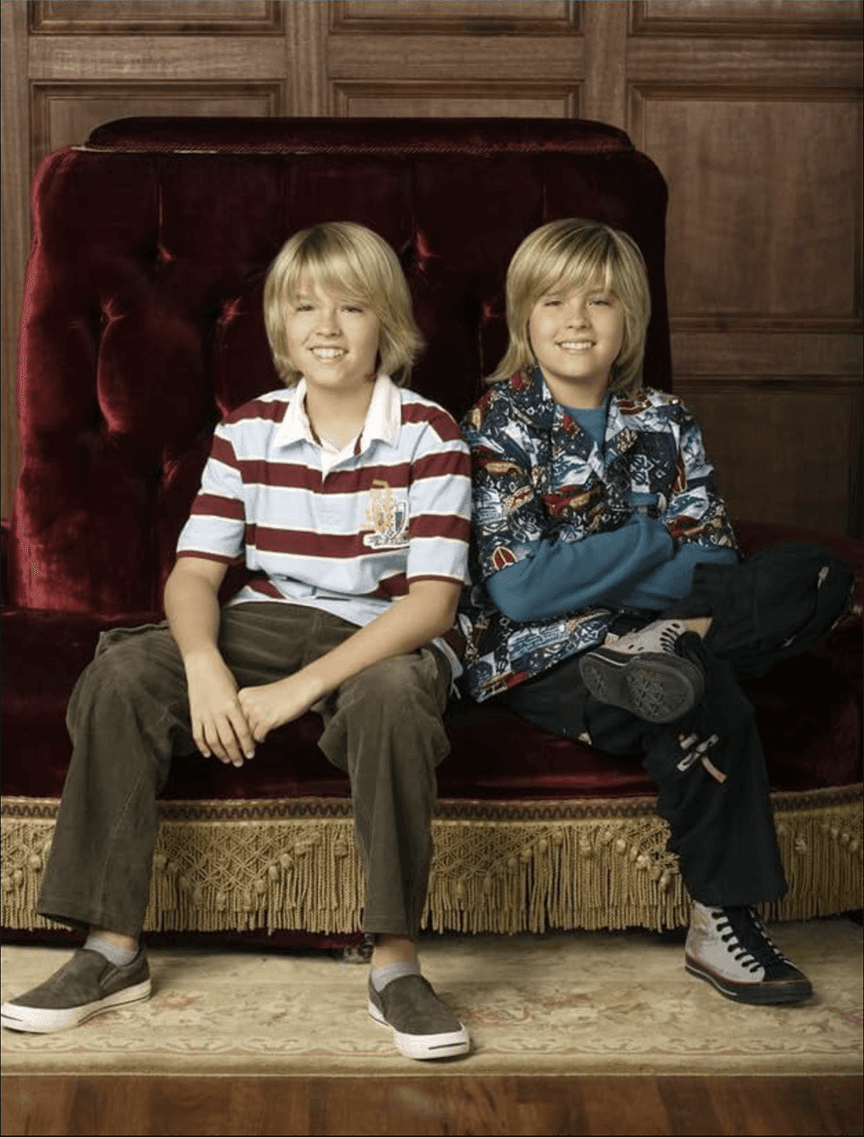
'The Suite Life of Zack & Cody' was replicated for Indian audiences as 'The Suite Life of Karan & Kabir'
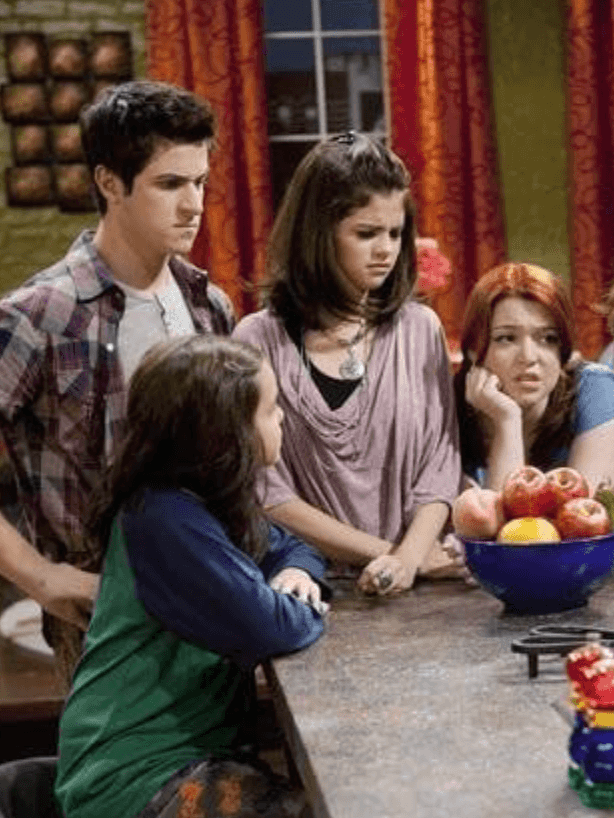
Shows like 'Wizards of Waverly Place' let you be jealous of your siblings, mess up spectacularly, and still find your way back
In its first season, 'Hannah Montana' centred on 13-year-old Miley Stewart, caught between ordinary school life and her secret life as a pop star
Gen Z might be the last generation to grow up with television specifically made for that awkward stretch between childhood and being a teenager. Tween media understood that you were growing up but had not quite grown into yourself yet. We had Hannah Montana (2006), Victorious (2010), Liv and Maddie (2013), Jonas (2009), and The Suite Life of Zack & Cody (2005), where the characters were roughly our age or just a few steps ahead. They had pimples, embarrassing crushes, and best-friend fallouts that felt like the end of the world. Sometimes the biggest crisis was a zit before picture day or a misunderstanding with your best friend. The clothes were colourful, the problems were small, and the kids were allowed to act like kids.
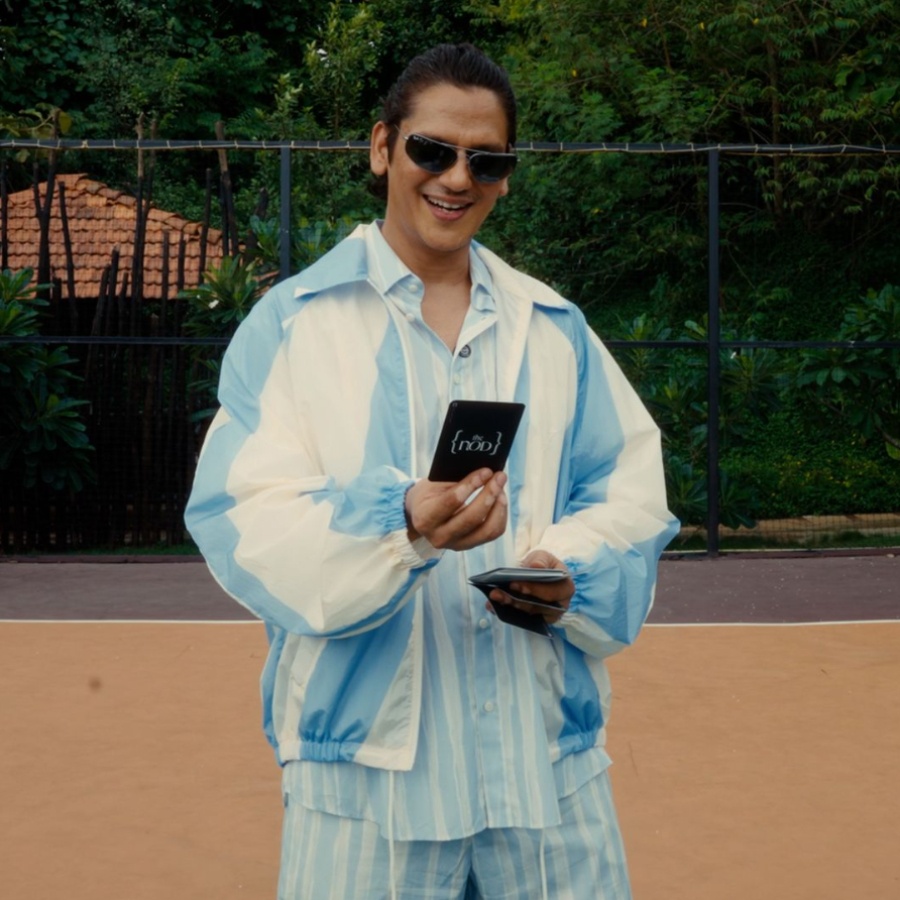
India had its own version, too. I’m not talking about The Suite Life of Karan & Kabir (2012), which was essentially an Indian rip-off of the existing Disney format, but shows actually made with Indian tweens in mind, like Ishaan (2010), Kya Mast Hai Life (2009), and Dhoom Machaao Dhoom (2007). The latter was about a girl band, and my friends and I promptly decided we were in one too. I quickly established that I had absolutely no musical ability, but that hardly mattered. The show gave us something to obsess over, imitate, and talk about together. It also turns out we were watching the future stars of Indian television, with Vikrant Massey, Jay Bhanushali, Sriti Jha, and Maanvi Gagroo among the young actors who went on to become very familiar faces.
Ishaan followed a 15-year-old boy through the everyday chaos of school, friendship and growing up in India
And the culture followed us off the screen. There were bags, stickers, stationery, merch, and books, and I still remember practically wrestling my friends for the latest Mary-Kate and Ashley mystery books at the library, long before the twins became the chic fashion-world Olsens behind The Row.
So, what actually happened to tween media? Mostly, we stopped making it. Cable TV, which once gave kids their own little ecosystem of channels and shows, has steadily lost ground to streaming and social media. And when everyone is watching something different on their own phone, there is much less incentive to make a show specifically for the 9-to-14 crowd. Why make something for a relatively narrow age group when you can make a bigger, shinier young-adult show and hope everyone watches it?
Sixteen-year-old Mariska Shroff from Mumbai puts it quite neatly. “I don’t think when I was growing up, I watched too many things that were different from what you watched. I also watched a lot of the Disney shows that were available, like Wizards of Waverly Place and The Suite Life of Zack & Cody, and I also loved Hannah Montana.” There’s nearly a decade between us, yet our childhood watchlists look remarkably similar. The sad part is that there still aren’t enough new ones to replace them. The few that have really nailed that awkward, funny, messy stage, like Pen15 (2019) and The Baby-Sitters Club (2020), offered some of the most honest portrayals of growing up, only to be cancelled after two seasons. Even the good ones barely get the chance to become the next generation’s favourites.
And then there is social media, which changed the rules completely. There is no channel schedule deciding what is appropriate for an 11-year-old, and there is certainly no little corner of the internet marked “tween”. Everything is available to everyone, all the time, and the algorithm is very happy to move you from a beauty tutorial to celebrity gossip to a Love Is Blind edit without asking how old you are.
Delhi-based mum Mansi Singh, whose tween daughter is growing up with all of this, sees the tension in it. “I do worry when I see her spending so much time on social media because there is this feeling that if she isn’t watching what her friends are watching, she’ll be left behind. They all follow beauty influencers and talk about them, so you don’t want your child to feel excluded. We’ve had conversations about what is real and what isn’t, but it’s still sad that instead of seeing people your own age figuring things out, you are looking at adults who have already arrived, who are thriving and living these very polished lives. You are skipping such an important foundational stage.”
And once that tween space disappears, kids simply find their own corners of the internet. Eleven-year-old Hriyaan Parekh spends a lot of his time gaming with friends, watching gaming content and dipping into older shows. “I play Fortnite with all my friends on PlayStation. I like Call of Duty and other shooting games. I also watchStranger Things (2016) and Monk (2002), all that crime and detective stuff. I like figuring out who did it.”
Parekh’s watchlist is a pretty good snapshot of what happens when there is no clear tween lane. There is nothing wrong with liking Fortnite or Monk, but none of it quite has the feeling of a childhood culture being built around you. Tweenhood is supposed to be a slightly embarrassing, colourful and formative bit of growing up. You are allowed to be cringe, have terrible taste, and see people who are going through the same weird stage as you are.
That does not mean tweens need to be protected from everything older or pushed back into a Disney Channel-shaped box. It just means they deserve things made with them in mind. Movies like KPopDemon Hunters and shows like Avatar: The Last Airbender showed what happens when you give them something genuinely fun to obsess over. There is clearly an audience there. The industry just needs to remember that it exists.
ADVERTISEMENT
The Nod Newsletter
We're making your inbox interesting. Enter your email to get our best reads and exclusive insights from our editors delivered directly to you.