



When I grow up29 Jun 20267 MIN

Gen Alpha isn’t (too) worried about AI taking their jobs

What does tomorrow look like when you’re still in school uniform and talk of AI dominates every conversation about jobs and the future? Bright, if you go buy what these teens and preteens have to say

Image

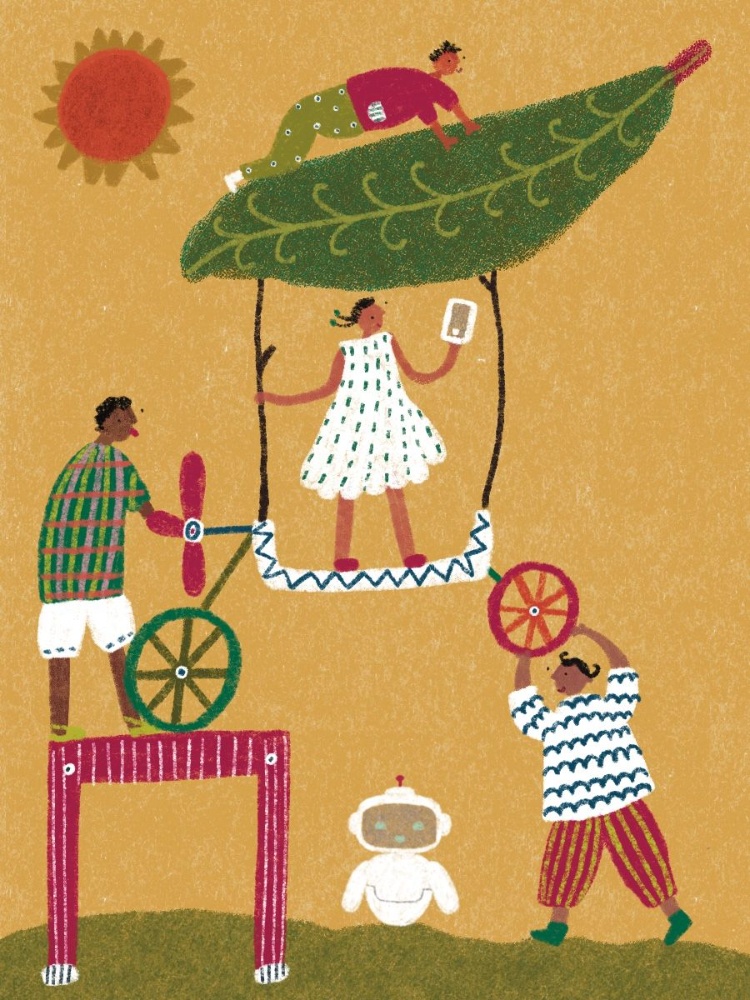
Artwork by Ananya Broker Parekh

One of the more notable commencement speeches in recent weeks was of Google CEO Eric Schmidt at the University of Arizona—boos greeted his pronouncement that AI would touch every job across every field. He wasn’t the only one; Scott Borchetta, CEO of Big Machine Records, too, met a similar fate. (“Deal with it,” was his response when jeers ensued following his championing of AI.) Just last week, Google CEO Sundar Pichai saw students walk out of their graduation ceremony at Stanford University when he took to the stage. And last month, when David Zaslav of Warner Bros Discovery was addressing graduates of Boston University, a student held a placard that read: “Who wrote your speech? ChatGPT?”

College graduates around the world booing speakers mentioning AI in their commencement speeches articulate a very real fear: What’s AI going to do to jobs in the future?

But while Gen Z is in the midst of making early- or mid-career adjustments in response to this altered scenario, what about Gen Alpha, the generation that has its entire future laid out in front of it?

The Nod spoke to teens and preteens from across the country about their aspirations and how they view the role of AI in their future lives. We have poets, aspiring legal eagles, and future tech billionaires. The anti-AI brigade and the AI embracers. See-sawing between optimism and scepticism, Gen Alpha is raring to go.

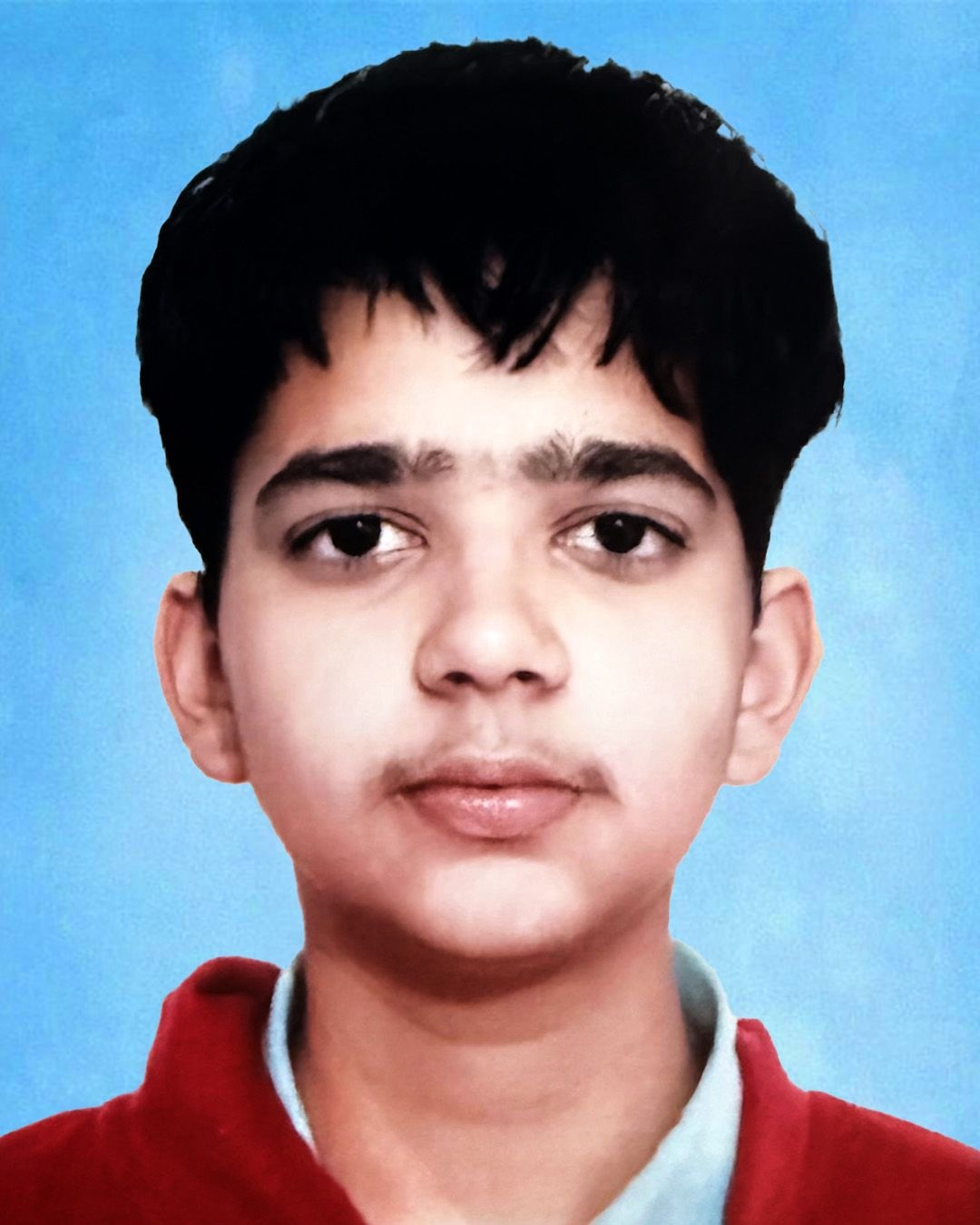
Ira Trivedy Pandey, 11, Goa

“I enjoy painting and cooking at home, so sometimes, I think I can be both a home chef and an illustrator. I started doodling when I was five or six years old, and later I started drawing. Cooking is my calm-down place; whenever I am upset or angry, I find it meditative to be in the kitchen, cooking for my family and friends.

I want to be a published comic-book author, addressing subjects close to my heart, including global warming, cruelty to animals, the felling of trees in the name of development, damage caused by plastic use, and more. I even had a club for a while, where my friends and I would meet to draw out our thoughts in response to prompts related to subjects close to our hearts.

It angered me a lot when I found out about a champa tree being cut down near my place, a snake being beaten only because someone was scared of it, tourists troubling yaks in Ladakh and polluting the place with plastic. These are the topics my comic books will address: the harmful effects of packaged food, the adverse influence of AI, and the negative use of technology. One of my friends wants to become a professional beekeeper—a job AI has slim chances of taking over.

That being said, AI is taking over our lives. It upsets me—our dependence on AI and how it’s taking over our lives. My future work will address the harmful influence of AI and the destruction it causes worldwide in the name of technological development and growth.”

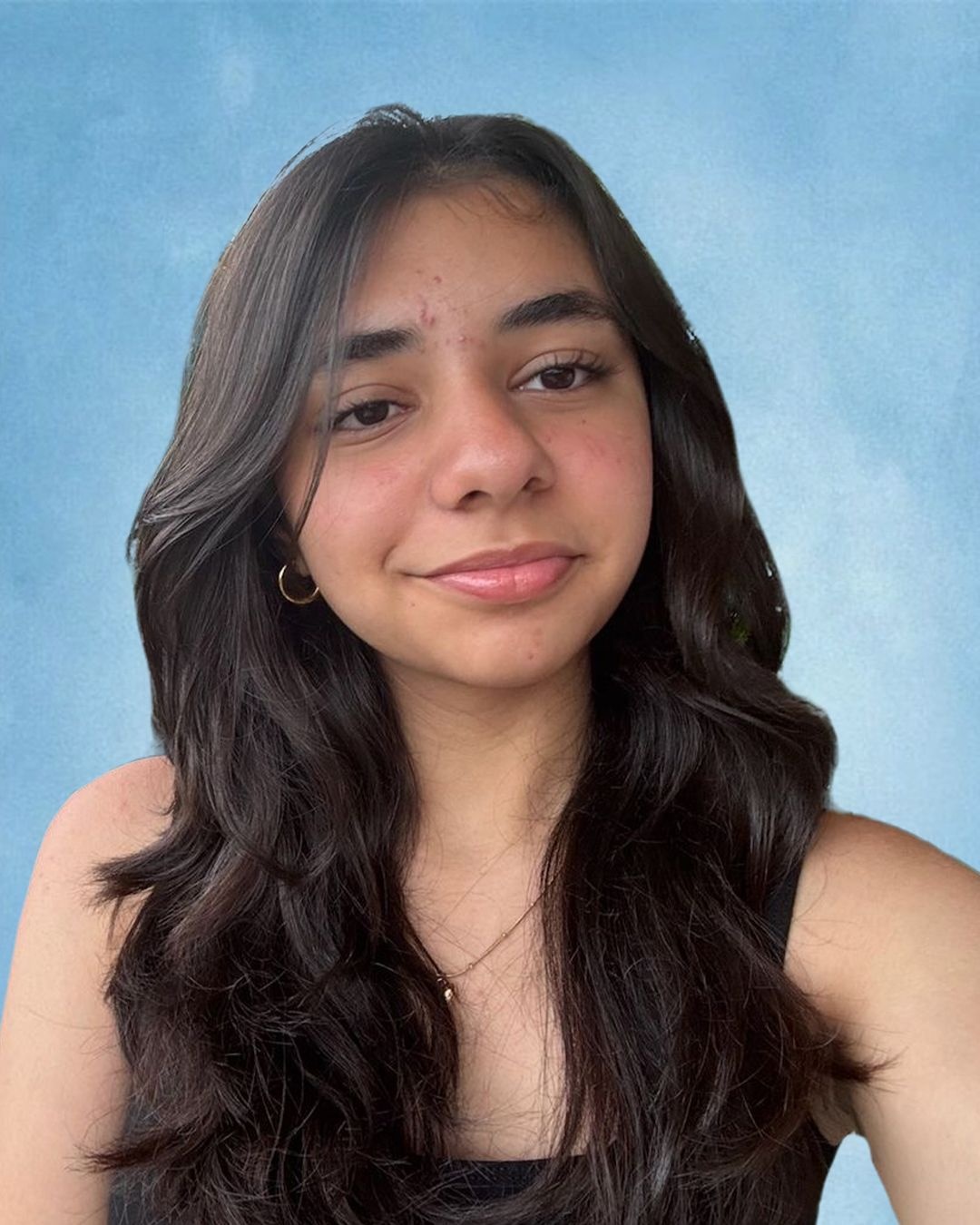
Zreh Adajania, 17, Mumbai

“My dream job has always been to become a palaeontologist. I shuffled between that and a mixed martial artist for a while before finally landing on wanting to become a business sustainability consultant. I think with the way the world is changing, there is a greater demand for eco-centric fields. The environment and wildlife have always been central to my life, and I wish to play a role in their preservation.

When my friends and I get together to discuss careers, I find that a lot of them are looking to get into economics and business-oriented careers. I found out about a career in business sustainability while researching majors in environmental science offered by top-tier universities. [What’s cool about the job is that] I get to have a measurable impact on the environment and its preservation. A decade from now, relevant jobs will be centred on the development and control of artificial intelligence, and we’ll see AI used in the military or defence sector.”

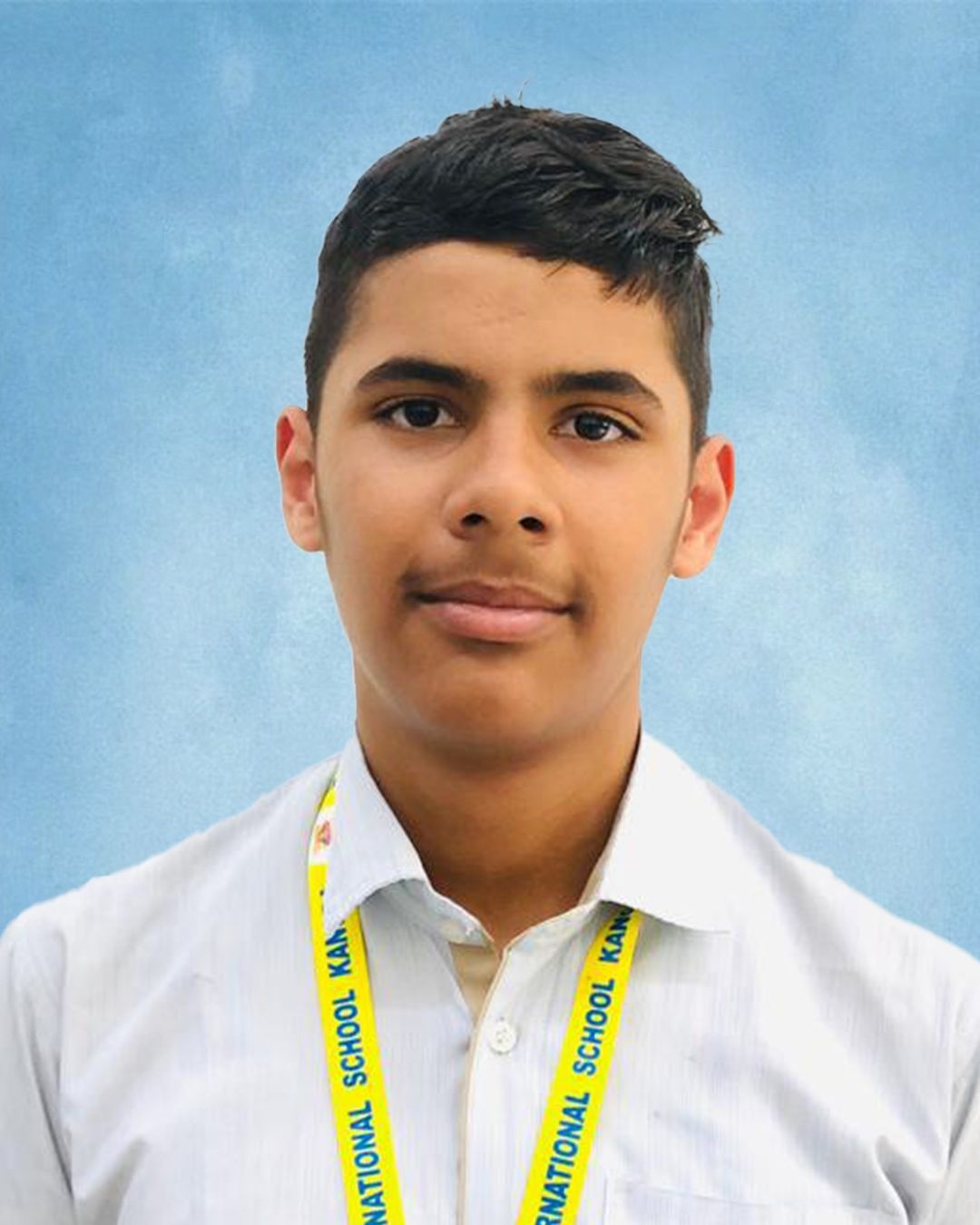
Aaron Martin Chauhan, 14, Kangra

“I’m going to be a VFX specialist and a film director specialising in 3D animation. My interest in the profession began when I was five or six years old, watching Paw Patrol. I was intrigued by how effectively stories could be communicated through animation.

While my job will rely on AI, it won’t replace the creativity and storytelling that exist in my head. In several sectors, such as fashion design, architecture, and manufacturing, AI is making jobs redundant, but I don’t think my brother and I need to worry. My younger brother wants to be a Formula 1 champion, and there too AI can assist, but it can’t take over the main job.”
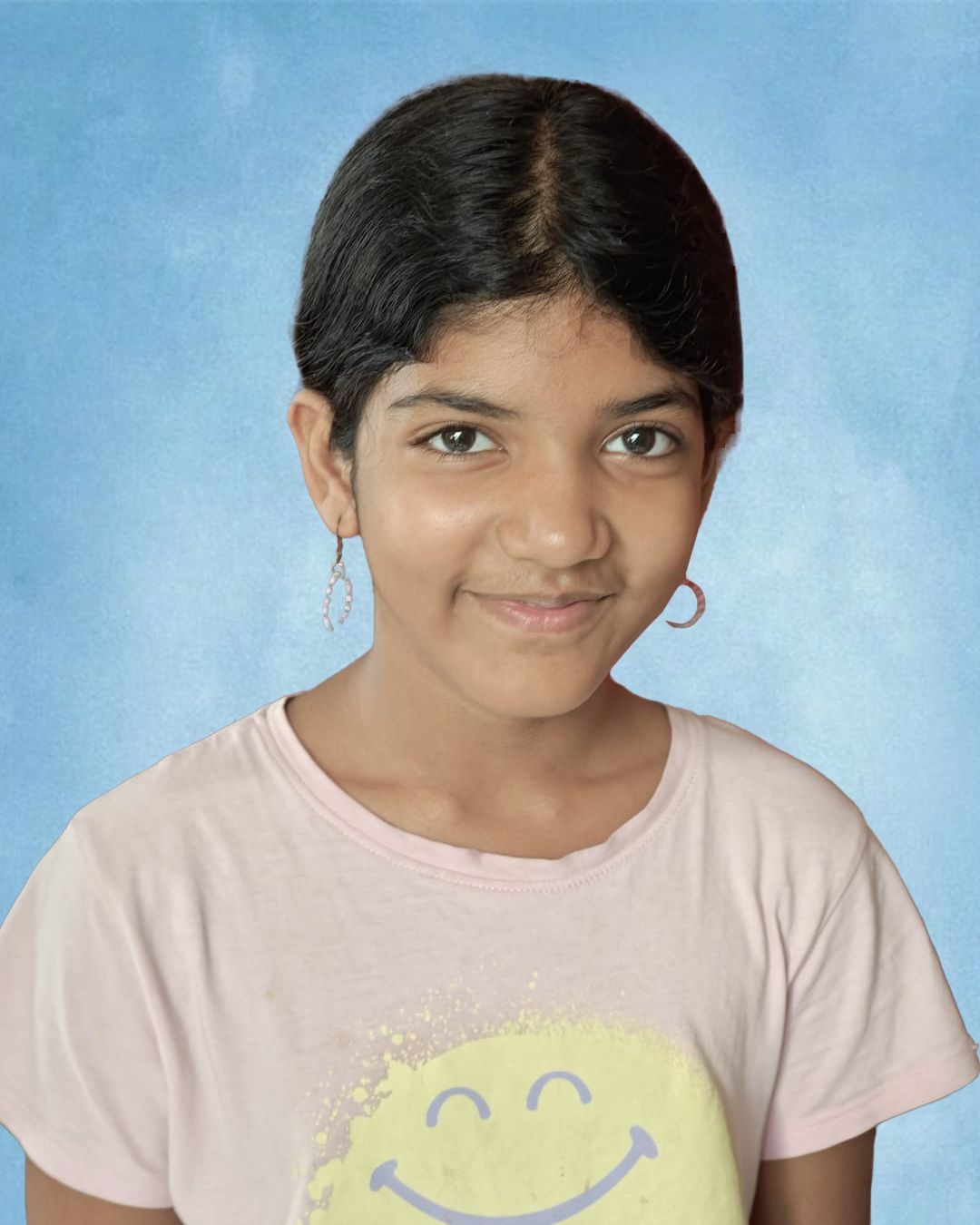
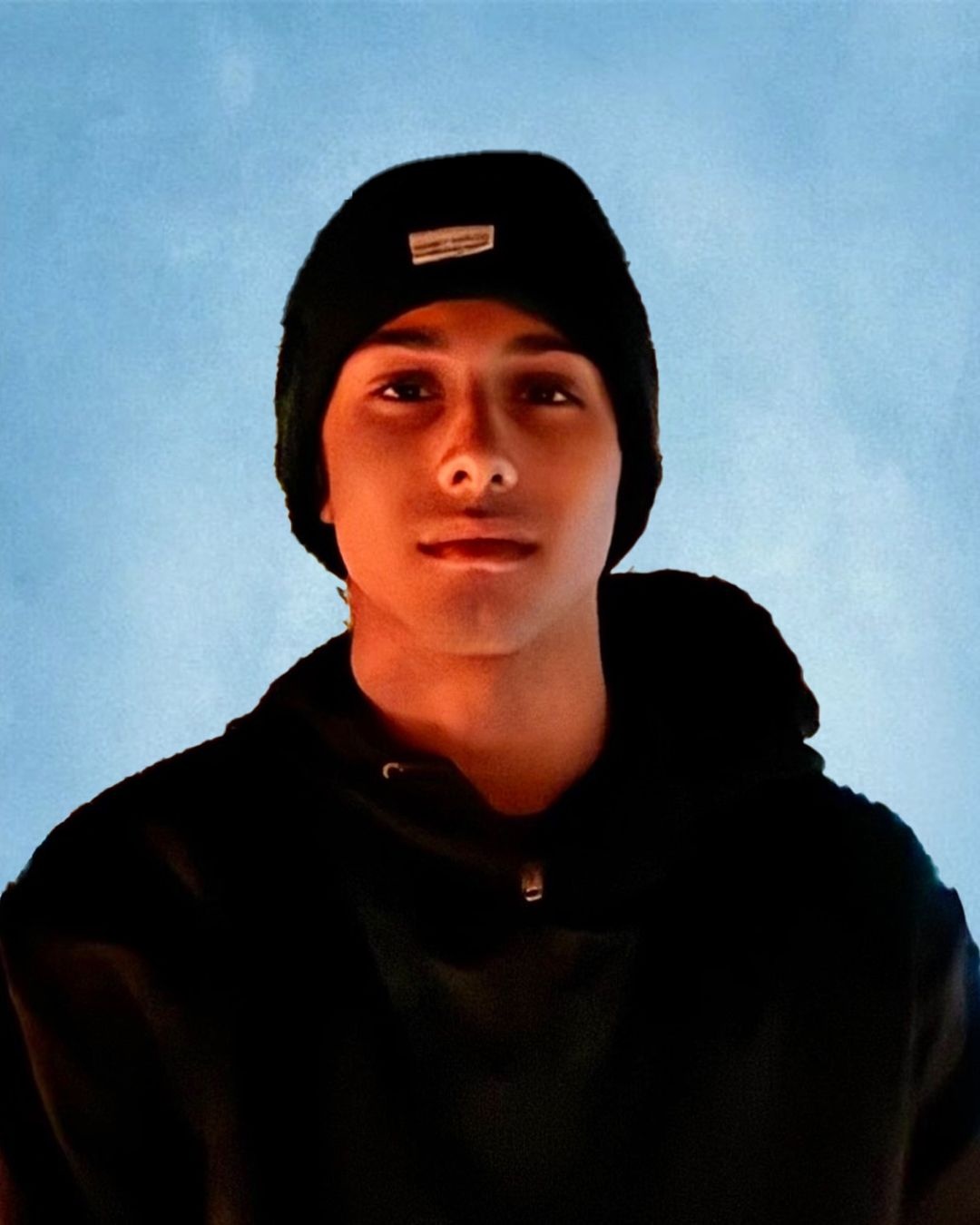
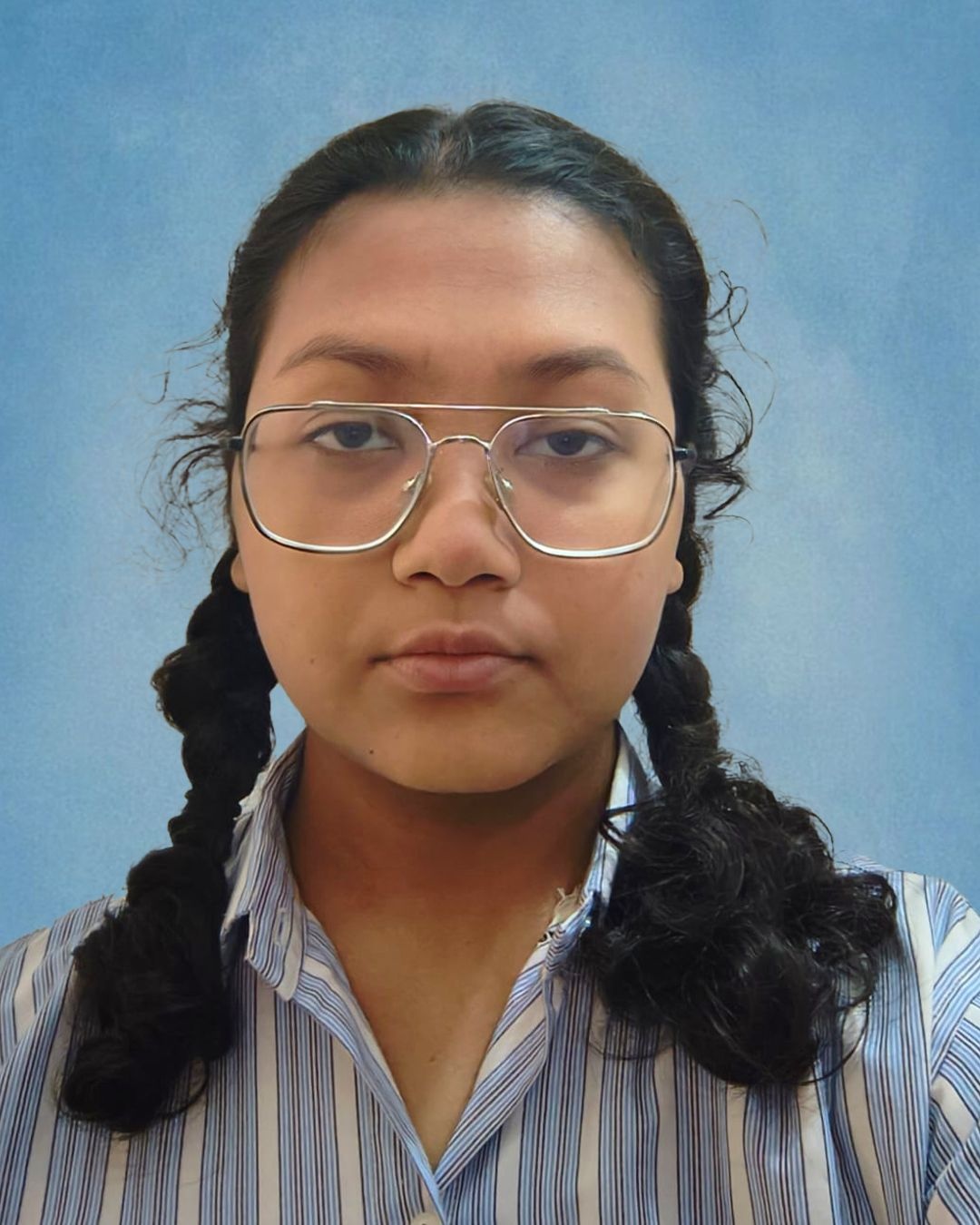
Pramita Biswas, 16, Kolkata

“I still don’t know what I want to be when I grow up—I’ve wanted to be a doctor, a biotechnologist, an author, an astronaut, a fashion designer, an actor… I am sure I will take up Science in my upcoming academic years. I write poetry while everyone around me talks about machines, AI, and technology but I still feel the thrill of writing poetry in the pen-to-paper format.

In my home, reading was always encouraged, and we still read newspapers. My love for reading began at a young age—around seven or eight—and I started writing poetry.

I am against AI; I find it disturbing what technology is doing to our world. It’s taking away jobs, robbing so many families of an income. AI doesn’t need to feed families; human beings do. In fact, my friends and I have an anti-AI group—through it, we try to tell people about the perils of AI and our increasing dependence on it

Even among my peer group, I find the dependence exhausting. Children submitting papers written by ChatGPT rather than using their own brains are really taking the fun out of the learning process.

Should I worry about AI taking over my life? No. Ten years from now, when I write my poetry, it’ll connect with others because it’ll come from my own lived experience. It won’t be an AI-generated experience, because emotions will always belong to the human race and other living species on this planet.”

Nysha Bhandari, 15, Delhi-NCR

“After closely observing my father working in the healthcare sector and watching Grey’s Anatomy, I’ve decided to become a doctor specialising in paediatrics. I belong to a generation with a lot more to explore in terms of professions; so many of the jobs—data analysts, content curators, influencers, among others—didn’t exist earlier.

In the medical profession too, a lot is changing, and AI-assisted technology is going to provide a lot of help in surgeries, increased diagnostic precision, shorter turnaround times for MRI scans, and faster results for other medical test reports that now take several days. It’s going to make medical processes simpler and more efficient, and hopefully there will be fewer crowds in hospitals.

We have to be prepared for entry-level jobs in many sectors, including healthcare, to be automated. In my school, those opting for careers in architecture and fashion design are worried because AI is being used for rendering, creating production schedules, models, and even the design of clothes—something that anyone starting out in these careers would have done.”

Saieesh Mahajan, 15, Kangra

“I am going to be an AI specialist and web developer when I grow up. AI is the future, and we cannot ignore it. The possibilities are infinite, and I think data analysis will be huge in the area I want to explore. I dream of making an app on my laptop over chai, eventually selling it for a billion dollars. I’m also predicting data trading; it could be the currency to watch. So, if you have a certain amount of data storage and I have less, I should be able to buy it from you. I want to learn about robotics and how AI-assisted machines can be used in various sectors.”

Vismaya Maini, 12, Delhi

“I want to be a lawyer when I grow up. Here’s how I see the next decade unfolding for anyone pursuing a career as a lawyer. AI will draft emails, summarise legal cases, help build a strong defence in legal matters, quickly research similar cases, and perhaps offer suggestions on policymaking as well. Eventually, the decision will rest with the lawmakers, who are human.

I love animals and also see myself getting into animal husbandry, an area where AI will help in charting cattle diets and assessing overall livestock quality, among other things. But here’s the thing: every animal is different, and AI won’t be able to detect the unusual behavioural patterns of the animal. A dog will always need the gentle human touch, and in a courtroom AI will help you fight your battle, but eventually the battle will always remain yours to win.”

Samaira Jolly, 15, Delhi-NCR

“I’ve had pilots in my family and I’ve grown up listening to fascinating stories about aviation so naturally I’m drawn to the same. Being a pilot teaches you discipline, patience, and perseverance and gives you a chance to travel. Most importantly, it helps people as they journey to various destinations.

The technological advancements are already there in the aviation industry, but going forward there’ll be even greater dependence on AI for precision in safety procedures, technological advancements, and more accuracy in navigation.

In my family, the discussion often centres on AI and how younger generations will need to look for jobs that won’t be taken over by robots and machinery. In many eateries in Japan, people are already served by robots. I do believe that while some jobs in the aviation industry, especially those on the ground, might be adversely affected, there will always be a need for a human pilot in the cockpit. It is reassuring when passengers know they’re not blindly guided by a robot; the same holds true in the medical profession. You do need the touch of a human hand, and the reassuring, emotional voice of a doctor who isn’t a robot.”

Veer Garg, 14, Mumbai

“I am interested in coding, and AI and coding go hand in hand. In the coming years, people will find it increasingly easy to build apps for themselves to assist with their day-to-day functioning, tailored to their specifications. For instance, you can create an AI secretary who can automatically draft your emails, send them to people, create the calendar, and give you reminders, so that you can go about doing the more important tasks.

You get to decide what you’d like AI to build for you. Software companies will be asked to create many more apps tailored to individual needs, which is why I wish to work in software development with AI integration. What’s going to be an area of expertise is how you ask the right question to AI. Think of AI as an employee in your company to whom you have to explain the vision and give detailed instructions so that the employee’s capabilities can be used to the maximum. If the employees know their targets, the company works well.

We have to start preparing to use AI efficiently to our advantage or else we will be left behind. AI, after all, is an employee that works 24x7, especially in the business of software development, app creation, and other technological jobs. New jobs will be created, with companies needing experts to manage and synchronise algorithms effectively and to be skilled in AI-to-AI communications, alongside app creators, gaming and VR developers to create digital experiences in education, medicine, aviation, technology, and other sectors.”

Aditi Amin, 16, Hyderabad

“I want to work as a marketing and branding consultant in the media, entertainment, and culture sector. I’m not supportive of generative AI, which basically generates human-like output based on the prompts it receives. I believe that it doesn’t have a place in art; it’s helpful for building strategies and enhancing parts of marketing plans, but it cannot be creative on its own merit.

There’s enough talk of AI-generated scripts coming under heavy scrutiny for lacking substance, with dialogue sounding flat and climactic scenes failing to communicate effectively to audiences. Ditto with K-pop, a phenomenon now using artificial intelligence to generate music, virtual bands and groups, among other content-generation tools.

When crafting a marketing pitch in the entertainment business, human psychology must be taken into account. As a kid, I always wondered how certain individuals with talent undoubtedly managed to create so much brand value for themselves and become pop culture icons. Sabrina Carpenter and Addison Rae became social media stars who have, time and again, learned when to pivot and rebrand themselves. So much marketing in the media and entertainment industry is what fascinates me. I might rely on technological and digital tools to provide data on fan engagement with an artist, public perception, and how to optimise storytelling, but overall, human engagement will always be required.”

The Nod Newsletter

We're making your inbox interesting. Enter your email to get our best reads and exclusive insights from our editors delivered directly to you.