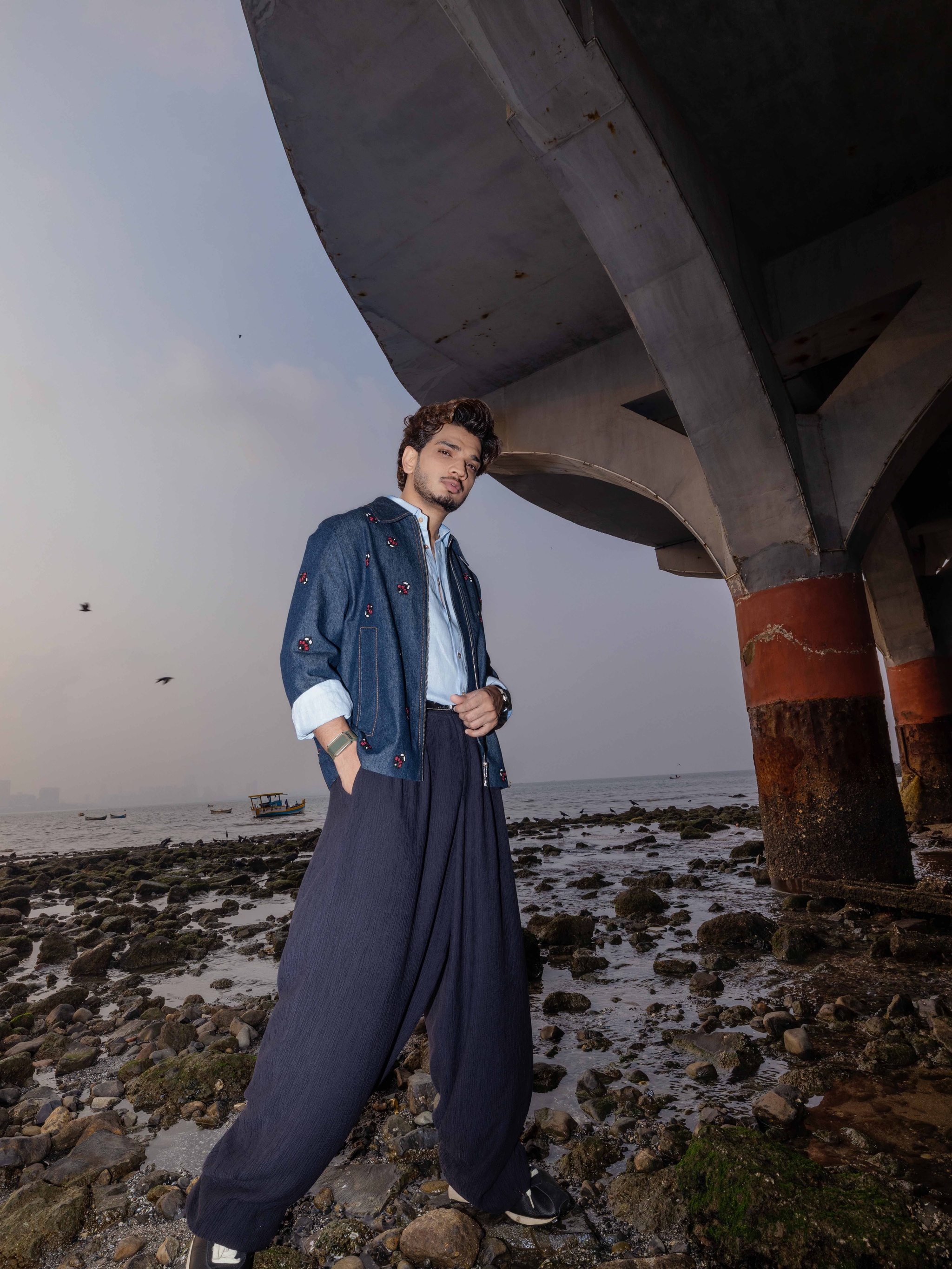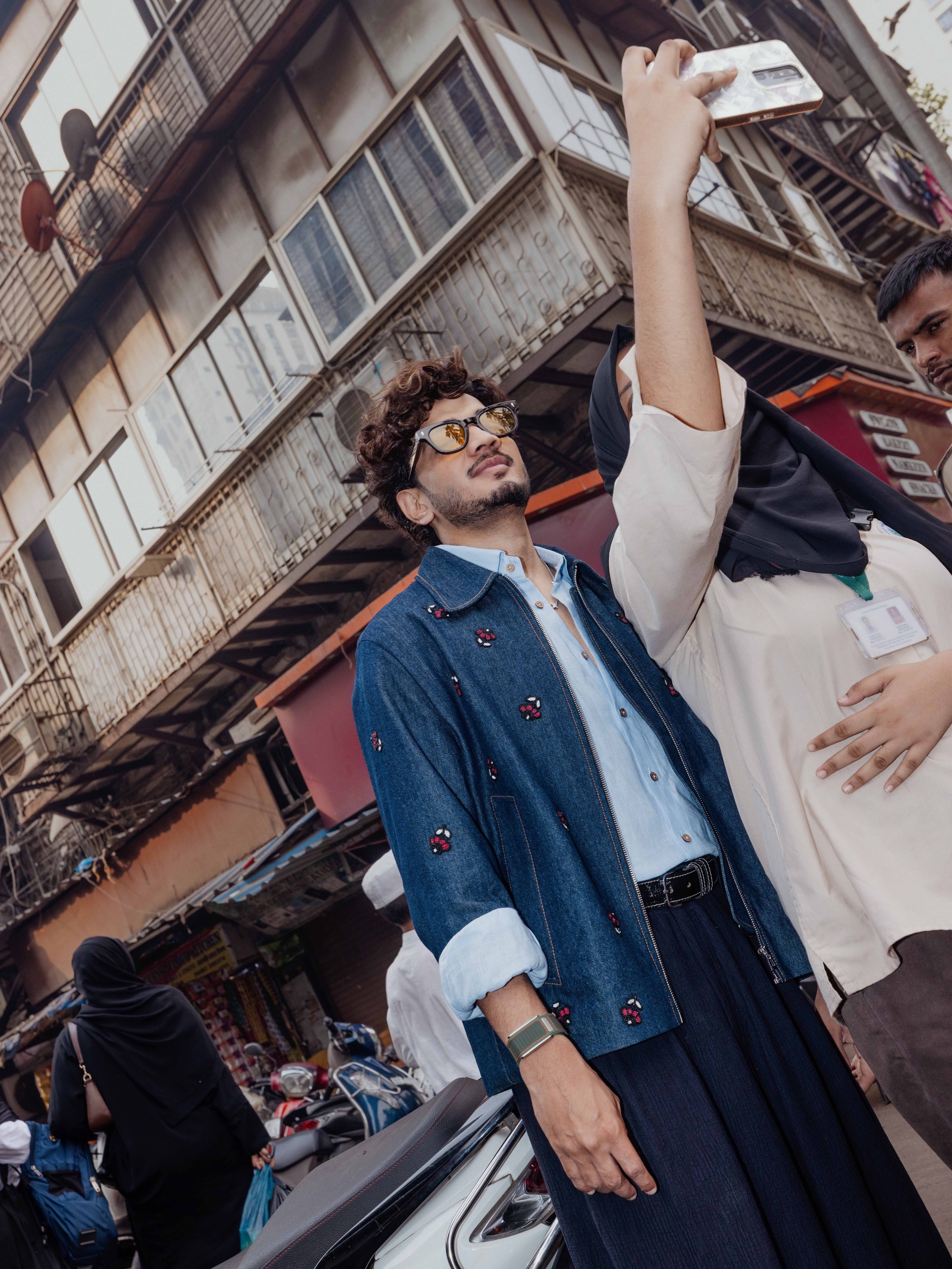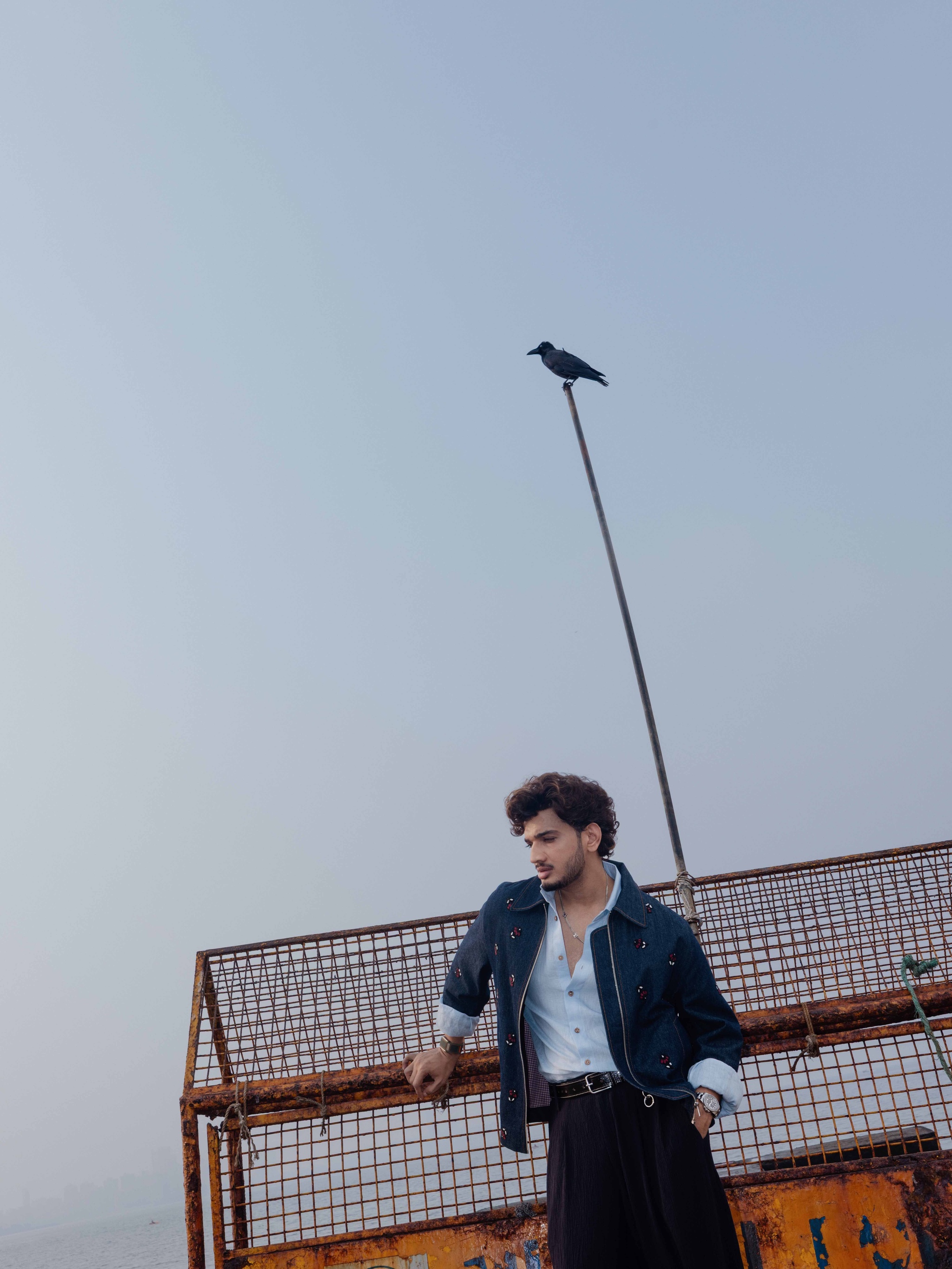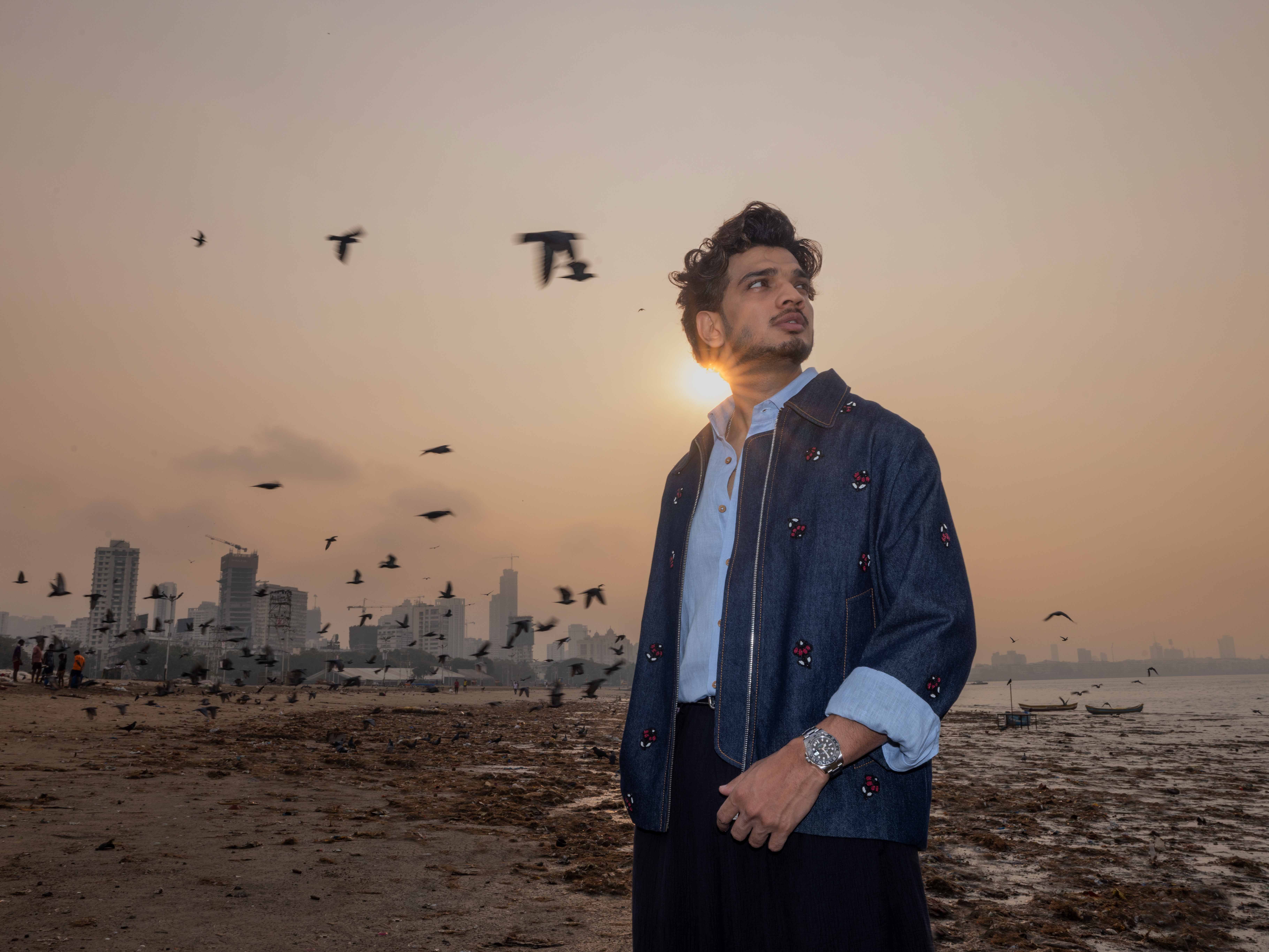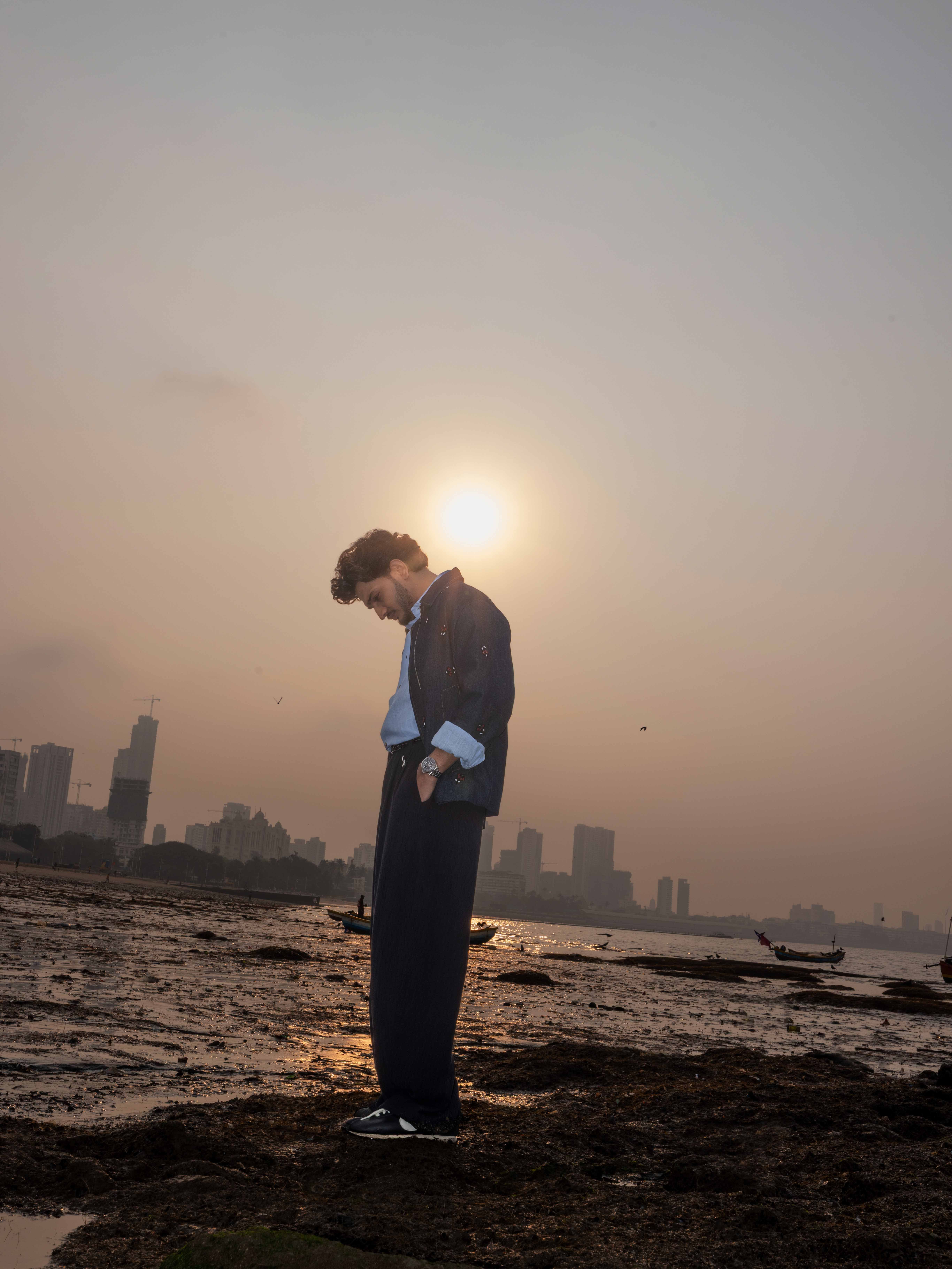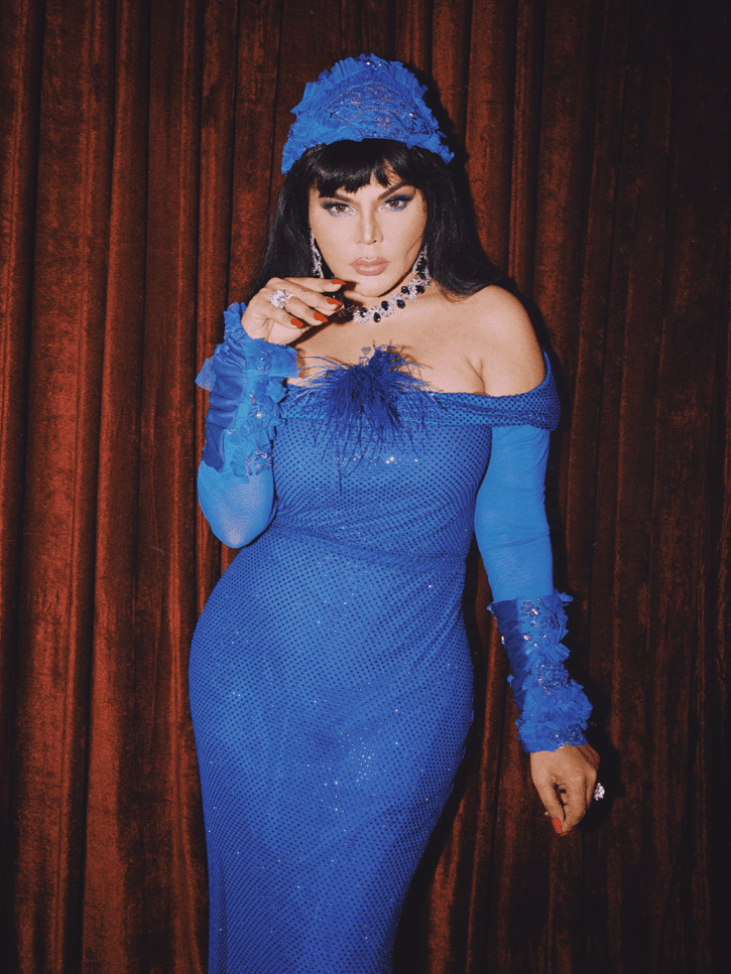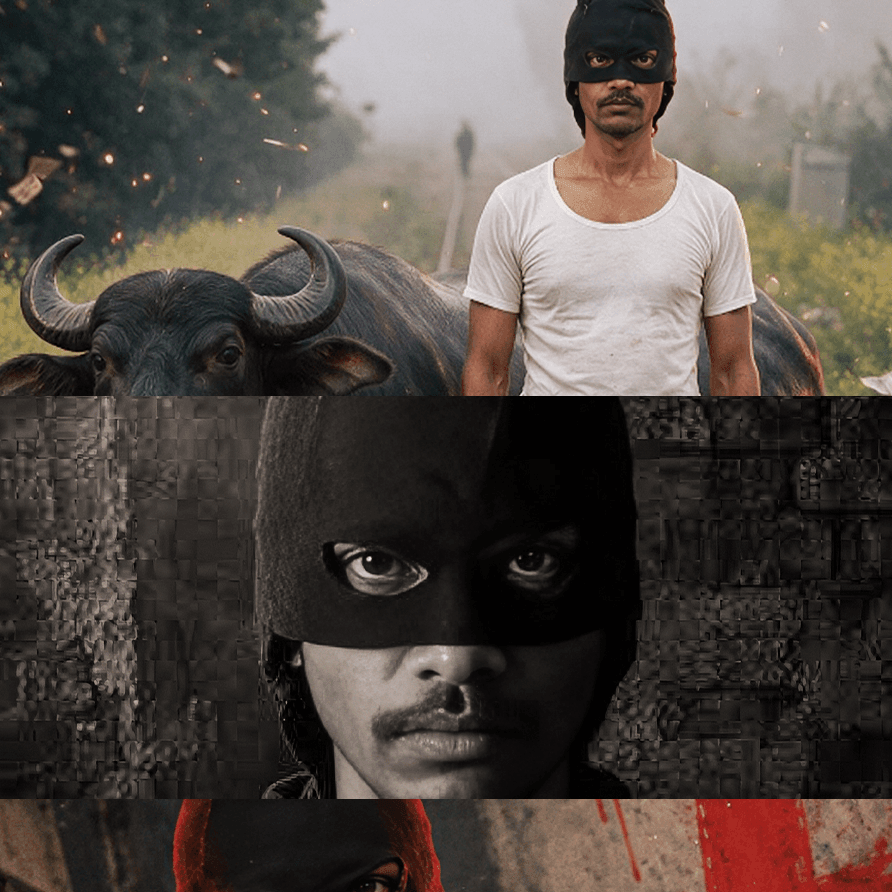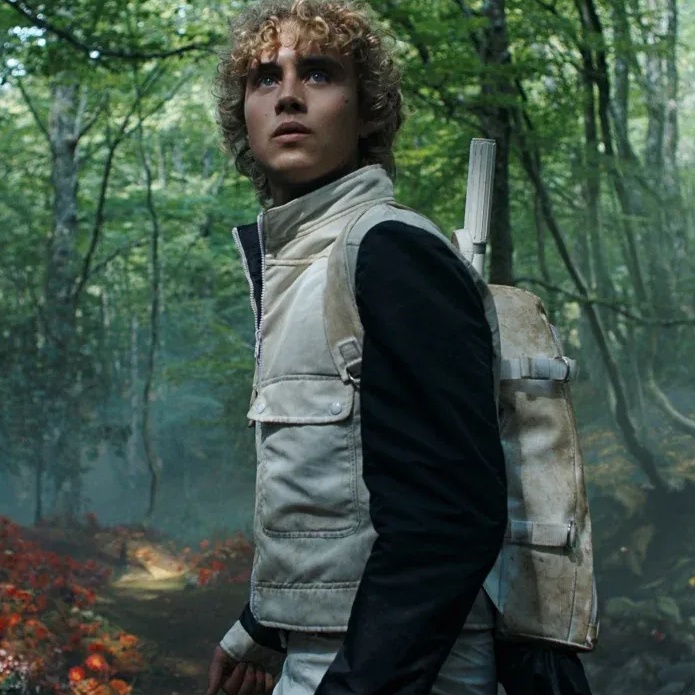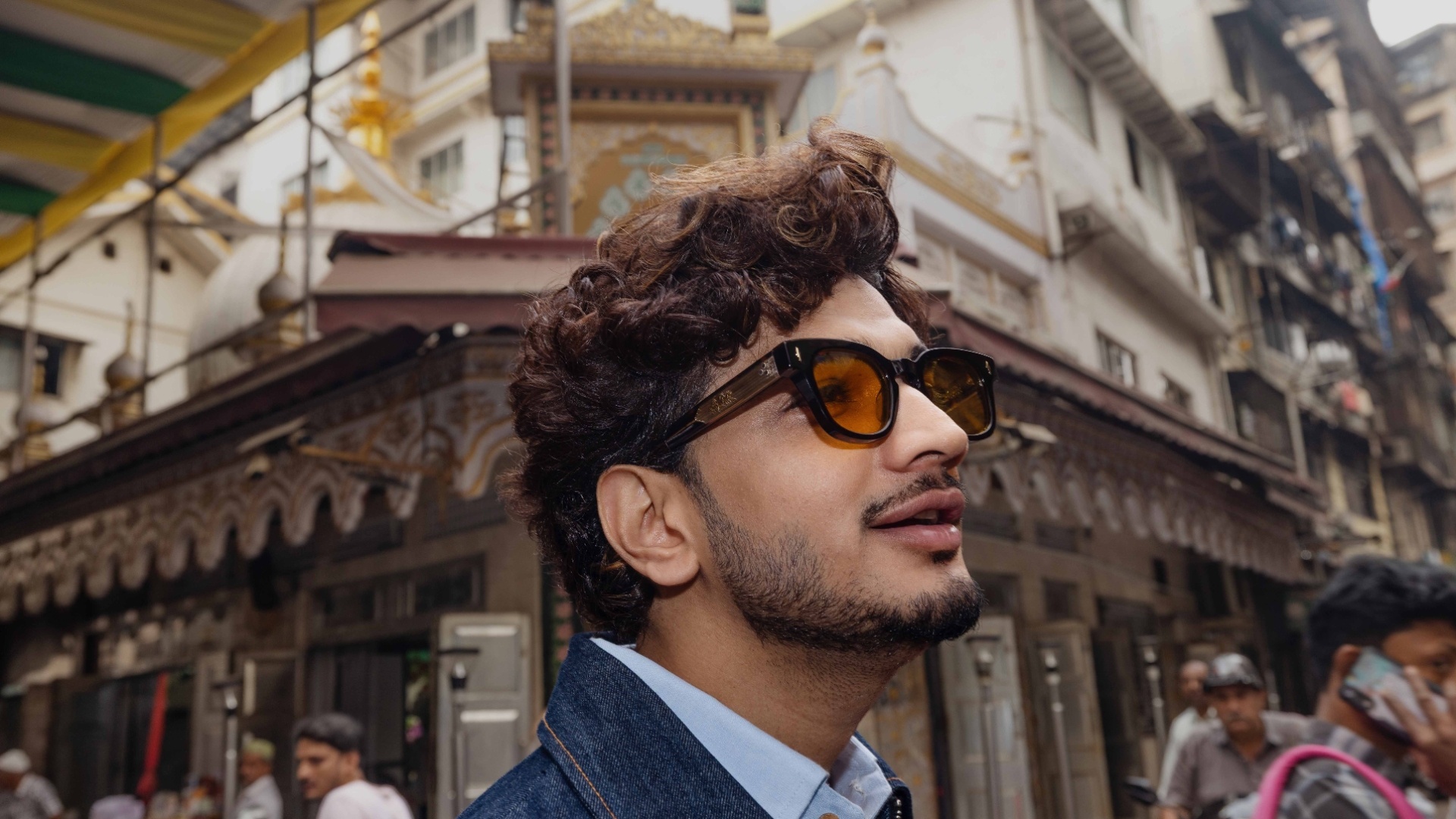

Munawar Faruqui is becoming something of a fixture on Indian reality television. Just when you think you’ve seen him in every possible setting, there’s another show, another format, and another role waiting for him. He’s gone from being a contestant on Lock Upp and Bigg Boss to testing his luck on The Traitors and now hosting Dhamaal with Pati Patni Aur Panga alongside Sonali Bendre. Few comedians have moved so comfortably between a jail set, a celebrity house, a castle full of secret traitors, and a television studio. At this point, it is hard to imagine a reality show announcement without wondering whether Faruqui might be part of it.
On our Zoom call, a day before the Mumbai shoot, he’s busy trying to get his new iPhone Duo to sit straight. The phone keeps rotating between portrait and landscape, and he fiddles with it as we talk. When the conversation turns to the device, he says, “I’m just grateful that I’m even able to afford the Duo in the first place.”
At 34, Faruqui has come a long way from his early years in Junagadh, where financial constraints meant he left school early to take up odd jobs and start earning. The comedian first started posting his material online and eventually found his footing in stand-up comedy, performing across the country and building an audience. Just before the pandemic, he quit his job as a graphic designer to pursue comedy full-time and was preparing to go on tour, when Covid brought live performances to a halt. His television debut came with Lock Upp in 2022, which he went on to win, followed by Bigg Boss season 17 in 2023 and The Traitors in 2026. Today, he lives with his family in Mumbai and has added acting and hosting to a career that began on the stand-up stage.
Ask him whether he sees himself as a comedian, actor, host or reality-TV star, and he has a joke ready. “I’m still working at a shoe shop, selling some samosas, working at a gift shop,” he says, laughing. It is a callback to his earlier jobs but also a way of describing his growing collection of professional hats. “I’m a stand-up comedian doing all these things. Stand-up comedy has given me everything.”
Being so proficient is hard work, though. “When I left school, I didn’t really feel like going back. When you’re a kid, you don’t understand the intensity of actions like these.” He says the long hours on these TV sets and back-to-back projects have never felt unusual. “I don’t feel overworked, because this is my way of life. I’ve been slogging since I was a kid.”
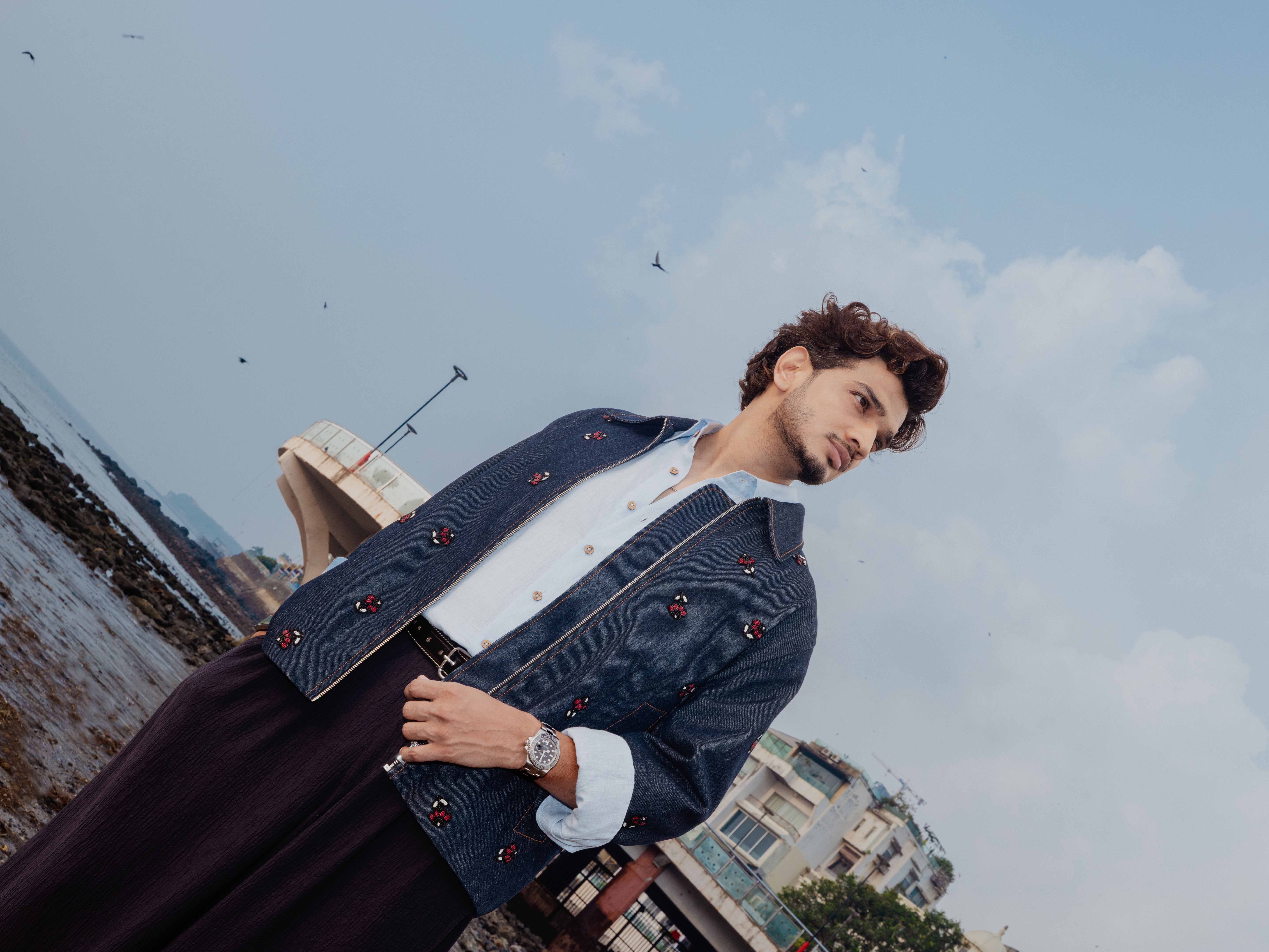
His career has unfolded alongside reality television’s transformation into a full-blown pop-culture machine. The shows may still be built around weekly episodes and eliminations, but their biggest moments often happen after the credits roll. “Pooja, what is this behaviour?” has become a line that lives well beyond its Bigg Boss origins. The Qazi Touqeer and Manish Goel “Professor” exchange from Bigg Boss 20 has been travelling beyond Indian television too, with even Liverpool FC getting in on the joke.
The arguments and rivalries are a big part of the appeal. From the Shreya Kalra and Sufi Motiwala clash on Lock Upp 2 to the chatter around internet personalities like Rida Tharana and Apoorva Mukhija, viewers have found plenty to pick apart. For a stand-up comedian, these shows offer raw material but also the opportunity to reach an entirely new audience. Faruqui has spent years watching people and turning their quirks into jokes. Reality television puts him on the other side, with millions of people watching him instead.
The kind of platform and reach television offers is rare, and Faruqui found that he was able to use it to his advantage. Before Lock Upp came his way, Faruqui had hit a roadblock in his career. In January 2021, he had been arrested before a performance in Indore after a complaint alleged that he had made objectionable remarks about Hindu deities and hurt religious sentiments during a comedy show. The allegations also referred to material from an earlier video, and Faruqui maintained that he had not made the remarks attributed to him at the event. He spent 37 days in jail before the Supreme Court granted him interim bail. The arrest and the public backlash became a defining part of how many people first encountered him.
With Lock Upp he says, “I was able to change the public’s perception, because that was the format of the show. Most people who came in had been accused of something. The point was to try and either shed that image or accept it, and win people over.” He believes the length and format of reality television make it difficult for contestants to maintain a carefully constructed public image. Viewers see them for weeks, often around the clock, and get to watch them in situations that would never make it into a conventional interview. “You can’t be fake for that long. Eventually, your real nature comes out,” he says.