



Accessories25 Dec 20254 MIN

Is this the world’s best shoe?

At the World Championships of Shoemaking, the winning pair took 50 tools and 200 hours to make. Too bad you can’t wear them

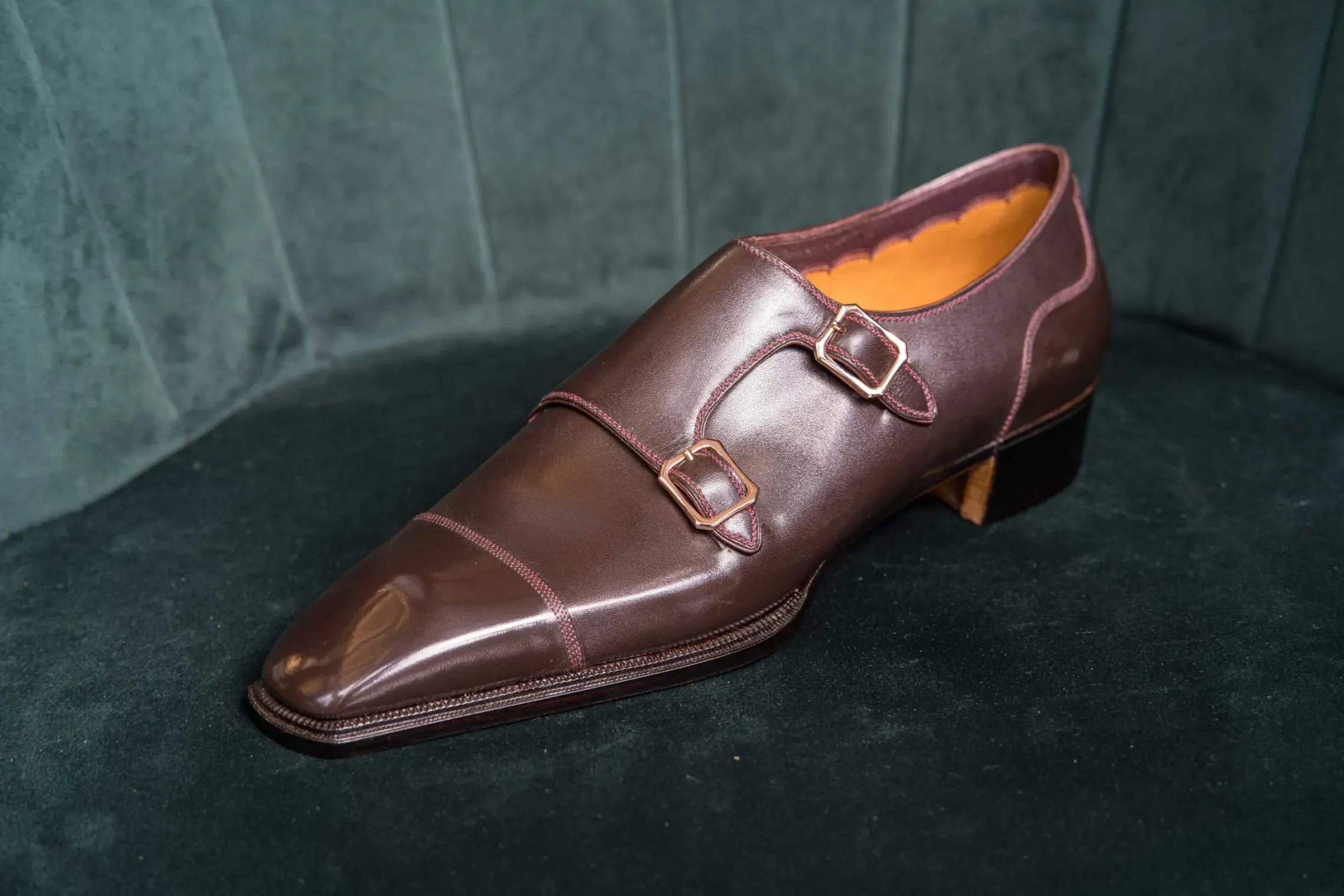
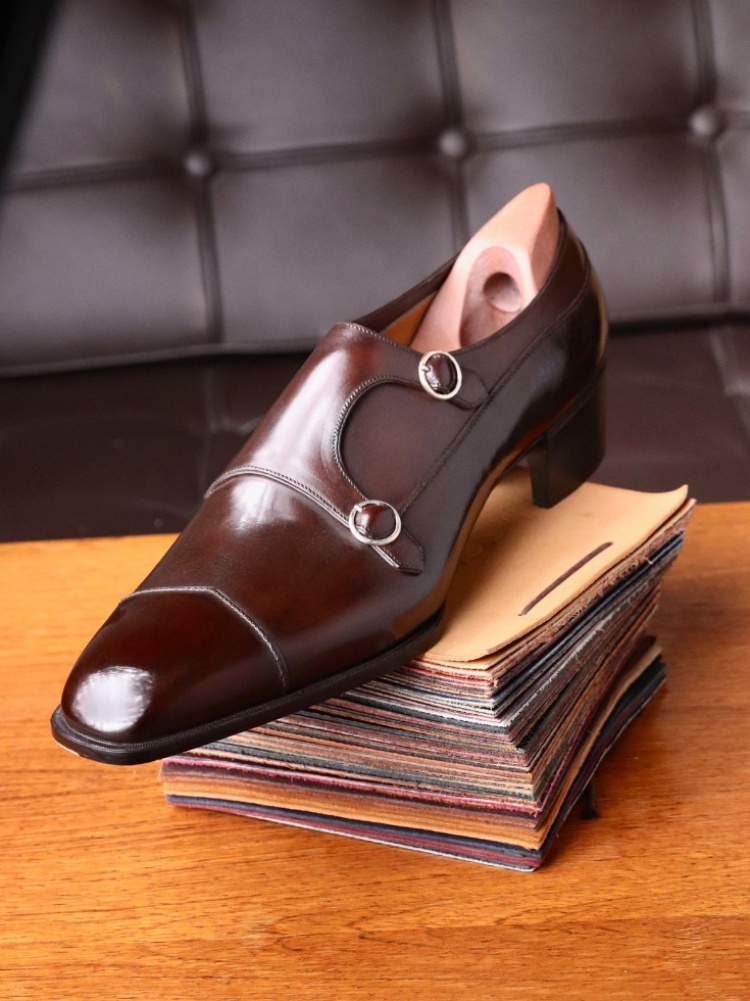
A dark brown cap-toe double monk by Louis Lampertsdorfer, the winner of the global shoemaking championship

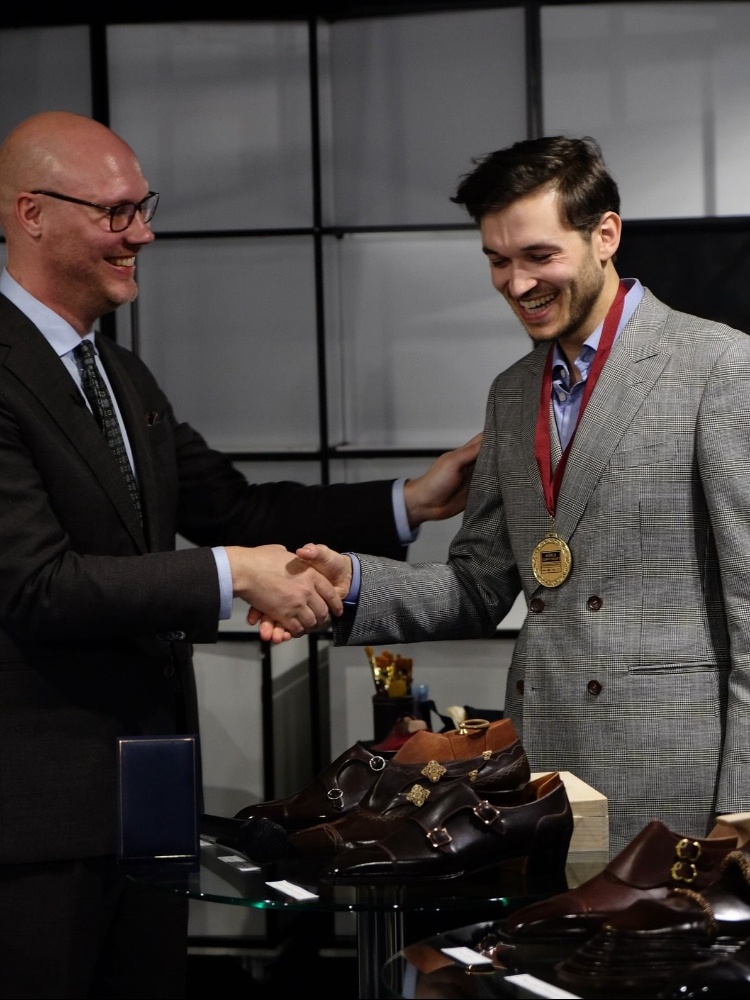
Louis Lampertsdorfer

Earlier this year, a small jury of bespoke shoemakers and specialists convened in London to decide the winner of the sixth edition of the World Championships of Shoemaking. The decidedly anorakish event, co-founded by shoe writer and organiser Jesper Ingevaldsson, attracted around 30 entries, mostly from Europe and Asia. Contestants spend well over 100 hours constructing shoes unfettered by commercial or practical considerations. Ingevaldsson estimates that while several thousand people worldwide may work in bespoke shoemaking, only a small fraction, perhaps around a thousand, possess the technical range and commitment required to attempt a competition shoe of this kind.

As with every edition, that small group was required to work to a tightly defined brief: a dark brown, cap-toe double monk in smooth calf leather, hand-welted and stripped of patina, branding or ornament. The winner was a soft-spoken 34-year-old German shoemaker, Louis Lampertsdorfer. His double monk, which was on display at Labo, shoemaker Bridlen’s atelier in Chennai, in early December, elicits the same quiet absorption one associates with a painting or a finely engineered sports car.

As a teenager, Lampertsdorfer was drawn to sneakers, until a photograph of a well-worn brown cap-toe Oxford in a magazine caught his attention, its age adding to its appeal. From that point on, his path followed a largely traditional arc. Lampertsdorfer left Germany for England to train at Gaziano & Girling in Northamptonshire, long regarded as the centre of English shoemaking and known for counting Charles III among its clients. He returned to Germany in 2020 to establish Mogada, setting up his own practice. His shoes are priced from around €1,300 for ready-to-wear pairs to about €5,000 for fully bespoke commissions.
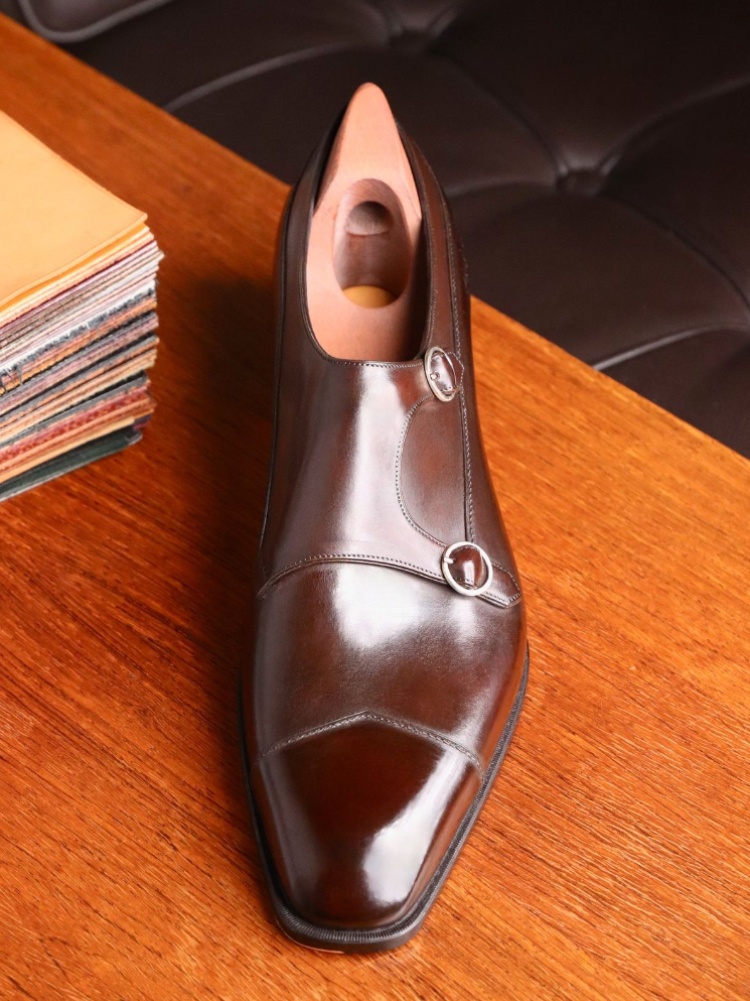
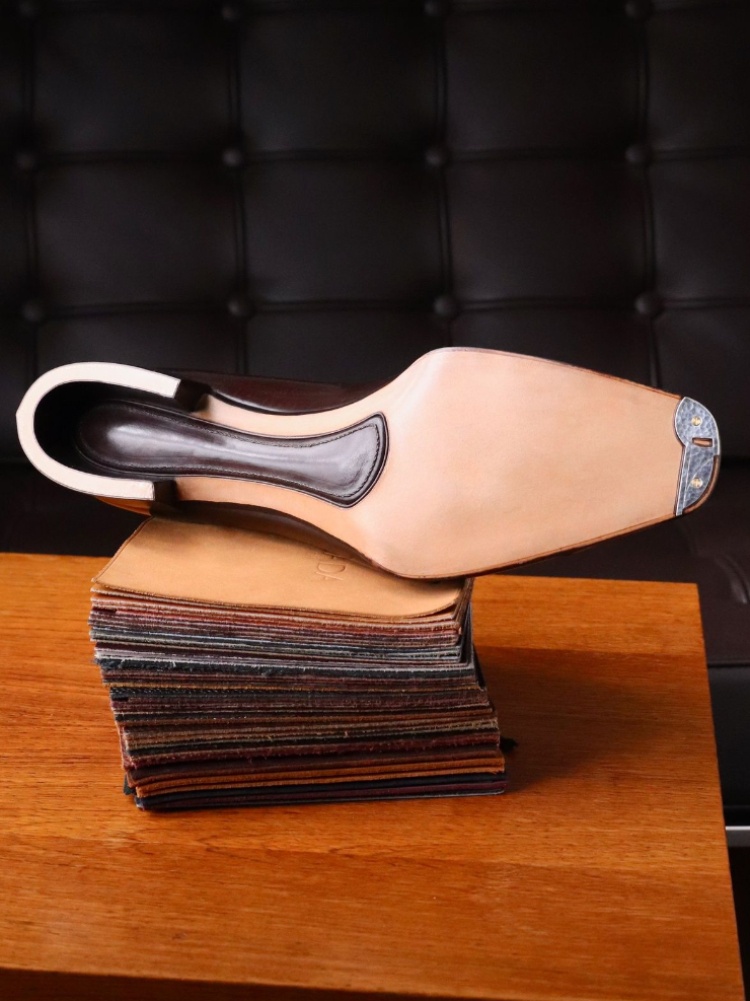
Lampertsdorfer began work on the double monk in December and finished at the end of April, fitting the project around regular client orders. He estimates the total effort at close to 200 hours. He points to early-20th-century exhibition shoes as a key reference. Exhibition shoes have been part of bespoke shoemaking since the late 19th and early 20th centuries. Made for world fairs, guild competitions, and shop displays, they were never meant to be worn. Instead, they allowed shoemakers to show what they could do when time, cost, and durability were no longer the main concerns. Waists were drawn tighter than practicality allowed, sole stitching pushed beyond what daily use would tolerate, and details added simply because they could be executed.

“This shoe is probably the most sophisticated work I’ve done so far,” Lampertsdorfer says. “I deliberately chose techniques I wasn’t fully comfortable with.” Much of that work lies beneath the surface. The sole is stitched at 30 stitches per inch and finished with a hollowed horseshoe heel and custom silver fittings created in collaboration with a Munich-based goldsmith. “The very fine sole stitching and the hand-braided work on the upper were both new for me,” Lampertsdorfer says.

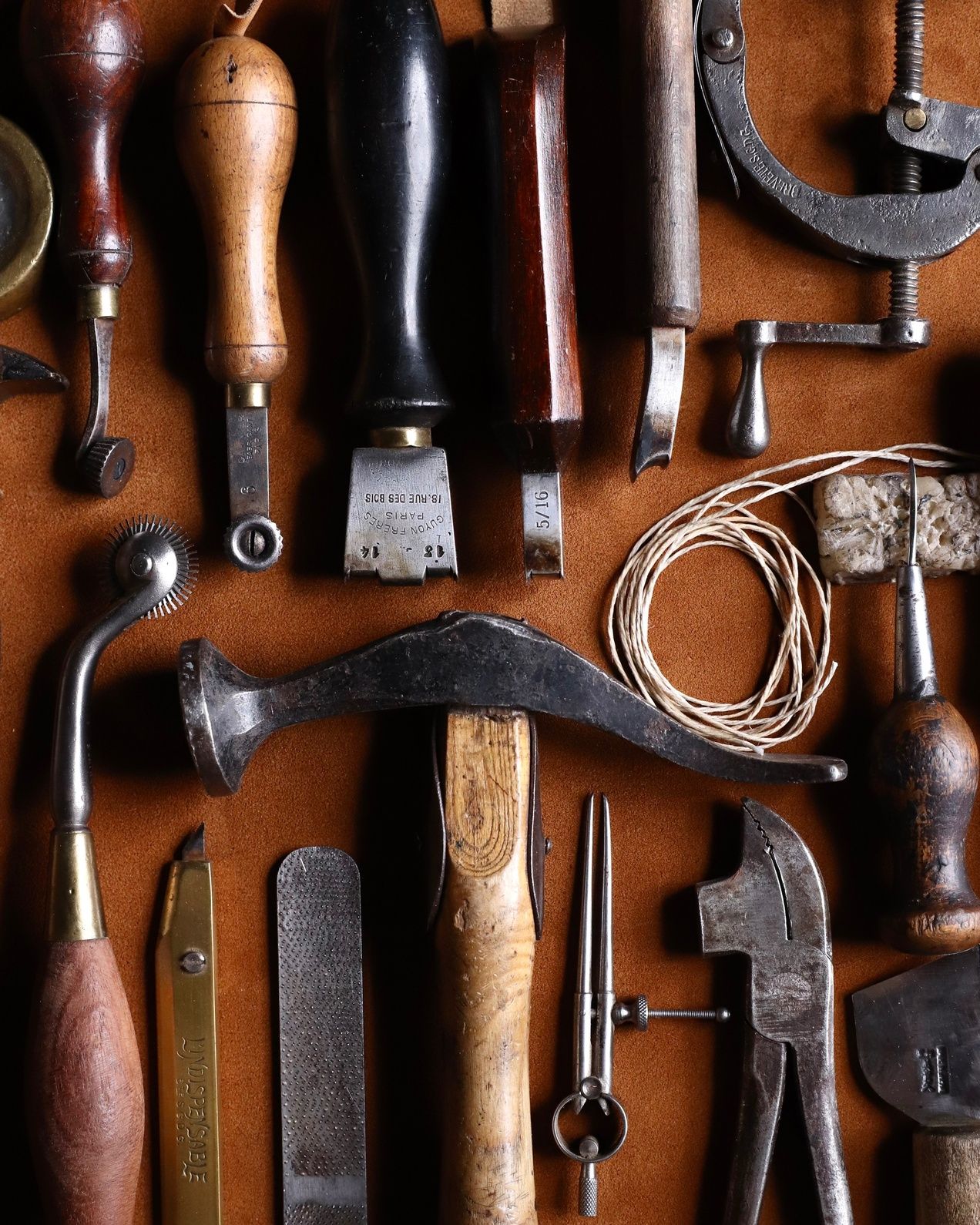
Louis Lampertsdorfer's tools for shoemaking
Louis Lampertsdorfer's tools of the trade

Lampertsdorfer uses around 50 different implements to make a single pair of shoes. Some, like the hammer or knife, are constants. Others exist for one specific task. The fudge wheel, for instance, is used to mark stitch spacing along the welt and sole edge; edge-setting irons are heated and run along the sole and heel to seal and finish the leather. Many of these tools, he says, are no longer manufactured. “The best ones are often a hundred years old,” he says. “Once you find a good set, you keep them forever.” He bought his in England, from a shoemaker nearing the end of his career.

Like concept cars that go on to influence production models, the prize-winning double monk is expected to shape Lampertsdorfer’s day-to-day work. A few clients, he says, have already asked about elements from the competition shoe, including an Olympian from India whom he chooses not to name.

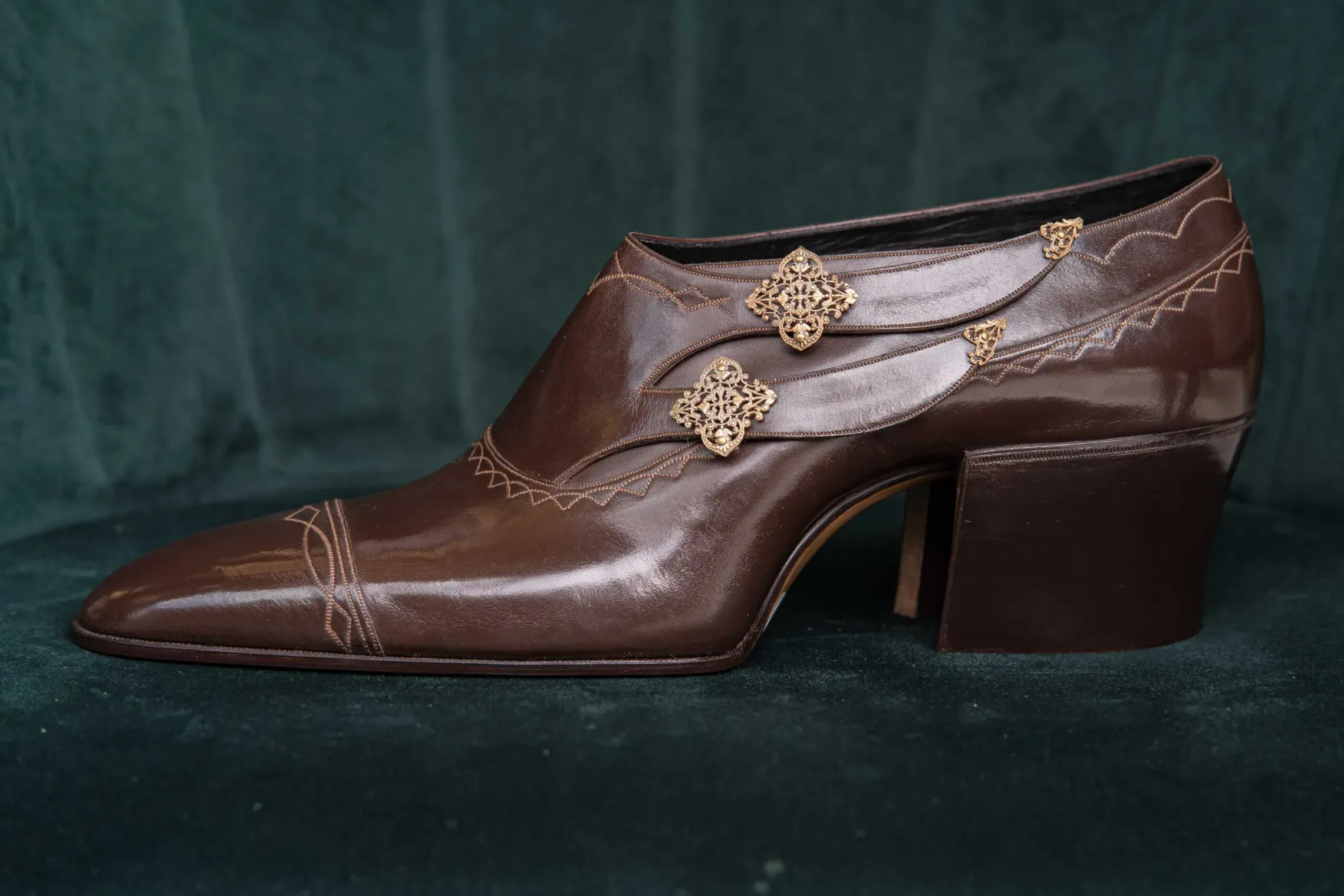
Ken Kataoka won second place at the World Championship of Shoemaking 2025

The other two podium finishes in the World Championship of Shoemaking 2025 underlined Japan’s pre-eminence in bespoke shoemaking. Second place went to Ken Kataoka, whose shoe stood out for its tightly drawn, narrow waist and deeply hollowed heel. Kataoka, a highly visible figure in contemporary shoemaking, runs a YouTube channel dedicated to the craft, where he documents everything from hand-welting to tool-making. His most popular video, “Making HANDMADE Derby Shoes in Embossed Cordovan Leather”, has over 17 million views. Third place went to Ken Hishinuma, whose shoe adopted a rounder last shape and a more restrained profile while meeting the same technical requirements of the brief.

Ken Hishinuma won third place at the World Shoemaking Championship 2025

For Ingevaldsson, the composition of the podium reflects how bespoke shoemaking now circulates. While the craft had been shrinking, online platforms have made it easier for independent makers, often working alone or with freelance help, to show their work beyond local markets. “Before, the larger companies were the ones who could reach customers,” he says. “But thanks to the internet, today an independent shoemaker can reach customers through social media.”

The Nod Newsletter

We're making your inbox interesting. Enter your email to get our best reads and exclusive insights from our editors delivered directly to you.