




A quick scroll of streaming platforms these days can feel like a journey into the past. Every other thumbnail for a film or show has a face that’s familiar. Very familiar. It’s the same face that you’d have seen on covers of dog-eared magazines at the scrap dealer. The face from that Bollywood dance song that’s still on TV in the background at the neighbourhood dive. The face from your parents’ adolescent dreams.
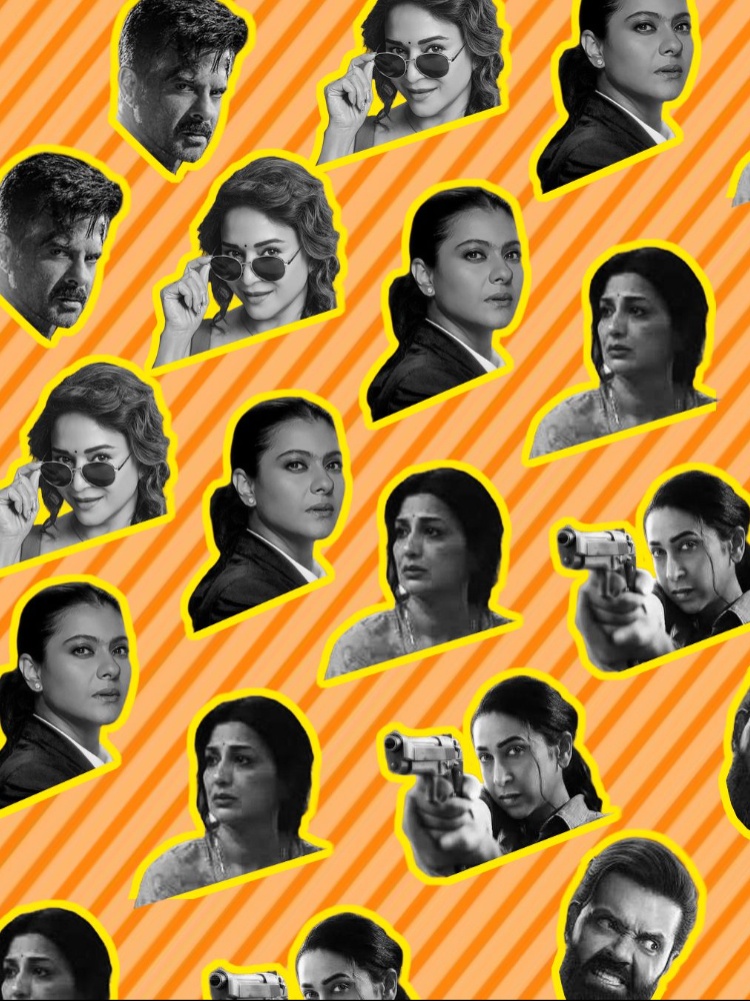
Movie stars from the 1980s and 1990s are all over streaming platforms. Whether Netflix, Prime Video, Zee5 or JioHotstar, the channels are awash with the actors who pouted, punched, and pirouetted their way through cinemas over three decades ago. We are just halfway in, but 2026 has already brought back a roll call of actors with their current programming: Madhuri Dixit. Karisma Kapoor. Bobby Deol. Kajol. Akshaye Khanna. Sonali Bendre. Saif Ali Khan. Sunny Deol. Anil Kapoor. Each one has headlined, or is headlining, long-format shows and direct-to-OTT films. They’re drawing acclaim as well as driving traffic.
Director Sriram Raghavan, who has cast thespians like Dharmendra in Johnny Gaddaar (2007) and Ikkis (2026) and Anil Dhawan in Andhadhun (2018) in the past, sees their evergreen appeal. “Actors from a previous generation are always on demand on streaming—they have high recall value and audiences know them well,” he says. “Some of them are superb actors, others used to be big stars. All of them would love to get a good role.”
It’s not like the older actors are all on comeback trails or that their movie careers have faded out. Far from it. Many of them are very much around, turning up in strategically placed cameos or a special song in a film, or as a judge on one of the many talent shows on television. In fact, actors like Sunny Deol and Anil Kapoor continue to be picked for A-list productions.
So, what’s different this time around? The difference lies in the kind of roles on offer. Web series are allowing these actors to do what they rarely could, or still can’t, in films—experiment, expand their dramatic repertoire, squeeze their big-screen appeal into the cosier space where streaming content is consumed.
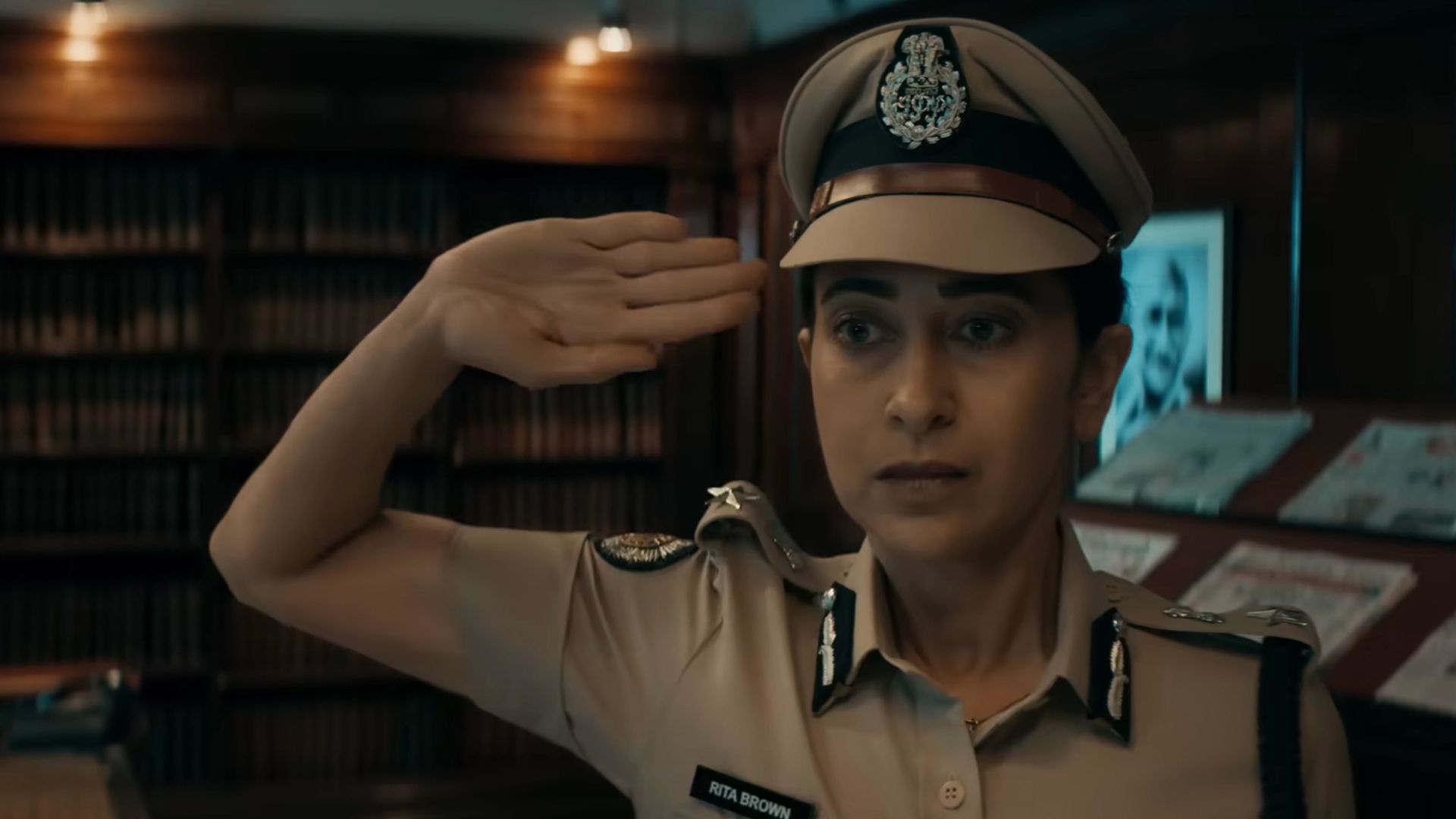
Take Karisma Kapoor, who plays an alcoholic cop chasing a serial killer in the crime series Brown, which released on Zee5 last month. In her 1990s hits, Kapoor gyrated alongside Govinda in various European cities while kitted out in dodgy hairdos and screechingly-bright costumes. In Brown, Kapoor’s character Rita Brown dresses as soberly as she drinks steadily, never once flubbing an emotion or hamming through a scene.
There’s also Sonali Bendre, who played a string of airheads back in the day but is now unrecognisable—and wonderful—in the show Raakh, which also released in June on Prime Video. Kajol drops all trace of her bubbly past in The Trial on JioHotstar, where she plays a committed lawyer. And Madhuri Dixit, who emerged as a prominent actor in the late 1980s and then lit up the cinemas in the 1990s, is one of the chief draws of Netflix’s latest film Maa Behen. A scene in the black comedy pays tribute to one of Dixit’s gyrating earworms, ‘Dhak Dhak’ from Beta (1992).

In the film, a snatch from ‘Dhak Dhak’ plays out in its stereophonic glory as the neighbours of Dixit’s character, Rekha—a sleeveless-blouse-wearing single mom—fantasise about what she must be like. The role is tailor-made for Dixit, and she delivers. For Dixit and her peers, streaming platforms allow them to channel their hard-won equity into meaningful performances. Because streaming doesn’t play the typical box office game, it allows them to take a punt on an established screen image.
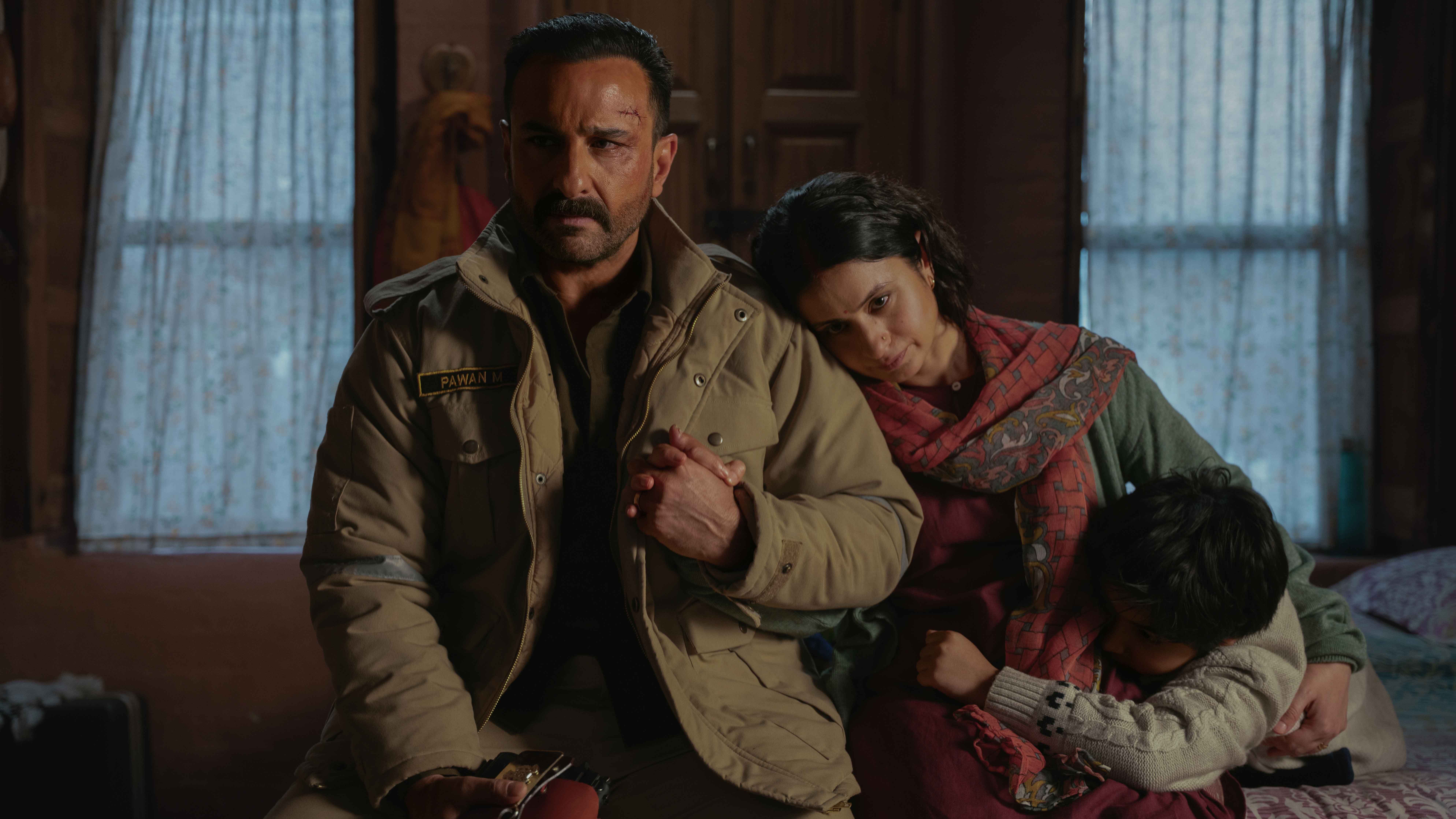
The men aren’t doing badly either. Saif Ali Khan led the way with Sacred Games, the first-ever show on Indian streaming back in 2018. Today, he balances his commercial film releases with streaming projects such as Kartavya, a cop drama that dropped on Netflix in May. Akshaye Khanna, a big draw of Drishyam 2 and the Dhurandhar movies, is the main lead alongside Sunny Deol in the forthcoming legal drama Ikka, which releases on Netflix this week. Viewers might tune in to see how Deol improves on his thundering lawyer from the film Damini (1993) and then stay to watch Khanna as an indefensible client.
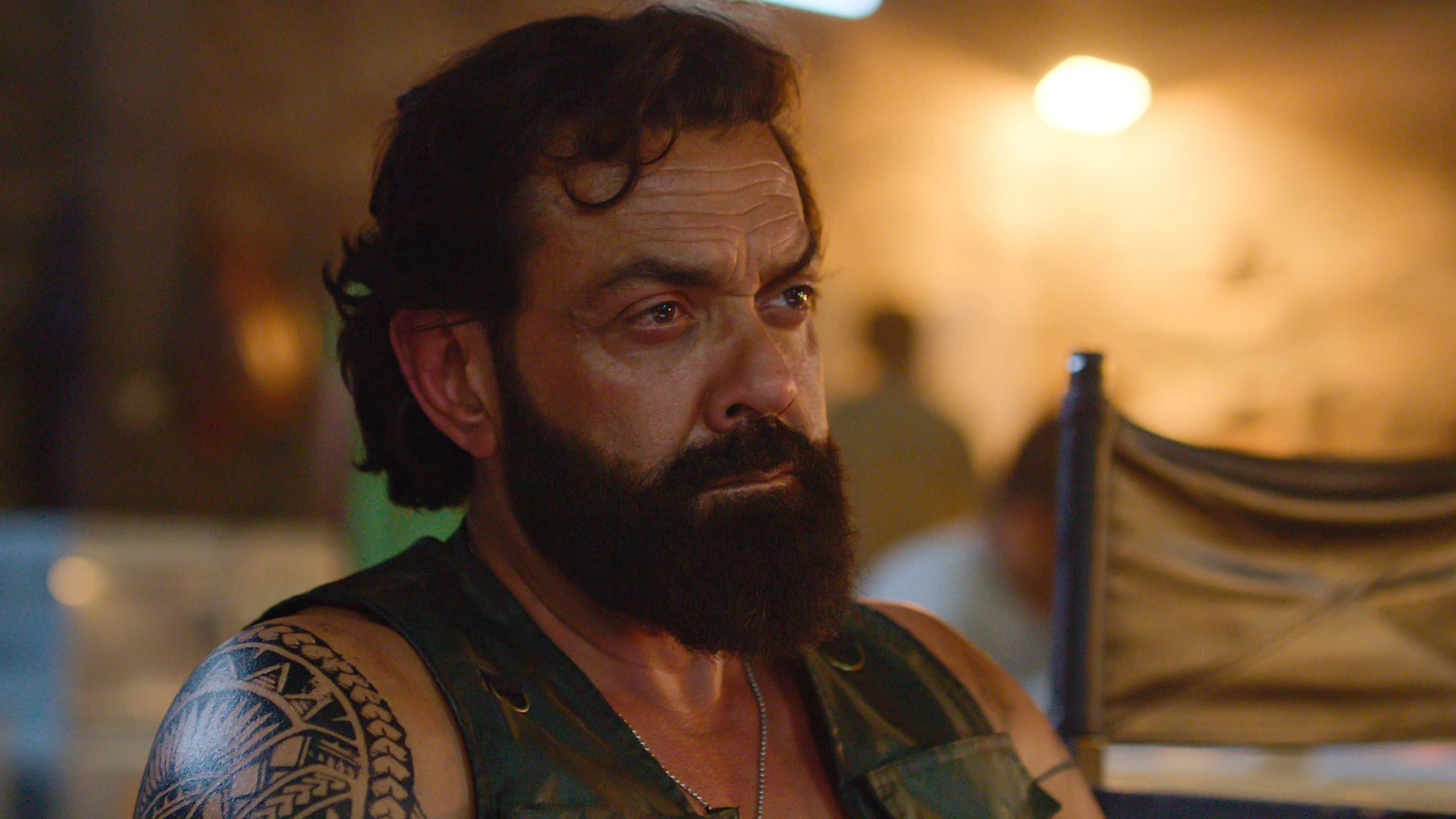
But the biggest flashback to Bollywood of the ’90s comes via Bobby Deol, who started his career in 1995 two years before Khanna and is seemingly everywhere now. Sunny Deol’s younger brother epitomises the old saying that yesterday’s cringe is today’s cool.
Lord Bobby has done a 360-degree pivot from his previous roles, for which he was often slammed as robotic, wooden, and worse. Starting with the web series Ashram in 2020, in which he was aptly cast as a charismatic but crooked godman, Deol has turned the memes about him on his head. He’s the soul of the show Ba***ds of Bollywood, in which he slyly plays a movie star with a big secret.
It might seem like a no-brainer to cast an older screen icon in a streaming project. In one fell swoop, you have rounded up that actor’s existing fan base as well as tapped into newly minted admirers. But Nandini Shrikent, the casting director of Ba***ds of Bollywood, points out that casting is a “long journey” that involves several factors beyond just tapping a big name. For Ba***ds of Bollywood, Shrikent gave creator-director Aryan Khan a few options before he picked Deol, who was “happening” thanks to the blockbuster Animal.
The heirloom talent that is thriving in the OTT universe has an advantage: creators who realise how to repackage stardom, who not only recognise the value these actors lend to a project but also know how to reorient this value.
Casting Juhi Chawla as a controversial fixer in the murder mystery Hush Hush (2022), Suniel Shetty as a benevolent don in the crime drama Dharavi Bank (2022), or Tabu as a soulful intelligence officer in Netflix’s spy drama Khufiya (2023) isn’t just about blindly mining nostalgia. By casting reputed actors against type, you give loyal fans something new to admire while also reminding younger viewers that their parents weren’t so wrong in their taste after all.
While it’s important to handle older stars carefully, it’s possible to not be blinded by their appeal, says director Suresh Triveni, who picked Anil Kapoor for Subedaar, which released on Prime Video in March, as well as Madhuri Dixit for Maa Behen. “There is still a certain legacy that these stars have lived up to,” Triveni says. “They know that they continue to be relevant. As makers, you have to do justice to them, but not beyond a certain point, such as cast them in a taboo role. I am a filmmaker, but I am also an admirer of their craft. There are certain things I want them to be seen in.”
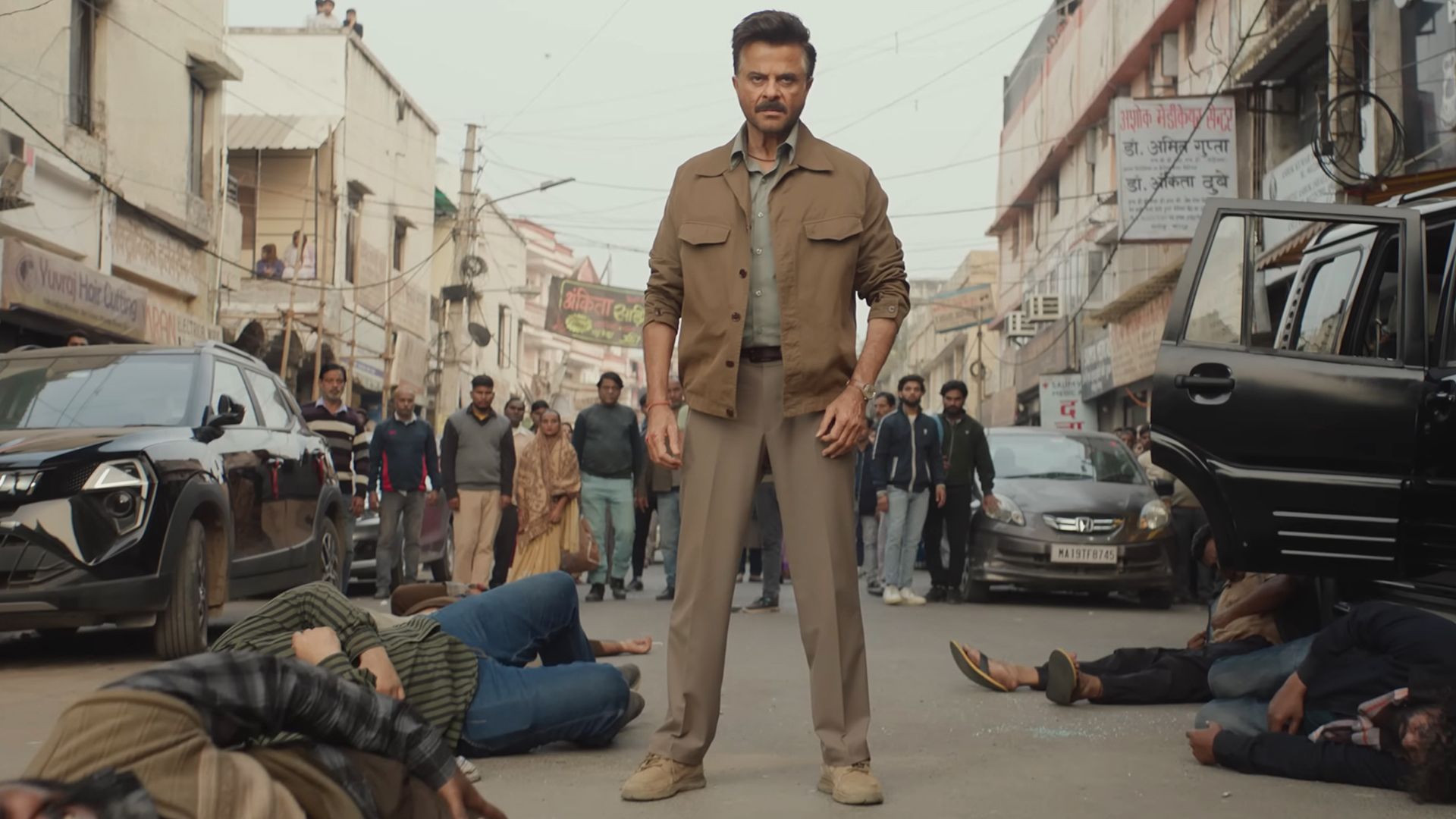
Triveni cites the example of Subedaar, in which Kapoor’s character, Arjun, is an ass-kicking vigilante. “I wanted to see Anil Sir in an action avatar after a really long time,” Triveni observes. “I have memories of him in Tezaab (1988) and Rakhwala (1989), and I felt that maybe he didn’t pursue that aspect too much in his career. I achieved this latent need with Subedaar. Similarly, with Madhuri Ma’am, it’s the humour that had always attracted me. She was making some bold choices of late, but there was a certain guarded approach. I felt she could go all out and shameless, which she did beautifully in Maa Behen.”
Several stars from the 1980s and 1990s climbed down from their peaks but never abandoned showbiz, turning up as contestants in reality shows, judges for TV programmes or even models for telemarketing commercials. Some of their kids are also in films and shows, which ensures that both generations benefit from the familiarity. A good example is Ananya Panday, daughter of Chunky Panday. “The current generation always has to live with the hangover of their parents,” Triveni adds, “If something is already seen as cool, it becomes even cooler.
For such actors, pivoting to meaty, risky roles is smoother. “A lot of casting decisions involve dipping into the old-school pool,” Shrikent says. “People are always interested in seeing what older actors are up to. Nostalgia and relatability ensure that big names from the past click with the people who grew up with their films as well as the current generation.” This month, a grey-haired Chunky Panday appears unrecognisable in Baby Do Die Do, where the comedic actor is seen playing a contract killer.
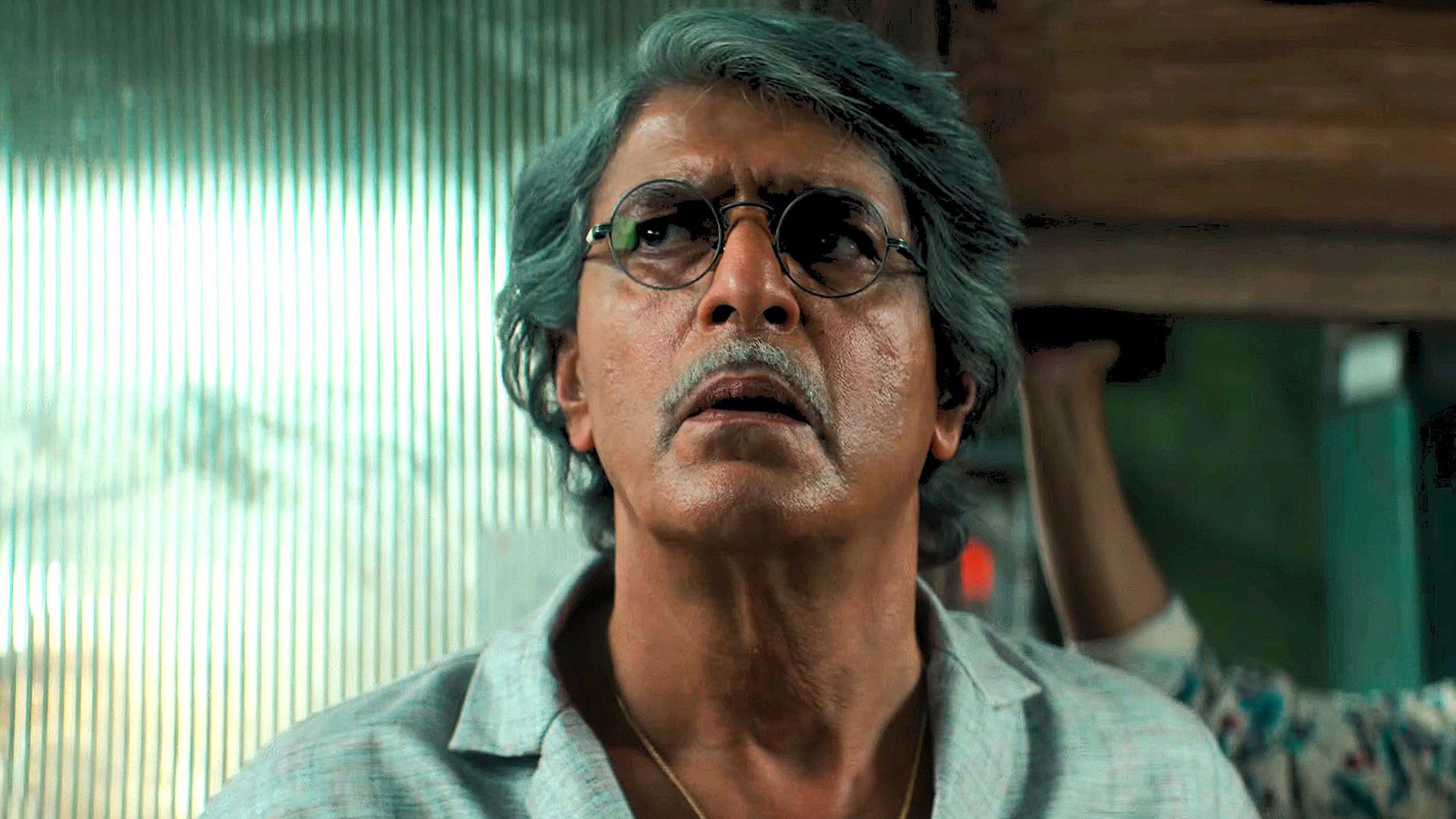
There are no written rules, Triveni points out. “From a pure brand perspective, shock value helps at times.” He names Bobby Deol as an example of someone who made a dazzling comeback in Prakash Jha’s Aashram (Prime Video), and Rajat Bedi, who made a well-received return in Ba***ds of Bollywood after years of being out of the spotlight.
Vintage shopping is never cheap, whether in fashion or in cinema. Some of the older actors can charge anywhere in the range of ₹1 crore to 10 crore, says another casting director on condition of anonymity.
TV especially has a bucket called “retro,” the casting director adds. Actors can splash about in this bucket until they get noticed for web series or straight-to-OTT films that need a saleable face, reasonable acting talent, and the heft that comes with legacy.
The situation is a positive spin on the iconic line from Christopher Nolan’s The Dark Knight (2008): “You either die a hero, or you live long enough to see yourself become the villain.” Older stars aren’t just very much alive; they’re also seeing themselves becoming heroes and heroines all over again.