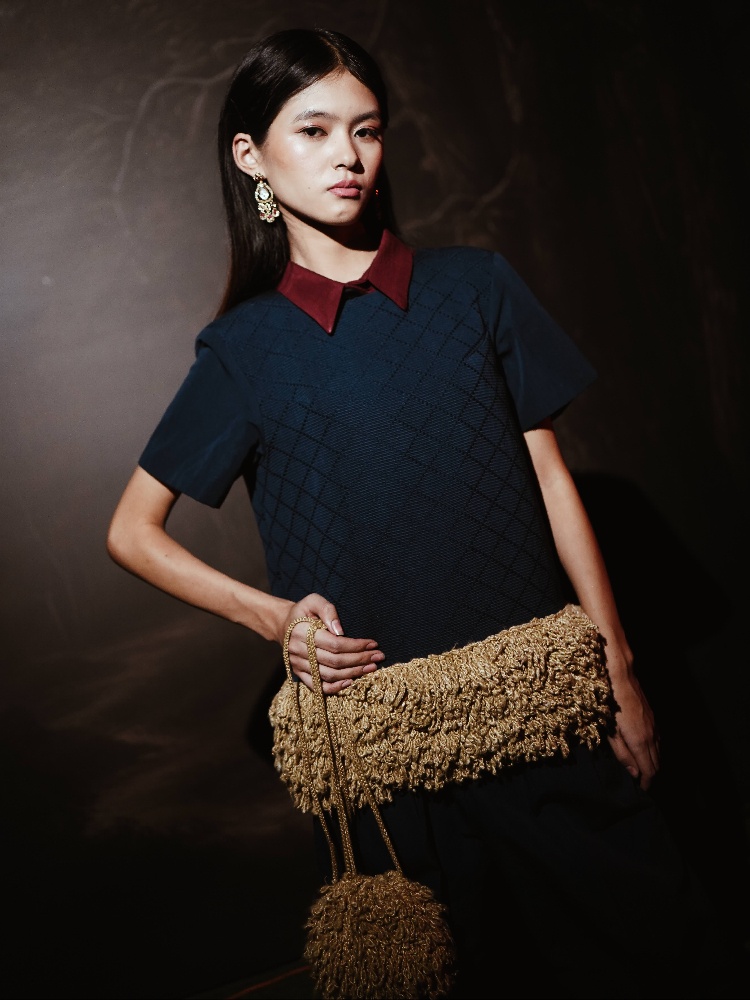





If I had a penny for every time someone called the fashion industry toxic, I’d be first in line, ready to splurge on Matthieu Blazy’s latest confections at Chanel. Yet, for all its vices, fashion occasionally reveals something far more compelling—its quieter virtues of community, purpose, and creativity. These are the facets that were highlighted during my first visit to Aizawl, Mizoram, and which renewed my faith in the industry.
India’s north-east states, as the broader fashion ecosystem has come to recognise, is home to a wealth of thrifting culture, individuals with a keen eye for style, and an emerging pool of creatives. But my case for Aizawl as a vital force in India’s fashion landscape rests elsewhere. It lies not in its aesthetic output alone but in the spirit with which fashion is practised here.
The industry’s toxicity often doubles as its own schadenfreude, a strange allure that keeps many of us tethered to it. But those who stay, who endure, often do so for fleeting but powerful moments of clarity: instances of pure, unfiltered love for fashion. It is these moments that sustain editors and writers, that reaffirm why we write at all.
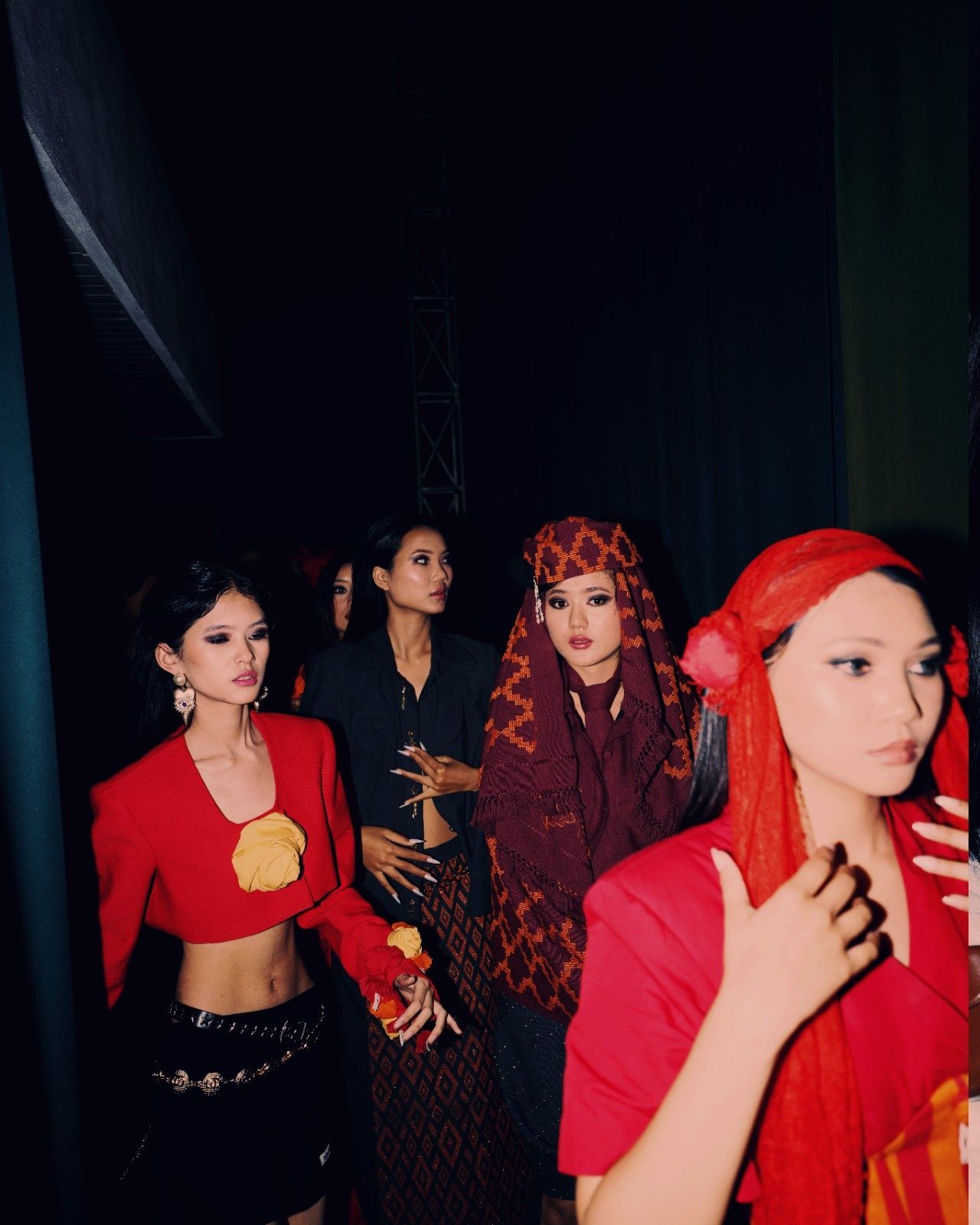
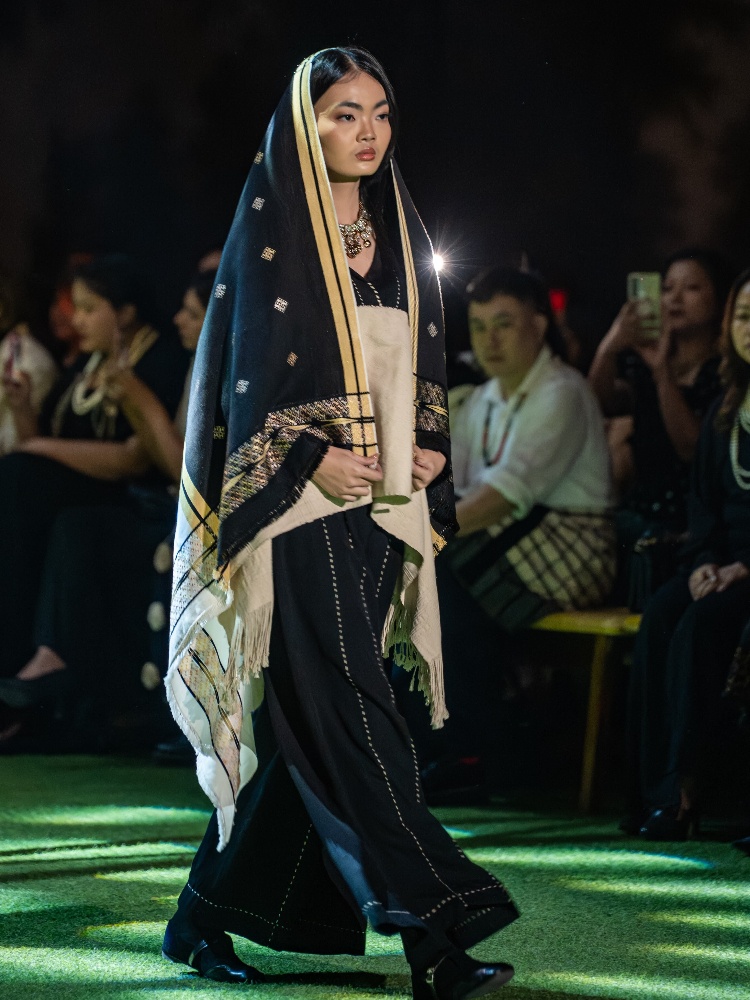
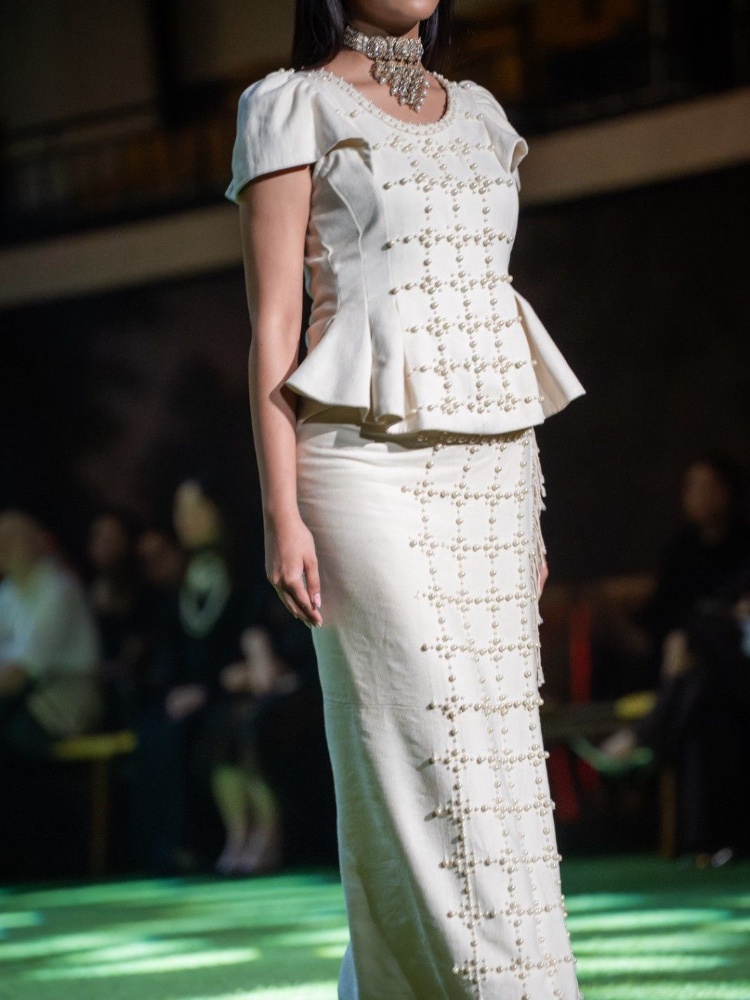
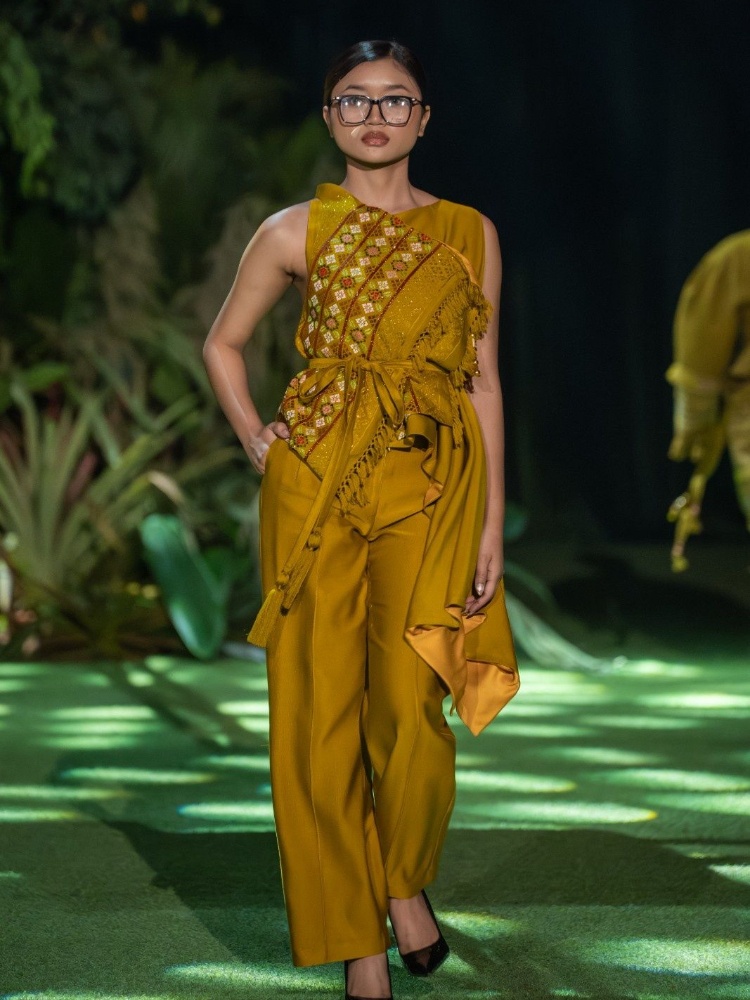
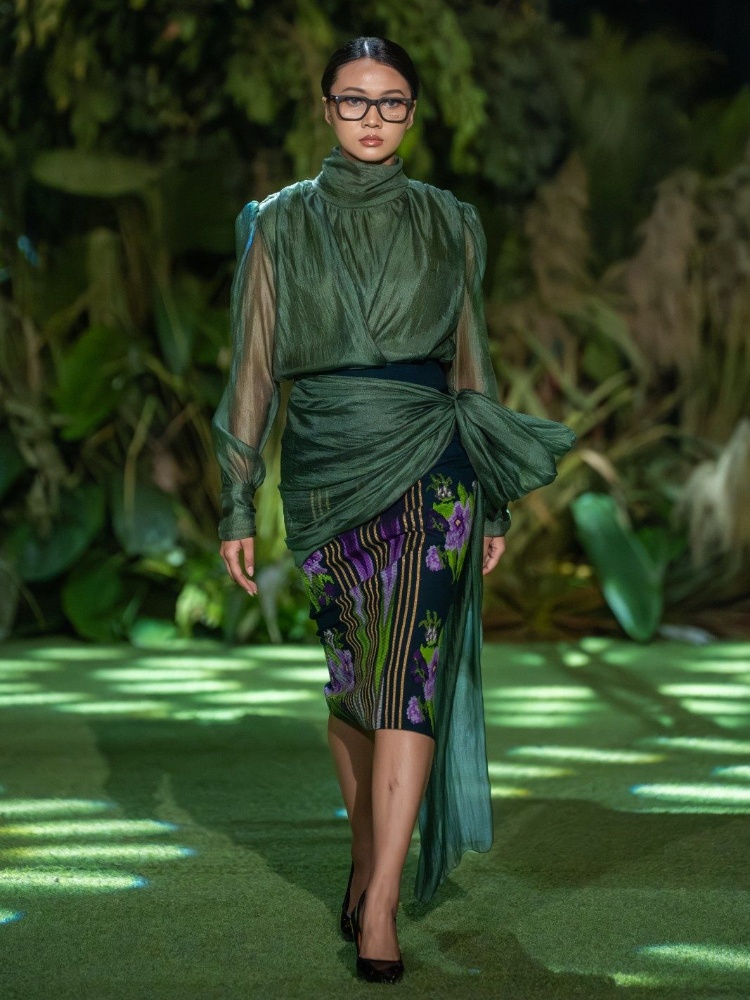
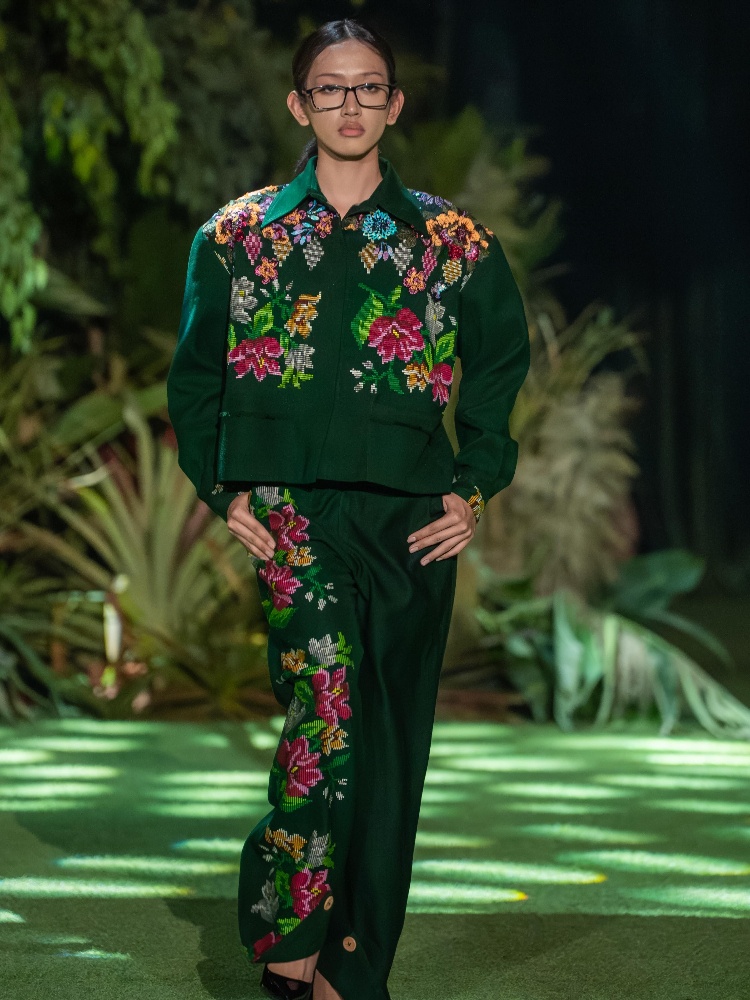
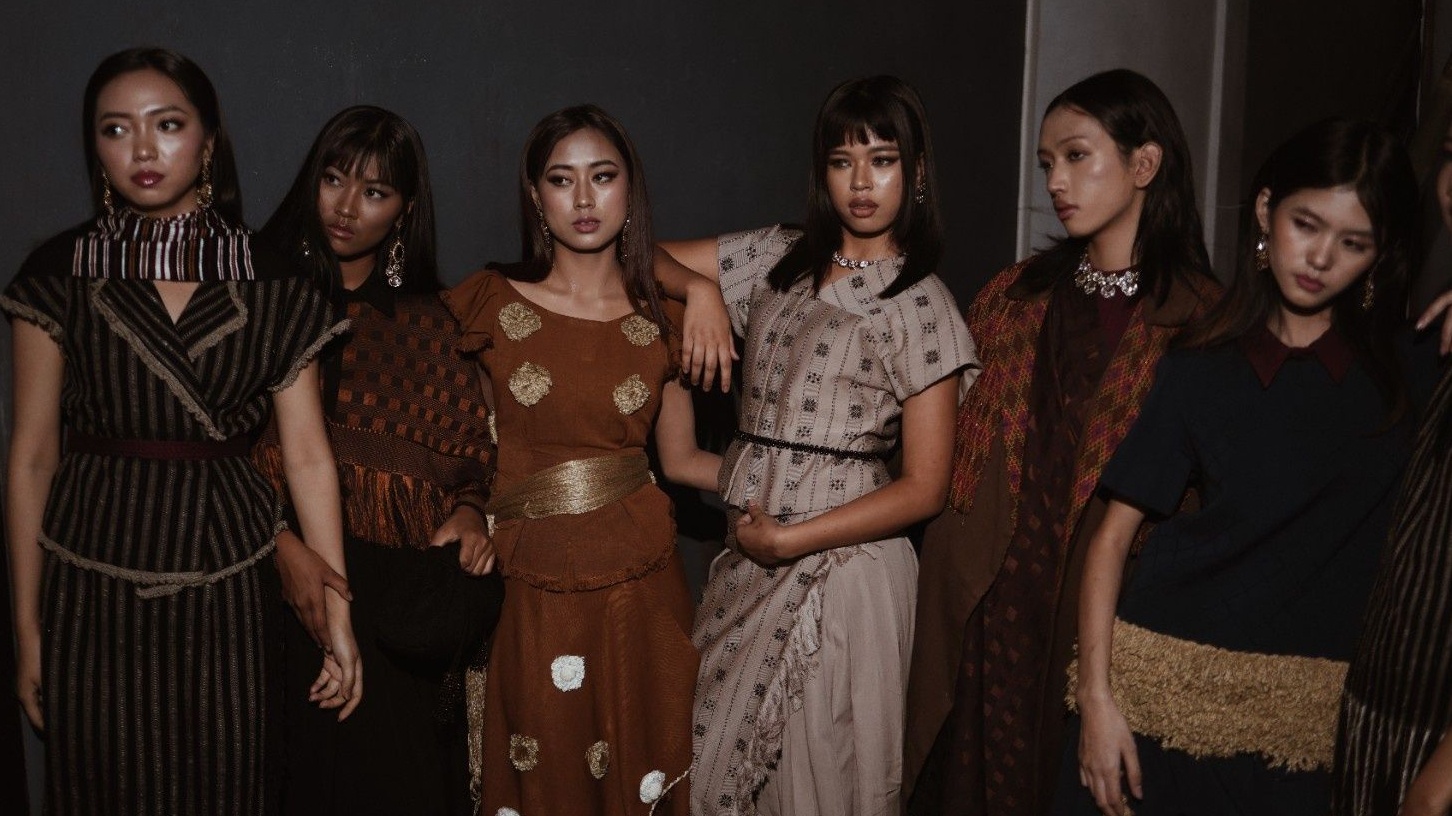
Earlier this month, creatives from the region came together under the Aizawl Design Project for a first-of-its-kind fashion show. The initiative is in its pilot phase and has ambitions of becoming an annual occurrence. The show space was anchored by a striking central installation, constructed from forest foliage foraged from around Aizawl. Curator Lal Moya and his team had spent hours collecting it, well into the early hours before the show.
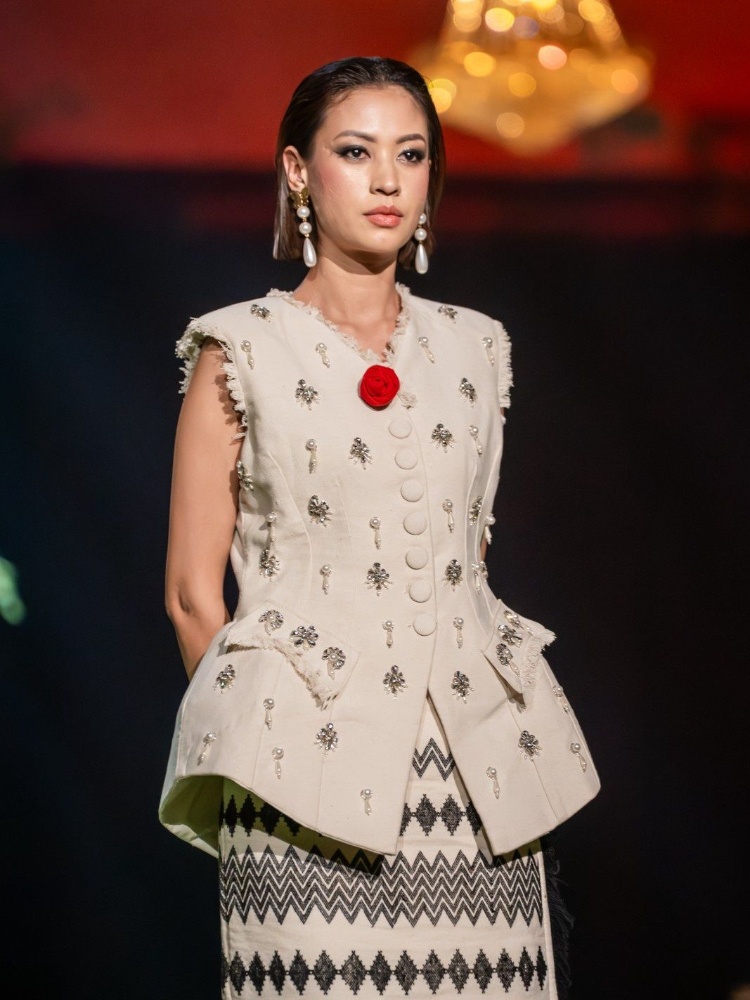
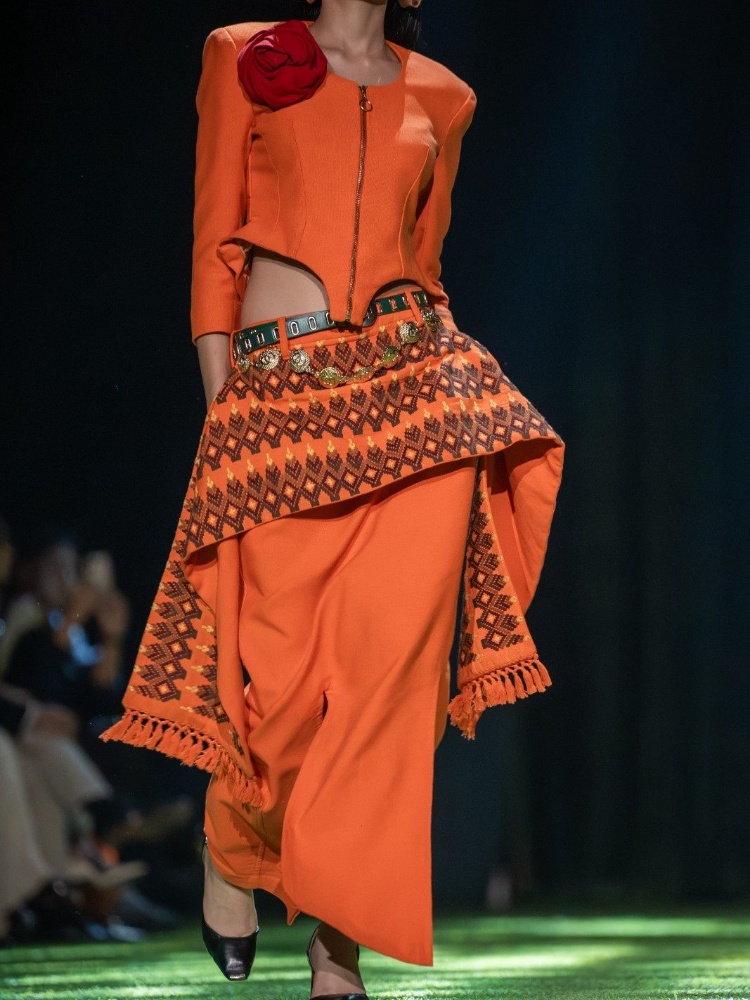
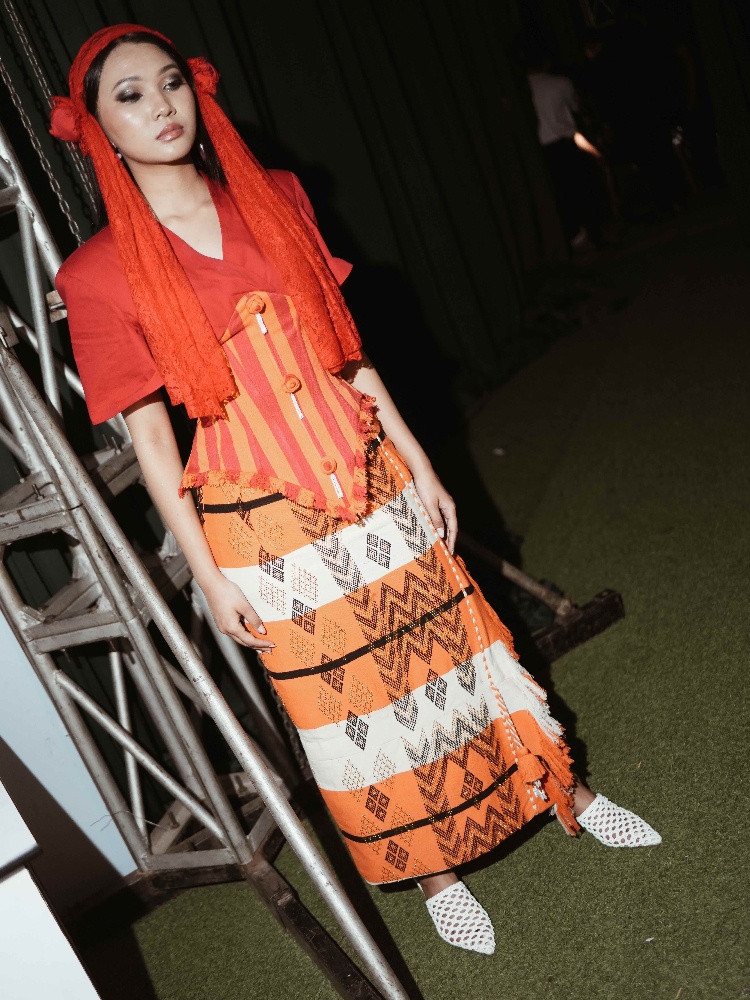
Patricia Zadeng of Lapâr sent out an array of silhouettes riffing on the traditional Mizo puan. Her forte is handloom manipulation, bringing reform to a buttery-soft canvas, a fabric that is too textured to tame and mould in its original form. With attention trained on appreciating the traditional techniques, you were suddenly greeted by bolder draping, vests, and light outer layers, like duster coats, that felt malleable and cosy. She addressed tradition with weaves and introduced a playfulness with silhouettes that carried girlish details—tassels, sleeves that ended well over the hands, and embellishments on the puan and its modern cousin, making each piece a product that possesses infinite possibilities.