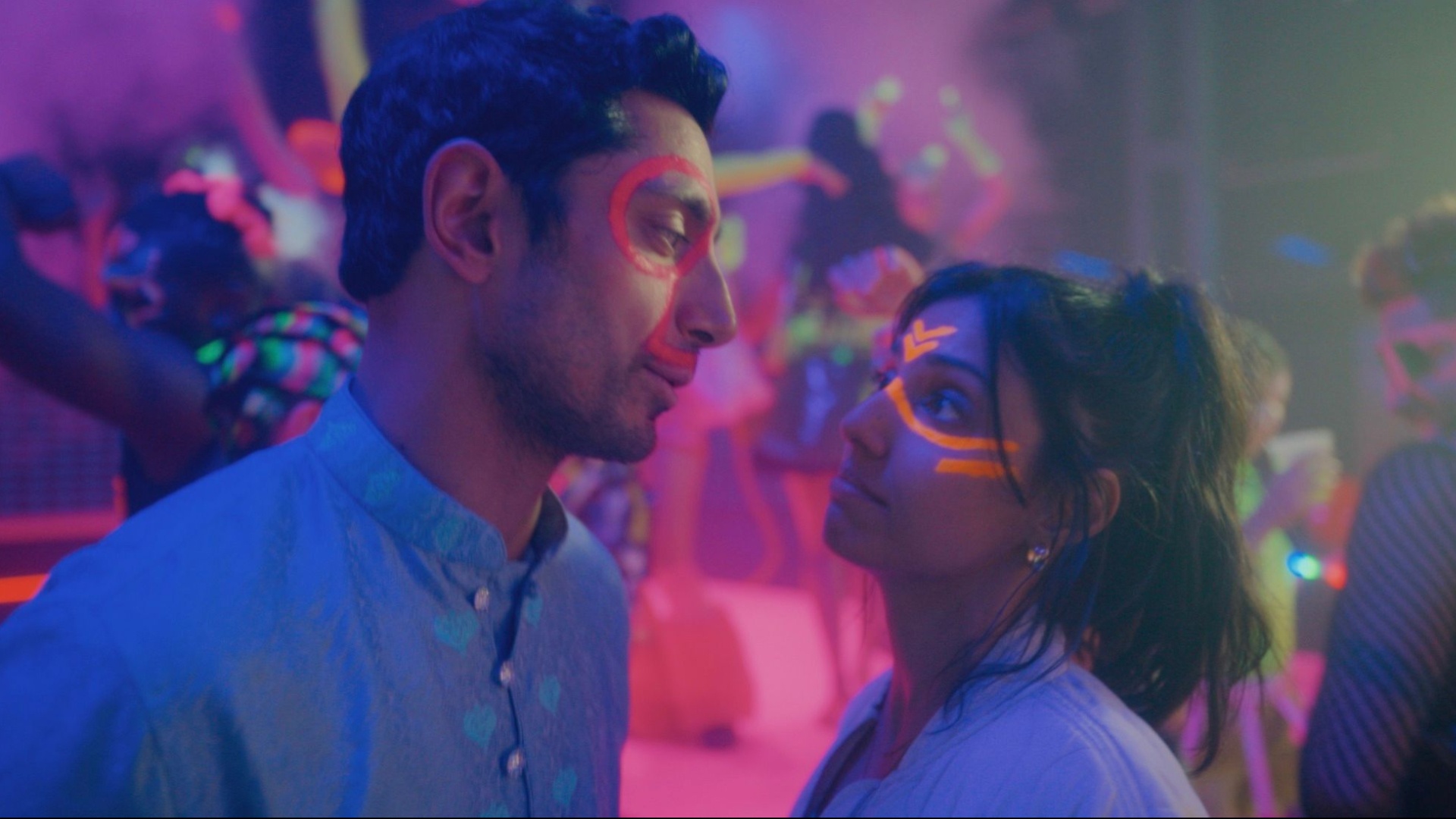
Not since Gurinder Chadha’s Bend It Like Beckham has a soundtrack so completely captured the essence of the world it is set in. Then, Bally Sagoo, Hans Raj Hans, and Nusrat Fateh Ali Khan sat next to Blondie, Basement Jaxx, and Curtis Mayfield on a boisterous compilation of licensed tracks.
Ahmed has called the Bait soundtrack a cultural landmark. “I don’t think an album like this has really been put together before, with such an incredible range of important artists from across the diaspora—from India, Pakistan...south Asia more broadly—as well as from the UK and the US,” he had said in a press statement. We submit that it is one more thing: An argument. That British south Asian culture has a sonic identity that is as complex, plural, and world-class as the best biryani our mamas can conjure. And with that Bait presents a shining example of a bold new era of soundtrack albums.
In its earliest incarnation, the soundtrack album was a souvenir. From Max Steiner’s lush orchestration for Gone with the Wind to Bernard Herrmann’s shrieking strings for Psycho, the “soundtrack” was simply the score, and those who wanted to relive the experience could spring for the vinyl.
The idea of music that engaged with narrative on its own terms perhaps did not fully arrive—notwithstanding Prince’s Batman—until Quentin Tarantino cut a deal to license ’70s-era pop group Stealers Wheel’s ‘Stuck in the Middle with You’ for Reservoir Dogs. That was 1992, also the year that Whitney Houston would win a Grammy for The Bodyguard.
Then, soundtracks became the culture. Filmmakers like Richard Curtis and Baz Luhrmann understood its potency immediately, while Tarantino would transform it into a signature. (Would Pulp Fiction be the same without its surf rock anchors?) Careers as “music supervisors” were built. Liz Gallacher, among UK’s busiest music consultants, now living in LA, assisted Richard Curtis on Notting Hill and later compiled a very 2000s, very British-club-scene-inspired soundtrack for Bend It Like Beckham. Karyn Rachtman came to be known for the aural signature of films like Clueless and Romeo+Juliet. Kirsten Lane, who also helped build the worlds of Notting Hill and About a Boy (even if uncredited, according to IMDB), continues to operate in this space, last helming the rave-like 2000s-era soundtrack for Saltburn. Musicians at the top of their game entered the studio: Trent Reznor and Atticus Ross of Nine Inch Nails on The Social Network; Jay Z on Baz Luhrmann’s The Great Gatsby; Daft Punk on Tron: Legacy; Kendrick Lamar on Black Panther.
In the 2010s, the soundtrack became a time capsule—once Peter Quill appeared wearing a Walkman, playing 'Guardians of The Galaxy: Awesome Mixtape Vol 1', the whole MCU, DC, and a whole generation of TV series followed suit, minting the moment of weaponised nostalgia. But the shift happened, arguably, with prestige TV where, in the 2010s, with a new generation of showrunners who thought about music with the same obsessive intentionality as Tarantino—but with eight episodes and no ad breaks to do it in. Ramin Djawadi might’ve become an overnight star with his compositions for Game of Thrones, but there were others that sit like earworms: Stranger Things’ retro-pop, Atlanta’s indie hip hop (due, in no small part, to Donald Glover), Peaky Blinders’ alt-rock aesthetic, The Bear’s archival Chicago rock tribute, Derry Girls’ 1990s throwback with generous representation for Irish indie girl pop (The Cranberries, Enya, The Corrs… the list goes on). Whether to elicit a place, a time or a mood, the soundtrack album stands reinvigorated.
So now, you have club-pop diva Charli XCX going full grunge for the soundtrack of Emerald Fennell’s Wuthering Heights to evoke the metallic, dark, sickening nature of the friction that true love can cause. Ollie White and composer Nathan Micay built an icy, robotic score and soundtrack for HBO’s Industry to “make the trading floor sound like a dance floor”. The pure emotional truth of hidden yearning in Heated Rivalry, channelled through an iconic soundtrack assembled by show creator Jacob Tierney and music supervisor Scotty Taylor, featuring Wolf Parade, Feist, Wet Leg, t.A.T.u. and many more, is now in the world in the form of vinyl and CDs.
Which brings us back to Riz Ahmed, standing at the intersection of all these strands. Sure, there’s a certain thrill to unexpectedly hearing Peter Cat Recording Co.’s ‘Memory Box’ on the title tracks of an episode of Hacks, or Prateek Kuhad’s ‘cold/mess’ in a poignant scene in Ted Lasso, when Keeley and Roy are confessing their feelings to each other, and you can’t help but rejoice that such global comedy phenomena are platforming south Asian musicians.
But Bait is different: it is using the soundtrack album as a manifesto for a community.
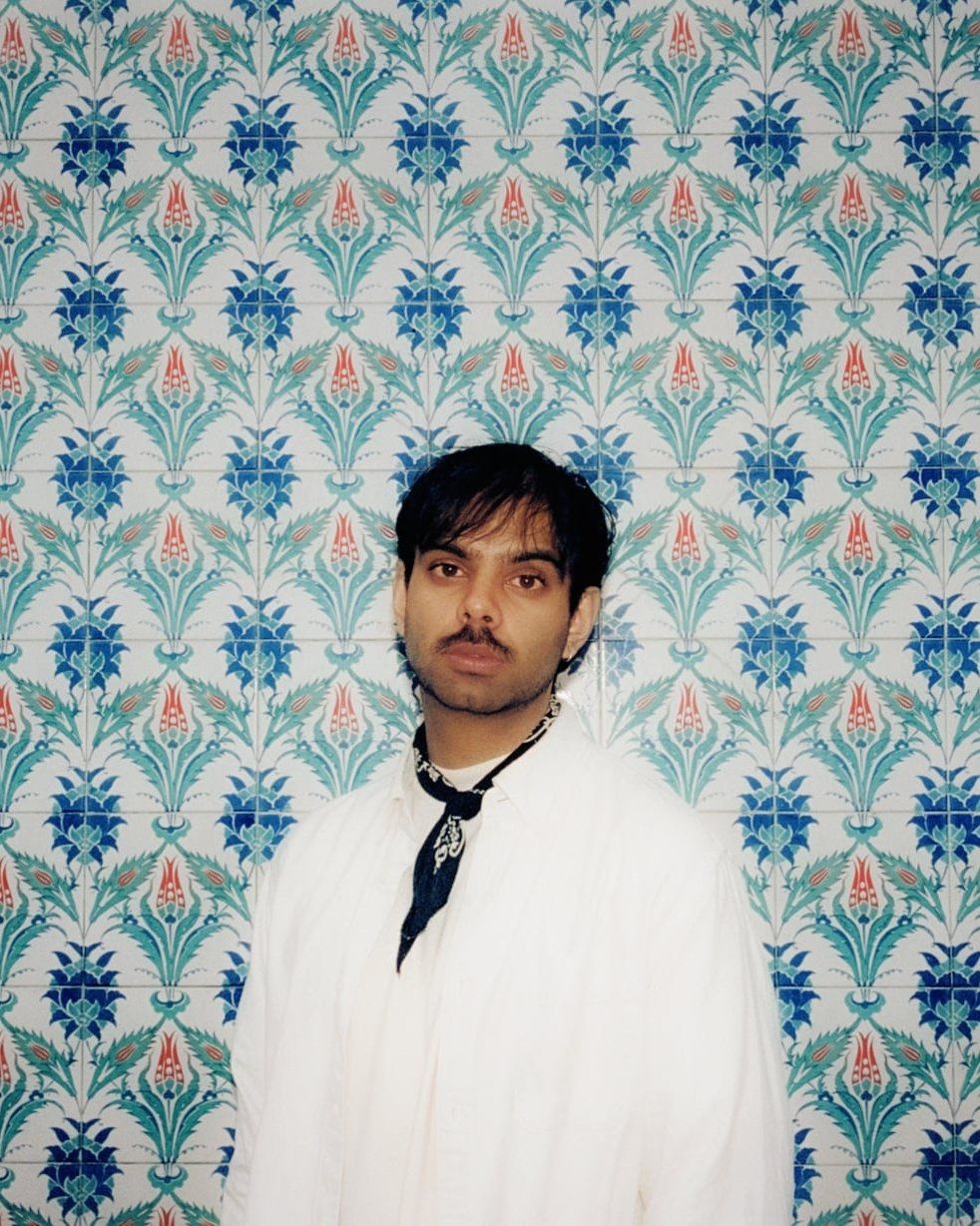
Ahmed has said he hopes the album helps “consolidate and celebrate” the global desi music scene “as it kicks up a gear and matures into a global force”. Between now and April 16, when the rest of the extended soundtrack, featuring AJ Tracey, ENNY, Casisdead, rapper KR$NA, Talwiinder, and Riz Ahmed himself, drops, there’s plenty of time to gain that momentum.
The casting of the soundtrack is clearly not random. It is a deliberate cartography of what British south Asian music actually sounds like in 2026: genre-fluid, generation-spanning, and entirely unbeholden to any single mainstream narrative about what popular music should be. By not simply regurgitating the last two centuries of music, and instead choosing music that is authored, intentional, politically aware, it is a parallel creative act. This is the Soundtrack Album 2.0 and it has something to say.