




“Hot water is a big thing, because it is timed,” says Sana Tanveer, who traded an airy bedroom in Chennai for a shared hostel room in Goa. She isn’t filing a plumbing complaint. She’s explaining why her skin has spent the better part of a semester in open revolt.
Every September, TikTok turns into one long move-in Reel—shelfies of skincare fridges, colour-coded storage caddies and “what’s in my hostel bag” hauls. What it rarely shows is the aftermath that follows when the buzz dies down: the fridge is unplugged, the caddy is buried under textbooks, and a face that used to behave suddenly doesn’t.
“My skin has become noticeably duller,” says Nandana Francis, who grew up between Kerala and Delhi before starting college in Pune. She traces it to the sheer lack of time—and to a hostel perched on a hill, where sun exposure “gets worse” and the tanning is “horrible”. The change, she says, showed up within a month. Dark circles deepened, under-eyes sank, and her skin, plagued by exam-season stress, looked in “desperate need of proper, good rest, and nutrition”.
Saloni Dave clocked something similar, if for different reasons. Moving from Madhya Pradesh to a hostel in Chennai meant trading a dry climate for punishing heat and humidity—and within weeks she started experiencing oilier skin, new breakouts, and persistent dullness. “I think all of these things together affected my skin,” she says of the pile-up: new weather and food, disrupted sleep, and a cohesive skincare routine reduced to slapping on whatever fits within the chaotic 90-second window before rushing to a morning lecture.
99 skin problems and being in a hostel is causing all of them
“Moving into a hostel can expose the skin to a different climate: water, bedding, bathroom, more dust or pollution, and sometimes even laundry detergents,” says Dr Mikki Singh, dermatologist and founder of Bodycraft Clinics. Irregular sleep, skipped meals, greasy, processed takeaways, and insufficient sleep don’t help, she notes, and “can impair the skin barrier and increase inflammatory signalling”.
Dr Geoffrey Vaz, dermatologist and founder of Maven Aesthetics, agrees the real issue is the pile-up rather than a single culprit: “Moving into a dorm or hostel usually means several changes happening at the same time, which makes it difficult to attribute a sudden breakout to a single factor.”
One of the biggest culprits, although one rarely named, is cortisol—the stress hormone that spikes during homesickness, deadline panic, and the general disorientation of learning to function as an adult with a meal card. This stress response then increases sebum production. In other words: the emotional chaos of freshers’ week isn’t just in your head, it manifests in your face too. “During prolonged stress, the body releases hormones, including cortisol. Stress can influence and increase sebaceous-gland activity,” says Dr Singh. Although, crucially, it “does not magically create acne in someone who has no tendency toward acne”; it just aggravates an existing one.
It tracks. Francis’s skin dipped hardest around her mid-terms. Dave’s breakouts, concentrated on her forehead and cheeks, “became more frequent” during exams and other stressful periods.
Both dermatologists point to a behavioural layer, too—under stress, people touch and pick at their skin more, sleep less, and abandon their routines, which compounds the hormonal effect until cause and symptom become genuinely hard to separate.
Is your roomie’s skincare routine, or lack thereof, getting to you?
Then there’s the setting itself. Communal living has its own catalogue of skin culprits, and—reassuringly—it isn’t the shower tiles. “People often focus excessively on the shower water and forget the things that are actually touching their face every day,” says Dr Singh, pointing to pillowcases, which accumulate sweat, sebum, and product residue (a satin or silk case is gentler), and to hair products—oils and styling creams transferring onto the forehead, temples, and cheeks. Dr Vaz makes the same case for towels: never share them, since certain skin infections can spread through contaminated personal items.
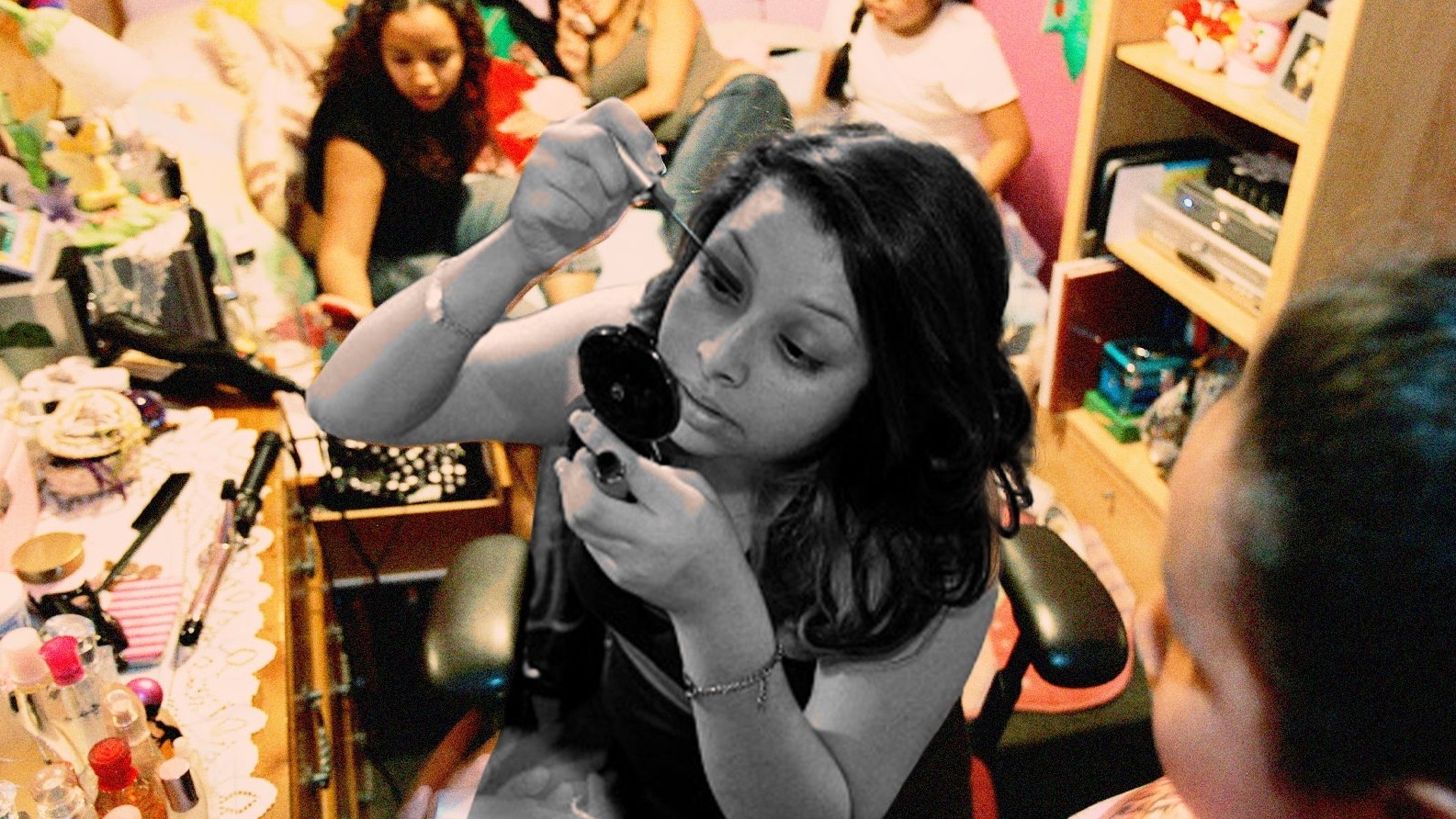
For Tanveer, the communal factor runs deeper than hygiene. Living with a roommate, she says, changes “how much personal care I can do”, because a full routine performed in front of someone you barely know requires “a lot of balance”. What used to be unhurried becomes soap, shampoo, conditioner and whatever survives the walk to a shared bathroom, one with a hard-water supply that’s “creating buildup” in her hair.
So, did the chicken come first or the egg?
How do you tell a stress breakout from a product reaction, or a climate one? Both dermatologists say: look at the timeline. “If the breakout began shortly after introducing a new cleanser, moisturiser, sunscreen, makeup or hair product, the product becomes a strong suspect,” says Dr Singh, noting that burning, itching, redness, and tightness point to irritation rather than straightforward acne. Dr Vaz agrees—don’t change five things at once. Either way, the fix is to simplify rather than add: strip back to a basic routine and observe for a couple of weeks.
None of this requires a 10-step routine or a dorm-room lab. Cleanse gently, twice a day at most and after heavy sweating. Choose a non-comedogenic moisturiser and a broad-spectrum SPF 30+. Keep hands off the face, change pillowcases regularly, use your own towel. And protect your sleep, Dr Singh adds, calling it “probably the most underrated ‘skincare product’ for a student.” If a breakout is persistent, painful or scarring, see a dermatologist rather than self-diagnose from a comments section.
None of it makes the hot water schedule any less annoying, or the roommate any less present. But at least you know the mutiny has a cause—and, eventually, an end date. Congrats on your graduation in advance?