



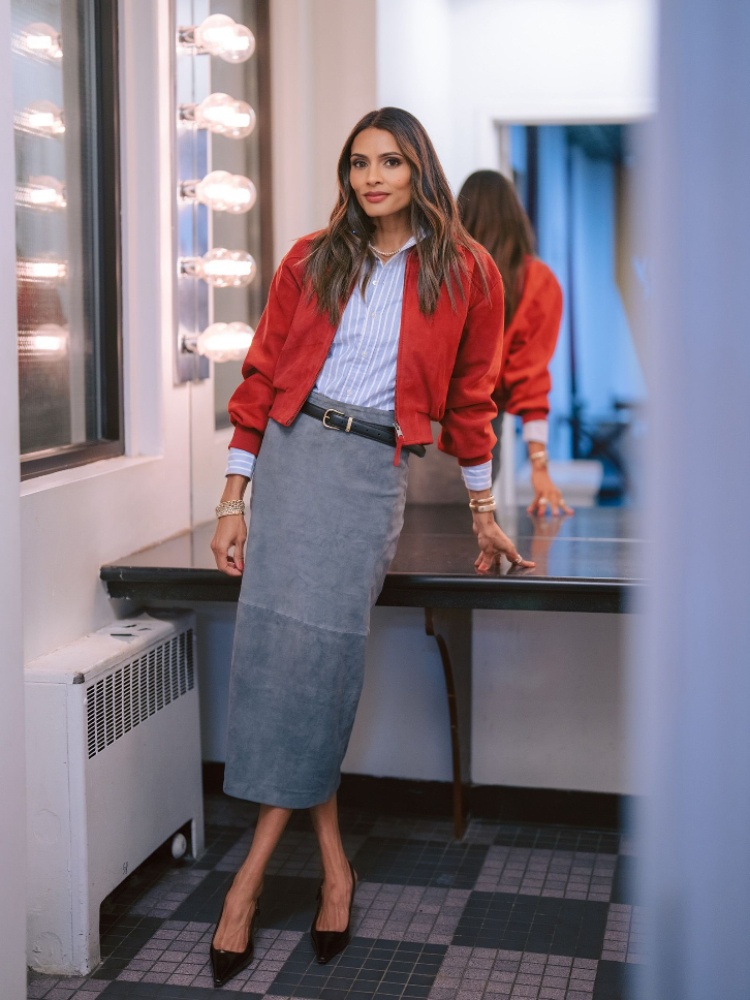

The first time Divya Mathur and I met in person, we closed out the restaurant chatting over dinner. The chief merchandising officer and fashion director of Revolve, the online fashion platform that reported $1.05 billion in net sales in 2025, was in Mumbai for Lakmé Fashion Week x FDCI and had spent a few days immersed in the Indian fashion landscape.
While this was the first time I met Mathur, I’ve been following her on social media for a while, watching her travel to fashion weeks and showrooms around the world and distilling down collections to looks that will appeal to Revolve’s largely millennial and Gen Z consumer base. Alongside, she also parents two boys, aged seven and nine, all with a strong sartorial flair.
“I oversee what we bring onto the site—from emerging designers to established brands—as well as how we position trends, build our brand matrix, and translate what’s happening culturally into something our customer connects with. A big part of my job is identifying what’s next before it’s obvious, whether that’s a silhouette, a brand, or even a shift in how women want to dress or spend their time.”
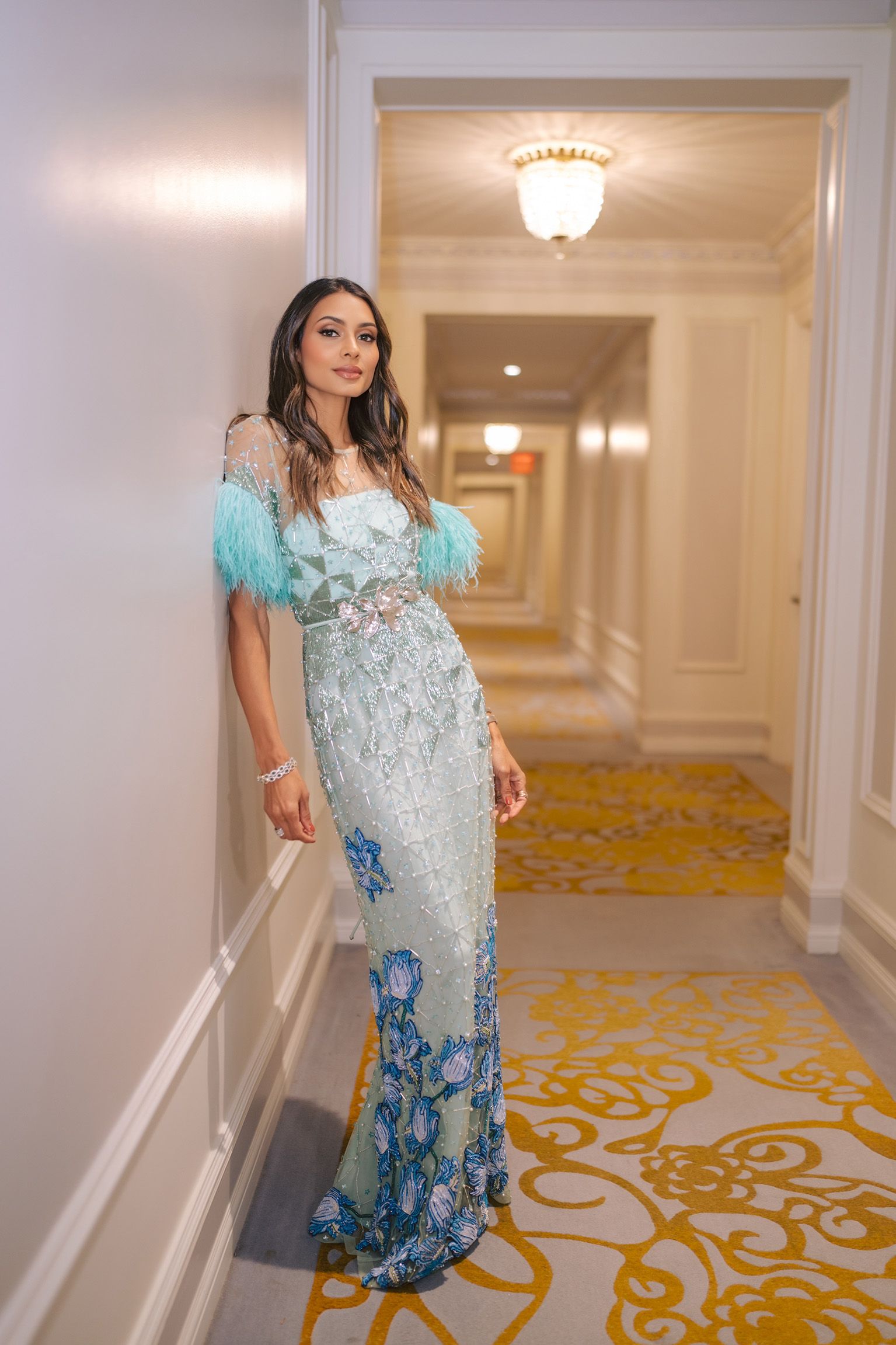
Silicon Valley to street style
Fashion wasn’t an obvious choice for Mathur, who grew up in Silicon Valley (“arguably the last place you’d expect to find a budding fashionista”) with a former Apple-exec-turned-tech-founder father and venture capitalist mother. She studied Economics and Business at the University of California, Berkeley, before moving to New York, where she would spend two decades at retailers like Saks Fifth Avenue and Intermix. Last year, she moved back to the Bay Area. “There’s something incredibly exciting about spotting a designer early, believing in them, and then watching them become part of the global fashion conversation. I also love shaping how millions of women experience fashion,” she says.
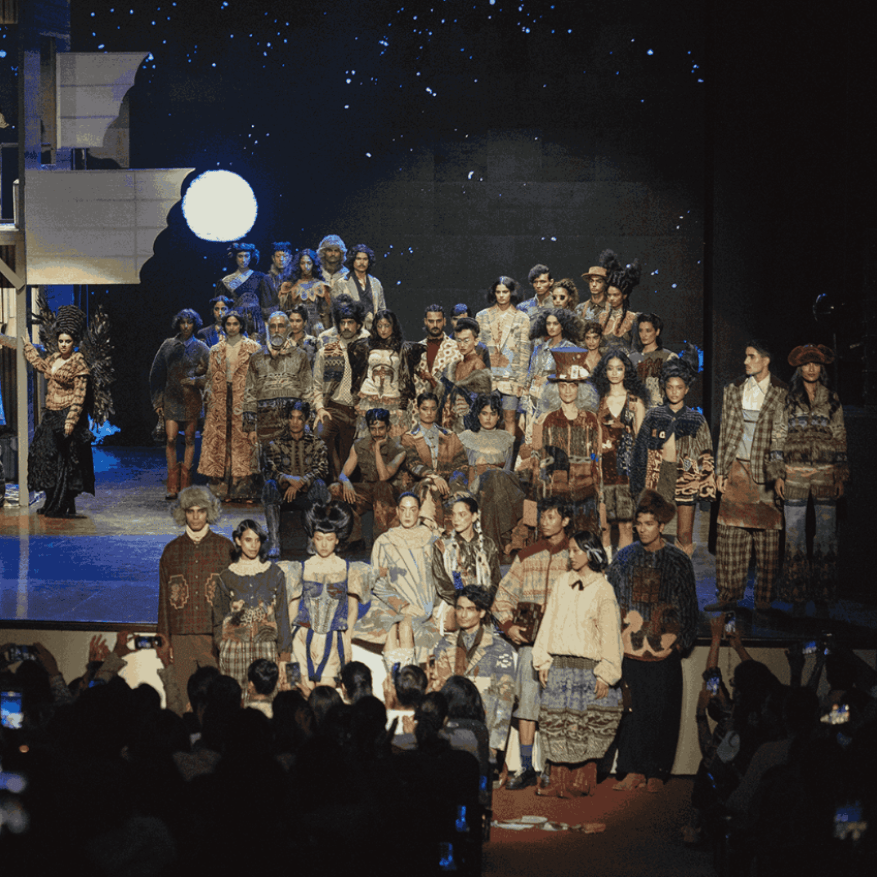
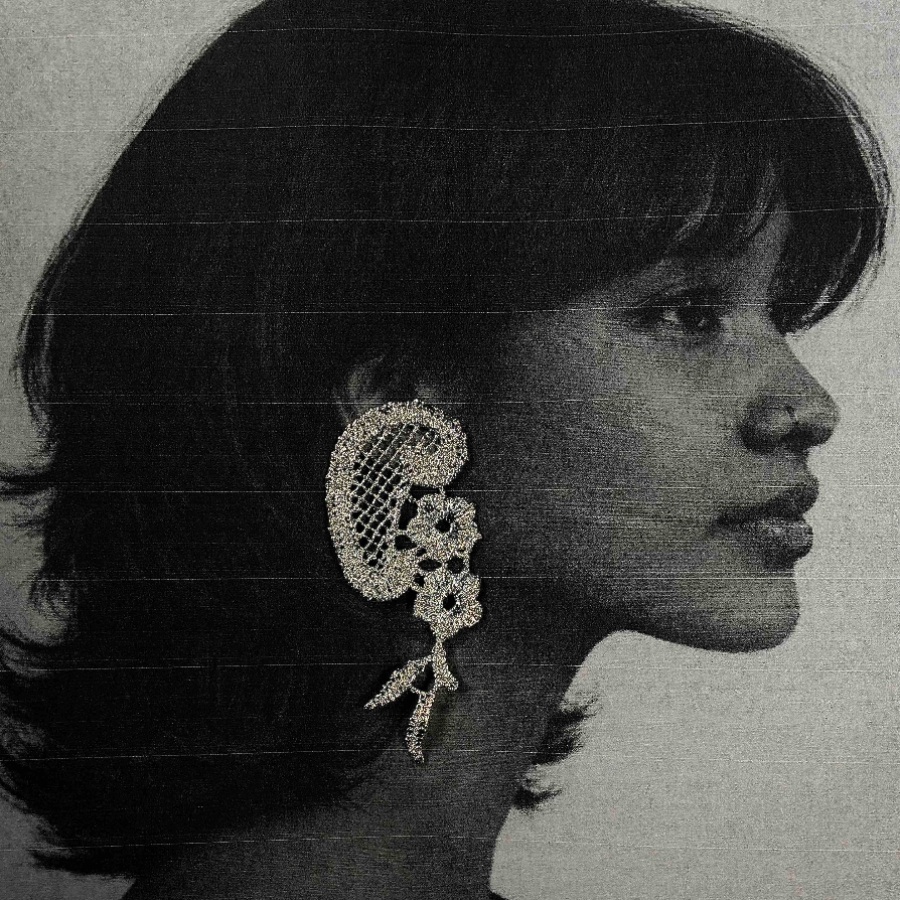
It’s why she loved her time in India. Mathur firmly believes that her customers are craving newness, and creativity is no longer centred on just a few capitals. “There’s a new generation of designers blending heritage techniques with a distinctly global, modern point of view. It doesn’t feel ‘traditional’ in the expected sense—it feels directional. I saw extraordinary craftsmanship in textiles but also a real confidence in silhouette and styling that felt very current.” On Instagram she picks Kartik Research, péro, Amit Aggarwal and AKOK by Anamika Khanna as some of her highlights from the week.
Addition, subtraction
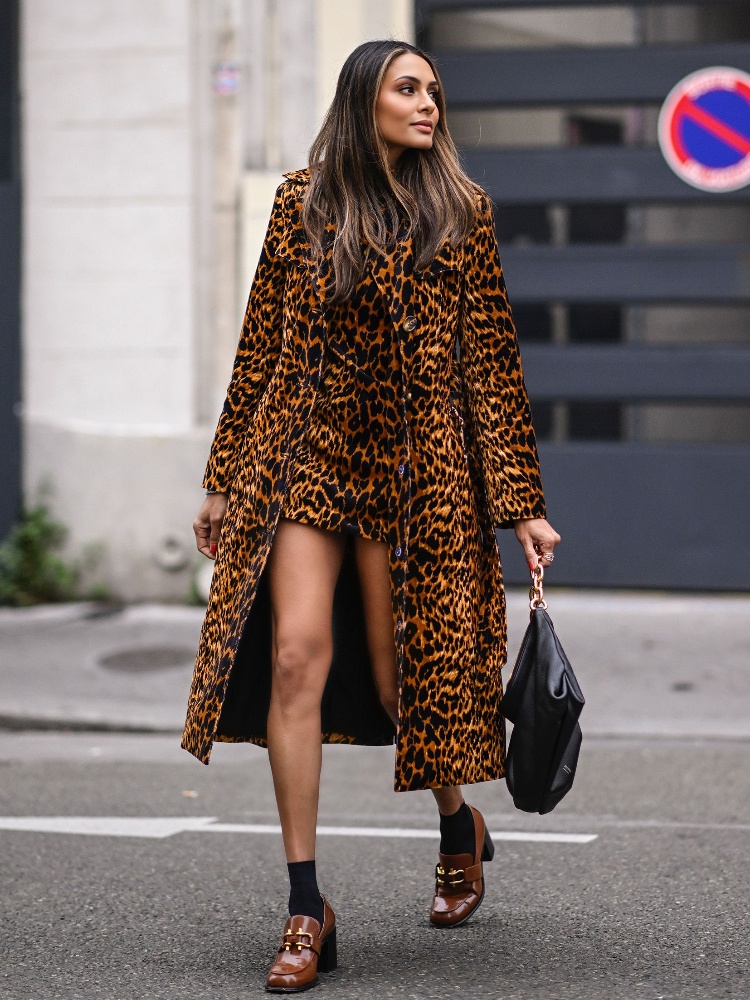
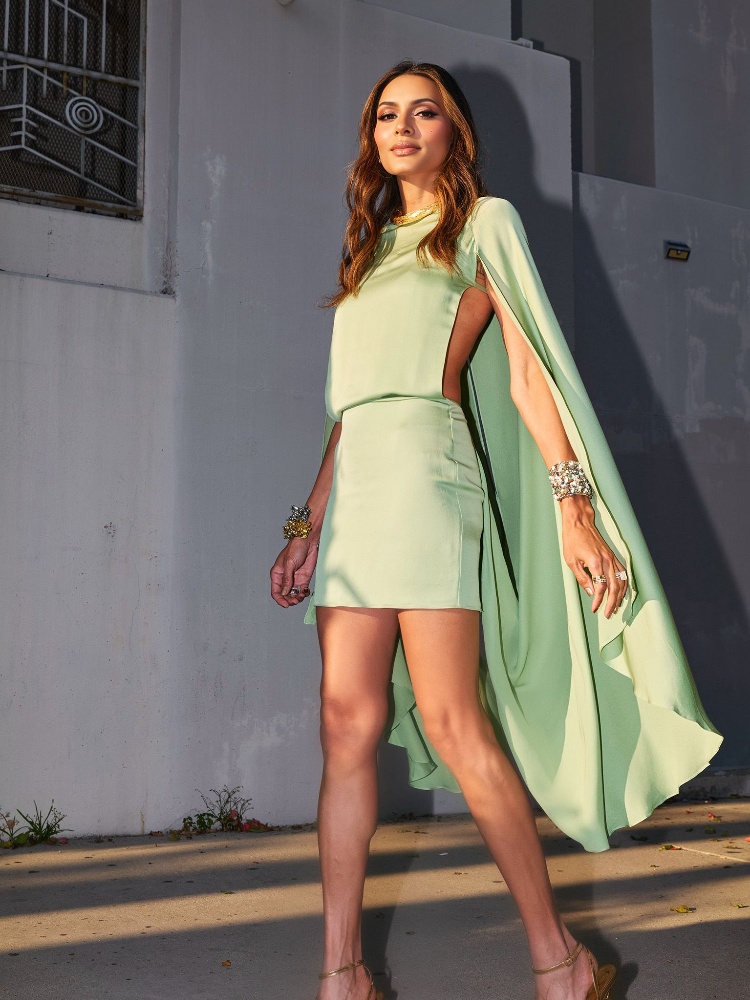
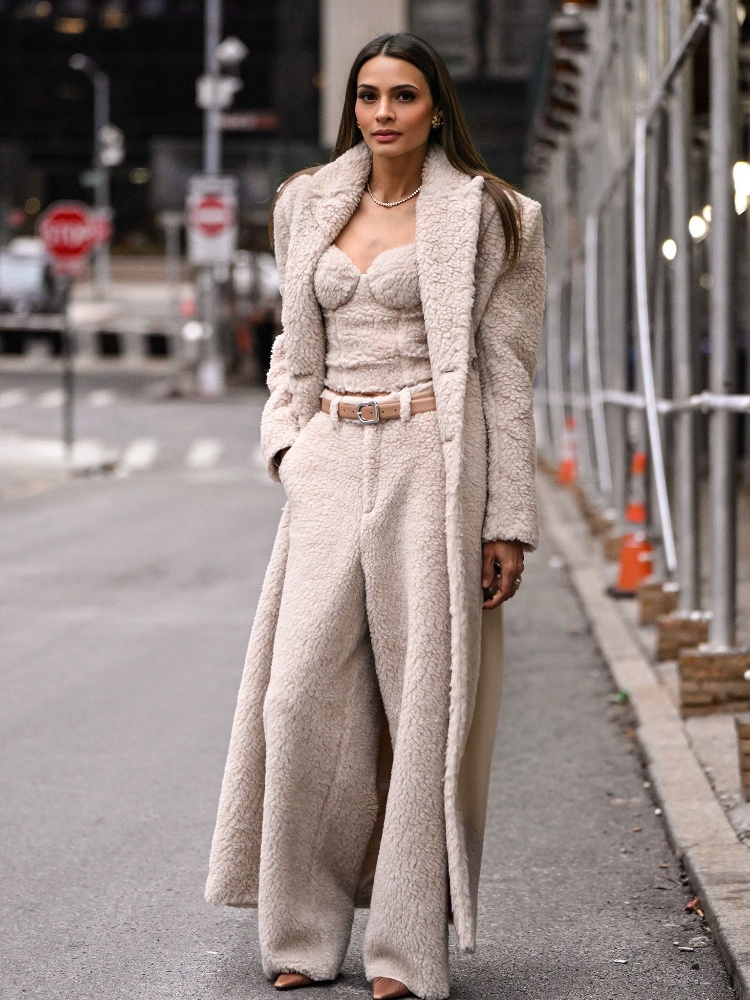
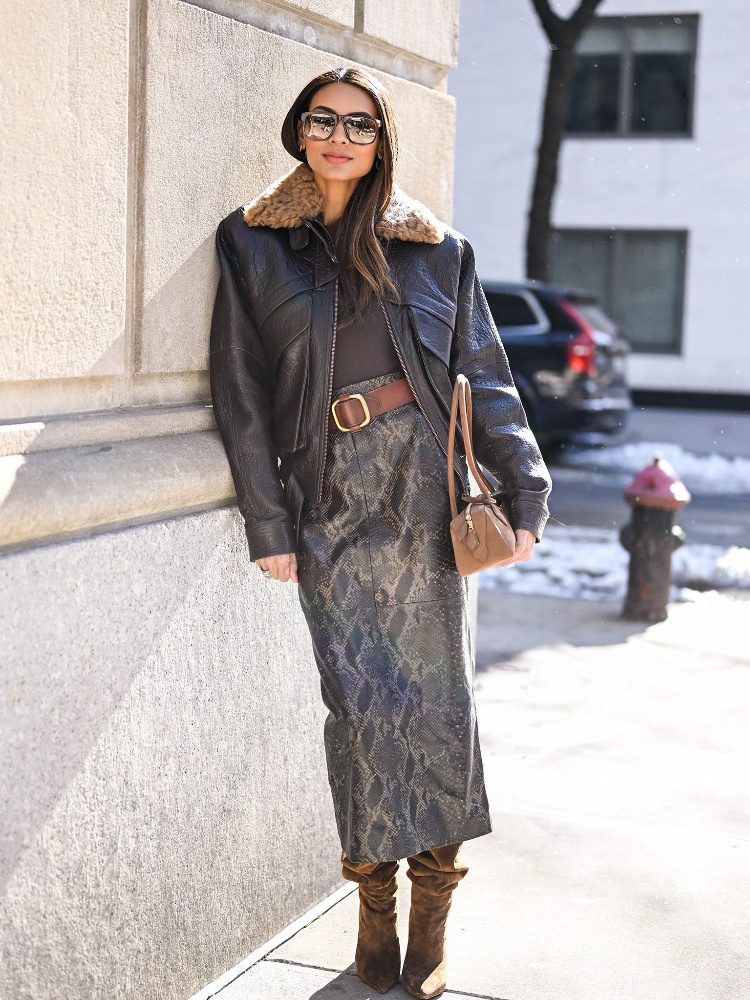
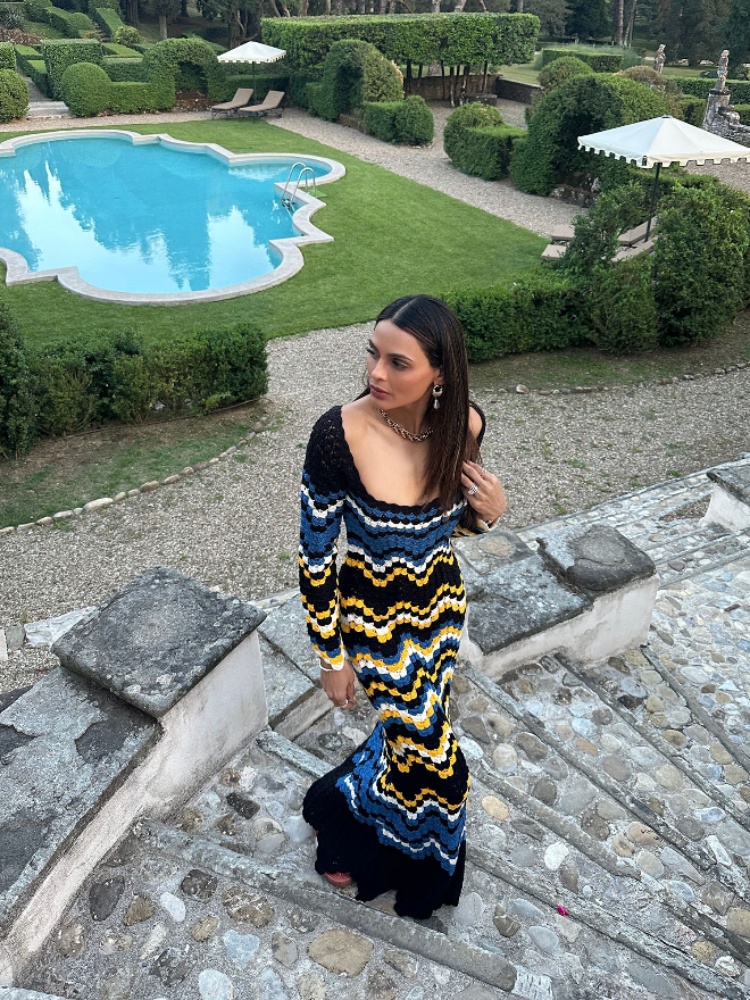
Like at work, in her personal wardrobe too she’s learned to edit, knowing now that what not to wear can be the hardest task. “I don’t subscribe to fashion rules or a strict uniform. How I dress is very much a reflection of how I feel and where I am. I’ll wear prints and brighter colours on vacation but rarely at work. I have a strong point of view on what works for me,” she says.
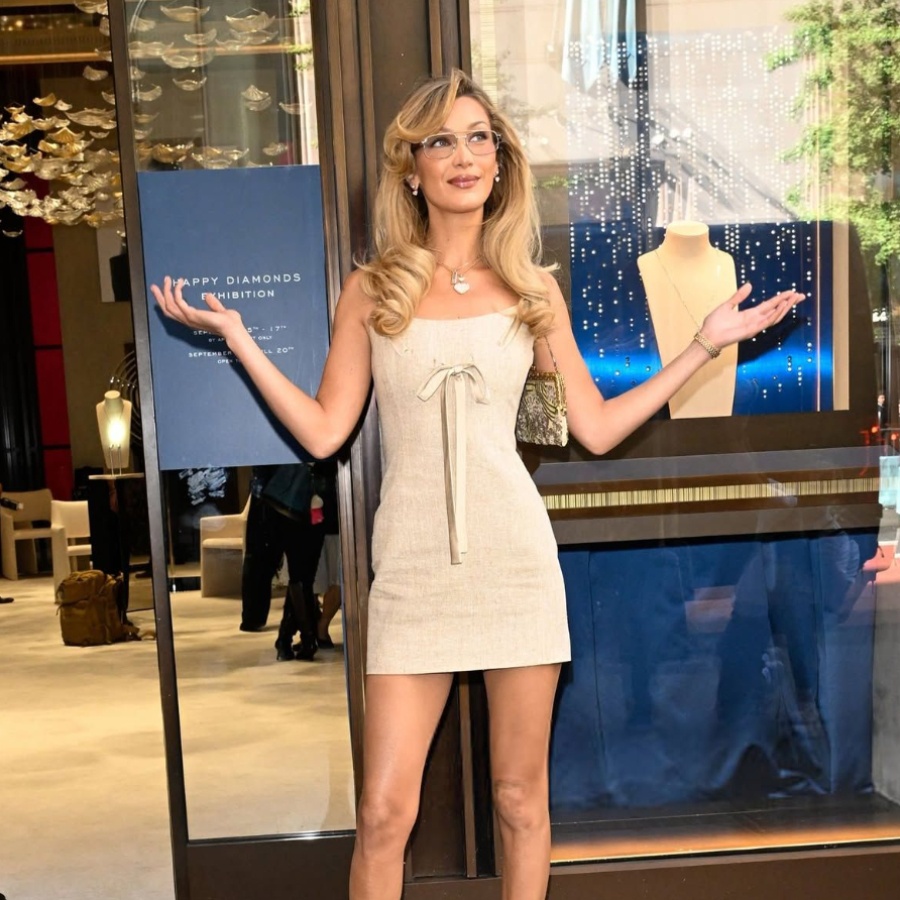
What do make the cut in her wardrobe are Saint Laurent, Celine, Alaïa, Chanel, Miu Miu, and Dries Van Noten, with a focus on great tailoring, strong outerwear, and novelty knitwear—items that can be repeated and styled over years. Like so many of us, Mathur’s college Levi’s are very much in rotation (“jeans only get better with age”) and she still laments selling an original Fendi Spy bag (“It was a moment of frustration over the size of my then New York closet... Will never be repeated again!”).