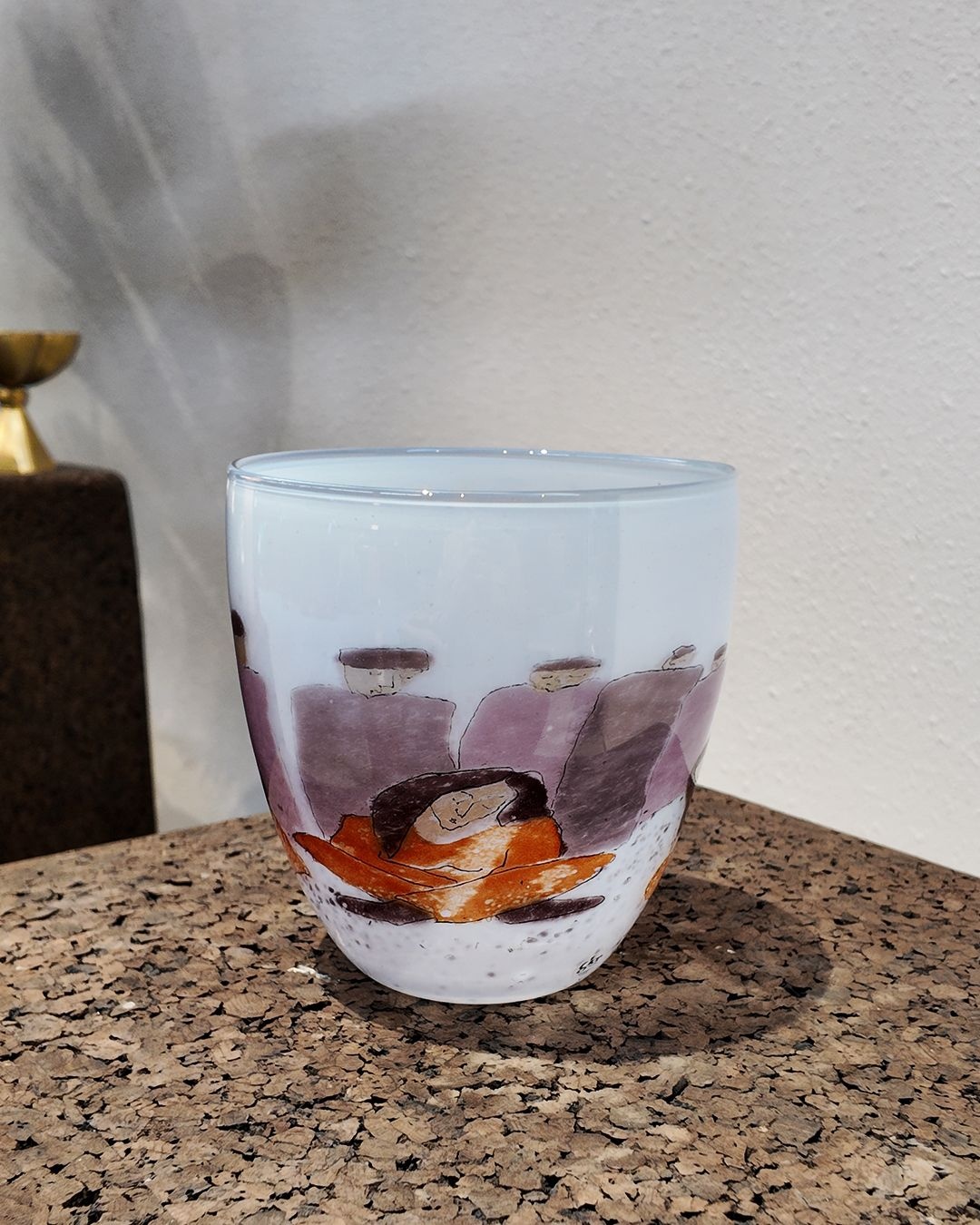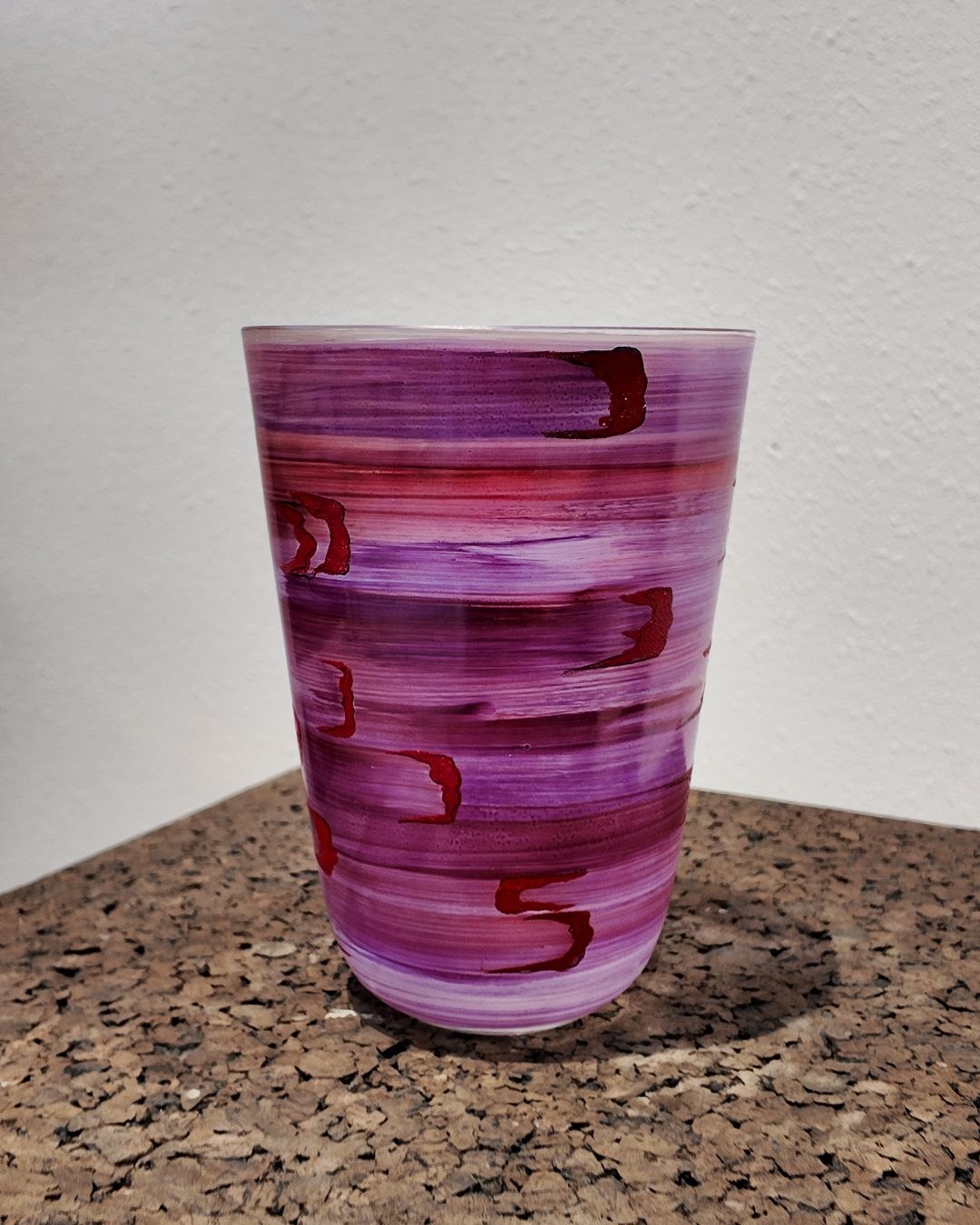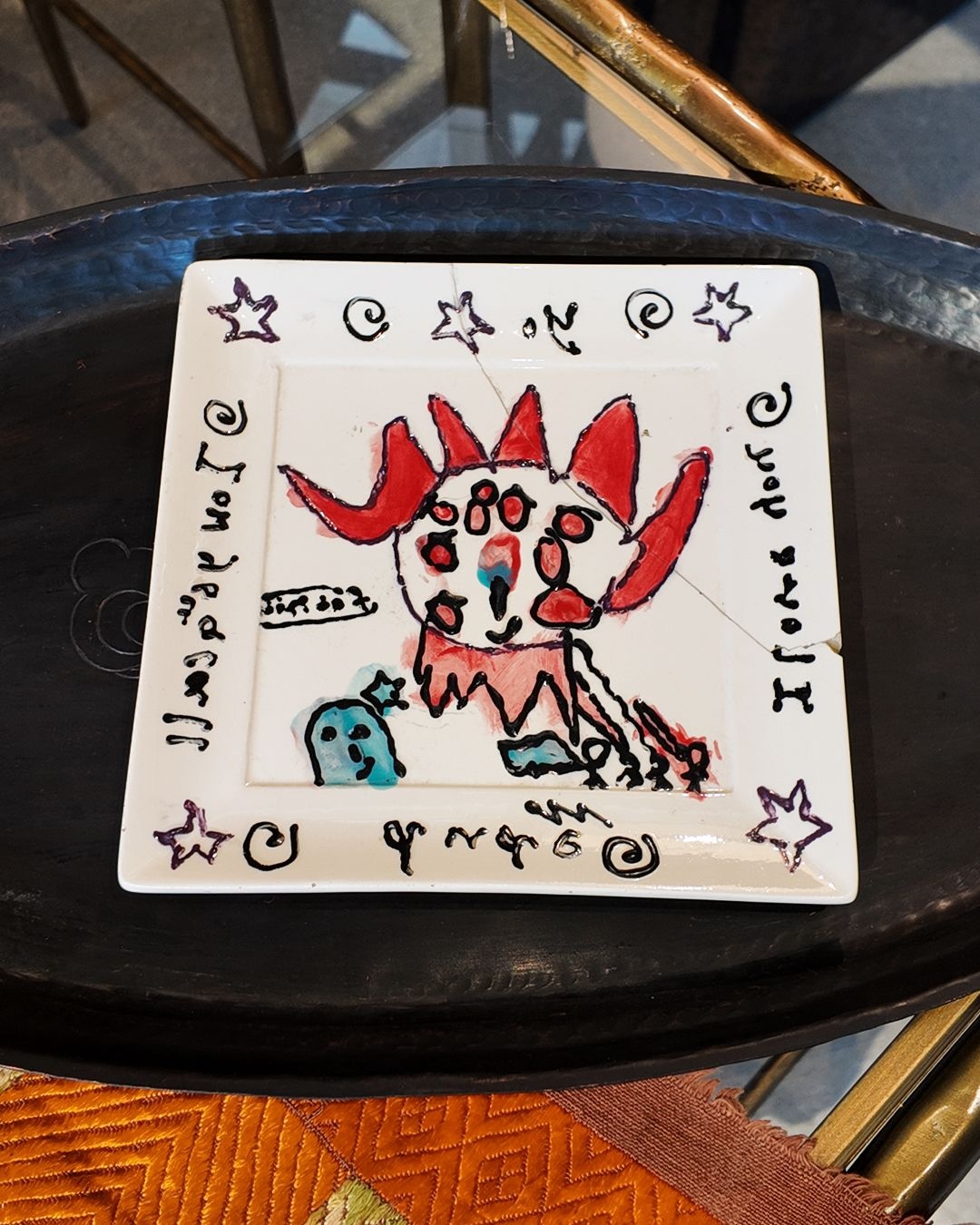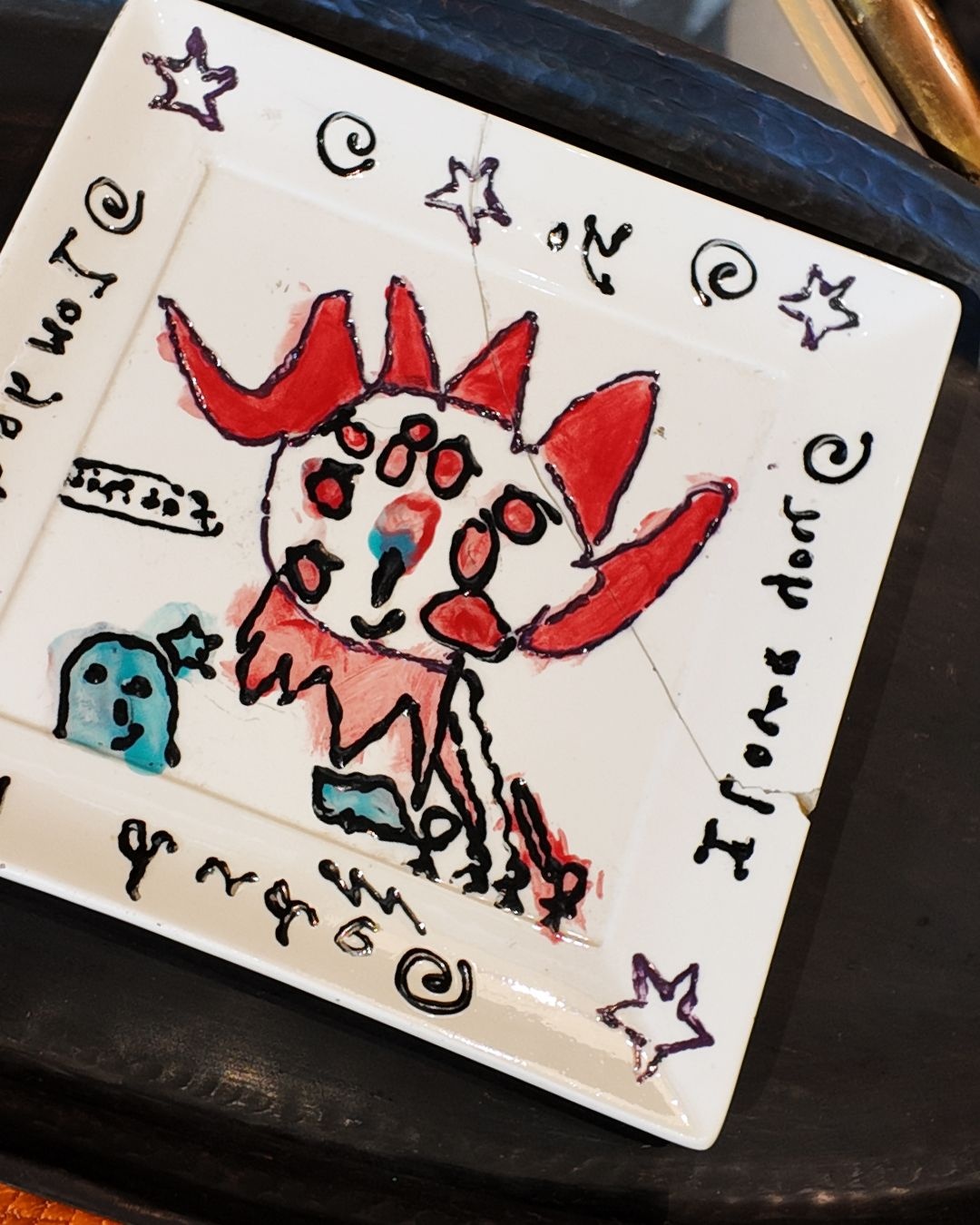




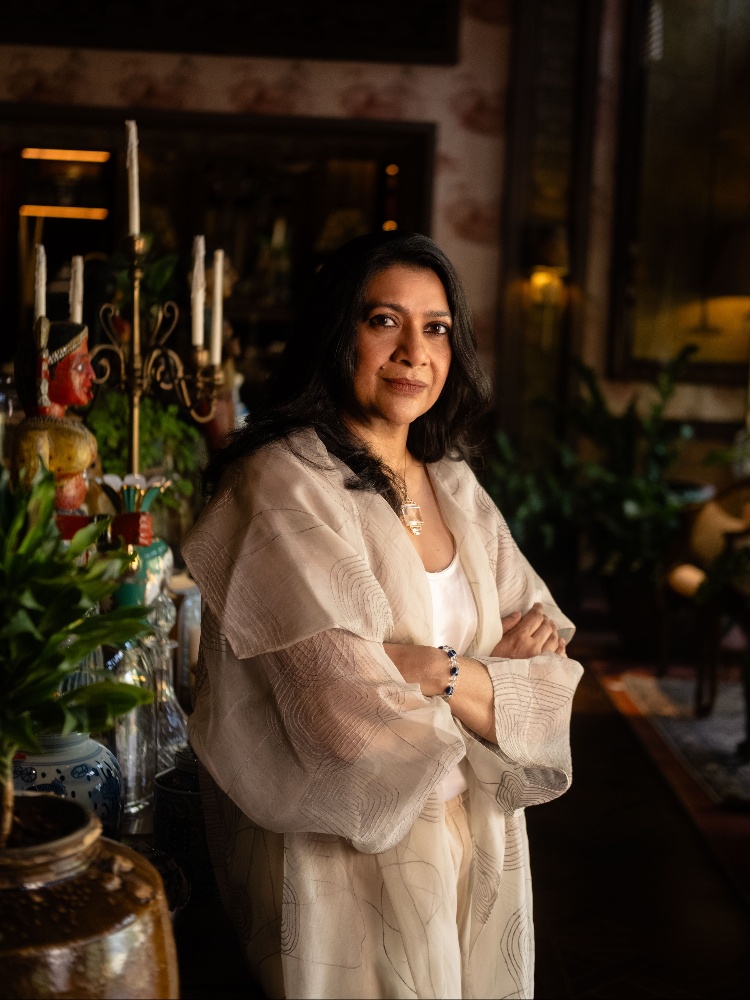

Pavitra Rajaram knows we are a sucker for a good story. Few people know that besides her accomplishments in the realm of good taste—she is, after all, the name we often see on the AD 100 list year after year—her talent also lies in storytelling. One of her favourite ones is about her grandfather’s love for crystal, carpets, and everything beautiful that found its way into his home in Bangalore. “He taught me about Steuben, Baccarat, Daum, and Lalique from a very young age. Every weekend he would clean all the crystal himself. He cut glass to fit each crystal, painted it black, and lit it from below so only the crystal glowed. And he would let me help him with it,” she recalls.
He was also the one who probably gave her the tastemaker’s itch to collect all things beautiful. “I would accompany him to the antique shops in Bangalore. I learned to recognise how things looked, what was furniture, where it came from, who it belonged to. I wasn’t just looking at things without context. My introduction to art and beautiful objects came through stories. And that really coloured my creative journey.”
We are sitting at Nilaya Anthology, the luxury furniture and design store in Mumbai that boldly displays Rajaram’s taste and interest on its shelves. It’s the kind of place that any aesthete with poor self-control should steer clear of—because here you will find the cushiest chairs from Italian brands like Lema and Cassina right next to one-of-a-kind pieces by Heirloom Naga and objects designed by the likes of Ashiesh Shah, Sarah Jerath, and Paola Paronetto. From the ceiling, rugs from Jaipur Rugs hang dramatically. The space has the charm of a Rajaram-designed space: it looks stylish, warm, and lived in.
A Political Science and Art History graduate, Rajaram didn’t always know she belonged to the design world. Her initial years after graduation were spent as an associate at CitiBank India before realising finance was not her calling. “I was lucky I grew up in a home with two very distinct influences. My mother was a trained Hindustani classical musician. She wrote, composed, and sang, so I had one hand deep in poetry, literature, and music.” This, coupled with the initiation from her grandfather, meant that art was never seen as something coveted or inaccessible but as a fabric of how they lived.
Her first memory of ‘seeing’ art was also at home. It was a KH Ara charcoal and indigo nude hanging in her grandparents’ blue-and-white bedroom. “I remember being three or four and being fascinated by this ‘nanga’ lady that was very stylised, very beautiful. I think it’s from there that I learned to look.”
Before Nilaya and her brilliant curation of design collectibles won audiences across India, and before she showed the world the mysteries of a beautifully laid-out table with her private design practice, Rajaram had a chance encounter with Anita Lal that set her on the path to be surrounded by beauty. In 1996, she joined Good Earth, where she helped lay the foundation for a distinctly Indian design language. As their head designer and director of visual merchandising for over two decades, Rajaram was instrumental in shaping the brand’s culturally rooted aesthetic.
Today, Rajaram is the creative director of her eponymous multidisciplinary design studio, the brand custodian of Mumbai-based Sarmaya Arts Foundation that she runs with her husband, and the creative director at Nilaya, which turned one this year. In her hands, no space can ever remain sterile: “As Indians, we have an instinctive understanding of colours and patterns. These are the two things that I look for [when designing]. I always trust my instinct with colours. You don’t need to be educated in colour if you’re an Indian—you see it everywhere, whether it’s your mother’s saris or flowers in your garden or things used in a puja.”
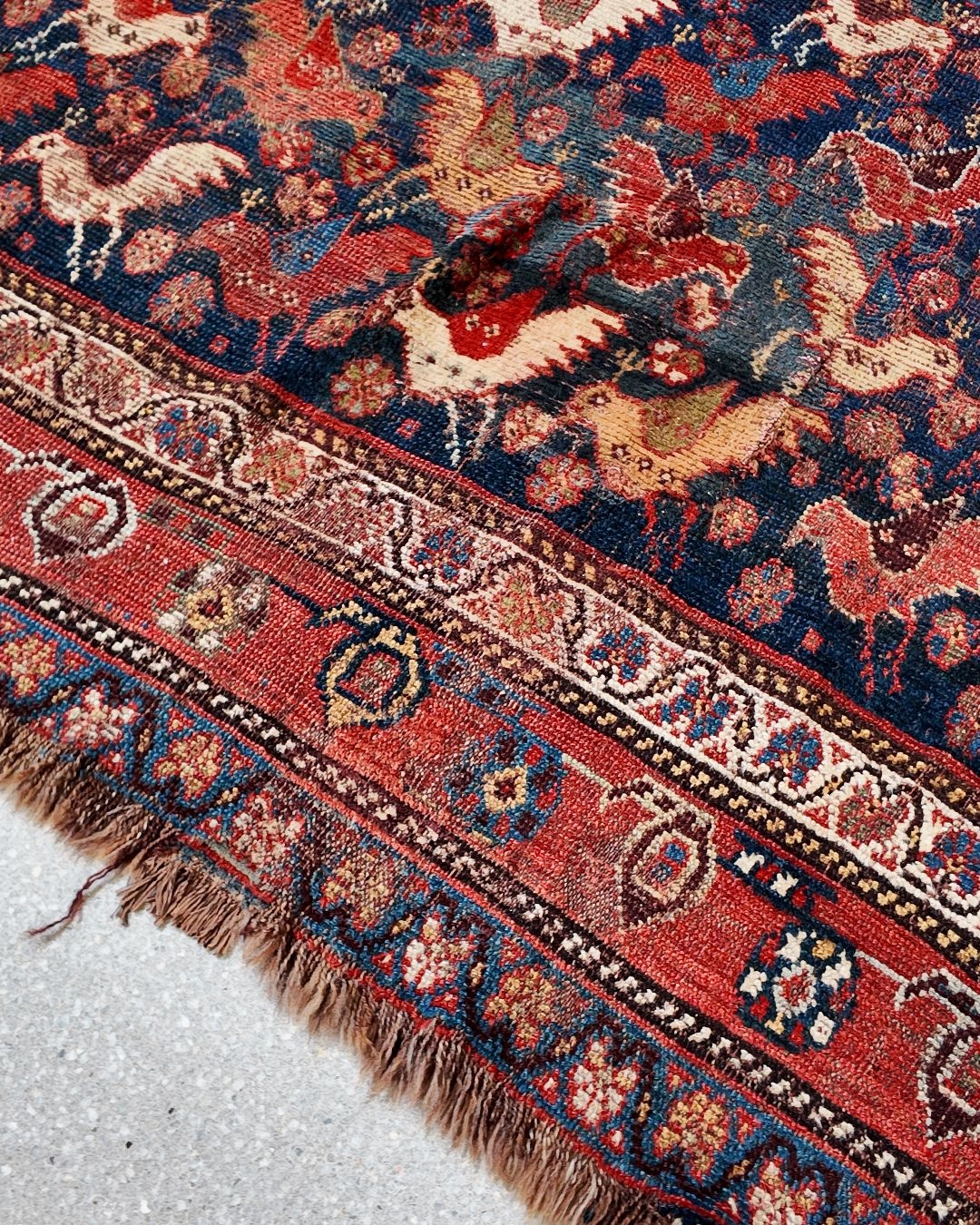
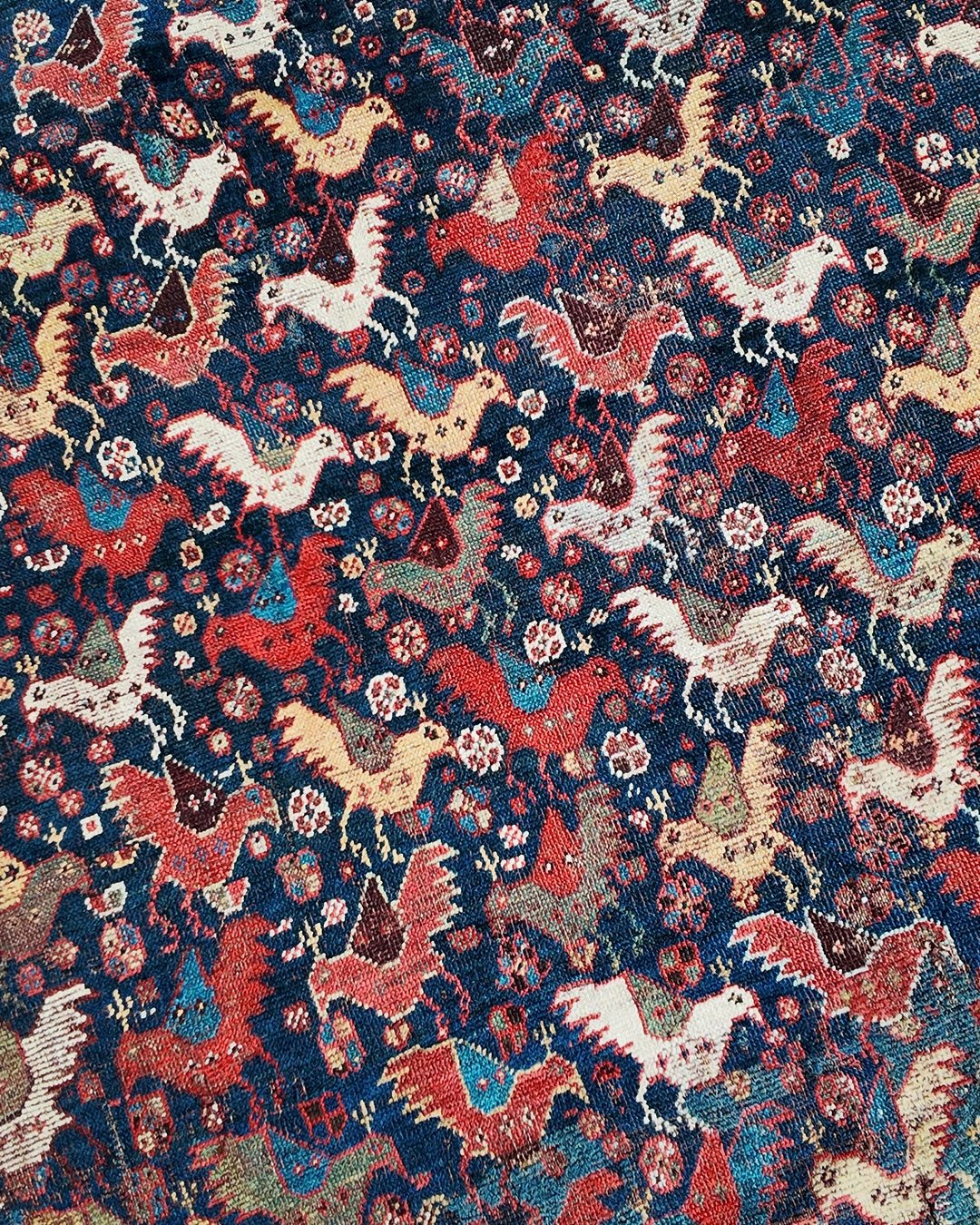
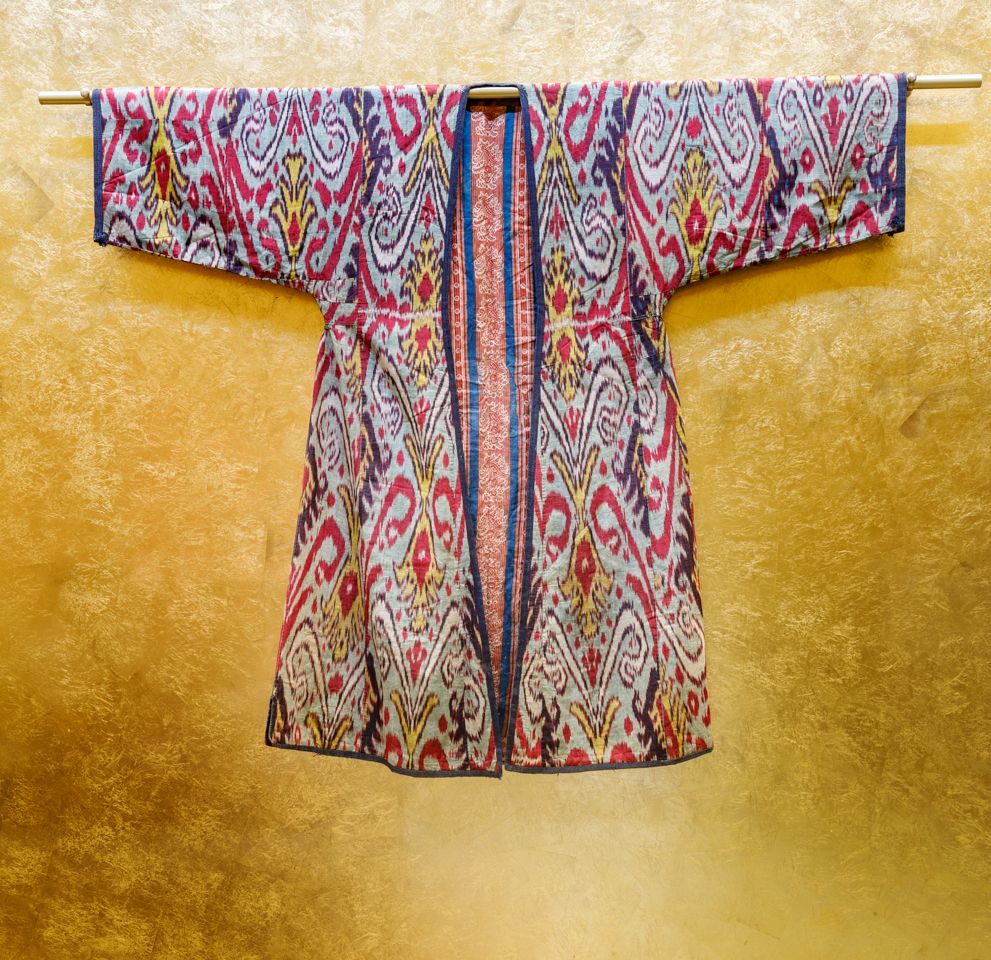
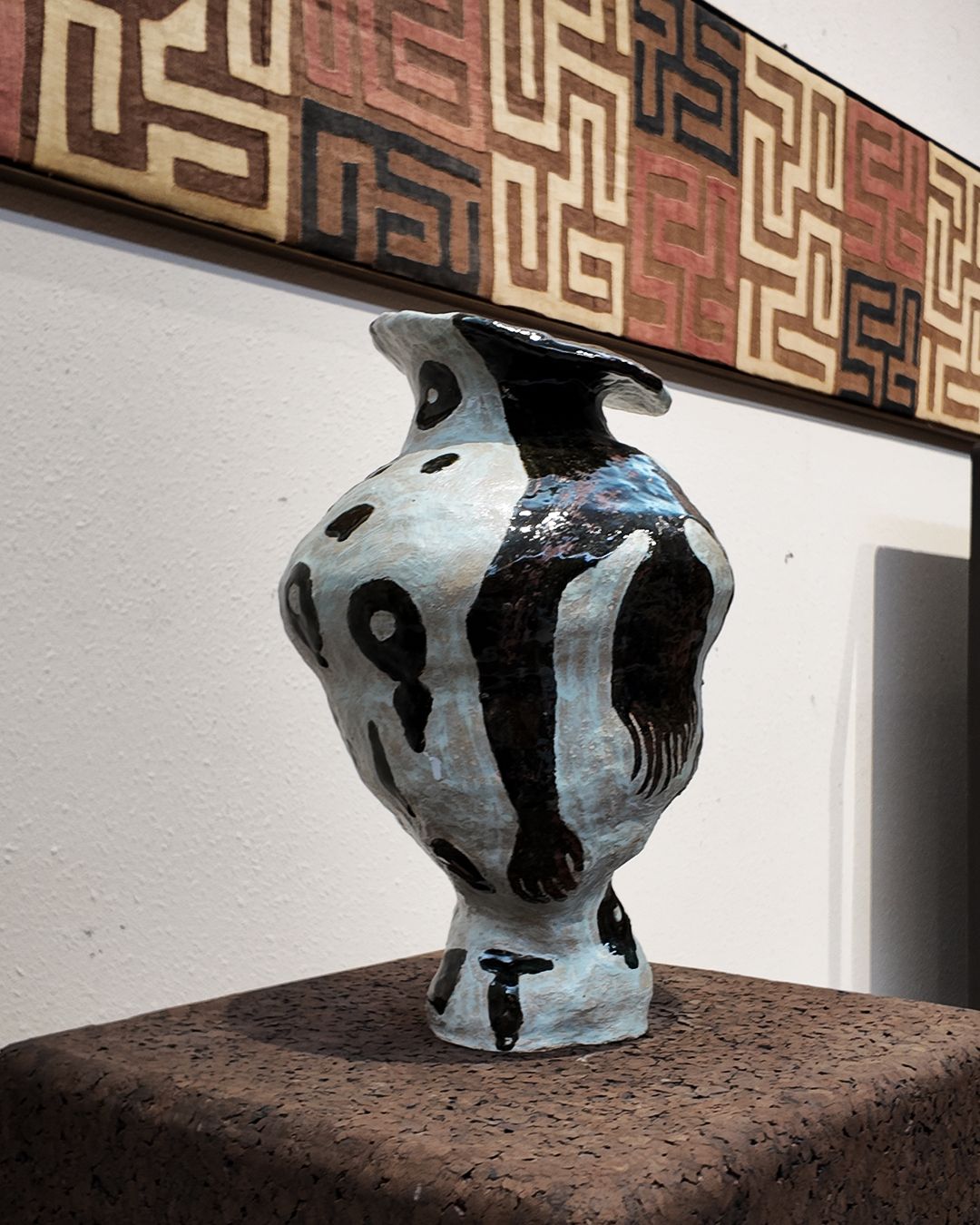
Even today, she is constantly on the lookout for great art, whether for her store, her clients, or her own collection. When The Nod asked her to pick just five objects from her fairly large trove of design possessions, Rajaram took some time to decide: “It took me a minute to pick these. Years ago, I attended a workshop called ‘The Price of Precious’. The guys conducting the workshop asked us: If you had to leave your home overnight, what are the things that you would pick? I asked myself this, and the choice was easy.” Below, she takes us through her favourite things, each of which comes with a core memory (and obviously a delightful story).