



Fashion29 Apr 20265 MIN

A women-led lingerie brand that’s inspired by India

Olakh’s founder Tanvi Ghate is out to prove that underwear can be supportive, sexy, and much more

Image

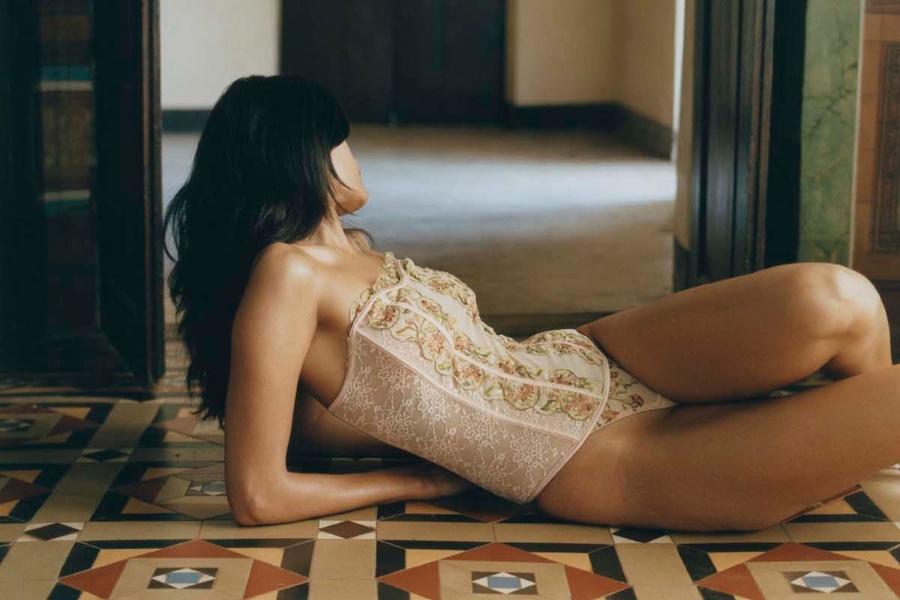
Bikramjit Bose for Olakh

Can lingerie ever be culturally specific? Or is it one of those things that the world has agreed should look the same everywhere—a bit of lace, some underwire, and a default template of sexy that says very little about the person wearing it? For Tanvi Ghate, the founder of Olakh, that question became a starting point. In a country where almost everything else—food, textiles, ornamentation—comes loaded with history and specificity, lingerie felt exempt. “Why hasn’t India developed its own language of lingerie?” she wondered. Despite its intimacy, the category felt impersonal: functional at best, performative at worst.

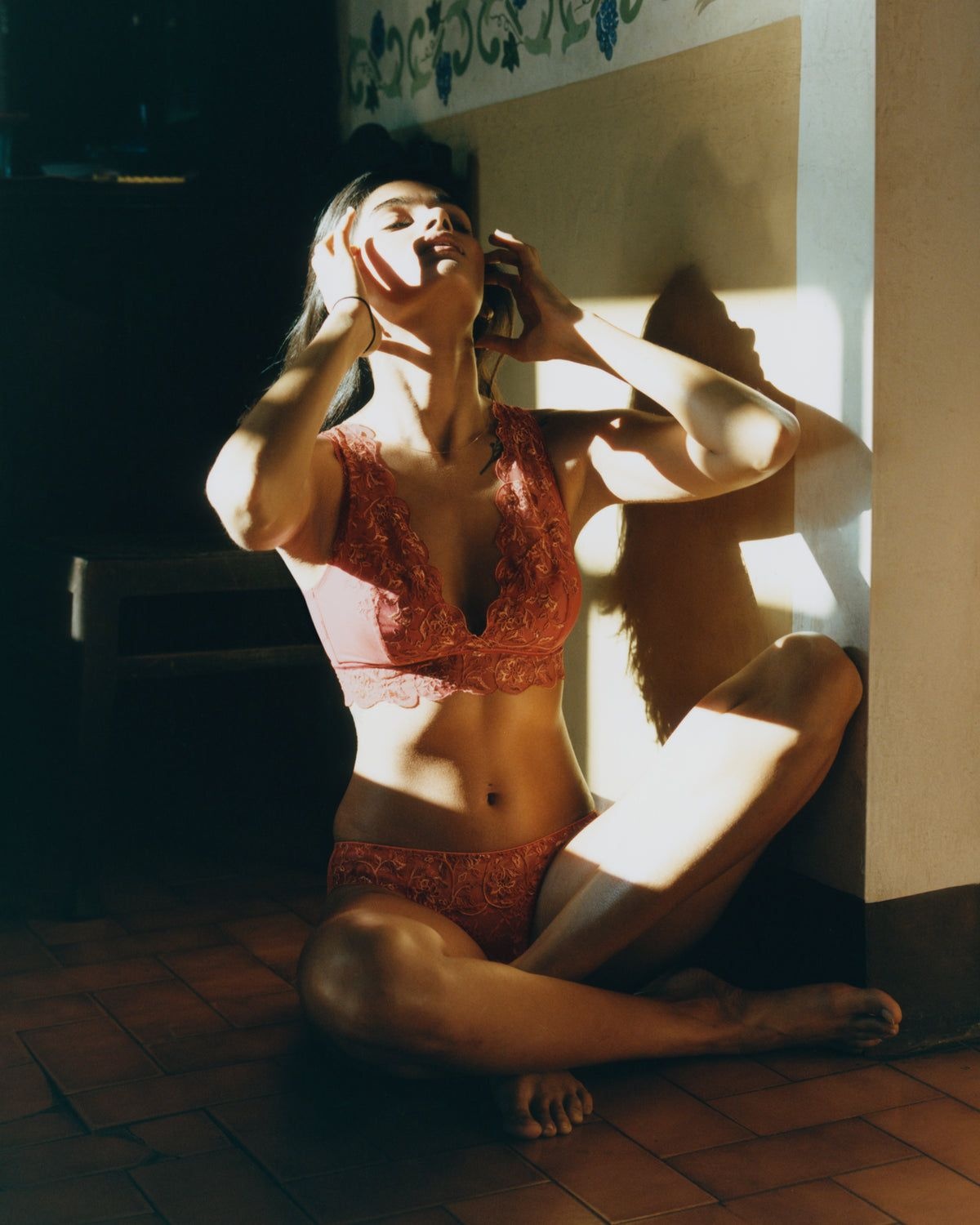
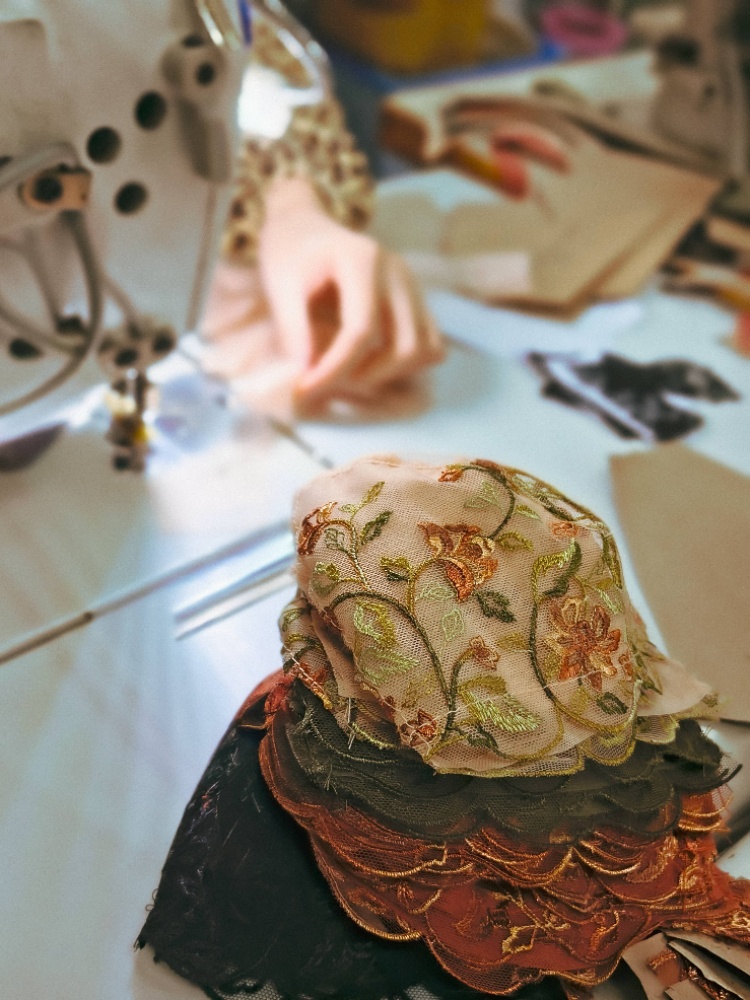
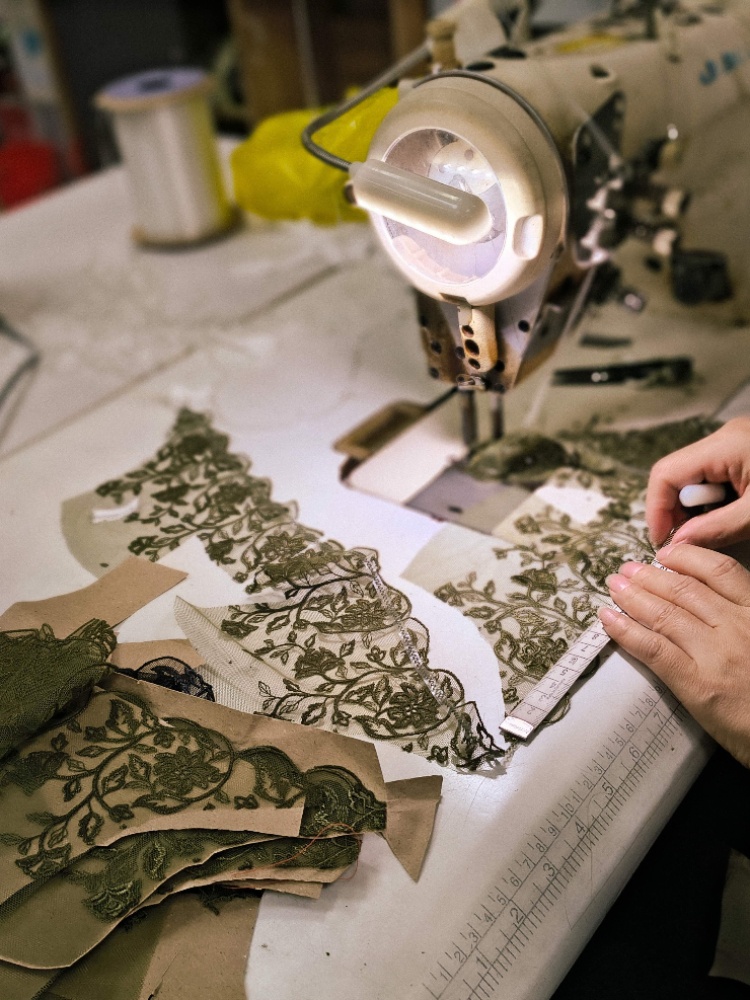
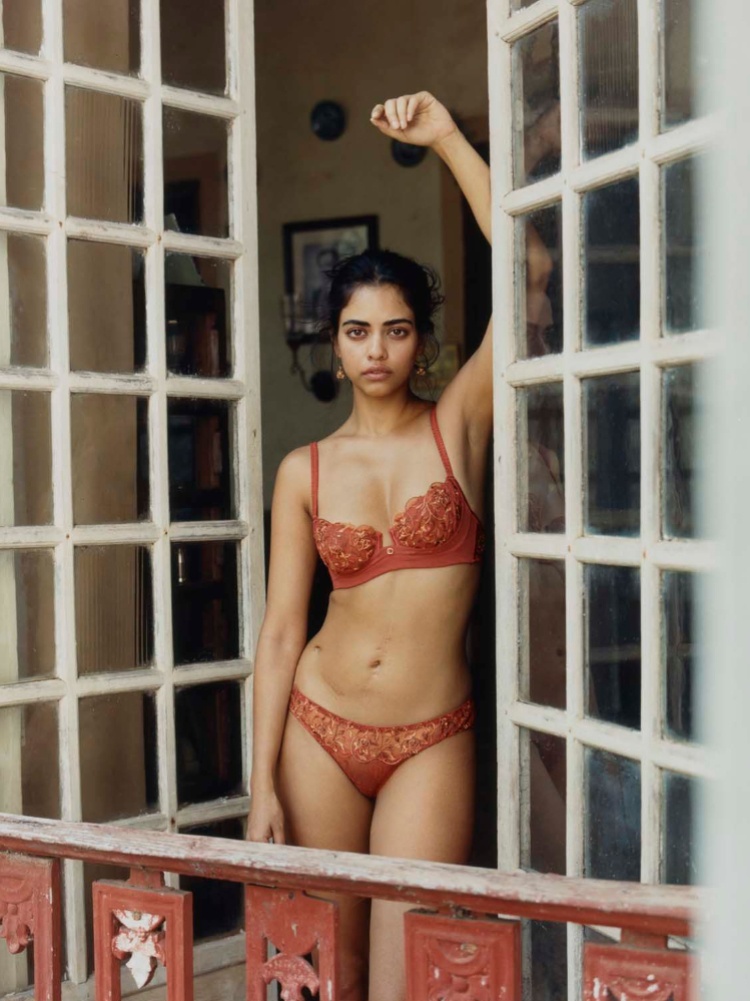
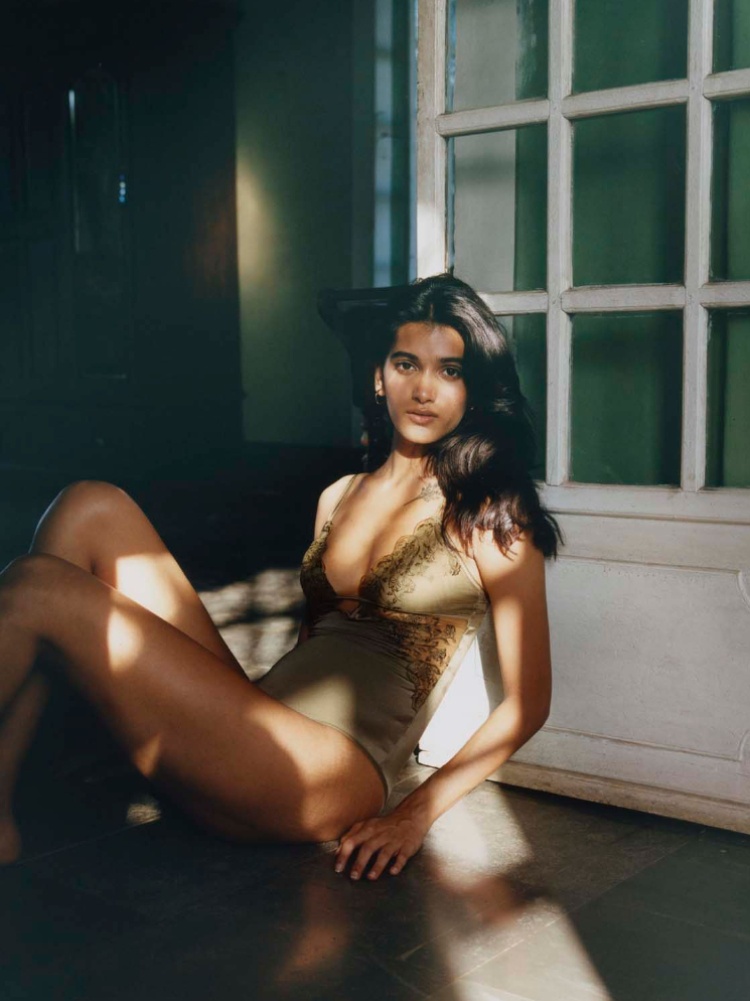
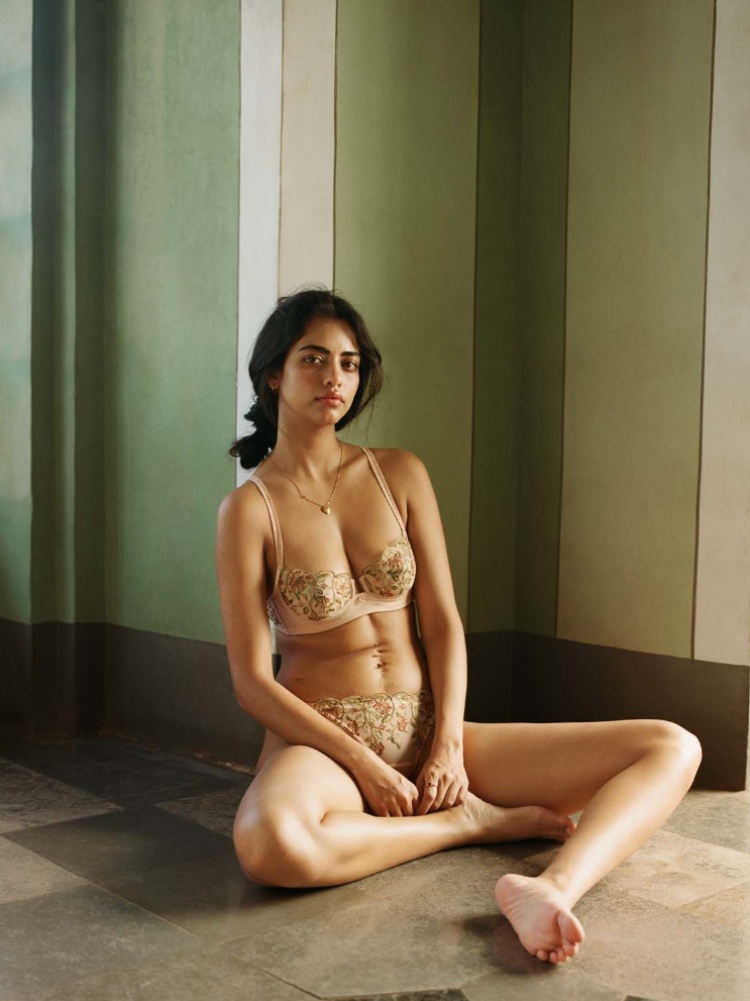
Olakh is her attempt to change that. Launched a month ago, the result isn’t something that looks overtly Indian but feels like it. The silhouettes are familiar, what you might find at any retailer: balconettes, bralettes, corsets, bodysuits, and thongs, but the language isn’t. Instead of obvious motifs or costume-like references, Olakh relies on subtler, more atmospheric inspiration. The palette draws from the Indian landscape—the soil, the foliage, natural pigments like mustard, terracotta and indigo. Lace carries a density that nods to the intricacy of Kalamkari art. There are echoes of stepwell geometry in the construction. “We take inspiration from India as a culture. We stayed away from going down the traditional ethnic route because we are not an ethnic brand, and neither do we want to be. Rooted doesn’t mean ethnic. Those distinctions were quite clear for us as we were kind of building this out,” says Ghate, explaining the aim was to create lingerie that someone from New York could enjoy as much as someone from Indore.
Ghate didn’t end up in fashion the traditional way. Before founding Olakh, she started her career as a corporate lawyer, moved into capital markets, and spent over six years in venture capital at Lightbox, where she saw brands like Dunzo, Furlenco, and Nua scale up from the ground. “That really gave me a lot of insight into how companies get built,” she says. Around the same time, she also found herself travelling extensively. Each weekend, her itinerary was built around a craft: block printing in Bagru, pottery in Andretta, ikat in Sambalpur, handwoven textiles in Varanasi. She soon knew that her next move had to be at the intersection of craft and business.

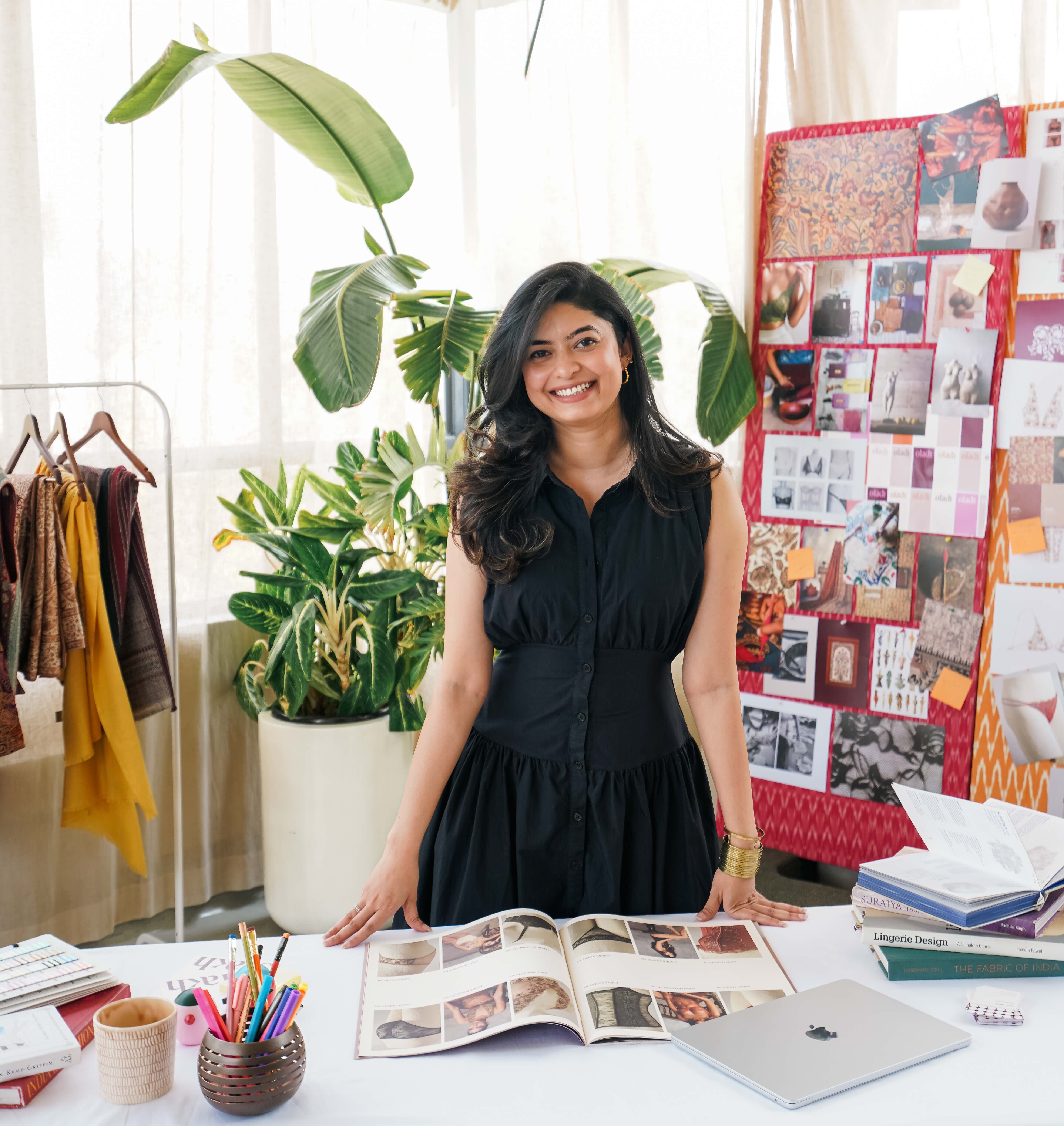
Tanvi Ghate, founder of Olakh_The Nod.jpeg
Tanvi Ghate, founder of Olakh

“I realised I was building a wardrobe that had a point of view and felt entirely mine,” she recalls. “But when I thought about what I wore underneath all of it, I just felt indifference.” That indifference turned out to be widely shared. In conversations with friends and other women, Ghate noticed a recurring sentiment: lingerie was something you settled for. It was either bland and comfortable, or sexy and impractical. Rarely both.

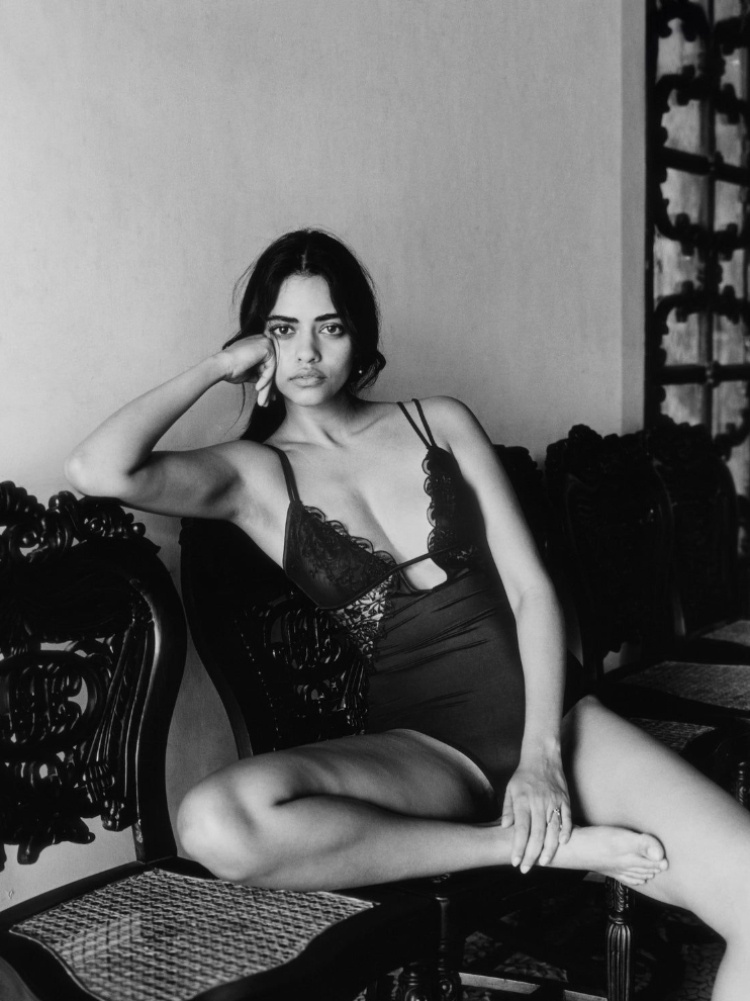
Part of the issue, the lawyer-turned-entrepreneur felt, was how narrowly the category had been defined. “It was very functional and clinical, or it was hyper-sexual.” Even the visual language of lingerie globally felt that way. Campaigns tend to look the same: studio shoots with performative posing and a version of femininity designed to be looked at rather than experienced. “I’ve never really enjoyed lingerie imagery,” Ghate admits. “It always felt like it was done for somebody else’s gaze.” Her own first campaign, which reads more editorial than e-commerce, was shot by Bikramjit Bose in a heritage Portuguese home in Goa, with models Priyadarshini Chatterjee and Manya Mitra, and Mitesh Rajani on hair and makeup. Titled ‘Chosen Company’, it explores the idea of choosing yourself as the person you dress for. Instead of focusing solely on how lingerie makes you look, it questions how it makes you feel.

While the lingerie market has recently shifted toward comfort—particularly after the Covid-19 pandemic where lounge bras reigned supreme, and now shapewear is all the rage (see Skims, Underneat)—Ghate sees an opportunity to move beyond that binary. “I feel like we are entering a phase where there are all those options. But what is missing is authorship and identity, a strong cultural semblance of where you come from and what your body requires. In a lot of ways, shapewear isn’t body positive,” she adds. “It tries to put you in a certain shape instead of celebrating the one you already have. We want to celebrate people for who they are.”

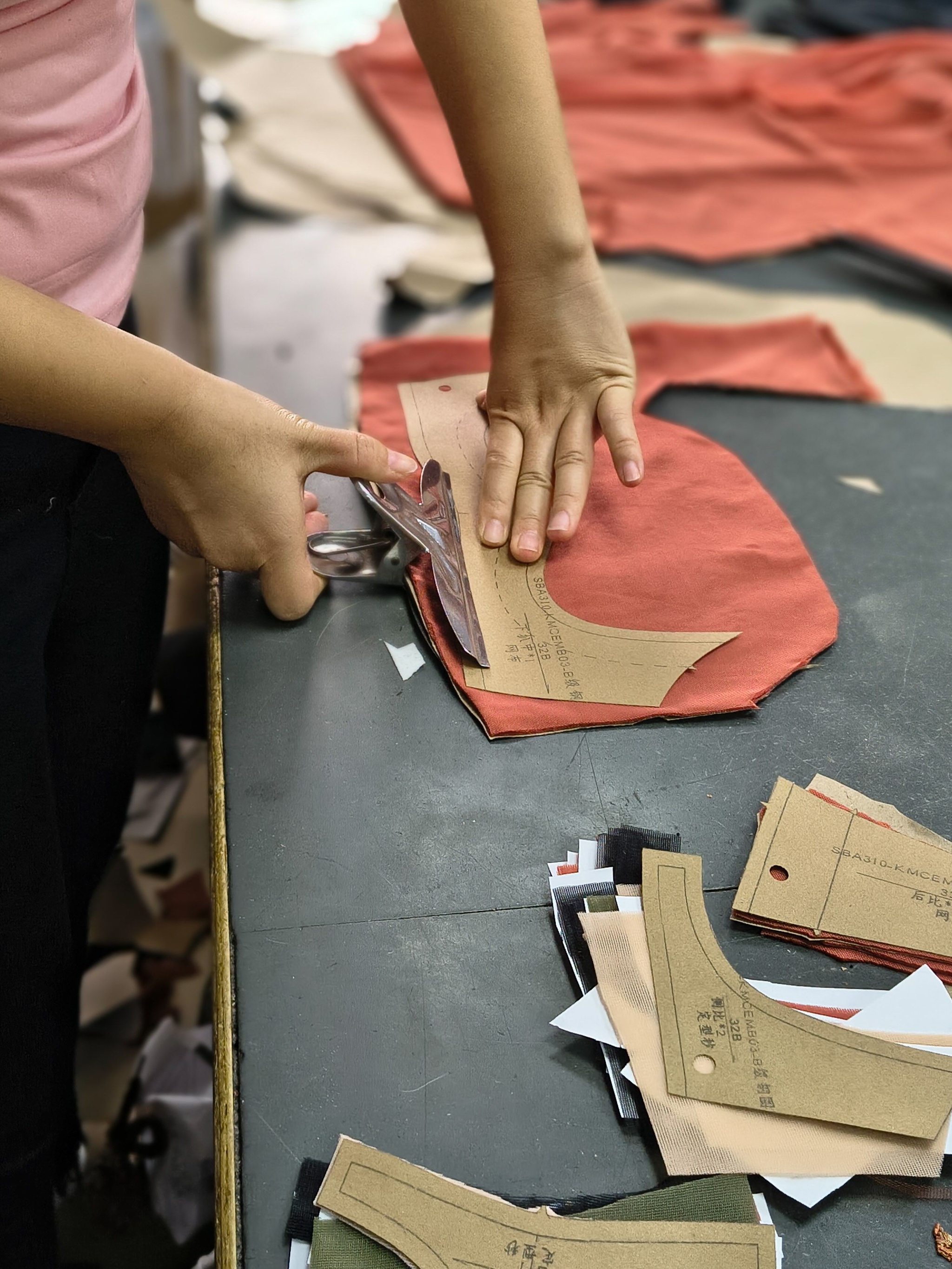
It’s an ambitious statement, but it’s one that has been thought through. Olakh’s women-led technical team, helmed by director of product design Lakshmi Subramaniam and general manager of product tech Vijayalakshmi K, has developed a unique sizing system, working with micro-increments and style-based balancing to create consistency across silhouettes. So, if you wear a demi bra but haven’t ever been able to find a balconette that fits you, it aims to solve that. The label will soon also begin offering one-on-one consultations (in-person in Bengaluru and virtual) and is currently developing trial sets to make the process of ordering online easier.

If you’re wondering if the bralettes and corsets can be worn as outerwear, the answer is yes. “We don’t follow trends like innerwear as outerwear or naked dressing while designing, but the pieces are structured in a way that you will be able to wear it outside if you want to. For instance, we’ve lined the corset with fabric so you can wear it even without any boob tape or nipple pasties,” she says.

While the brand is only a month old, the team is already onto planning collection four, with the idea of releasing two collections a year. “Whoever has tried, ordered, and worn it has loved the product and the fit, which for us was the most important thing to crack because it’s a technical category,” Ghate reveals. The upcoming collections will continue the narrative in prints and embroidery. “We will always aspire to bring something that celebrates the culture and celebrates it globally. Not traditional, not ethnic, but rooted.”

The Nod Newsletter

We're making your inbox interesting. Enter your email to get our best reads and exclusive insights from our editors delivered directly to you.