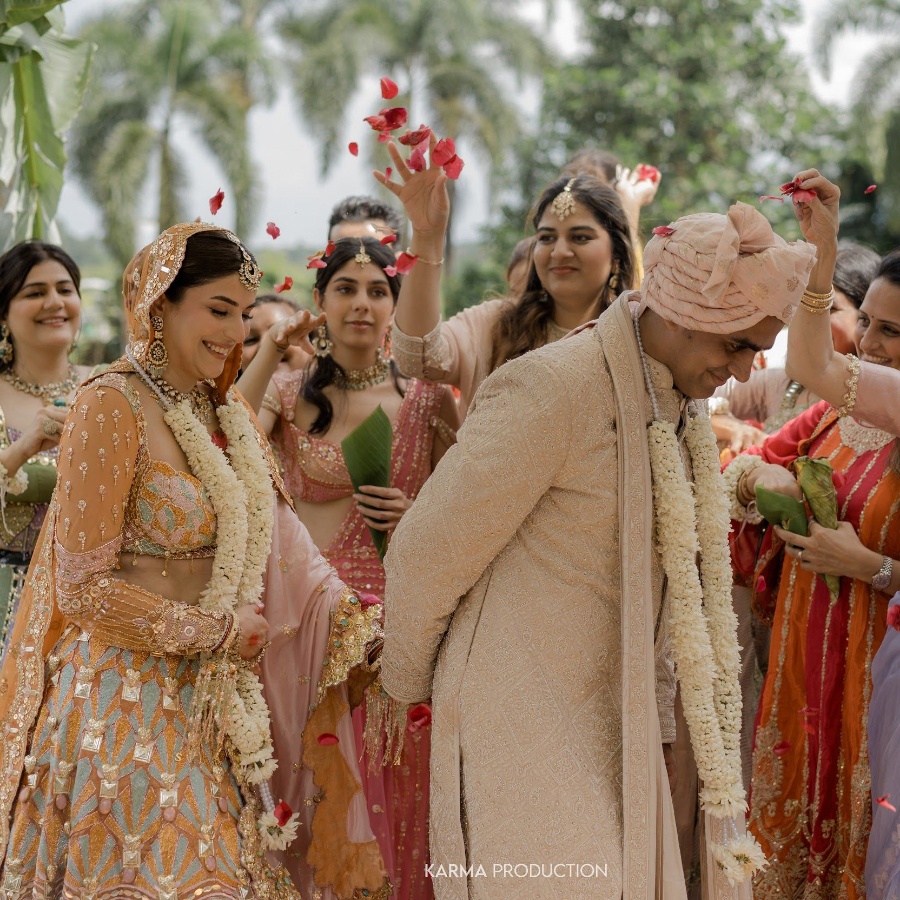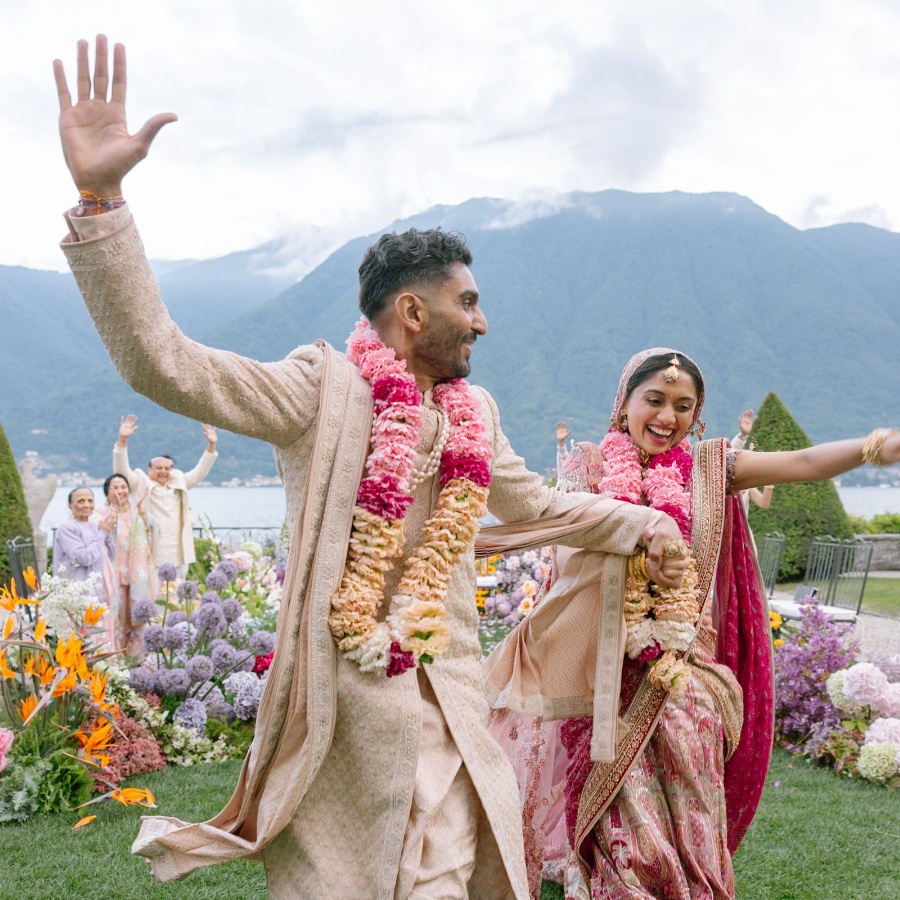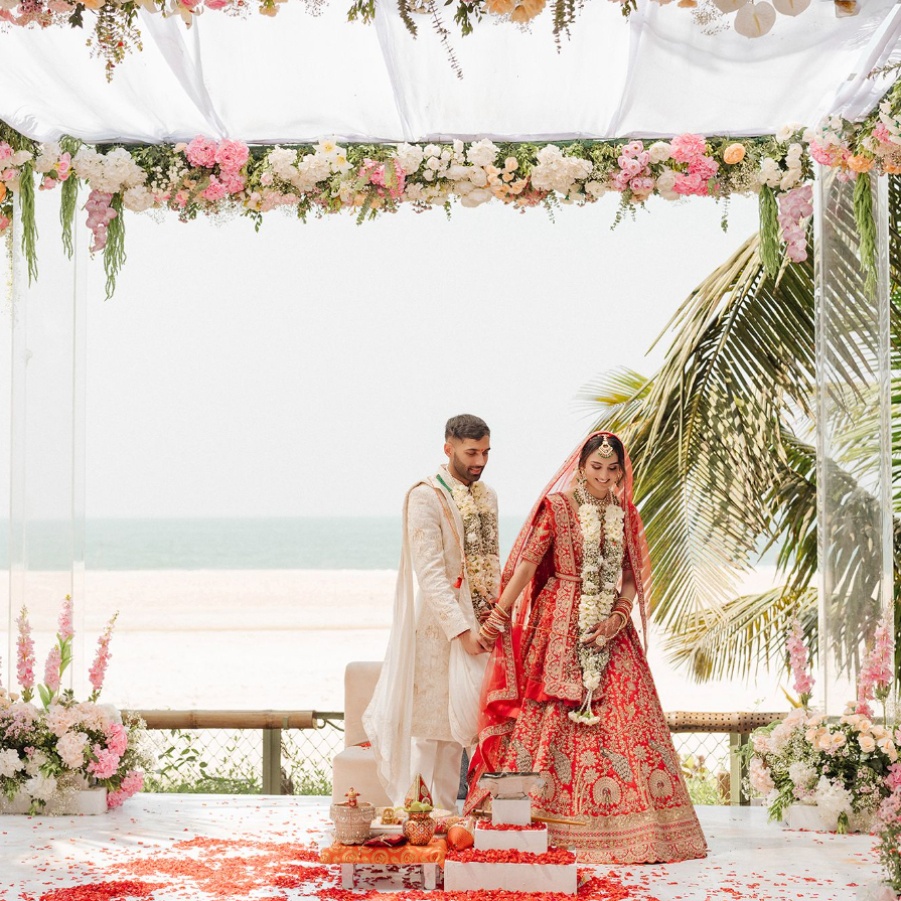





If you were anywhere near the internet last week, you probably saw snippets of that Udaipur wedding—Jennifer Lopez in a lehenga bright enough to power a small city, Ranveer Singh being peak Ranveer Singh, Donald Trump Jr dancing in the baraat, Michelin-star-level feasts, drones forming constellations over Lake Pichola, and a sangeet rumoured to have the production budget of a Marvel film.
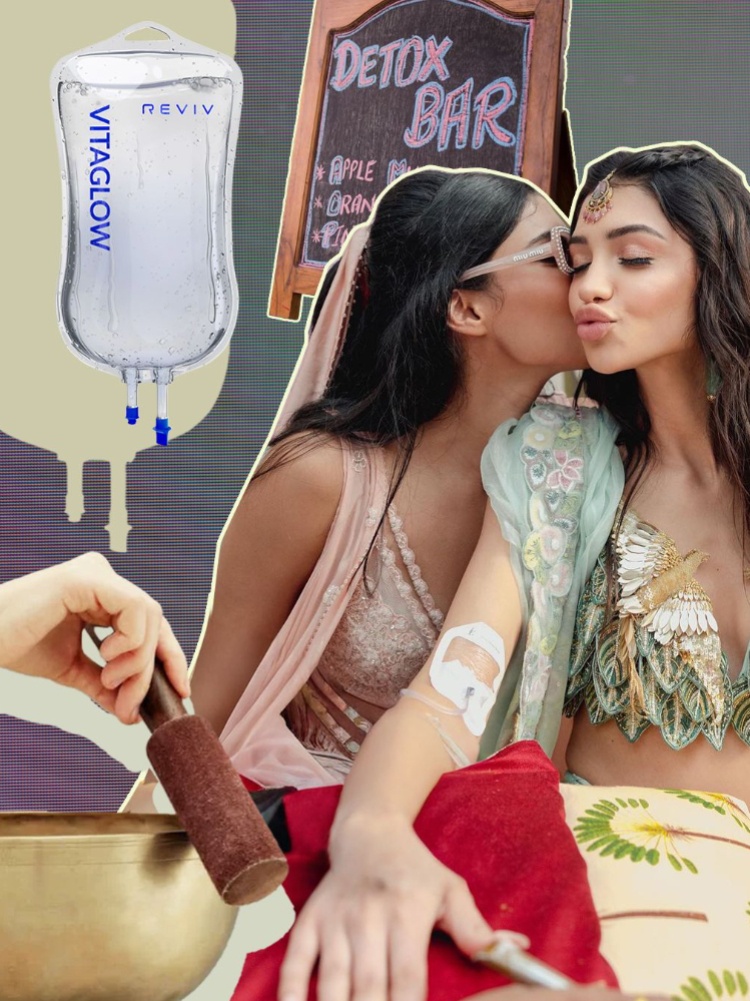
Tucked between the starry attendees and glamorous events, what you probably missed were the massage therapists working overtime and IV drips on standby. Because even at India’s most high-octane weddings, guests don’t just want champagne fountains; they also want electrolytes.
It’s official: Welcome to the Wellness Wedding Era, where the big fat Indian wedding is still big and fat but also…hydrated.
Here comes the bride…and the breathwork
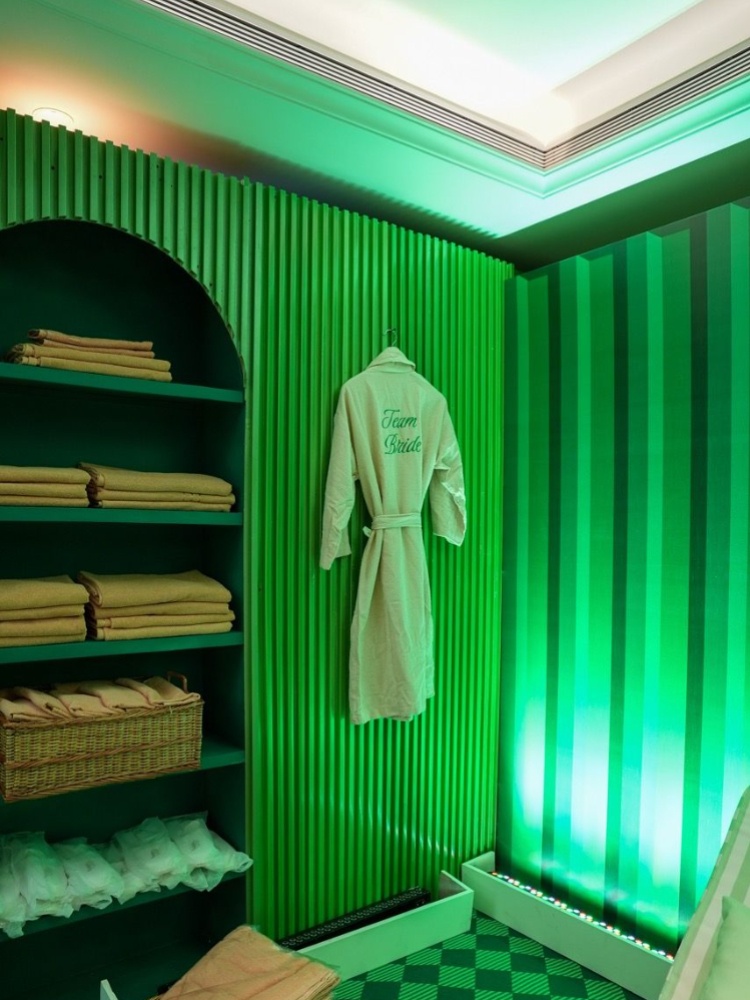
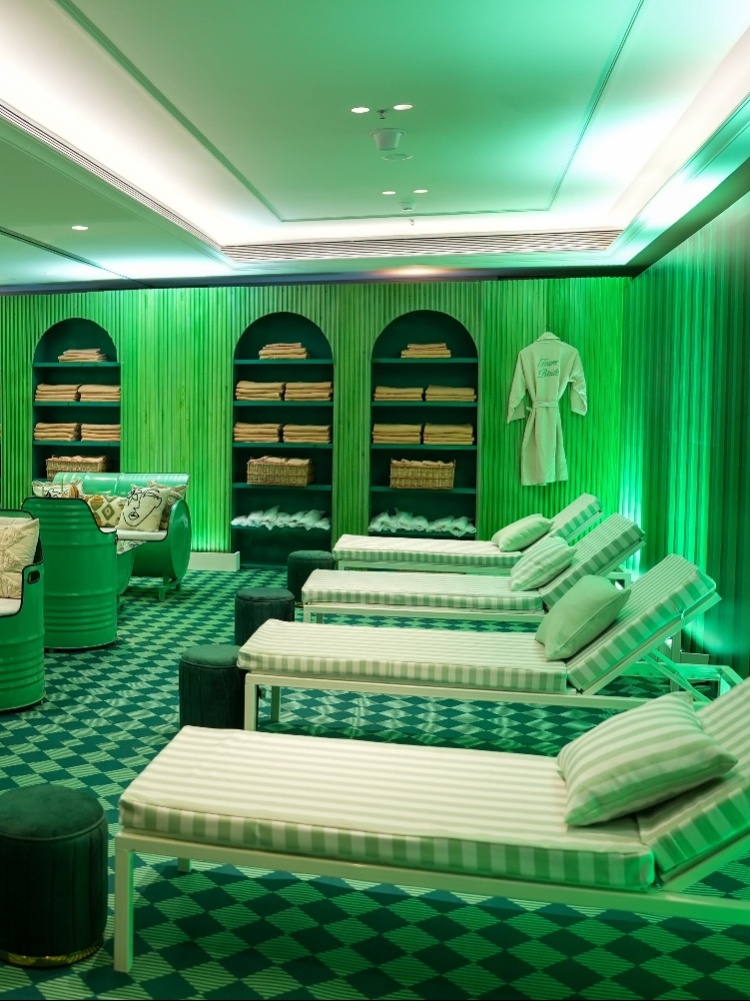
Across the country—from Rishikesh to Ranthambore to five-star hotel lawns in Delhi and Goa—wedding planners are adding unexpected amenities between the haldi and the after-party: sound baths, breathwork corners, spa suites, tarot readers, electrolyte bars, lymphatic drainage stations, post-sangeet meditation, and my personal favourite at a recent wedding I attended: a “Don’t Talk To Me Yet” lounge with low lighting, soft cushions, and herbal tea.
“Guests want more than grandeur. They want to feel good,” explains Sanjana Shah, co-founder of Three Entertainment. She says this shift isn’t a blip; it’s a full-blown movement. “Couples are thinking beyond decor and entertainment. They want their guests to feel good throughout the celebration. Wellness isn’t a nice-to-have anymore; it’s essential to creating a balanced, mindful celebration.”
The typical Indian wedding guest now shows up with a roller suitcase, three outfit changes a day, a blow-dry schedule, and a digestive enzyme pill tucked somewhere between the lipstick and the safety pins. These are multi-day, multi-event, multi-emotion productions. Of course people need a recovery plan. Hydration stations, vitamin shots, infused-water bars, post-sangeet wind-down corners, cool-down lounges with aromatherapy: planners across the board say they’re becoming as common as chaat counters.
And honestly? It makes sense. You shouldn’t need a week-long detox after attending someone else’s wedding.
Where’s this coming from?
Partly: burnout. Indian weddings are beautiful, but they’re also…a lot. There is no “casual” wedding here. Even intimate ones come with itineraries longer than international conferences.
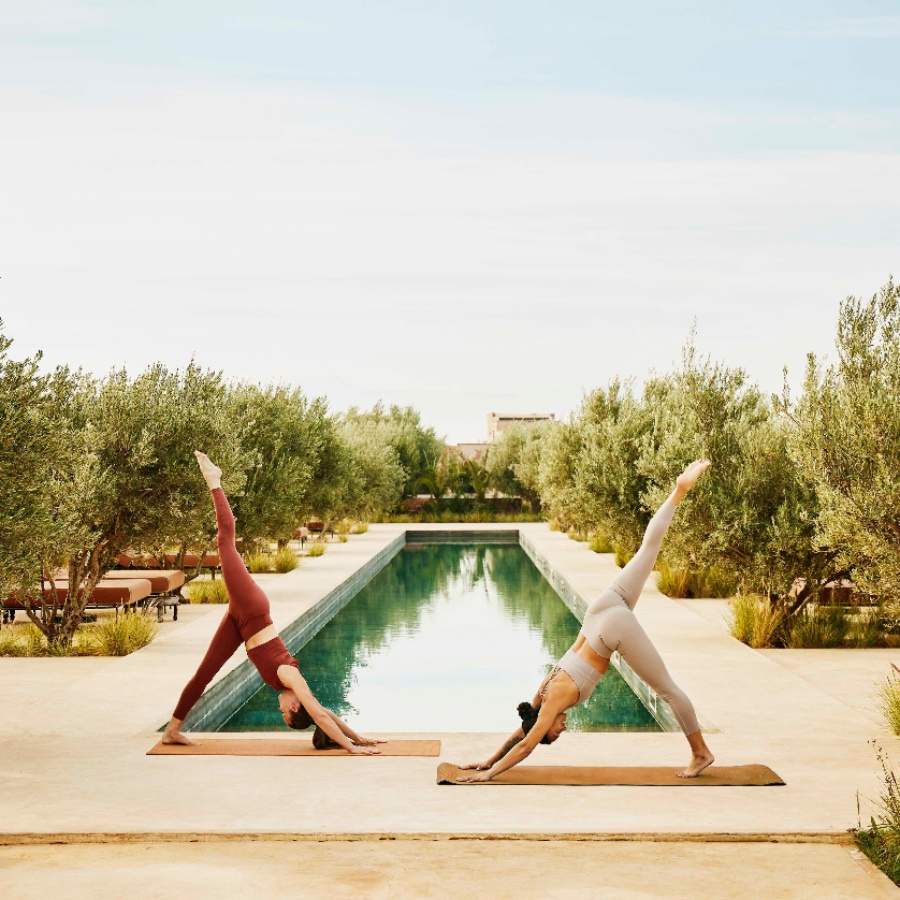
Partly: global wellness culture trickling into Indian luxury. The crowd visiting Ananda, Atmantan, Dharana Shillim and Six Senses now wants their weddings to feel calmer, more intentional, less chaotic.
And partly: couples who are just done with the old “go big or go home” mentality.
Darshan Shroff, partner of Momente Weddings, puts it bluntly: “There’s been a mindset shift away from only partying and towards creating a more well-rounded experience. Couples want calmer pacing, meaningful moments, and celebrations that reflect who they are.” This is the “soft wellness” generation—people who do therapy, track sleep scores, journal occasionally, and prioritise feeling centered. It makes perfect sense that their weddings would reflect that.
Priya Maganti, co-founder of RVR Eventz & Design, says spa-style relaxation setups—even simple ones—have been shockingly popular: “Guest comfort has become a priority. Even small pockets of calm are so appreciated. The demand is only growing.” Their events have included pregnancy-safe relaxation sessions, calm corners, and detox-style drinks.
And then, of course, the IV drips—a treatment that’s almost par for the course in what we typically consider “wedding wellness”. It wasn’t unusual for the bride and groom to have a few sessions penciled into their pre-wedding calendars, but now they’re available for their guests too, to neutralise the excesses of sangeet night. What they acknowledge is the reality of modern weddings: the late nights, the travel, the tightly packed itineraries.