



Food22 Jul 20266 MIN

In a 100-year-old Kolkata mansion, a 110-seater restaurant finds its home

At Lunamo, you may come for the food, but do stay for the art

Image

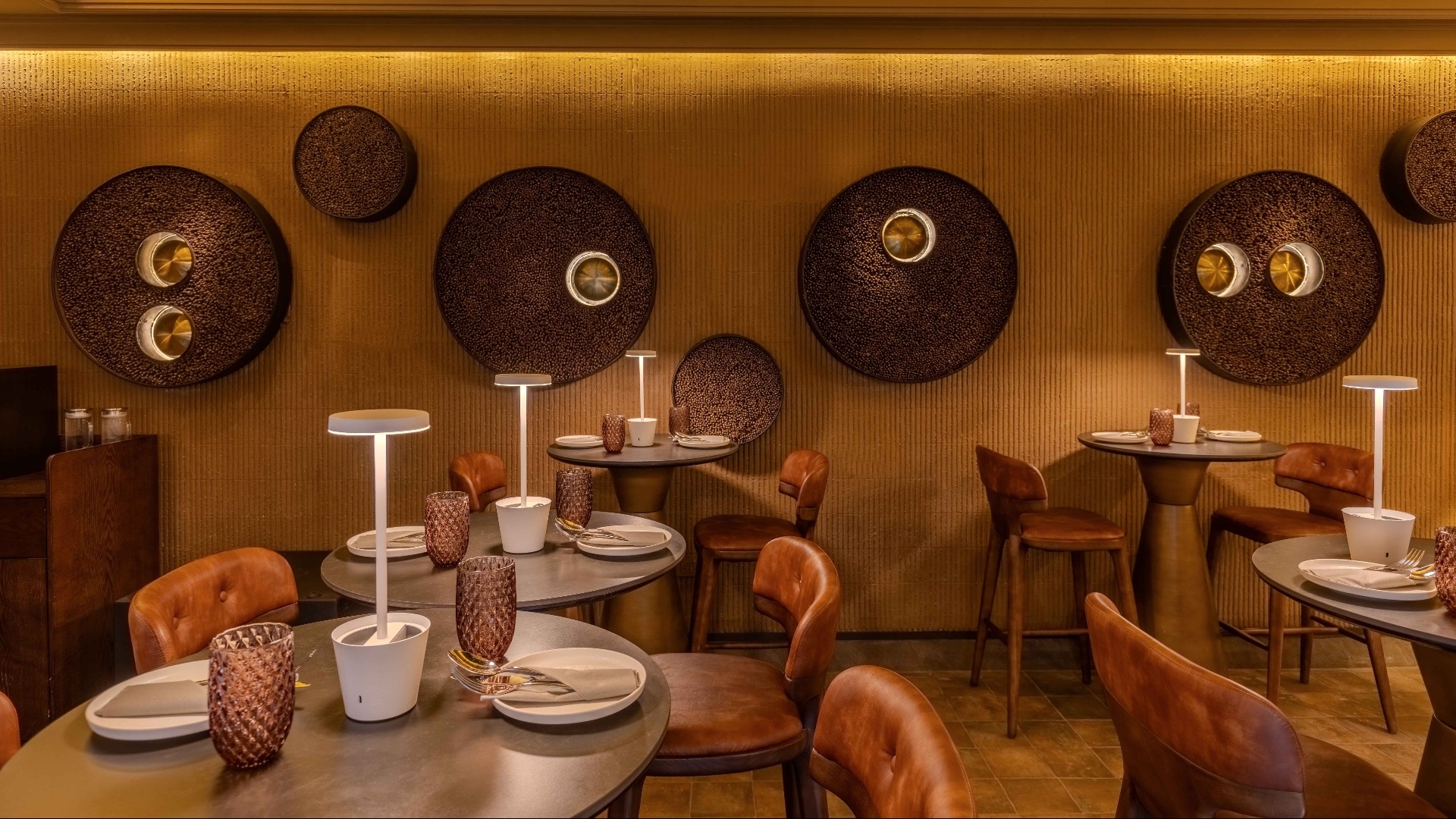
I walk into Lunamo on a Monday, two nights after its doors opened to the public, and find the vast 110-seater already full. Whoever said Kolkata’s “scene” was dead needs to visit the city’s newest offering, opened by friends Keshav Agrawal, Bineet Agarwal, and Anil Somani. It’s on Sarat Bose Road, about five minutes from Nutcase, the little cocktail bar that’s just over a year old and already considered one of the country’s best.

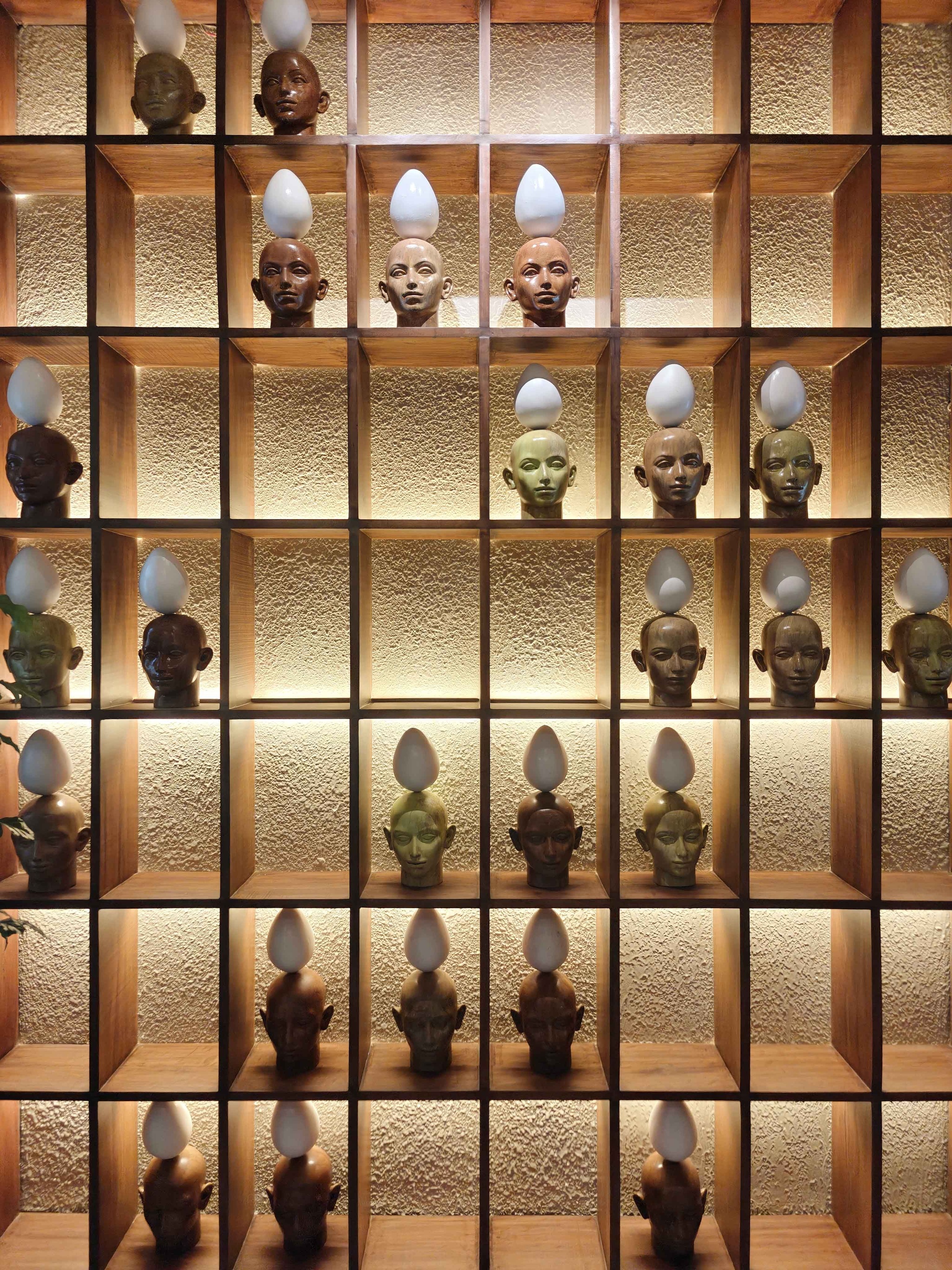
The first thing you see on entering is a wall of 24 heads—faces staring out at you—each balancing an egg on its crest. The egg is, of course, the proverbial idea waiting to be birthed. The heads? All crafted in Kolkata’s Kumartoli, the potters’ district, alongside the Durgas for Pujo. In recent years, sculptors of Kumartoli started using fibreglass (in place of mud) for the thakurs or murtis they ship overseas for diaspora festivities. And these heads at Lunamo have been crafted from the same durable material. They are immediately reminiscent of the goddess. This initial installation you encounter feels somehow symbolic of everything Lunamo is—rooted in the past but very much created for a wider audience and packaged anew.

Fourteen months in the making, Lunamo is, like many recent ventures in Kolkata, housed in a building that is over a century old, minus the somewhat pesky and sometimes restrictive “heritage” tag. Which meant the team was free to reimagine the structure as they wished. One look at the renovated building, and plenty might assume the building was constructed anew, specifically for the project. But look closer and you’ll see the telltale signs of an old Calcutta house—ubiquitous arches, wooden beams, and all that. Like many massive family homes of yore, the rooms here unfold into each other, one often acting as a corridor to the next, creating a sense of both privacy and community at once.

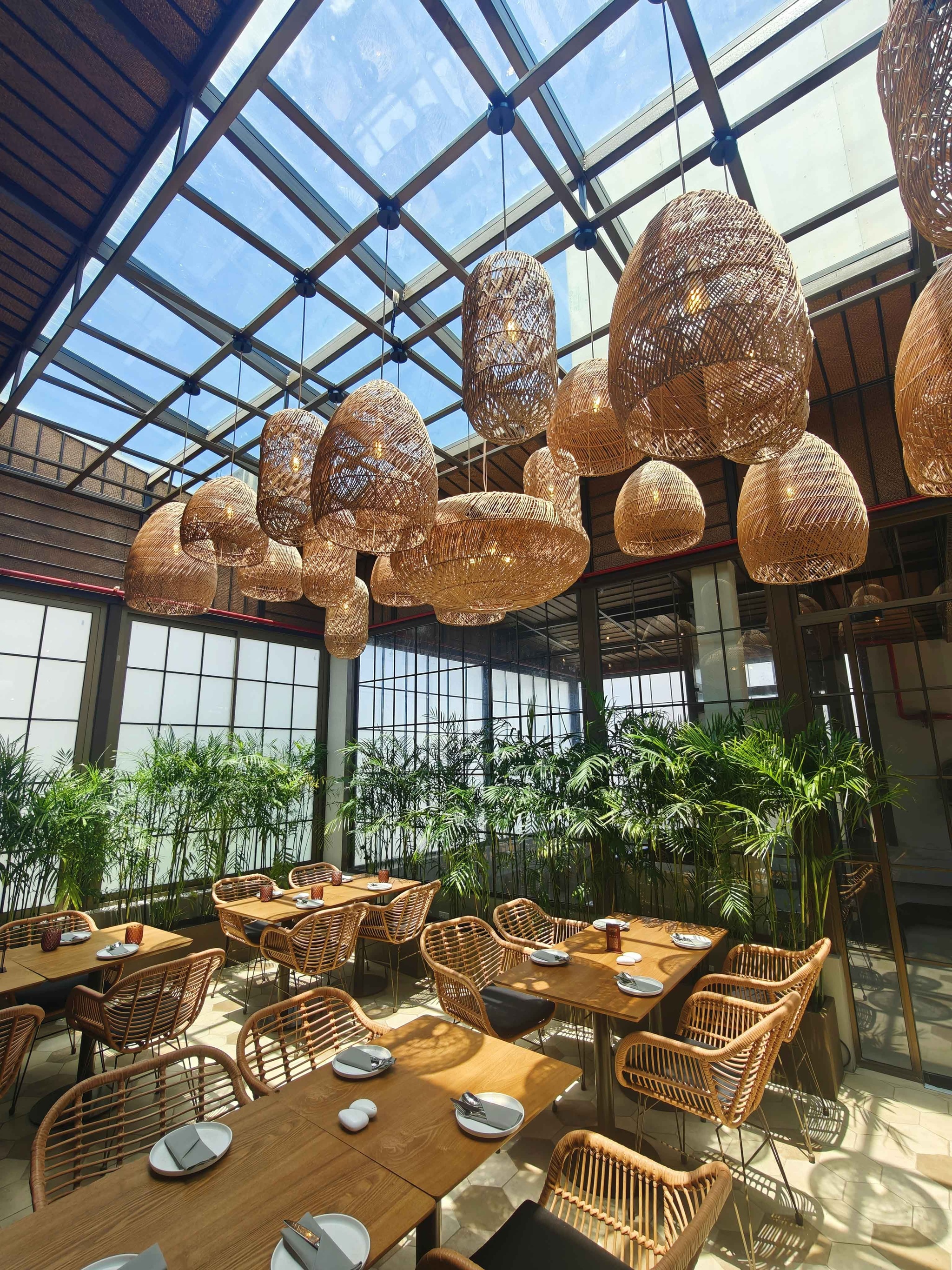
The use of Bengal craft is abundant. I met with interior designer Swarup Dutta, known for projects like The Calcutta Bungalow. “There’s a very significant nod to the grasses of Bengal,” I begin, as he gazes up at the skylights he created above what was the courtyard of the original house. The sun is reflected in his glasses. “The idea was to imitate or reference a nest, and that you might relax here, as you do when you return to your own home.”
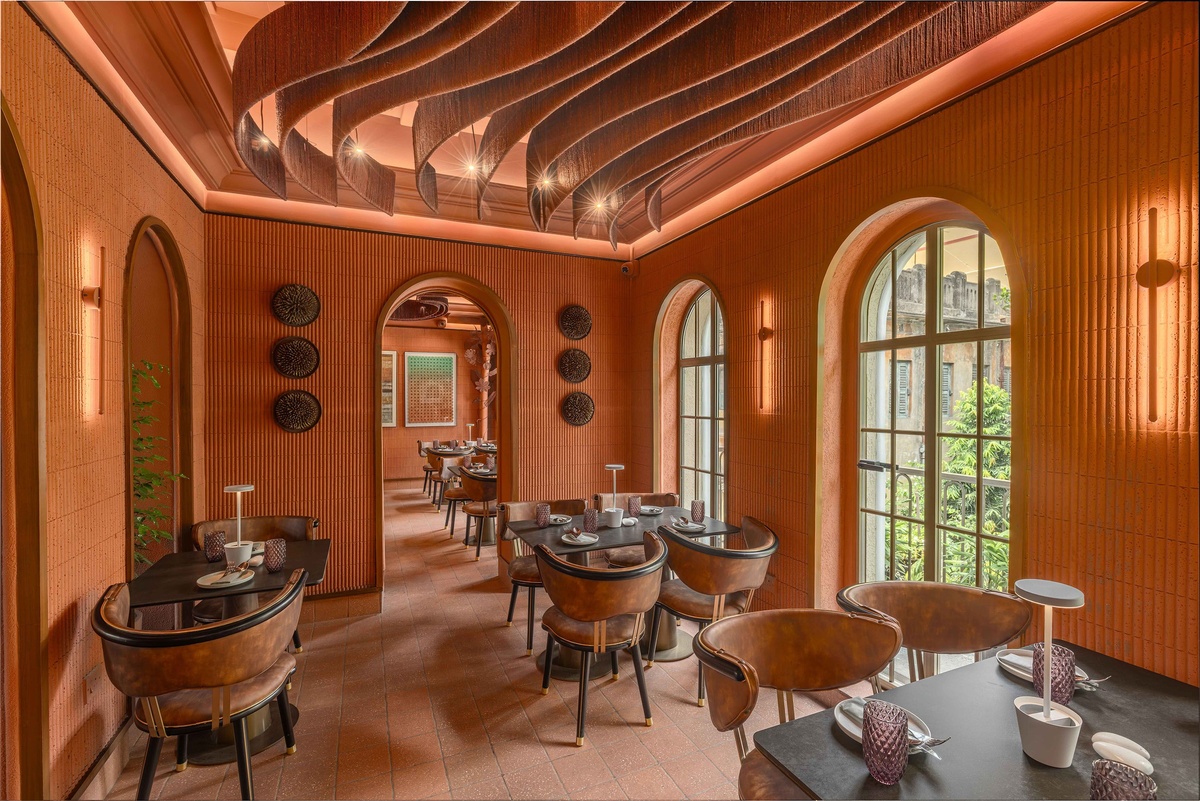
The pieces, from the woven wall lamps to the select sital pati walls, all feel special, elevated from the mass-produced versions you find at local markets, perhaps because they were commissioned by Dutta, who worked with local artisans to realise them. Like with all his projects, the local craftspeople were at the centre of it all. “These were site-specific,” he says, pointing at three colossal weaver bird nests in the central atrium. “There would have been no way to get them in, so they were woven right here.” The same nest forms the “a” in the Lunamo logo.

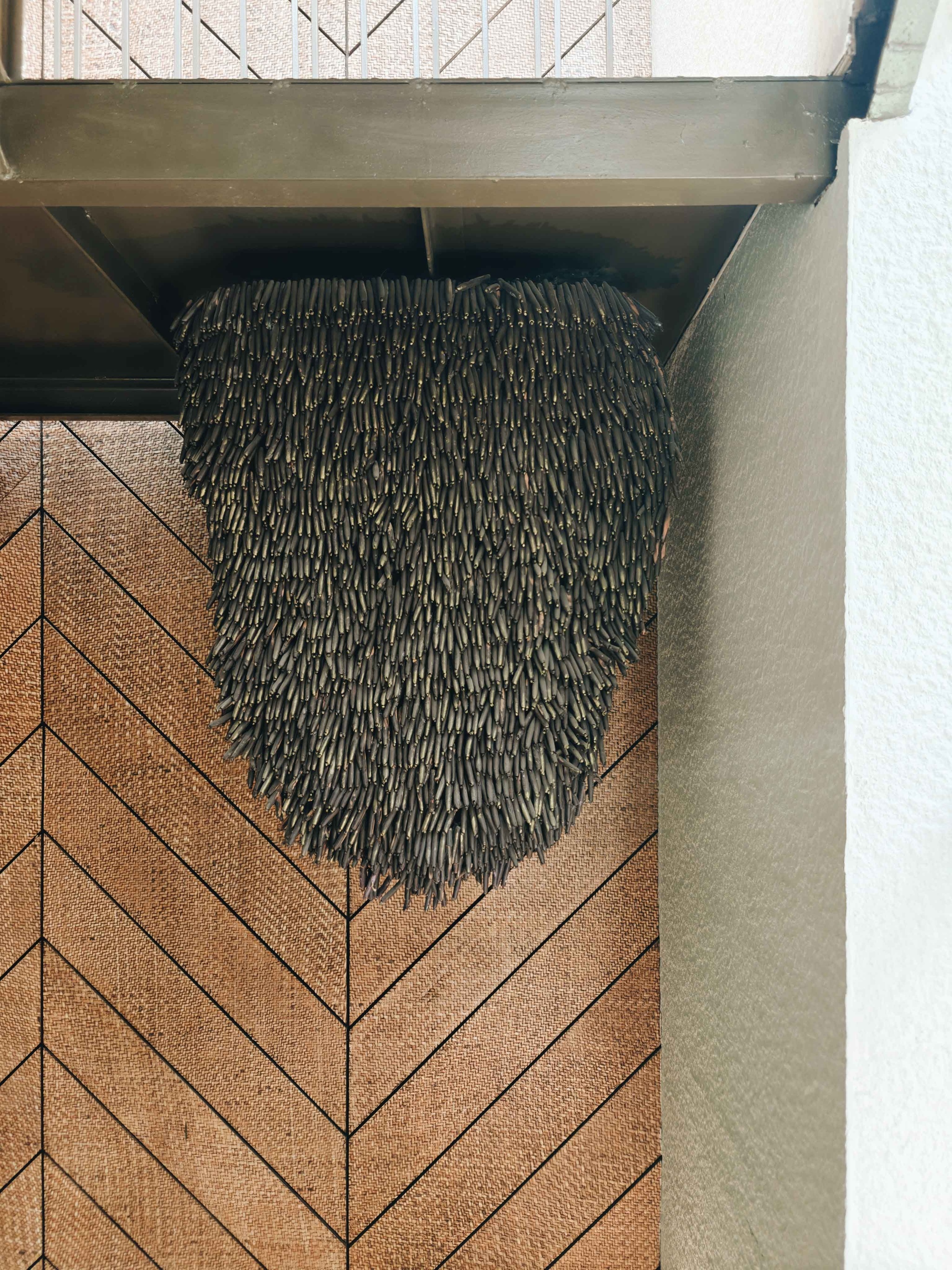
Moving upward through the three floors via the iron steps, we encounter one of the star installations. It looks at first like a giant beehive, but on closer inspection you find that the segments that form the hive are a profusion of terracotta fishing sinkers, created by women (in their kitchens) from the villages along the coastline, to hold down fishing nets. Artist Ashish Ghosh and Dutta collaborated for the piece, which evokes fascination and, for some, disgust. One girl shuddered before adding, “It’s beautiful if you’re not trypophobic!”

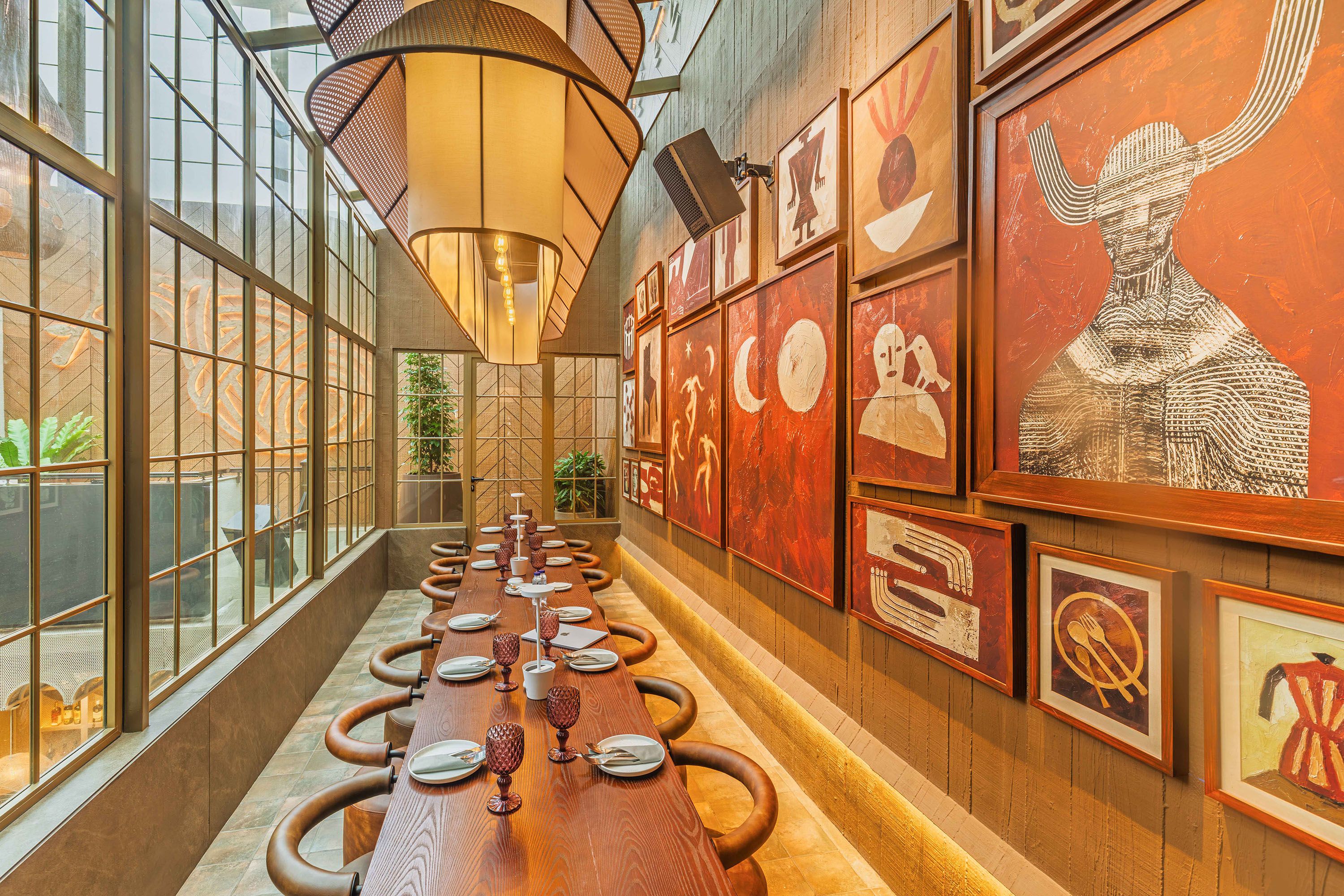
A gallery room on the first floor is awash with Sumanto Chakravarty’s paintings, which seemingly reference cave art in terracotta-toned colours. It also contains a single long table, meant for breaking bread together and for storytelling. A single 16-foot-long wicker lamp illuminates the cocoon. The entire floor sports symbols of fire or flame. The corresponding room contains one of the most eye-catching pieces of all. Again made on site with the “tenacious, vegetable-dyed sabai grass usually used to make khatias”, the rope has been turned into a patch-lit slithering dragon-like creature rippling across the ceiling. “These materials have possibilities, but we don’t explore them,” Dutta says. He cites how the same durable, sustainable, humidity-friendly grasses are being used in Indonesia in innovative ways, such as with The Green School in Bali, and laments the failure of imagination with it in India. 

Growing up in Arunachal Pradesh and Manipur, Dutta saw sabai, sital pati, cane, and bamboo used abundantly, and he brings that bounty to Lunamo. The terrazzo tiles and original woodwork of the building are left intact.

IMG_4632.jpg
A gallery room on the first floor is awash with Sumanto Chakravarty’s paintings, which reference cave art in terracotta-toned colours

All of Lunamo’s design feels intentional and deeply thought out along the core theme of the nest as the home.

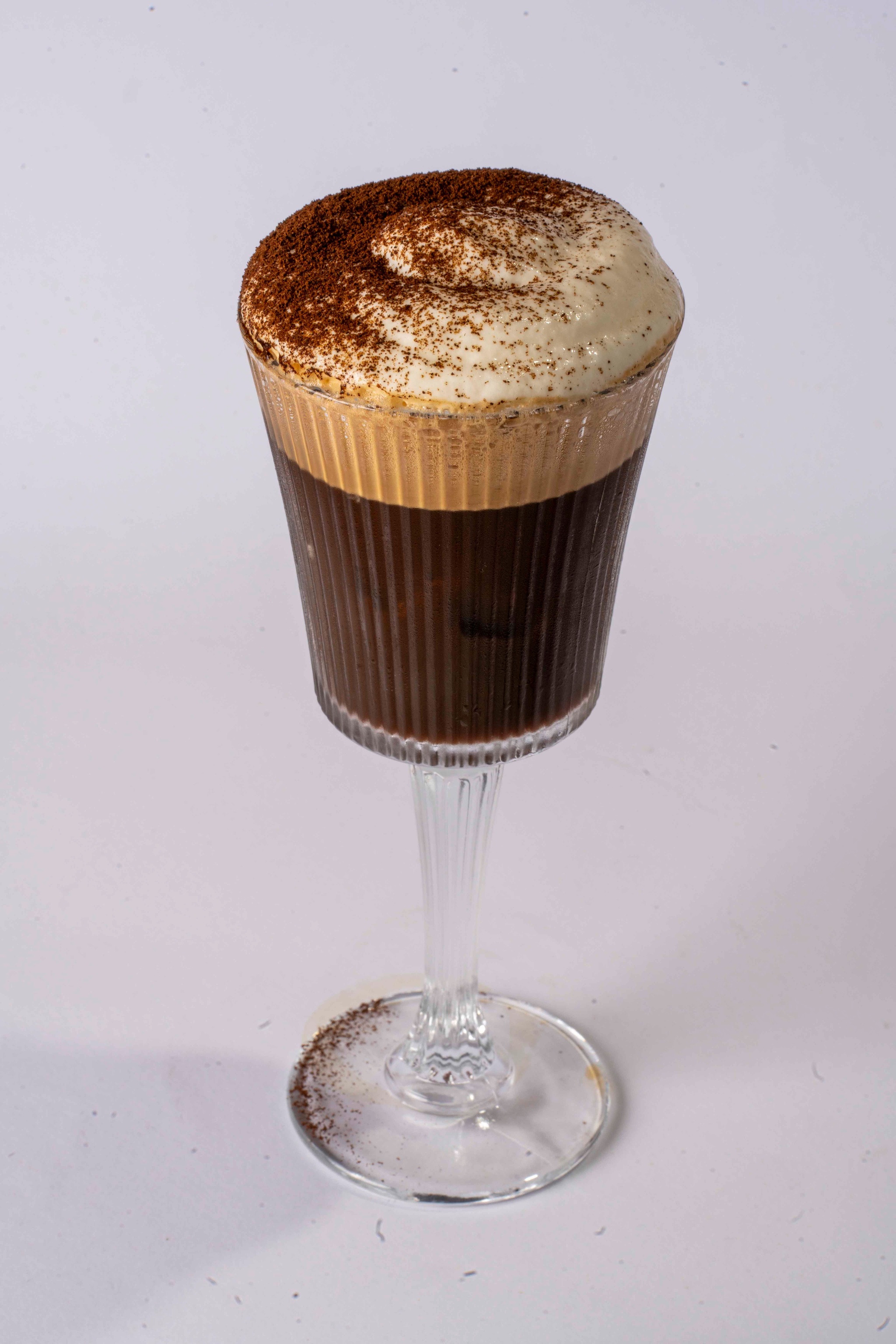
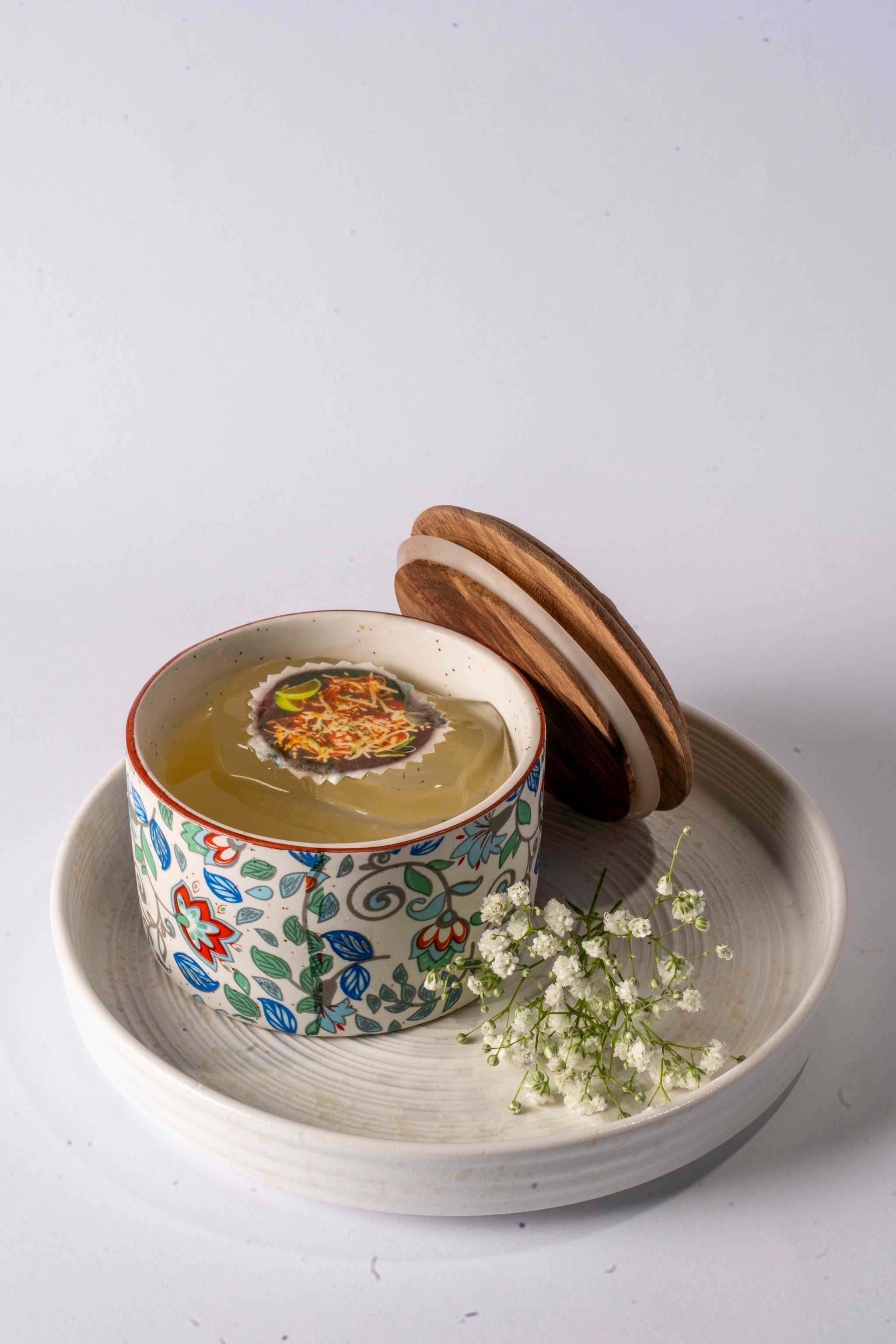
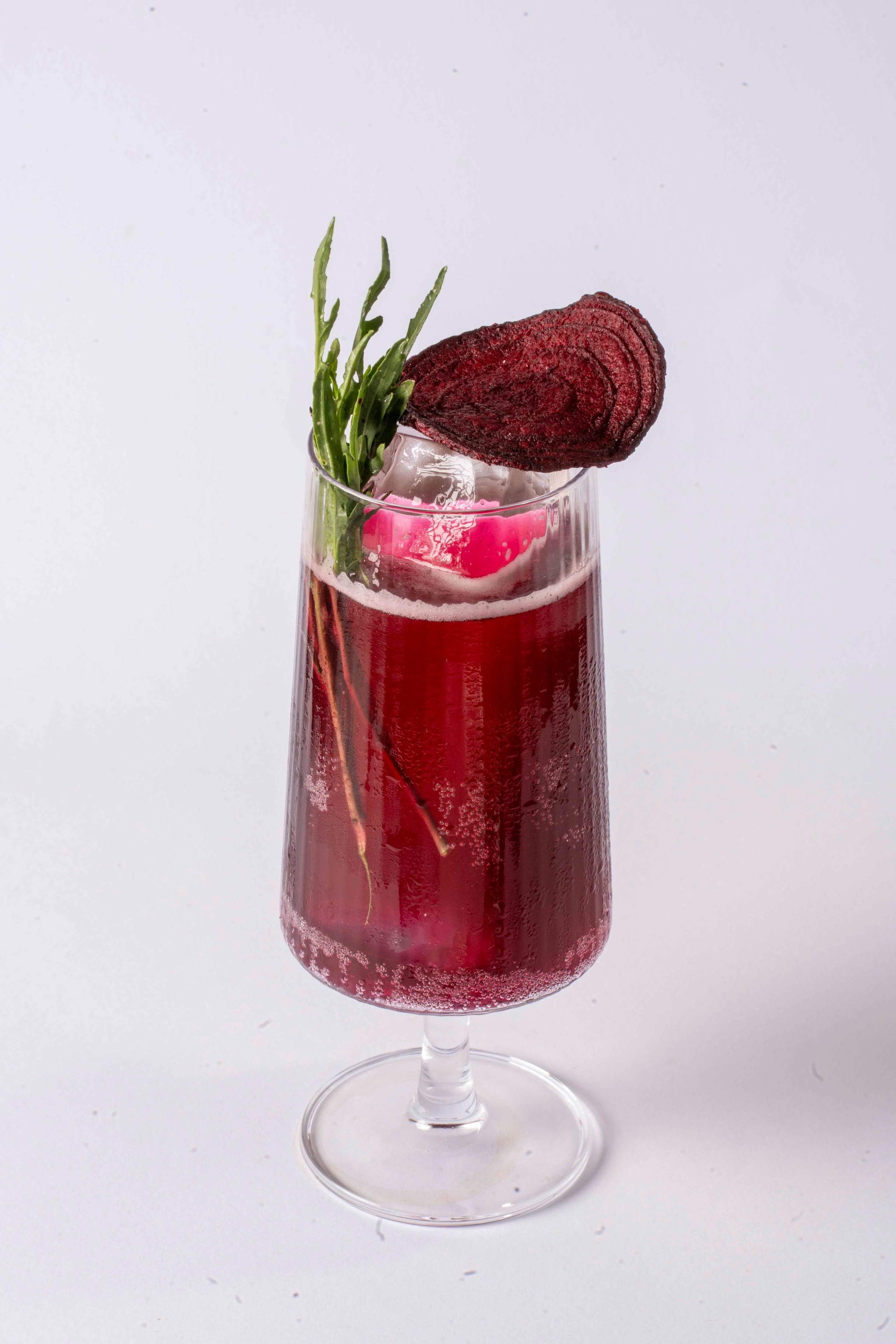
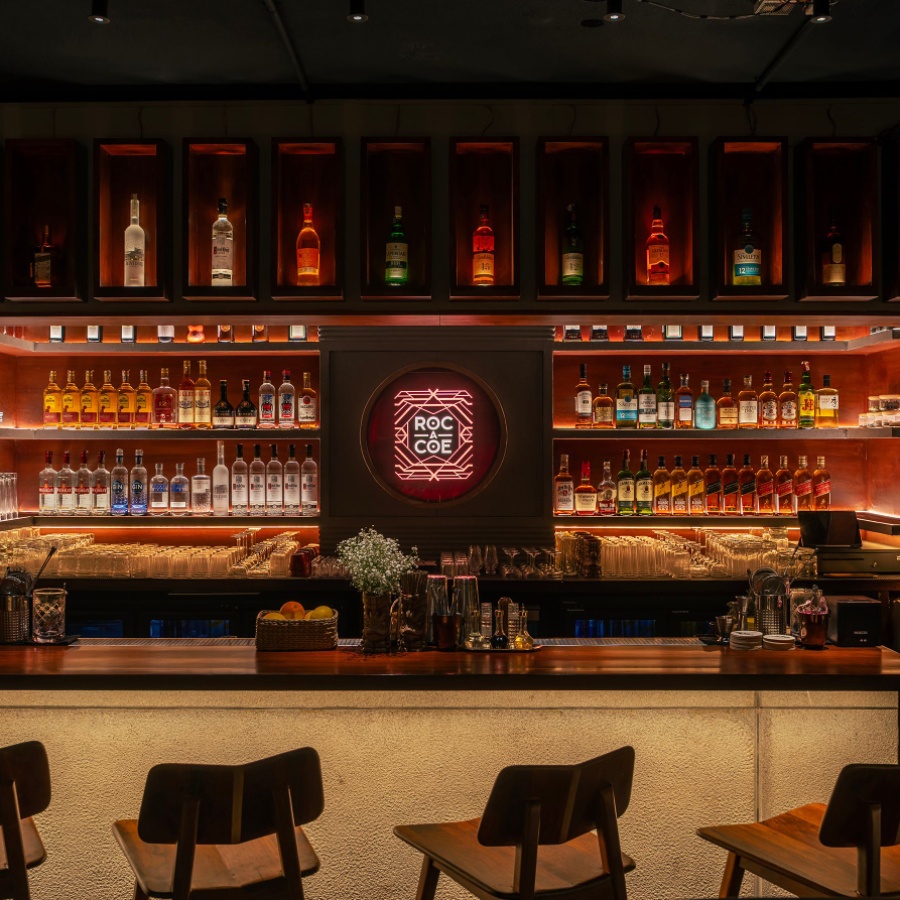
The bar menu, a first from Tanmoy Roy, offers what Lunamo calls ‘gourmet cocktails’. Each drink is inspired by a place they travelled to and flavours they returned home with. The tamarind-y Mela is an ode to Delhi, while the tiramisu-esque Nocturne celebrates Venice. The concoctions are surprisingly good, and I was won over despite my scepticism and general reluctance with food-echoing cocktails.

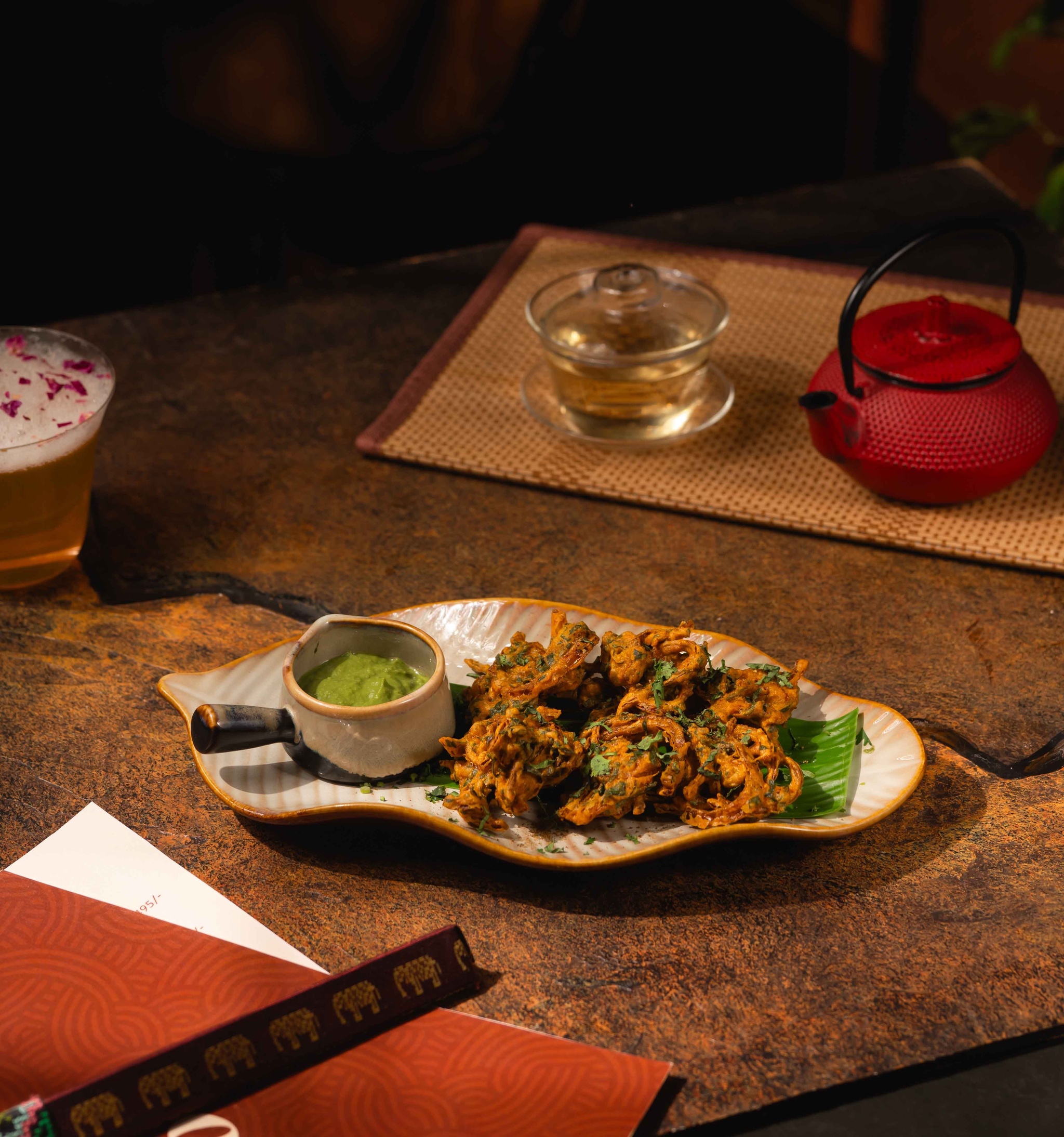
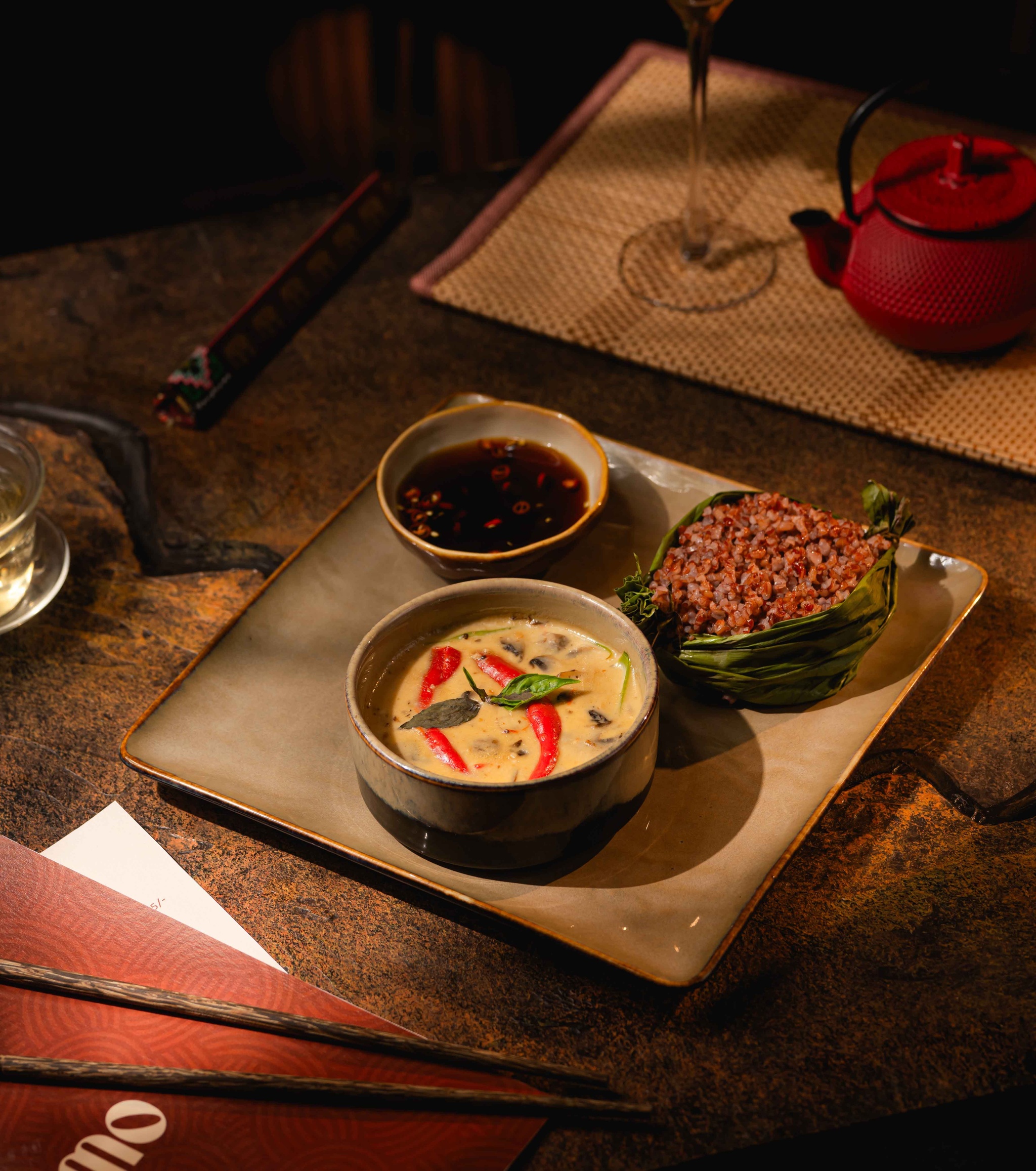
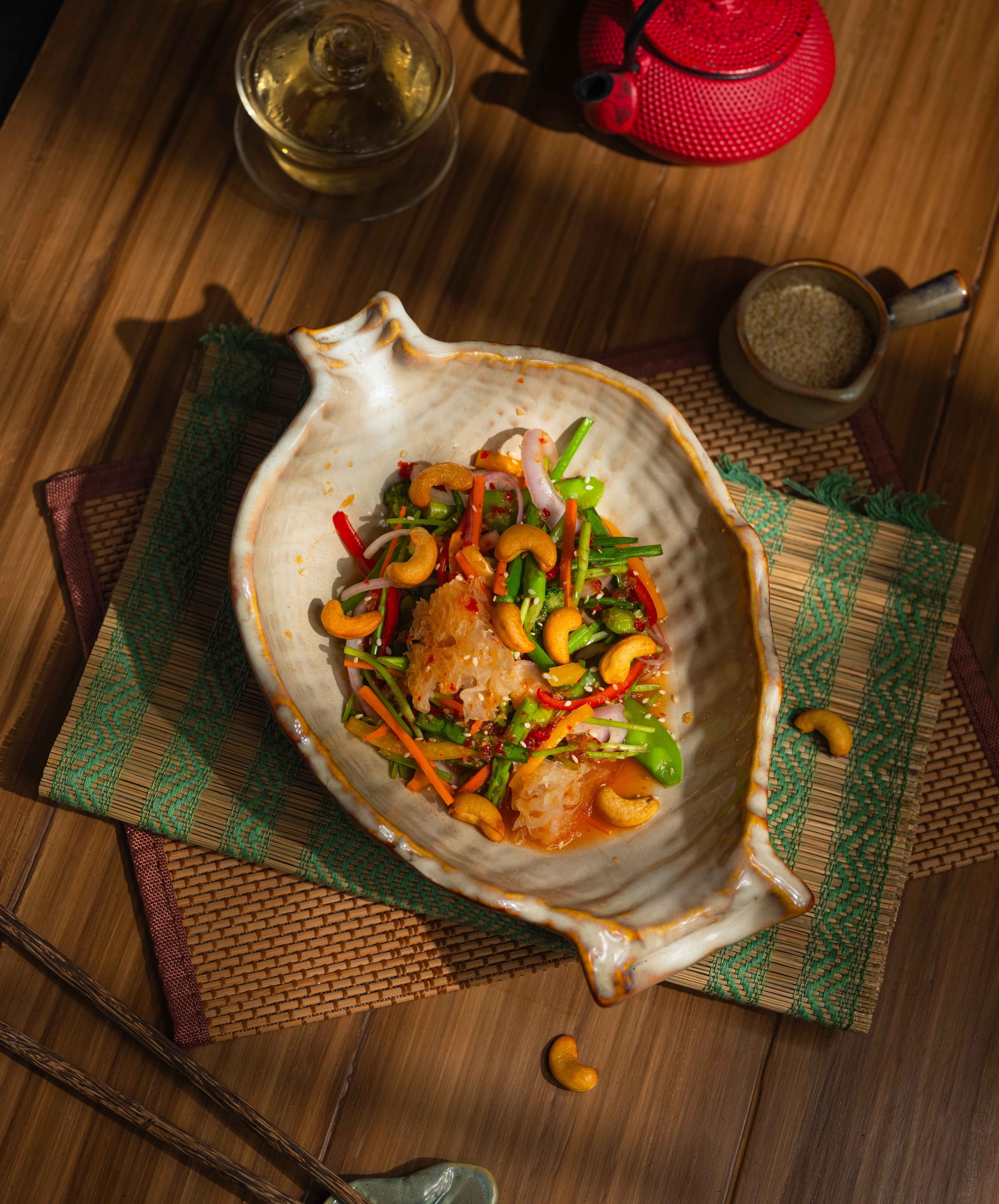
The food menu is designed by Ritu Agarwal, who has a Milan Culinary School background and most recently founded food curation company Nutmeg, along with Abhilasha Sethia, author of A Superfood A Day. Their menu is, in keeping with the home theme, comfort-driven, though a little unadventurous. But it is admittedly good. Dim sum and Thai salads mingle with butter chicken and mini kulchas. While I’m not usually a fan of multi-cuisine spreads, it works here, in a something-for-everyone way. They might over time find it works better to go less wide with variety, but for a first menu, and to get a sense of what works for their audience, it works for now.

The only eyesore in the place is the massive television screen in the central space, positioned in a way that it’s visible from all three floors. Considering this isn’t a sports bar, it feels entirely out of place and jarring to the eye. Dutta, however, reassures me that for the most part it will broadcast specially created visuals and art.

As I walk out, I see the point where the old and the new meet. One half of the house exists as it has for a century, with slatted windows and yellow walls, and the other is glass and wood. Yet, there is, as Dutta says, an “architectural continuity” visible. With it, Lunamo becomes not just a restaurant or bar but an example of what can be.

Address: 32D, Sarat Bose Rd, Rafiganj, Chakraberia, Ballygunge, Kolkata, West Bengal 700020

For reservations, call: 6292001535

Timings: Monday to Thursday - noon to midnight; Friday and Saturday – noon to 1 am

Price for two: ₹2,000-3,000

The Nod Newsletter

We're making your inbox interesting. Enter your email to get our best reads and exclusive insights from our editors delivered directly to you.