



Food15 Jun 20263 MIN

Imagine a 12-course meal—but with drinks instead of food

Across Delhi, Mumbai, and Bengaluru, XS bars and bars within bars are experimenting with flavour progression and technique with six-, nine-, and even 12-course cocktail menus. Would you go?

Image

You’d wait three hours for a table if the chef was worth it. You’ve done it. The much coveted seat at Papa’s or a reservation at a restaurant on a farm (like Farmlore in Bengaluru) or even an evening spent in the hills of Kasauli at Prateek Sadhu’s Naar... These are experiences you don’t just stumble into. The anticipation is part of it. But waiting for a cocktail, being told to sit, trust the bartender, and let the drinks work through a sequence demands a different kind of patience. One that India’s bars are now beginning to nurture.

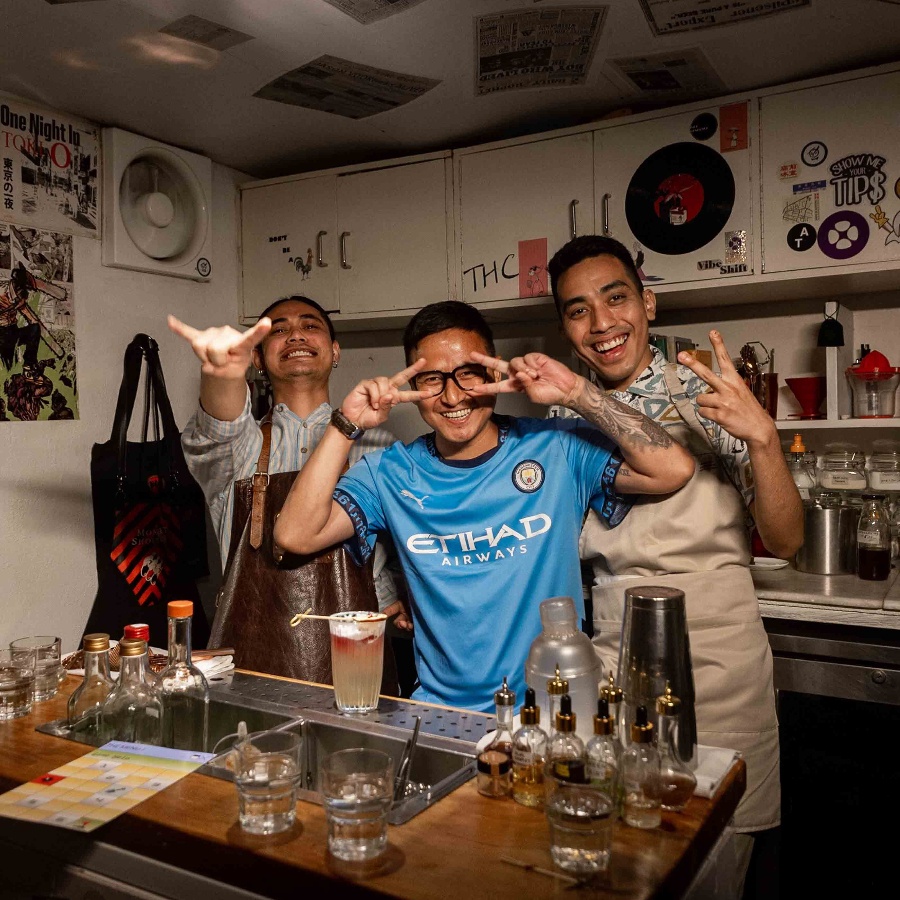
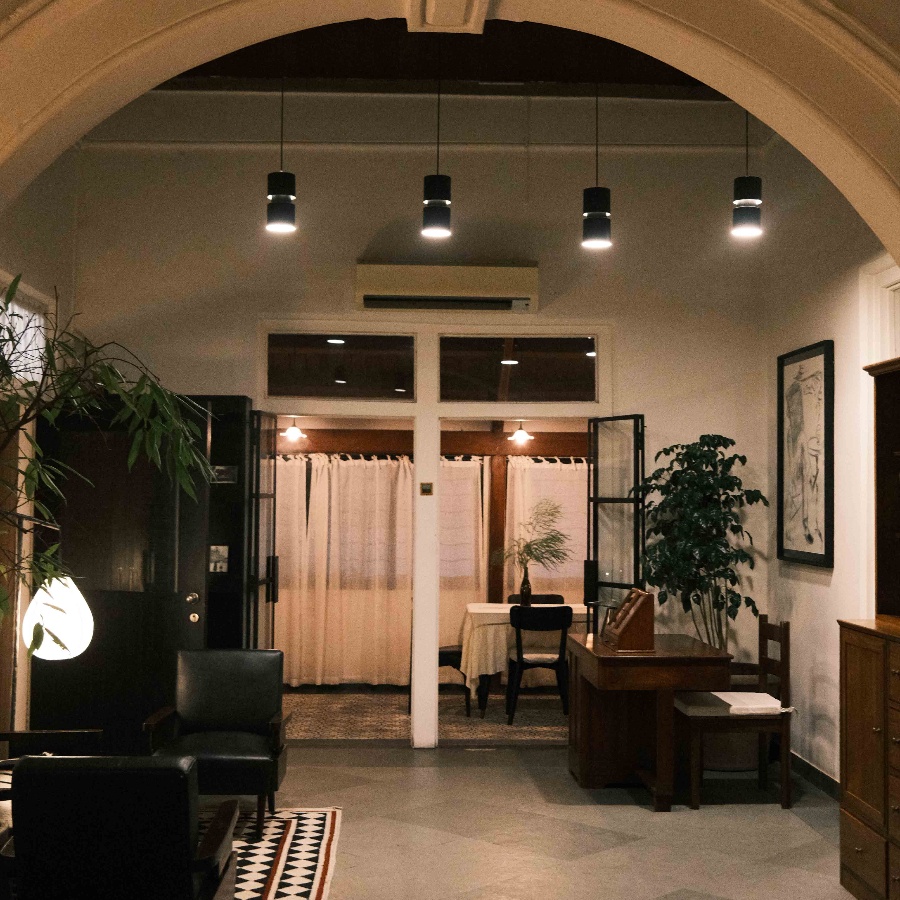
The newest entrant, and the first of its kind in Mumbai, is the Koliwada Cocktail Club (KCC), a dedicated space within Slink & Bardot operating through the week while the main room does its celebratory shindig on weekends. That separation is intentional. “The energy of a busy bar can distract from a more immersive cocktail experience,” says partner-founder Vik Singh. “KCC prioritises discovery over volume.”

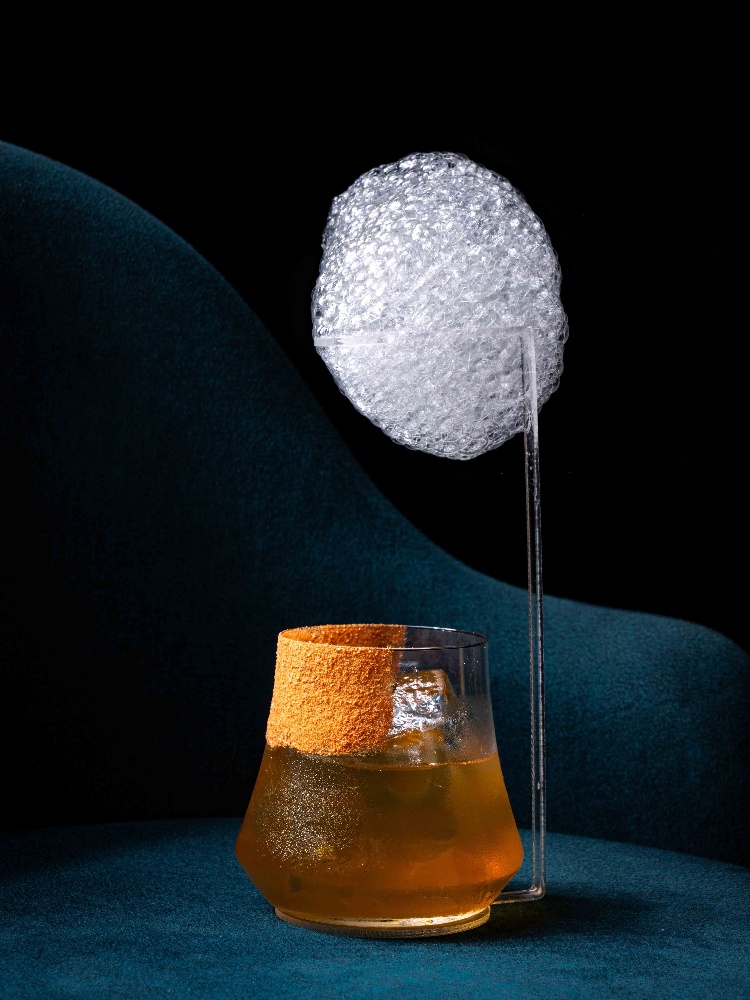
Across six entirely savoury courses, the menu moves with the logic of a fine-dine, course-driven meal. Gazpacho is the second course, tequila-based with a salted celery air cloud hovering above the glass, bright and vegetable-forward. This is followed by Tamales in the appetiser course, corn husk-smoked tequila with chicken stock and charred jalapeño, an ode to the bar world’s favourite cocktail, the picante, served alongside a corn tostada. Then Morel, a morel-infused Singleton 12 with rye and a morel glaze, darker and more umami-rich. The flavours deepen progressively course by course.

I sat there, on my sixth course, feeling slightly overwhelmed by the procession of flavours. They were clever and well judged but seemed designed less for traditional cocktail drinkers and more for the nouveau drinker: the savoury seeker, a diner who approaches cocktails as an extension of the tasting menu.
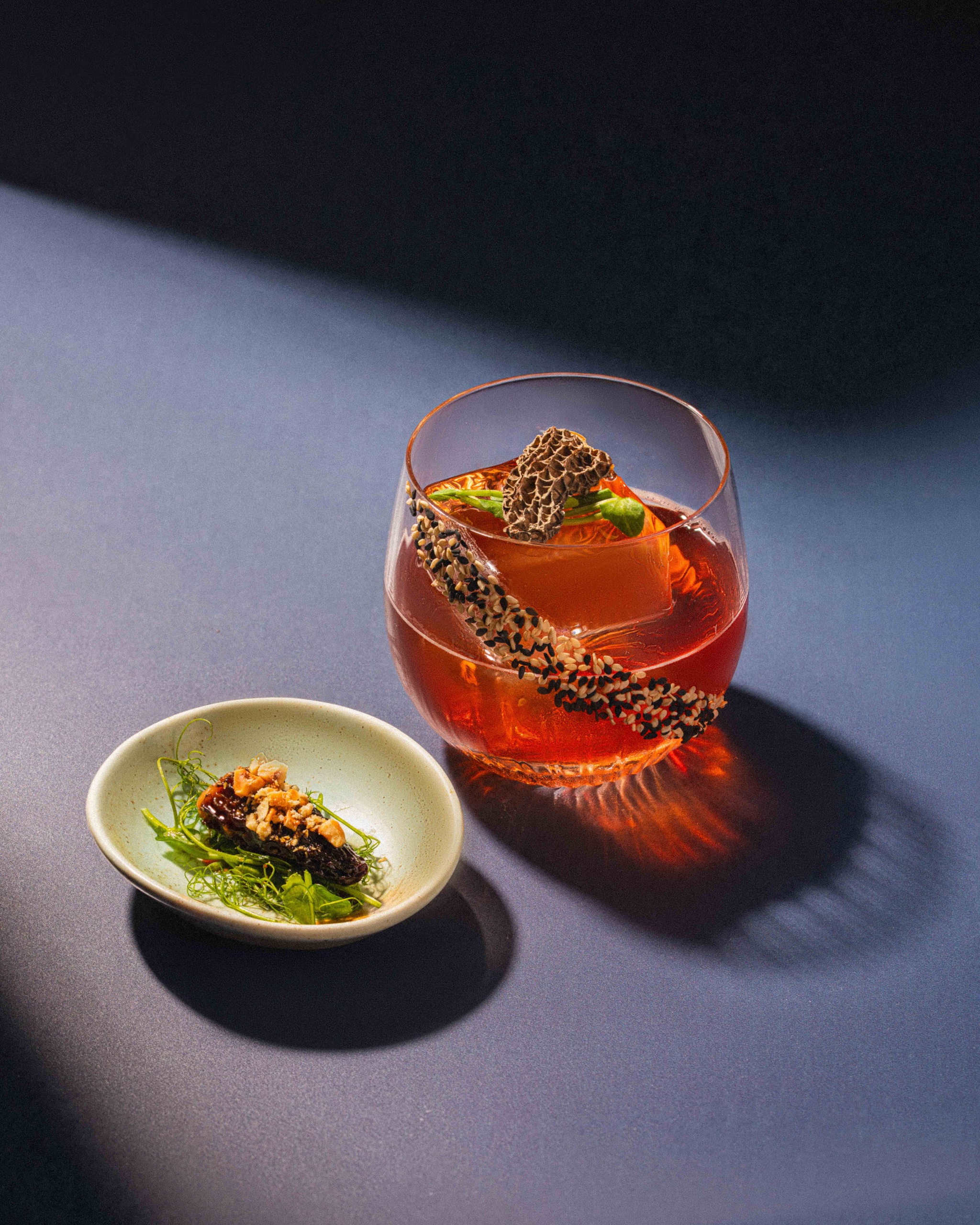
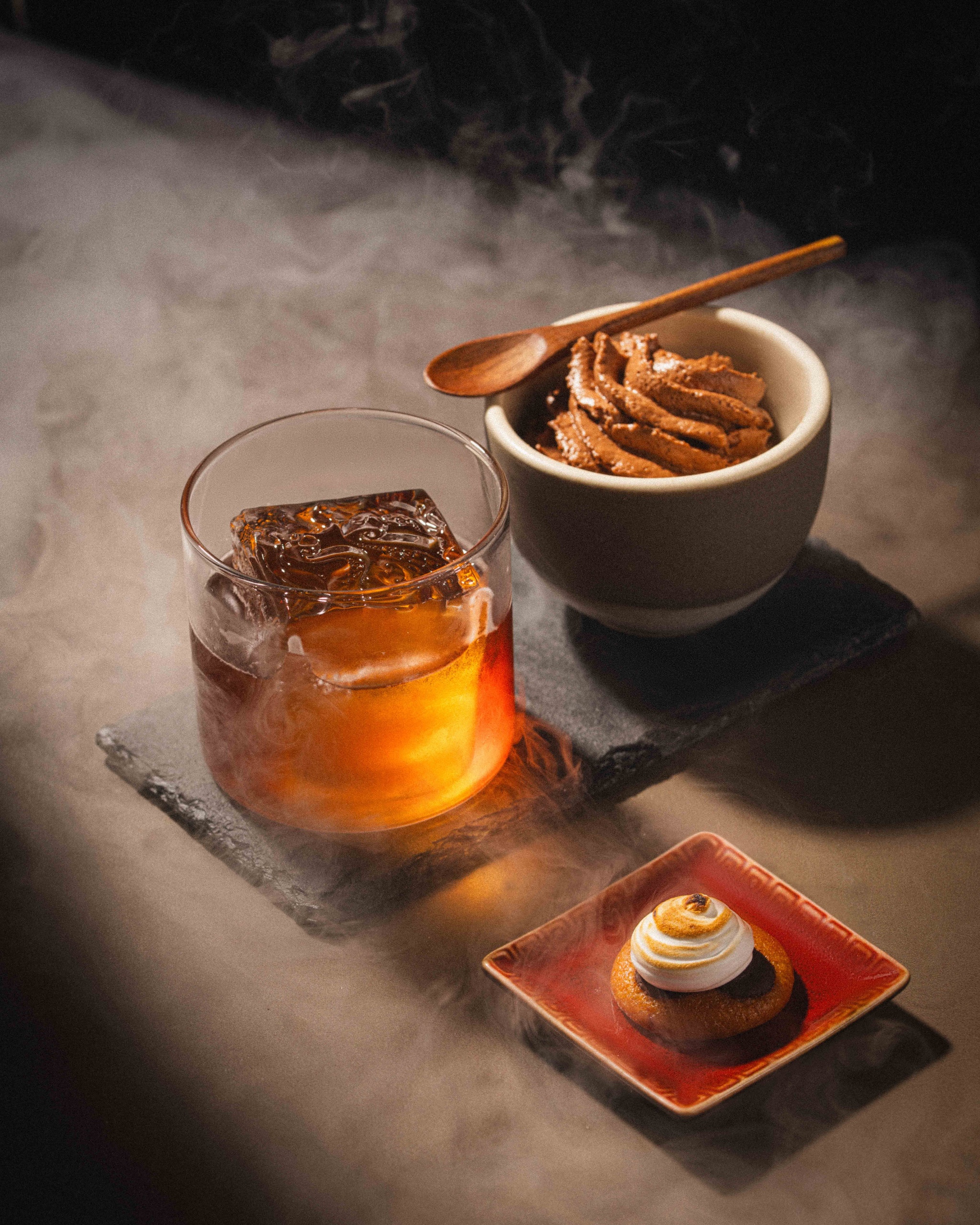
Multi-course cocktail menus are the latest culinary expression. A few months ago, at GK-2s hottest new opening Barbet and Pals, the neighbourhood bar that Jeet Rana and Chirag Pal have built around the craft of mixology, they ushered me downstairs into a space with a living-room vibe, cosy and industrial, called Cavity. A nine-course cocktail tasting menu with small plates to match arrived for us at the nine-seater that felt more like a private dining room than a bar. The ask was simple: prepare for a drinking extravaganza, calibrated right down to ABV and measure, so you’d leave enlightened rather than sozzled.

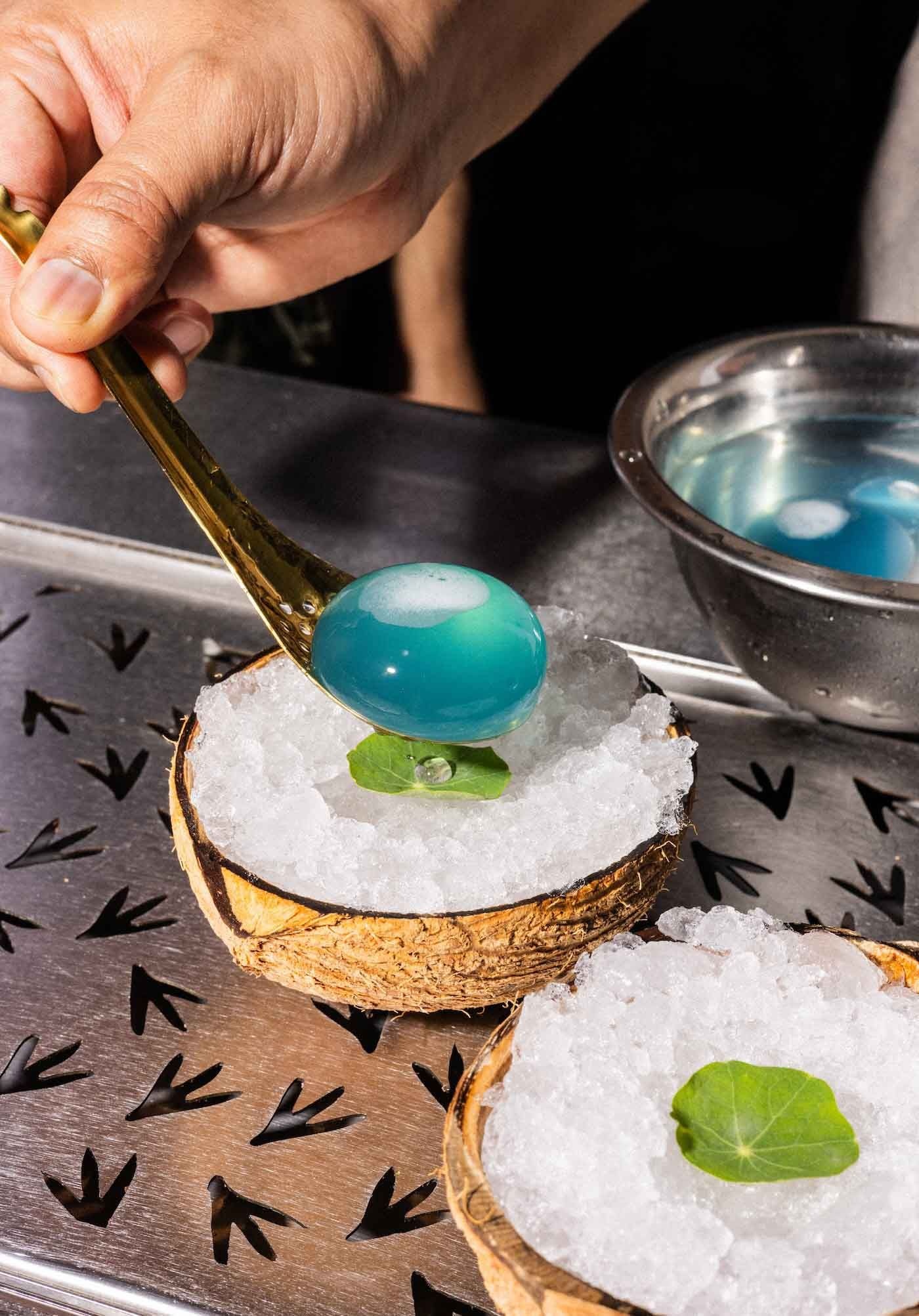
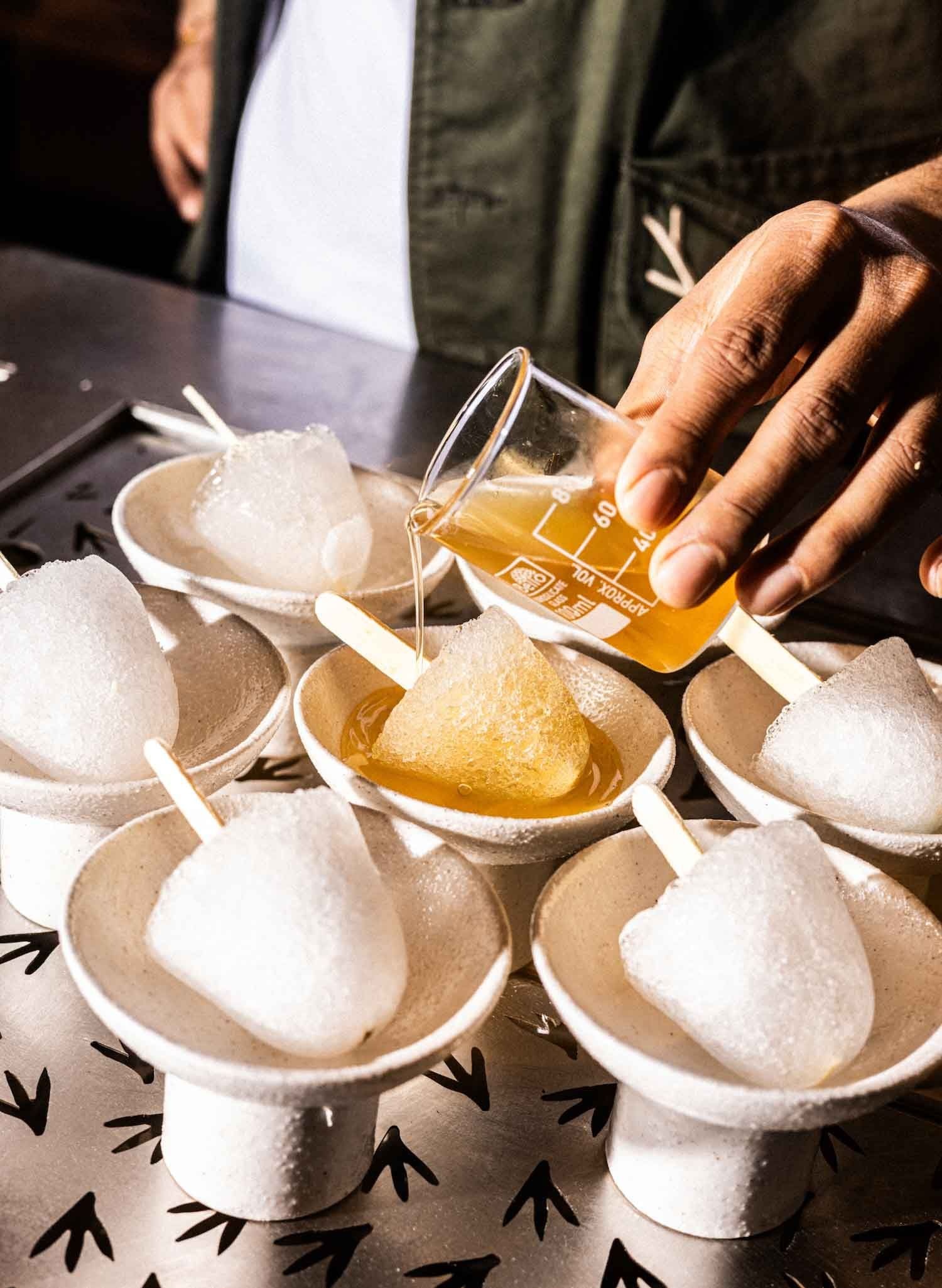
Each course drew from India’s GI-tagged ingredient map: Sundarban honey with its floral wildness; Tooyamalli rice from Tamil Nadu rendered into something that tasted startlingly like rasam; Ladakhi apricot, dry and saline in the mid-sequence; and Coorg coffee as a nightcap, deep and roasted, paired with a nolen gur cloud rosogolla. A liquid atlas of the Subcontinent, with Jeet’s meme-worthy running commentary keeping the room entertained between courses. Midway through, a Bhimkol banana chuski was served as a palate cleanser.

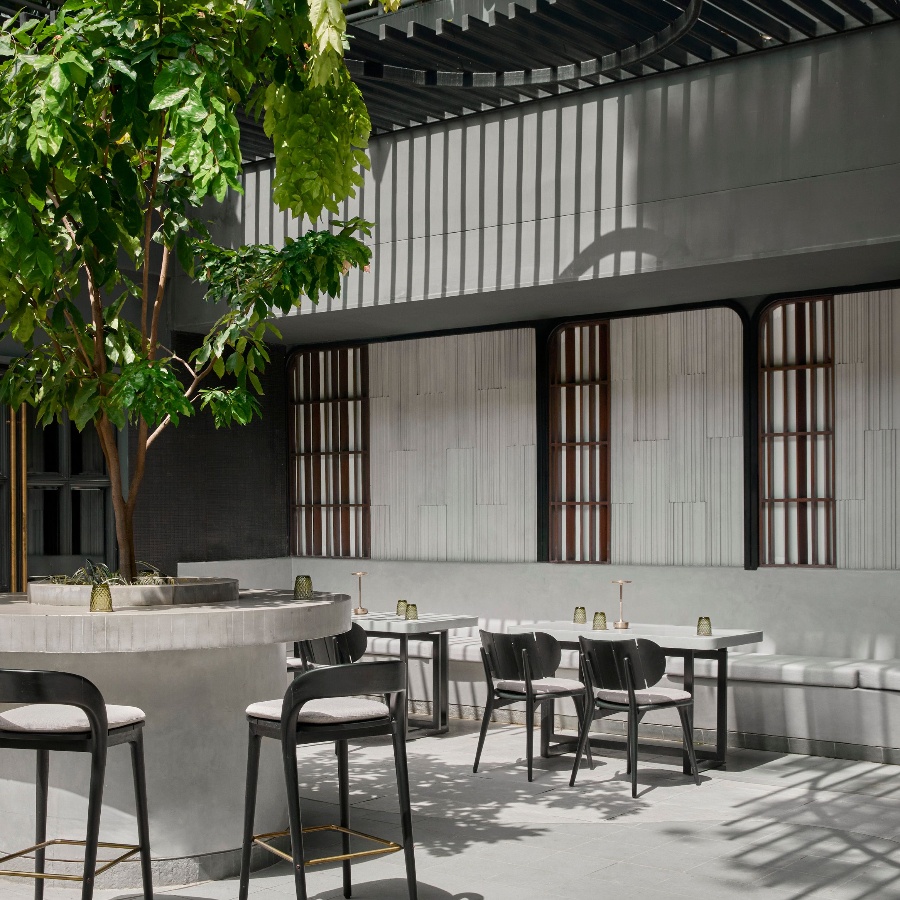
Bengaluru, though, had got there first—and taken it up a notch. At ZLB23 within The Leela Palace, The Theatre takes the coursed menu through a full dramatic experience. There are four acts, each named for a classic cocktail style—Aperitivo, Daisy, Red Snapper, Mary Pickford. The sequence follows the palate’s natural arc from bitter to sour, through salt, and into sweet, each drink designed to be visually and mentally stimulating before it touches your lips.

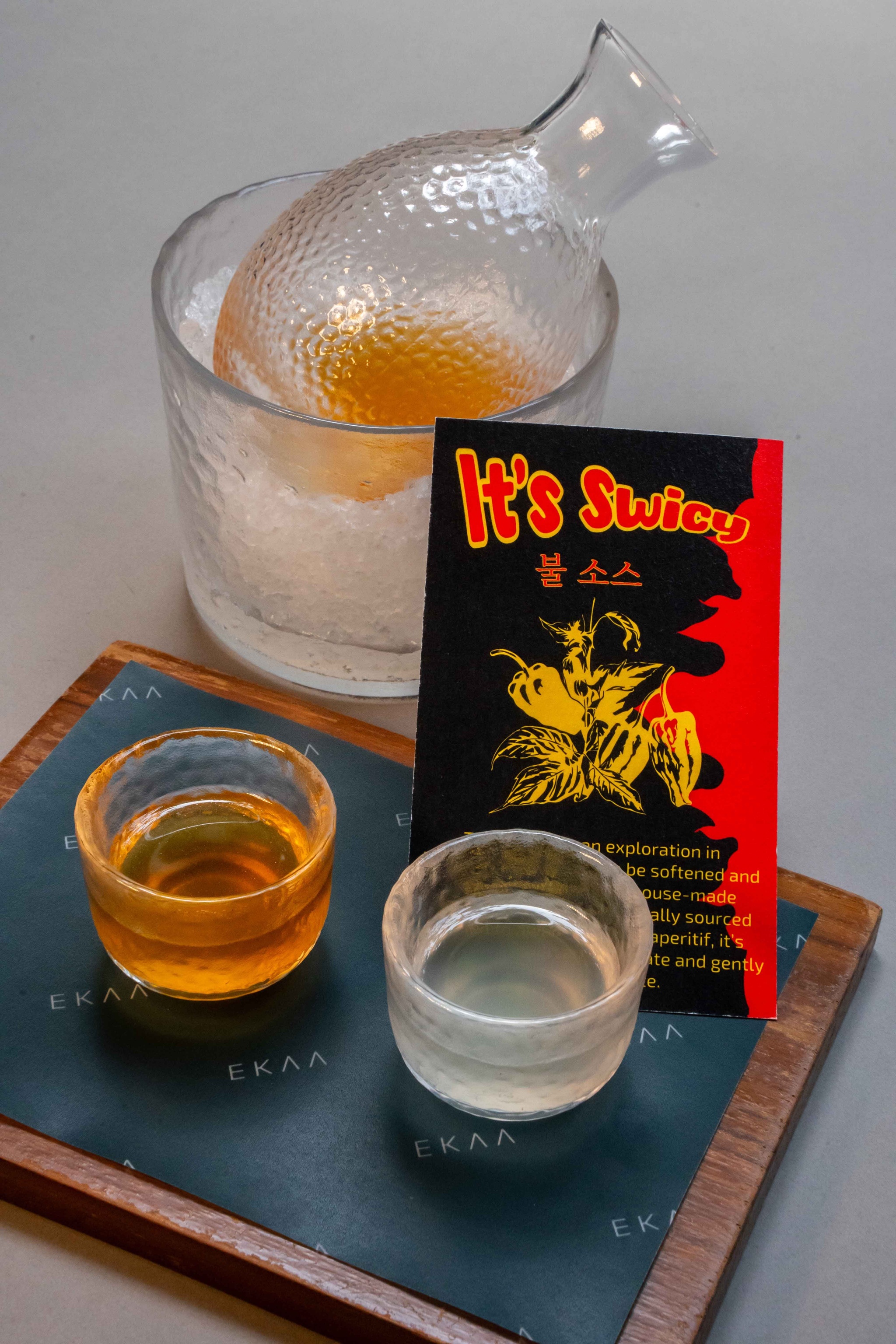
The most philosophically ambitious of the lot remains Ekaa’s Dwadash 2.0 in Mumbai. Here, the number 12 is the entire foundation. Niyati Rao built the experience around what the number represents across Indian culture, astronomy, and spiritual tradition: wholeness, continuity, the completion of a cycle. Twelve months in a year, 12 signs in the Zodiac, 12 as a number that recurs across human experience with an almost instinctive rightness. Dwadash is a concept that dives deep into the world of ingredients married with techniques.

The guest moves through them in sequence; there are eight mini cocktails and four full pours. The arc opens with a kombucha, moves through a delicious feni-based one, and a very relatable Petrichor, right in time for the monsoon season. There are ayurvedic botanicals, forgotten ingredients, and regional references that form the backbone of each drink. On what separates a menu with genuine philosophy from one that has simply adopted the format, Rao says, “There is a difference between progression and sequence. Progression creates meaning; sequence merely creates order. Our ambition was never to create 12 cocktails. It was to create 12 perspectives—12 encounters that encourage guests to think, feel, and taste differently.”

That said, when bold ingredients like soy or rice vinegar take centre stage, they can sometimes overpower the spirit beneath—and that’s a fine line worth watching, especially when the base is something worth tasting on its own. The best coursed cocktail menus know when to lay boundaries. Culinary ambition is the engine, but the drink still has to be the destination. After all, a drink is a drink and it can’t make you feel you like you are having a soup.

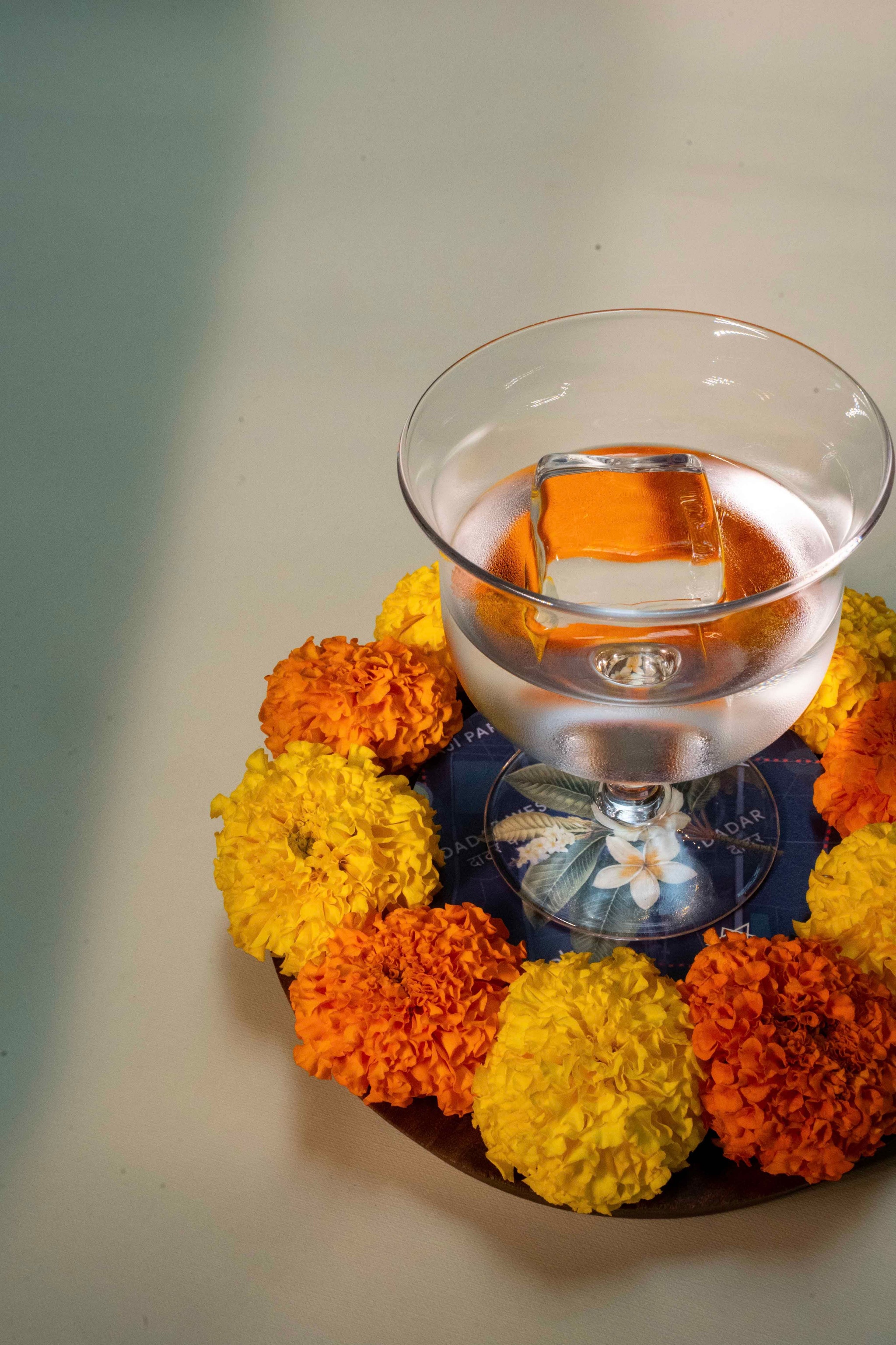
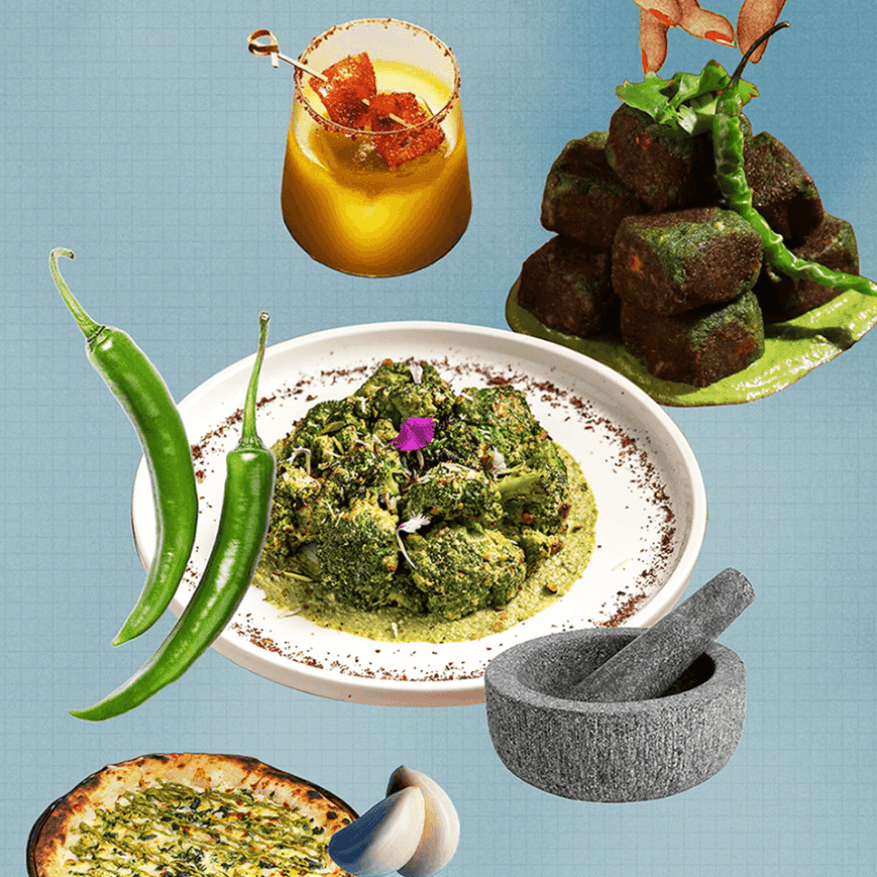
The DNA of what a cocktail is meant to be remains worth protecting, even in the most experimental hands. In Delhi, Pendulo’s Cocktail Sway threads a cultural link between India and Mexico across four courses, pairing agave spirit-based cocktails like Rosa De Pushkar (tequila with Pushkar rose water) with unlikely companions like a dhokla with lamb barbacoa, and the Naga Noche (dark rum, cacao vermouth and the heat of a Naga king chilli) with a cafreal fish empanada.

Arijit Bose’s eight-seater omakase Bunker Room, tucked behind Una Hacienda in Bengaluru, is testament to a relatively young cocktail market that is growing in confidence. Shielded from the constraints of market reality and the energy of the venue it sits within, Bunker Room gives its bartenders the luxury of time and creative freedom to make drinks that would be otherwise be impossible in a day-to-day operating bar. Hence the name. “Most bars are designed around speed and consistency. Bunker Room is designed around curiosity. It gives bartenders the space and time to explore ideas and present each drink as an experience rather than a fleeting moment of consumption,” says Bose on the idea behind designing an omakase style four-course format inspired by Japan, from Tuesday through Thursday. It is quietly upping the game for Bengaluru’s cocktail nights.

Back in 2016, I attended a pop-up by LA-based “cocktail chef” Matthew Biancaniello. I walked in to find a counter lined with blood oranges from southern California, green zebra tomatoes, stinging nettle, and wild arugula infusions—and no menu. What he asked instead was simple: a spirit and a flavour direction. From those two coordinates, drinks worked like a sequential omakase—a low ABV highball with complex textures and unique flavour combinations, bordering on culinary and liquid and eventually ending on a strong tequila number with goat milk and chocolate. I remember thinking: this is what it feels like when a drink tells a story. A decade later, more of us will know the feeling.

The Nod Newsletter

We're making your inbox interesting. Enter your email to get our best reads and exclusive insights from our editors delivered directly to you.