Two years ago I was shopping for a series of family weddings, a process that seemed to carry on for months, and on one of the excursions to Kala Ghoda my mother and I walked into the Payal Khandwala boutique. The store was refreshingly uncluttered, all black and gold with hardly any adornment, a moment of calm in the chaos of bridal shopping. Right on that first visit, I walked out with a pair of bright magenta and gold brocade pants with a matching magenta-collared shirt that transformed my idea of what occasion wear could be. It wasn’t a weighty lehenga or an embroidered sari—in fact, the trousers were ridiculously comfortable—and yet I immediately felt a little taller, more confident. I liked how they felt on my body, like they were freeing me up rather than trying to shape me. Since then, the trousers have become the first thing I reach for when I need to dress up, paired with everything from a white shirt to a tiny going-out top. I’ve worn them more times than I can count, so the girl math definitely adds up.
I’m telling Khandwala this story at the recent preview of her eponymous brand’s spring/summer 2026 collection in Mumbai. As always, the 50-year-old designer is dressed in her own designs—a celadon-green silk organza jacket layered over a white shirt and red trousers—and she’s describing an outfit on a hanger that looks like a shirt loosely tucked into a draped skirt but which turns out to be a dress. Many of the looks are constructed to create the illusion of layered pieces but are actually single garments. She says, “I wanted to make a very tight capsule wardrobe and play a bit with fabric and shape. I also just wanted to alleviate any pain points that people have when it comes to wearing my clothes—sometimes I will style my shirts a certain way or tuck them in and that might be a little intimidating for those who don’t necessarily know how to do that.”
ADVERTISEMENT
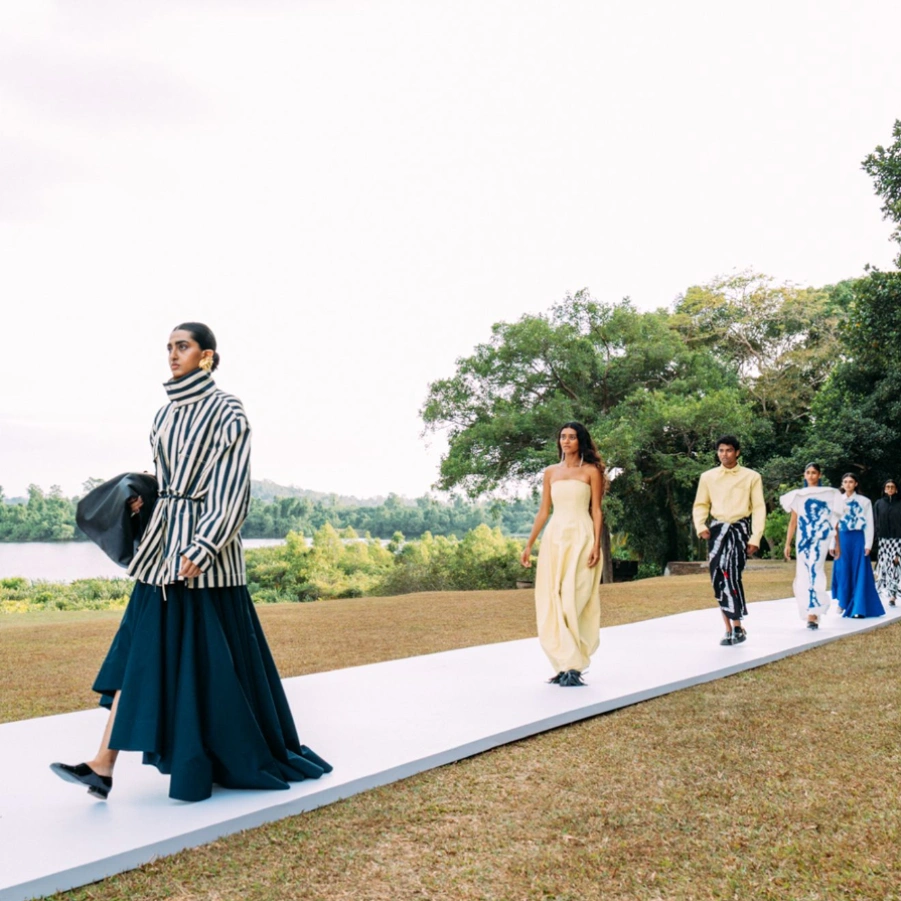
Looks from the brand’s spring/summer 2026 collection
Ever since she started her label in 2012 with a show at Lakmé Fashion Week, Khandwala has always reiterated that she’s “making a product, not a performance”. She says, “I’m not creating for creativity’s sake. I’m trying to just make clothes simpler, easier, more comfortable, but sophisticated.”
Khandwala is one of a handful of designers who don’t throw marketing money at Instagram or splurge on promotional events, yet she has built a following of discerning shoppers who prefer realism over runway theatrics. Like other women-led Indian labels—Bodice, Eka, Anavila, 431-88 come to mind—her clothes lean minimalist. Much like the works of her favourite Japanese designer Issey Miyake, there’s a focus on straight lines, on sharp, clean colours, a refusal to engage with any unnecessary adornment, and yet there’s enough design innovation to create desire.
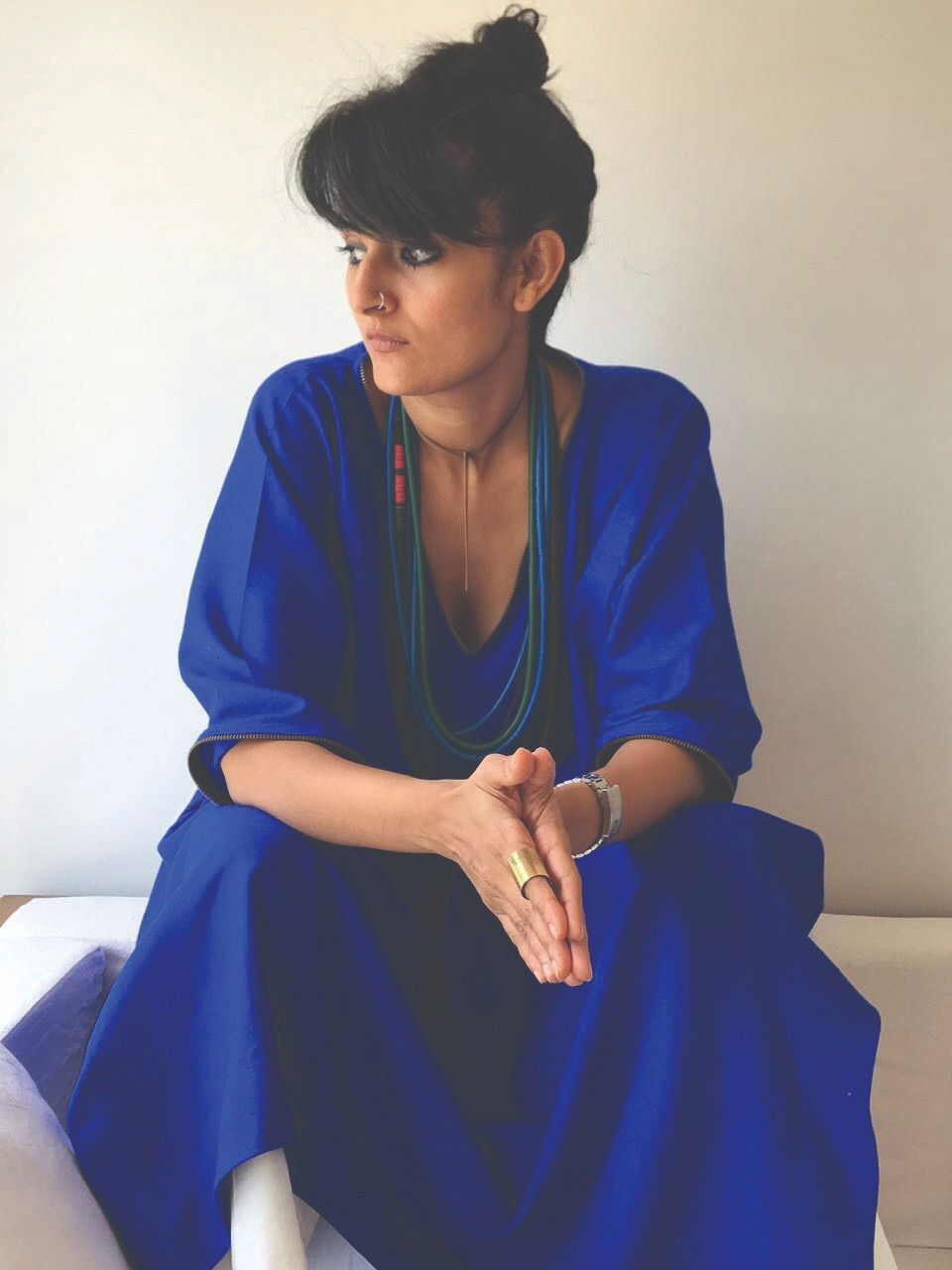
Designer Payal Khandwala
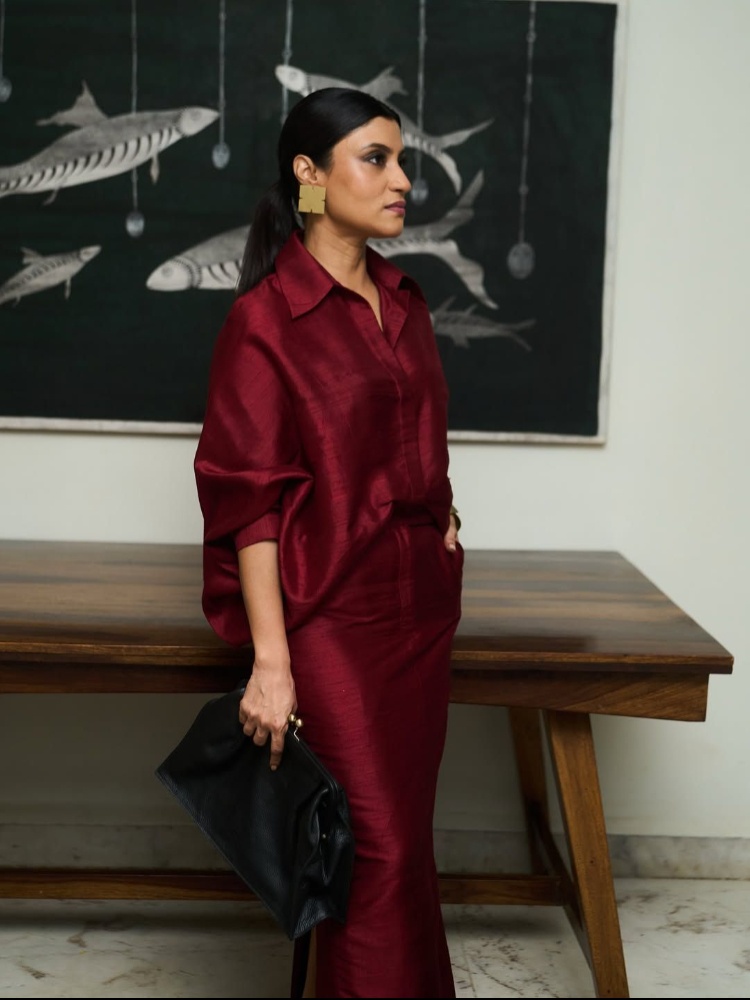
Over the years, Khandwala has built her brand by simply, gradually, adding to your wardrobe with new pieces that complement your existing staples. So, she started with ready-to-wear in 2012; added festive wear in 2015; and by 2016 she had debuted a line of accessories—rings, cuffs, pendants—all crafted out of flattened brass. Soon after came leather bags (actor Konkona Sen Sharma described her accessories to me as “criminally underrated”), a selection of brass home objects that included a peg measure and an ashtray, and last year she added leather jackets and suede vests to the catalogue. Her aesthetic has stayed the same throughout: an eye for colour and shape that comes from her background as a painter, with the material as the hero, and an appreciation of old-school technique. It’s an approach that transcends trends and appeals to like-minded creative women beyond fashion’s inner circle—painters, photographers, directors, actors, and more.
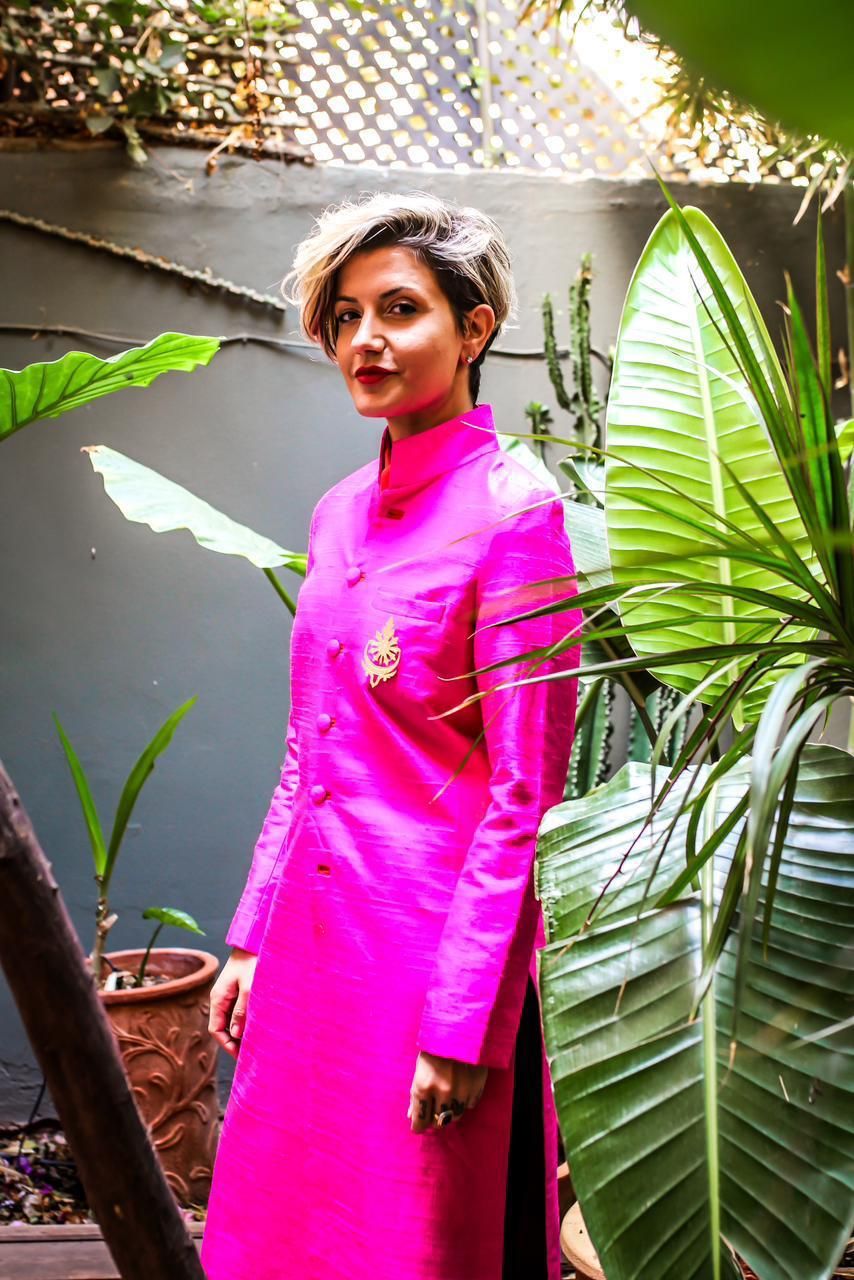
There’s Yemeni-Bosnian New York-based artist Alia Ali, who has worn the designer’s linen jumpsuits and eveningwear for everything from exhibition openings to gallery meetings. “What I appreciate most is their fluidity. They feel refined but never rigid, which means they move effortlessly between settings while still feeling composed and intentional,” she says over WhatsApp. As an artist, Ali says she thinks about clothing the same way she thinks about art—as a collector, an archivist, who sees cloth as a medium for storytelling. “Payal’s garments resonate with me because they reflect that deeper relationship to craft—pieces that are simple, sophisticated, and made to endure.”
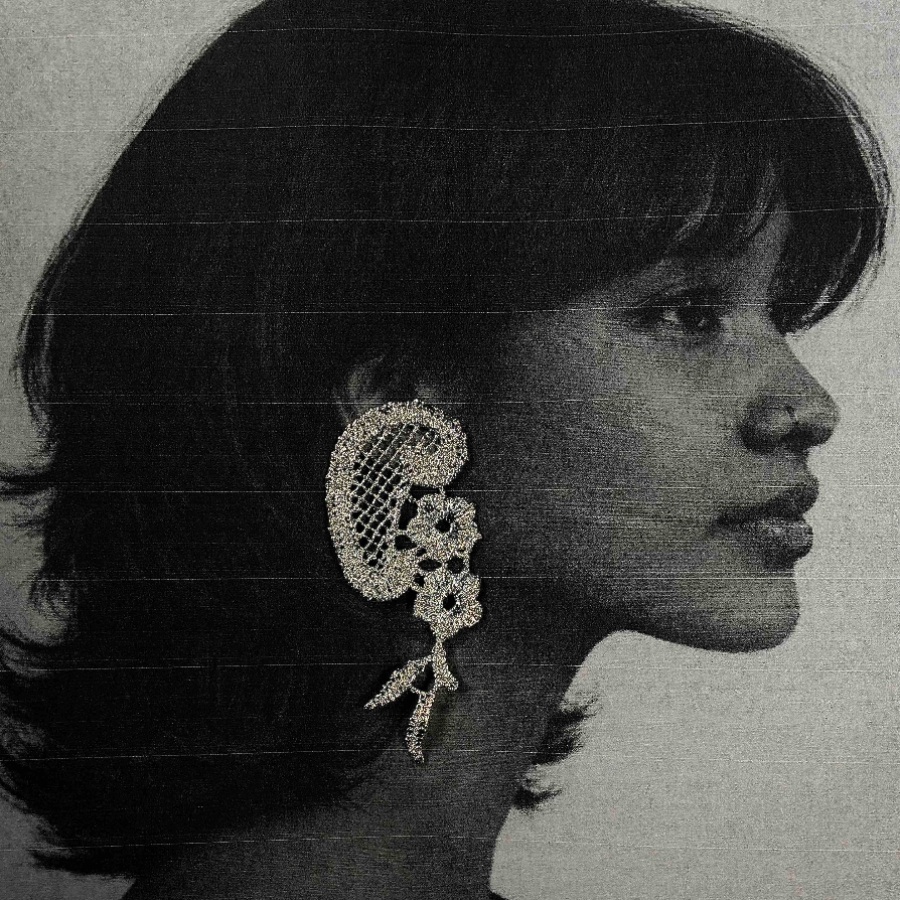
The artist Alia Ali in a look from the brand
Photographer Prarthna Singh was first introduced to Khandwala and her husband and business partner Vikram Ramchandani when she was invited by the couple to shoot their first lookbook in 2012. They quickly became fast friends, Singh describing it as “one of those relationships that keep you going as fellow artists and thinkers. We connect in so many ways and see each other evolve and grow in our creative journeys.”
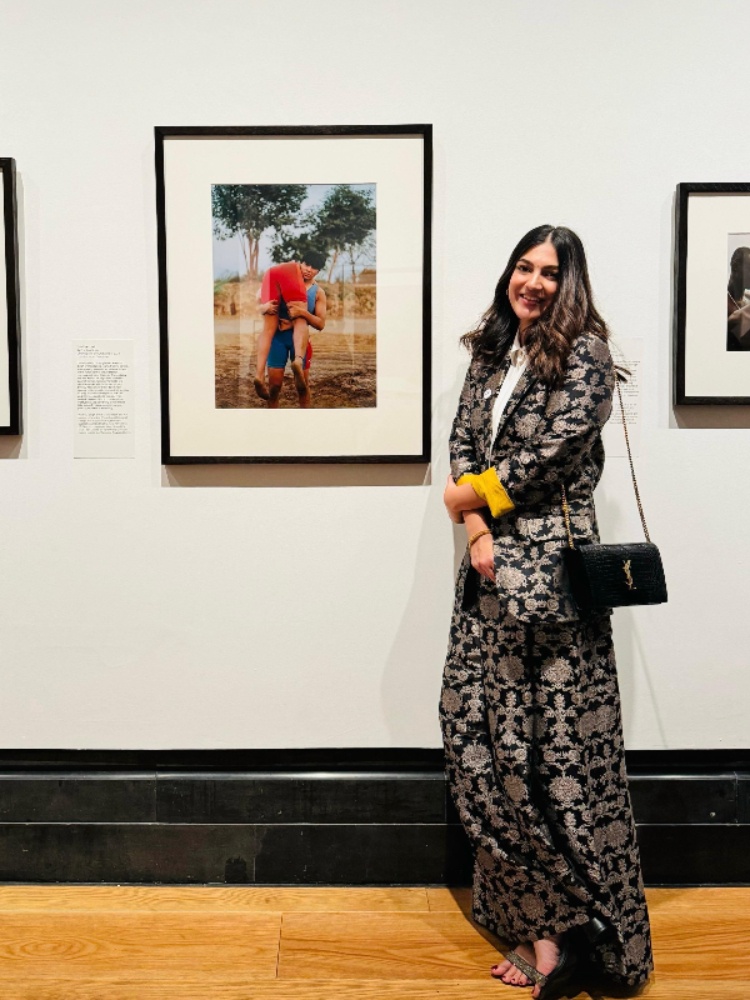
The brand’s clothes are her go-to for everything from weddings to personal celebrations. Most recently she wore a silver brocade suit when her photographs were featured at the National Portrait Gallery in London. “I have a picture of me sitting outside the entrance of the gallery in that look. It felt so surreal to know that I’m walking into the space, that my work is hanging on the walls. I felt so good and every second person came up to ask me about it! It felt like a really special piece of clothing for a special moment,” she says. She also credits Khandwala with easing her into colour, citing a pair of blue brocade trousers and a purple linen dress from the brand that she wears on repeat. “I was someone who was always a bit reluctant about colour, but the way she does it, it just embraces you and you embrace it back.”
ADVERTISEMENT
The photographer Prarthna Singh
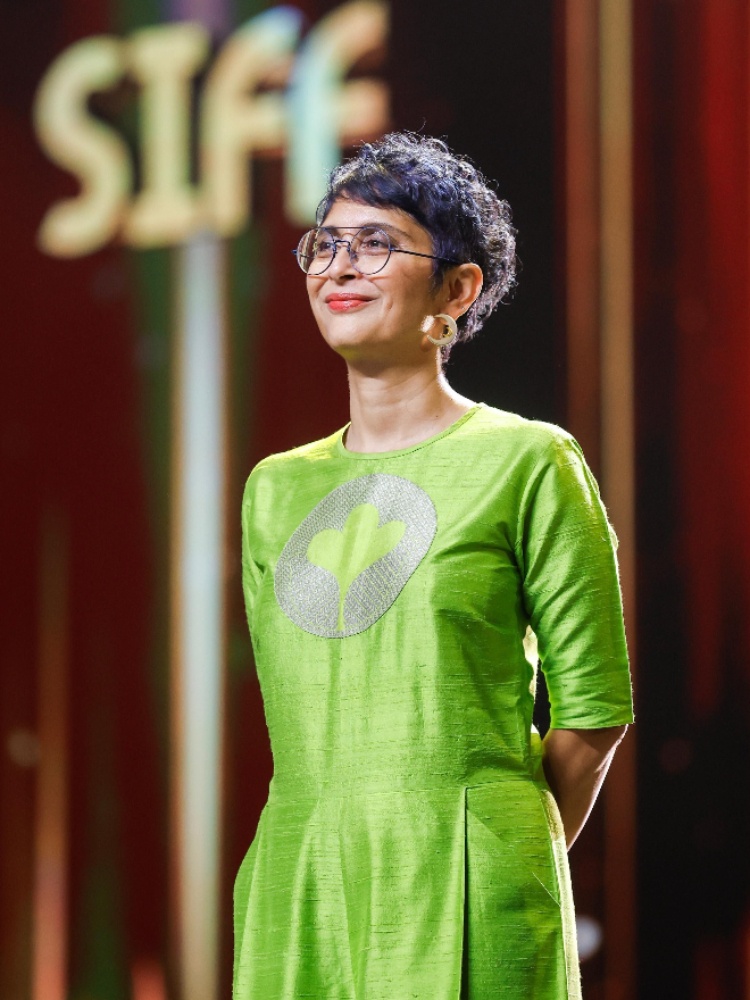
Kiran Rao at the Shanghai International Film Festival
Both Kiran Rao, the director of films like Dhobi Ghat (2011) and Laapataa Ladies (2024), and Sen Sharma, who has starred in films like Metro... In Dino (2025) and Wake Up Sid (2009), chose Payal Khandwala for their own big career highlights. Rao wore multiple looks from the brand at last year’s Shanghai International Film Festival, where she was a jury member, sharing that “her garments carry an unmistakable stamp of India through the weaves and colours, yet the overall look is always very contemporary and global.” Sen Sharma remembers choosing a grey silk kurta with a funnel neck for the premiere of her directorial venture A Death in the Gunj (2016) at the Toronto International Film Festival (“it was such a beautiful, gorgeous piece, I wish I had bought it”).
For each one of these women, Khandwala’s clothes bring a sense of liberation and ease to moments heavy with the weight of personal achievement. Rao adds, “Her garments really make you feel strong and confident, sharp yet graceful.”
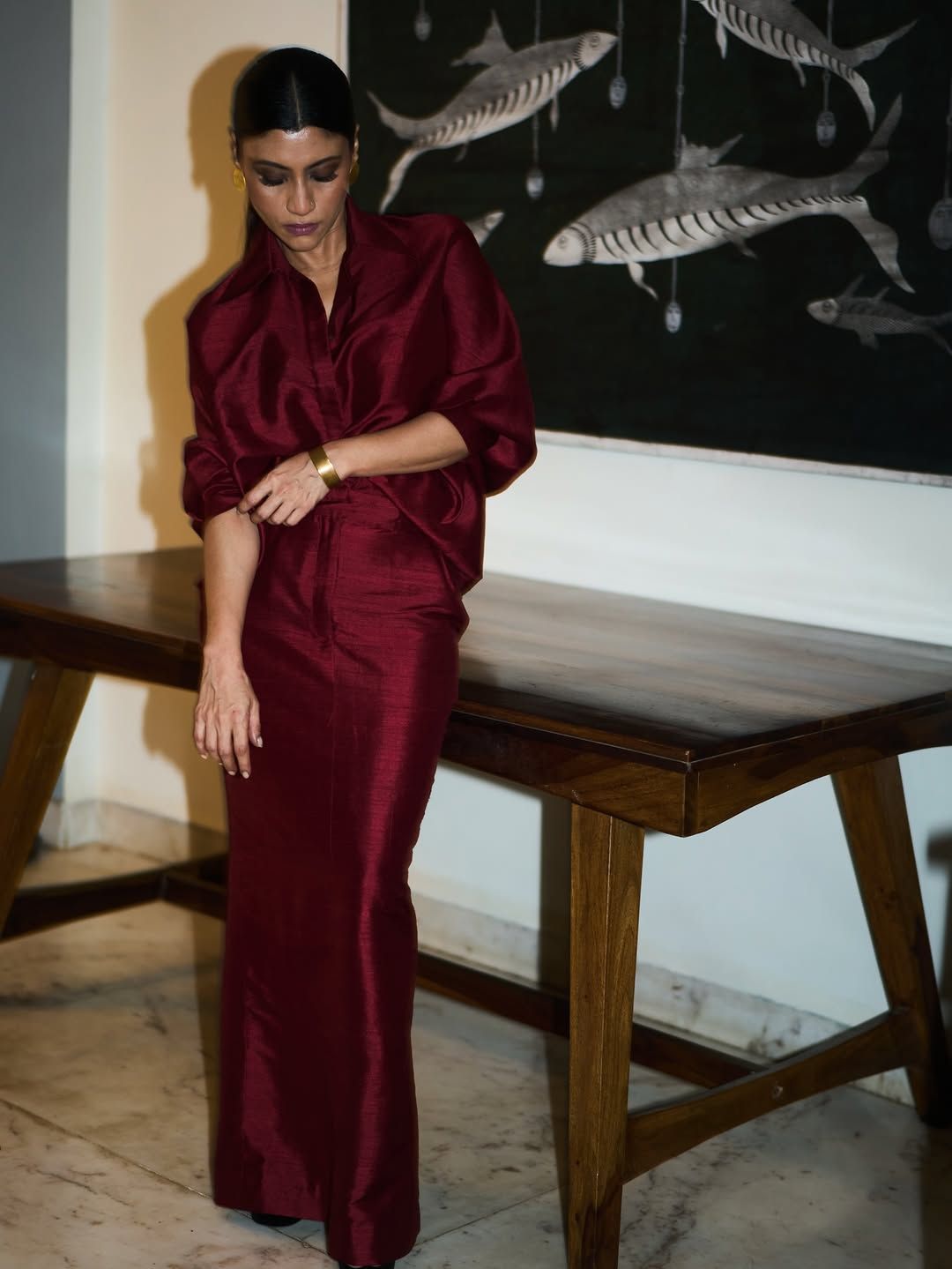
Konkona Sen Sharma is a regular client
In a way, Khandwala’s clothes are very serious; they’re not filled with irony or making some sort of commentary about the state of fashion. “I’m interested in women, I’m not really interested in fashion,” she says with a laugh. So, it’s no wonder that the creatives who are drawn to her brand are others like her—women who are telling stories about the world as it is today, who see things unflinchingly, unsparingly, and reflect that in their art. I ask Khandwala if she often becomes friends with her clients. “I don’t really know a lot of my clients, but I feel like we are birds of a feather. We might not all look the same, but I still feel like it’s a meeting of minds.”