



check-in29 Jan 20265 MIN

On the outskirts of Guwahati, rhino sightings, river life, and a bit of black magic!

Rhino & River Wildlife Retreat is a gateway to the Pobitora Wildlife Sanctuary and offers a glimpse into life along the Brahmaputra

Image

At the entrance of Pobitora Wildlife Sanctuary, mist hung at waist level. Across, the Haduk Hanging Bridge, built over Garanga Beel, was obscured by the fog. The whole setting had a cinematic air about it. As much as I enjoyed the Lynchian atmosphere, I was concerned it would reduce my chances of spotting the one-horned rhinos I had travelled for.

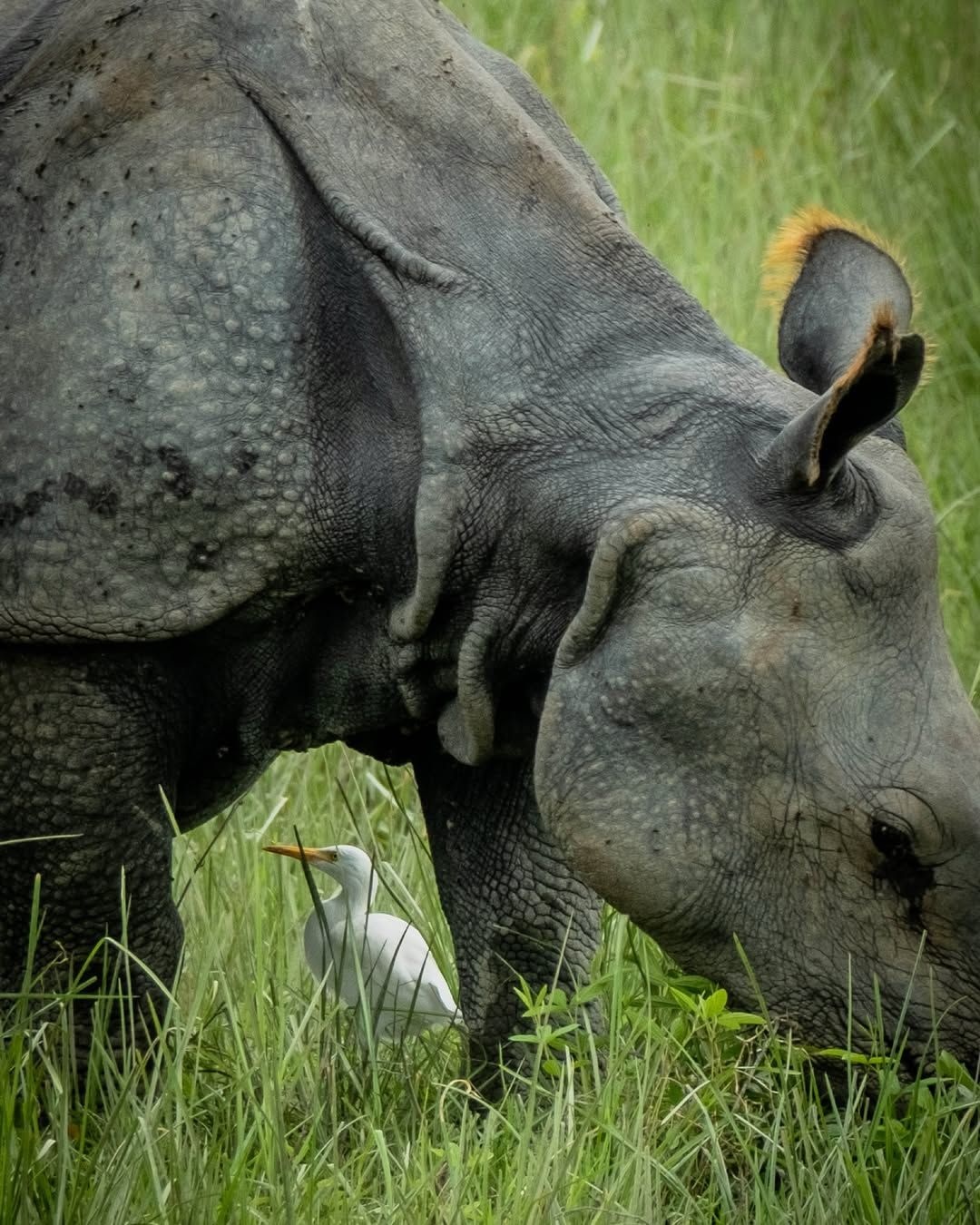
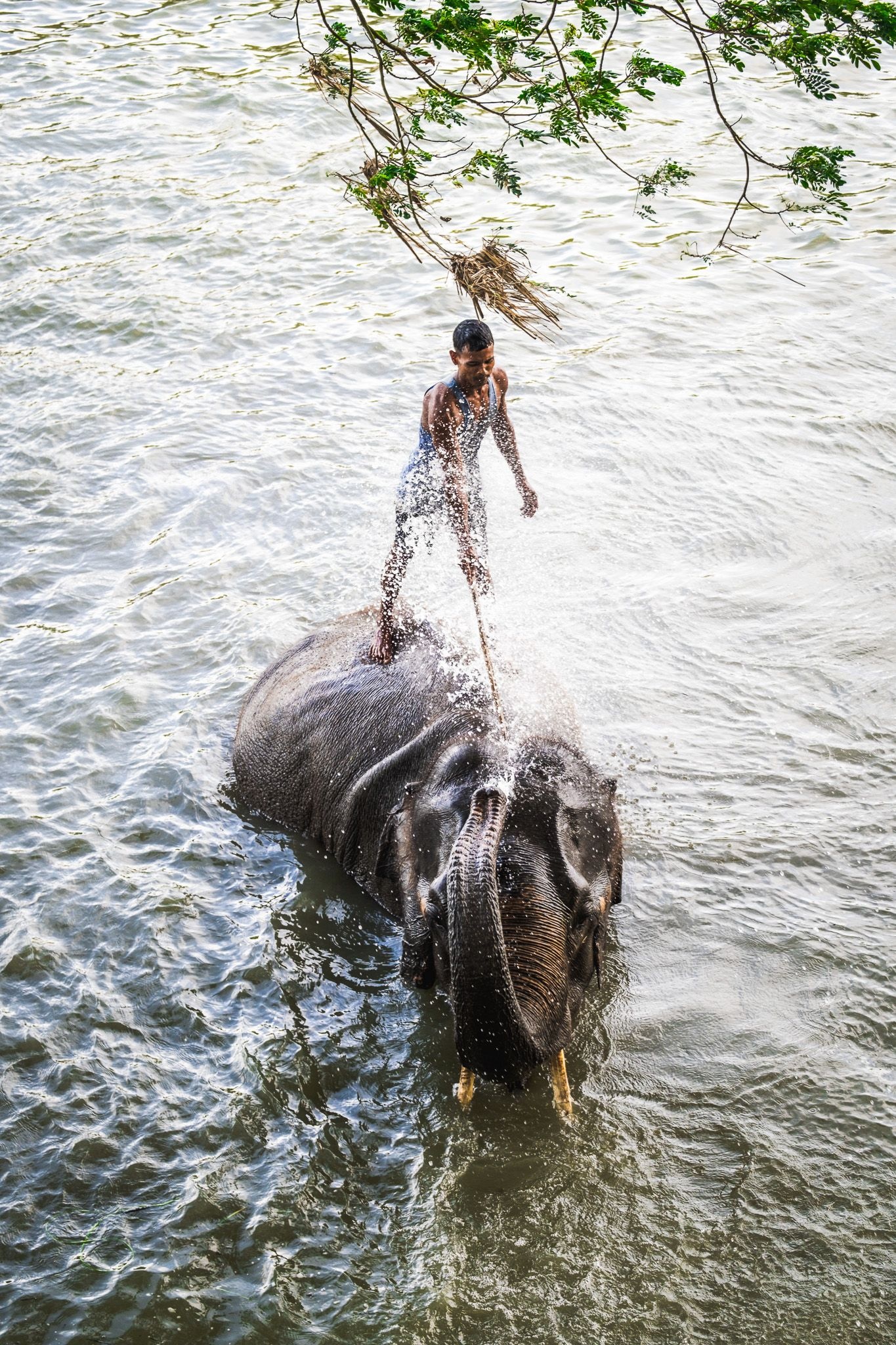
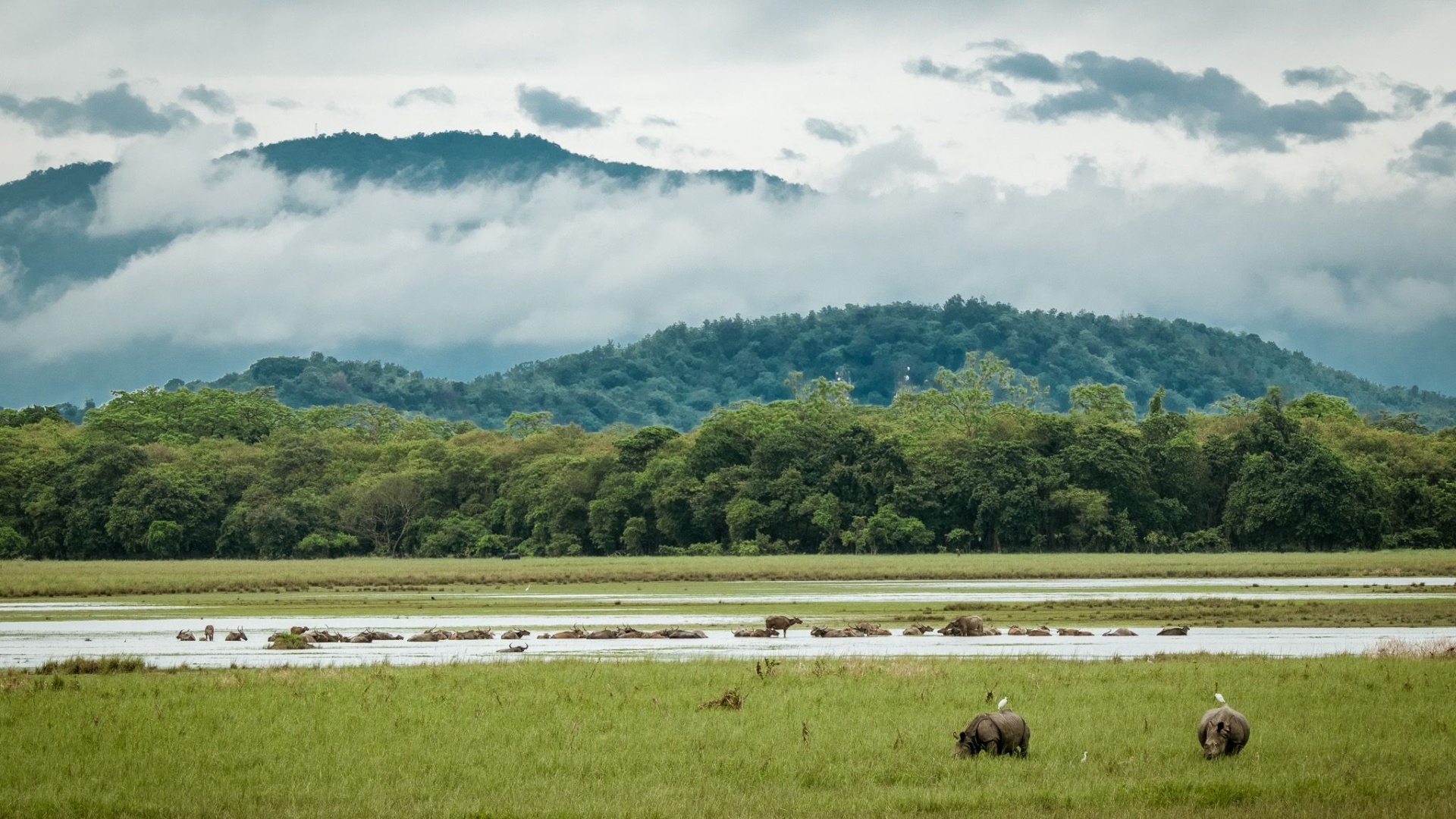
There are 106 one-horned rhinoceros—the highest density in India—in the 38.8 sq km that make up the Pobitora Wildlife Sanctuary, so a sighting is almost always guaranteed. While Jeep safaris are an option, the elephant safaris allow guests to get closer to the rhinos. The mahouts are expert spotters, pointing out distant humps that seem to merge with the mist while answering questions about daily life in the sanctuary’s perimeter. During my one-hour safari on elephant back, I spotted at least 10; the large mammals seemed unconcerned by human presence.

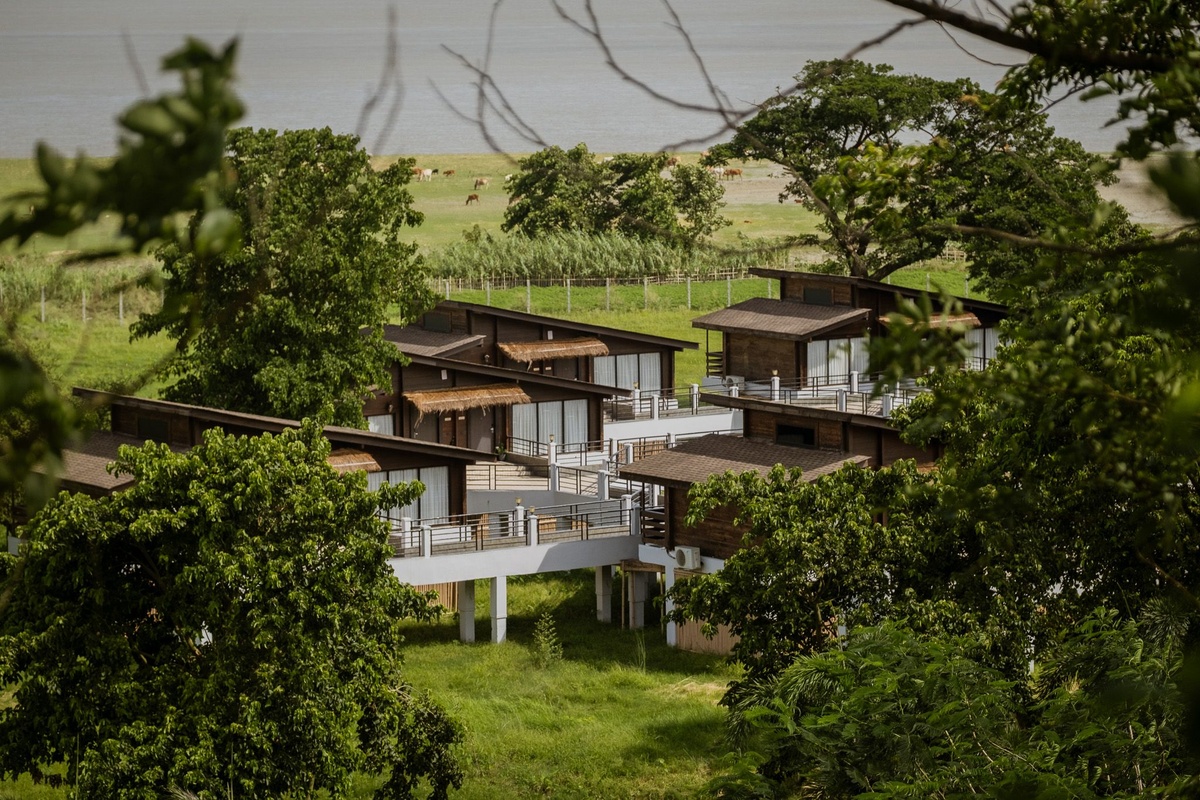
Located at the edge of the national park, Rhino & River, a new lodge, offers guests a chance to see rhinos and a variety of cranes that make a stopover in the area. It’s also a gateway to Mayong village and the local community. The five-acre, 16-key property is just a two-hour drive from Guwahati and is popular among the city’s well-travelled denizens for weekend getaways.
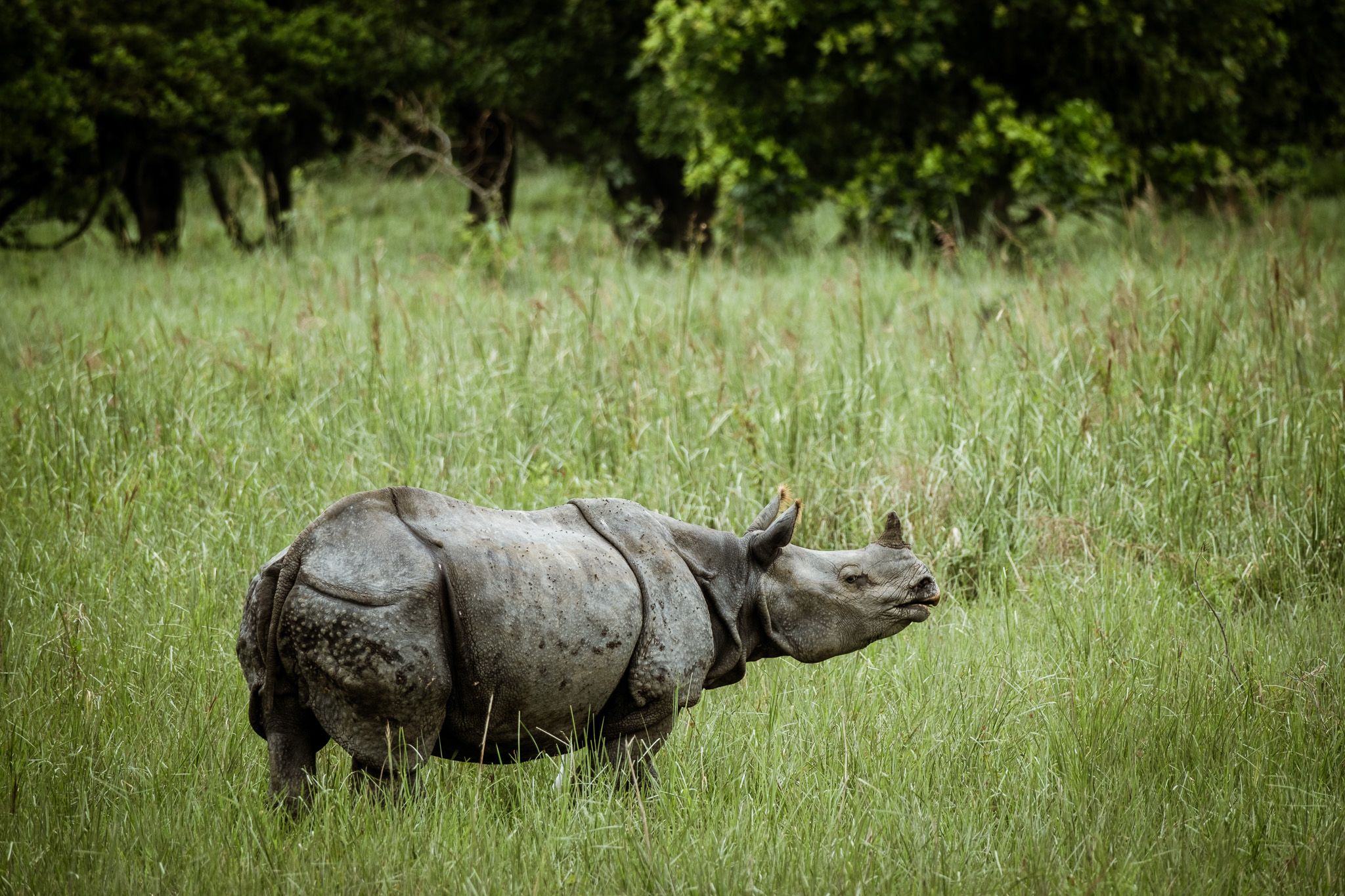
DSCF8642.jpg

Pobitora Wildlife Sanctuary has the highest density of one-horned rhinos in India

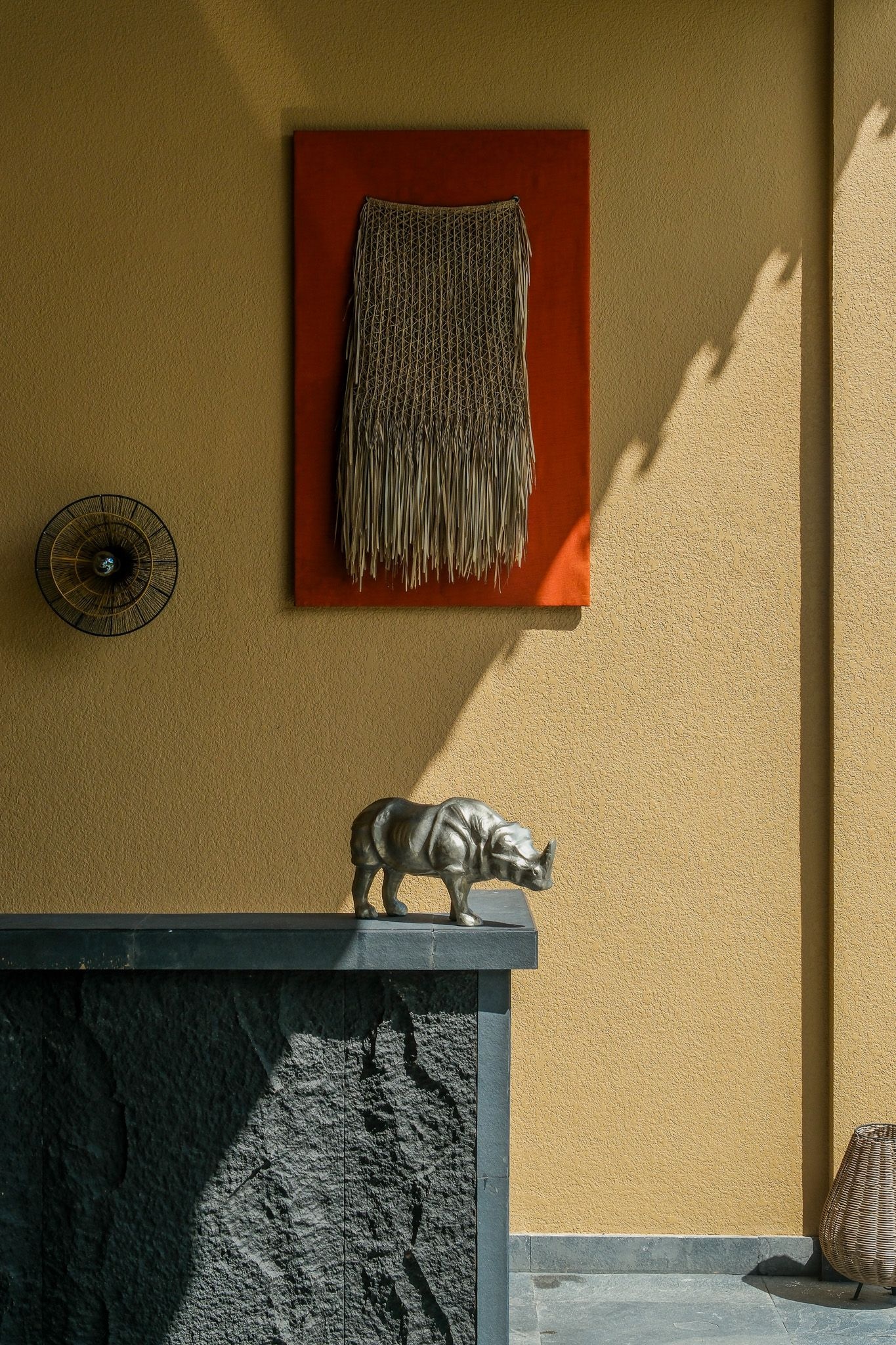
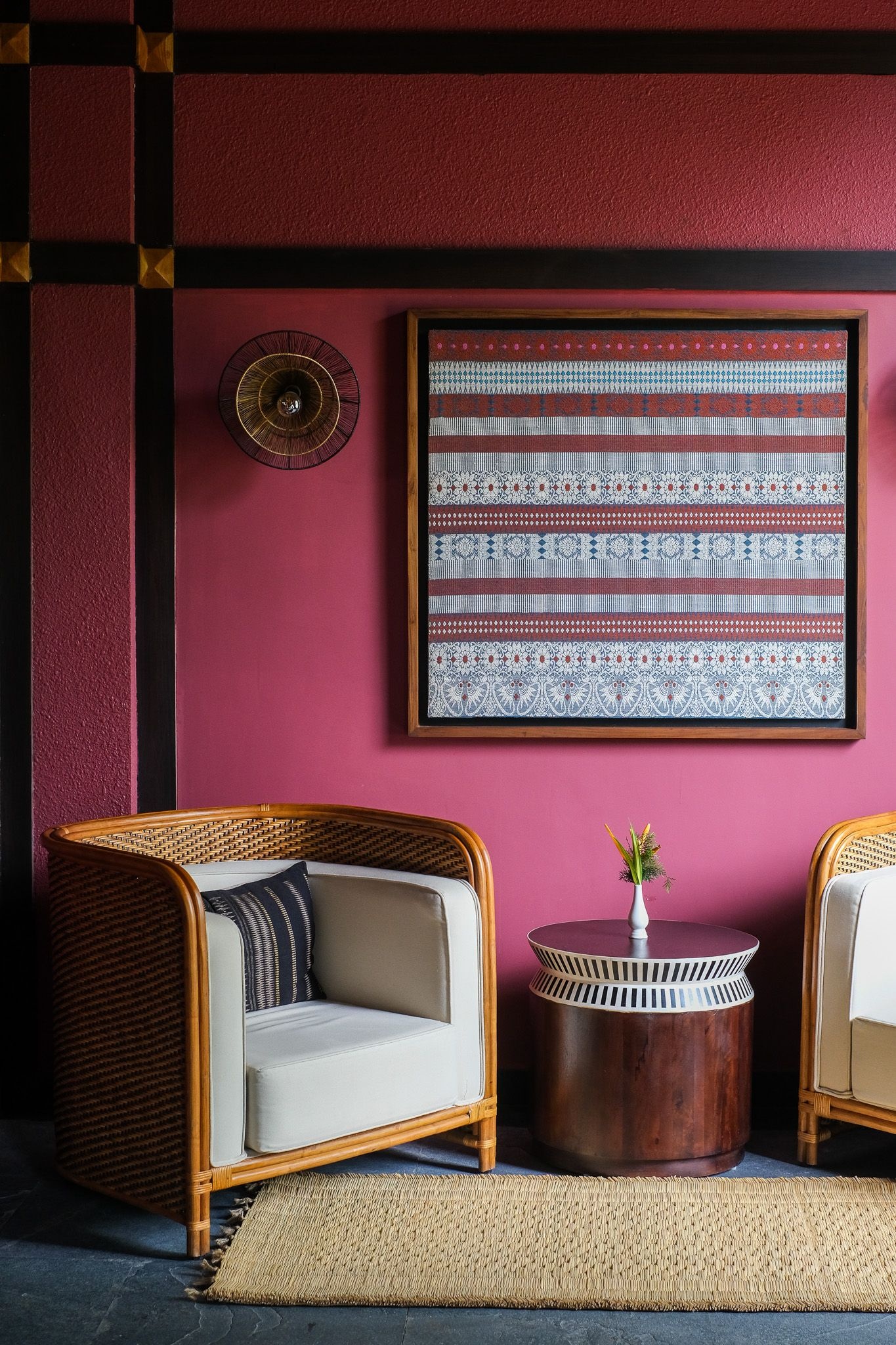
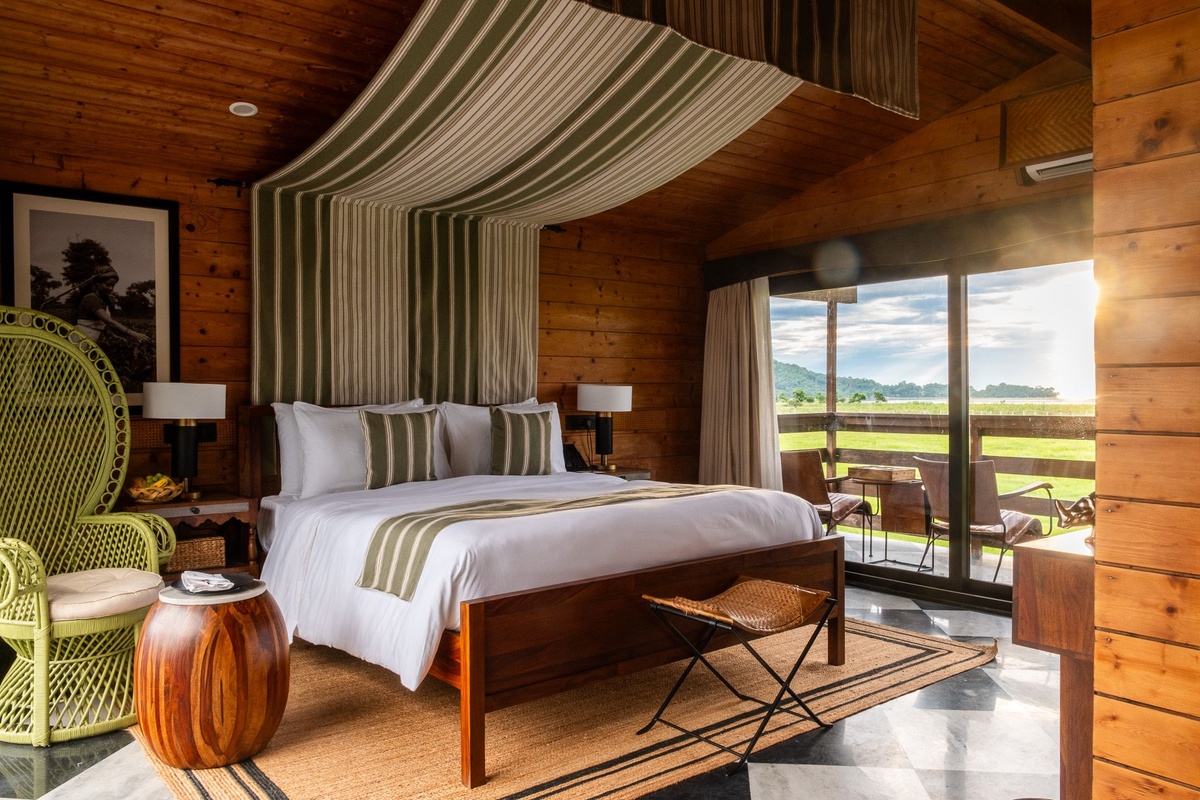
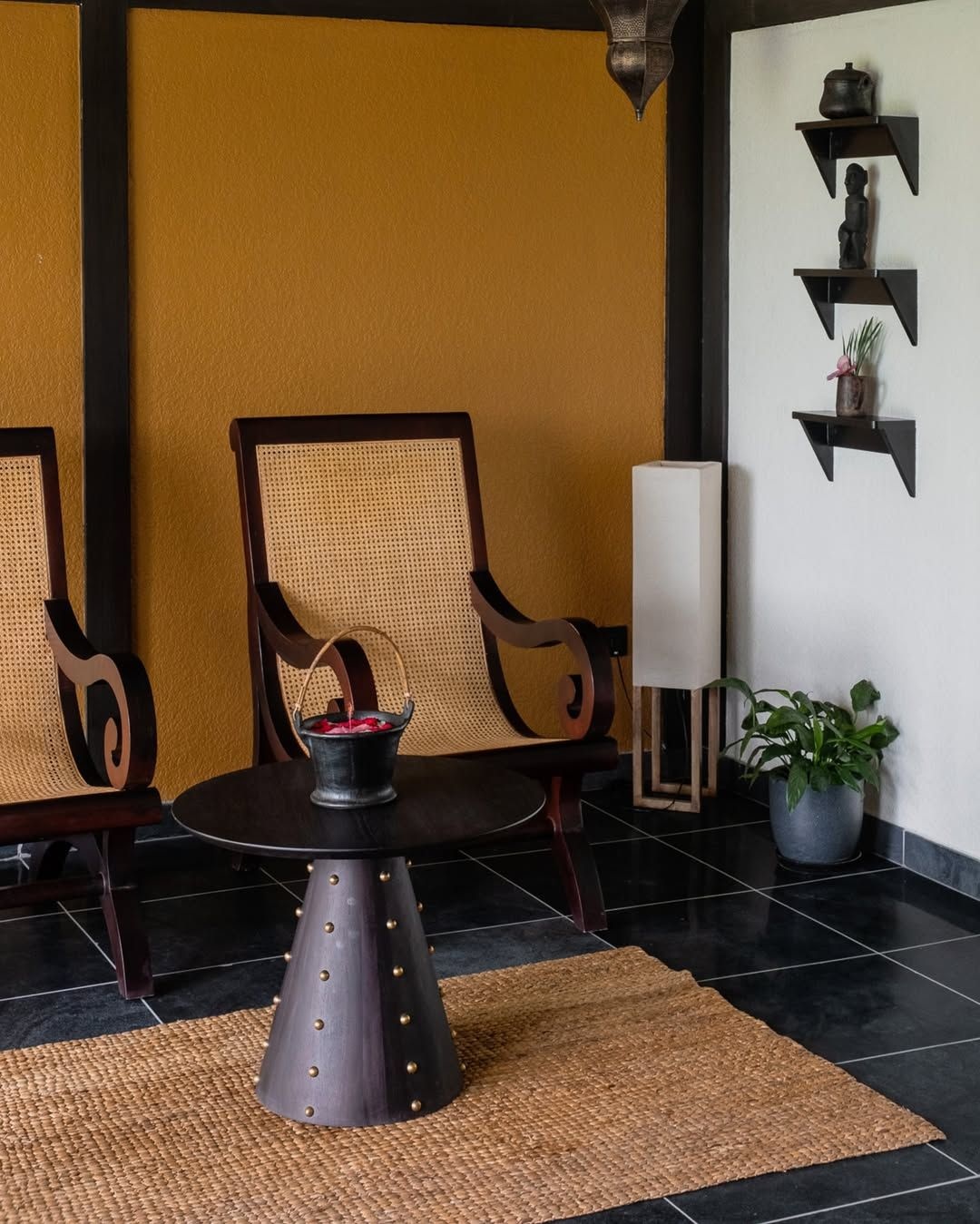
The weather didn’t allow me to jump into the pool, but it’s one way to spend time at Rhino & River, aside from the relaxing spa and rabbit-filled gardens. The interiors have been thoughtfully designed by Naga designer Aku Zeliang. In the rooms, a brown and green colour scheme brings a little bit of the outdoors in, while other design touches, like small globes and metal rhinoceros, remind visitors about what is around to explore. Common spaces, like the dining area, use bold patterns, while the furniture in the rooms makes use of local artisanal skill and materials—jute, water hyacinth, wood—to create distinctive pieces.

The resort is a base for a range of experiences, from cruises down the Brahmaputra to interactions with locals that draw on Mayong’s reputation as a centre of black magic. It is said that the local bezes (magicians) use mantras and chants to cure ailments and imprison souls for over a thousand years.

Whatever experience you choose, you’ll return with greater insight into local life and how life here is tied to the land.
On our cruise down the Brahmaputra, we saw how the mighty river swells during the monsoon, creating temporary islands and sandbanks that shift with the current. We tried our hand at fishing and docked at a village to experience how life takes shape around the ever-changing currents. The immersive morning was both an unforgettable experience and one that contextualised many past headlines—about migration and settlement from Nepal and Bangladesh, about the CAA, and about climate change and its impact on those that depend on the river.

All that fades away, though, when there’s a dozen or so kids trailing you as you marvel at local handicrafts, see how crops are farmed on sandy soil, and coo over the menagerie of animals each village houses, from goats and cows to chickens and dogs.

A conversation with Dr Utpal Nath, a local academic, turns into a storytelling session as he elaborates on Mayong’s association with black magic. The evidence, he says, goes back to the 7th and 8th centuries. Magic is a part of local culture. Nath notes that local magicians helped the king of Ahom defeat the Mughals in 1671. To educate and archive, Dr Nath has funded and filled a museum with faces of Mayong’s magical past. He’s worked with bezes to collect and archive over 400 mantras (written out as manuscripts), alongside items that are tied to the region’s culture and rituals—from photos of the healers to objects like a replica of the palanquin used by the local king.

Locals like Nath and the friendly staff at Rhino & River are eager to showcase the best of what the area has to offer, and that extends to the food, too. At Baan Kaahi, the lodge’s restaurant, which feels like a buzzing living room, the hotel staff is eager to recommend local favourites. Chef Kashmiri Nath has given Assamese cuisine a twist to appeal to those from further afield.

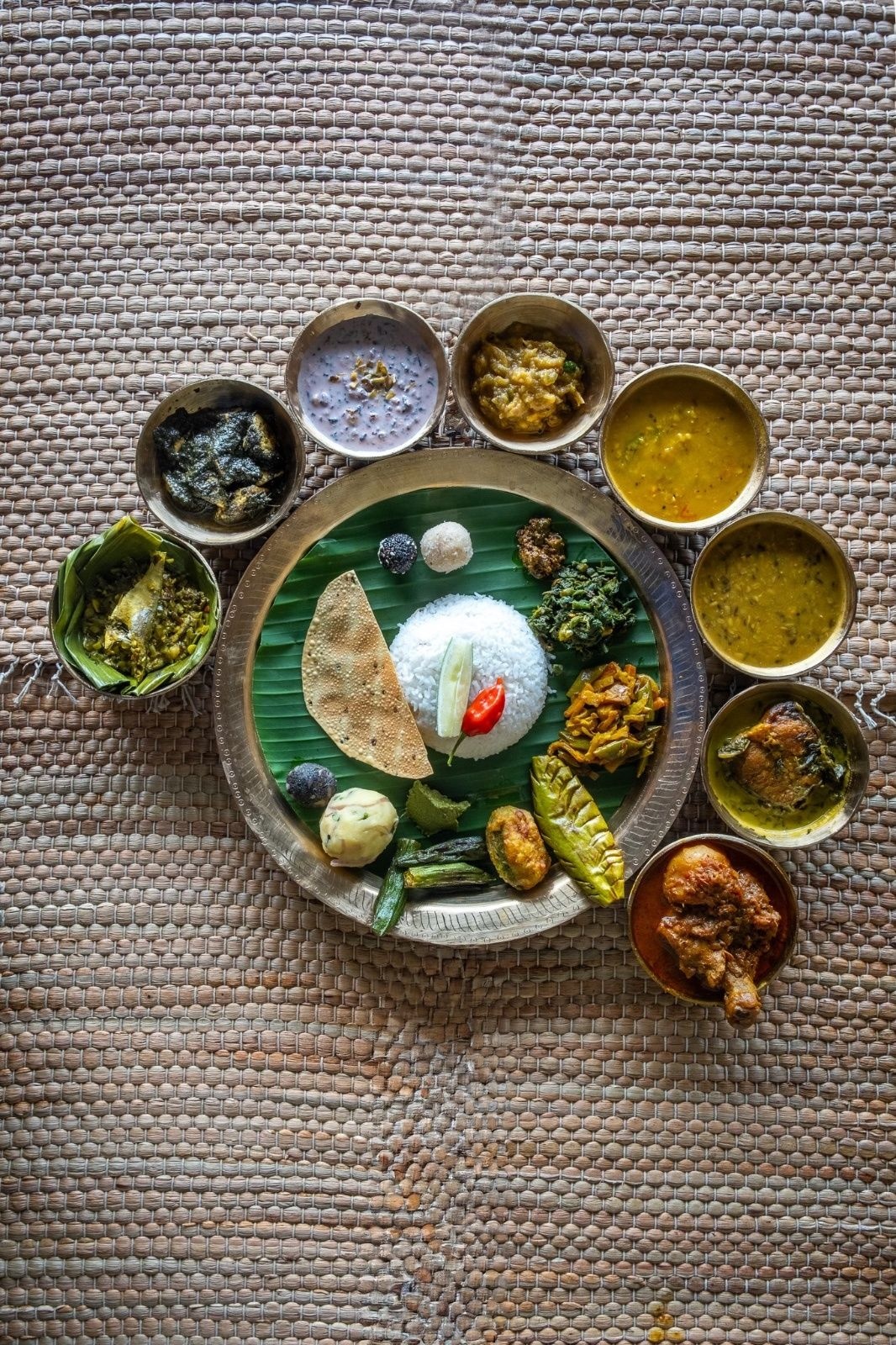
So, at breakfast, one can nosh on rice pancakes stuffed with boiled potatoes, a reinterpretation of the traditional pani pitha. A thali experience at lunch was a way to understand local produce and ways of preservation—from the bamboo pickles to the hearty kumara mati dal (ash gourd with lentils) and masor tenga (rohu in a tangy gravy). The thali is an insight into a cuisine where spices are milder but the chillies are punchier. Given its location, the hotel procures fruit and vegetables locally from villages along the Brahmaputra.

During my walk in a nearby village, Hati Mura, I got a glimpse of the bounty of fresh produce and watched negotiations for live chicken and ducks. I visited our guide Babumani Saikia’s home, where I was introduced to his family over a cup of milky tea and til patti.

And it’s what I’ll take home with me, even as I post photos of my rhino sightings after our morning out.

By the time we were ready to return to the hotel, the mist had cleared. A local farmer was setting up his vegetable display for sale. We spotted the mustard and purple heads of cauliflower and vibrant green heads of lettuce—quiet an Instagrammable produce, I would say.

I had arrived in Assam excited to see rhinos but was eager to come back to explore life on the banks of the Brahmaputra.

For bookings and details, click here

The Nod Newsletter

We're making your inbox interesting. Enter your email to get our best reads and exclusive insights from our editors delivered directly to you.