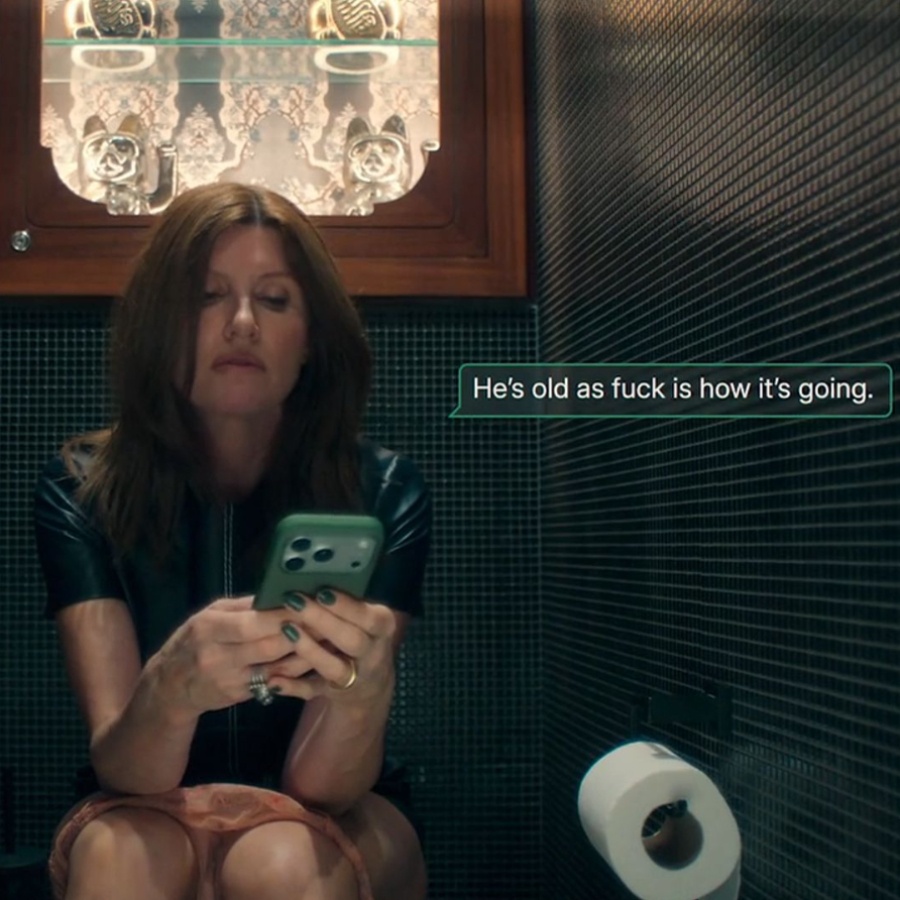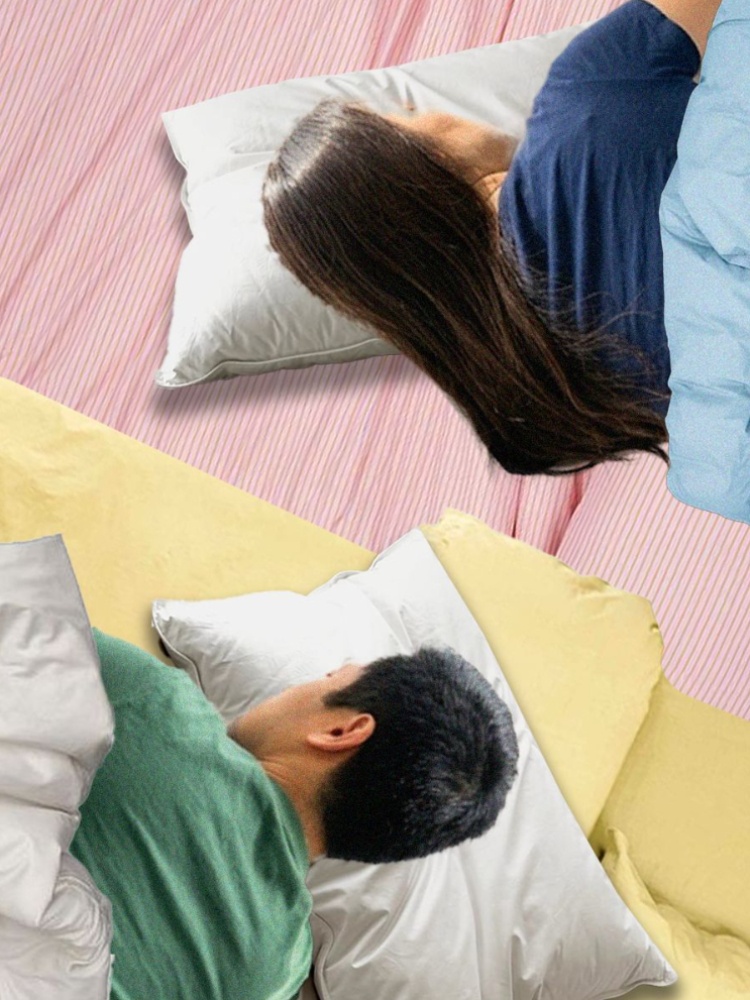

Most Bollywood films’ suhagraat scenes end the same way: a bed strewn with rose petals, a glass of milk, a door closing with great ceremony. What they don’t show you is the following week, when one party has been elbowed in the ribs for the fourth night straight and is eyeing the sofa.
For generations, the shared bed was less furniture than an institution; sleeping apart meant announcing to the extended family that something had gone wrong. Now the family will have to cope. ResMed’s 2025 Global Sleep Survey put India at the top of the world’s sleep-divorce rankings, with 78 per cent of couples opting to sleep apart, ahead of the UK and US. In other words, the land of the joint family is also very keen on a door that locks. Over on Reddit, a thread asking whether any other couples sleep in separate beds to optimise their snoozes drew almost 500 replies, including one wife crediting her husband’s CPAP machine for getting them past the dating stage.
Nor is it a millennial affectation. Ray Dutta*, 72, has slept apart from her husband, Iqbal*, 80, for 15 to 20 years, ever since she moved into another house to nurse her ailing father. “I went for my father, and I stayed apart for myself,” she says. “Suddenly I was sleeping properly.” Iqbal, she explains, is a man of two great passions, his Game Boy and his newspapers, neither of which is compatible with a shared mattress. “The buttons clacking at all hours, newspapers everywhere, the mess... I love him, but I could not rest.”
For Dutta and other women of a certain generation, sleeping apart is the only way to continue in a marriage that’s dealing with issues but where societal expectations would prevent separation from even being on the cards. In the case of Padmaja V*, 54, a teacher in Chennai, the move wasn’t just a lifestyle choice. Her husband came home drunk almost every other night, and she could not stomach the smell, the snoring, or the behaviour that came with it. So, she took herself off to her daughter’s bed. Within weeks, her sleep settled and her energy returned. “The anxiety I carried to bed every night stayed on the other side of the door.” Neither woman went looking for the benefits of getting some shut-eye apart from her husband, yet both found it. And in Padmaja’s case, a separate bedroom became the solution to more than just a good night’s rest.
Padmaja’s daughter, Pavithra*, 23, also remembers the situation and when friends questioned if this arrangement was odd, she couldn’t relate. “In Chennai’s humidity, sharing a mattress seemed like an act of extreme devotion.” Sleeping apart is also quietly reshaping what the next generation expects from marriage: should Pavithra marry, she would likely choose a room of her own, a decision taken with her husband, of course.
Mumbai-based Arnav*, 21, has a similar story. His parents have slept apart for as long as he can remember, and he knows that snoring has nothing to do with it. “The honest reason is that they’re not happy together,” he says. Yet it hasn’t put him off the concept of sleep divorce: “Sleeping separately is healthy, not a taboo.
His parents’ arrangement raises a dilemma that couples therapist Shaurya Gahlawat, who runs TWS, a mental health practice in Gurugram, knows a little too well. Is sleeping in separate rooms the secret to saving a marriage or a convenient way of evading a tough conversation? A couple she counsels, who are in their forties, sleep apart because one partner fears the other will want to “talk” about their conflicts. Here, she says, separate bedrooms “become a means of emotional avoidance rather than a healthy boundary”. She says, “The fix lies in approaching the conversation as a shared relationship decision rather than one partner announcing a need for distance.”
Perhaps sleeping separately will make that conversation easier: “Poor sleep makes people irritable, impatient, and less empathetic, which is why two well-rested people are kinder to each other,” explains Dr Rithika Krishnan, a clinical psychologist at Sir HN Reliance Foundation Hospital, Mumbai. So, instead of starting a tough conversation when you’re sleep-deprived and irritable, do it after clocking a solid eight hours.
Some couples are accounting for this from the start, like Ira*, 25, and Dev*, 27, who are house-hunting for two bedrooms in Mumbai. Dev games through the night; Ira, a journalist, comes and goes at odd hours. “We are both only children. We’ve never had to share a wardrobe, let alone the dark,” explains Ira. “The bed is for when we want each other, not for when we both happen to be tired,” adds Dev.
Still, a shared bed is one of the ways adults meet their need for a “secure base”, Dr Krishnan explains, with warmth, skin contact, and the sound of a partner breathing lowering stress hormones. Her advice is to name the worries aloud: “This is about sleep, not about you or us.” Then keep the bedtime ritual, which many couples call “connect first, sleep later”. As Gahlawat puts it, “It’s not the distance between two bedrooms that matters but the emotional distance between the people sleeping in them.” Bollywood ends the wedding night with a door closing. The real test of a marriage, it turns out, is whether it opens again in the morning, ideally over chai.
*Names have been changed or partially withheld upon request