In his 45-year-long career, McCurry’s work has earned him some of photography’s biggest honours
Photographs by Steve McCurry
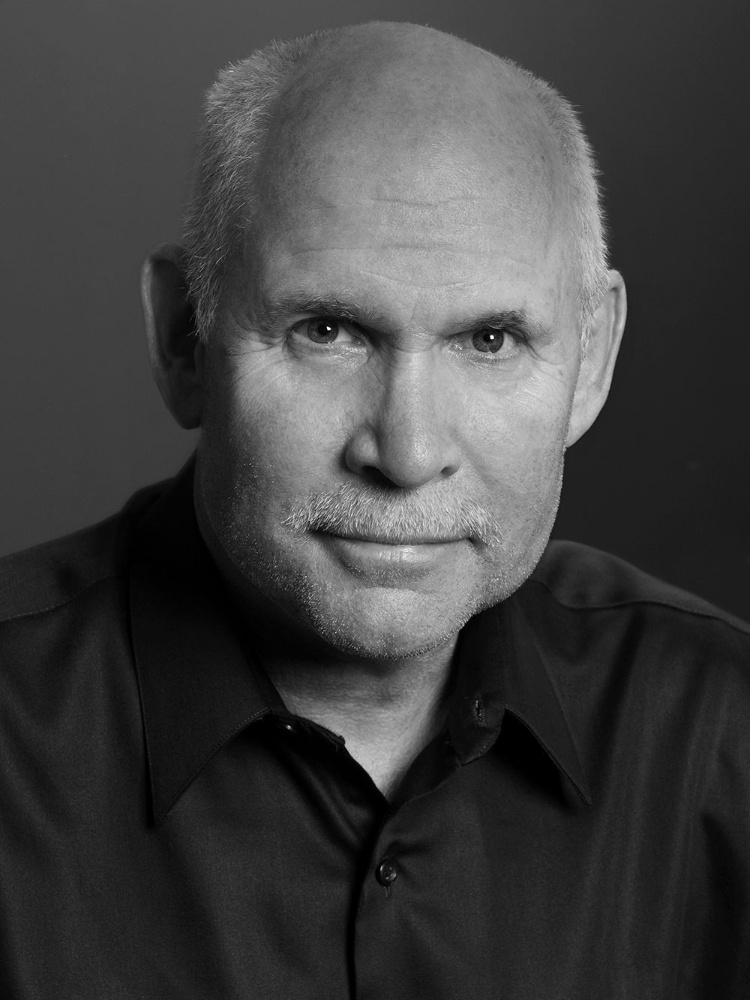
It’s not too difficult to tell a Steve McCurry photo in a room full of pictures. A portrait of a 50-year-old whose eyes lock onto yours, as if piercing your soul; the vibrant colours of the streets of Rome; a monk in Bhutan frozen midway through a prayer, the contrasting realities of war-torn Afghanistan; a narrow alleyway in Rajasthan.
For a better part of his life, the 76-year-old McCurry has documented conflicts, cultures, and traditions worldwide, often working in war zones and remote areas. But his lens has always been focussed on capturing the humanity and emotion of the people in these places. That’s probably why his ‘Afghan Girl’, shot against the backdrop of the Soviet-Afghan War, made it to the cover of National Geographic in 1985. Her piercing green-blue eyes in an unyielding gaze at the camera, a ragged crimson scarf loosely draped over her head, are still etched in our collective memories. You know those breathtaking Windows 10 wallpapers you've probably seen a hundred times? Those are his too. Microsoft brought him on in 2015 to photograph New Zealand’s ethereal landscapes, and the images became the default wallpapers for Windows 10.
In his 45-year-long career, McCurry’s work has earned him some of photography’s biggest honours, including NPPA’s Magazine Photographer of the Year and top prizes at the World Press Photo awards.
“At this point, whatever I’ve done in my life, it’s probably pretty much kind of behind me,” he says sitting across me at the Leica store in Mumbai on a rainy Wednesday. A day prior, he was in Kolkata, completing a shoot in association with Leica. It’s a city he is familiar with. Over the years, he has captured snapshots of Kolkata’s markets, trams, and the very people that make it. In 1997, in 1983, and many a times before and after.
Below, he opens up about revisiting Kolkata, what his work means to him, and the pressure to click an iconic image. Excerpts:
ADVERTISEMENT
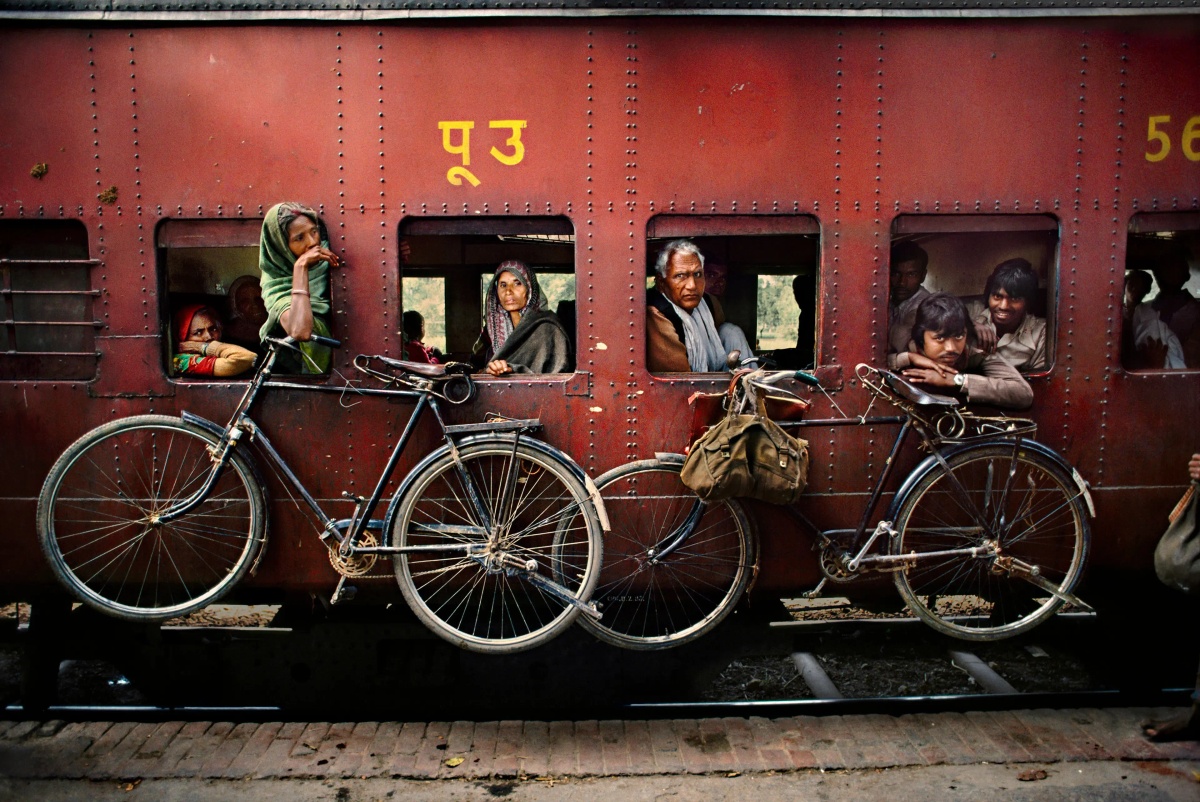
'Bicycles hanging on the side of a train, West Bengal, India, 1983'
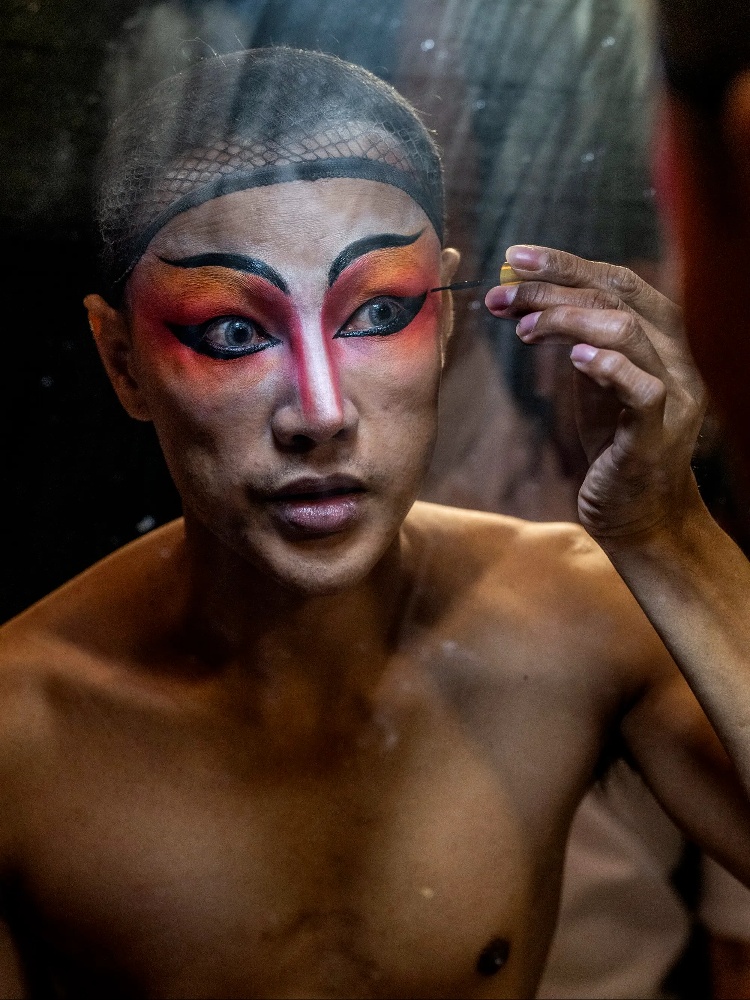
'Bangkok, Thailand, 2020'
'The Afghan Girl', shot against the backdrop of the Soviet-Afghan War, made it to the cover of National Geographic in 1985
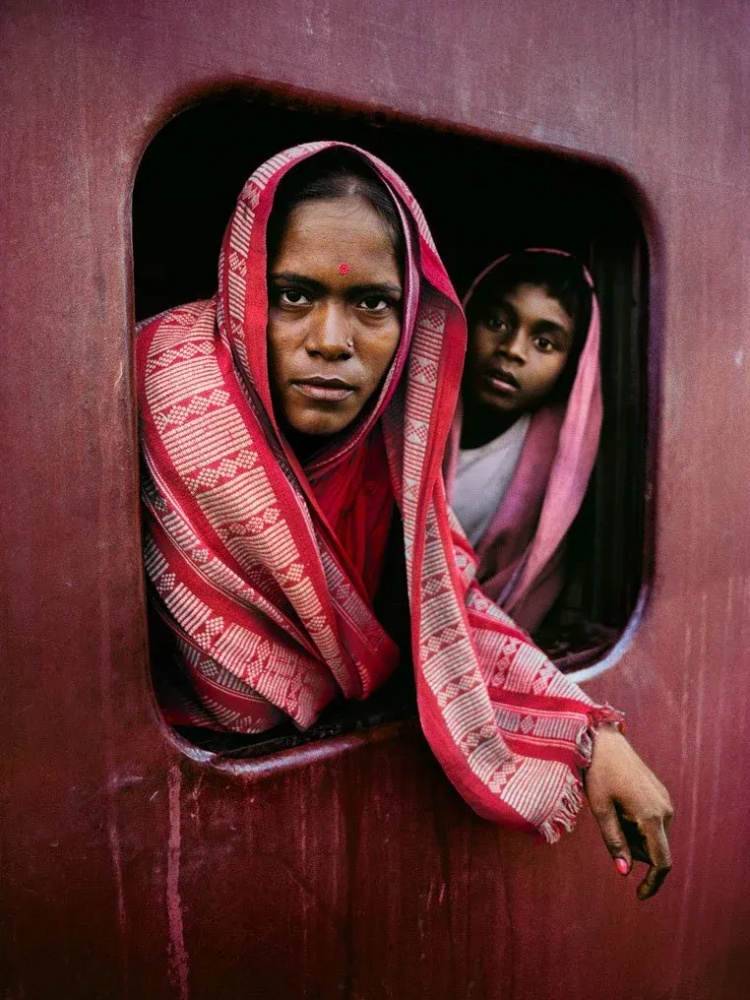
'Woman and child on the Howrah Mail train en-route to Kolkata, West Bengal' (1982)
How did your association with Leica begin?
I first started using Leica seven or eight years ago. I thought it performed really well and the lenses were great—probably better than what I previously had. I have shot with a Leica in China, Cuba, Italy, and Myanmar, and now we're doing a shoot for Leica in India, in Kolkata.
Which parts of Kolkata did you shoot in?
I went to the same potter’s quarter [Kumortuli] where they make the [Durga] statues and the neighbourhood. I also went to the [Mullick Ghat] flower market. Though, I spent most of my time in Kumortuli, because I like knowing an area and digging deep in one place instead of spreading myself too thin.
Has this been the approach you usually take wherever you film—revisiting the same place over and over again?
Pretty much. I find a place that is visually interesting. I’ll go there in the morning, in the afternoon, and in the evening. Then, I look around the area. Kumortuli is maybe three or four small streets, but the neighbourhood—about five minutes on either side—is really interesting. I really spent the whole time there.
I am always looking for places that have a great sort of emotion. [As a creative] you come in as an outsider and observe and then write about it or photograph it in a way that you think is honest and fair and satisfies your creative quest. You have to be honest and show what’s meaningful to you and not try and sugarcoat it.
You have been to Kolkata before. How has the city changed?
I think the first time I was in Kolkata was maybe 20 or 28 years ago. I found it surprisingly unchanged—which I thought was great. I found a lot more changes in Mumbai—buildings shooting up all over the place. Kolkata is vibrant and lively; people are friendly and approachable, much more than in New York or here [Mumbai].
You didn’t always want to be a photojournalist. What made you stay this long in this field?
I don’t think of myself as a photojournalist. I think what sustains the motivation and the longevity is the impulse to want to create new pictures and be curious. It’s not just showing how things look; it’s trying to capture a feeling of the situation and life.
I was in Dharavi today. It’s fascinating to see how humanity can adapt and live in all sorts of situations. [From outside] it looks like a terrible place, but inside those small homes, kids are laughing, people are working at home, watching TV; it’s not what you would expect. And that captivates me more than, say, living in Philadelphia, which is all much more predictable. This is much more extreme.
It’s been over 40 years since you photographed the ‘Afghan Girl’. Has your relationship changed with that work over the years?
I think the picture is very positive. I remember talking to people who came to volunteer in the refugee camps because of that picture, back in 1985-86. I still keep in touch with her [Sharbat Gula]. We’ve bought her a home and helped her and her family, her brother, and her daughter. But it’s just part of my life. I don’t think that deeply about it. It just happened. I think the fact that she was able to escape Afghanistan and live in Italy, get her children educated, was all a big benefit for her. And I’m sure I also benefited from the notoriety of the picture.
What makes a picture timeless?
Emotionally powerful images stay with you and kind of remain in the public consciousness. I think most of the famous pictures are ones of people doing various things—portraits or whatever.
Is there one picture from your work that you keep coming back to?
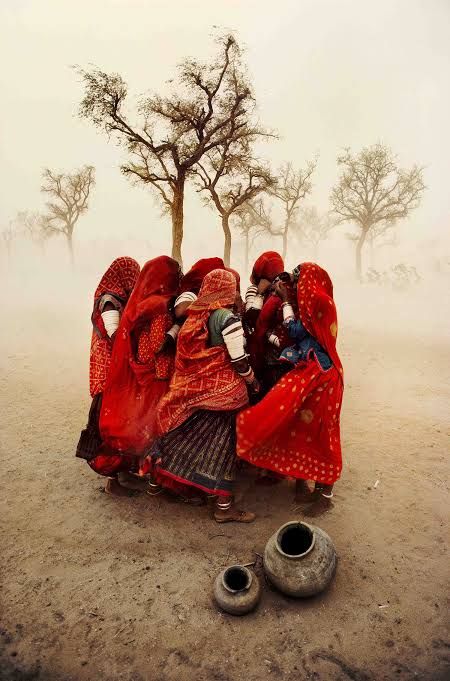
'Dust Storm', Rajasthan, India, 1983
I don’t think there’s just one. There are a lot of pictures I look at, and I think about that day or that situation and recollect that moment. But if I had to pick one, I like ‘Dust Storm’ a lot.
Dust storms, like some monsoon showers, come briefly and vanish equally quickly. So, you had to be really quick. I like that picture, because it was a successful picture, under pressure. Because, first, there’s all this dust, and two, you’re trying to think how dramatic it is and you only have 15 minutes to do it. So, you look around, and just by luck there were these women working there, who got together to stay safe—it was noisy, and windy, and a lot of dust was rising in that Rajasthan desert. That’s the moment I captured.
You capture people in their natural habitats doing everyday chores or simple things. Do you think they eventually fell into a stereotype?
As a writer or a photographer, you tend to work in a particular way. You have that style, that signature look, for better or for worse. But in the end, I think you have to just do what gives you pleasure and satisfies your creative urge and not overthink a style or a signature look.
The most important thing is just to go out and have fun. Do something meaningful. If you're in a war zone, photograph something that’s going to bring understanding or empathy to the person, the situation. That’s what is important.
And if somebody wants to analyse it, that’s okay, too. As an artist you just have to be true to yourself. We’re all going to be dead soon, so you do something that’s meaningful to you and enriches the world.
Do you feel the pressure to create an iconic image every time you pick up your camera?
You can’t put too much pressure on yourself. You have to go out and try and work on something good. The main thing is that you have to be in the right frame of mind when you go out on the street. If you start to think about clicking an iconic image, it might actually work against you. You can’t think, I’m going to have to make a great picture today. It’s more of a meditative zone. First of all, you just have to be grateful that you’re still alive and you can walk down the street. If you make a couple of good pictures, that’s like a bonus. You have to be more relaxed and playful.
Today, any image can be made to look flawless with AI. How do you feel about using it, or others using it?
There’s no room for AI in documentary photography. But I’m sure there are many applications for other kinds of photography—maybe food or cars or fashion, or advertising.
ADVERTISEMENT
The Nod Newsletter
We're making your inbox interesting. Enter your email to get our best reads and exclusive insights from our editors delivered directly to you.