


Now that we’re in the throes of Wuthering Heights fever, have you wondered what if, in the book, Catherine chose Heathcliff over Edgar? Or going back to older literary works, what if, in an instance of one “careless” person rejecting another, Daisy left Tom after Gatsby’s death? Imagine The Shawshank Redemption but with an ending where Andy is caught right before his big escape.
We can all agree a story becomes iconic because of how it ends. The feeling with which you walk away from a film or a novel is the one that, oftentimes, the last few moments inspire in you. Maybe it’s a plot twist you didn’t see coming, maybe it’s a happily-ever-after (that’s more likely a happy-for-now) that you found satisfying despite your overt cynicism.
Your favourite book, movie or musical composition would have had an alternative ending that the creator planned but inevitably revised. (And no, we’re not trying to bring you around to the creative liberties that Emerald Fennell’s recent screen adaptation of Wuthering Heights took with the original.)
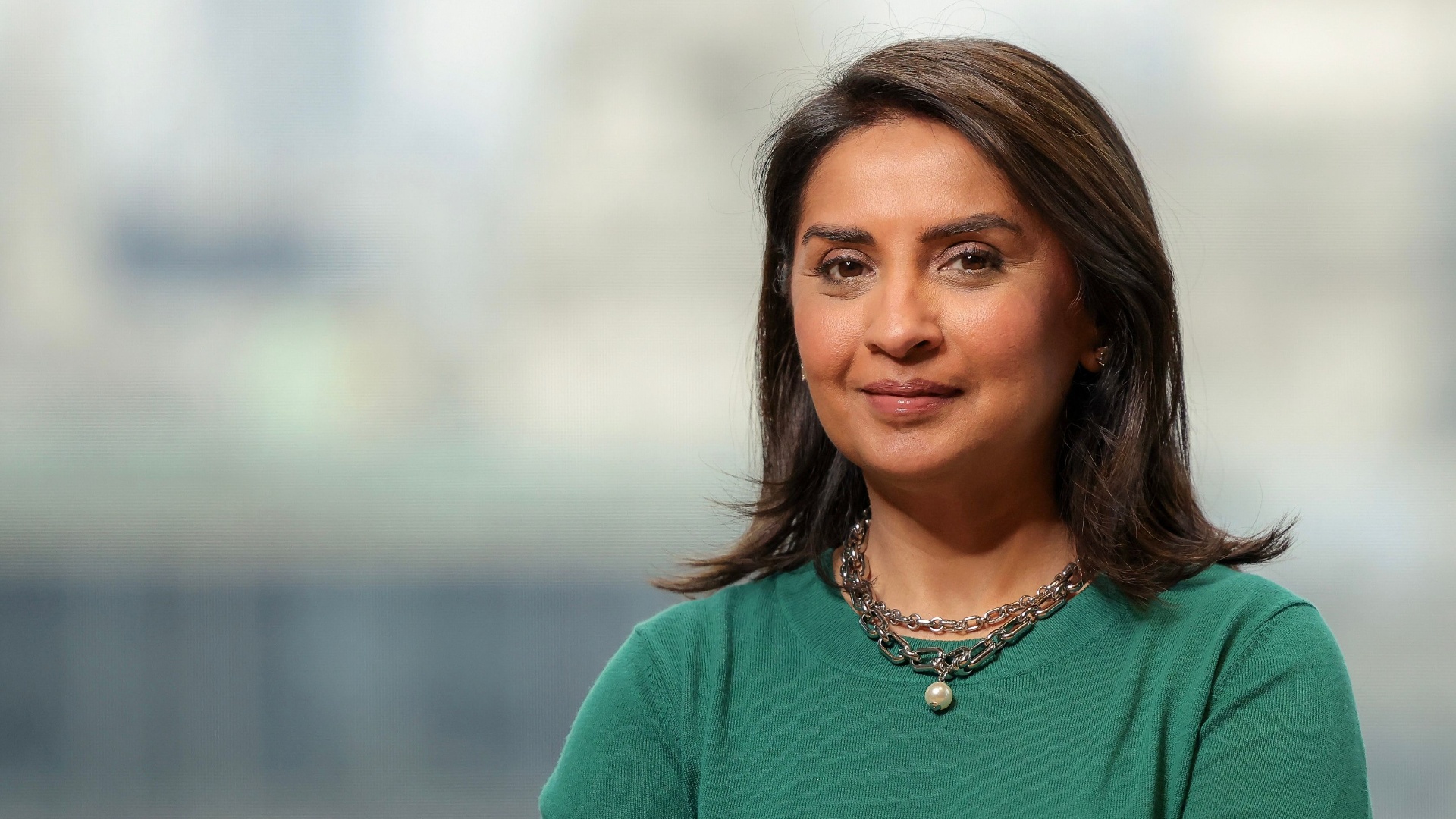
Exploring this road not taken is what Mallika Kapur, a former journalist, is doing in her new podcast, The Next Edition. You may not find an episode about the latest book releases or a ‘best of...’ list, but you should come here if you are curious about the what-could-have-beens of some of the most famous works in culture. The show revisits the discarded drafts, alternative endings, and deleted scenes that never made the final cut. Take, for instance, the inaugural episode with Yann Martel, which airs today, where they discuss Life of Pi and contemplate the titular character’s life choices. How would Pi Patel, who would be in his sixties today, recount his ordeal at sea? Could a sequel see Pi return to India?
When most people are interested in how a certain piece of work took shape and form, what prompted Kapur to begin where most stories end?
“I am part of a book club where a bunch of women dissect books. We argue about character arc, question each other’s choices, discuss a single line from a book for hours. These conversations stayed with me, and I often wondered if the book would be any different if the author wrote that book today. So, I wanted people to hear from these brilliant minds—authors, filmmakers, artists, photographers—behind these iconic works.”
But The Next Edition is not all about looking back. Kapur discusses upcoming works, whether AI and technology nurture art, and everything that a discerning listener would expect with guests such as award-winning British-Turkish novelist and storyteller Elif Shafak; Oscar-nominated filmmaker Deepa Mehta; author, prison-reform advocate, and president of True Literary, Lara Love Hardin; and Indian journalist and historian Shrabani Basu, to name a few.
The Next Edition will release episodes weekly on all podcast platforms, including Apple Podcasts, Spotify, Amazon Music, JioSaavn, and more.
Love literary podcasts? Here are other shows you may love tuning in to:
Sarah’s Bookshelves: A weekly book podcast where the host discusses everything from old books they love to a book they don’t and new releases, with a featured bookish guest.
Open Book with Jenna: Hosted by Today’s Jenna Bush Hager, featuring candid, in-depth conversations with authors, actors, and influencers about their favourite books, lives, and creative processes.
The Book Review Podcast: The NYT books podcast takes you inside the literary world with author interviews, book discussions, recommendations and more.
If Books Could Kill: Hosts Michael Hobbes and Peter Shamshiri dive into the murky details of mass-market hits.
Backlisted: A fortnightly British podcast where Andy Miller and John Mitchinson discuss literary classics.