




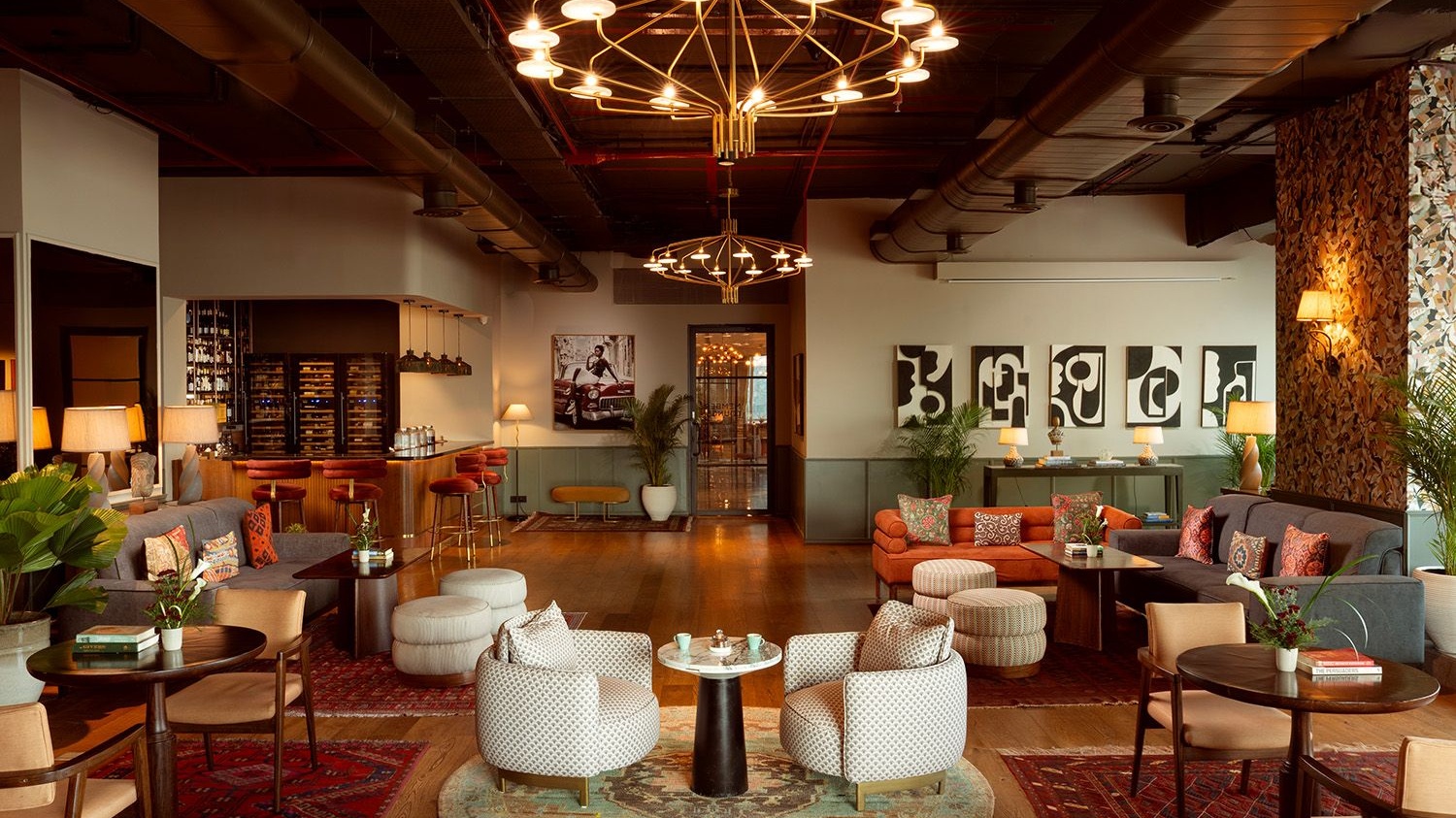

Workhorses are familiar with the 9-to-5 cycle: you start with a coffee, sit through a few meetings, take a break, grab a meal, sit back on your ergonomic chair and send some more emails, and then perhaps think of beating rush-hour traffic to maybe squeeze in a workout, and finally, if you’re lucky, wind down with a vinyl listening session or a stand-up gig or a game of golf. Now imagine doing all this without stepping out. That’s The Quorum Club for you—a third place that shape-shifts through the day. The Quorum opened in Gurgaon in 2018, followed by outposts in Mumbai and Hyderabad, with Bengaluru next in line.
By day, the Mumbai space, located in Lower Parel’s One World Centre building, has three sections inhabited by laptop-bound folks on a deadline. By night, the same spaces host live gigs, book launches, and private parties. Solo worker bees sit in thoughtfully designed single pods—created with a spotlight lamp, a very comfy-looking chair, and a side table—while larger rooms transform into performance and event venues. Then there are two restaurants, a bar, a gym, and a Pilates studio (of course) complete with a shower facility. They are probably thinking of a padel space while I type this, so the only thing missing would be a sleeping pod (but more on that later).
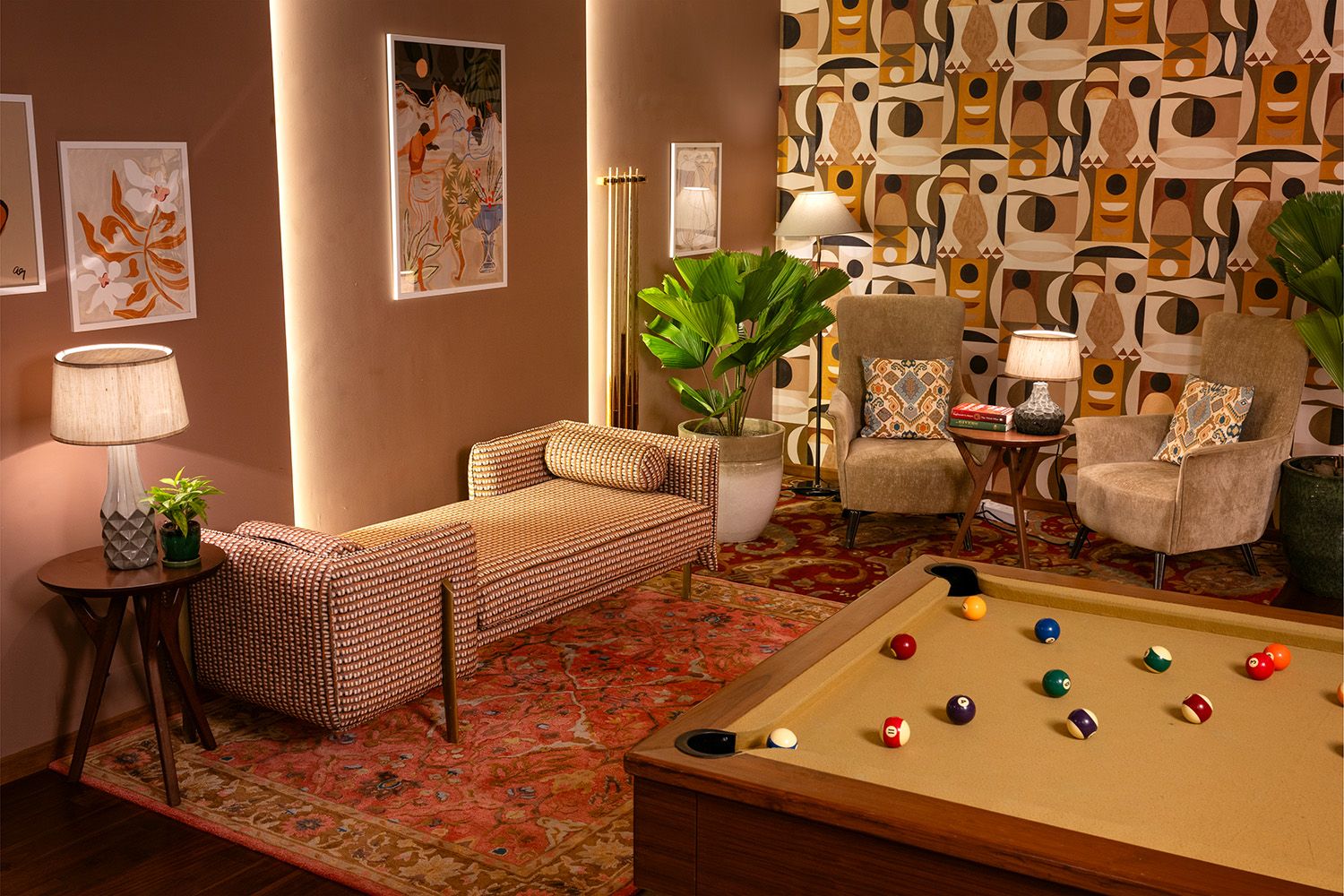
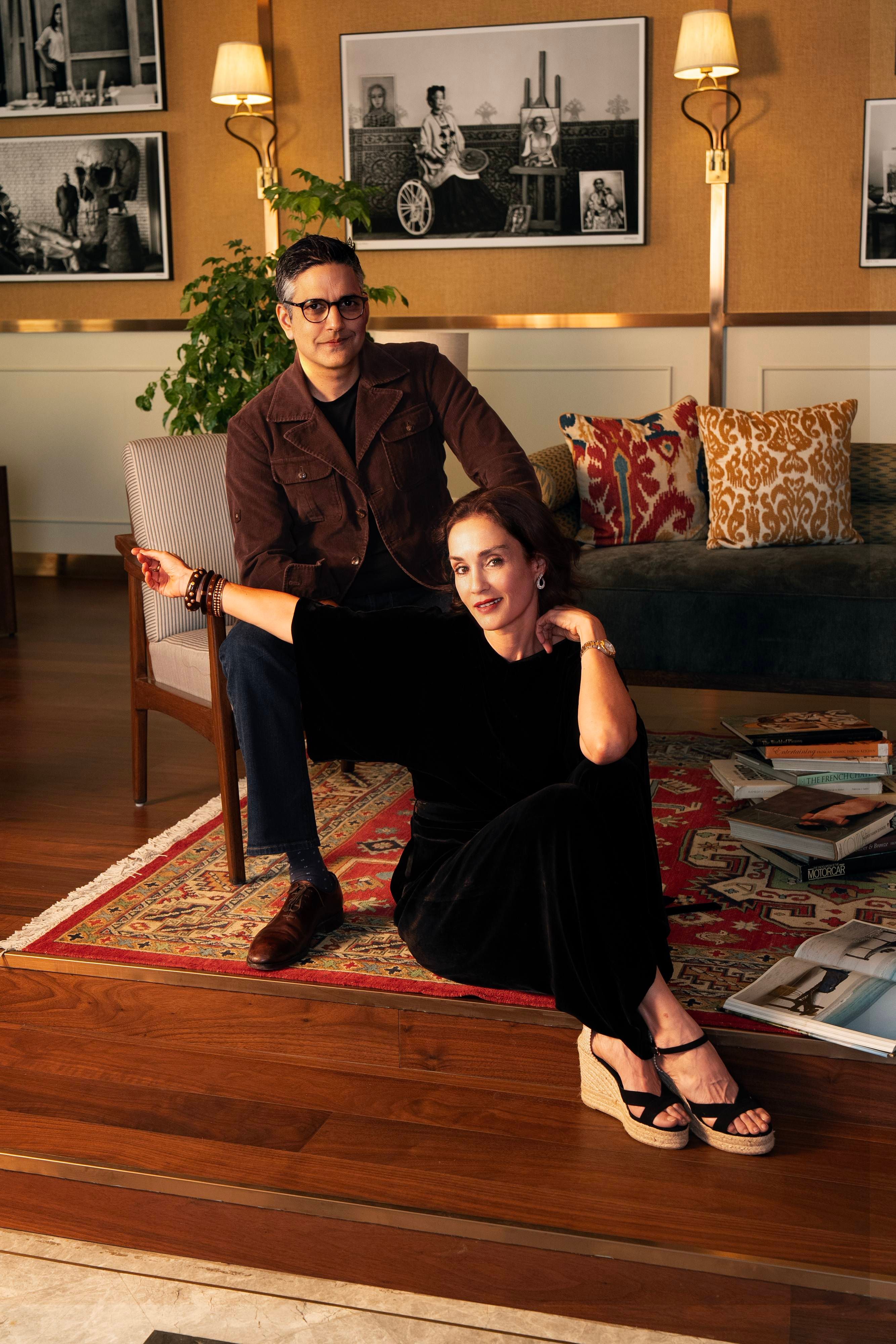
The Quorum Club, according to CEO Vivek Narain, who co-founded the space with Sonya Jehan, is designed to be “relevant all through the day”. An investment banker for many years with a subsequent stint in hospitality, Narain turned to building The Quorum Club with his partner around his milestone 40th birthday. “Having looked at and invested in hospitality companies, I realised that restaurants are relevant only for four hours a day—lunch and dinner—but the rest of the space is still being rented. So, when we started designing and creating the space, we were very conscious that it would be an all-day space. And that reflects in the design philosophy—from the ergonomics of the chair to the lighting to the acoustics,” he says.
Third spaces are not new. They have been intimate places where people build communities, mingle and engage with each other over special amenities and activities. It is, in its most traditional sense, a home away from home. But today, the concept of a third space has evolved far beyond Ray Oldenburg’s “spaces outside of the home, or the first place, and work, the second place, where people gather and form relationships”, as defined in his 1989 book The Great Good Place. In 2026, millennials and Gen Z are increasingly seeking third spaces and membership clubs that focus on wellness and lifestyle while presenting opportunities to foster social connections.
This shift reflects in the way Narain approaches spaces. While the design philosophy, inspired by The Battery in San Francisco, is the same across all its outposts, how they approach the available real estate varies. For instance, Quorum Hyderabad, located in Hitech City, is built on a larger space and has a pickle court and other sports facilities. In Mumbai, they plan to add a wellness centre soon. In Bengaluru, they have gone a step further and added 30 hotel rooms to the building so you can actually stay there. It’s essentially a Soho House, and sometimes even your go-to pickle court, without the hassles of a Hudle booking.
This space, though, is not your grandparents’ old-guard clubs where the monied few gathered to celebrate and make deals. Instead, it is the kind of place where affluent creatives can meet and socialise with others like them. Here, you could find your next work collaborator, an afterwork wine pairing partner, and everything in between.
Stylistically speaking, The Quorum Club doesn’t feel have the sterile work environment that corporate workspaces have homogenized; in fact the overall mood here is more lounge than office. It may have a lot to do with their rotating art. The day I visit, I notice two men tearing down the bubble wrap off a Saskia Pintelon artwork, which is currently a part of the capsule solo at Quorum Mumbai’s Art Alley. Across cities, members can not only interact with the pieces they showcase but also buy what they like. Some of these paintings include works from the Kiran Nadar Museum and a collaboration with gallerist Amit Kumar Jain.
If your work view is already expanded, you will be even more surprised with their month-on-month programming, RSVPs to which can easily fill your social calendar full. This month, at the Mumbai chapter, members can attend a whisky masterclass with Asim Raza, groove to DJ Suketu’s music, watch acts by Amol Parashar and Atul Khatri, and even experience a live tableside assembly of som tum. Hyderabad, meanwhile, will get an exclusive preview of Gaurav Gupta's ready-to-wear line, a stand-up act by Shoumik Chakrabarti, and a one-night bar takeover by Mumbai’s Slink & Bardot. Narain says, “About 70 per cent of the 130 events we host each month come from our members. If they have someone visiting, they’ll share what they’d like to do—and that creates a cycle of contribution. The programming ends up being quite layered because of that.” The Gurgaon programming this month includes an ABBA night courtesy MIBU, a terrarium workshop, and an evening of music and poetry with Zikr.

Between such wide offerings—from wine tastings to author readings to film screenings to bar takeovers and live music—on any given day, your day can look like anything. And your colleagues (aka their other members), are as dynamic. Across three cities, their community includes artists, venture capitalists, entrepreneurs—basically high-earners who are curious and want to engage with other like-minded people. The club didn't disclose membership fees, but it includes a joining fee, followed by annual renewals. The memberships are split across standard, women-only, and expatriate categories. Still, you cannot just buy your way in here. You need to be a referral from a member or have a digital footprint that appeases the Club. “Our members are our biggest ambassadors. But we have an application process where people tell us a little bit about themselves. We also use our understanding of you through your digital footprint to assess whether you’d be able to fit.”