



Recession indicator29 May 20264 MIN

TV is finally catching up with the OnlyFans economy 

As ‘Euphoria’ and ‘Margo’s Got Money Troubles’ reveal, the adult creators app is finding screentime in modern-day dramas about money, work and motherhood

Image

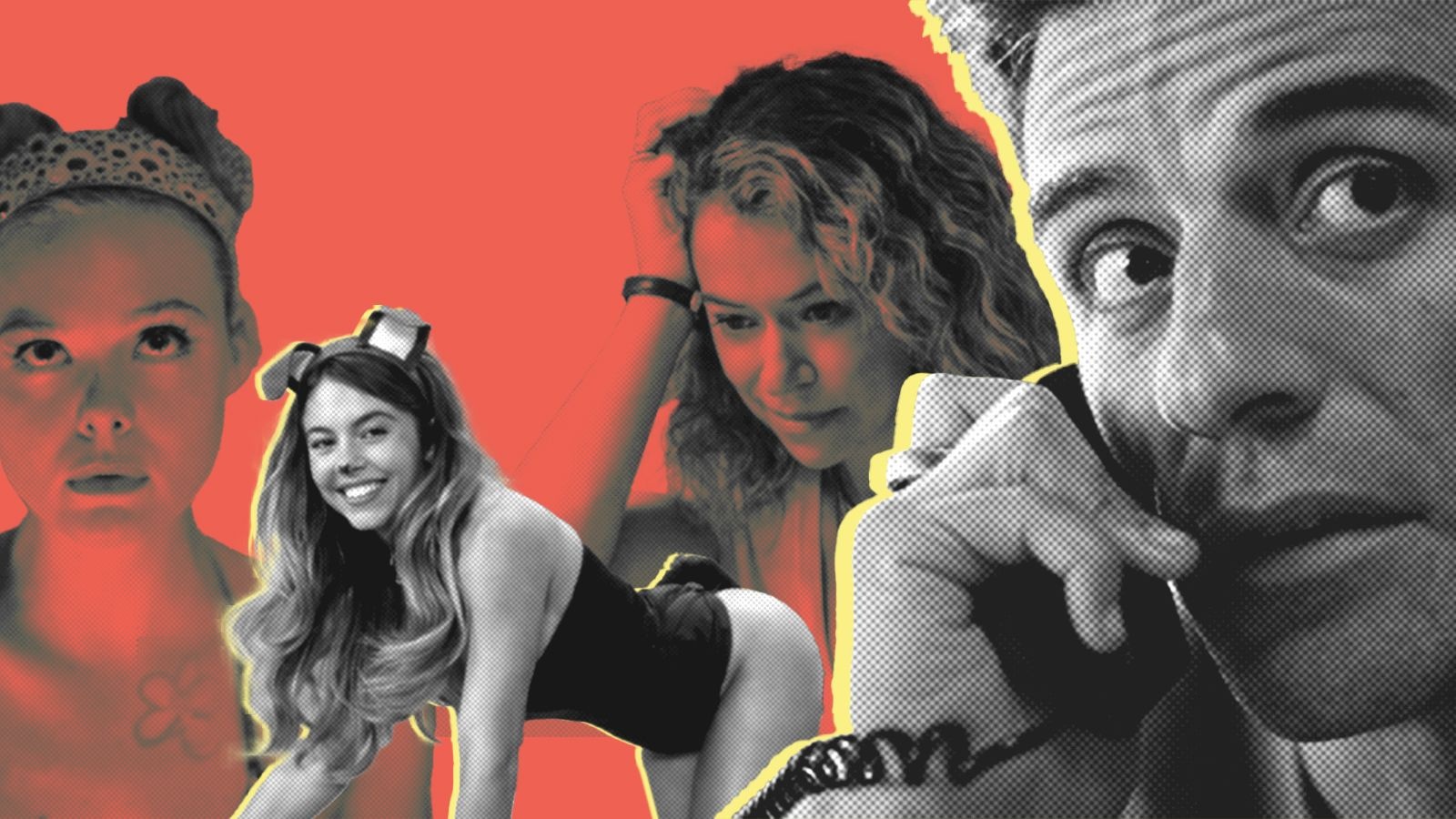
For years, TV has loved the girlboss. We’ve all grown up watching pencil-skirted lawyers in ’90s procedurals (Ally McBeal), the cool but chronically overworked magazine editor grabbing coffee on the go in stilettos (SATC), and the sexy, frazzled but always-on-her-game PR woman (also SATC) as the archetypes of the ambitious career woman. But lately, TV has a new favourite—the woman with an OnlyFans account. Over the last month, no less than three TV shows have debuted protagonists who begin to dabble in online sex work, suggesting that the archetype is well on its way to becoming as recognisable as the ruthless career woman or the exhausted sitcom mom that came before it.

There was a time when any portrayal of sex work on screen was accompanied by a kind of tragic neon gloom that was meant to signal moral disapproval. These were characters living life on the margins, existing only for shock value or as cautionary tales. They delivered dramatic monologues about their plight, even as cigarette smoke curled theatrically towards the ceiling. But in today’s terminally online world, OnlyFans has made what was once salacious seem commonplace—in Margo’s Got Money Troubles, Margo (Elle Fanning), a broke single mother, uses it to buy diapers; in Euphoria season three, a young suburban newlywed (Sydney Sweeney) uploads fetish content to fund her extravagant tastes. Elsewhere, in shows like the recent Beef season two and Black Mirror series seven in 2024, cam sites become portals to not only showcase a dysfunctional relationship but also tools of blackmail and surveillance.

This shift is all over Maximum Pleasure Guaranteed, the new Apple TV thriller starring Tatiana Maslany as Paula, a recently divorced mother whose life has collapsed into a parenting logistical nightmare featuring an unending cycle of pick-ups, work stress, mounting bills, and the vague sense that she will always be behind the 8-ball no matter how hard she tries. Paula allows herself one indulgence: logging onto a cam site by night to flirt with a beautiful younger man named Trevor, who both listens to her problems and calls her gorgeous. It may only exist through the soft glow of her laptop screen, but Paula’s relationship with Trevor mirrors a thousand other internet-era arrangements that are salves for loneliness in an age where even romance comes with a monthly subscription. Then, during one of their sessions, Paula witnesses what appears to be Trevor being abducted on screen, kicking off a spiral that involves extortion, blackmail, and even death.
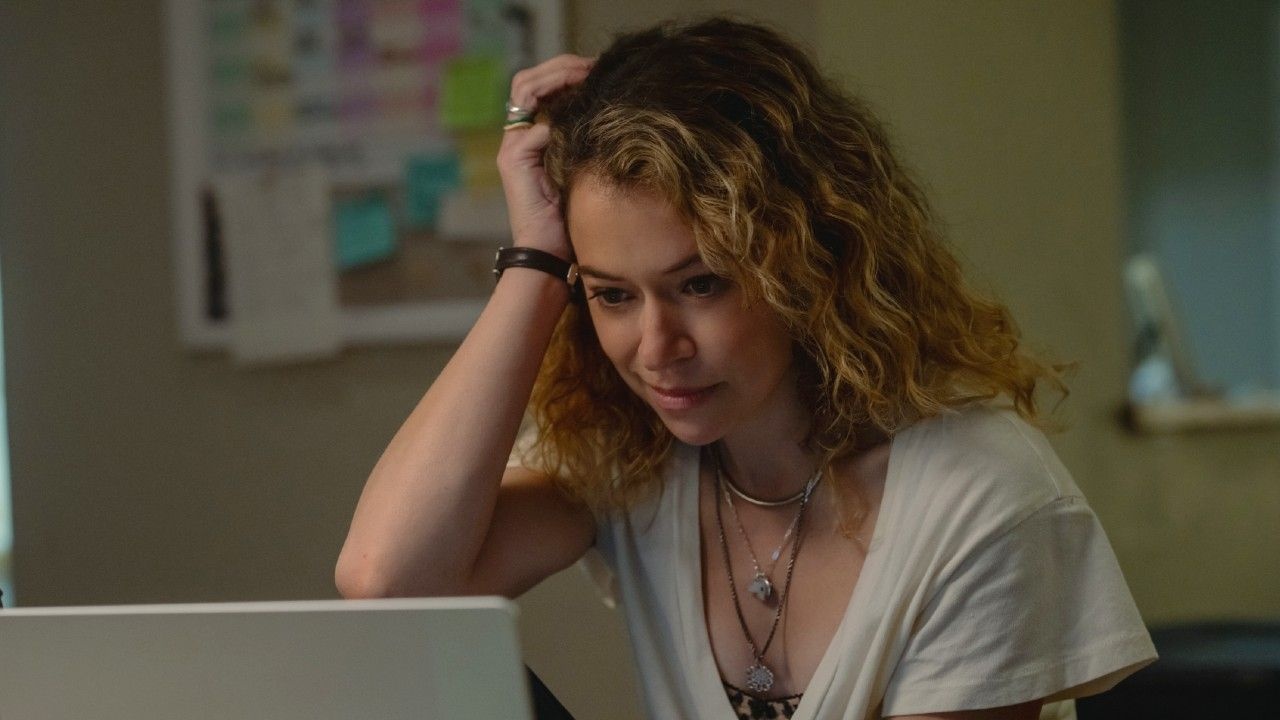
What makes Maximum Pleasure Guaranteeds approach interesting isn’t its intrigue-laden plot but that it never treats Paula’s behaviour as particularly aberrant or shameful and, instead, smartly subverts expectations by making her the objectifier rather than the objectified. In the world of the show—as, increasingly, in real life—paying for digital intimacy is as normal as using Uber or Zomato.

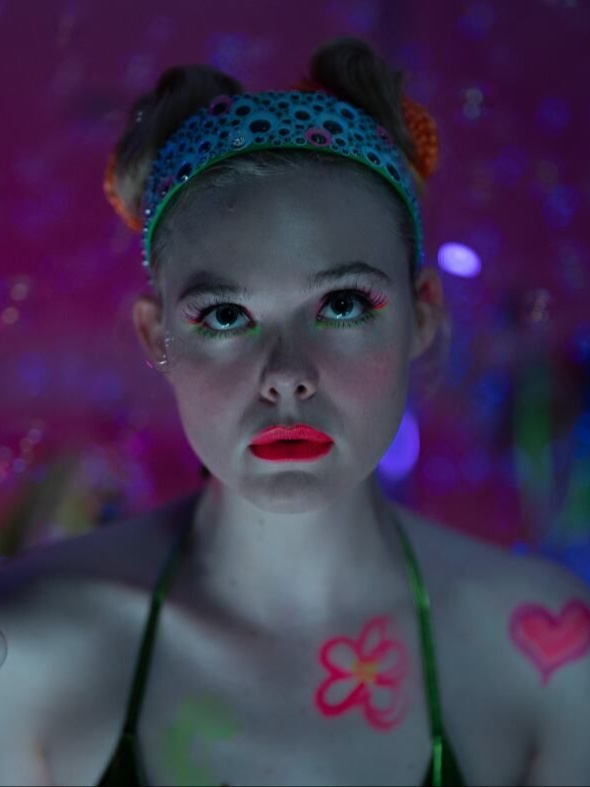
This is a lesson that Margo’s Got Money Troubles, based on Rufi Thorpe’s book of the same name, has also internalised. In it, Fanning plays a broke 19-year-old who falls pregnant by her much older professor, joining OnlyFans after calculating that no conventional work-from-home job could possibly fund the costs of rent, diapers, and childcare simultaneously. Thorpe was hands-on in her research for the book, reportedly joining OnlyFans and having conversations with real models on the platform to get an accurate picture of their daily lives. This probably explains why one of the things the show gets so right is its portrayal of the surprisingly pedantic admin work that goes into building a successful following as an OnlyFans creator—Margo spends more time brainstorming content ideas and audience engagement strategies than she does performing eroticism. At one point, she rakes in tips by comparing her subscribers’ penises to Pokémon, which, frankly, sounds more creatively fulfilling than most conventional jobs.

There is contextual and generational specificity to this new approach. Not only does it say it’s post-Facebook contemporary times, this plot device also connects with young millennials and Gen-Z, who were raised amid the rise of the personal brand and told to monetise their passions, cultivate side hustles, and optimise themselves professionally and emotionally. The internet spent years espousing the wisdom that authenticity itself was a market opportunity if harnessed correctly. Add to that context the growing economic anxiety of the times, where rent is impossible, layoffs are always just around the corner, entire industries are under threat of being erased overnight by AI, and hustle culture reigns supreme. Under these conditions, the logic of being able to capitalise on your body feels like a brutally coherent financial strategy rather than a shocking departure from the mainstream.

8484a9ce9adcd64d95cbab9383b94df5f0-euphoria-season-3-cut-b.2x.rsocial.w600.webp
In Euphoria’s latest season, Cassie discovers that selling fetish content online offers both financial freedom and an escape from her unhappy marriage

The girls on Euphoria understand this instinctively. On the show’s latest season, Sweeney’s Cassie begins posting fetish content online, dressing up in exaggerated infantilised costumes that include her wearing a literal diaper and sucking on a pacifier while matter-of-factly explaining that “people make money doing this”. That one deadpan line does a lot of heavy-lifting by capturing the practicality with which a generation raised on TikTok, Instagram, and internet virality treat platforms like OnlyFans—for Cassie, doing sex work is broadly a way to assert independence and autonomy from her increasingly toxic and unhappy marriage to Jacob Elordi’s Nate, and more specifically, the only way she can afford $50,000 worth of fresh flowers for her wedding day. It is an entirely pragmatic financial concern for her, which would be an interesting note to explore had the opportunity not been squandered by Sam Levinson’s insistence on lingering gratuitously on Sweeney’s body and hinting heavy-handedly at her off-screen scandals rather than delving into the character’s fears and motivations.

For TV writers, OnlyFans solves a very practical problem, too. It dramatises contemporary economic anxiety in a way that is notoriously difficult to do—nobody wants to watch a character dejectedly scroll LinkedIn for six episodes, and inflation doesn’t really make for compelling television. OnlyFans takes financial precarity and dramatises it into plot, conflict, and character development all at once. In Margo’s Got Money Troubles, the platform becomes a way to talk about motherhood, just as in Maximum Pleasure Guaranteed it becomes a story about loneliness and digital vulnerability. Even Sam Levinson’s less-than-enlightened approach on Euphoria lays bare an ecosystem where everyone is hustling, exhausted, and privately humiliated by money (or lack thereof) in ways they can’t fully articulate. None of these shows are about sex work as they are about people who have run out of conventional options. And this may explain why the ’90s girlboss has now made way for the modern OnlyFans maven.

The Nod Newsletter

We're making your inbox interesting. Enter your email to get our best reads and exclusive insights from our editors delivered directly to you.