



Brief Encounters17 Apr 20263 MIN

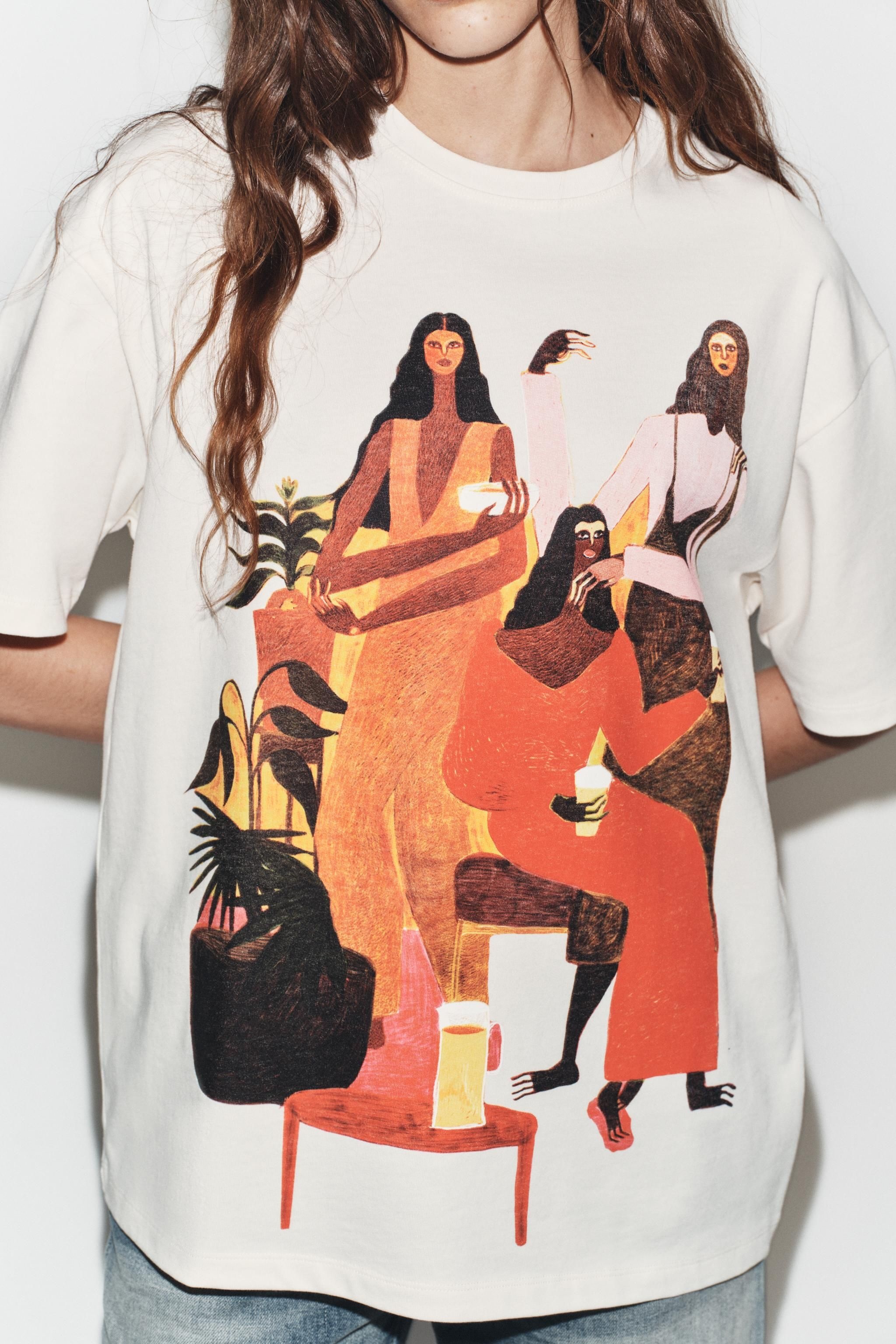
Wait, did Zara just drop Manuja Waldia merch?

The Goa-based artist on Rekha, Parveen Babi and the sisterhood themed T-shirts she has designed for the high-street fashion giant

Image

Name: Manuja Waldia

Age: 34

Location: Benaulim, Goa

Profession: Artist

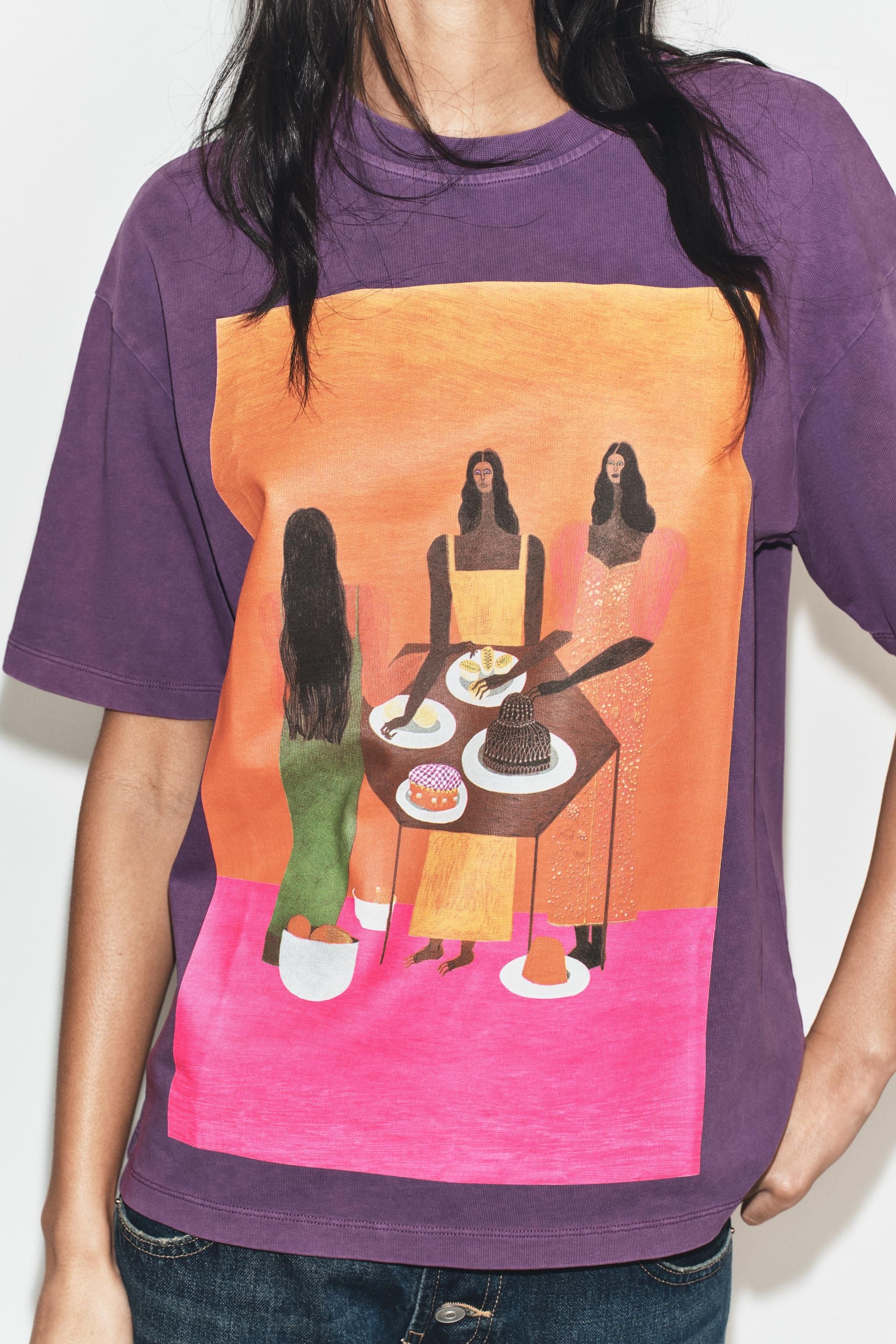
Why you should know her: If your recent oversized cotton tee from Zara has a vibrant artwork—women lounging, glossy desserts, soft chaos, flowing hair—front and centre, you already own a piece of artist Manuja Waldia’s works. It’s the kind you might notice in-store before you realise it’s hers.

This is not the first time Zara has collaborated with an Indian artist. In 2024, the Spanish high street giant unveiled a cutesy limited-edition capsule collection by Mumbai’s Jayesh Sachdeva. But Waldia’s work goes far beyond the two t-shirts from her Zara collaboration. 

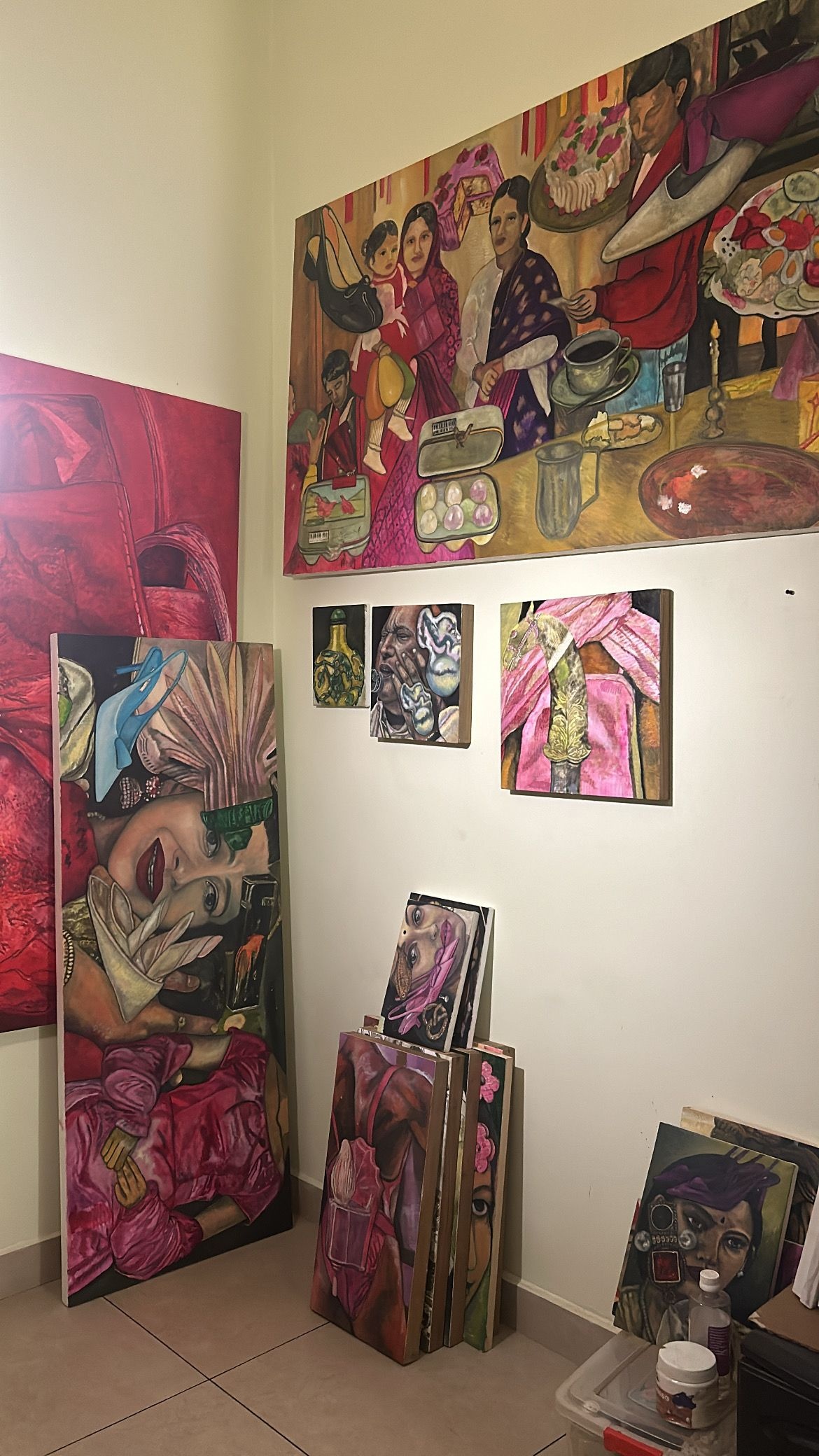
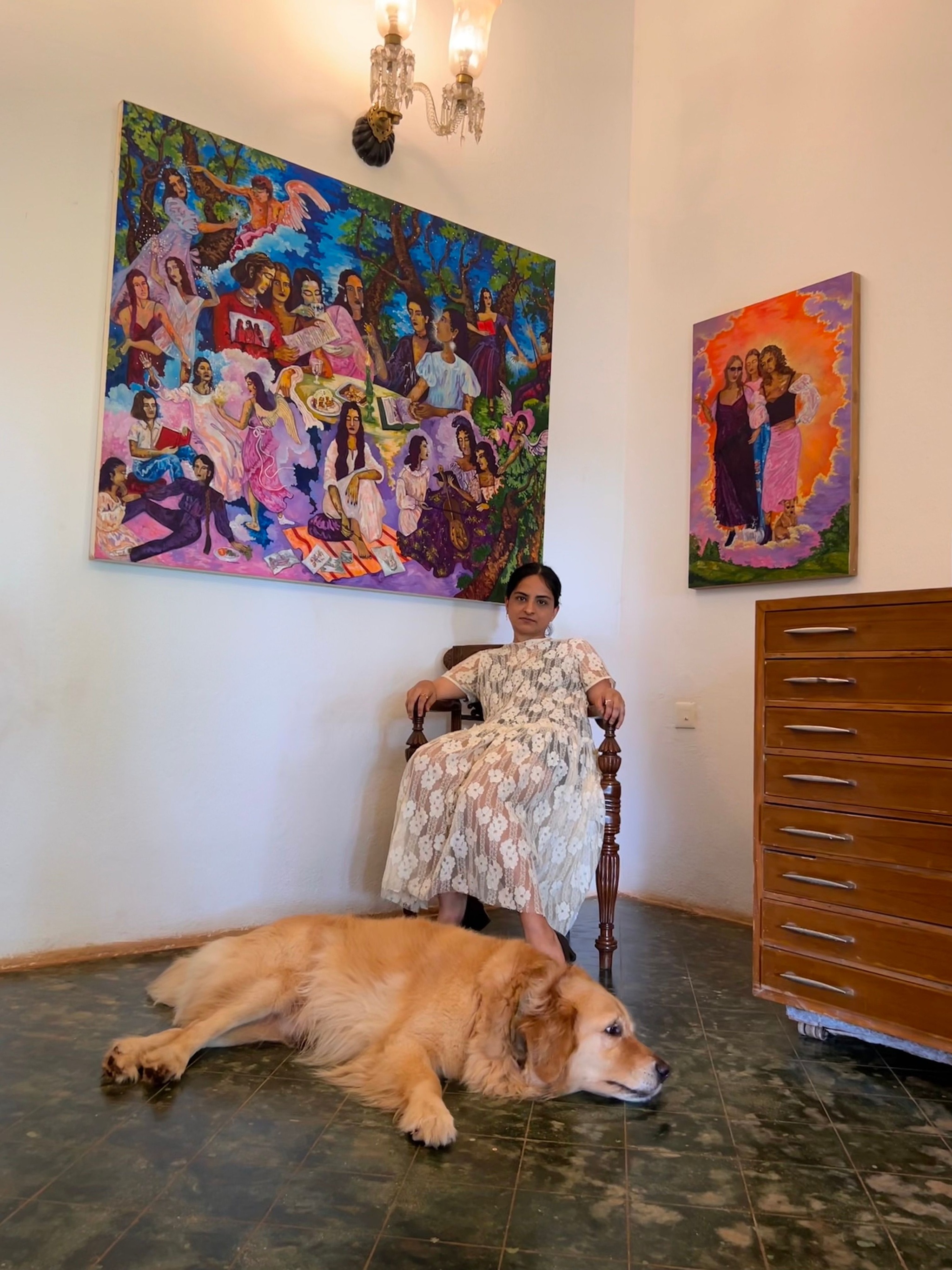
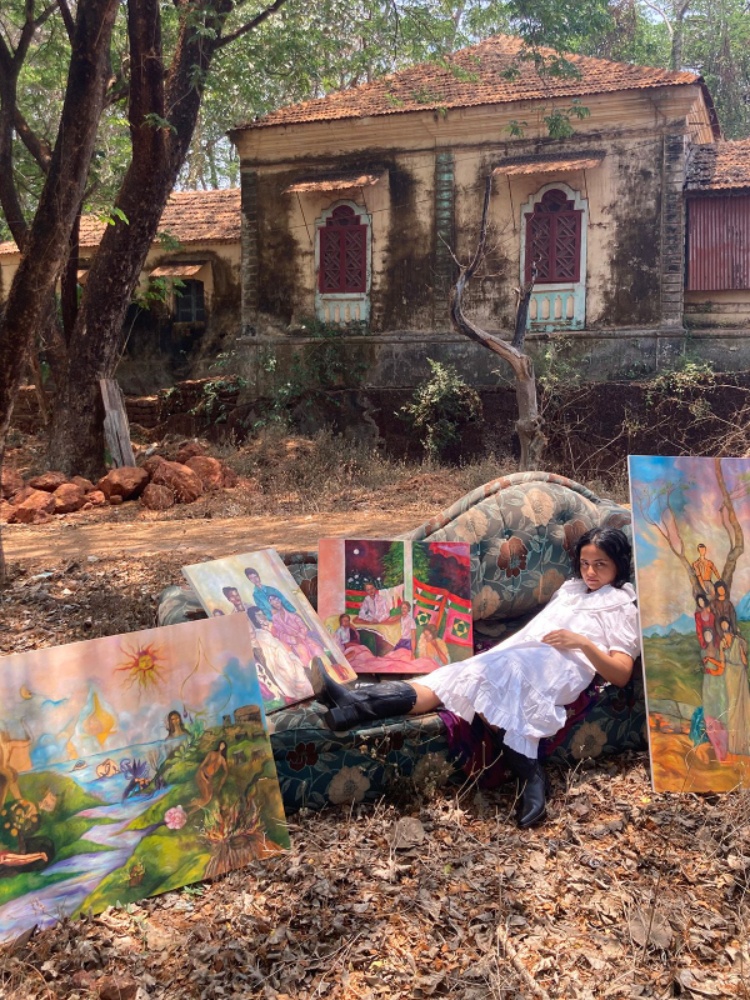
A graduate of the Milwaukee Institute of Art & Design, she is a visual designer and illustrator who has built a distinct, recognisable language over the years. The 34-year-old first drew widespread attention with her contemporary Shakespeare covers for Penguin Random House’s Pelican series, where she reimagined the classics through bold, archival-style compositions. Since then, she has collaborated with brands like Sephora, created a Google Doodle honouring Begum Akhtar, and worked on limited-edition prints with Dishoom. Across her work, you will notice recurring details from everyday Indian life, whether it is familiar objects like oil bottles and mangoes or the way she returns to themes of female friendships and sisterhood, all rendered with colour, care, and a strong sense of memory.

How Zara slid into her inbox: “The Zara team emailed me a few months ago. They chose two of my bestselling artworks from 2017: ‘Turmeric’ and ‘Three Friends with their Desserts’. The T-shirts are produced beautifully with my art on the front, embroidery on the back, and customised hangtags! They’ll be available worldwide, in stores and online.”

Small-town childhood, big imagination: “I grew up in small towns between Madhya Pradesh, Uttar Pradesh, and Uttarakhand. Access to cultural institutions like art museums and even movie theatres was limited, so I filled my days with imagination and creative pursuits. I think trying to alchemize that scarcity of stimulation into a creative world really made me resourceful about inspiration. I rarely get blocked! I learned to find inspiration and beauty in what was around me, like nature, books, and the stories of people in my life. It sharpened my observation, allowing me to be inspired as an artist wherever I am.”

On the weird link between her painting and late-stage capitalism: “My work is like a classically painted Pinterest feed, filtered through my stream of consciousness and oscillating between the intimate and the iconic. I find vitality in the splendour of everyday life. Objects can be elevated to psychological landscapes capturing the soul of a person or moment. Like Proust’s madeleine, it’s a way to meditate on a memory, or a portal to an entire world. Sometimes I paint objects that I am attracted to but won’t feel ethical consuming (like high-fashion shoes) and sometimes they are relics of high culture (like museum artefacts). It’s a way for me to consume these things without actually buying into the traps of capitalism and gatekeeping.”

On choosing Rekha and Parveen Babi as her poster girls: “If you grew up in the ’90s, it was impossible to escape cinema and advertising featuring these Bollywood icons. I am drawn to these stars (Sridevi, Helen, Rekha, Parveen Babi, etc) like how Andy Warhol was drawn to Liz Taylor and Marilyn Monroe: it’s half reverence and half amusement at their projection of femininity, which feels so unfamiliar to me. Painting classically with oil is a long meditation, and it’s hard not to think about the lives of these icons behind the scenes, the rot beneath the glamorous facade. Culturally, these icons were elevated to queens, but behind the scenes their story is one of survival. In older eras, Indian cinema still had a sense of naturalism/realism and I am drawn to icons with a unique signature (like Shabana Azmi), who remind me of my mother, grandmother, aunties and friends.”

On why love and friendship keep showing up on her canvas: “It’s mad corny, but I do think love makes the world go around. Even when I get deeply cynical with the state of the larger world, my relationships ground me.”

On her creative routine: “I am superstitious about breaking my creative routine, so at all times I try to have a pipeline of ideas ready for the next lot of paintings. Other than that, it’s pretty boring painting studio stuff! Lots of tea, nature breaks, petting the pets, cleaning the studio meticulously...”

On what she does when she’s not painting: “I love meditating, reading, and writing. Can cleaning be considered a hobby? I love riding my bike all over the idyllic setting in Goa!”

Currently on her bedside table: “Most of my books are pre-owned. I just finished David Sedaris’s Calypso, which is full of wonderful insights, like all his work. He buys an idyllic vacation home and then realises it’s impossible to take a vacation from yourself. I love how he takes up cleaning miles and miles of public trash just to get his steps in on a Fitbit! Next, I am reading his other books, Barrel Fever, Naked, and Dress Your Family in Corduroy and Denim. I also just finished Alice McDermott’s That Night and Absolution. The latter reminds me of the TV show Mad Men, written from the POV of American wives living in Saigon in 1963, a time preceding the American intervention in Vietnam.”

What’s in her bag? “Currently I am loving using the Baggu Swan bag in white, gifted by my sister Manya. She’s a Leo and all the Leos in my life give the best, most thoughtful gifts. It usually has just my phone, sunglasses, and chapstick.”

What’s inspiring her right now: “Nature forever and ever.”

On building a coffee coven in Goa: “Our Coven of Culture is an intimate, reservation-only space in Goa, which brings together art, books, music, and coffee across thoughtfully designed rooms. It is a way for my partner Puneet and me to share our love of coffee and art. Currently we are obsessed with light-roast coffees that taste like tropical fruit.”

What’s next: “I am neck-deep preparing for a solo show in August.”

The ‘offline artist’ myth, busted: “Sadly that’s a rumour and I am as addicted to my phone as everyone else. If not on my phone, I usually have something playing on my computer while working. Though I do have a strong aversion to phone calls, especially video calls that could be an email or text!” (Needless to add, this interview was actually an email).


The Nod Newsletter

We're making your inbox interesting. Enter your email to get our best reads and exclusive insights from our editors delivered directly to you.