



Books22 Jun 20265 MIN

A book on Mumbai just won a James Beard Award

‘Mumbai: A Journey Through Its Kitchens, Streets, and Stories’ was recognised in the visual design category. When they began working on the book, the publishers had just one brief: Don’t make it exotic

Image

If you are a dweller of the Maximum City—a student here on a summer internship, a hustler trying to make it big away from your hometown, or have always lived here—I implore you to read and savour Heirloom Cities’ Mumbai: A Journey Through Its Kitchens, Streets, and Stories.

It’s not because it’s another art book that would make your coffee table look good. It’s also not because it’s the ultimate compendium of recipes that will take you from boiler of almost-perfect eggs to gourmet chef. Neither is it a ‘best places to eat at’ bible.

What Mumbai is, though, is a bit of everything...and then some more—like the city it is based on. The tome is part of a larger city-wise series that Sri Bodanapu, publisher, Heirloom Cities, conceptualised to document the evolving face of Indian cuisine, debunk the butter chicken-dal makhani stereotypes around Indian food overseas, and tap into the local traditions and history of how a city eats.

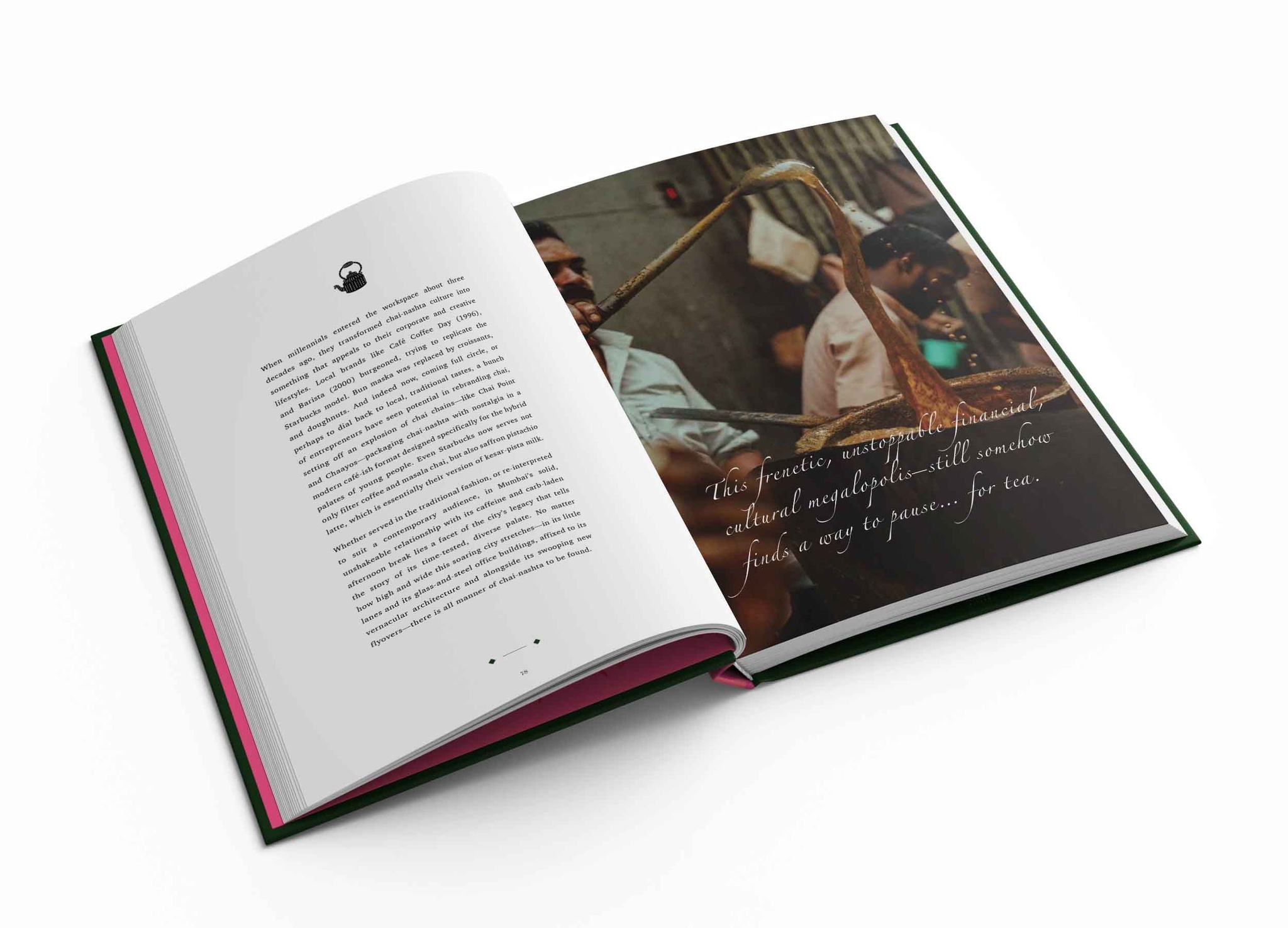
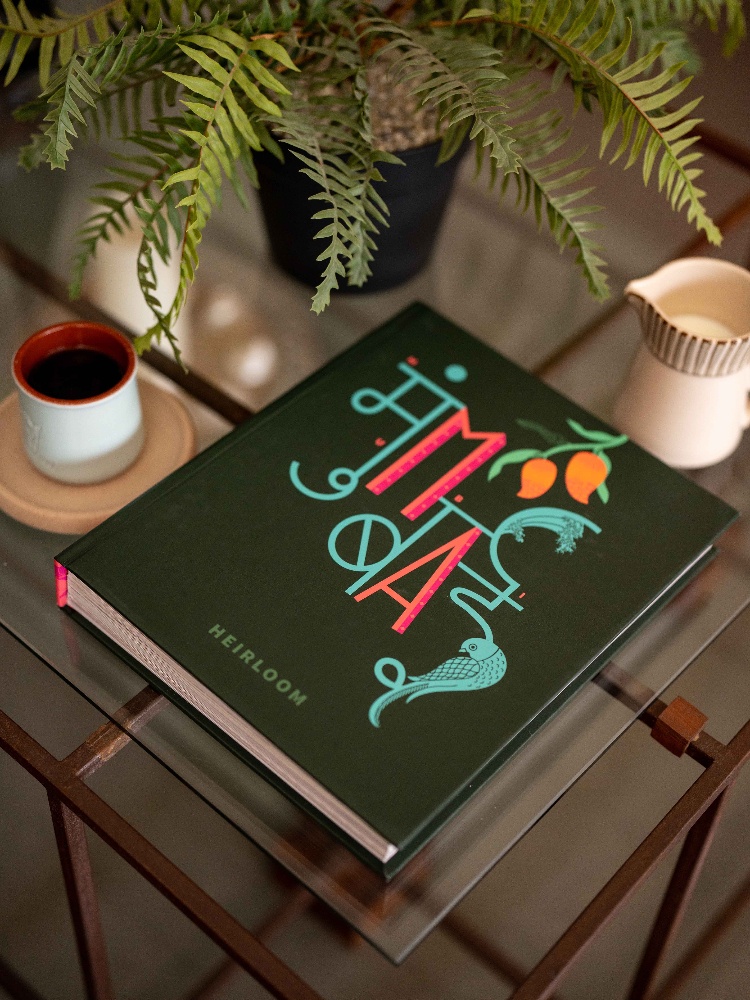
Mumbai is the labour of love of the all-women team of Bodanapu, photographer Bhavya Pansari, and book designer Nandini Thirani of Unfold Designs. The 375-pager with a tropical green cover has the city’s name in English and Devnagri lettering in contrasting colours. Motifs of the haapus and a parrot are tied in. The spine is a flamingo pink, featuring motifs inspired by the state’s traditional Paithani textile.

Inside is a look back (and ahead) at the culinary traditions and influences of the seven islands presented via personal essays, handpicked recipes, and visuals and design elements that evoke nostalgia, wonder, and, in this case, also bring home a James Beard Media Award—the Oscars of the food world—for Best Visual Design.
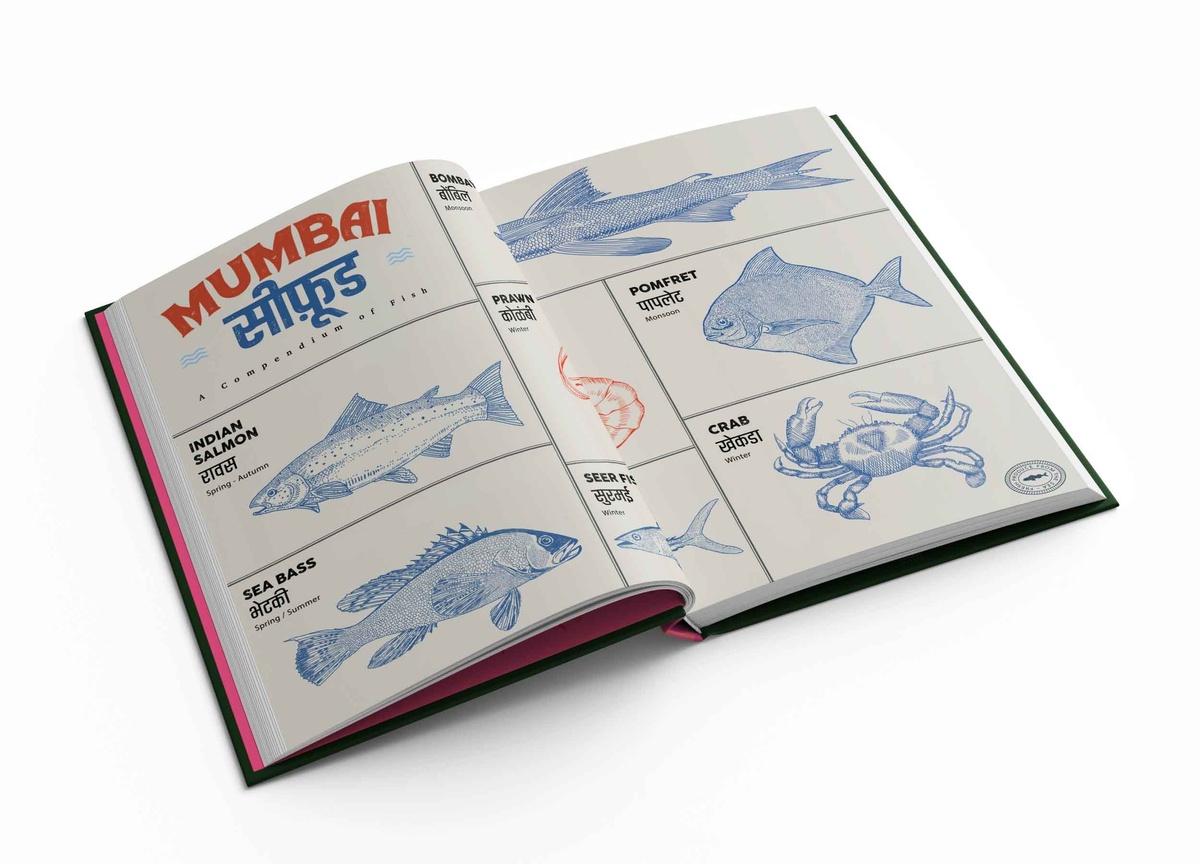
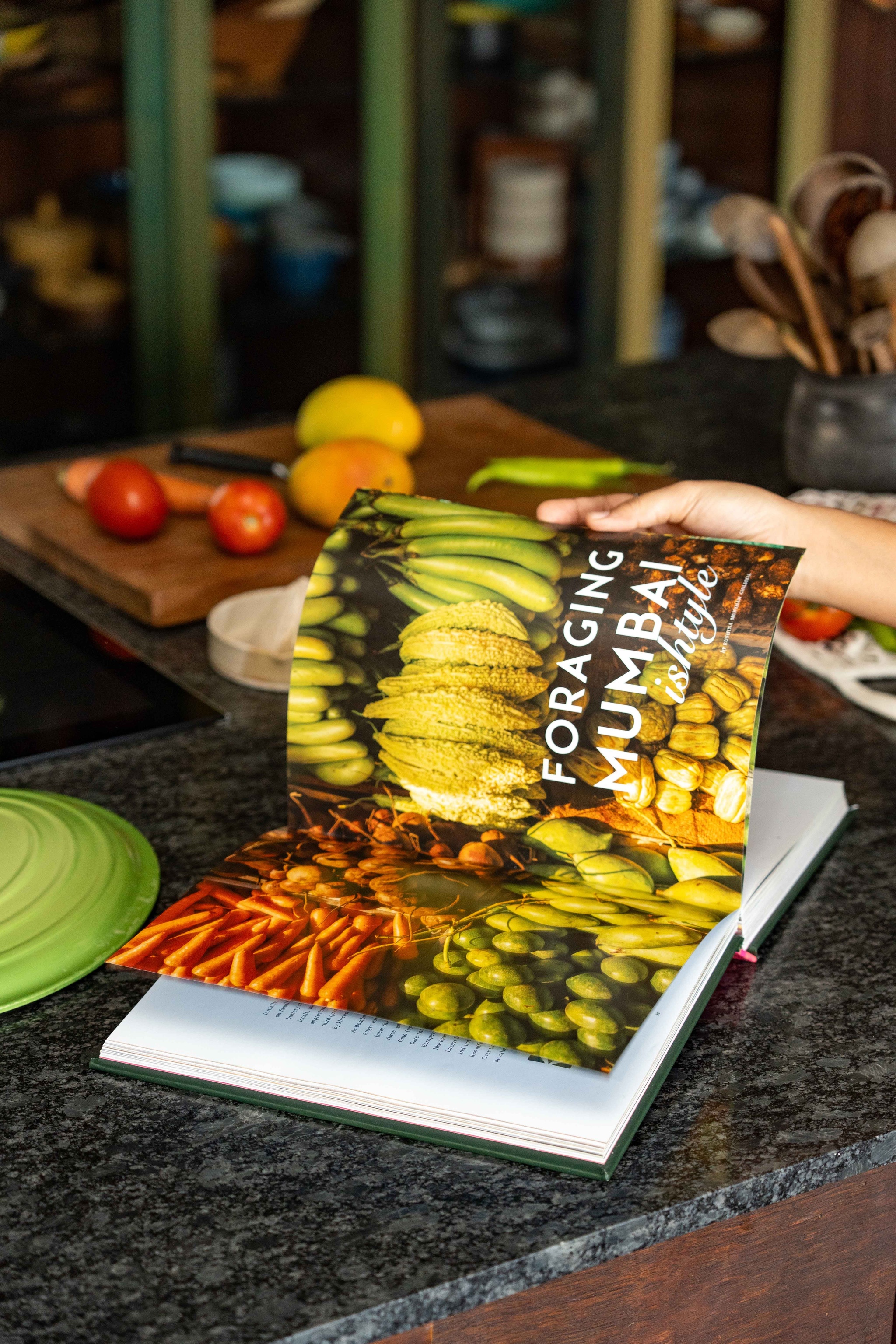
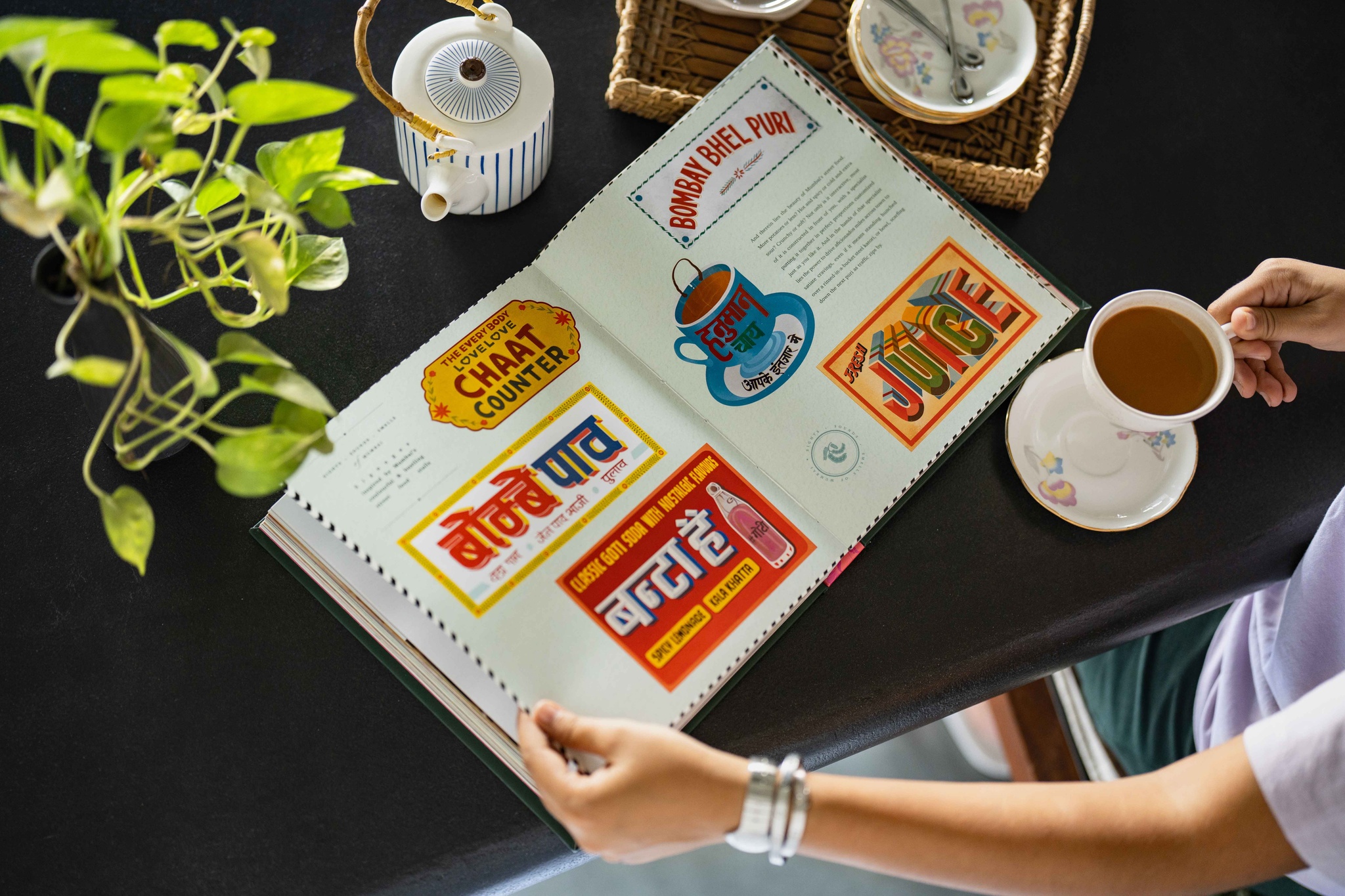
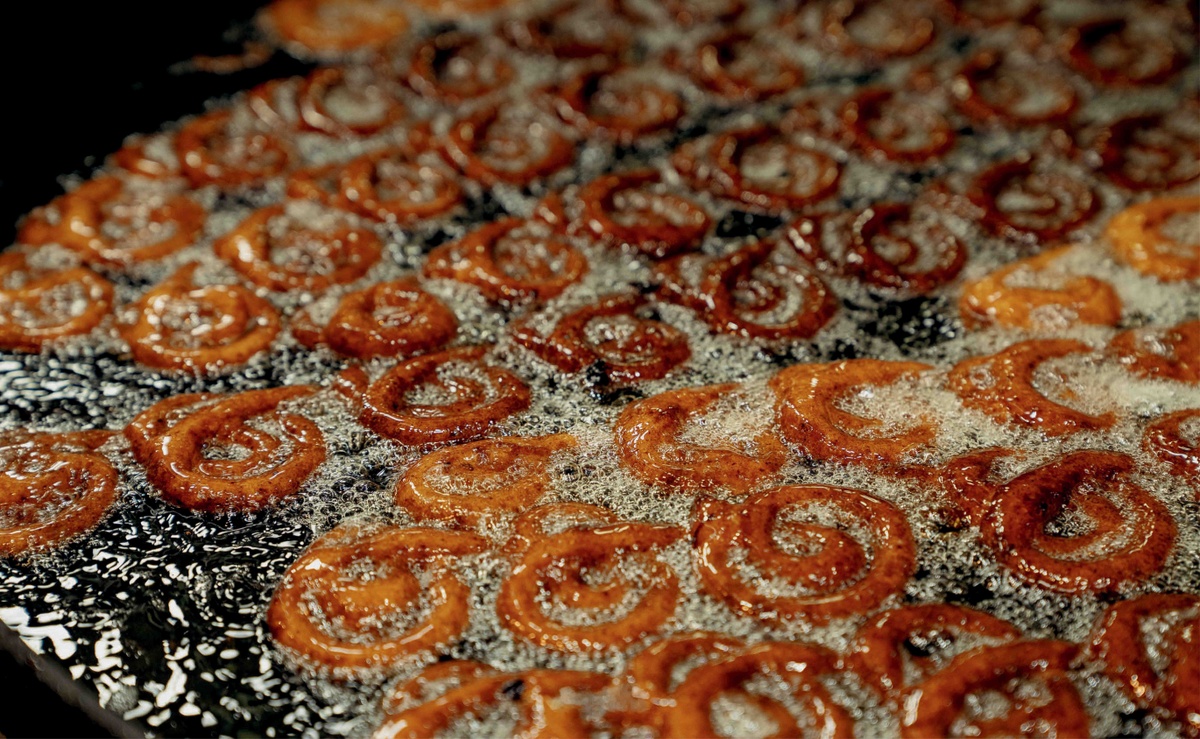
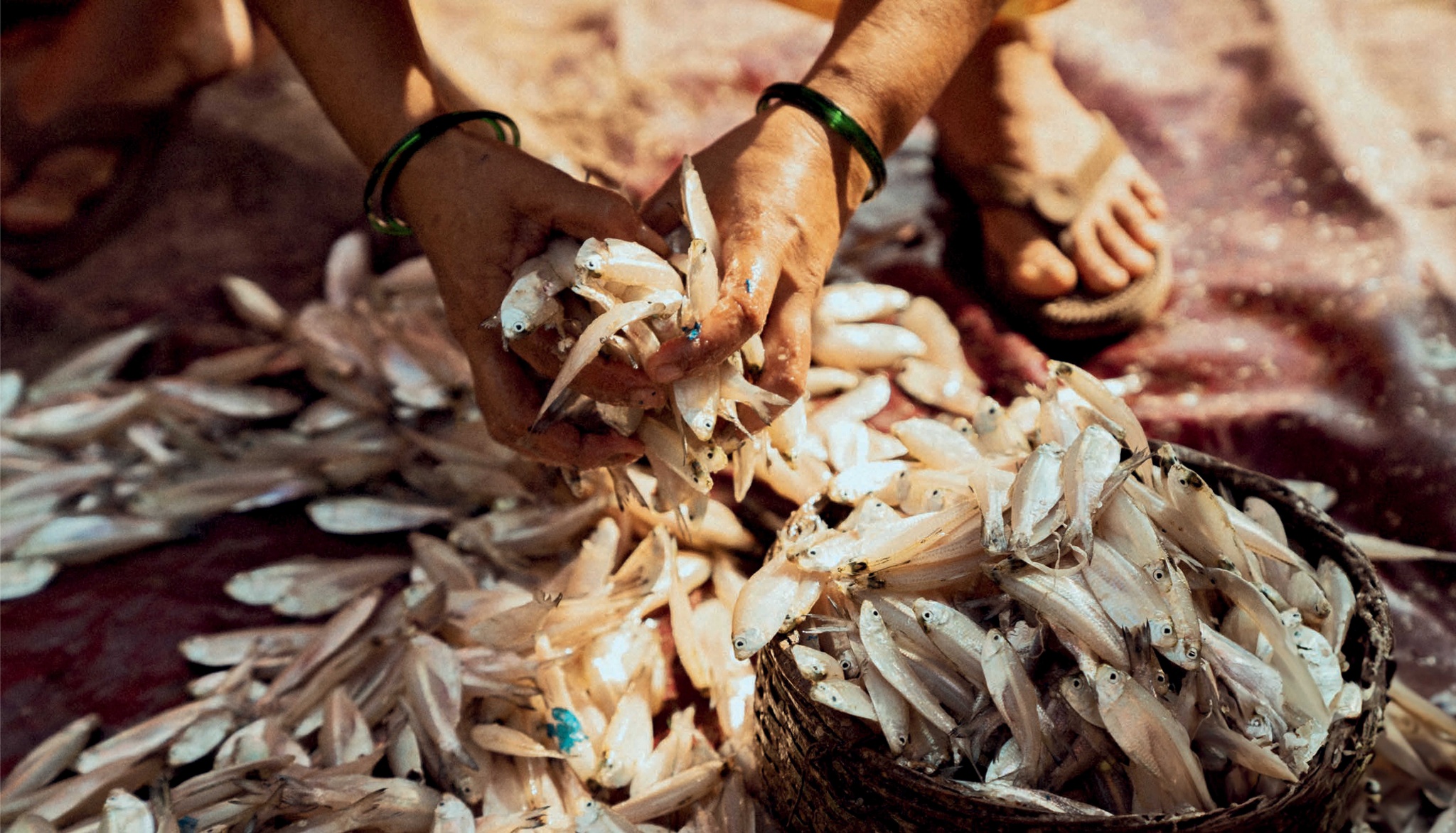
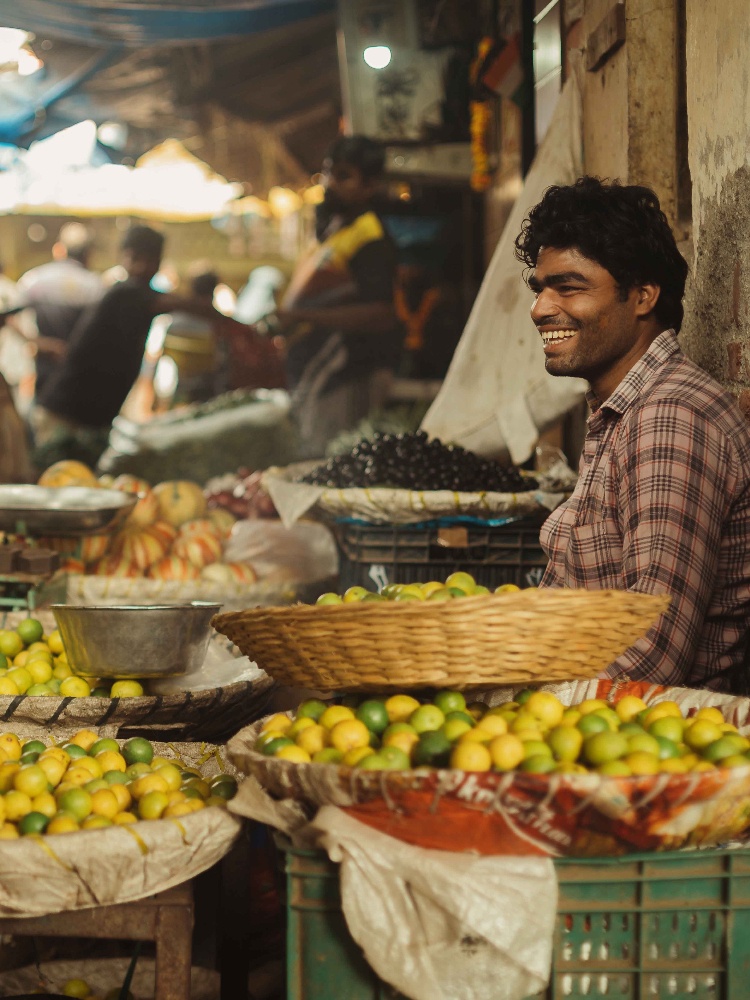
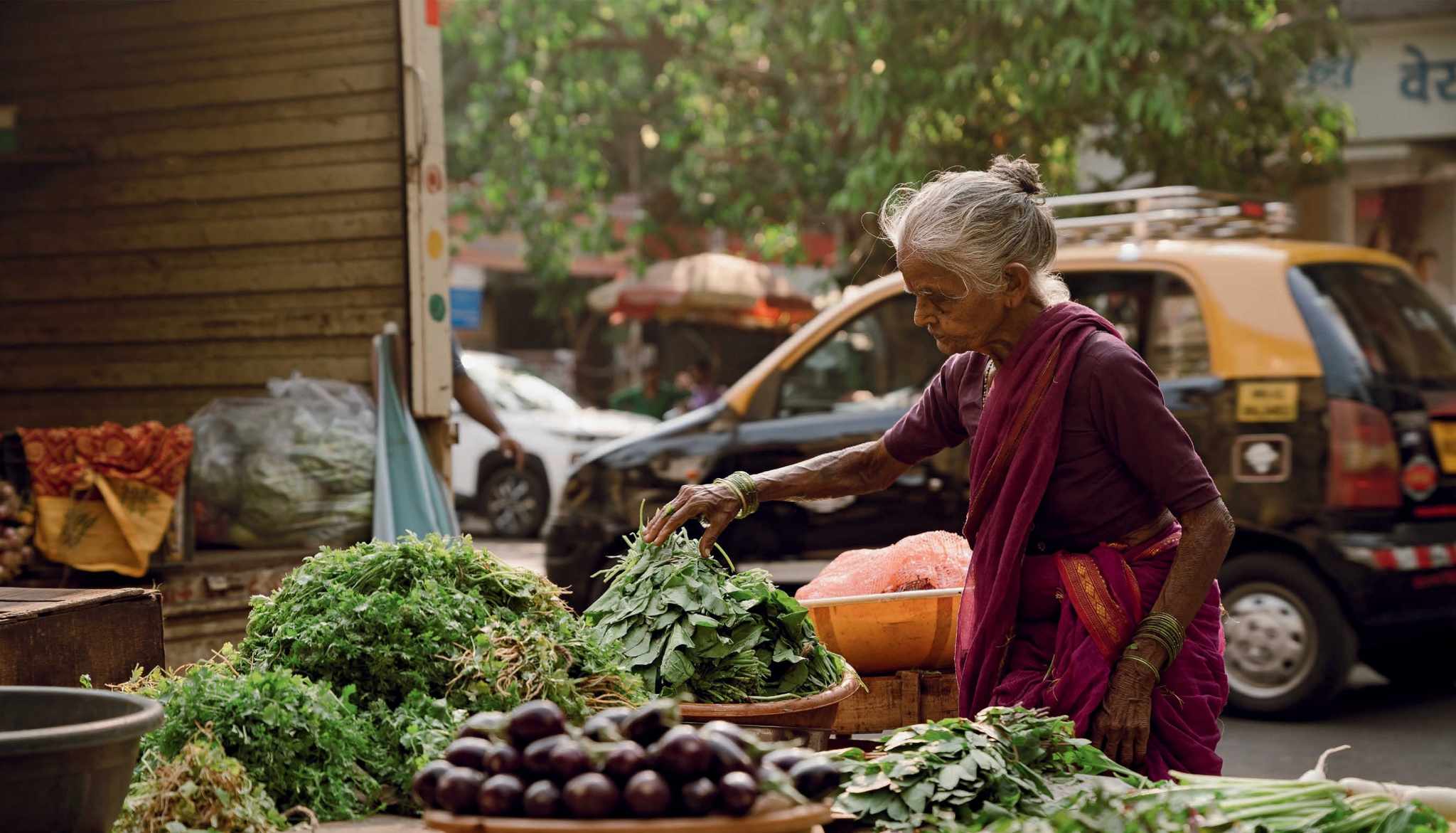
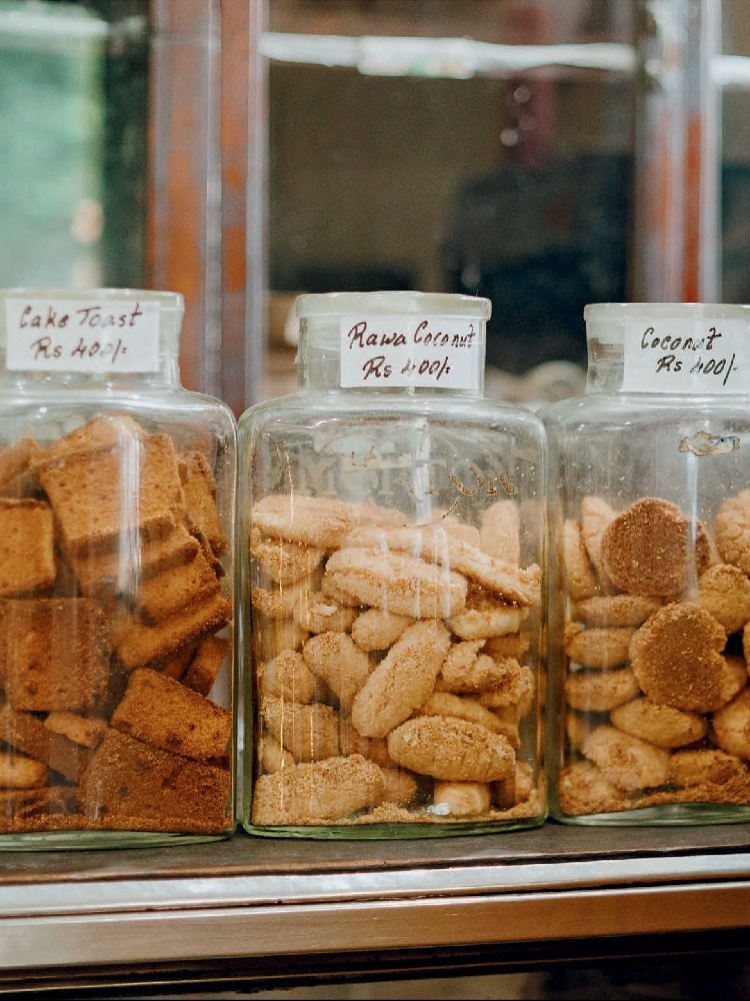
Each section opens with a beautiful spread with unique, sometimes multilingual, handcrafted fonts. There are spreads with signages inspired by the city’s street stalls, a compendium of fish on a double page. One moment we are in the bustling markets of Dadar, the next inside the 12-seater Papa’s. You will see (and probably immediately recognise if you are from that part of the city) the chaiwallah at the nukkad of a Colaba bylane and also get a peek into the Ramzan celebrations on Mohammad Ali Road—mawa jalebis sizzling in a kadhai, a busy kebab stall, shahi tukda on sale, and all the fanfare.

It’s a mélange of the sights and sounds of the city.

And it’s all captured by Pansari on her Sony M4 camera with a couple of vintage lenses. Her brief? “Don’t sanitise the city and don’t make it exotic,” Sri Bodanapu tells us on a video call. “I think the beauty of what we’re doing is in the authenticity of it. Yes, these cities are not clean and sanitised and perfect, but that is where the magic of the photographer comes in. To tell the whole story—with a little bit of its grit and grime.”

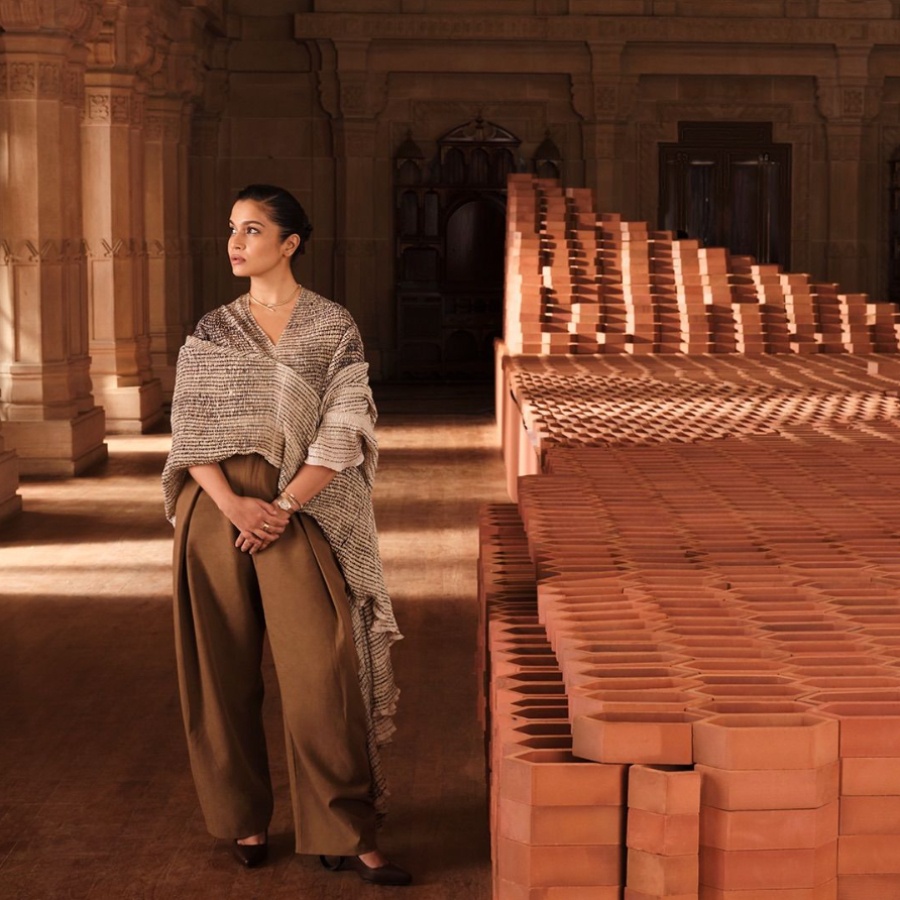
So, technically, for Pansari and Thirani, the whole city was both a source of inspiration and point of reference. “Mumbai is a city I thought I knew well, but working on this project encouraged me to look at it more closely. I spent time observing textures, languages, scripts, colours, signs, graphic traditions, local markets, and the smaller details that make Mumbai what it is. The challenge was to create a design language that felt true to the city without falling into familiar visual clichés,” shares Thirani, who likes observing how people interact with their environments or the way different languages coexist in a city.

Pansari, similarly, visited different parts of the city every day for about two and half months, camera in hand, clocking in steps and letting the spaces inspire the visual story she wanted to tell. These flaneur-esque excursions would sometimes yield results and one time even gave her one of her favourite pictures from the book. “I wanted to be at Worli Koliwada at sunrise but ended up there at 2 pm. The sunlight was harsh, but it was a beautiful experience to be in the midst of the chaos and get a chance to capture it. The colours are vivid and vibrant—from the blue and orange crab to the Koli women’s saris and bangles, everything felt alive.”

The same philosophy of candid encounters and familiar histories runs through the book’s text. Seven writers who have long documented the city’s food scene, including editor Rushina Munshaw Ghildiyal, give us a personal account of their food memories in the city with nuggets of forgotten history thrown in.

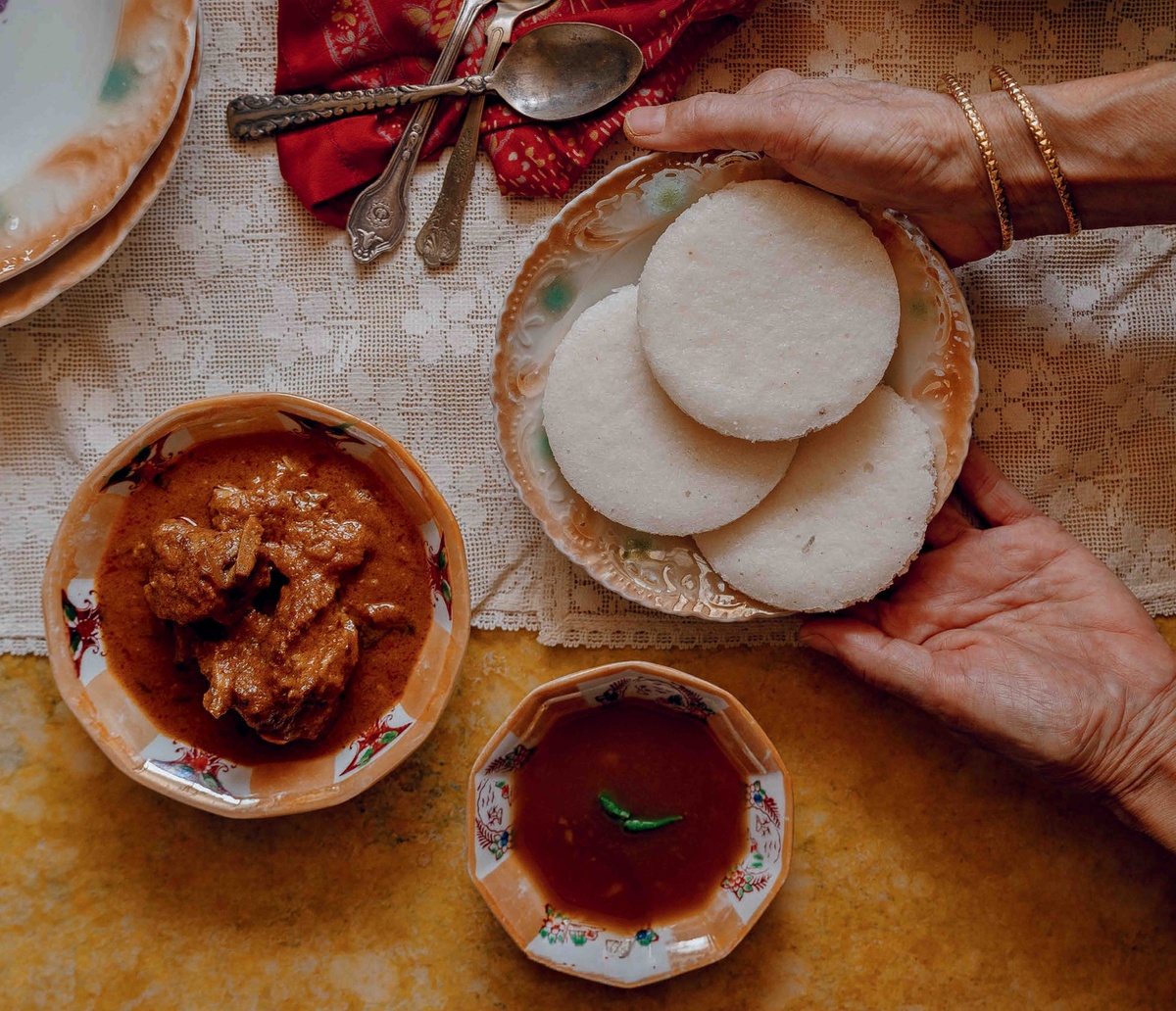
For instance, in one essay, Ghidiyal reminds us how until the ’60s and ’70s the city’s favourite go-to meal, idli and dosa, were only found in restaurants or South Indian homes, until the enterprising south Indian women of Matunga started selling ready-made batter.

In another chapter, Roshni Bajaj Sanghvi takes us down memory lane with her chapter ‘Charcha on Chai Nashta’. The phrase literally translates to ‘tea and snacks’, but in the context of Mumbai, she writes, it has a larger meaning. “It serves as a pause in the day of a Mumbaikar, a bridge that carries us to the second half of the day, be it at home or at work, in the form of a hefty, steaming jolt of caffeine, sugar, and simple carbs—preferably crisp and deep fried.”

There’s a chapter on the great magpie cuisine that is Indian continental and also one on that ubiquitous Mumbai phenomenon—the khau gully.

“I really wanted this book to be a representation of multiple voices, because for a city with as much depth and history and diversity as Mumbai, one voice would not do justice to it. It just gives you multiple voices, multiple perspectives, multiple ways in which people have lived these lives in these cities,” shares Bodanapu

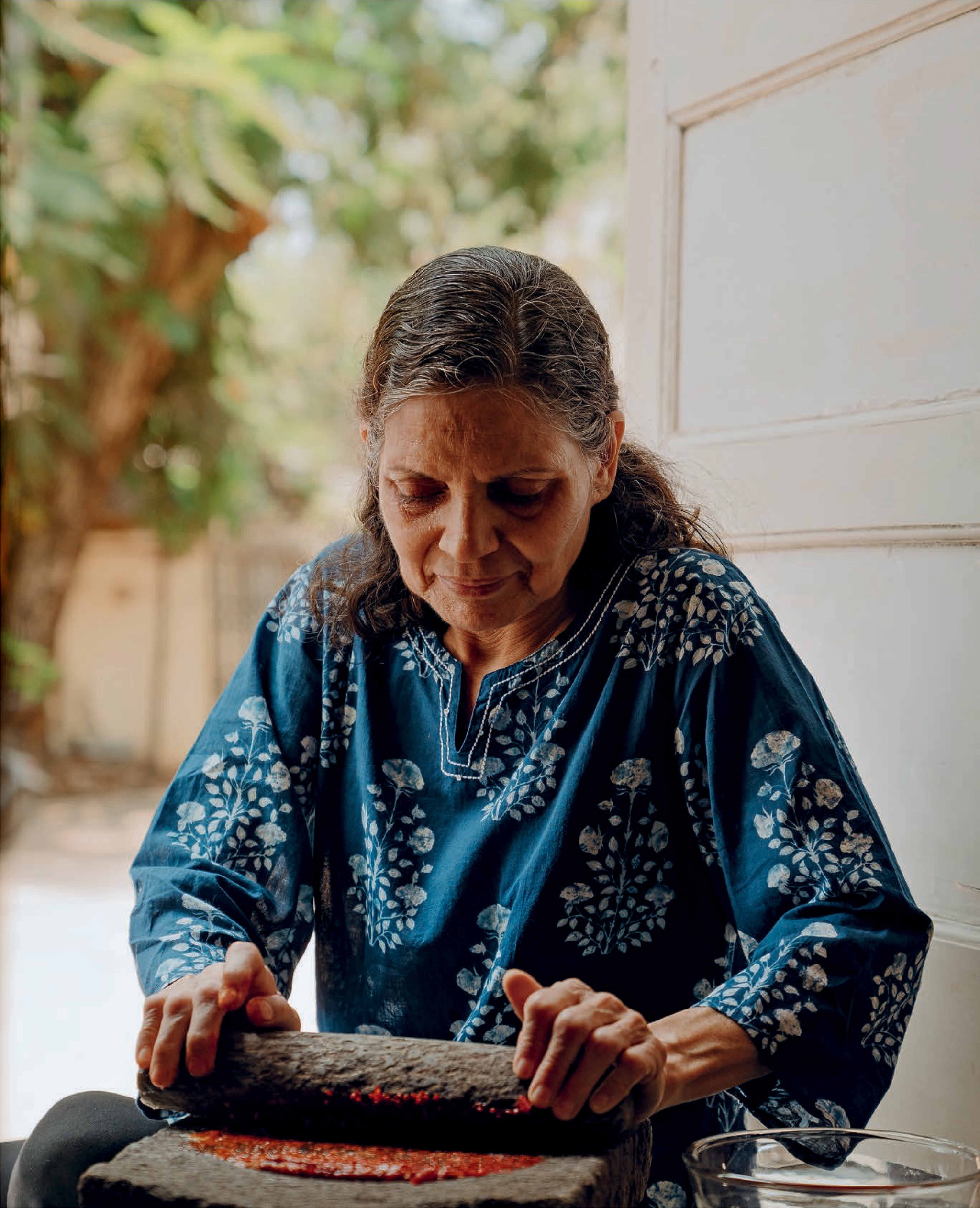
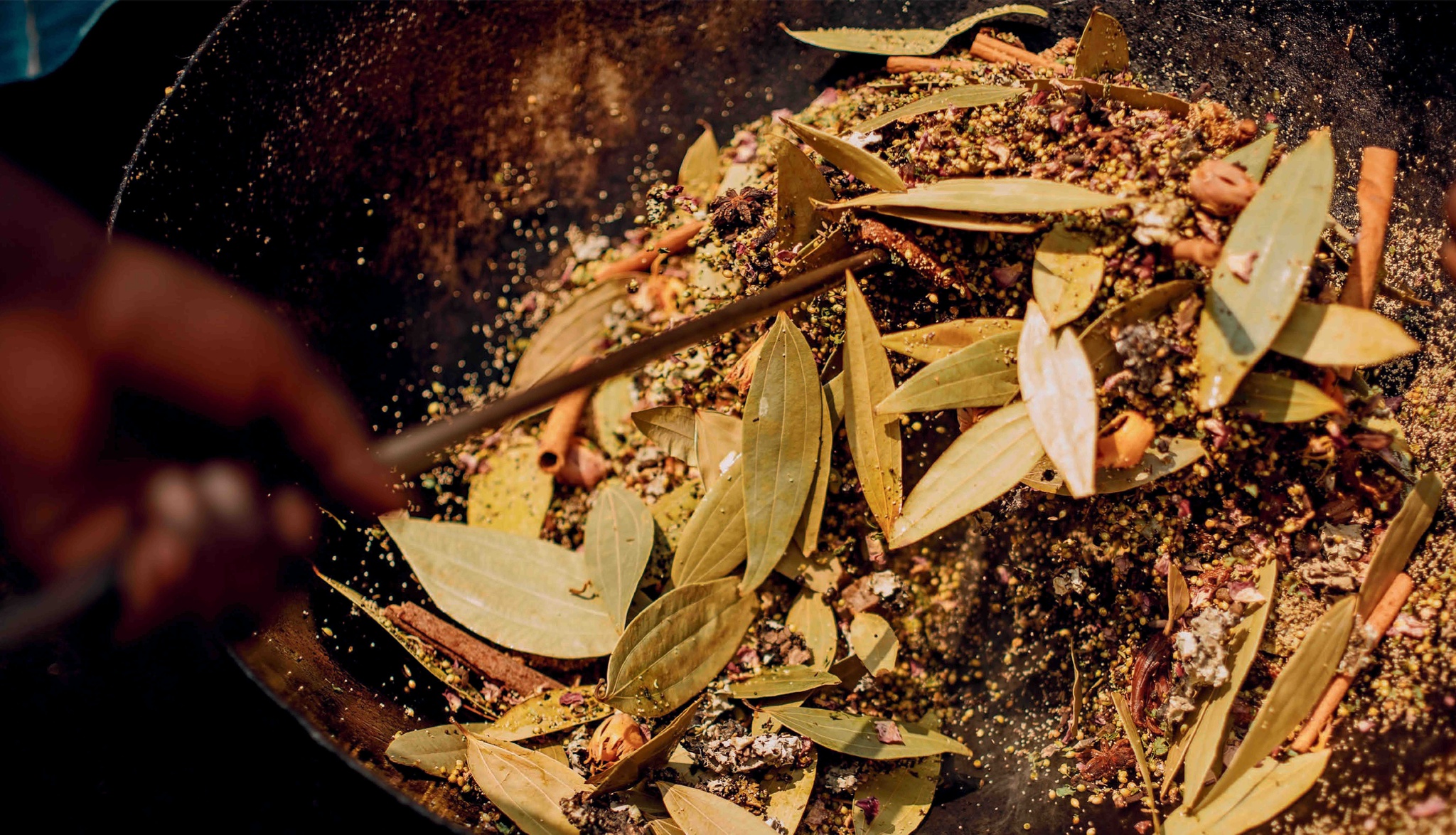
There are heirloom recipes too, from mutton godhe with pathare prabhu to Sindhi aani ji bhajia to pork tope with East Indian bottle masala. “Some communities, like the East Indian community or the Pathare Prabhu community, are rarely spoken about, and each community has its own equivalent of Sunday masala. So, we first identified the communities we wanted to talk about, then their everyday masalas and the subsequent recipe that comes with it,” Bodanapu adds.

You may not find everything you would expect to know about Mumbai in this beautiful book, but you may also stumble upon a long-lost memory or a newfound love for the city, its people, and its food. And that’s what matters if you call it home.

The Nod Newsletter

We're making your inbox interesting. Enter your email to get our best reads and exclusive insights from our editors delivered directly to you.