



dispatch28 May 20264 MIN

Ananya Panday stops to smell the roses

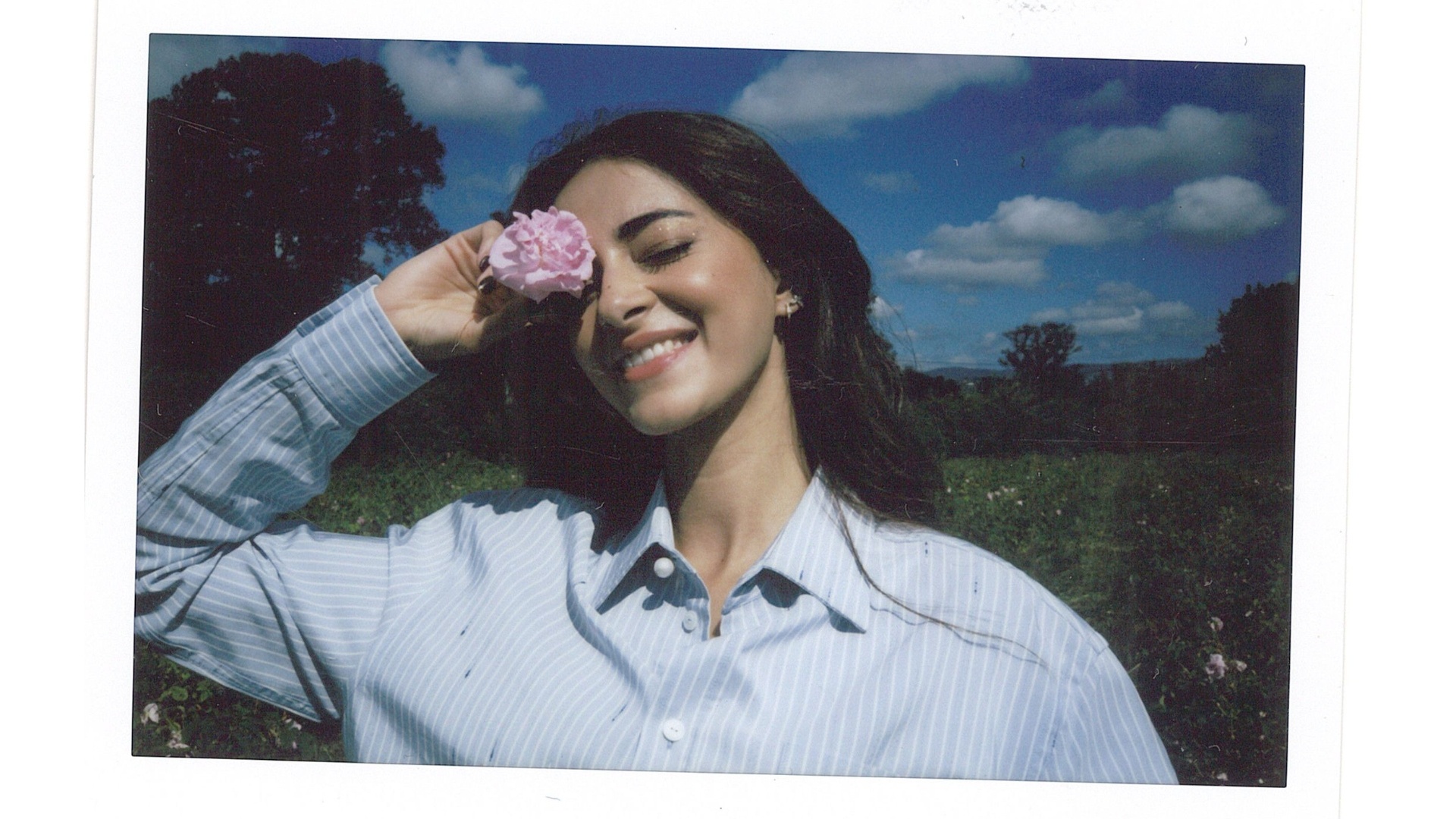
The Chanel fragrance and beauty ambassador takes us along to the house’s annual May rose harvest in Grasse

Image

Fanny Cortade for Chanel

We landed at Nice airport during the Cannes Film Festival and immediately spotted an actor from Beef season two—a show I have been obsessed with lately. (I love spotting celebrities as much as the next person.) Twenty minutes later, we arrived at Le Domaine du Mas de Pierre hotel, a sanctuary of calm tucked away from the red-carpet frenzy. Whenever a pocket of stillness presents itself, you will find me with a book. This time around it was a newsletter from Chanel with details on their fields in Grasse—essential reading, if you ask me.

The following day began early—I am, by nature, no creature of the morning. I caught up with cricket over a cup of coffee—both of which, I believe, have restorative powers. A short drive wound us through the Provençal landscape until we arrived in Grasse, where the Mul family has been cultivating flowers for Chanel for over 30 years. Initially they sold fragrant oils to Chanel, but as production grew Chanel got more invested in the end-to-end process and now works collaboratively with the family to better the harvest each season.
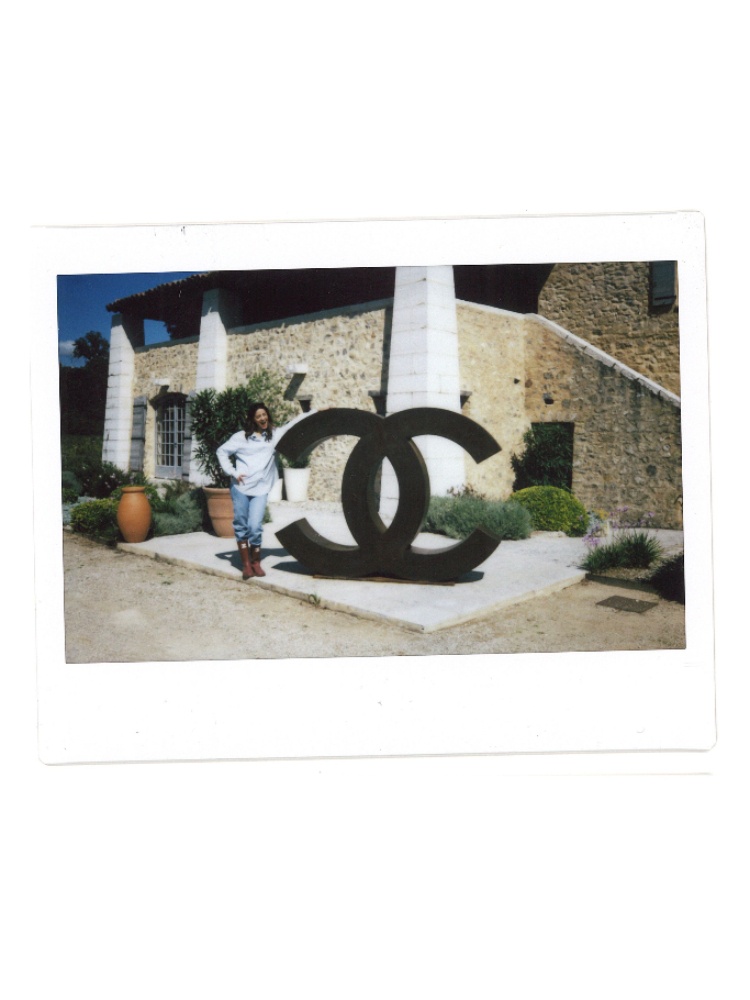
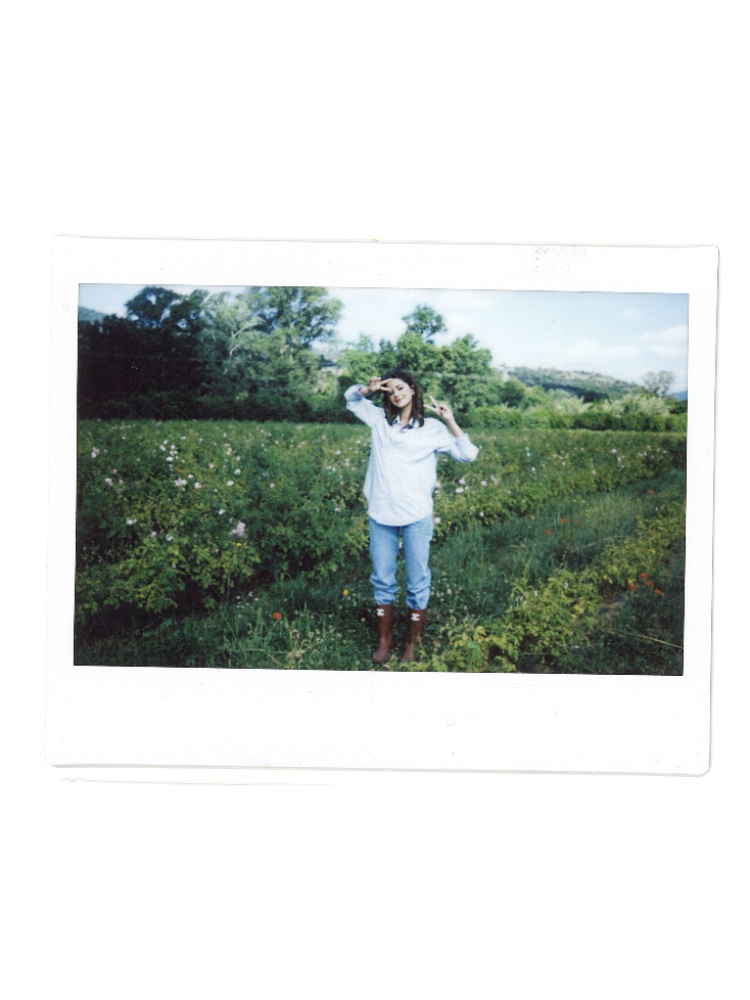
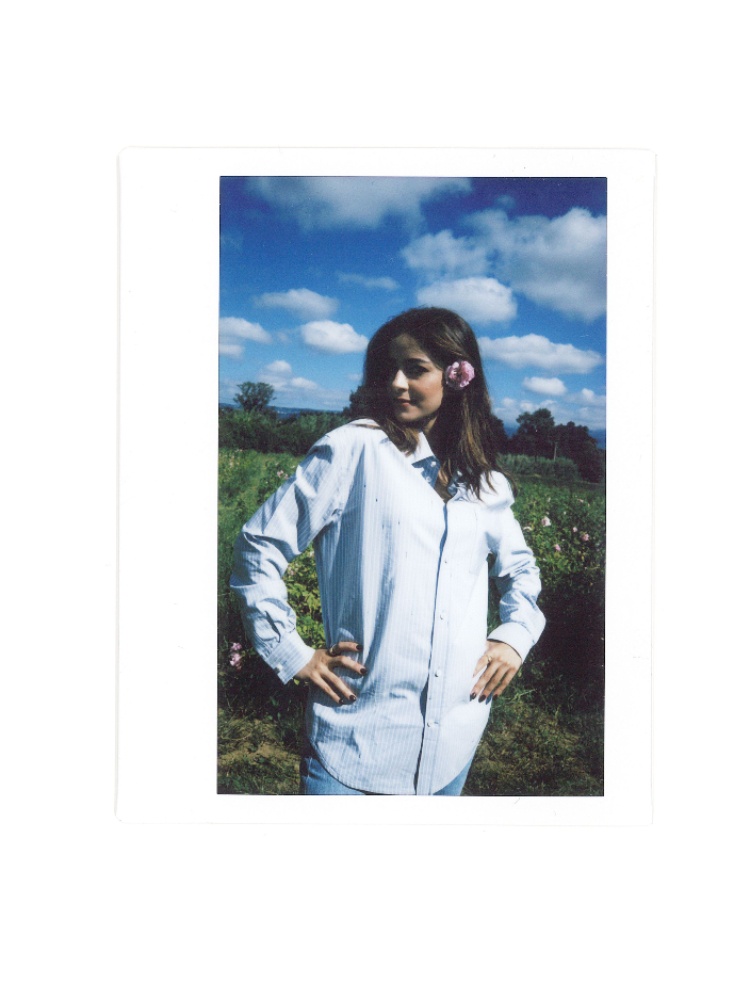
The first order of business was picking a pair of boots to explore the fields in. I chose a red pair with the intertwined CC logo to add a pop of colour to my outfit, a striped blue shirt and jeans. After a quick fit check, we headed to the fields, which span over 30 hectares of plantations. The Rose de Mai harvest, as the name suggests, takes place in May. This year, the flowers bloomed three weeks ahead of schedule; our guide Fabrice Bianchi explained that owing to rising temperatures all over the world, the timelines for harvest have been altered.

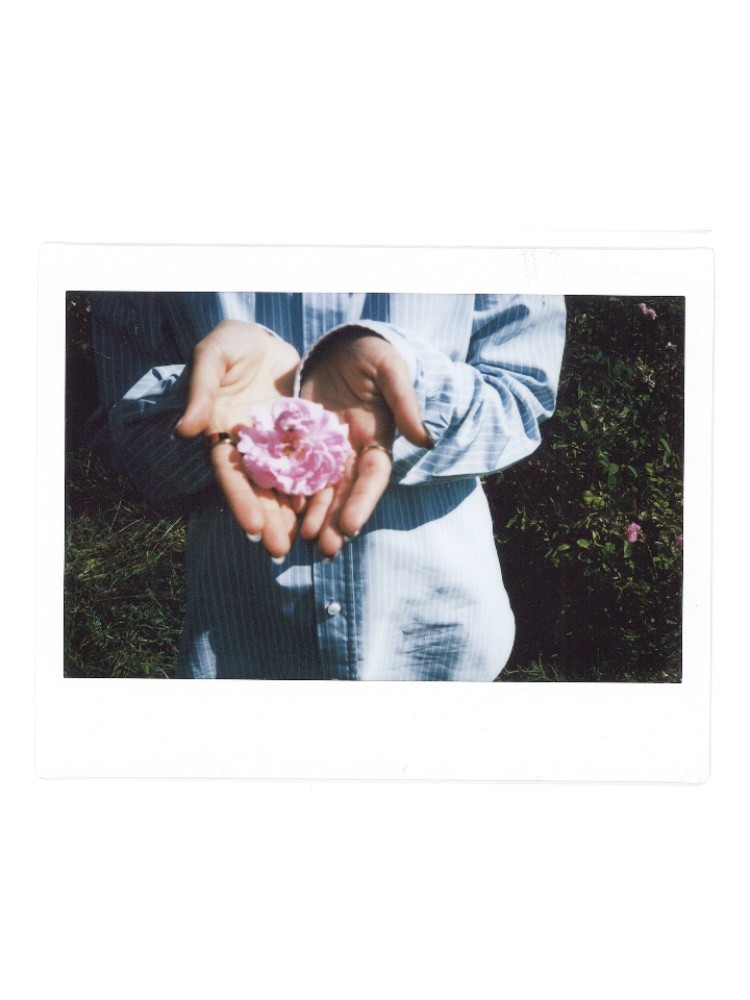
Everything smells good in Provence, but if you go very close to a Rosa centifolia—the specific variety of fluffy cabbage roses that are used in the making of Chanel N°5—the scent packs a punch. N°5 was brought to life in 1921, when Gabrielle Chanel commissioned the perfumer Ernest Beaux to create “a woman’s perfume that smelled of a woman”. What Beaux delivered was revolutionary: a composition anchored by aldehydes woven through a luminous heart of jasmine and May rose. It doesn’t quite smell of one ingredient, but the rose gently holds its own in the mix.

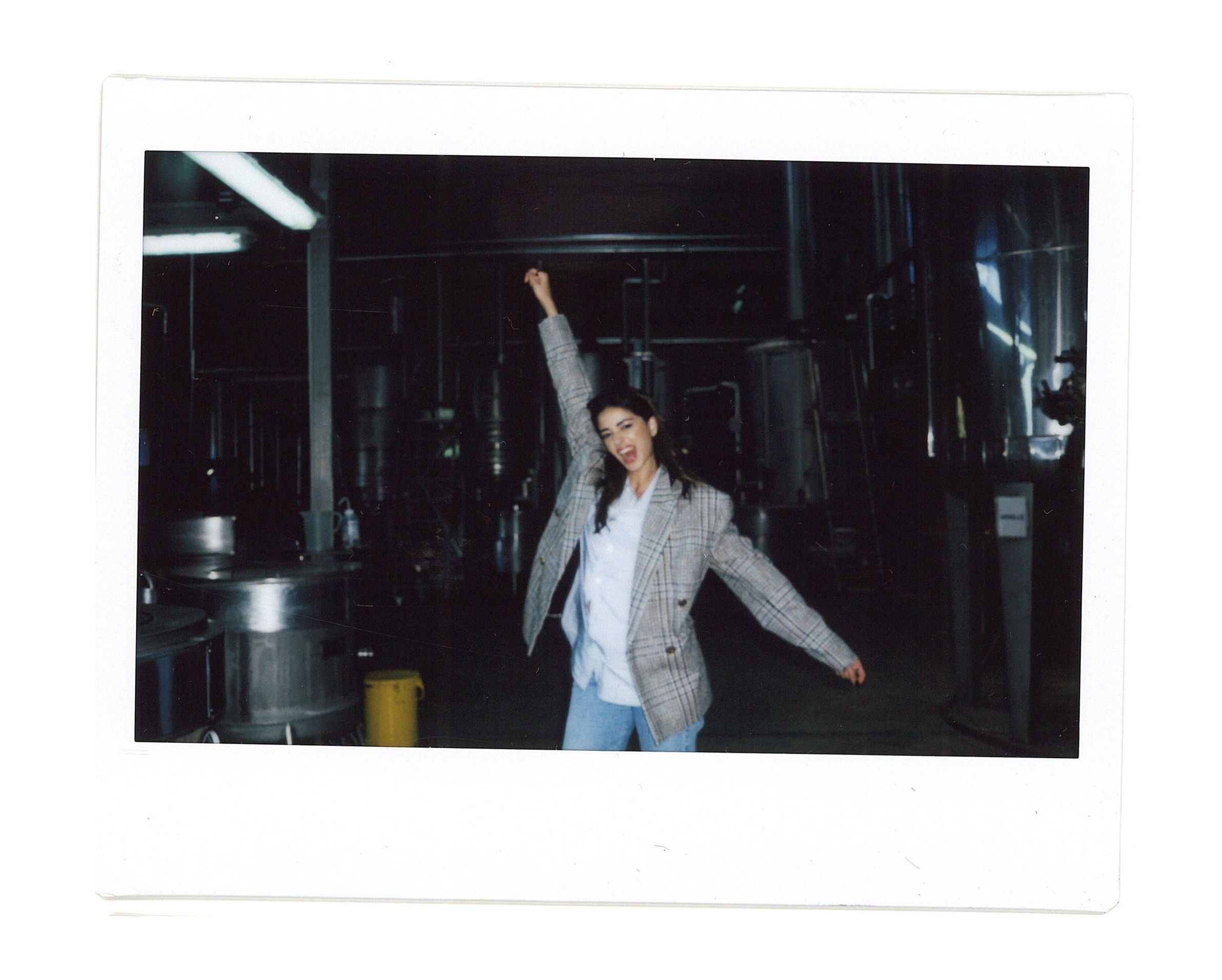
We then went on to visit the factory where the fragrance of the rose is extracted. I discovered that 40 kilos of roses go into the making of one kilo of concentrate.

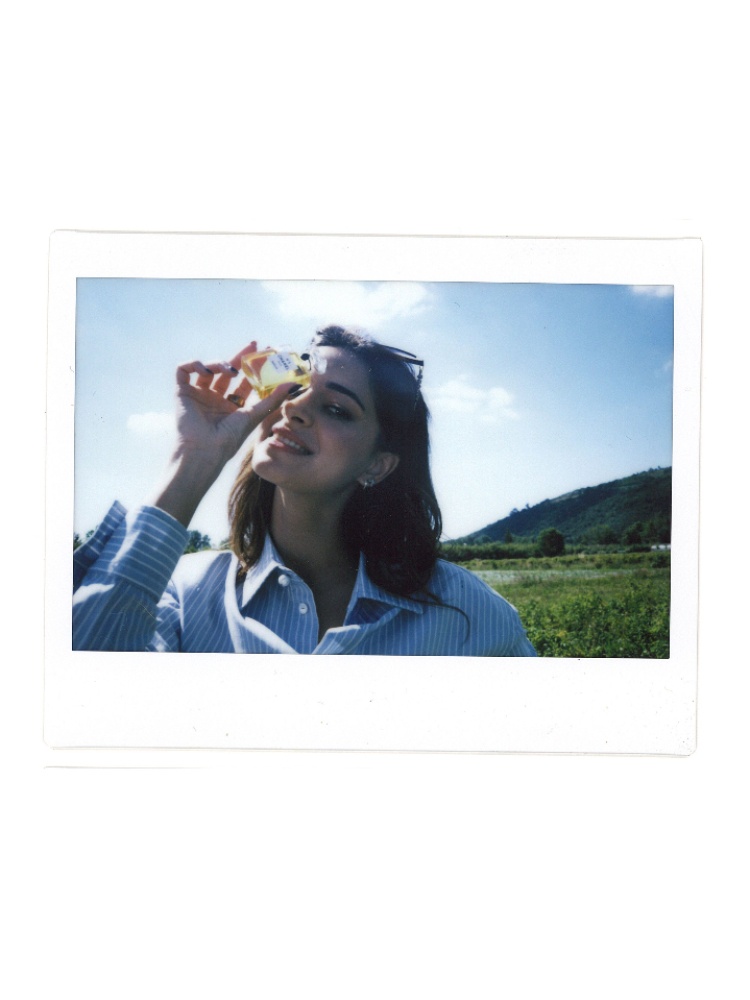
I had the opportunity to interact with Olivier Polge, the fourth nose of the house, who took over the job from his father, the legendary Jacques Polge (the nose behind hits like Allure, Bleu de Chanel, and Chance). I learned that the same species of flowers harvested in different parts of the world have different fragrances owing to the terroir—the combination of soil, climate, and topography. Chanel N°5 has five interpretations in different formats, but the extrait remains its strongest expression yet.

Ananya Panday_Chanel No 5 factory_the Nod.jpg
Frolicking at the factory

Beyond the extraordinary privilege of spending a day in the French countryside with Chanel, something stronger stayed with me: that to create anything truly exceptional, you must first allow it time. You cannot rush a bloom. You cannot hurry a masterpiece, a great project, or the people who matter most to you. Some things simply ask for the time they deserve.

The Nod Newsletter

We're making your inbox interesting. Enter your email to get our best reads and exclusive insights from our editors delivered directly to you.