




ICYMI, our television screens have started to look a bit different. After the enviable collection of Manolo Blahniks of a certain fashion journalist, we are now seeing tweed-jacketed, elbow-patched, Rilke-quoting professors bewildered by the changing rules of academic bureaucracy, terrified of their students, and unsure whether their once-charismatic charm will now be considered benign or predatory. The campus satire is now streaming on a screen near you, and it is not afraid to hold up a mirror to the anxieties that define modern public and academic life.
A string of recent TV shows—HBO’s Rooster, Netflix’s Vladimir and The Chair, and Lucky Hank streaming on Sony Liv—suggest that television has become newly obsessed with the modern university. These series have their funny moments, yes, but their humour carries with it the nervous energy of a generation of people realising that the social scripts they inherited no longer work.
The campus turns out to be the perfect stage to dramatise this confusion. Universities compress all of the moral and social upheavals that have shaped society over the last decade into one small ecosystem where generational shifts, seismic social justice movements, and the lingering aftershocks of #MeToo can be examined under the guise of satire.
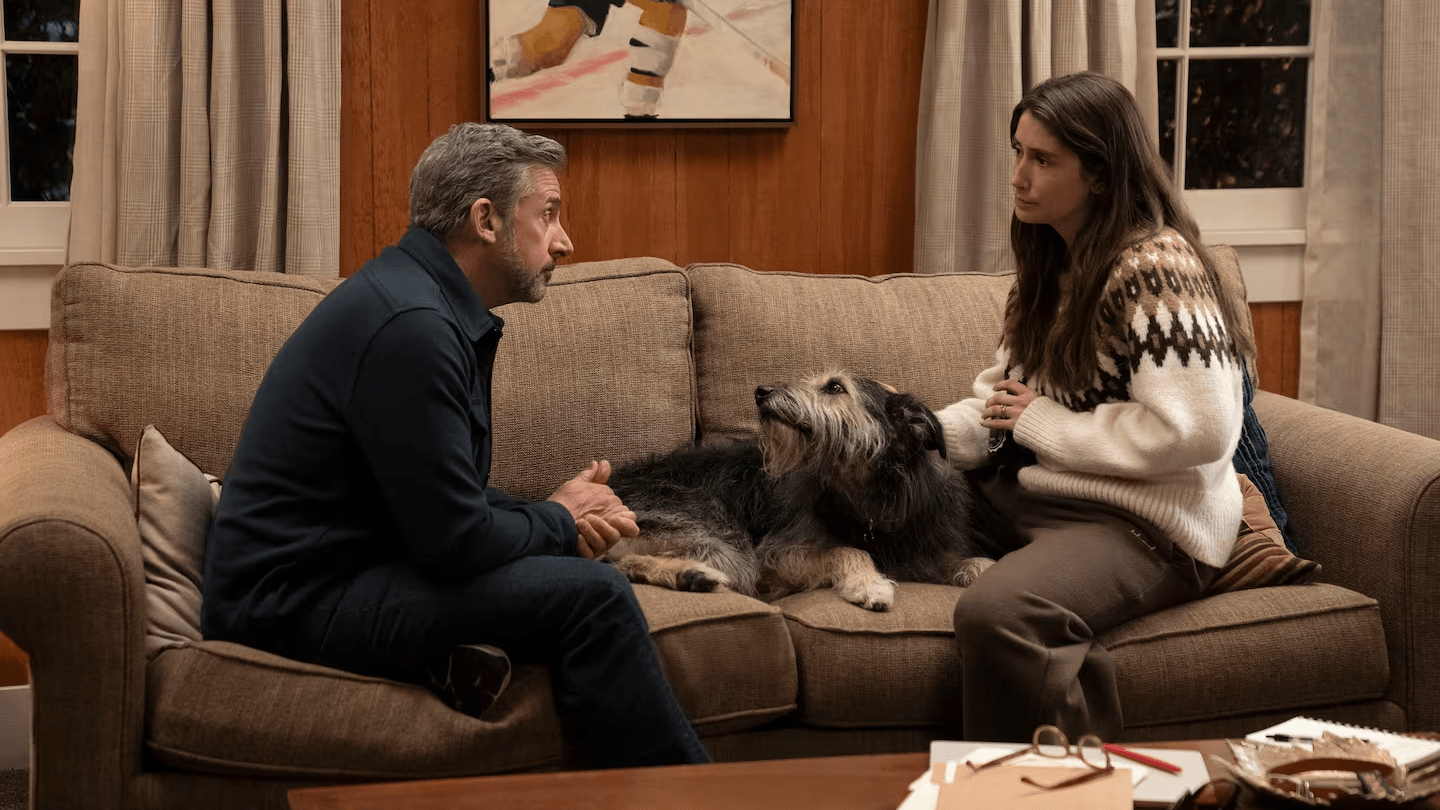
Rooster understands this tension especially well. Steve Carell’s Greg Russo is a novelist-professor who is meandering through middle age with increasing befuddlement, surrounded by younger students and colleagues who speak a language he can barely understand and can’t fully metabolise, leaving him feeling lost when confronted by their therapy speak, newly minted institutional jargon, and emotional precision inflected by years of being Too Online. Every potential relationship that Greg encounters arrives trailing ethical subtext behind it, like toilet paper stuck to a shoe, and leaves him struggling to understand the world he now occupies, where there’s a marriage collapsing because of an affair with a student, classroom dynamics becoming emotionally charged in ways he cannot fully read, and administrators hovering in the background more concerned with optics and PR than with the truth.
Yet, what makes Rooster sharp is that it never grabs the low-hanging fruit of turning any of this into an easily digestible morality play. No one is ever portrayed as fully right or completely wrong. Instead, the show captures a patently modern kind of social panic that occurs when even ordinary interactions between professors and their students become freighted with social pressures. It explores what life looks like for people swimming in the murky grey waters that lie between islands of moral absolutes.
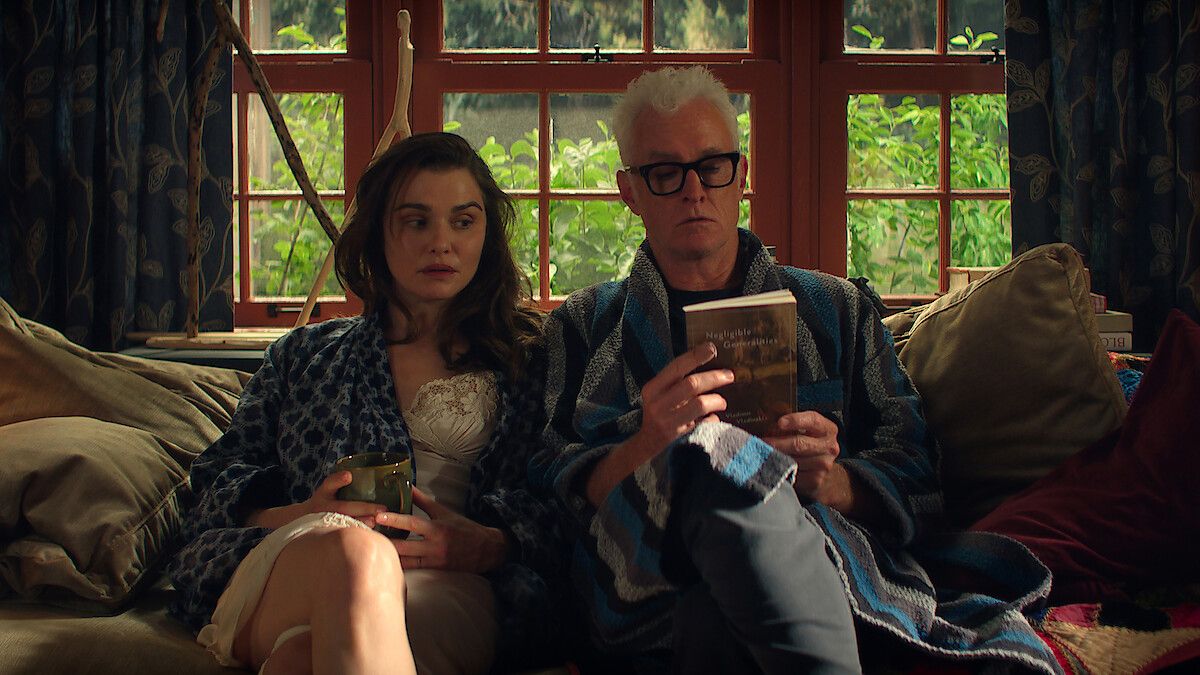
Netflix’s Vladimir, adapted from Julia May Jonas’s novel of the same name, pushes these themes even further. In the show, Rachel Weisz plays a female professor who develops an obsessive fixation with a younger male colleague, all while dealing with the fallout from accusations against her own husband, a fellow professor played by John Slattery, of having had inappropriate relationships with students. On first glance, the premise seems engineered to invert the traditional gender dynamics of the taboo campus affair, but what makes this story compelling goes further than mere role reversal. Every character in the show is infected with a kind of exhaustion that spotlights how, in another era, a story such as this one might have been framed as sexy, whispered-about campus intrigue—but now that same narrative struggles to find air amid the claustrophobia of institutional scrutiny. Every flirtation in Vladimir feels fraught with silent debates around ethics and power imbalances.
Like Rooster, what Vladimir understands intimately is that the cultural conversation around sex and authority has changed within a single generation. When Weisz’s character assigns the Daphne du Maurier novel Rebecca to her students, for example, she becomes frustrated by their reaction to the book’s era-appropriate misogynistic undercurrents, pushing them to recognise the author’s more enduringly universal themes instead. The schism between their disparate points of view is the bedrock on which the story unfolds.
This same fracture pulses beneath The Chair, which approaches the generational conflict more gently but with equal bite. Sandra Oh plays Ji-Yoon Kim, the chair of her university’s English department, who finds herself constantly caught between ageing faculty members clinging to old-school ideas around academic freedoms and students who see language as something that exists within a politically charged framework—one that has the potential to combust if not treated with adequate care and precision. Kim understands the tightrope she is expected to walk, and says as much when her character declares, “I feel like someone handed me a ticking time bomb because they wanted to make sure a woman was holding it when it explodes.”
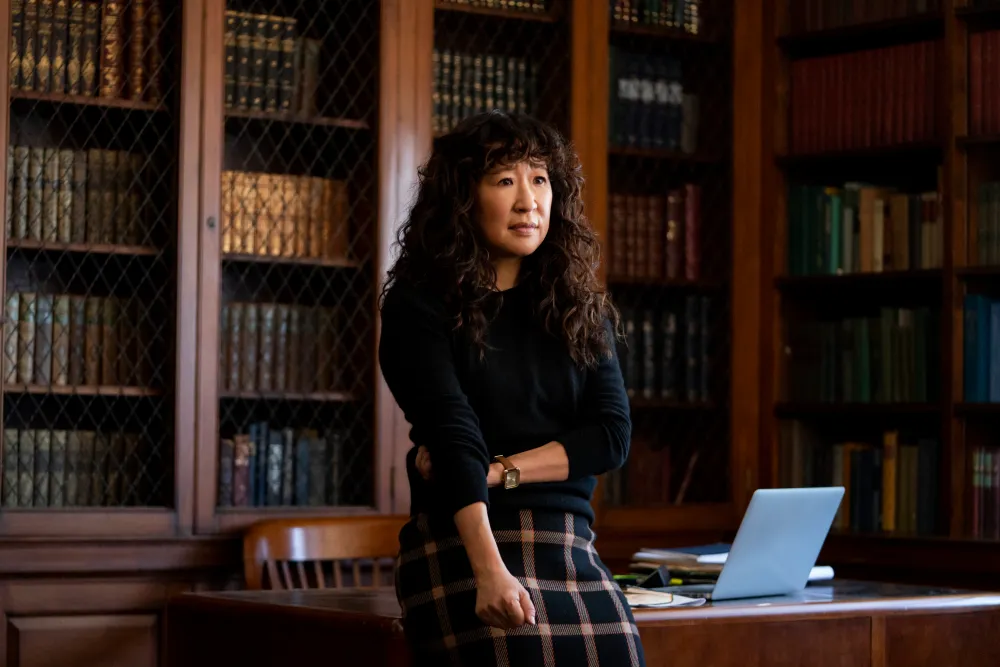
One of the show’s smartest and most prescient observations is that professors, specifically those that are women of colour or from otherwise underrepresented backgrounds, are set up with almost impossible expectations: mentoring students, managing crises, and smoothing over conflicts, all while striking a delicate balance between speaking up and risking being labelled difficult, or staying quiet and giving in to complicity. There are no right answers, The Chair argues, even more so in its portrayal of campus activists, who are depicted as overzealous but still justified in their fight against a system that has failed to modernise with the times. “Why should they trust us?” asks Kim in a moment that feels ripped straight out of a current news headline, “The world is burning and we’re up here worrying about our endowment?”
Even Bob Odenkirk starrer Lucky Hank, which ostensibly concerns itself more with the collapse of liberal arts colleges than it does campus sexual politics, shares this broader mood of cultural reckoning. It seems too real if you are up to speed with students at an American university in the Trump era. Odenkirk’s Hank Devereaux is a spiritually concussed academic wandering through a university that is rife with uncertainty and financial precarity. Unlike Rooster or Vladimir, this show is animated by the fading cultural authority of academia itself rather than by the spectacle of scarlet-letter scandals and taps into the growing anxiety around diminishing funding for the humanities in the era of Big Tech supremacy.
The students in Lucky Hank represent the very real cynicism held by Gen Z and Gen Alpha today around job prospects and the future at large, while the professors act as mirrors of their exhausted, emotionally frayed, and often underpaid real-life counterparts. The melancholy that underpins the show finds its roots in the fact that everyone involved seems to be performing belief in a system that they aren’t entirely convinced still holds value.
Can a half-hour network dramedy accurately capture the full spectrum of academic life? Probably not. None of these shows approach campus dynamics with the gory accuracy with which medical dramas like The Pitt depict an emergency room or The Bear a restaurant kitchen—which is to say, each of these programmes takes creative liberties that heighten the stakes and exaggerate the everyday to maximise drama. What they avoid doing, happily, is mocking wokeness or treating their fictional students with reactionary condescension, although each of these shows can in some moments be guilty of being nostalgic for a problematically ‘simpler’ past. Beneath the jokes, however, these stories deal with the discomfort of the transitionary moment, and instead of offering answers, leave us with questions about competing ideas around power, freedom, and responsibility, and the uneasy feeling that the future of campus life hangs in the balance.