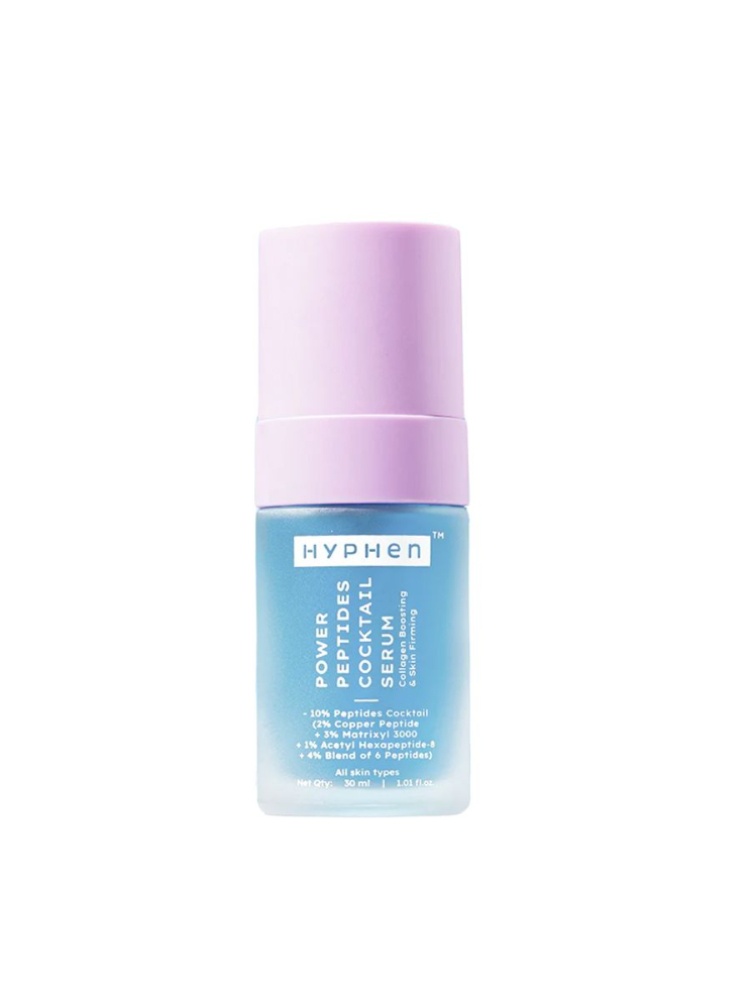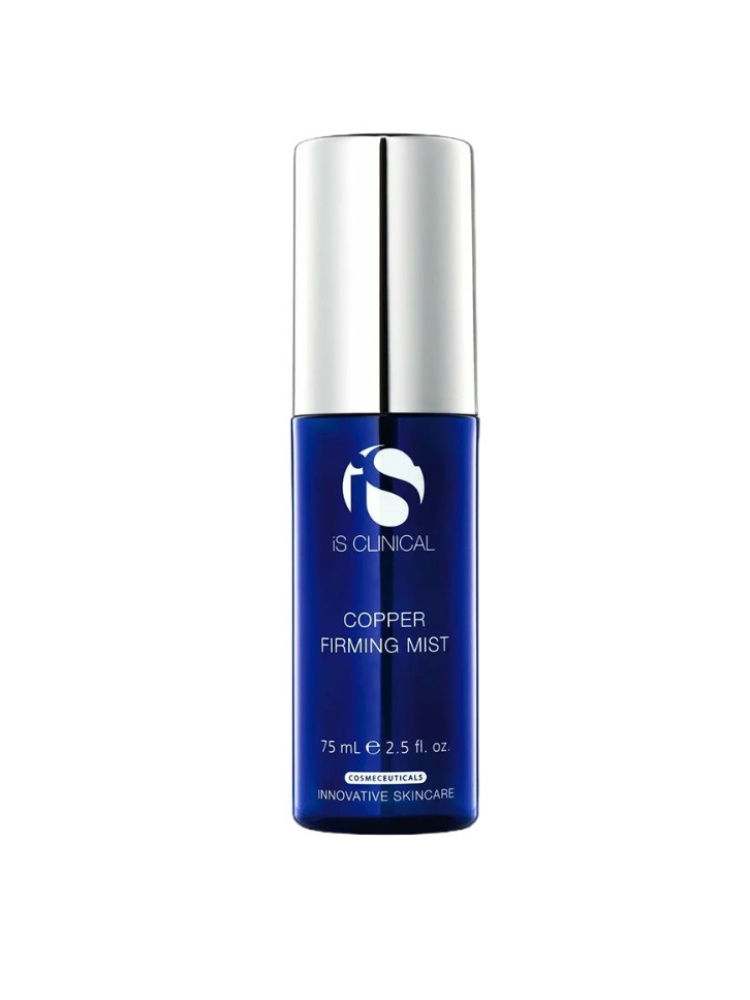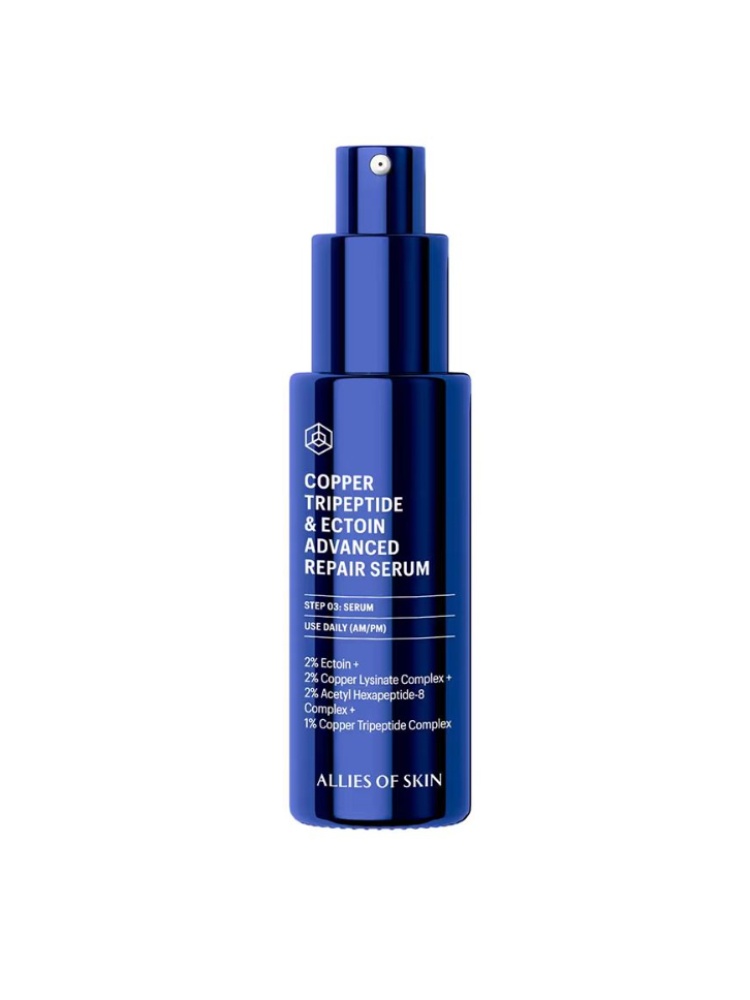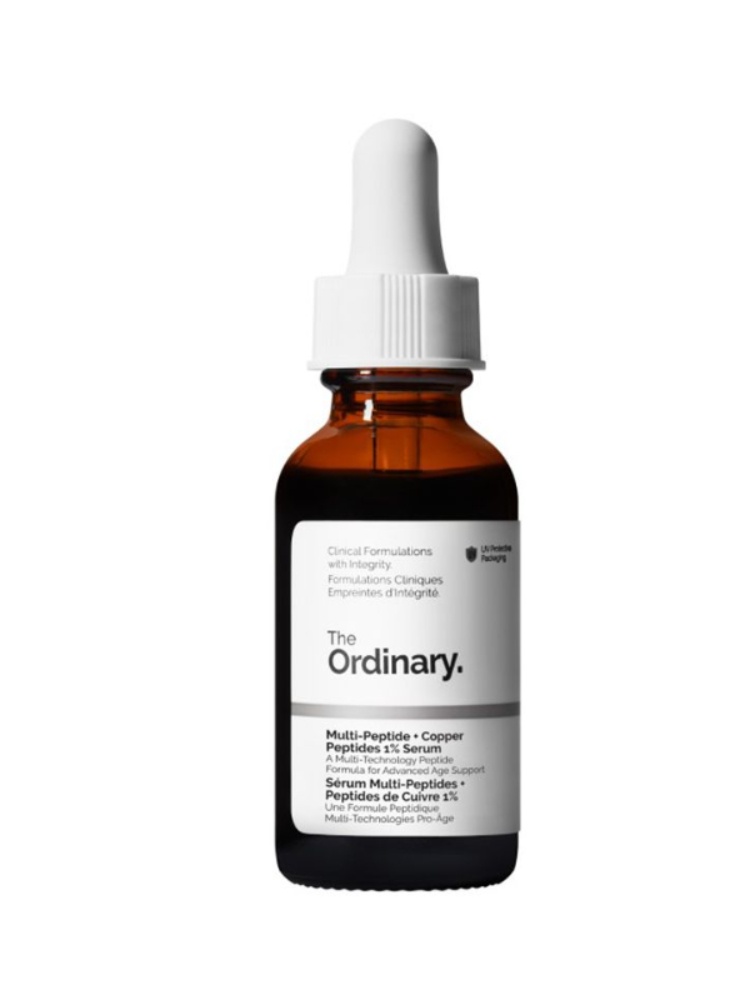






Every skincare ingredient eventually acquires either a fan club or trolls. Copper peptides, currently haunting your FYP, have somehow found passionate groups of both. The devotees speak of it as a holy grail that helps fast-track your path to glass skin. The survivors lament about their complexion going from dewy to dishevelled in a matter of days, christening the whole affair as ‘copper uglies’ on Reddit. Same ingredient, opposite verdicts.
First off, what are copper peptides?
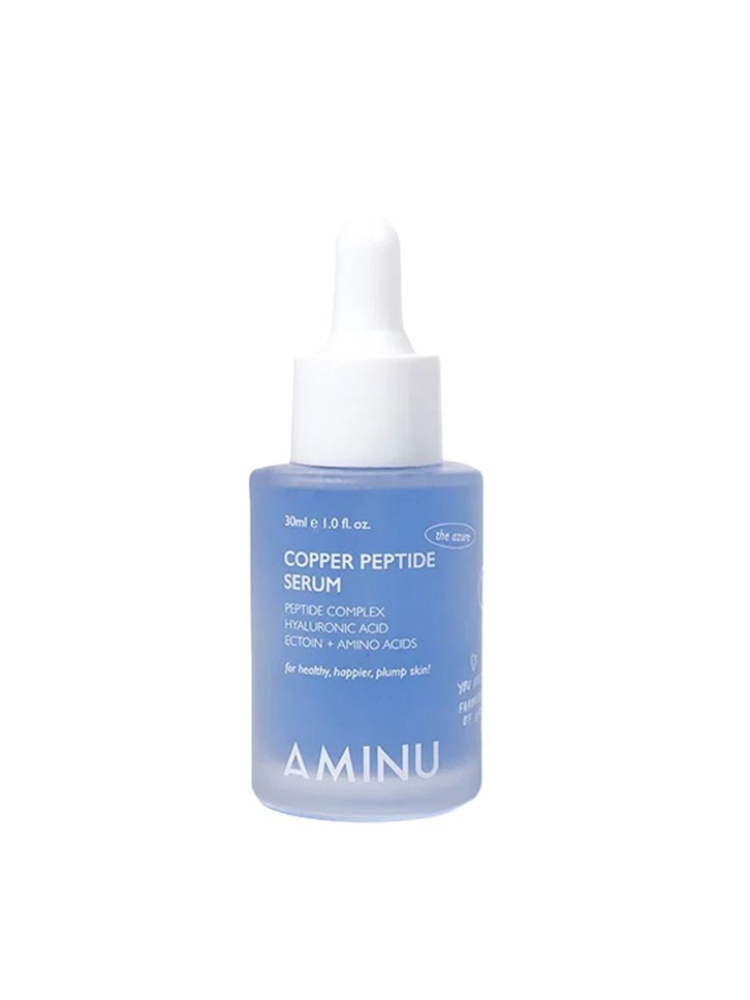
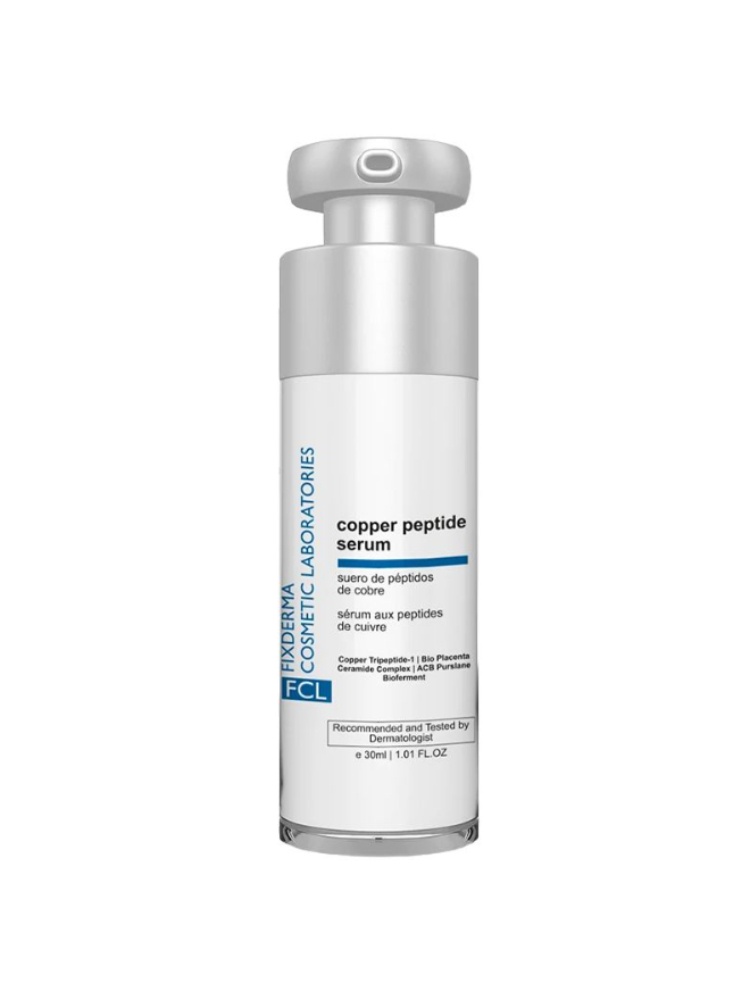
Peptides are short-chain amino acids, the building blocks of protein, and in skincare they work like tiny messengers telling skin what to do. The copper one you’ll meet most often is GHK-Cu. “GHK is a three-amino-acid peptide that can bind copper ions; GHK-Cu is the resulting copper peptide complex,” explains Dr Poornima Aher, dermatologist at Envi Aesthetics. Your body produces it naturally, but levels dip as you age, hence the marketing logic: why not top it up?
There’s a decent reason for the excitement. Dr Geoffrey Vaz, dermatologist and founder of Maven Aesthetics, points to studies proving that sun-damaged skin showed improvements in fine lines, thickness, and laxity over roughly eight to 12 weeks after peptide use. The catch is that many of those studies are small, and GHK-Cu loves water, which means it struggles to cross the skin’s oily outer barrier without clever formulation. Dr Rikta Mohan of Myrah puts it neatly: “Biological activity in a lab doesn’t automatically translate to a dramatically visible effect when you apply a serum to your skin.” In other words: a very good supporting act, not the headliner.
So, are the ‘copper uglies’ a thing?
Sort of. Dr Mohan says it isn’t a recognised dermatological condition, just an internet term for dryness, redness, breakouts or the skin looking temporarily more lined. The symptoms, though, can be very real, and his initial verdict is usually irritation or barrier disruption. Translation: your skin’s protective layer has been knocked off balance, and it is letting you know.
“Dehydrated, irritated skin can temporarily look much more wrinkled,” says Dr Aher. “That doesn’t mean the person has suddenly lost collagen.” You haven’t aged five years in a week; your skin is just thirsty and cross.
Dr Vaz offers another theory: GHK-Cu nudges skin to clear out old collagen and build new, and if you go in too hard, the clear-out can outpace the rebuild, pushing congestion to the surface before the benefits arrive. He’s quick to add that this is plausible rather than proven: “The clinical evidence for a true purge from copper peptides is thin.”
Maybe your seven-step skincare routine is to blame
What a copper peptide serum is sharing a face with usually decides its efficacy. Dr Vaz sees the same suspects repeatedly: fragrance, preservatives, and penetration enhancers can trigger the skin when paired with copper peptide serums. Then there’s the layering; pure vitamin C needs a low pH to stay stable but paired with copper it can degrade the peptide and stir up free radicals, which is a recipe for troubled skin, so he encourages separating the two by time of day. Meanwhile, retinoids, benzoyl peroxide, and strong exfoliating acids simply pile irritation onto irritation. As Dr Mohan says, “The overall formulation matters.”
Who should think twice before jumping on the copper peptide bandwagon?
Dr Vaz suggests more caution for those with rosacea- and eczema-prone skin, where barrier repair is even more important. He urges that one should never use copper peptides on broken skin but doesn’t routinely rule out this ingredient for those with acne. “The issue is almost always the vehicle,” he says, meaning heavy, occlusive bases are the culprit rather than the peptide. A true copper allergy is rare, but “documented copper allergy exists”, notes Dr Aher, so do a patch test before diving in.
If your skin is stinging? Don’t grit your teeth. “More irritation does not mean more efficacy,” says Dr Mohan. Strip back to cleanser, moisturiser, and sunscreen, and obviously please see a dermatologist if you notice swelling, blistering or a spreading rash.
This is how to fit the ingredient in your skincare routine
Dr Vaz calls copper peptides an optional adjunct, not a replacement for sunscreen, a retinoid or vitamin C; those stay non-negotiable. His sweet spot is vitamin C in the morning, and copper and retinoid on alternate evenings. He reaches out to them for gradual fine-line improvement, barrier support, and post-procedure recovery, and not as a starting point for someone building a routine from scratch.
To sum it up: use copper peptides if you’re blessed with calm skin, but approach it in a step-by-step manner. Don’t add it to an already packed 12-step beauty routine.