



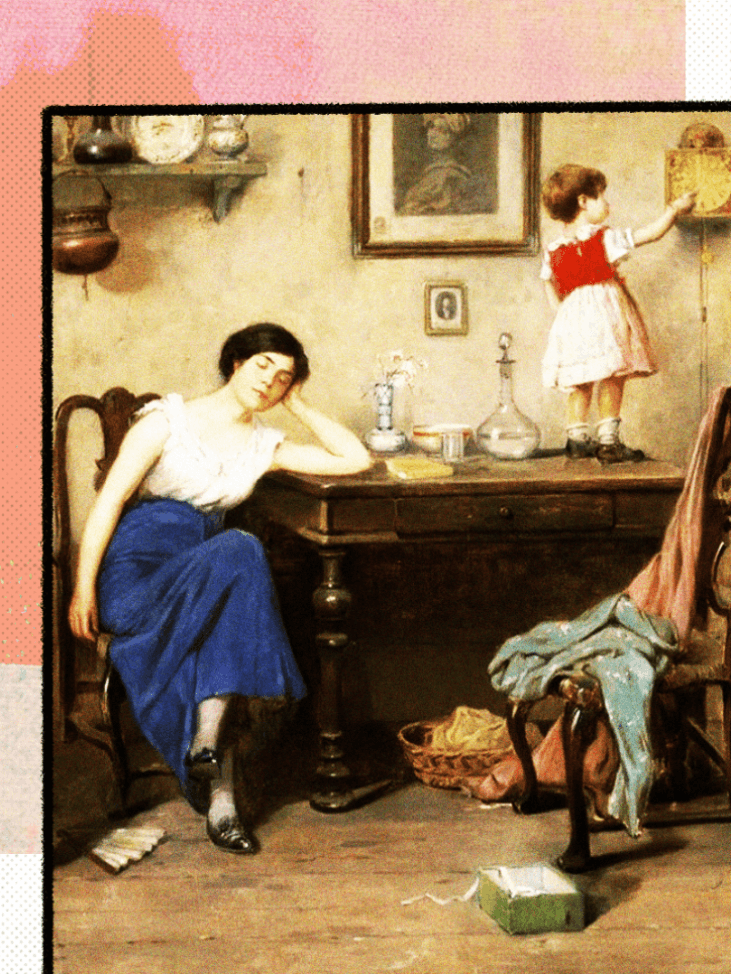

All the women I know are talking/reading/agonising about the Lindsay Clancy case. This horrific story of three dead children and a mother in the throes of undiagnosed postpartum psychosis and the lack of support and intervention has, understandably, rattled many. It has also brought to light how much women are gaslit and neglected medically and socially, especially after giving birth. Earlier this month, a similar situation arose in Bengaluru—the husband admitted he wasn’t aware of these diagnoses but could see his wife “struggling”.
The isolation of motherhood, especially in the early years, is only just being talked about publicly, especially in India. It’s as if popular culture is finally catching up to the mess of motherhood. The interiority of a woman’s life, the pendulum of emotions, the invisible labour—the new Mother India is flawed and, frankly, human. Mothers in India are finally speaking up, and without shame, about the challenges they face. A couple of weeks ago, content creator Komal Basith shared her thoughts on a particularly brutal bedtime and ‘unhinged’ parenting hacks that make life easier. Actor Deepika Padukone has been vocal about the sleep deprivation and emotional vulnerability of the early days of motherhood. Designer Masaba Gupta posted a caption that read: “18 months into motherhood and I’ve given up on finding the definition of a ‘good mother’.”
Ah, the myth of the good mother. It’s a title too many are trying to chase.
Amidst this, these two new female-authored books on motherhood feel perfectly timed. A Mother is Born by Diksha Basu (Simon & Schuster India), a compilation of personal essays (which releases today), and Shivani Sibal’s Moms (HarperCollins India), a sharp fictional account of society and motherhood, which released a couple of weeks ago, focus on breaking the myths around motherhood and embrace its nuanced, messy, ambivalent state.
It’s about time, especially in this country, where the sacrificial, long-suffering, easily forgiving, doting mother trope has reigned supreme for far too long.
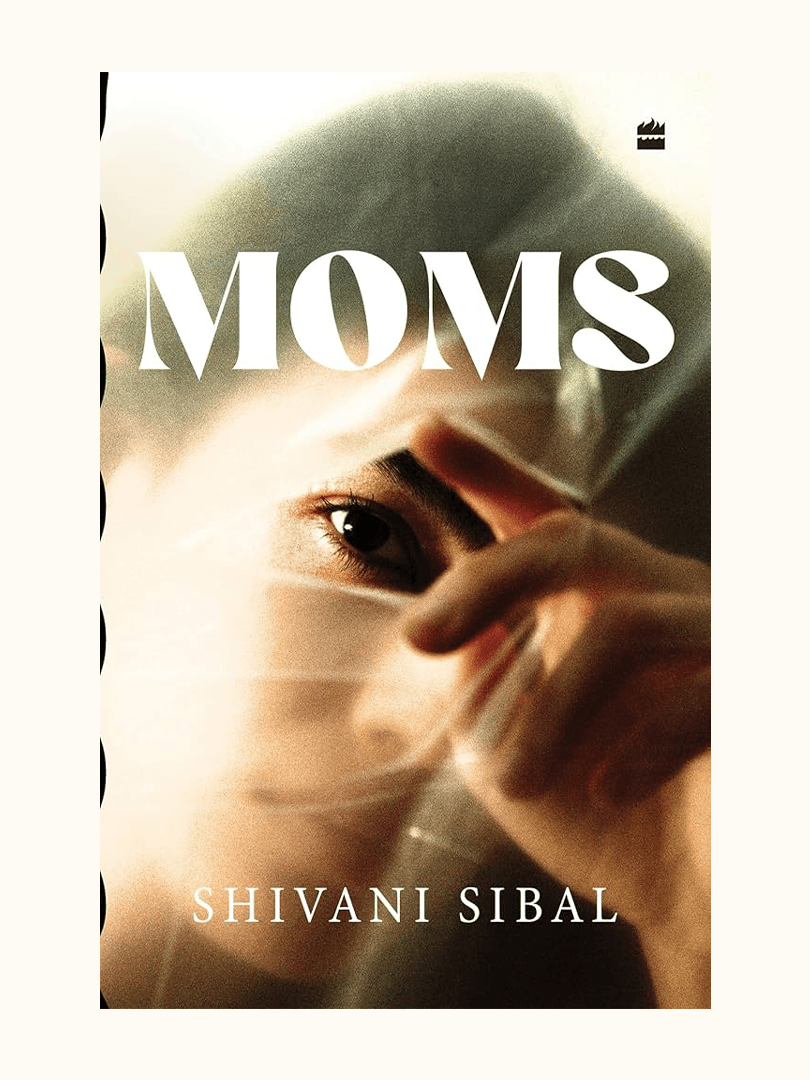
“I think motherhood has been straitjacketed to the point of absurdity in modern life, with the self-erasure of the mother’s needs and feelings as the main sacrificial lamb. You don’t cease to be the person you were before you become a mother, and that affects how you approach the job,” says Sibal about writing her protagonist Radhika Khanna, the wife of a prominent lawyer and a stay-at-home mom to 13-year-old Samara in elite Delhi society. Radhika’s day revolves around looking perfect for her husband, maintaining their home, and playing an active role on the school PTA, but underneath it all (gasp!) she has conflicting emotions around her purpose and being a mother.
Sibal, the mother of two girls, aged 15 and seven, wanted to bring her personal experience to the page. “The emotions around motherhood are often only allowed to exist within a very narrow, positive, unquestioning tunnel, which does not always reflect the true mixed feelings most mothers experience, especially with their firstborns. I think that can be isolating rather than supportive, and I wanted to explore that. It’s not always as selfless as it is portrayed. We all know this. No one says it.”
It’s why Sibal isn’t concerned about the unlikability of her character. Rather, she wants Radhika's story to show what really happens when that veneer of perfect motherhood is cracked after an unpleasant interaction with another parent in school and the lengths women will go to conceal the truths of what occurs in their homes behind closed doors.
At the heart of Basu’s memoir is a similar recognisable honesty. For this author of two novels satirising social norms, this was an opportunity to turn the lens inwards. Her often relatable (“In my specificity resides the universal,” she writes) memoir came from the need to capture moments of her growth as a person and as a mother and documenting for her daughters the “intensity of the early years of love and fear and fun”.
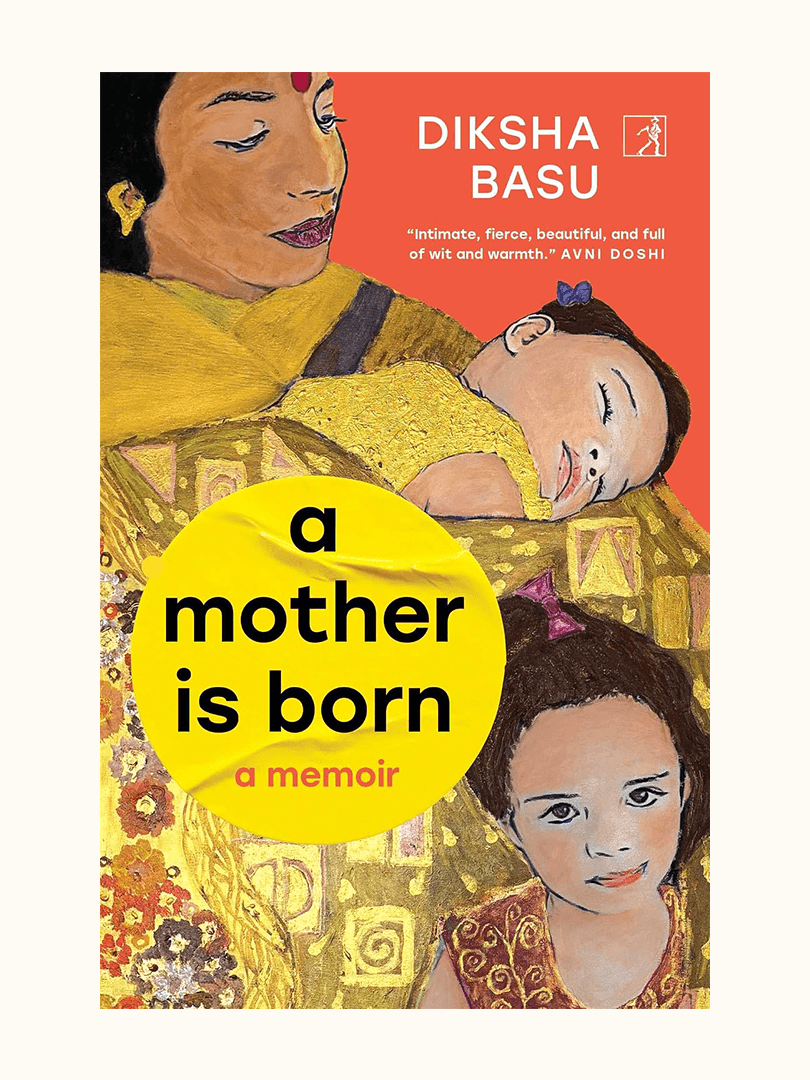
In pithy essays Basu, also mother to two girls aged eight and nine—the older born in New York, and the younger in Mumbai—explores the meaning of matrescence, the fear that settles deep in your gut, the guilt, especially around asking for help, the shifts in identity, and the changing friendships, while also delving into murkier territory with PPD and her evolving relationship with alcohol.
The title of the book comes from the much-debated art installation ‘A Child Gives Birth to a Mother’ in Bandra, Mumbai, that Basu would often drive past. Basu, who has parented both in Bandra and Brooklyn, wrote this book as a way to build on the community that has become so essential to her as a parent. In the first chapter, titled ‘On Birth’, she writes, “This book is not a how-to because there is no how-to when it comes to having children. This book is here to say simply what I wish someone had repeatedly said to me in those early days, weeks, months, and even years—that you aren’t alone in this experience.”
It’s what makes these conversations even more poignant, but Basu is quick to point out that it comes with a certain responsibility too in creating this new space. “The new modern default is to be angry about motherhood. To question it, to rail against it, to speak up about its challenges. And we should….. Those of us who came to this voluntarily, with minimal societal or familial pressure, and have the liberty to define motherhood for ourselves, owe it to the world to think and speak thoughtfully about our choices,” she adds in the chapter titled ‘Rage’.
Ask any mother and she’ll tell you that judgement is a part of our everyday life. Who defines what a good mother is? Who gets to weigh in on whether nursing or formula is the best approach for you and your child? Who gets to comment on whether that need to take care of yourself is selfish or selfless? Was Basu then worried about sharing such personal choices?
“It no longer troubles me as much. If my honesty and vulnerability can comfort even one person or encourage my children, or anyone, to feel safe coming to me when they might need it, I can handle the rest. I don’t feel the need to project perfection for my children. I couldn’t have written this book when I was younger—not only because I didn’t have the life experience I needed for this, but also because I didn’t have the courage or the confidence or the love for myself that I needed,” she says over email from New York.
A concept that really stood out for me was the idea of neuron mirroring, a parenting theory where a child’s brain constantly reflects the parents’ emotional state. The mother, for the most part, is considered the architect of the family, shouldering this enormous burden of regulation. While Basu initially struggled with it, she realises that it also explained her relationship with her mother. When Basu’s daughter sees her running through her day tending to everyone else’s needs, she asks her whether she regrets being a mother. The author, in turn, wonders if her mother regretted her choice. “It’s no easy task, motherhood,” she writes.
It isn’t. And as my mother always said, every age brings its own challenges. As a mother of two myself, in both these vastly different books I see and recognise so many similar threads—those blurry early days of motherhood, the need for women to validate their identities post-childhood, the archetypes of mothers we often reduce ourselves to, and the pressure exerted in trying to show up and fit in.
To see these stories told, whether the lens is fiction or memoir, creates a sense of understanding, of solidarity. And most importantly, it also allows for shifts in the way motherhood is approached, in the way family systems are structured, in the way conversations are had. And that’s a necessary step forward.