



check-in26 Feb 20266 MIN

Tonight’s dinner is at an 11th-century stepwell lit by 800 candles 

Rawla Narlai, a boutique luxury resort two hours from Jodhpur, will take you back in time and spoil you like a royal 

Image

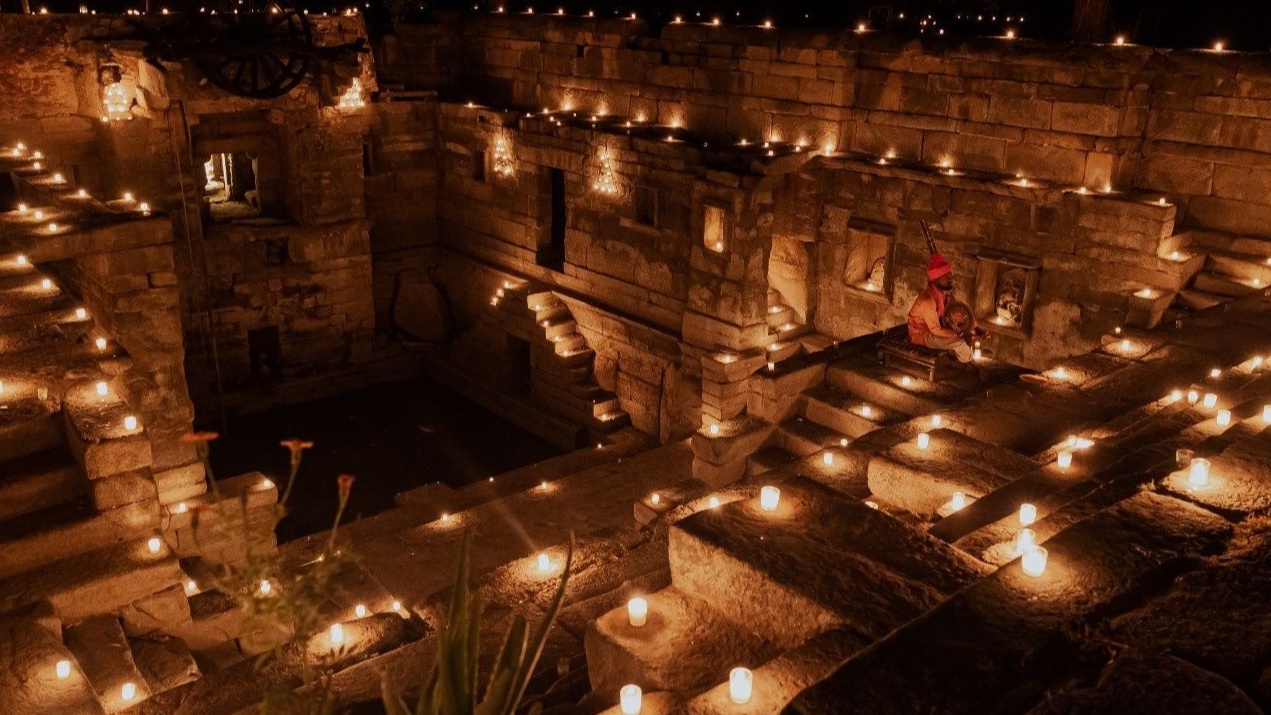
At Rawla Narlai, a four-course feast is served beside a thousand-year-old stepwell, lit by over 800 candles and 200 lanterns

There’s often talk about luxury establishments displacing and disturbing the native land they settle on. Five-star properties usually build towering structures that stand out against the natural architecture. As you inch closer to the property, the shrubs are more pruned, the roads cleaner, the air quieter, all subtle signs that you’re approaching big money. Most of all, these beautiful, sprawling hotels construct a world within their four walls, leaving little desire or opportunity to see beyond. 

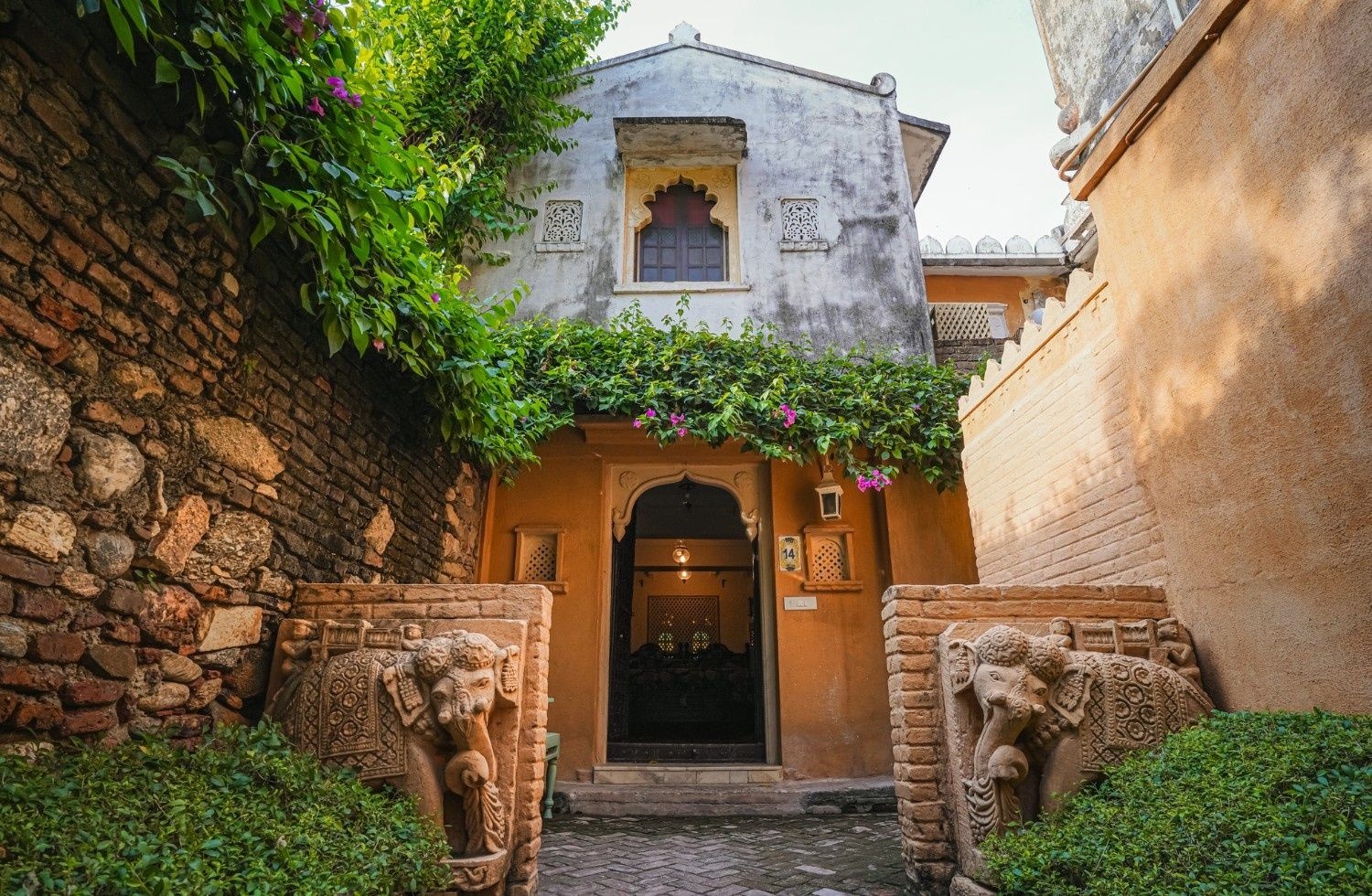
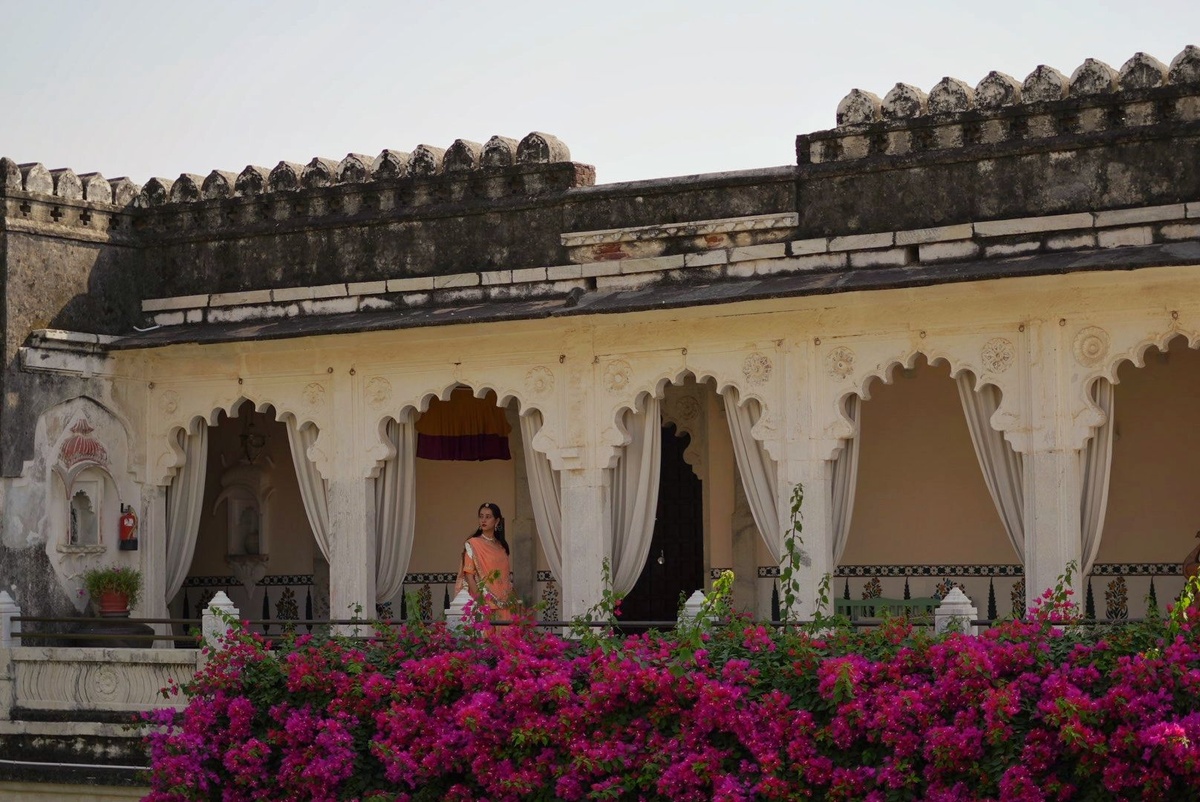
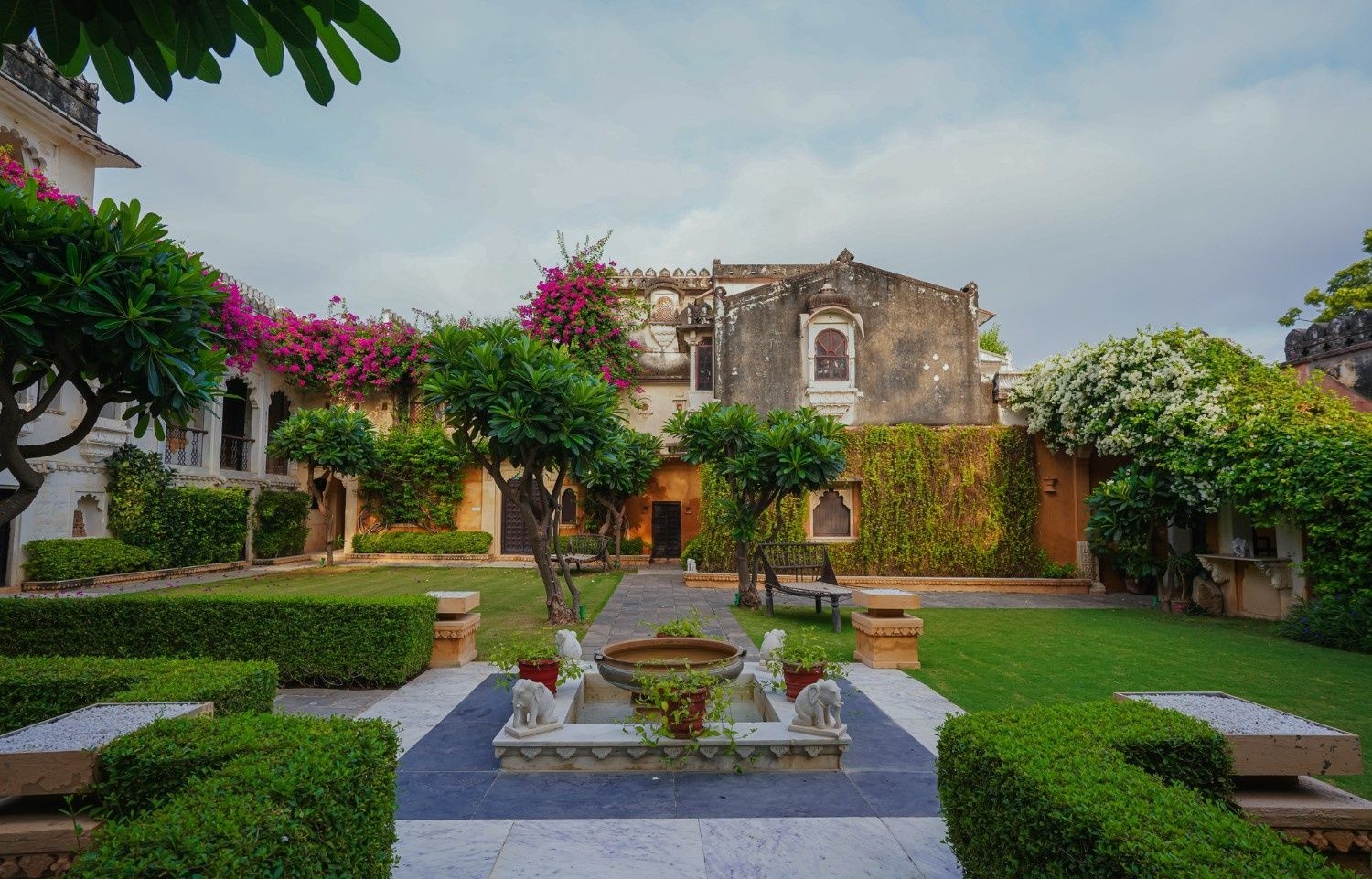
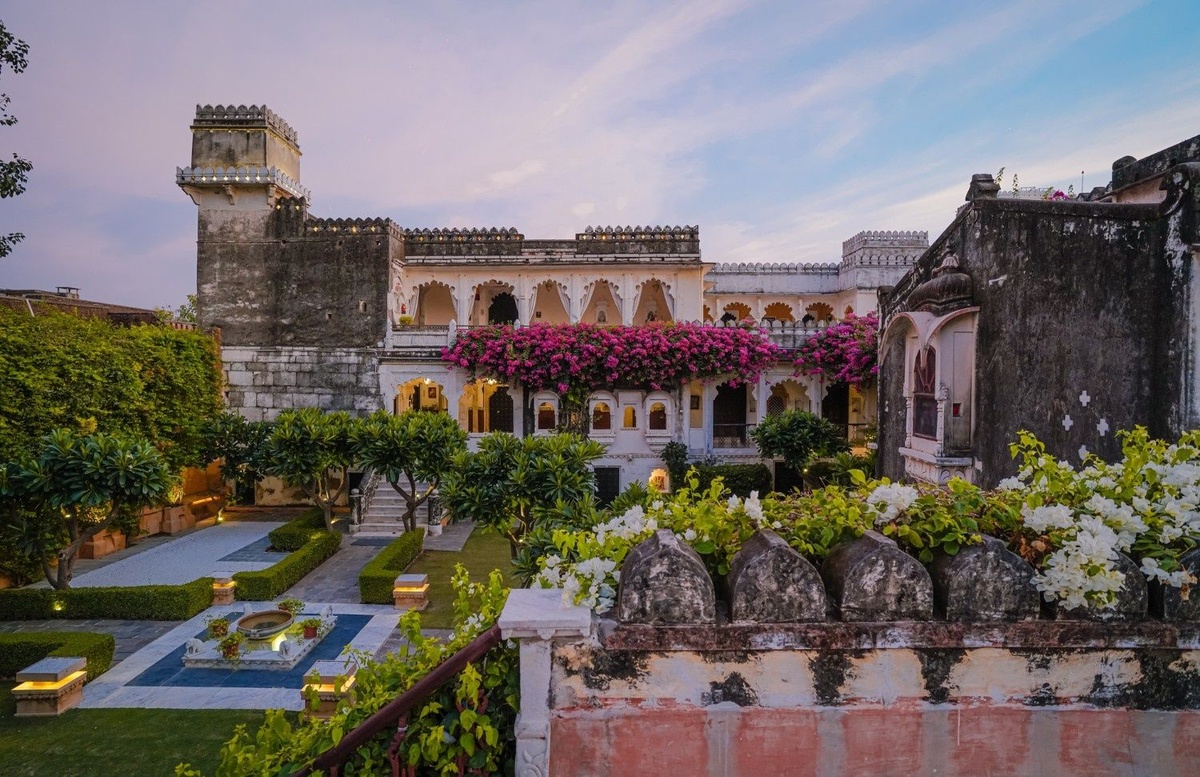
From the moment I step into Rawla Narlai, I know this is not the case—a minuscule but paramount distinction that makes the heritage hotel special. At a two-and-a-half-hour drive from both Jodhpur and Udaipur, the boutique luxury venue is situated smack dab in the centre of Narlai, the Pali village from which it borrows its name. Back in the 17th century, Rawla served as a palatial pit stop for the royal family of Jodhpur. It was only in 1996 that the erstwhile Maharaj Swaroop Singh and Rani Usha restored the space as a hotel, now home to 32 keys, with an insistence that the inside-outside culture with the village continues. 

Upon check-in, you soon discover that the luxury resort’s walls are happily fluid: its white marble balconies face an ethereal red brick temple that comes alight every evening for a grand aarti, which you can hear and participate in. Over 90 per cent of the staff come from the village, while the in-house shrine is bedecked by women from the neighbourhood. The property itself sits in the shadow of Elephant Hill, a massive granite monolith that goes back millions of years and doubles as a hiking spot for the villagers and guests alike. 
In fact, some of Rawla’s most breathtaking experiences begin within, only to come alive outside. The most coveted among them is the Stepwell Soirée, which attracts guests from around the world.

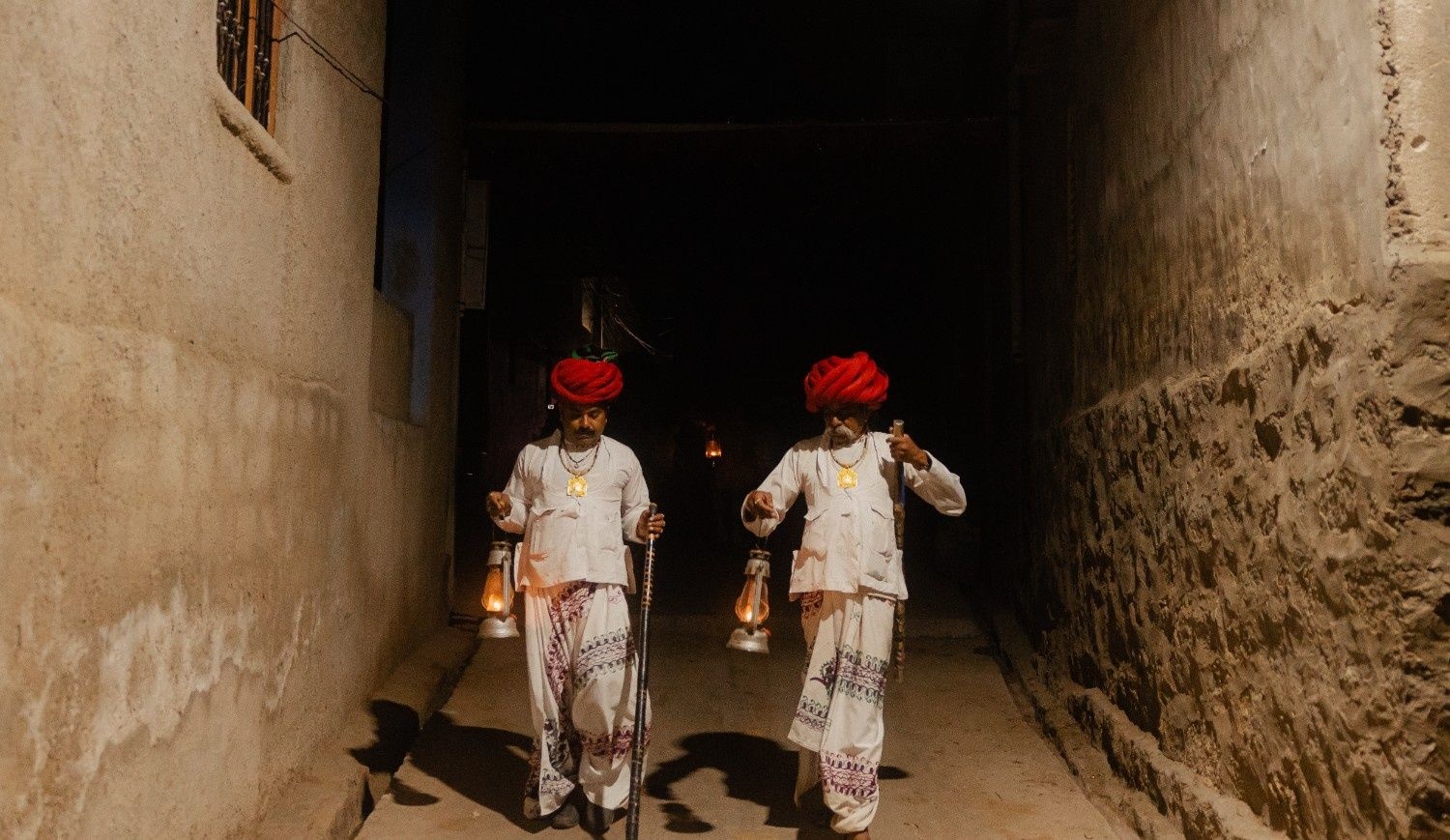
Excited to see the highly anticipated show at nightfall, my father and I gather in the flower-adorned central courtyard awaiting further instruction. Here, we’re handed a glass of sparkling wine as a traditional masseuse steps in for a neck massage, promising to free us from any travel-induced knots and pains. A local then drapes a turban around my dad’s head while I’m handed a soft bandhani chunari and escorted outside. This is only a glimpse of the pampering that awaits us. 

At the exit, ox-drawn carts—made plush with mattresses and blankets—stand ready to take us to our dinner destination. Lying in the back we gaze at the sky, watching the clouds make way for the stars. For a while, the ox’s hooves against the ground are the only sound we hear until it’s interrupted by the soft jhum-jhum of a tanpura announcing our arrival. 

Stepping down, I can hear myself mumble “oh my god, wow” again and again, as the view before us gets clearer. My first thought is that the stars from the sky have descended upon us. My second: this is a real-life iteration of the bokeh filter that was all the rage in the 2000s. As we walk up the winding, candle-lit path, our guide explains that we’re at an 11th-century stepwell that was once the primary water source for the village. 

Historically, when the royals were in the mood for revelry, they would have musical evenings here illuminated by the soft glow of clay diyas. Now, 1,000-odd years later, the world has flipped over, but at the stepwell in Narlai little has changed. The many steps on all four sides of the small water body are trimmed with more candles than I can count. “Every evening, we spend nearly four hours lighting over 800 candles and 200 lanterns here,” the guide tells me. 

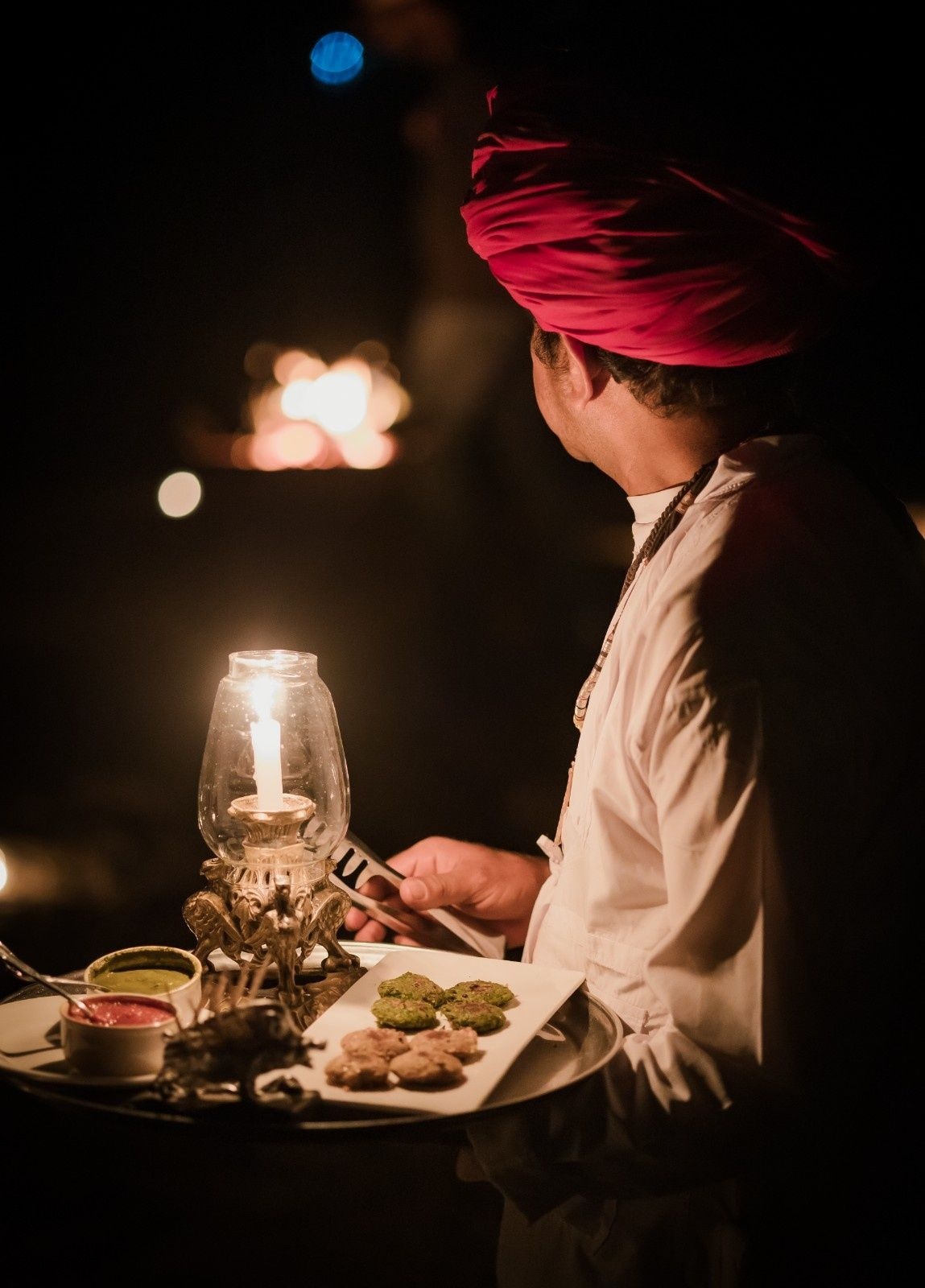
You won’t find a whisper of modern electricity, no battery-operated torches even, only candles whose warm flames dance under the night sky. As if there wasn’t enough beauty in the scene, a folk singer from the Nath Kalbelia community in Pali masterfully plays the tanpura and manjira by the edge of the steps. Facing him are a set of cosy tables where our dinner will be served amidst the twinkling lights—I dare you to find a more magical setting. 

The four-course feast is as expansive as you would imagine. We kick off with spicy tomato chaat, crispy hara bhara kabab, pickled fish, and a delicious kalmi vada. But the showstopper is the soft, supple laal maas that melts in your mouth, urging you to ask for seconds and thirds. For mains, we have a classic Rajasthani thali complete with ker sangri, dal baati churma, and gatte ki sabzi—all of which we wiped clean. Now you may think, the food sounds straightforward enough to get anywhere. 

Hold that thought. Here, you will find three people serving you rotis—one holds a basket of millet, jowar, and wheat breads, the second carries a table-side angeethi (coal stove) and the third slaps on the drip the ghee before serving it. We were promised an experience akin to the royals, and for over two and a half hours, I feel like nothing less. 

Little could top that feeling, but I will say that the leopard safari the next morning only built on it.

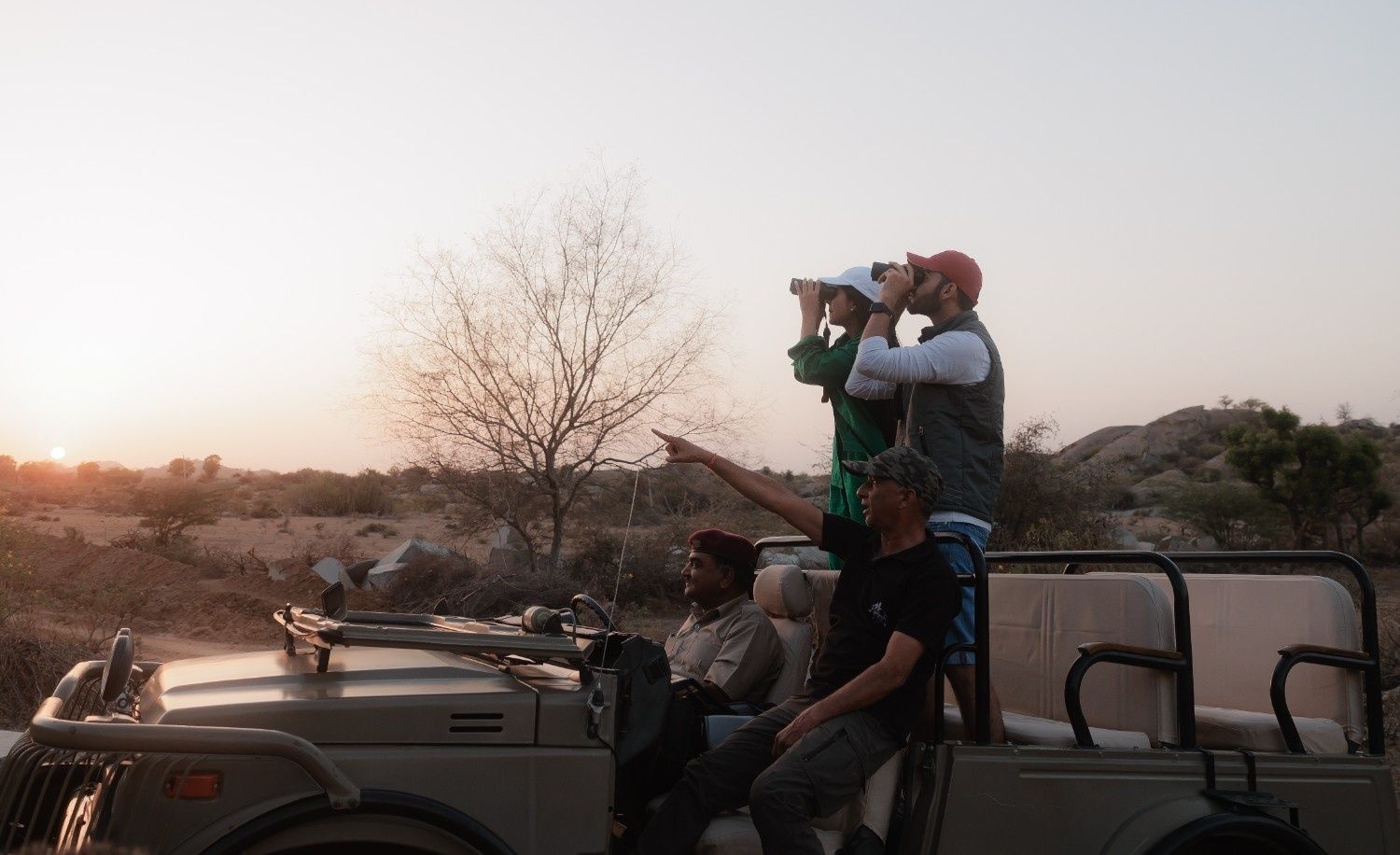
At 7 am, with the mist still hanging heavy, we get into jeeps and drive from the resort to the tippity top of a hillock for breakfast under the first rays of the sun. My expectation of a picnic basket is pleasantly shattered as a crew with a makeshift kitchen, a tabletop complete with flower vases, and a buffet spread stand before us. Biting into my second dal kachori and sipping on warm kadha, I try to recall the last time I saw the sun rise. 

Meanwhile, Mauni, our leopard spotter, receives a call that the wild cats are out for viewing pleasure. We bolt from breakfast and drive to a neighbouring hillock to catch a peek. And there they are: a mama leopard with two little cubs, perched on the edge, sunbathing. Egregiously unlucky on safaris, I can’t believe I am finally seeing an animal in its natural habitat. “In photos, their spots look much brighter, but in reality they camouflage so well with the hill,” my father says and I can’t agree more. If not for our spotter, I would never have found the little beasts; Nat Geo could never. 

Satisfied, we make our way back to the hotel with little idea that there’s more indulgence in our future. For high tea that evening, we are whisked off to the edge of the village lake, where we have croissants and sandwiches while freshwater crocs dry themselves on rocks. (Sorry to sound nonchalant; it was incredible!) For dinner, we experience the Tekri Cookout. Nestled atop a tower offering views of the Aravalli hills, the chef barbecues meats and veggies for us. After two nights at Rawla, I’m so spoiled by picturesque meals that I gag at the thought of returning to a life where squeezing lunch between meetings or in front of the screen is oh so normal.

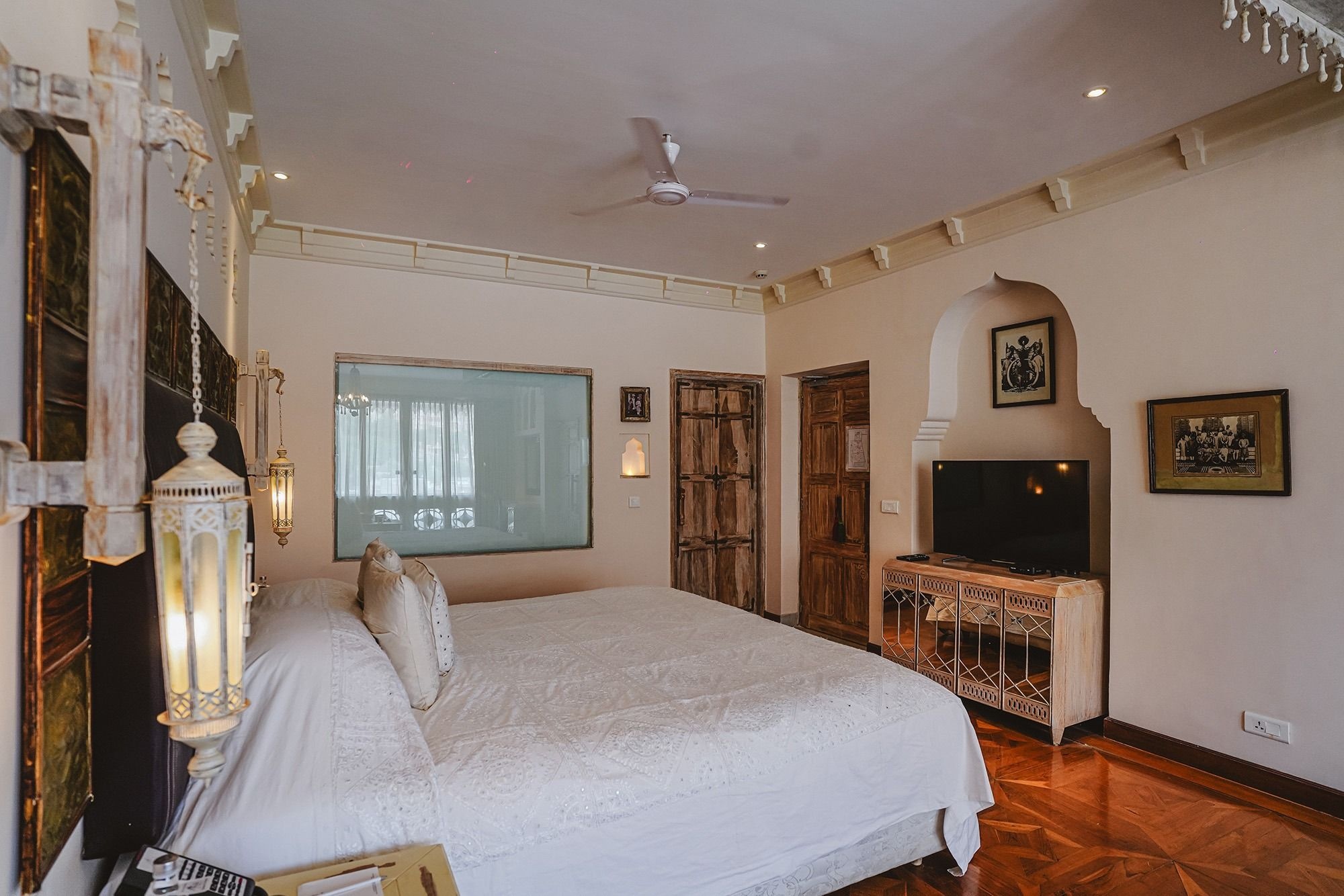
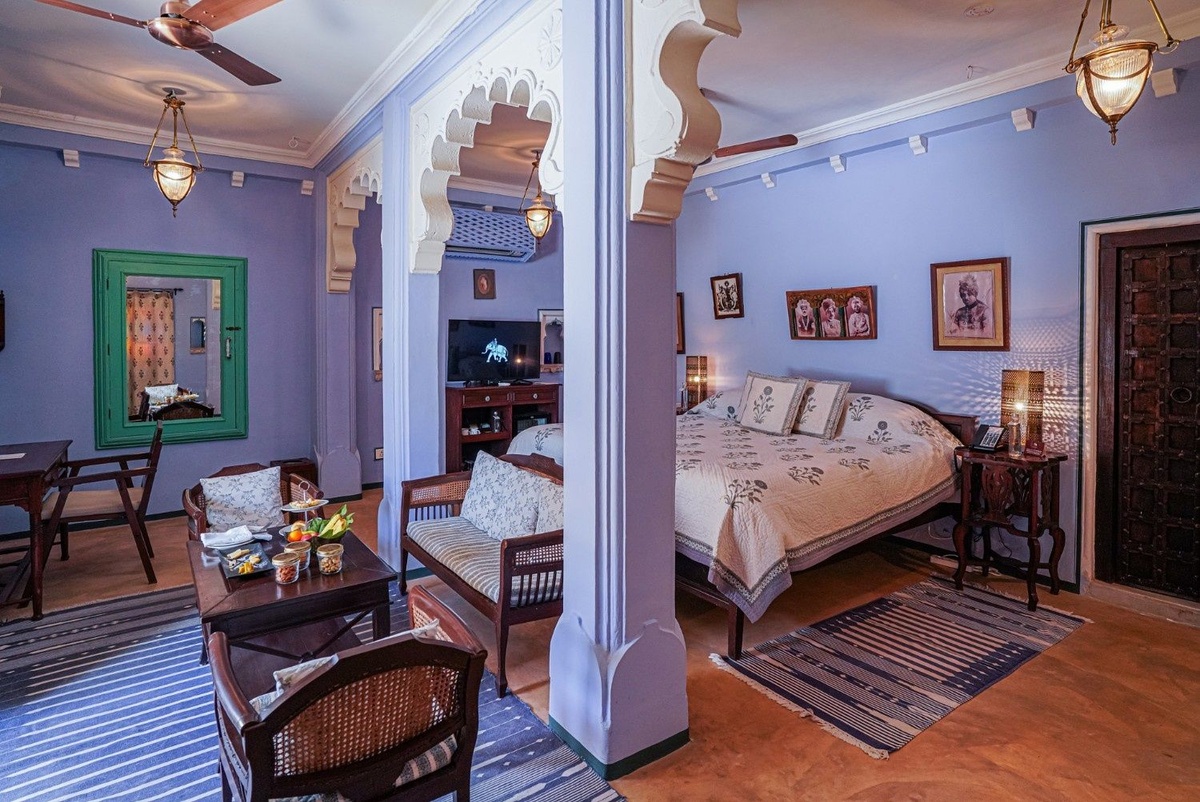
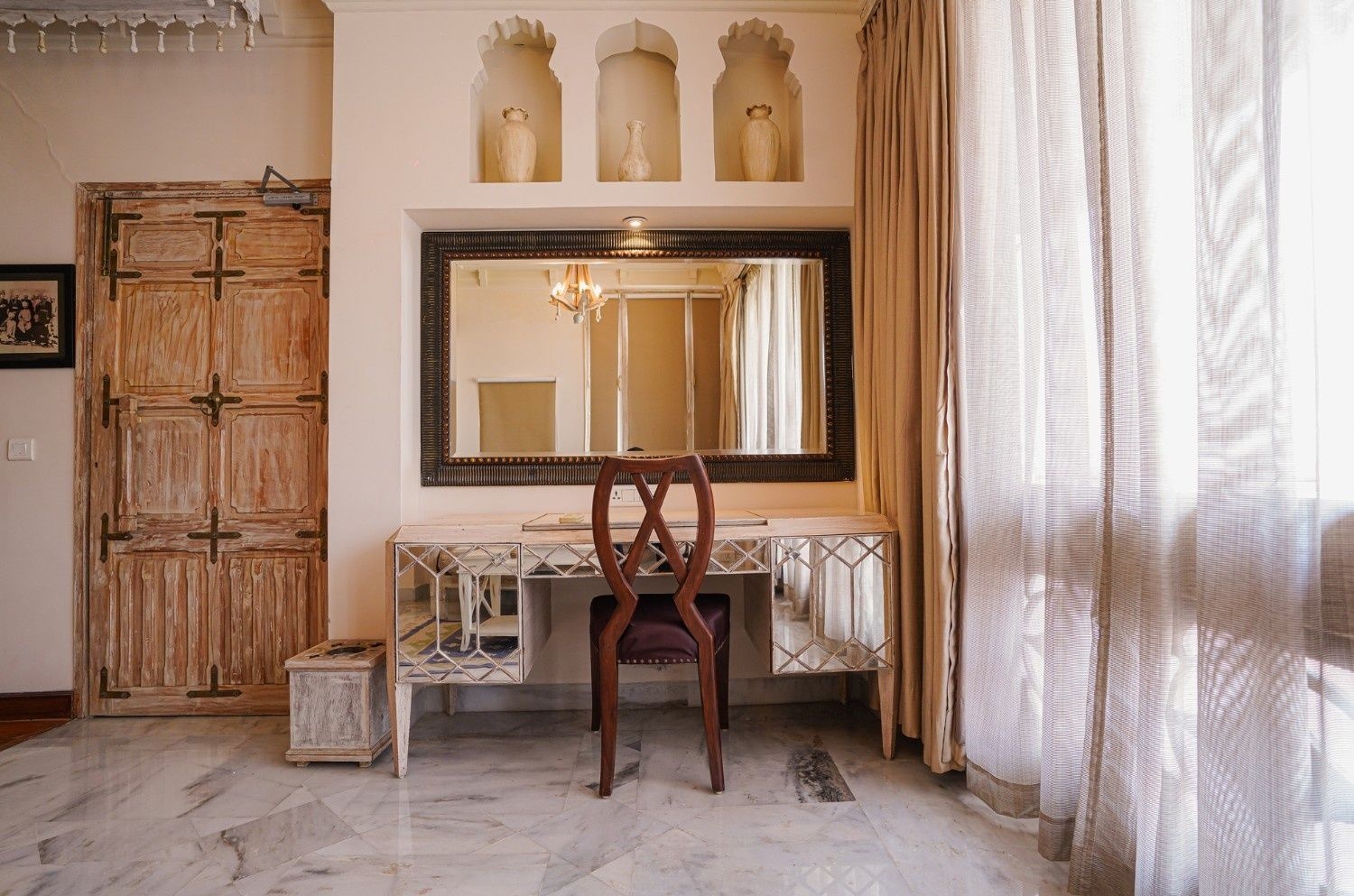
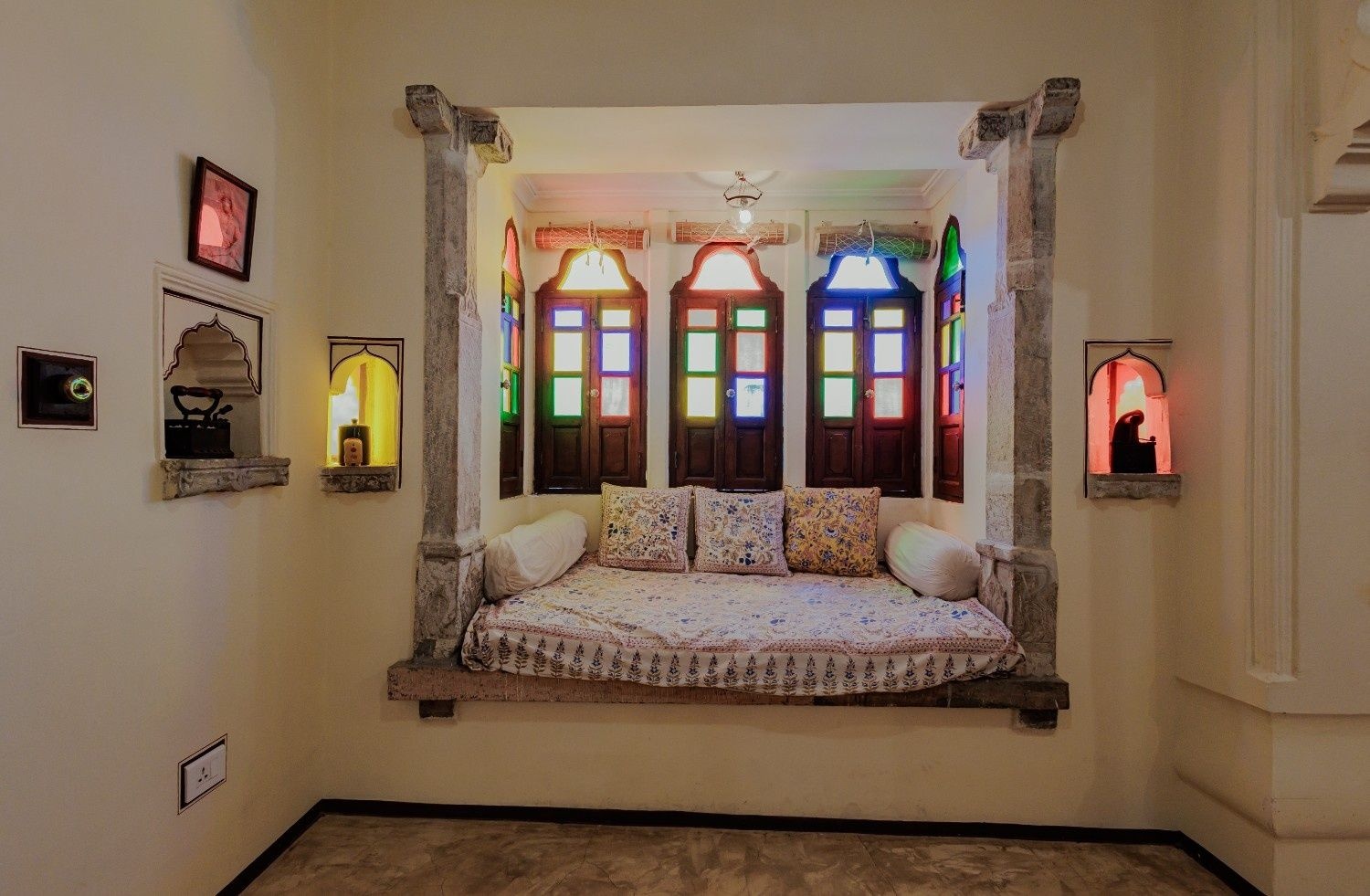
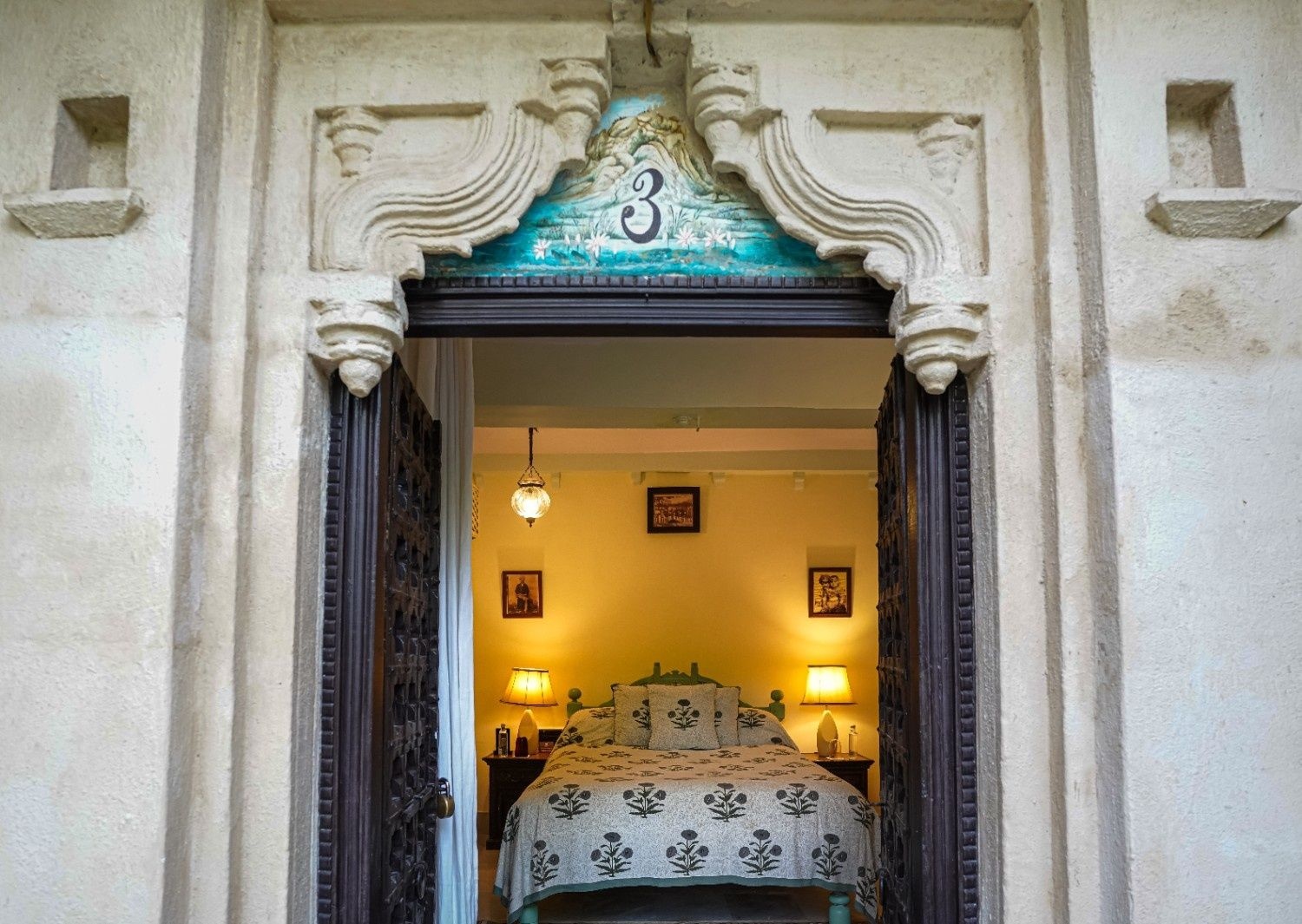
And though I wax poetic about the outdoors, the inside of the property is just as inimitable. My suite is in the new wing, which was constructed about a decade ago but mimics the style of the old 17th-century building, with vintage photos of the royal family peppered all over. The bed frame is bordered with brass elephant heads, while even the AC comes with a woven ceramic curtain. The old wing was, undeniably, the true highlight: it may not have an XL bathtub or other modern luxuries, but it lets you step back in time. 

Kripalini Singh, the manager at Rawla, tells me the paintings, the carved pillars, even the structure itself, run back 400 years. “These fans you see on the walls belong to Mama Hukum (Rani Usha),” she says, pointing to a sea of vintage textile hand fans that are brought out on hot summer days. The rooms hold intricate ancient frescos depicting life in the royal courts. The charm also lies in the fact that no two suites here look the same because it was once built as a home, not a 21st-century hotel. 

On the internet, there is unending talk about going offline and touching grass. If the last 48 hours have shown me anything, it’s that you don’t need an analogue bag full of old iPods or a Brick to cut down screen time. Every now and then, you just need to escape to a place that is teeming with stories so rich that your mind doesn’t crave digital dopamine on demand. Better yet, you never have to wonder if something is real or AI. At Rawla, it’s not towering buildings, robots as servers, or voice-controlled amenities that inform the luxury. It’s classic old-school hospitality and human effort that give you a taste of the unmatched royal life. 

How to get here: Take a flight to either Jodhpur or Udaipur, the property is a two and a half hour drive away

Address: Desuri Road, Narlai, Kumbhalgarh, Rajasthan

Book online here

The Nod Newsletter

We're making your inbox interesting. Enter your email to get our best reads and exclusive insights from our editors delivered directly to you.