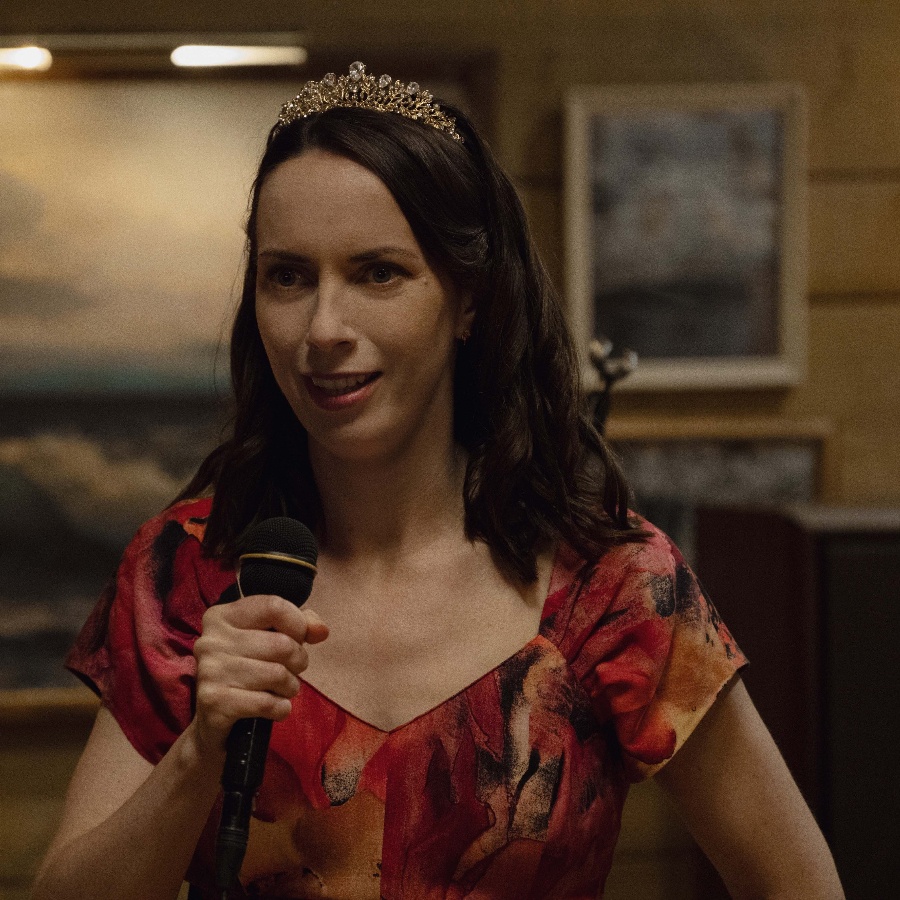




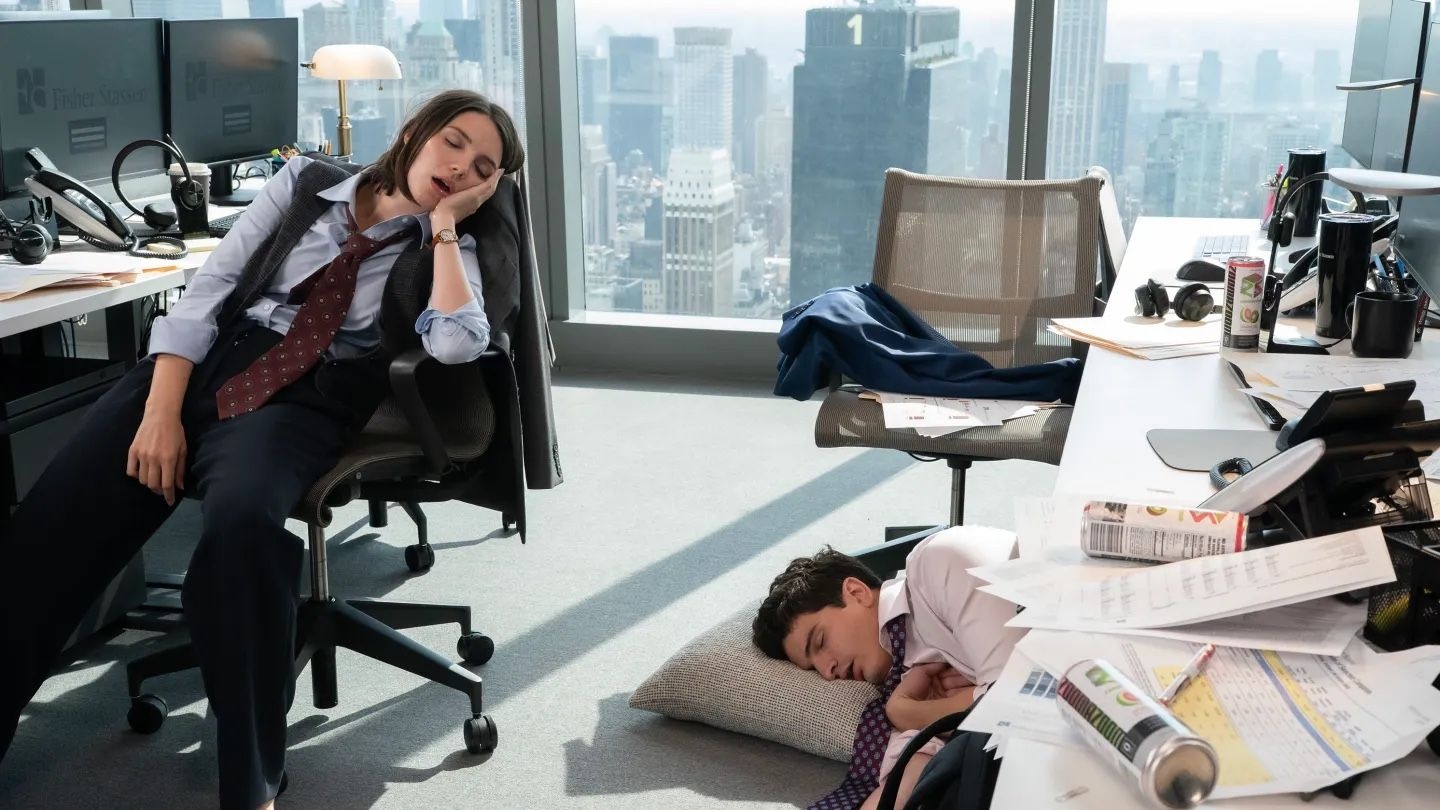

Gen Z seems to be an enigma that at once mesmerises and infuriates the generations who came before us.
Whether it’s our sex drives or our alcohol intake, our love of pigeons, micro-vacations, digicams, or premature hair transplants, Gen Z is the generation you’re dying to pin down. Maybe it’s our comfort with gender fluidity or sexual fluidity, but something about us provokes a primal, zoomer urge to put us in a box.
I recently began a job, and shortly before my start date I was advised by a millennial relative that just as long as I don’t request a mental health day after each assignment, I’d already be far ahead of my peers. The latest in the series of verdicts on Gen Z seems to be that we are not cut out for employment. I suppose it is only fitting, then, that Gen Z’s first workplace comedy is titled Not Suitable for Work (NSFW).
Created by Mindy Kaling, NSFW focuses on five recent college grads who live in neighbouring apartments. Abby (played by Avantika), a stylist’s assistant who is secure enough (emotionally) to decline the advances of a celebrity, (financially) to buy him a full pizza she won’t even be eating, and (mentally) to quit her job to style him.
Her college best-friend turned roommate, AJ (Ella Hunt), is a first-year investment banker who inspires face blindness in two of her three love interests—two of whom are her coworkers, and two of whom are her neighbours. Very Grey’s Anatomy approach to seeking love with long hours.
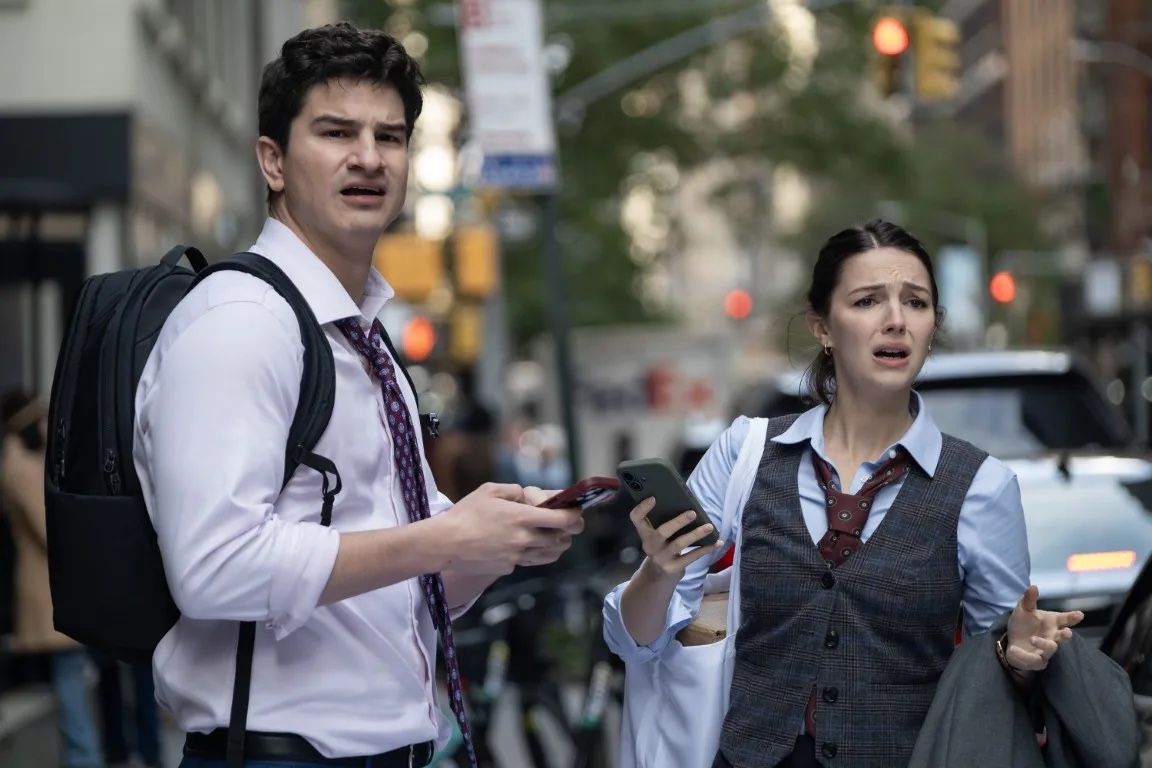
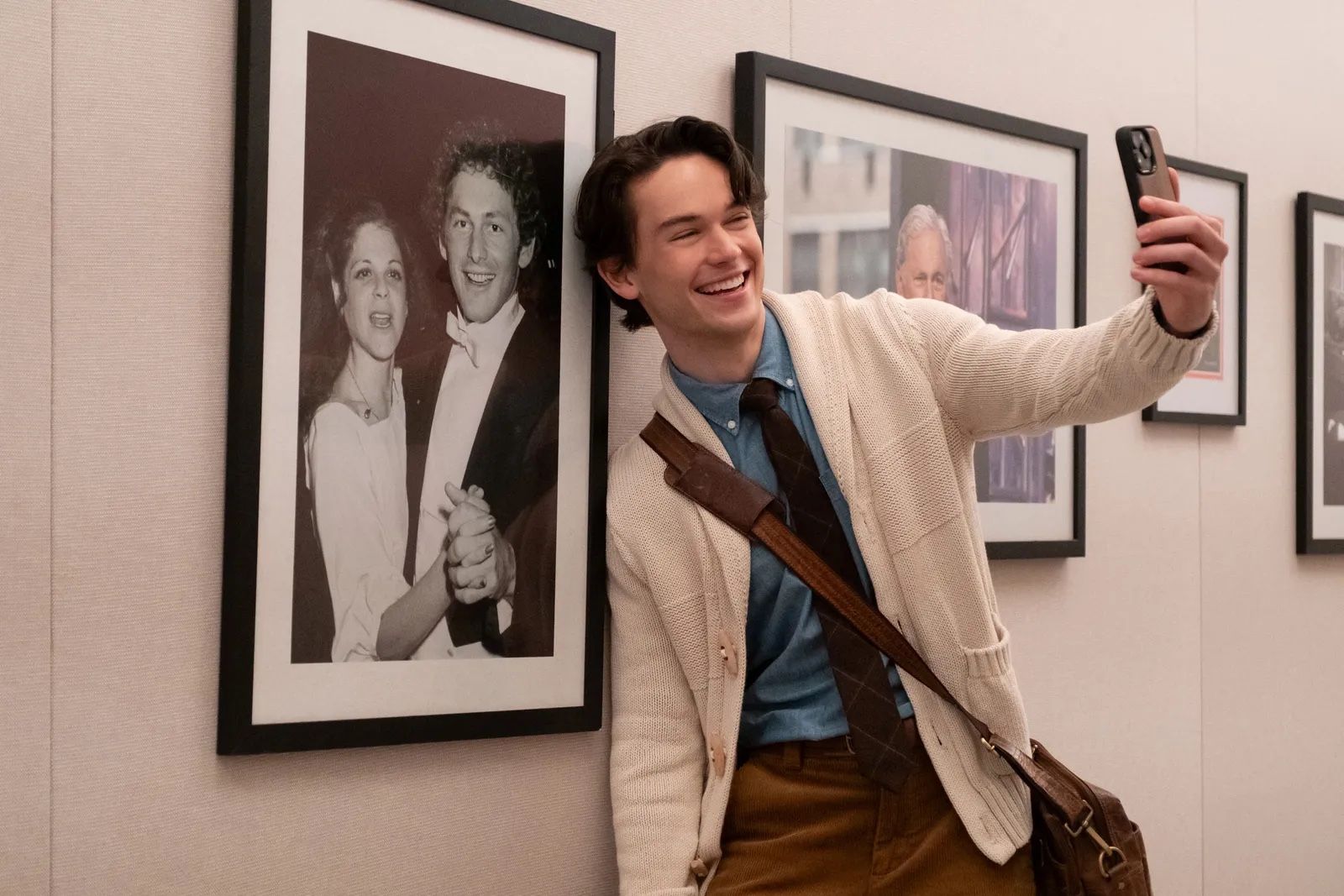
The one love interest who is her co-worker and neighbour happens to be the one she doesn’t know is a love interest: Davis (Will Angus). He’s a nice guy type (though I’m not convinced) and also a banker who thinks he really deserves a girlfriend. He lives with Josh (Jack Martin), a nepo-baby journalist with a penchant for the pretentious, and Kel (Nicholas Duvernay), a short-lived medical student who wants to be an actor.
The show was announced as “five work-obsessed twenty-somethings who strive for professional success and, if they have time, personal happiness”. Yet, over the course of seven episodes, it hasn’t yet delivered on that premise. And with only the season finale left to air tomorrow, it’s hard to know how they will make up for it and touch upon Gen Z and work, work-life balance, hustle culture...any of it.
Kaling's ambitious early twenties were spent—as she details in her first book, Is Everyone Hanging Out Without Me?—in a Brooklyn apartment co-writing a play with her friend Brenda where they played Ben Affleck and Matt Damon. Greg Daniels saw it and hired 24-year-old Kaling to write on The Office, where she wrote more episodes than any other writer, engaged in a workplace situationship for the ages, and most importantly, gave us the iconic Kelly Kapoor. The Gen Z employee blueprint.
She has a not-so-quiet crush on a coworker that spirals into a turbulent multi-year situationship. She shoots a music video in the office, insists on a fashion show at lunch, starts a rivalry in a covert ping pong game, and asks big questions like “You wanna call someone that texted you? Do you want to drive them away?” A core Gen Z belief.
Kelly Kapoor, aka ‘The Business Bitch’, is a supporting character with main character energy. This show, by contrast, features main characters with supporting character energy.
It’s not simply an excess of leads but the fact that the A plots feel like more like B or C plots and the only narrative threads that carry through episodes are love-related.
Threats of eviction disappear with just a tweet. Characters go from strangers to foes to friends to dating to exes in an instant. In episode three, Kel has his likeness taken for AI thinking it was an acting job, a dilemma that earns zero dialogue in response from any other character, overshadowed as it is by developments in AJ’s love life. It eventually resolves when he gets the dopamine hit of receiving payment. When Abby’s career risk blows up in her face, she gets about five seconds of screen time to process it.
I almost want to critique their depiction of the various workdays, but the truth is we don’t get a full enough picture. I think the question of depiction uniquely plagues Kaling’s work—every character put forth criticised for not being like how all Indian/college girls are. This mostly plagued The Mindy Project, a series she created, and starred in playing a character with her own name. But it can be easy to forget how she started by breaking the mould, with Kelly Kapoor.
Kelly Kapoor was full of contradictions, and how you wanted to categorise her was something you could do on your own time. She was delusionally into Ryan, and yet the object of his obsession. She was a ditzy young Indian woman on TV but not stupid, a Yale-trained executive. In a sea of corporate (some could argue, millennial) grey, Kelly Kapoor was a bright fuchsia accent.
Kelly Kapoor came into existence in 2004, which is within the Gen Z range. And as many op-eds try to taxonomise us and pin us down, I’m not sure it can be done. A generation of 1.88 billion can be hard to boil down. So, what does Gen Z in the workplace look like then? It’s hard to describe, but I know it when I see it. And Kelly Kapoor is definitely it. The NSFW characters, though? Not so much.