



Food06 Jan 20264 MIN

At Sabores, a single-page menu brings Goan Portuguese classics to a poolside setting

The 60-seater in Goa's Bambolim offers vindaloo and pork roast but also stereotype-breaking curries and a bread programme that’ll keep you coming back

Sabores Goa

Sabores, the new Goan Portuguese eatery in Goa’s Bambolim, is clear about one thing—it knows exactly what it is not trying to be. There are no theatrics around the food, no lengthy menus, no heavy-handed storytelling, no visual shorthand doing the explaining for you. Instead, it takes a more assured route, one that trusts the diner to come curious, hungry, and let the flavours do the talking.

This approach feels especially relevant in Goa right now—a state that has become a dining hotspot but where finding traditional Goan food in a setting that feels elevated yet uncompromised isn’t always easy. Even long-standing local spots are increasingly flirting with sushi rolls and butter chicken to keep everyone happy. Sabores, which means ‘flavours’ in Portuguese, doesn’t try to do that. It stays firmly in its lane, and that restraint feels refreshing.

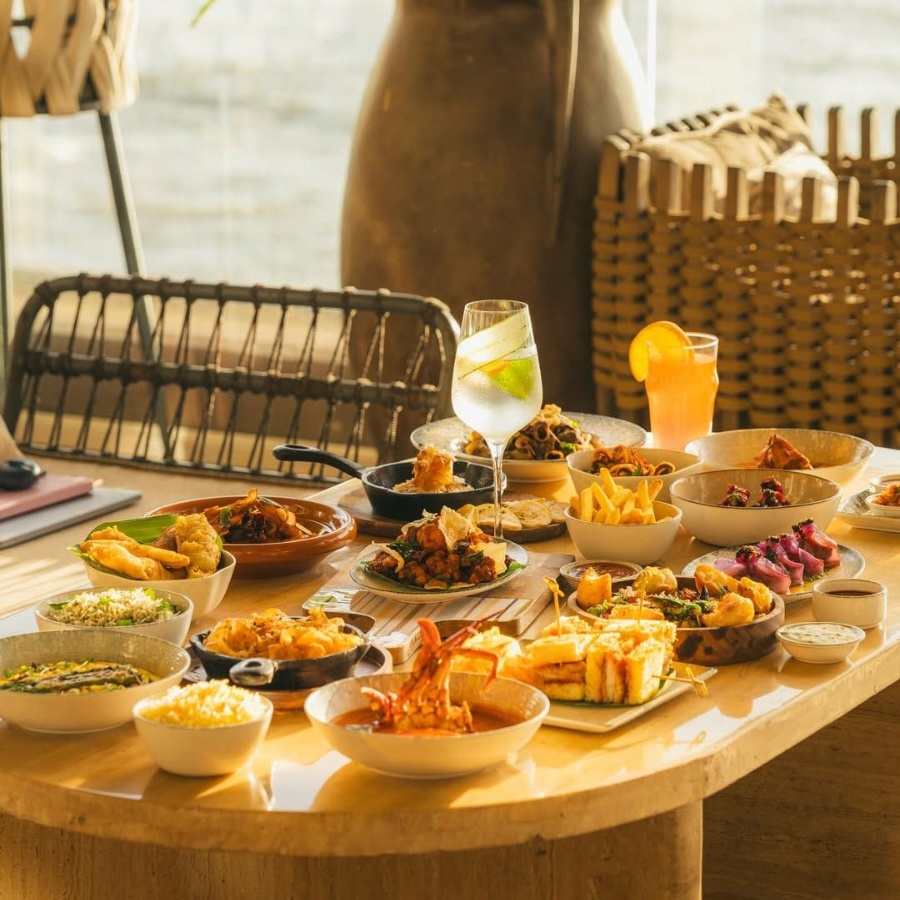
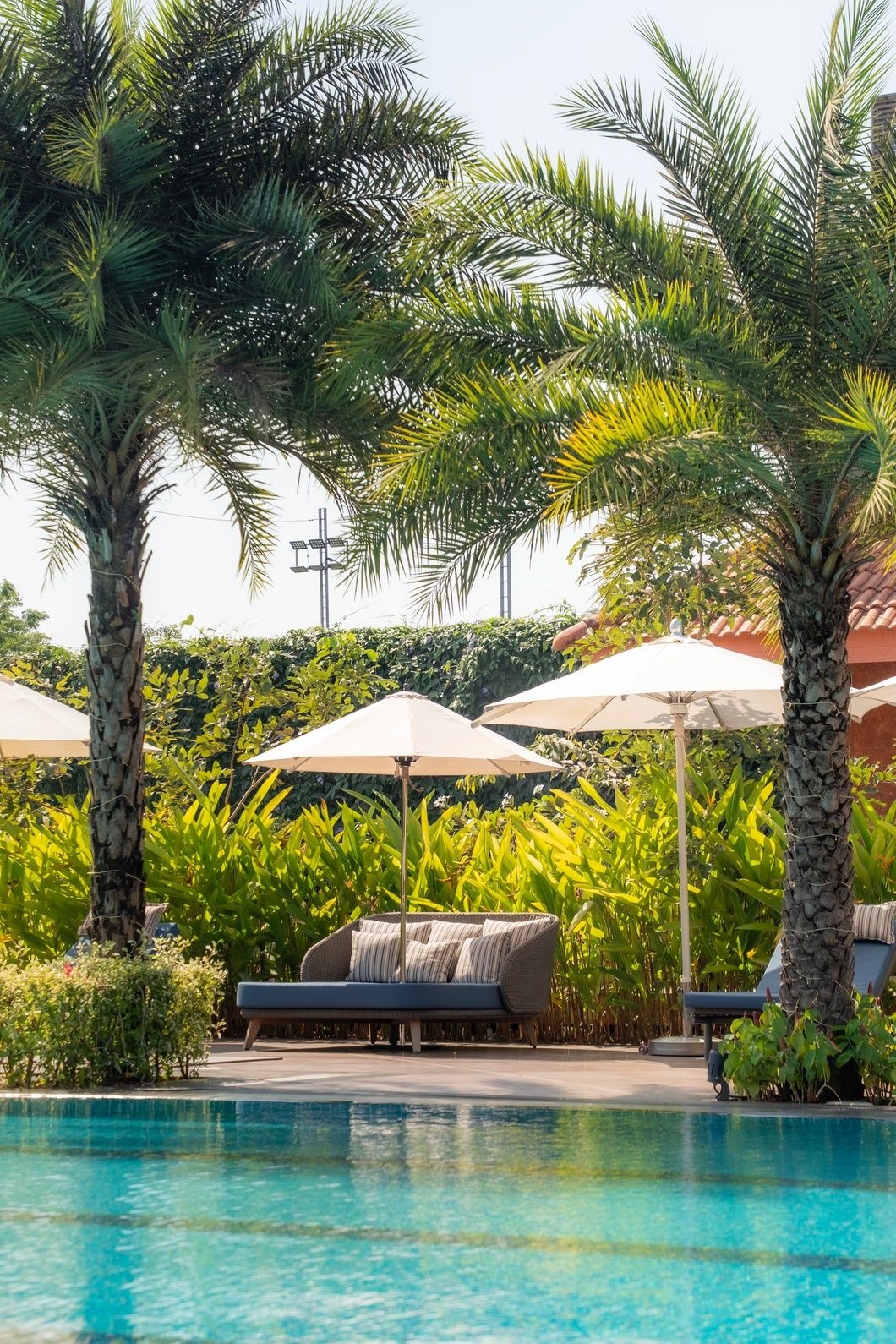
Housed in a Goan Portuguese-inspired structure in the Clube de Palma complex, the restaurant’s red tiled roofs, textured laterite walls, and terrazzo floors are a nod to a certain Goan affluence of another time, but inside, warm cove lighting, marble-top tables, exposed brick, polished stone, and deep teal seating keep things feeling current.

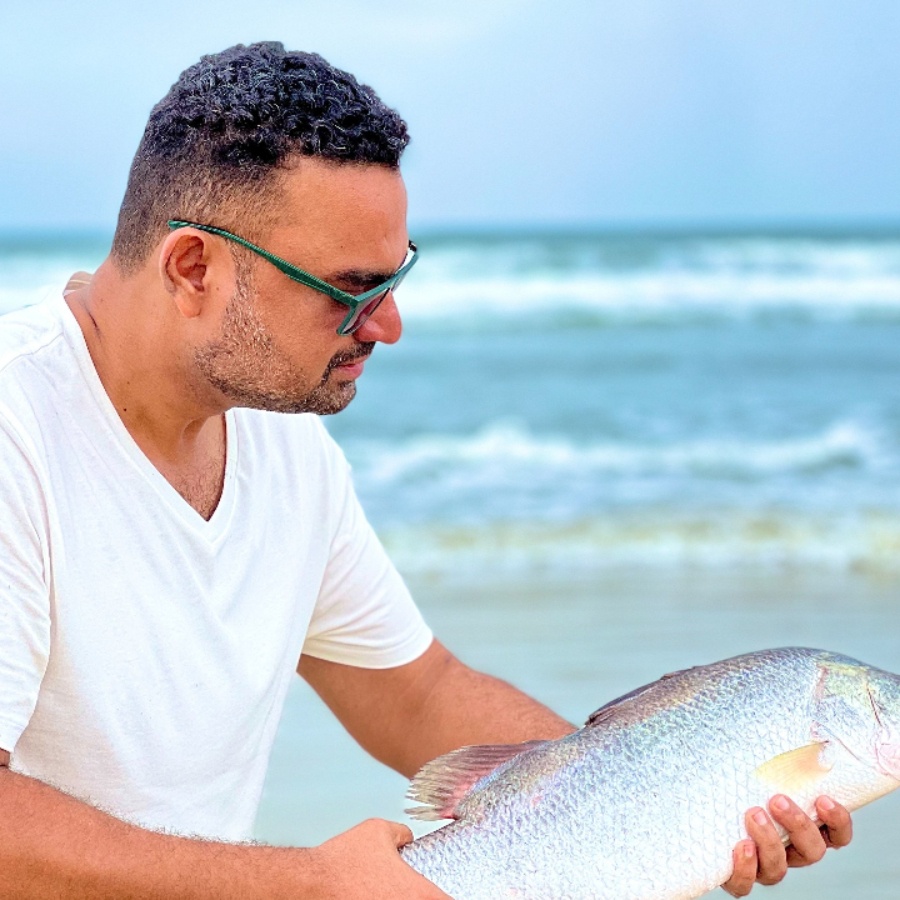
At the poolside courtyard, you are likely to spot Akshay Quenim, the owner and the mind behind F&B concepts across Goa, such as Tataki, moving between tables—recommending dishes, taking orders, checking in, and sometimes, helping clear plates.

Quenim is next-gen restaurateur of the family that set up Rio Rico, the well-known eatery that once operated out of the iconic Hotel Mandovi, Goa’s first hotel. And Sabores draws from this legacy. “Rio Rico was built on respect. Respect for ingredients, technique, and the diner,” explains Quenim about his family-run restaurant. “That was the one thing that we had to carry forward,” he adds, speaking of his latest 60-seater offering.
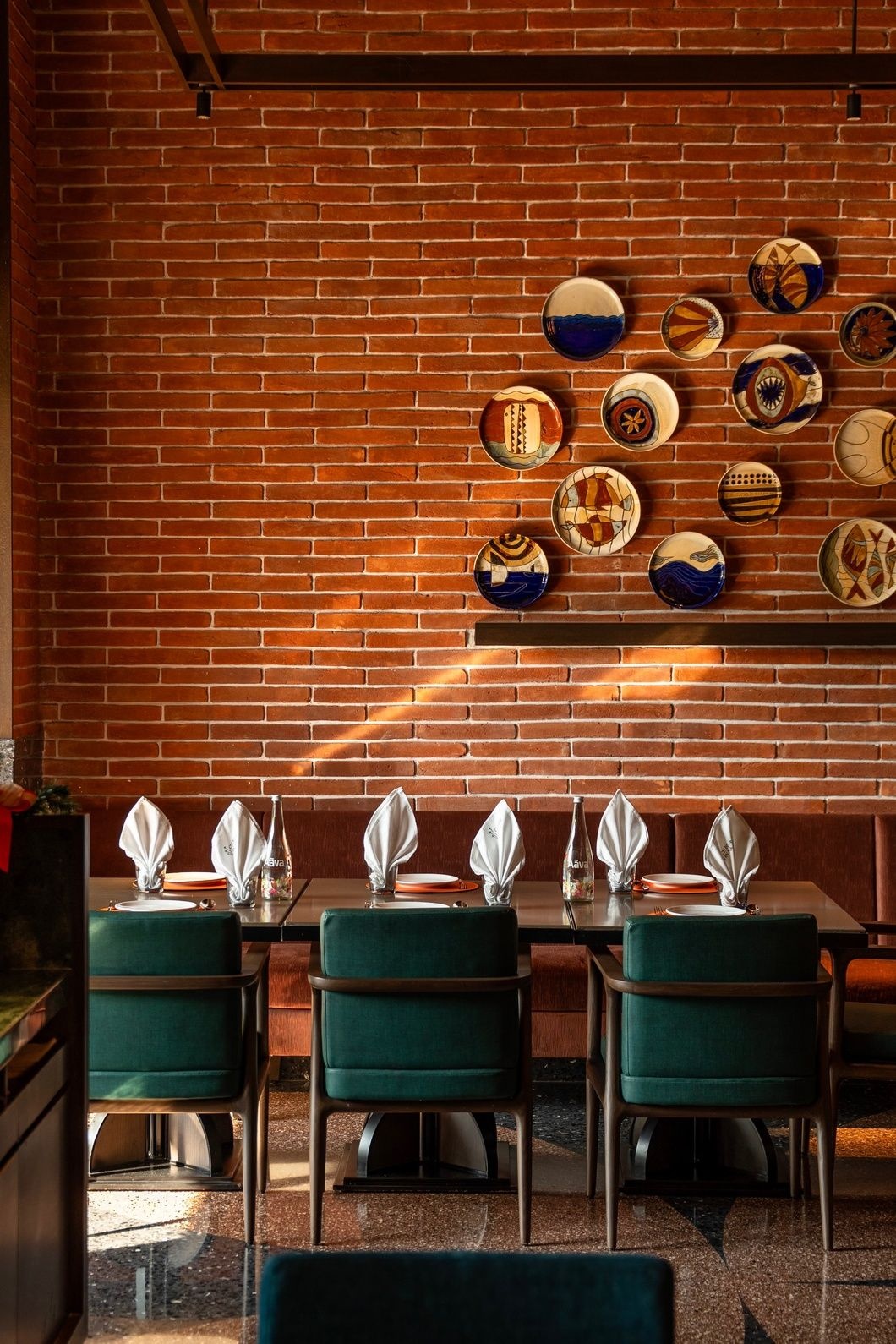
The single-page menu mirrors this clarity. It’s clean, easy to navigate, and free of over-explanation. You can take it in at a glance, which is exactly the point. The team doesn’t want diners to feel overwhelmed, and the kitchen doesn’t try to show range for the sake of it.

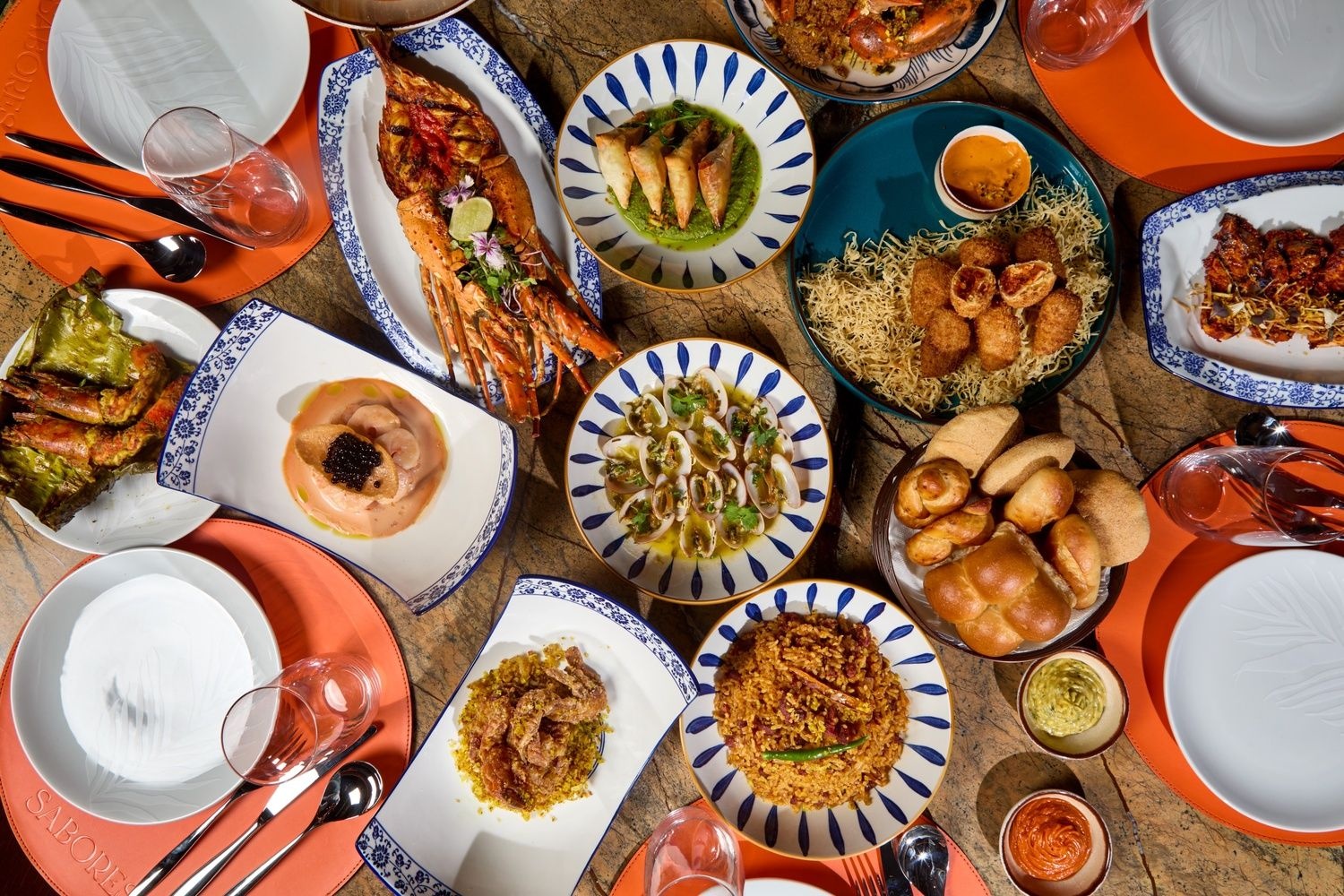
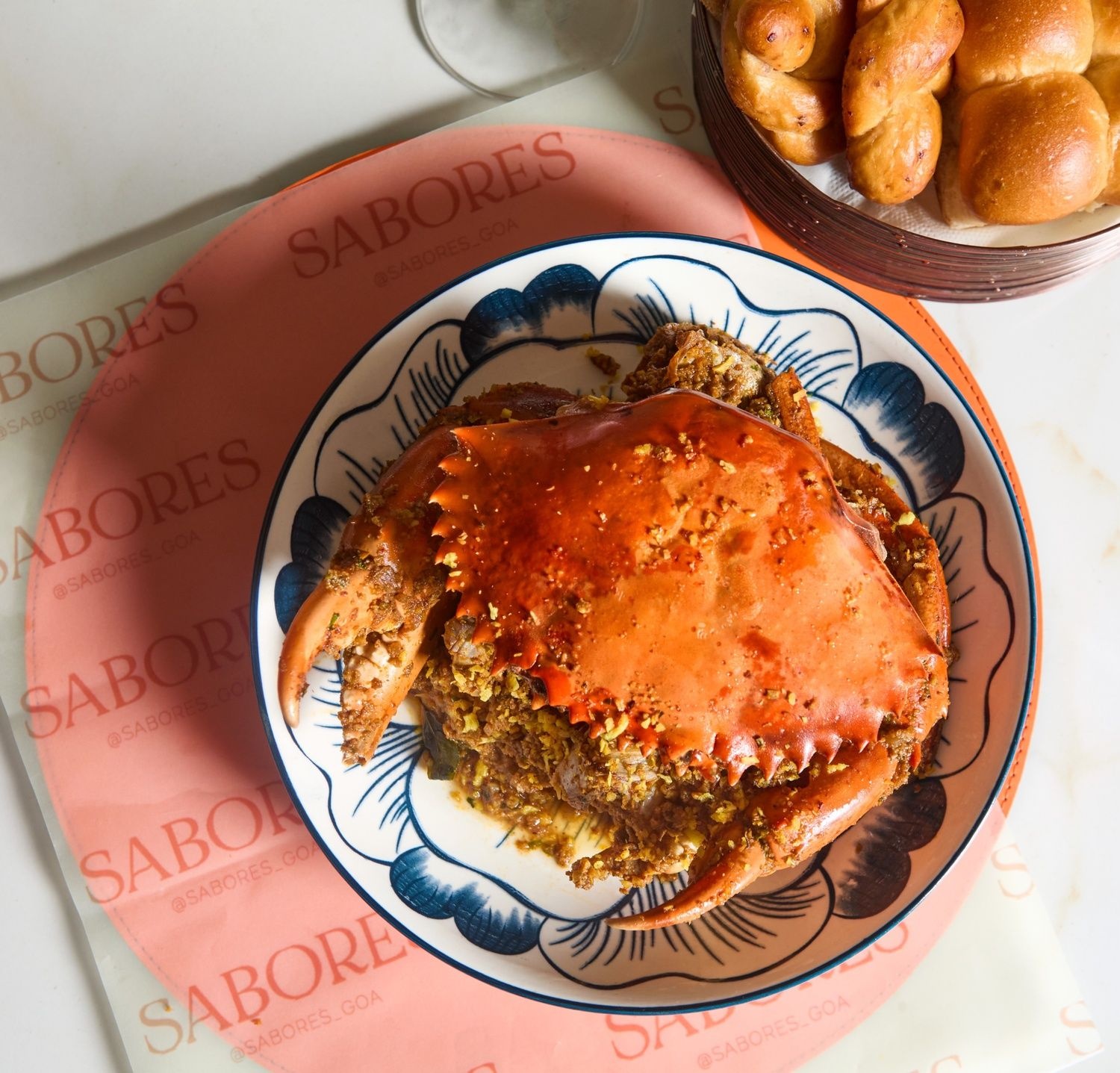
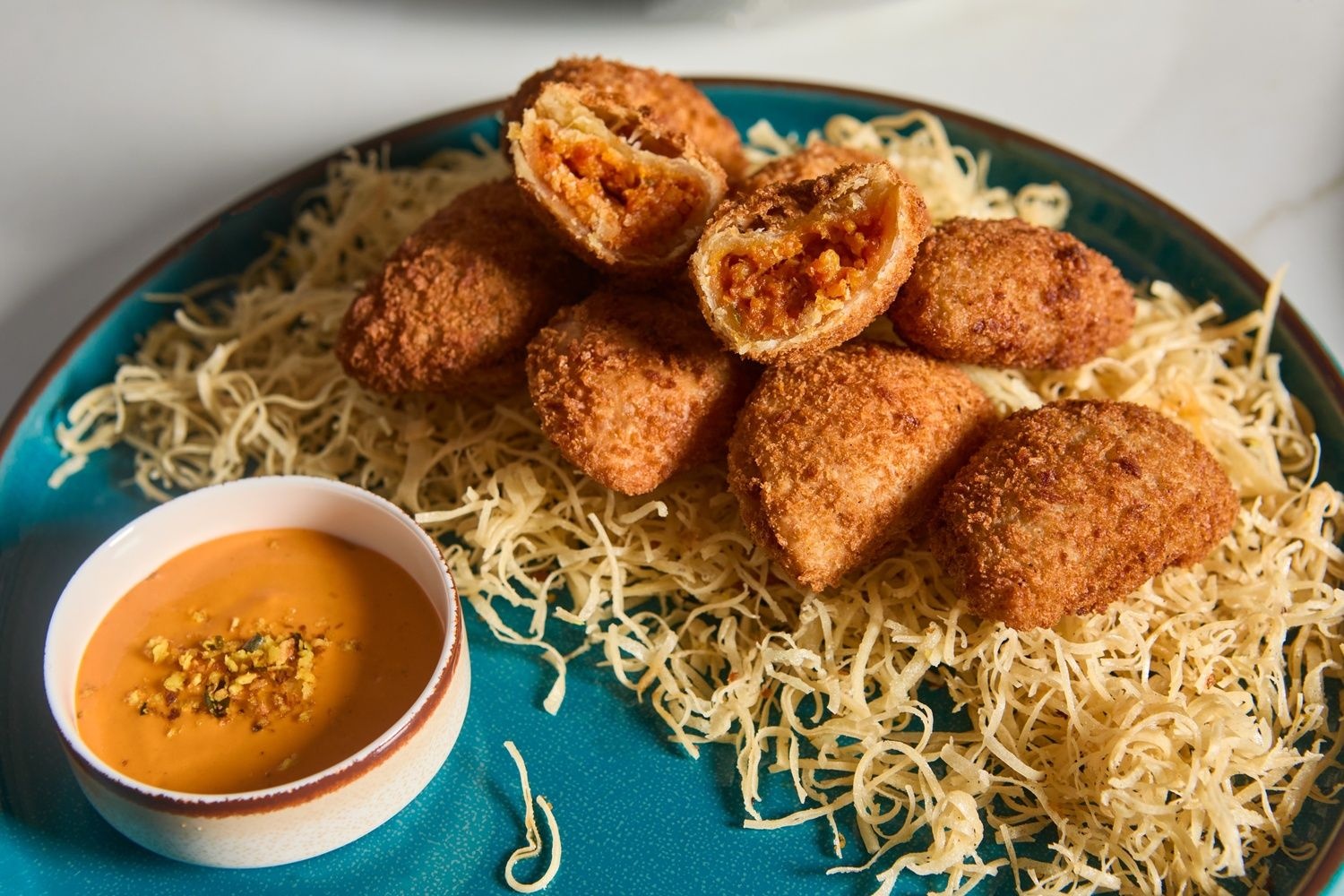
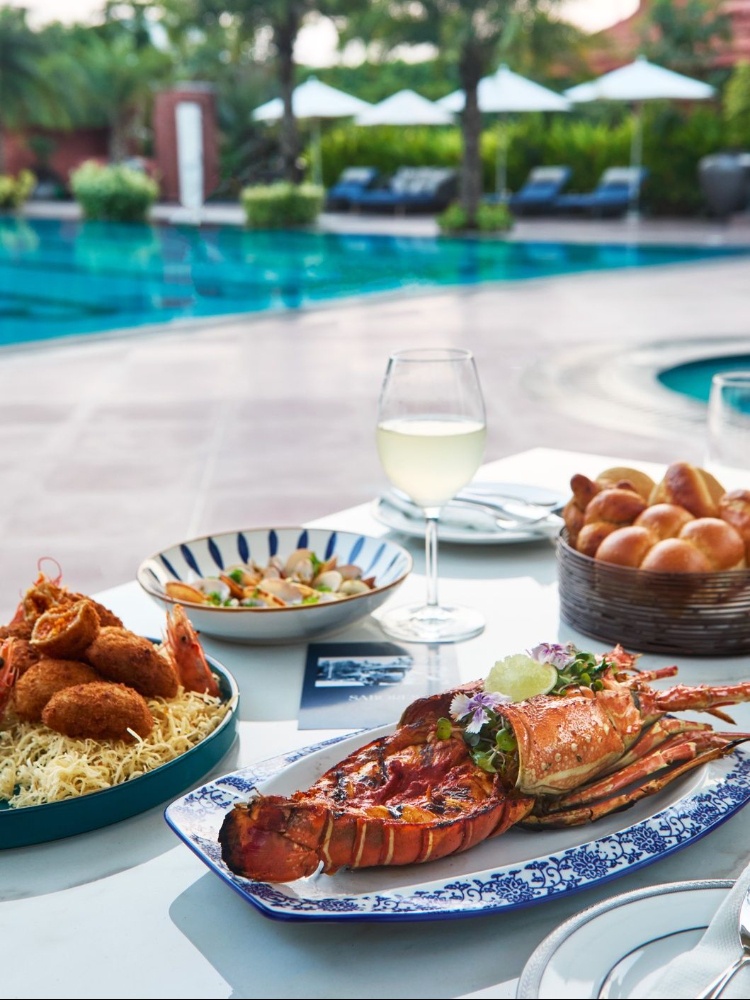
We start with the peri peri jackfruit filo samosa—crisp, light, and more about texture than heat. The stuffed crab follows, rich in a way that lets the natural sweetness of the meat shine through. A tender coconut carpaccio offers a cooling counterpoint, setting the tone early on: this is not a Goan Portuguese menu built around the heaviness that most tourists seem to associate with the local cuisine.

That sense of ease carries through the grills and meats. The charred pork belly is indulgent and caramelised without tipping into excess. The recheado sauce-glazed grills are the reason you’ll be returning here often—tangy, spicy, and full of character.

And then there’s the bread programme, which deserves its own ovation. Inspired by traditional poders, the menu spotlights Goan breads like oonde and poie as well as bread rolls that arrive warm and paired with house-made butters. The chorizo-flavoured one makes you slow down and contemplate why ordering another round can’t hurt.

The menu offers popular curries like xacuti and cafreal but goes beyond the usual with other styles of traditional Goan curry, such as a Hindu (Hooman) version that’s light, coconut-forward, and gently spiced, and a Catholic-style samarachi kodi inspired by a Ms Piedade Serrao from Divar Island, which is sharpened with raw mango and dried shrimp.

There’s also caldin, a mellow green coconut-milk curry that’s comforting, clean and full of flavour, the kind that belongs to a Goan home. The pork roast is noteworthy too—familiar, hearty, and deeply satisfying.

Across the menu, the cooking prioritises clarity. Vinegar lifts without dominating. Spice warms without shouting. “These flavours don’t need reinvention,” Quenim adds, “They need understanding.” And that understanding shows not just in what’s served but also in what’s left out.

The drinks programme is designed with the table in mind. Created in collaboration with Pankaj Balachandran of Countertop India, the cocktail list draws on Goa’s seasonal produce and flavour memory filtered through global technique. Toasted Banana Bread is built around toasted poie, whisky, banana, and coffee liqueur— indulgent on paper but well-balanced in the glass. Ain’t No Sol-Shine plays with kokum’s brightness and tartness, while the Vindaloo You Can Drink is a playful nod to the Goan staple that stops well short of gimmickry. These are drinks you’re happy to order early and keep sipping through the meal.

During my visit, I notice a table of six older diners, easily in their seventies, chatting over drinks. Balachandran’s menu may use newer techniques but leans on flavours and ingredients that they recognise and clearly enjoy, judging by the loud guffaws from their table. At another table, children take turns requesting songs from the singer, who happily obliges. They are two very different generations, completely at home here. Somehow, Sabores manages to feel current without being exclusionary. It lets you sit with the meal, enjoy familiar flavours done well, and leave feeling taken care of. And most importantly, it knows when to let the food have the last word.

Meal for two: ₹3,000
Timings: 12 pm to 1 am; open all days
Address: Sabores, Clube de Palma, next to Grand Hyatt Goa, Aldeia de Goa, Bambolim, Goa
Reservations: Call +91 9699751872

The Nod Newsletter

We're making your inbox interesting. Enter your email to get our best reads and exclusive insights from our editors delivered directly to you.