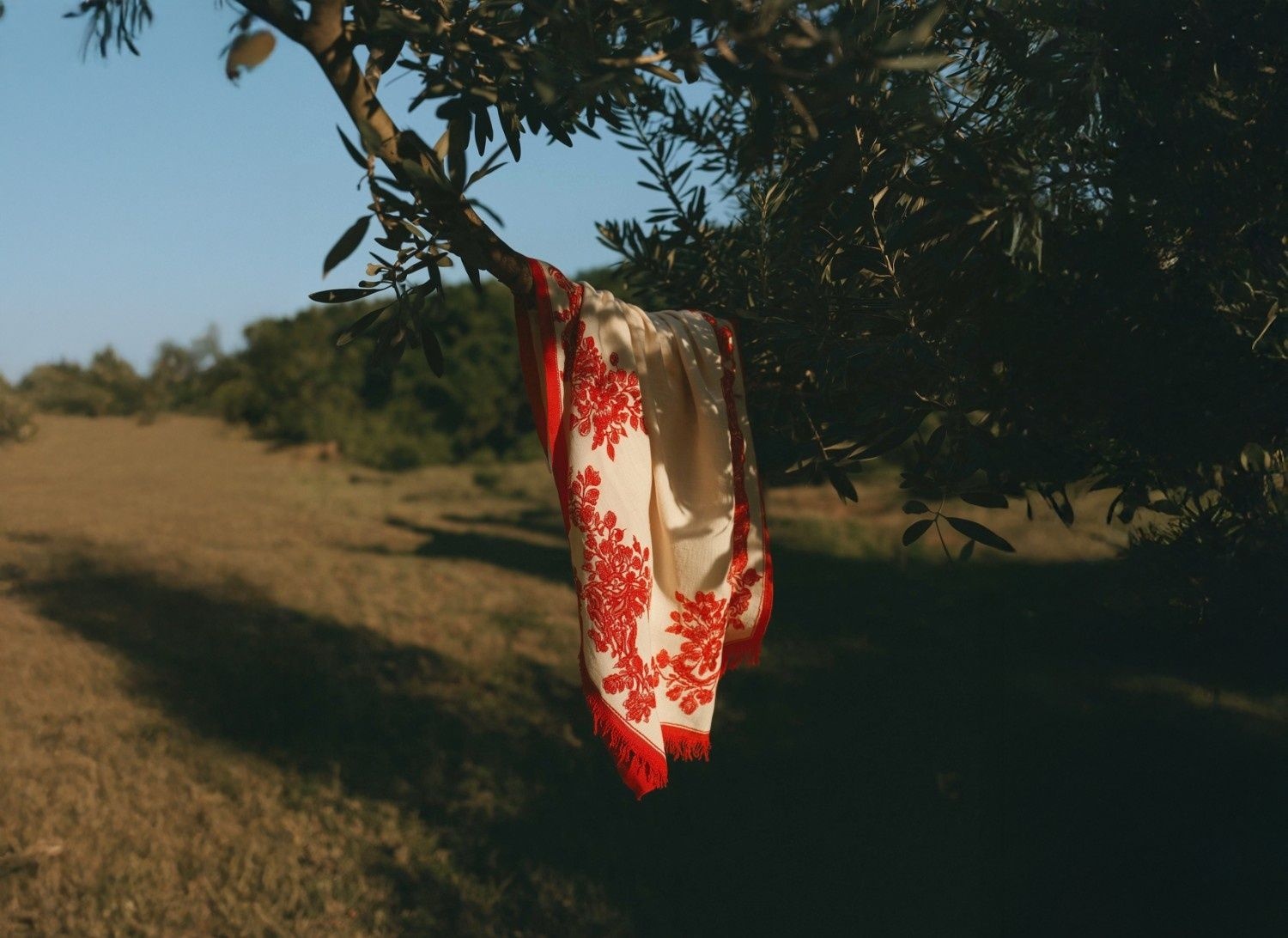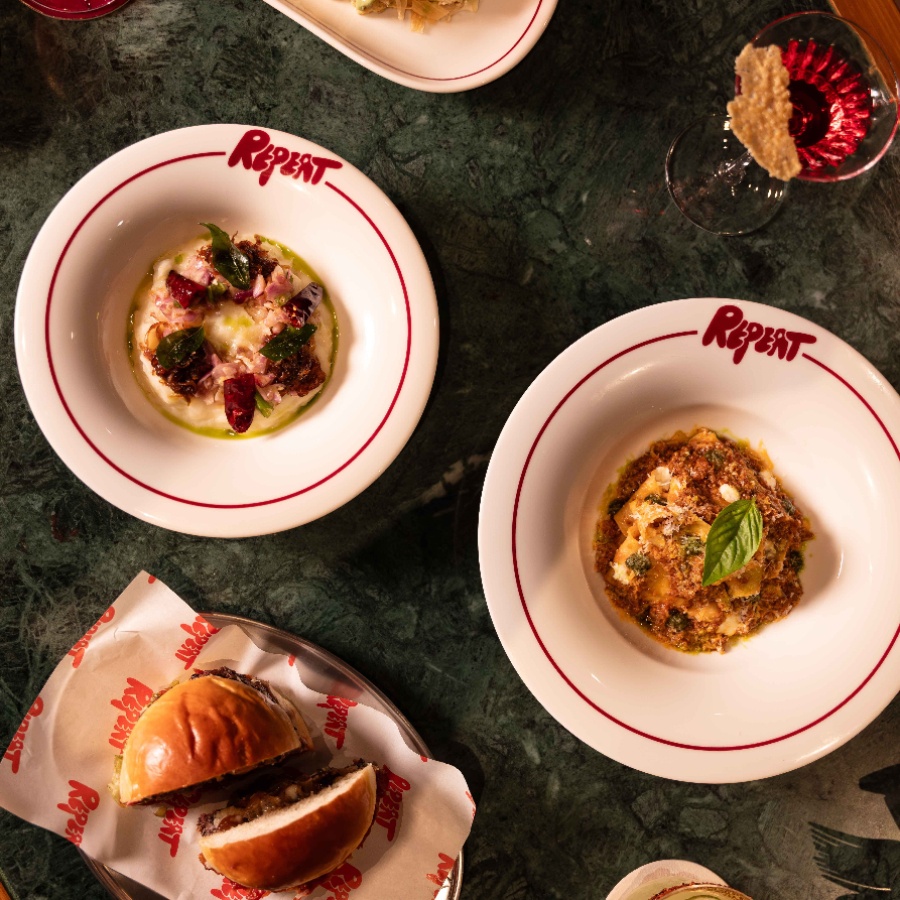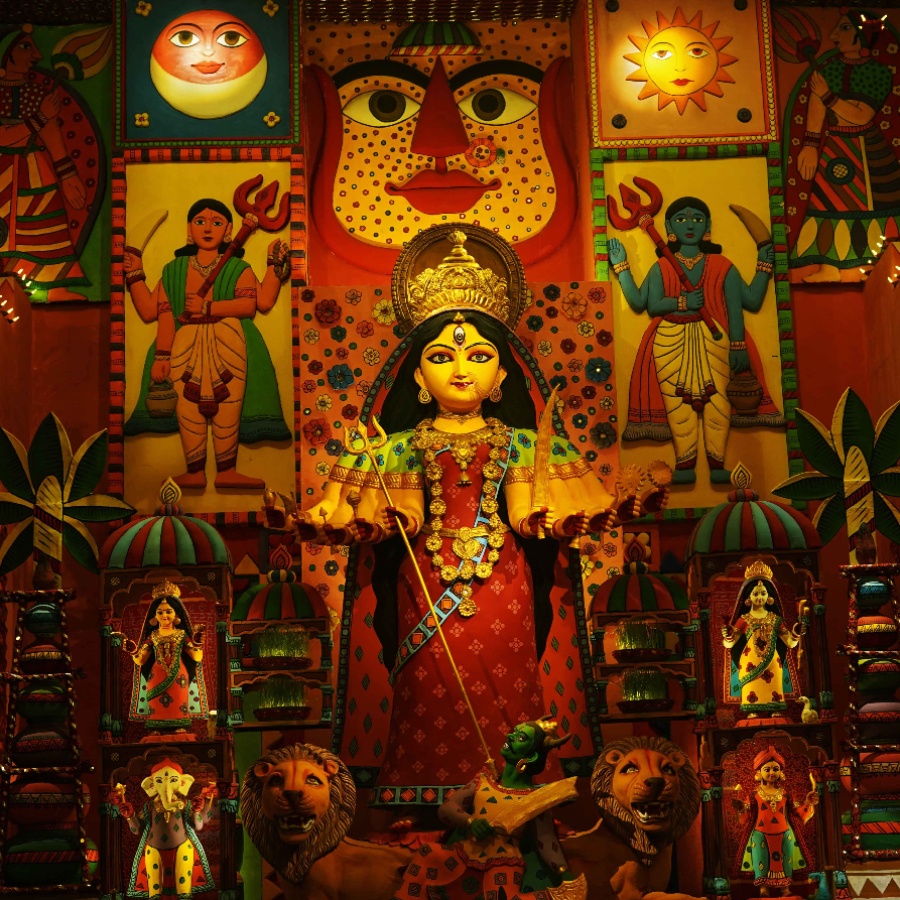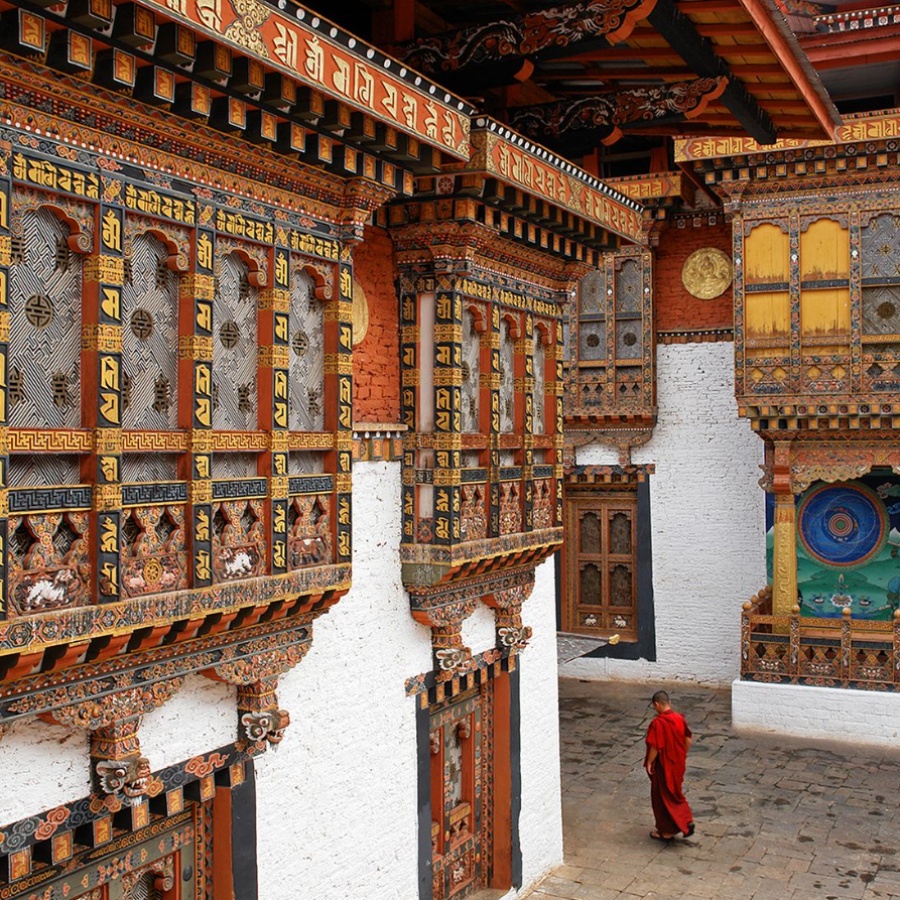




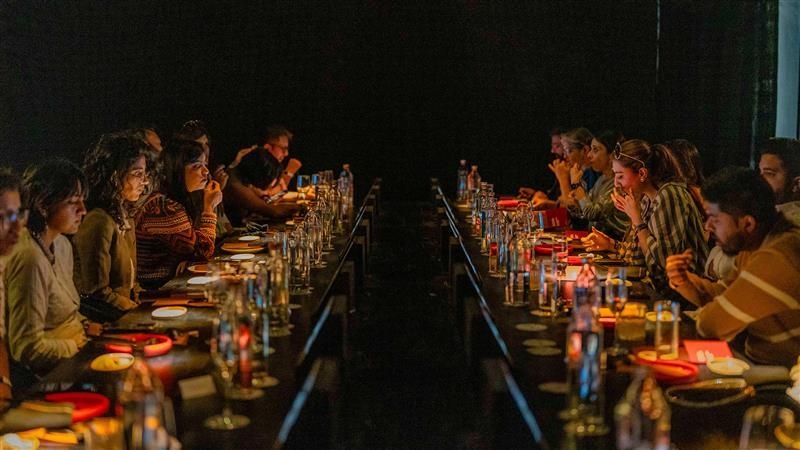

When chef Niyati Rao unfurls her blood-red Paithani sari—a wedding gift from her father-in-law, its border thick with multicoloured flowers and gold—her mind doesn’t drift to ceremonies or heirloom traditions. Instead, she sees a fruit basket. “My mind goes to food at the end of the day,” she admits. The chef behind Ekaa, Bombay Daak, and KMC Bar & Bistro now channels this instinct into her most audacious project yet: translating India’s textile heritage into edible form.
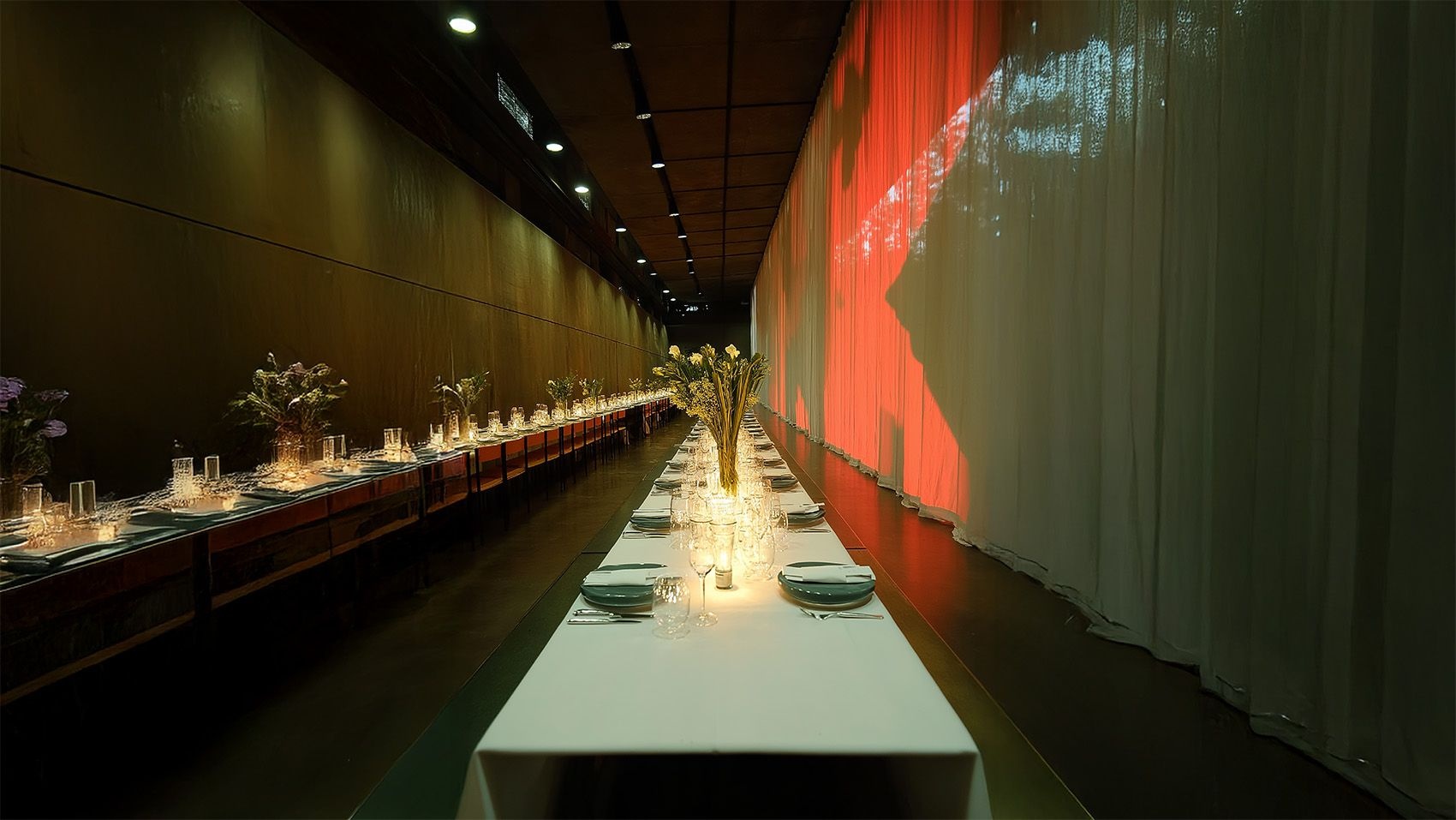
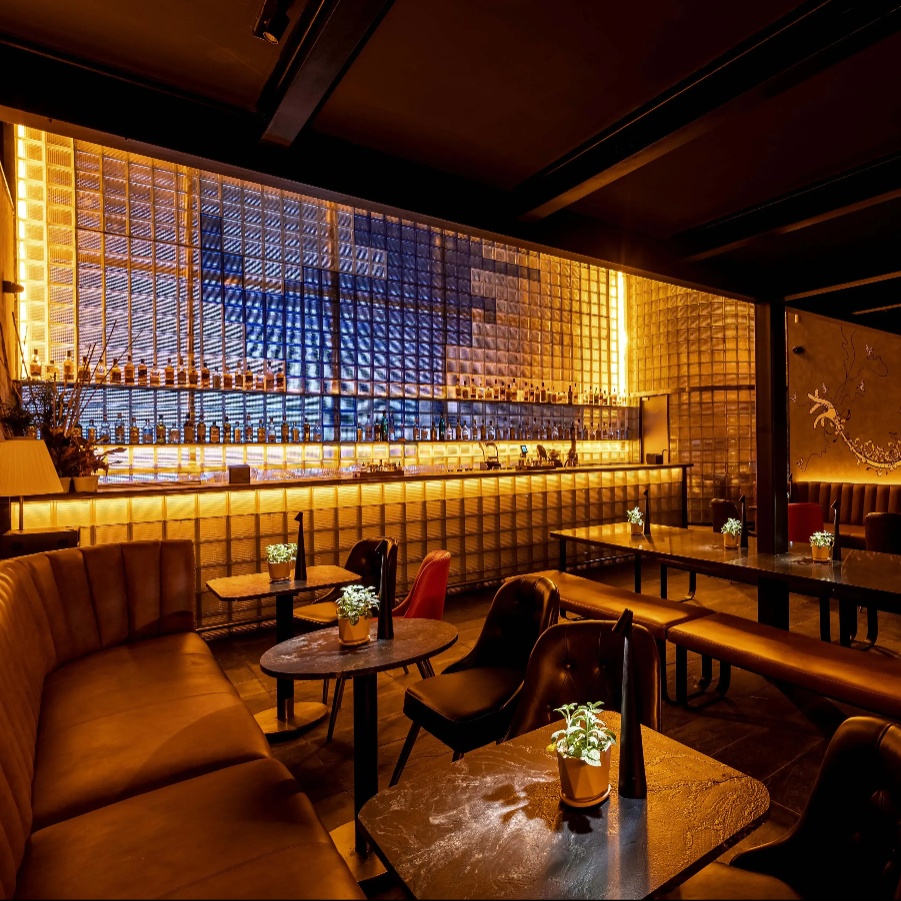
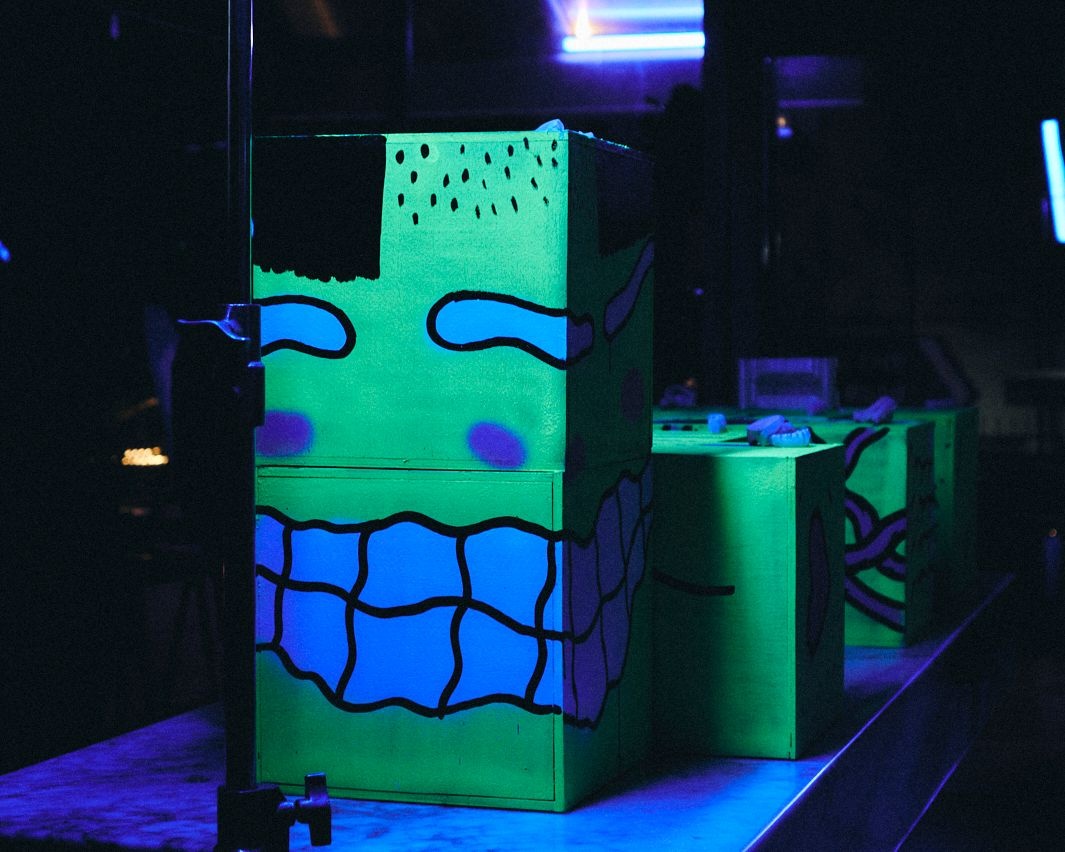
Next weekend, from January 16th to 18th, Mumbai’s storied Mukesh Mills will host The Gathering, a tightly curated cultural festival spotlighting collaborations between chefs and artists. Building on its successful Delhi debut last year, the festival’s second edition is anchored by five chef-artist pop-ups. They’re intimate, ephemeral dining experiences of five courses or more for just 20 guests per seating, each offering a distinct culinary manifesto shaped by its collaborators.
Besides Rao, other creative collaborations on the table include Goa’s chef Bawmra Jap of Bomra fame with photographer Pablo Bartholomew, who maps the culinary identity of the Kachin people across Northern Burma, Northeast India, and Yunnan, celebrating cross-border flavours through pickled tea leaf salad, Shan tofu, and tamarind pork. Padaria Prazeres’s Ralph Prazeres folds his Goan childhood into his classical European training at ‘The Parisian Fold’, while artist Ankon Mitra interprets this duality by folding shapes into forms where familiar elements become something entirely new. Kolkata chefs Doma Wang and Sachiko Seth, work with artist Udit Mittal to reconstruct Wang's childhood home in Kalimpong for ‘The Noodle Factory’—a living installation where the scent of dough, the rhythm of rolling pins and bamboo presses, and the warmth of steam recreate decades of family craft and care. And at ‘Connective Perspectives’, chefs Priyam Chatterjee and Rishabh Seal join artist Akshita Garud of Two Odd to explore whether home is a place or a feeling—something assembled through people, memories, and objects rather than inherited.
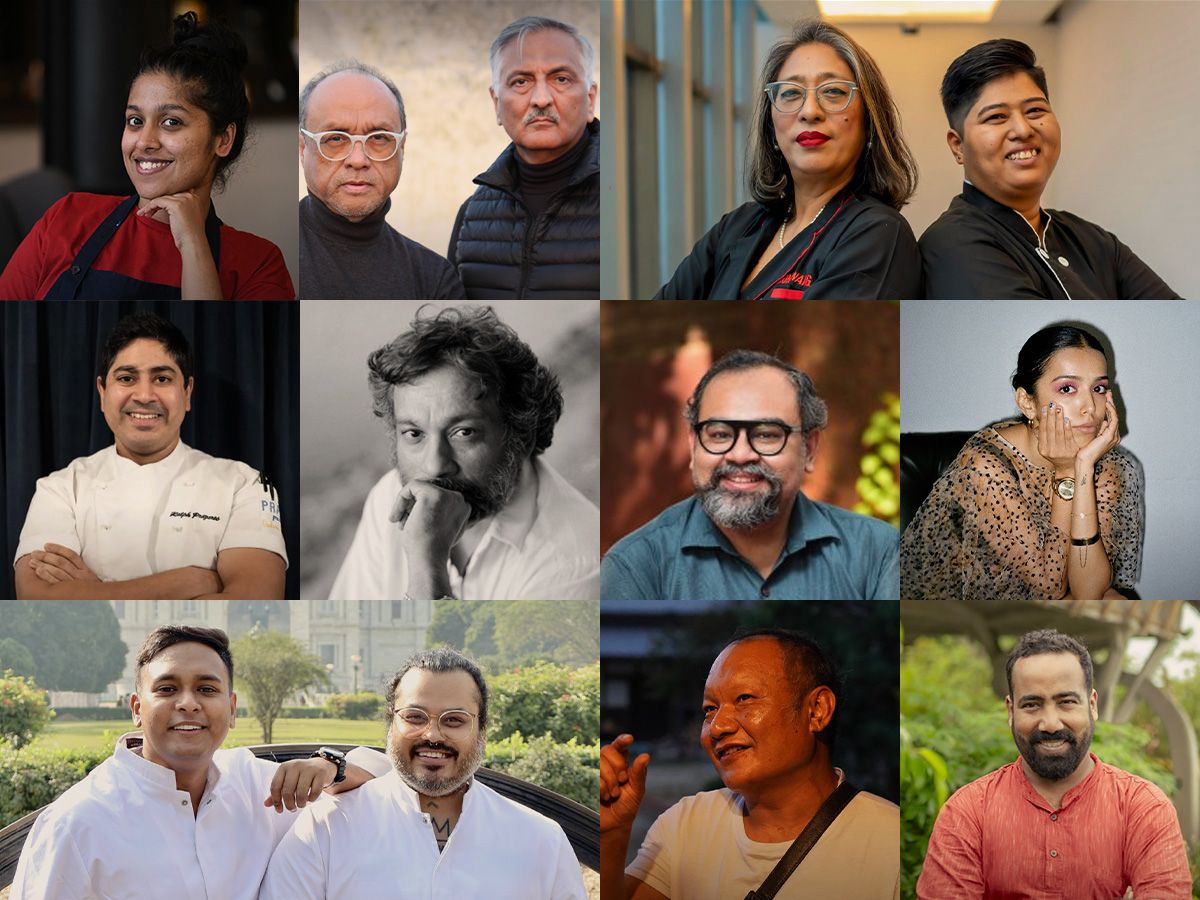
13 chefs and creatives from across India are part of the Mumbai lineup of The Gathering
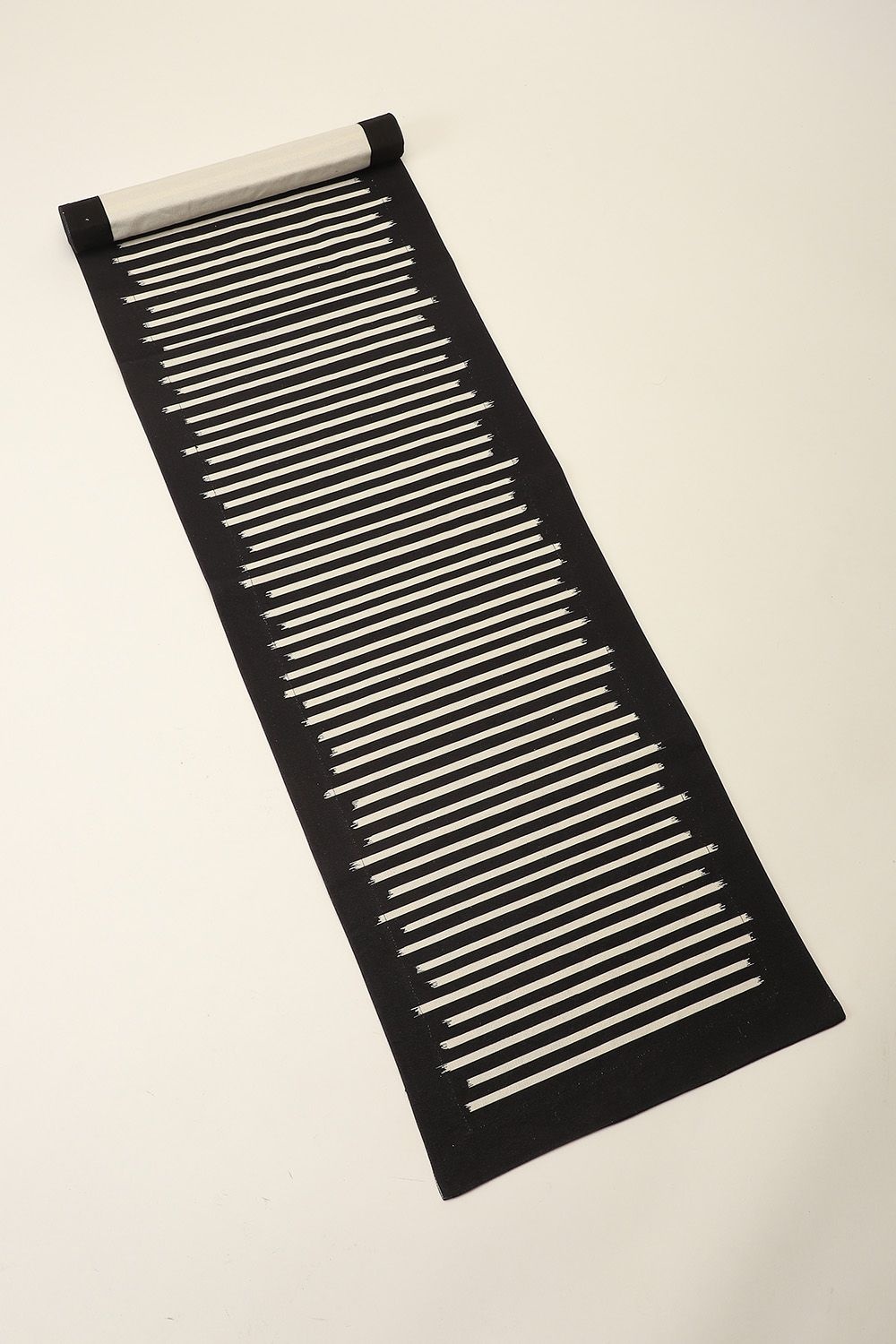
Among these creative pairings, Rao has partnered with fashion designers Abraham & Thakore to create ‘Taste. Terrain. Tapestry’—a meditation on the intimate companionship between fabric and flavour, arguing that what we wear and what we eat are cut from the same cultural cloth. Each course interprets a different textile tradition, transforming the visual vocabulary of India’s diverse weaving belts into something you can taste.
“I just want people to have a great meal, but also have that wonderful wonderment of a child,” Rao tells me ahead of the event. “Maybe the chef thought, what would a sari feel like if she could make it edible—would this be it?”
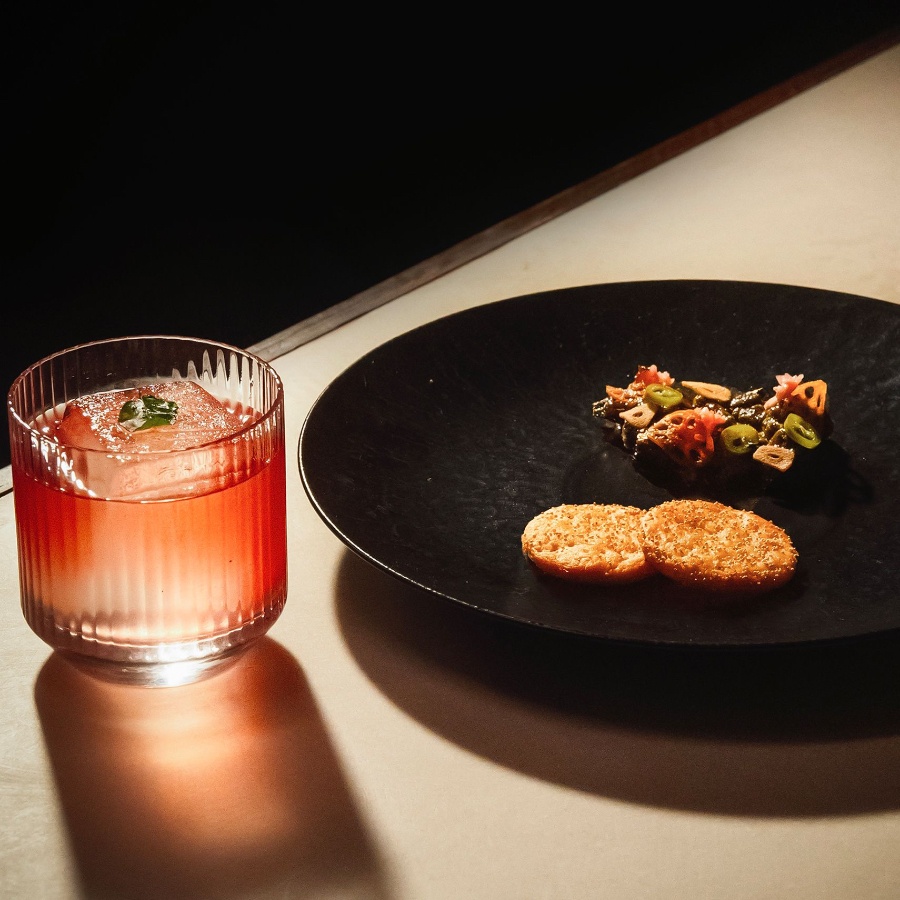
It’s in the Paithani course that her blood-red sari finds its culinary expression. Rao reimagines Mumbai’s beloved ice cream sandwich—the ‘wafer wala’ that she and her kitchen staff devour regularly—as a multi-layered tribute to Maharashtra’s iconic textile. Koshimbir gel and thecha foam, modak gelato, and a beetroot-forward Bombay sandwich sorbet alongside kokum gel, each element capturing one of the Paithani’s integral colours.
The chikankari-inspired course channels Lucknow’s delicate embroidery. For this, Rao’s kitchen transforms sticky rice into paper-thin mochi sheets, painting them with Nagpur orange blossom-flavoured royal icing in patterns that echo chikankari’s intricate white threadwork. Beneath this edible textile lies a confection made from winter beetroots roasted inside clay masks over coal until they steam without charring, transformed into something that splits the difference between Lonavala fudge and the unusual vegetable-based halwas Lucknow is known for. It’s not Lucknowi cuisine, exactly but it’s Rao’s interpretation of what chikankari would taste like if it could be eaten.