




Some of us go to extraordinary lengths to save the planet. Some court endangered species or chart perilous landscapes to fulfil their mission. Some voluntarily maroon themselves on remote, uninhabited islands to document rare turtle species. Others explore wilder climes in pursuit of the elusive snow leopards.
The naysayers may write them off as eccentric or romantics, impractical to the point of illogical. Yet, these awe-inspiring, often self-effacing figures, who undertake expeditions in groups and by themselves, remain largely unsung.
If their steadfast, almost stubborn commitment can nudge the scales towards saving the planet even slightly, they deserve to be recognised. More importantly, their work should serve as a wake-up call to all of us—a reminder to question the unchecked march of ‘development’ and reconsider how we treat the world that sustains us.
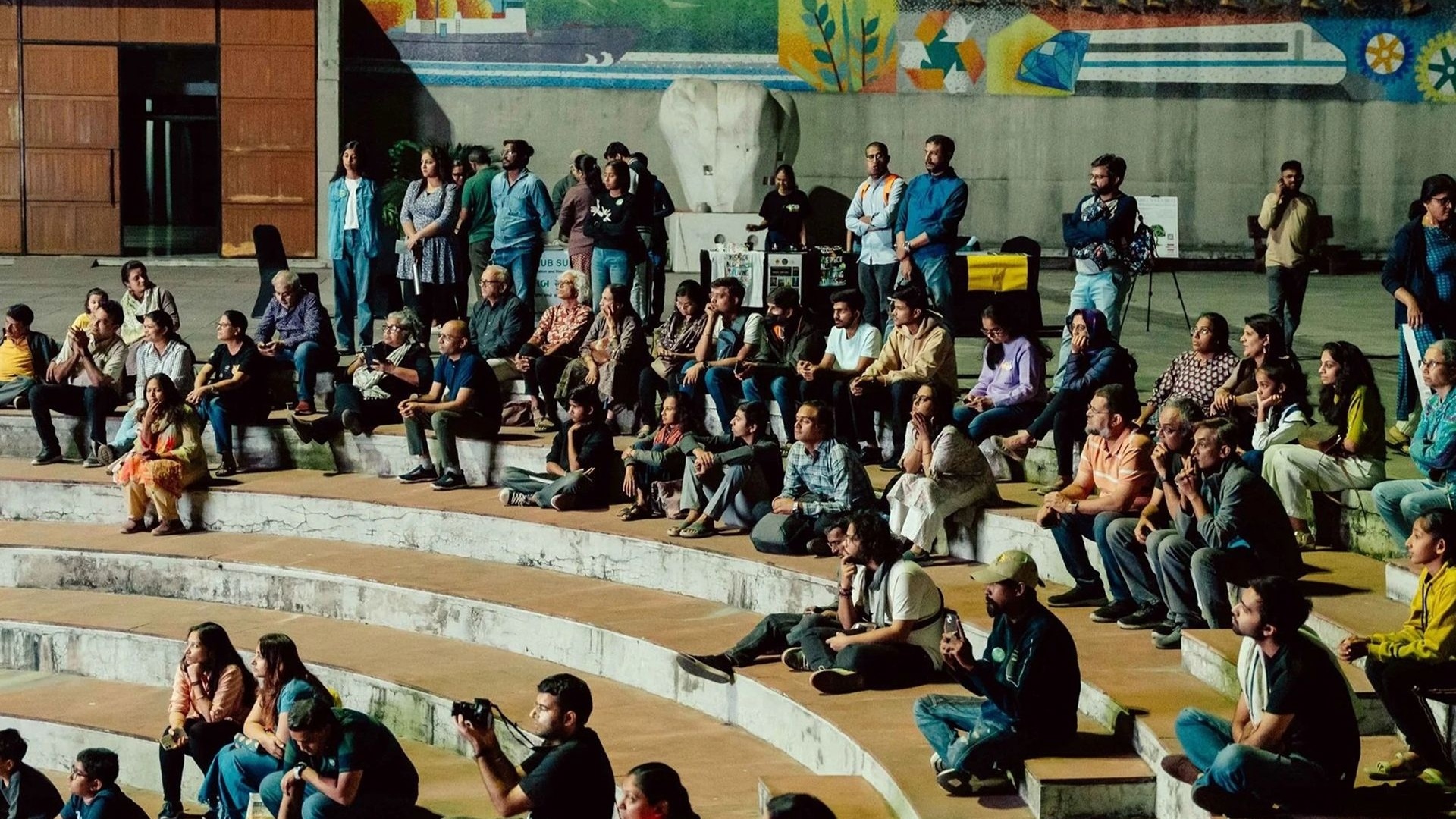
The All Living Things Environmental Film Festival (ALT EFF) embodies that sprit. First launched in 2020 as a virtual festival, ALT EFF has since then evolved into a “democratised watch-party movement” giving viewers the chance to engage with powerful environmental stories. Its sixth iteration runs until December 14, showcasing 86 films from 39 countries, with screenings held in 33 cities, including Mumbai, Pune, Bengaluru, Udaipur, Surat, Indore, Chennai, Panjim, and Delhi, among others. “We’re living in a moment where climate change feels both overwhelming and strangely invisible. We scroll past headlines, but we don’t always connect to the human stories behind them,” says festival director and co-founder Kunal Khanna.
“Films, however, make the crisis impossible to ignore and forget. It replaces fear with empathy, turns statistics into faces and futures we care about, and shows us that solutions already exist. And most importantly, it brings people together to talk, question, and take action locally,” he says of his impetus for the festival.
Every year, the festival has a curated selection of homegrown and international shorts, feature films, and animated and student works. Each film is made with the intention of stirring something deep within the viewer and shifting their perspective.
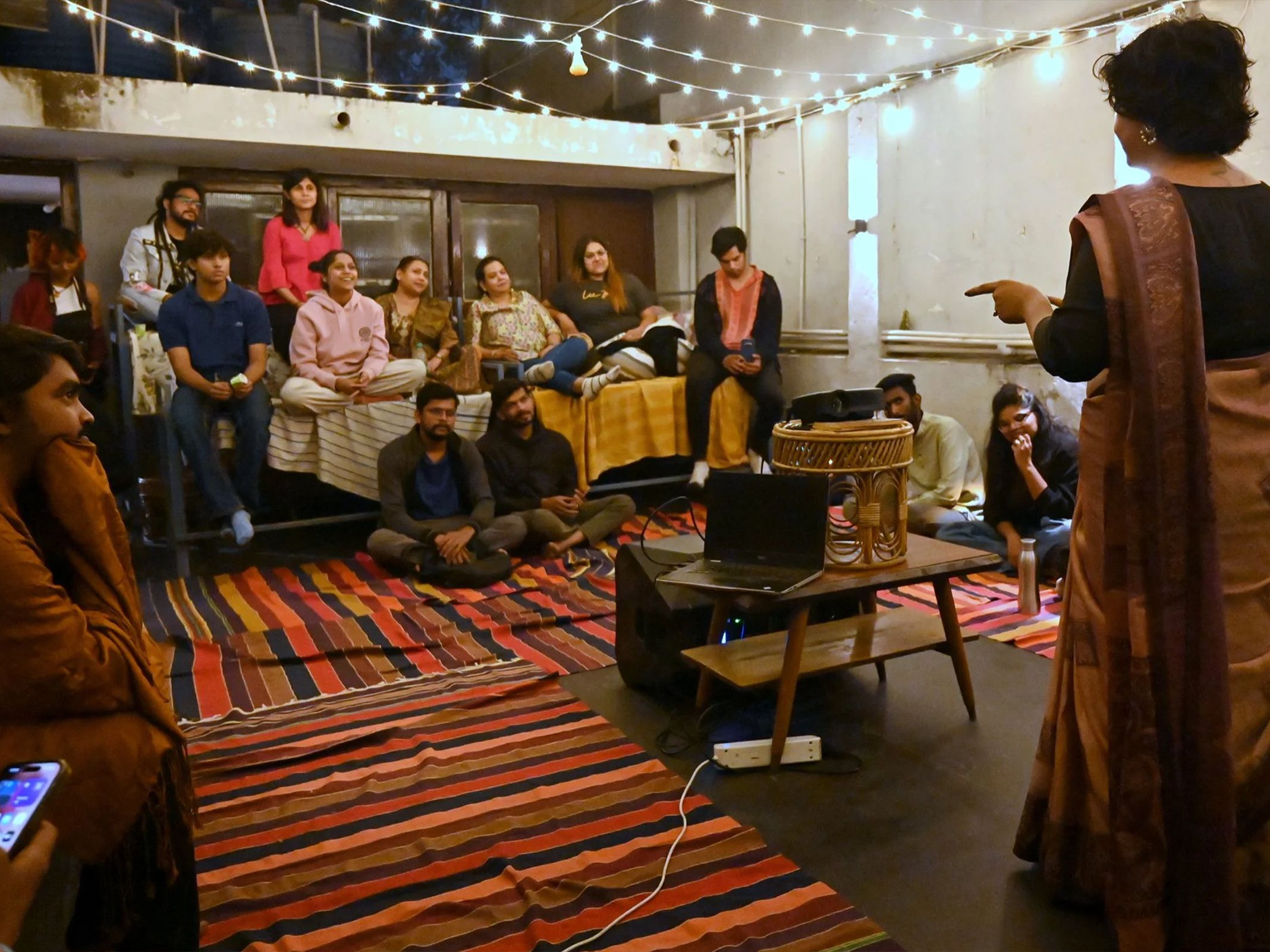
Screenings in Chhattisgarh
Among this year’s incredible lineup is Turtle Walker, a fascinating portrait of Satish Bhaskar, the man who was single-handedly instrumental in building India’s most rigorous turtle conservation efforts. Directed by Taira Malaney, the dramatised documentary gives an exclusive window into Bhaskar’s life, with the late veteran marine biologist narrating his own story.
Supported by Zoya Akhtar and Reema Kagti’s Tiger Baby Films, Turtle Walker opened this year’s festival. “For us, Turtle Walker is not just the story of a remarkable conservationist, it is also an invitation to look closely at the fragile balance we share with nature,” the duo said over email. “ALT EFF’s ethos of celebrating storytelling that nudges awareness and action makes it the perfect home for this screening in India.”
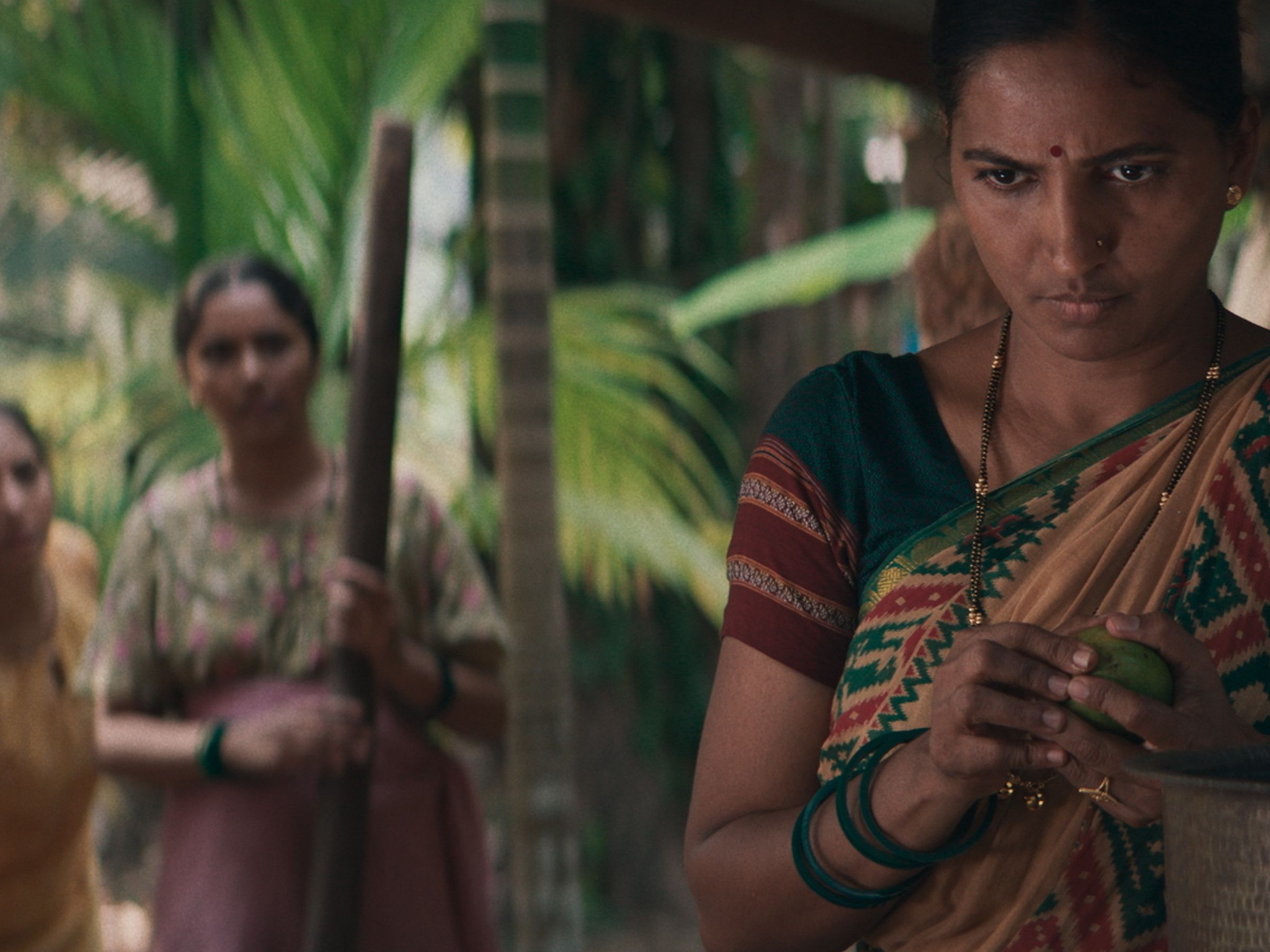
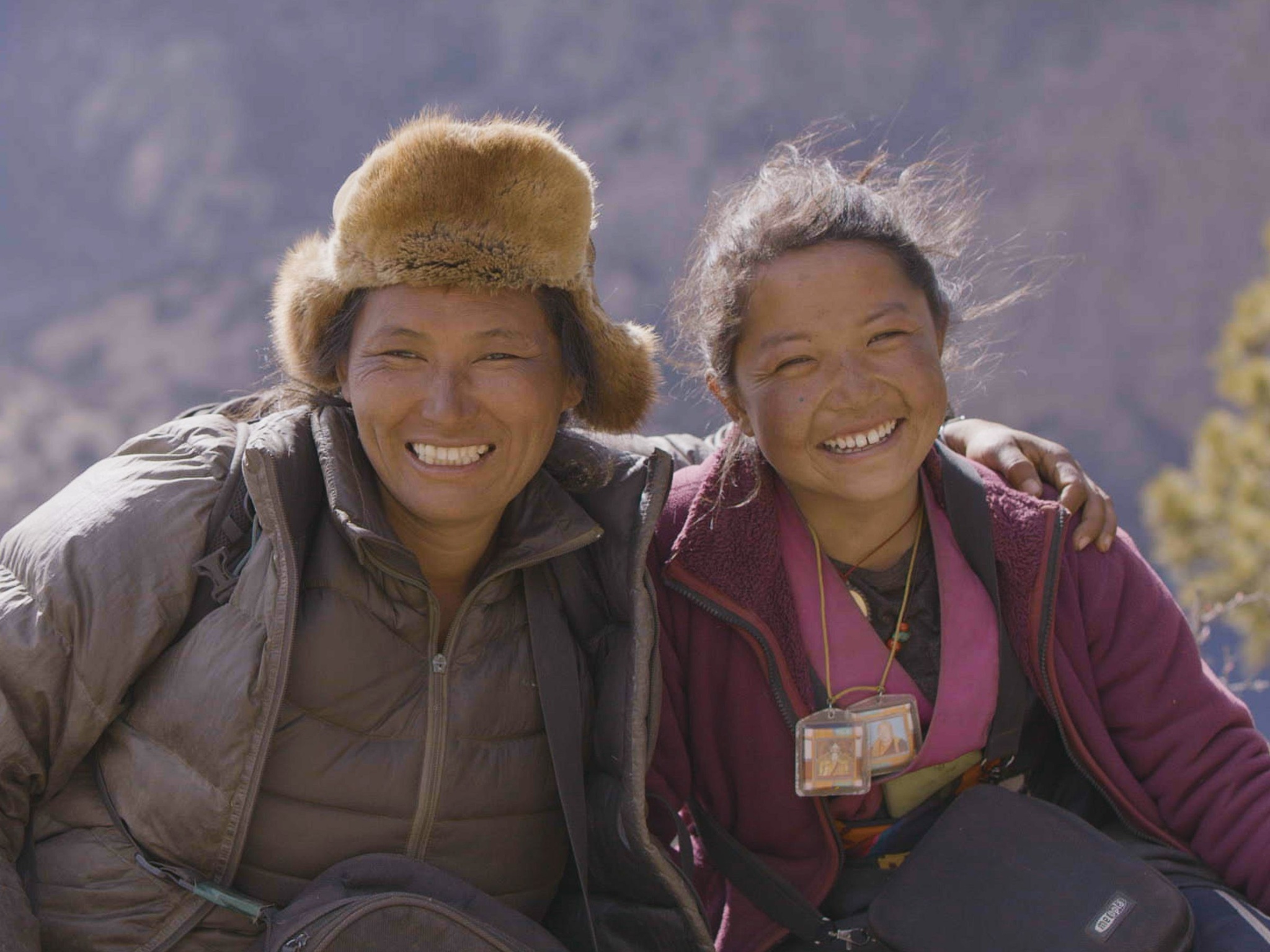
The festival also includes films like Panha, a Marathi short film produced by Dia Mirza, and the Kiran Rao-backed AI drama Humans in The Loop. Another documentary, Snow Leopard Sisters (directed by Ben Ayers, Sonam Choekyi Lama and Andrew Lynch), makes its India premiere at the festival. It follows two indigenous women as they traverse the arduous, snow-covered Doplo mountains in Nepal in search of the enigmatic snow leopards.
The feline beasts have been attacking the villagers’ cattle, and fear has turned quickly into hostility. Wildlife conservationist Tshiring Lhamu Lama and her 17-year-old mentee from a pastoral community begin their journey as strangers, bound by an innate desire to understand the wild cats more deeply. Their goal is to develop technologies that can help prevent future attacks—shielding the livestock while also protecting the leopards from retaliatory killings. The documentary is a compelling testament to the power of women in conservation, particularly in remote, high-altitude regions.
Made in Ethiopia captures the upheaval unfolding in a rural region of the country as a vast Chinese industrial complex consumes farmland, leaving local farmers without work and without government compensation. Inside the complex, factory workers endure long hours and meagre wages. The film lays bare a clash of cultures and an unmistakable imbalance of power between the Chinese factory boss, Motto, and Ethiopian workers like Beti and farmers like Workinesh. It places China’s expanding footprint in Africa into stark perspective.