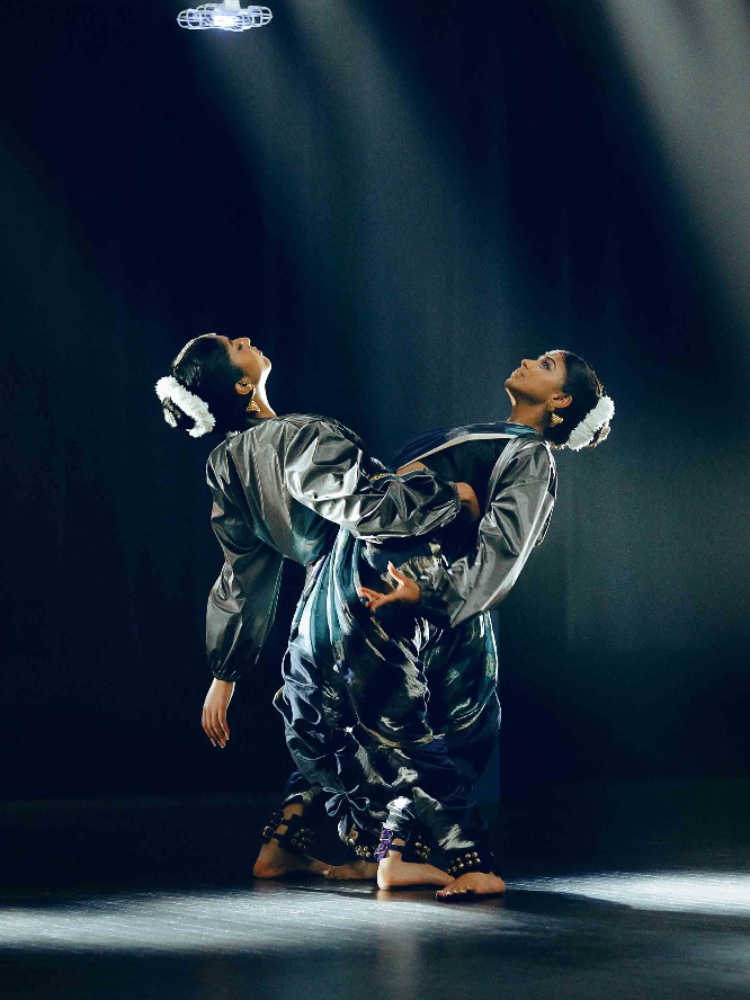




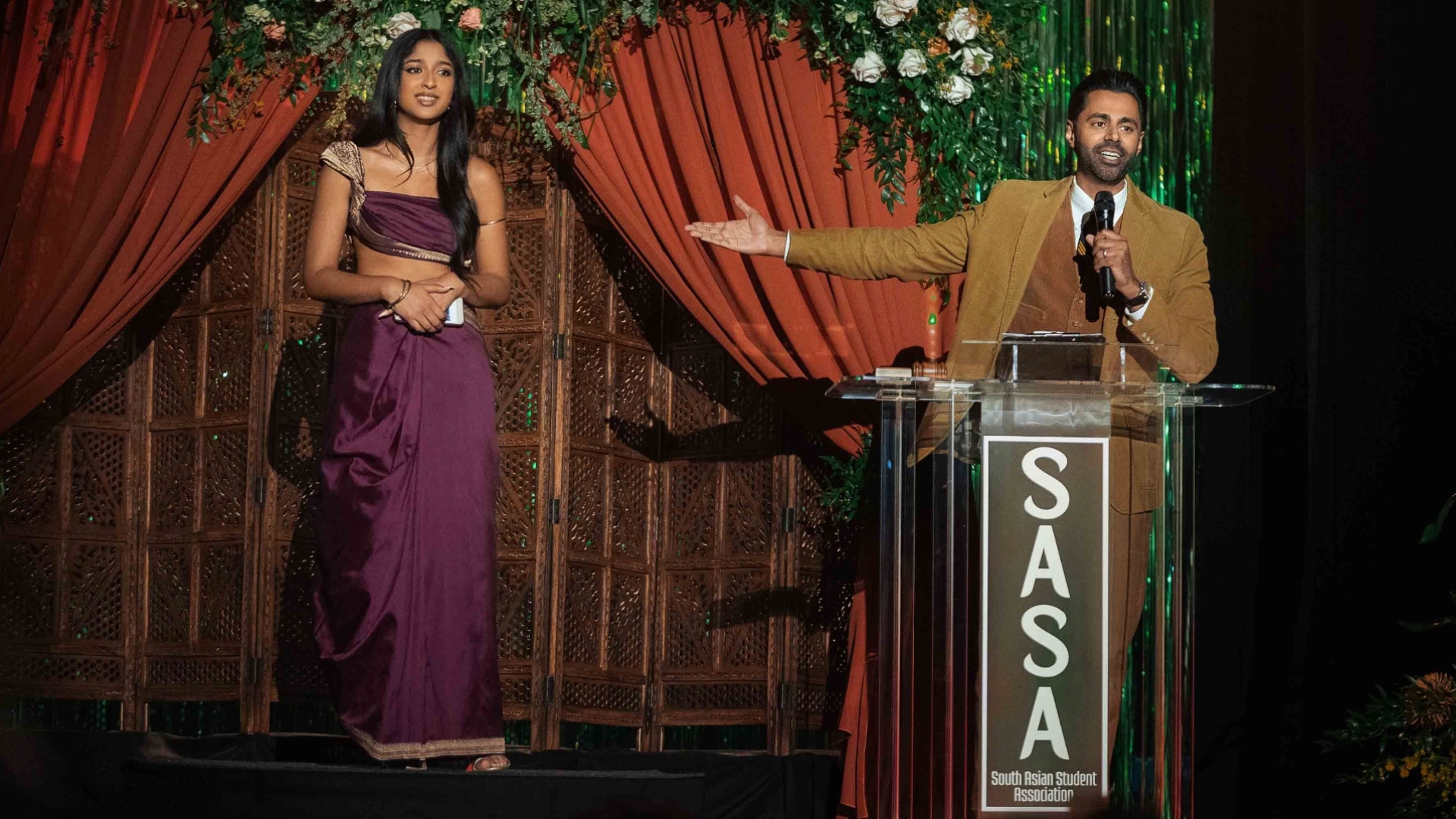

In the weeks leading up to the release of the Best of the Best, French-Tamil choreographer Usha Jey dropped a dance film set to Doechii’s ‘Hide N Seek’, starring Maitreyi Ramakrishnan. The film saw Ramakrishnan perform Jey’s signature ‘Hybrid Bharatnatyam’ dance form in a plain white sari fastened at the waist with a gold kamarbandh, finished with a sleek, low thread-wrapped ponytail—simple, but memorable. It felt like a prelude to the world Best of the Best was about to enter: one where South Asian tradition and contemporary dance culture converge.
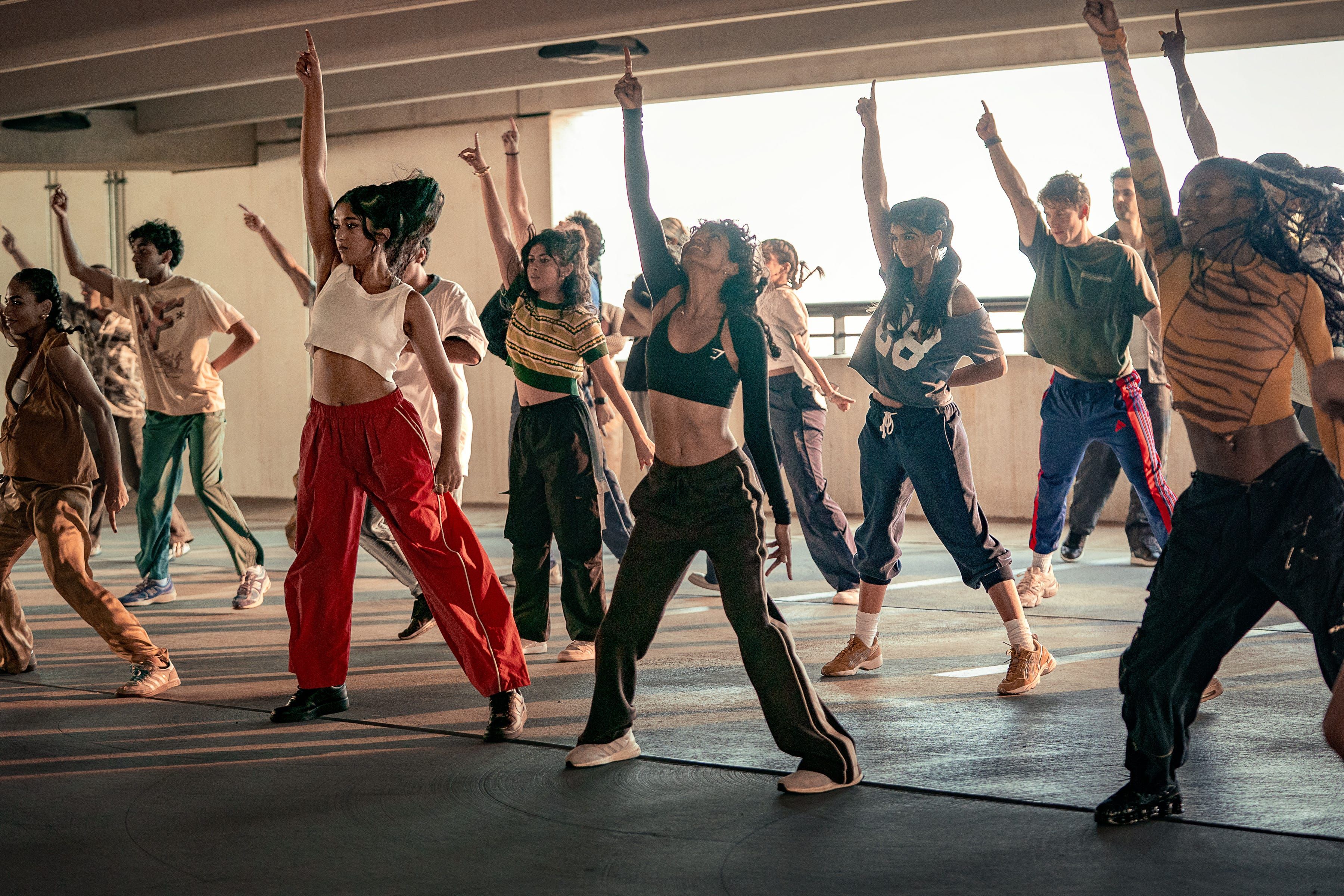
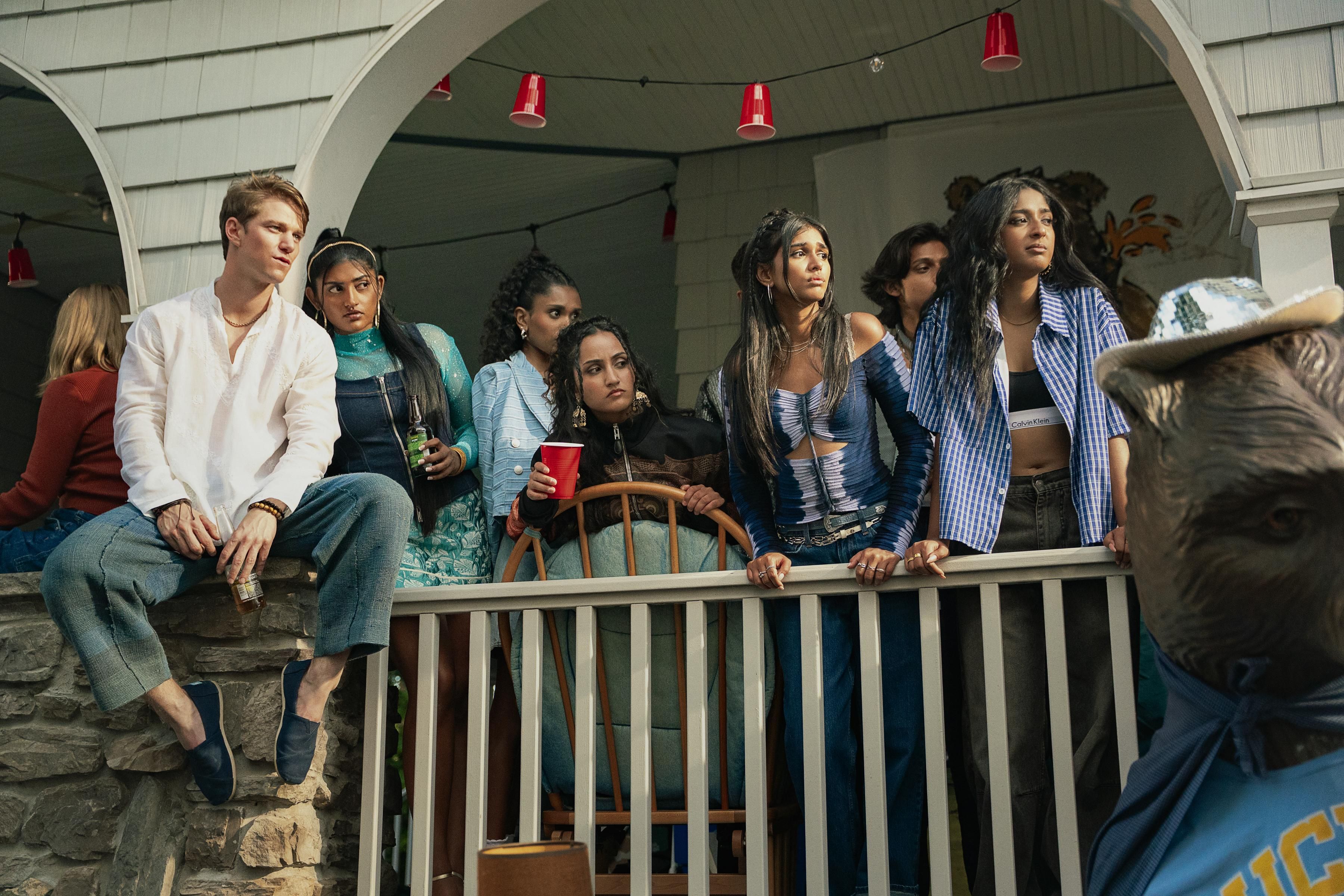
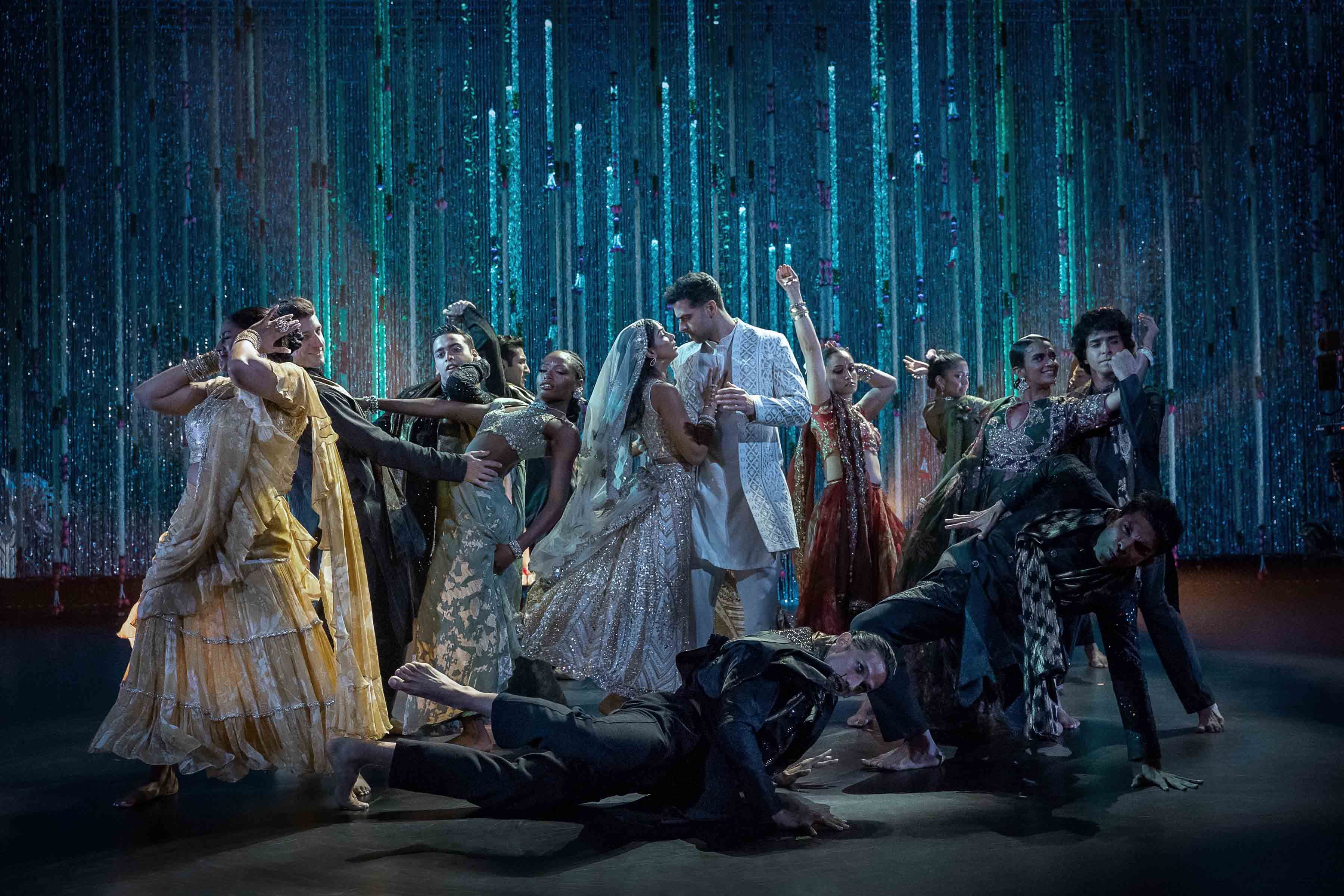
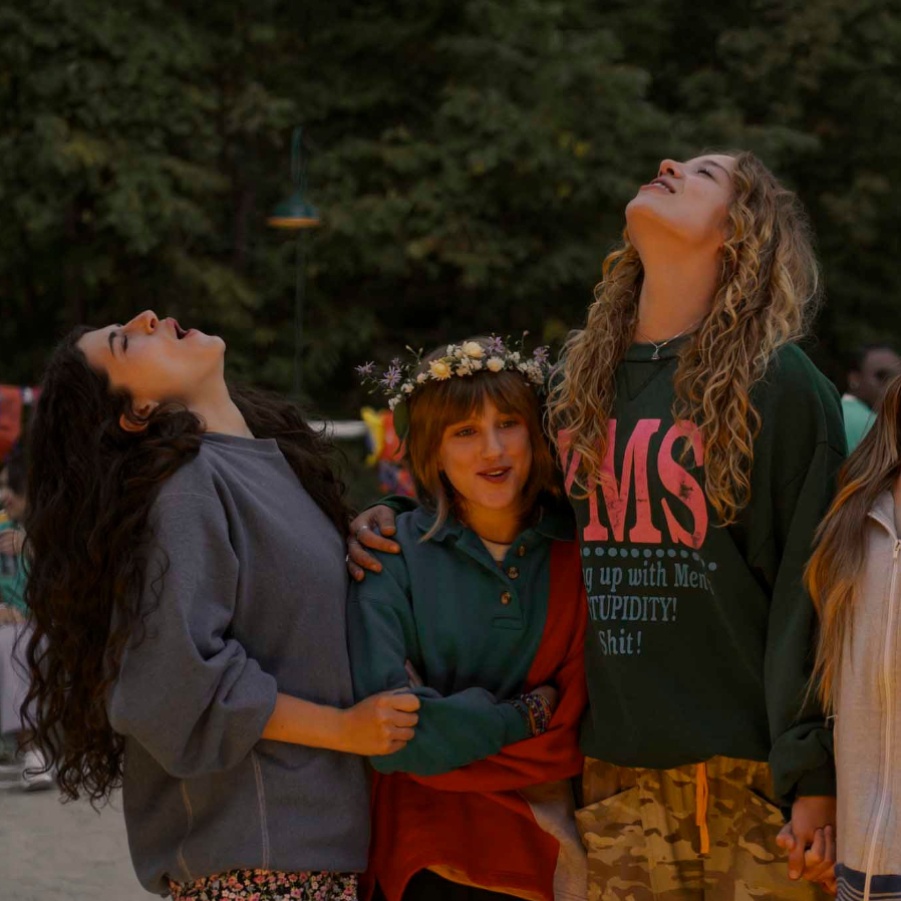
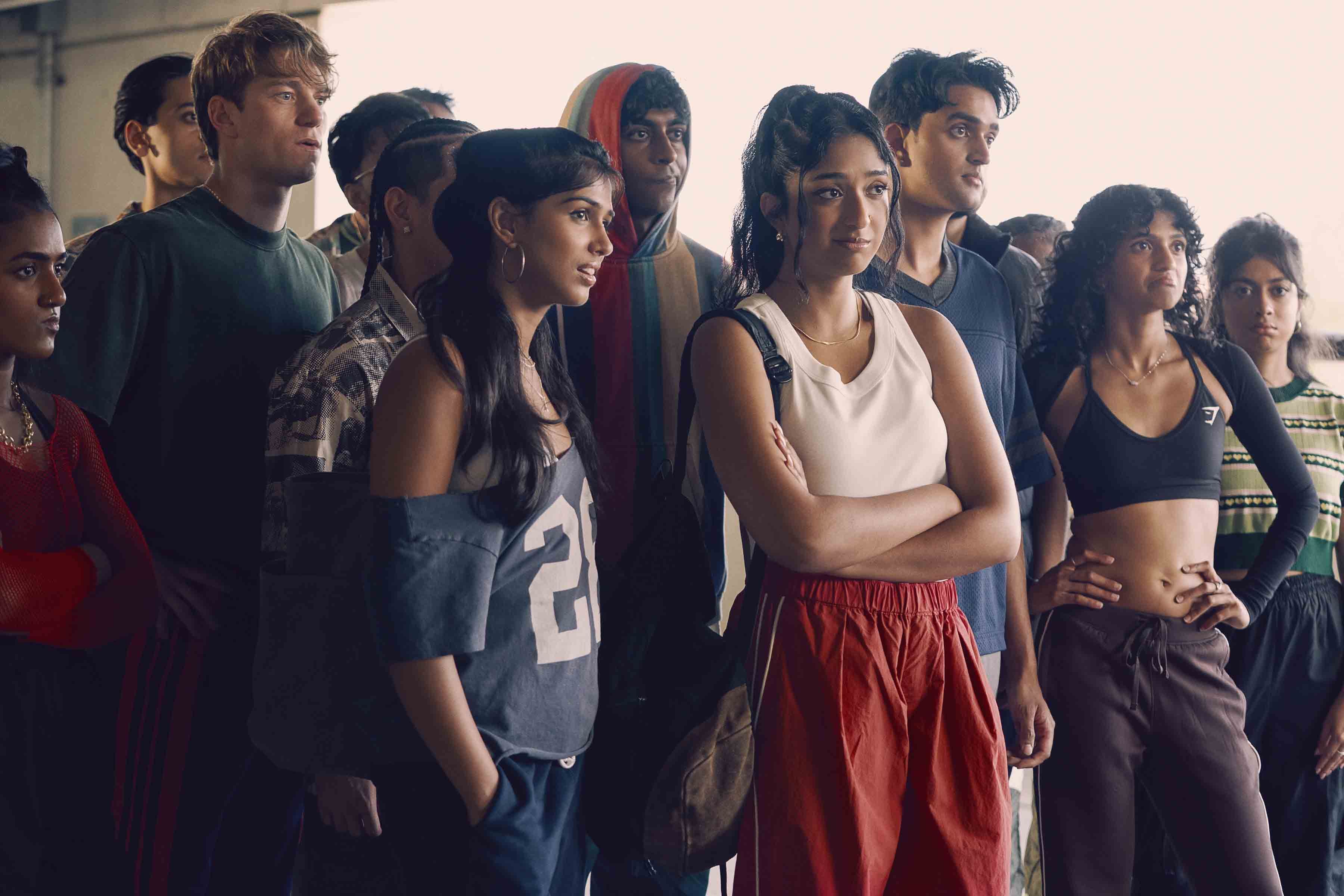
The film, written by Hasan Minhaj and Prashanth Venkataramanujam and directed by Lena Khan, has just landed on Netflix. It follows UCLA freshmen and best friends Maya (Ramakrishnan) and Anjali (Priyanka Kedia) as they navigate academics, adult friendships, and the highly competitive world of intercollegiate Bollywood dance. New York-based stylist Elisabeth Vastola, whose previous credits include Marvel’s Jessica Jones and Peacock’s comedy series Twisted Metal, shaped the character’s wardrobes by deep diving into some of Hindi cinema’s most memorable wardrobes, with Taal (1999) serving as a primary source of inspiration for the draping. “The push and pull of minimalism and maximalism in ’90s or Y2K era Bollywood reminded me of American movies like She’s All That and 10 Things I Hate About You that incorporated dance and vibrant costume design. There’s a naturalism in the styling of the post-college group in Rang De Basanti that really helped guide us in our casual group scenes,” Vastola says.
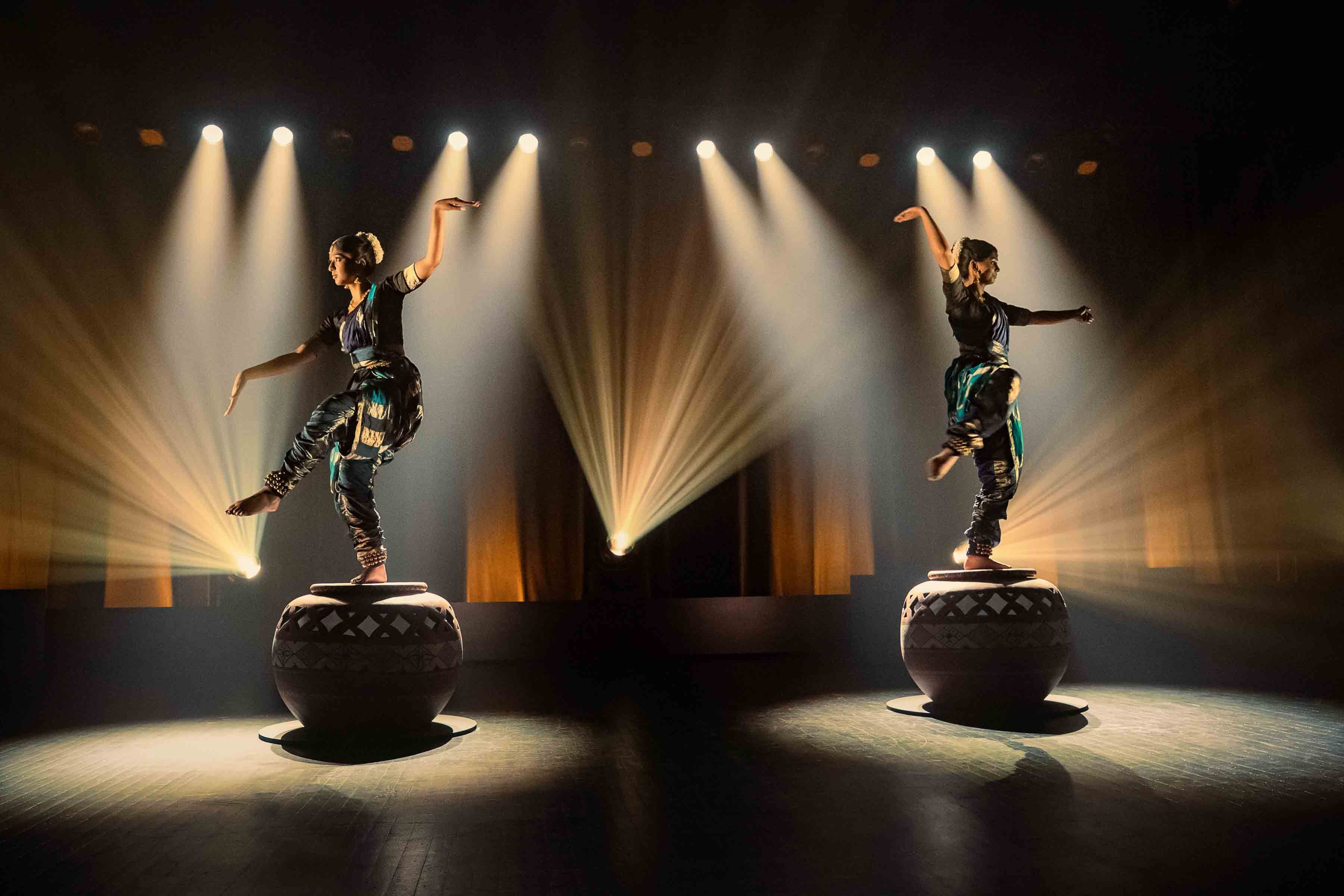
Their research extended beyond the screen. The team scoured Bharatanatyam schools in Edison and other parts of New Jersey to better understand the classic dance form’s costuming and how it has evolved. They also turned repeatedly to Fashion India, Phyllida Jay’s book on contemporary Indian fashion. “Hasan Minhaj brought us this book on day one, and we already had it in our office, full of post-its and sticky tabs,” she says.
There’s no Betty-Veronica binary here
For Maya and Anjali, Vastola was eager to go against the grain of how female friendships are typically portrayed sartorially on film. Instead of the familiar Betty-and-Veronica trope of cute versus hot, she endeavoured to create two leads who were alluring in their own right.
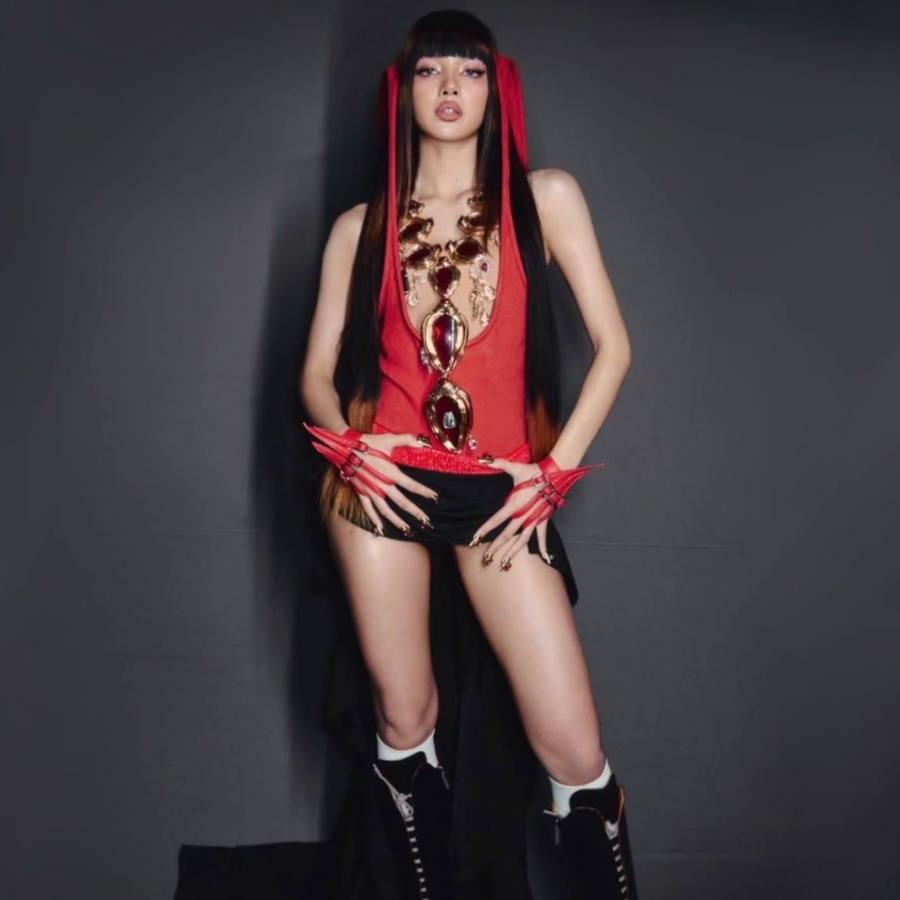
For Maya, the starting point was a teenage sensibility that evolved over the course of the film. “The challenge was in titrating the tomboy vibe—allowing space for sexuality and femininity without making either feel imposed. We see her in baggy jeans from Jaded London, which allude to thrifting and vintage-shopping culture, while tapping into Gen Z and Gen Alpha’s instinct for self-expression,” Vastola explains. Midway through the process of defining the character’s style, Gap’s KATSEYE campaign dropped, and Lara Raj became another reference point. Vastola was drawn to the way Raj could convey sensuality and girliness through subtle details rather than an overtly feminine approach to dressing—cue the butterfly nose ring on Maya.
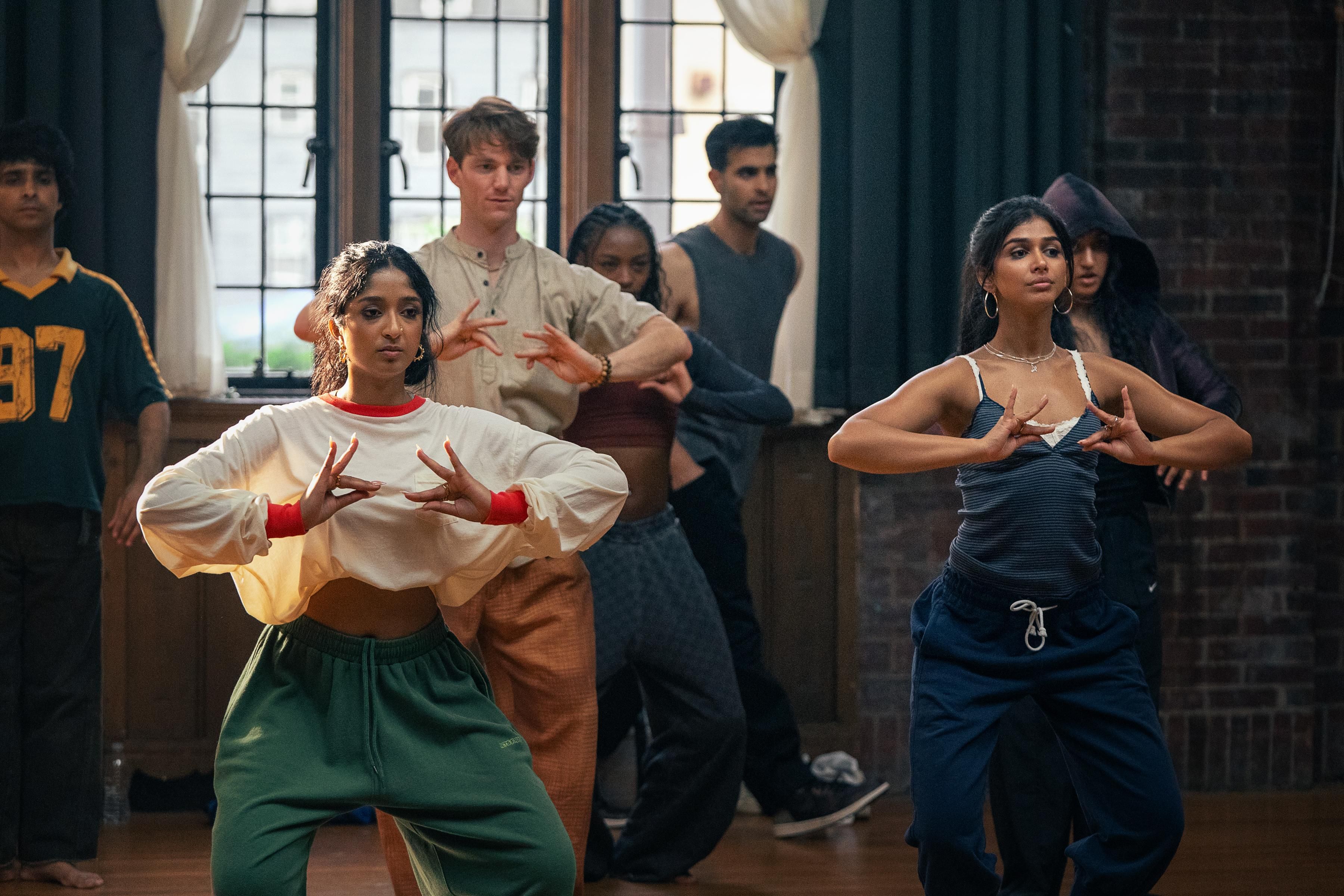
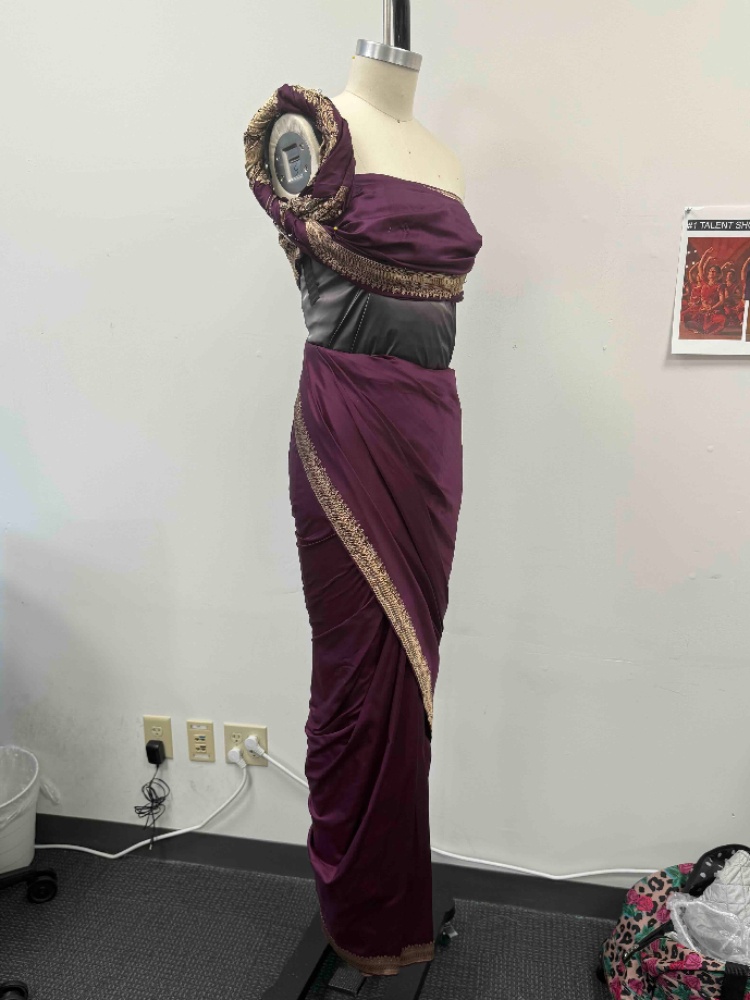
And while we all love a good makeover scene, the film skips any The Devil Wears Prada-style transformations. “I really love the idea of going against the trope of this character needing a style evolution,” she says. “Maya’s very self-possessed and self-aware. She doesn’t need to change how she dresses every time she goes through something.” In a genre where coming-of-age is often equated with a visual blossoming, Maya’s evolution is more nuanced. We see this in a Tilfi sari she wears to the date-auction event hosted by the South Asian Student Association. While her peers are dressed in gowns, Maya wears a jewel-toned sari, woven in the kadua technique, draped like a sari-gown hybrid. Vastola says she looked to Sri Lankan-Tamil content creator Natasha Thasan, a sari-loyalist and experimenter, for inspiration on the drape. “You can dress tomboy-ish and you can throw on this extremely sinuous, feminine look, and that can all be part of who you are,” Vastola says of Maya’s style.