Into this moment arrives the GLP-1 drug. India arrived late to this trend but with a characteristically enormous appetite—the anti-obesity drug market has surged from $16 million in 2021 to nearly $100 million in 2025. It is led by Rybelsus (Novo Nordisk), which accounts for two-thirds of the market since its 2022 launch, and Mounjaro (Eli Lilly), which launched in March 2025 and became India’s second-bestselling branded drug by September, according to a BBC report. Ozempic has been cleared as a drug to treat diabetes only, while Lilly’s anti-obesity ads now flood Indian TV screens (the latter has prompted a slap on the wrist from the Centre, warning brands to not promote quick-fix solutions in favour of healthy behavioural and lifestyle changes). Each monthly injectable pen—four weekly doses—of these drugs costs between ₹14,000 and ₹27,000.
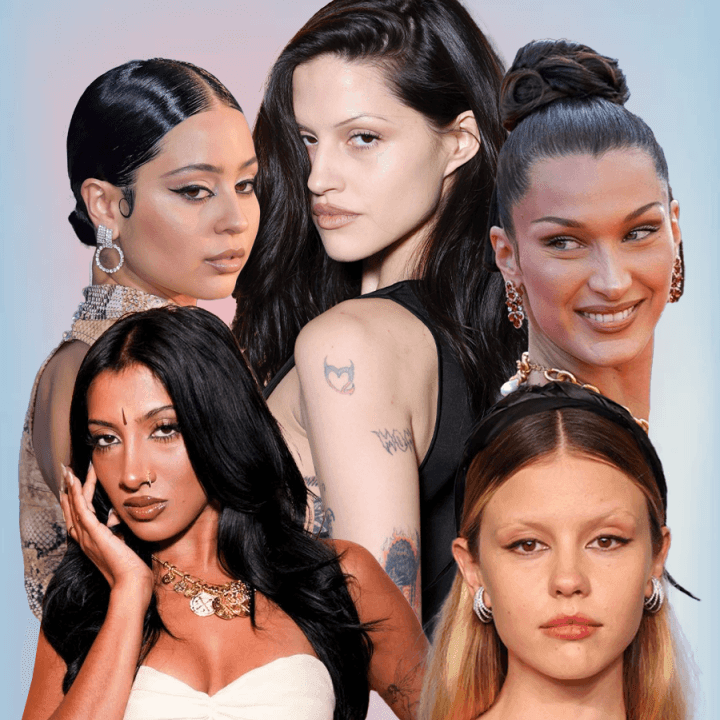
So when Karan Johar appears at the airport visibly slimmer, then spends months insisting it was salads over butter naan; Ram Kapoor sheds decades in what seemed like months; and Kusha Kapila, Badshah, and Bhumi Pednekar become subjects of furious online speculation, some might perhaps begin to see thinness as a marker of status.
M Ashanthi surveys the celebrity landscape with precision: “What GLP-1 is doing for all of us is showing us that very few people who live in the public eye are honest with themselves and, therefore, are unlikely to be honest with us.” Every weight loss fad or injection, she argues, delivers the same verdict: “Thinness is the eternal, universal, ultimate prize.”
But there are celebrities in the West who have been open about their reasons for the use of these drugs—Kathy Bates took it to treat diabetes, Winfrey Oprah did to manage her “yo-yoing”, Serena Williams to help with weight loss after the birth of her second child, Chrissy Teigen to cope with the aftermath of a miscarriage, Vanessa Williams to deal with the repercussions of menopause.
Mumbai-based gynaecologist Saloni Suchak does not prescribe GLP-1 drugs herself, even though she considers them to be “very sophisticated medical tools that can significantly assist with patients having metabolic challenges,” which she often sees in patients having PCOS or going through menopause. “Instead,” she says, “I send patients to a metabolic specialist when I feel that a particular patient would be the correct candidate or where I feel that weight-related comorbidities will pose a higher risk than the potential side effects of the medication.” She adds, “Ultimately, while these are game changers, they must supplement and not replace a holistic approach to health that respects diverse body types.”
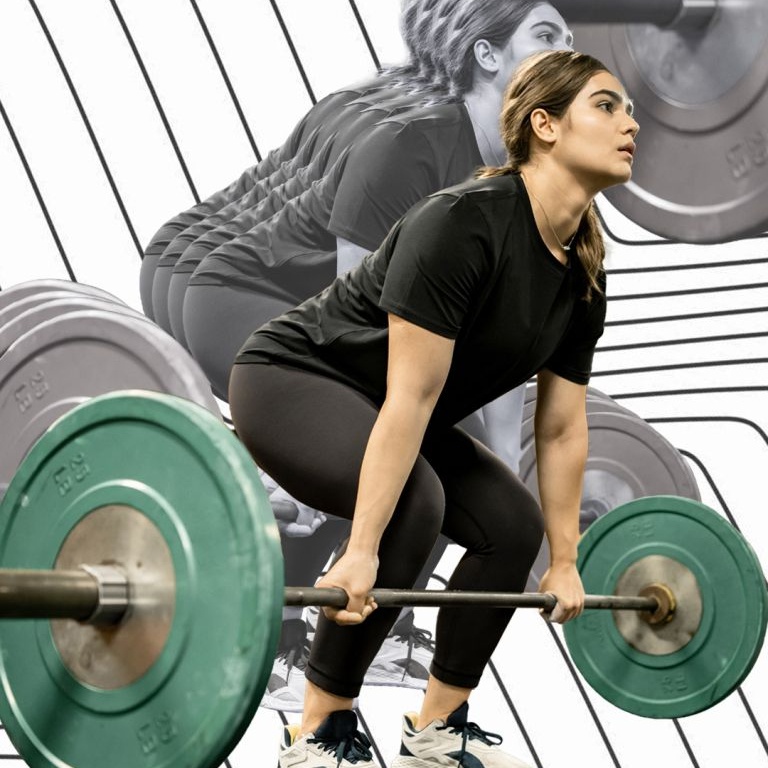
If body positivity is ultimately about acceptance, it is a deeply personal journey and the reasons take precedence. “Tomorrow, if my doctor tells me that I need to go on these drugs to solve a health problem, do you think I will not do it?” asks content creator and influencer Sakshi Sindwani, who is among India’s most prolific and vociferous body advocates. “I’m going to do this for the right reasons, not because I want to change myself. Even as a body neutrality advocate, I work on myself every single day. I work on being the healthiest, fittest version of myself. I lift weights, I do HIIT, I box, I dance. I have always been athletic even as a big girl and I am very proud of that.”
The term ‘body positivity’ irks Sindwani. To her, it smacks of tokenism and bandwagoning without any actual understanding of beauty (“brands, we see you,” she says). She is also bothered by this trend of surveilling celebrities’ bodies without any real understanding of their reasons for taking these drugs. “Don’t compare your reality with somebody else’s that you don’t know. That is actually one of the core fundamentals of what I stand for. Self-love is an internal journey.”
To Sindwani, the work has only just begun and, whatever we might see on the fashion ramps and red carpets, there is some evidence that real change has been wrought. On social media and in the metropolitan circles she moves, she has seen people become more conscious of how they talk about women’s bodies.
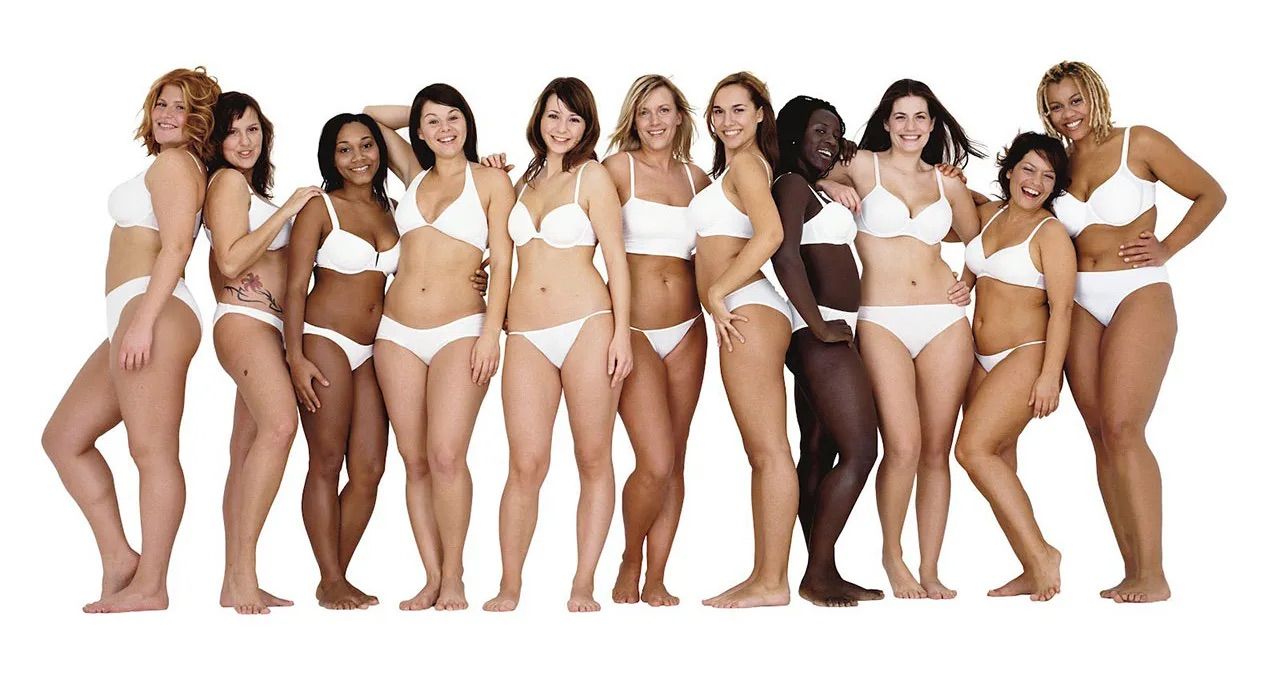
“Body positivity is at its peak in India like never before,” argues Amrita Sampathkumar, a multimedia strategist and sports broadcast specialist. She locates this boom in expanding bra cup sizes and XXXXL sanitary pads on e-commerce platforms. “I’d base my conclusion on how accessible and inclusive middle-class consumer products are rather than celebrities’ behavioural patterns.”
If one must turn to celebrities, there are plenty of names to find inspiration in: Alicia Silverstone, Nicola Coughlan, Nelly London. Sindwani adds, “Right now, what I can see on the red carpet is people doing what they want to do. People are embracing their own authenticity, their own opinions, their own mindsets.” Her own job, she’s certain, is to ensure that younger generations can understand that beauty “is as big as the sea, and wide as the big blue sky”.
Padma Priya, now entering her “fuck-it forties”, living with insulin resistance, chronic fatigue, PCOS, and a neurodiverse tween daughter, says the last of these has become her most powerful reason to keep reaching for acceptance. “I need to model that for her. I need to embrace my body so she can embrace hers.” Together, they read books—Charlotte Markey’s The Body Image Book for Girls, the YA novel Starfish about a child bullied about her weight—and have conversations, however imperfect, about her changing body. “My body dysmorphia won’t be cured by that one drug,” she says. “It will be cured when I embrace my body for all that it did for me and continues to do for me.”