



Food30 Mar 20264 MIN

On a Hyderabad rooftop, a bar brings back the buzz of a village square

With chakna from all over the country, nostalgic cocktails, and an unmistakably local feel, Kadamba makes a night out stick

Image

Podi edamame, on Kadamba’s Bar Bites page, hardly sounds like an imaginative starter. Priced at just under 400 bucks, you are likely to feel you’re paying for boiled beans. It looks unimpressive even when it lands—a messy heap of slightly oversteamed pods on an oval steel plate, uneven brown bits clinging to them, as if it was hastily thrown together with no garnish and no thought to the plating.

But then, one pod later, our eyes widen as we realise just how much the menu underplays this dish. Never before has a bowl of edamame created such a lasting craving. The gentlest scrape of teeth along a pod yields a short succession of beans with the soft bite of soaked nuts, and while I pop them between my molars, the tangy, chunky masala made with milagaipodi unspools on my tongue. I want another one even before I finish the first pod.

When I pass the plate around our table of three, I promise (no, reassure) myself that if a less-than-half-full plate comes back to me, I’m ordering a backup batch. In fact, all of us at the table want to shamelessly hoard a plate for ourselves.

It’s a dish that is familiar yet novel, comforting but with a cheeky impishness, and evocative without veering towards anything sentimental. In fact, it’s not just this snack—that is all of Kadamba in a nutshell.

Kadamba sits perched above Durgam Cheruvu in Hyderabad, between Hitech City and Jubilee Hills. The entrance is tucked away on the two-level third-floor rooftop of a building that also houses Orlo, which focuses on regional Indian food with mess-style lunch thalis and a la carte dinners, and Naad, Hyderabad’s newest ‘coffee ecosystem’ with a roastery, shop, academy, and more. In a few weeks, Izumi will move into the first floor.

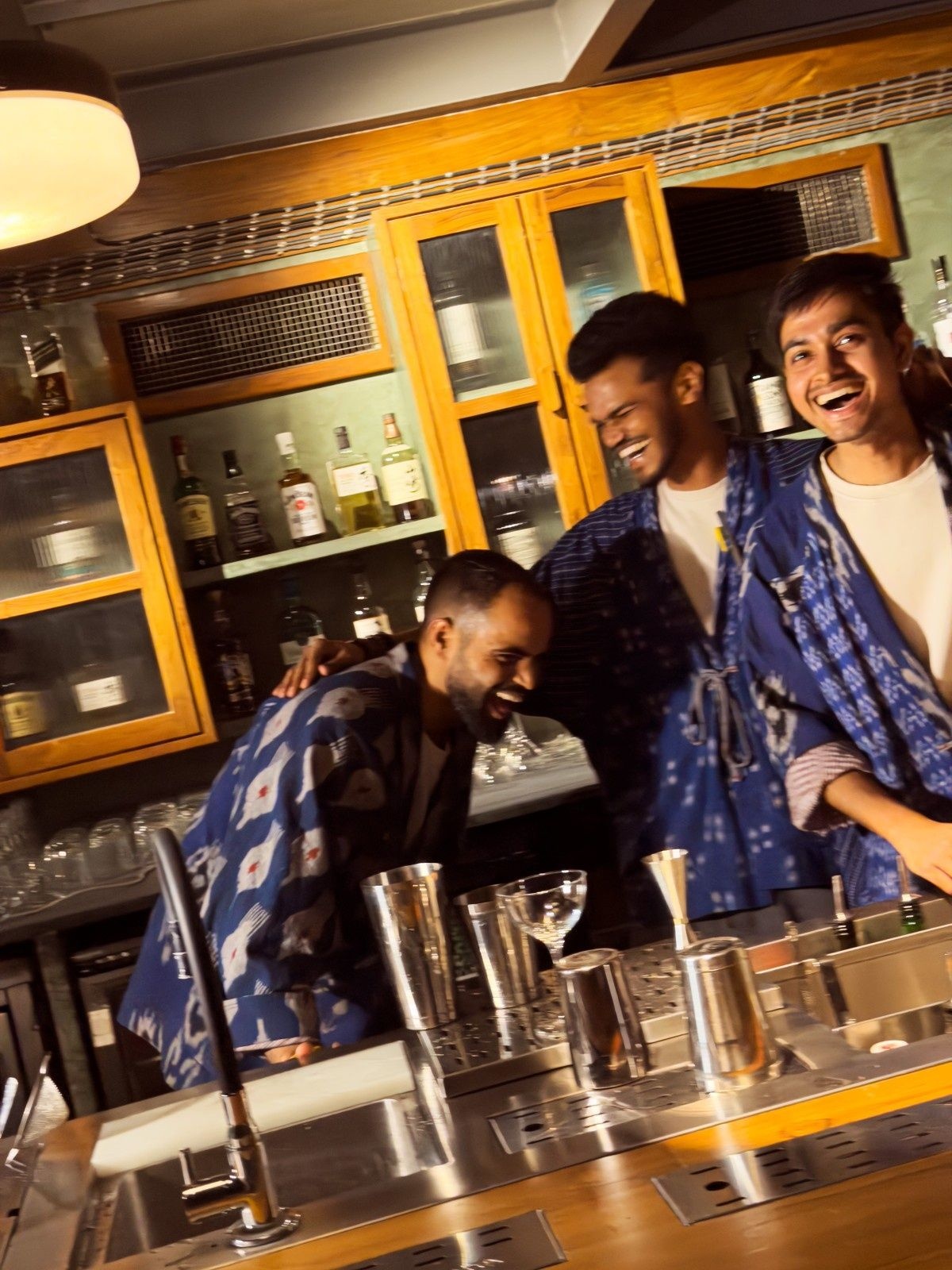
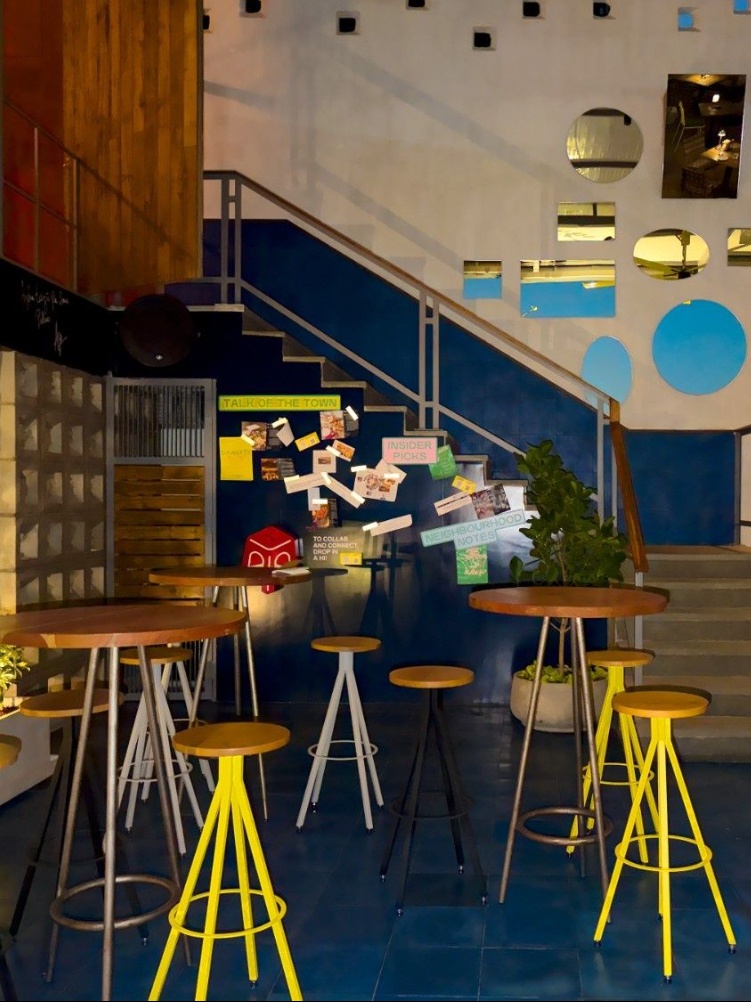
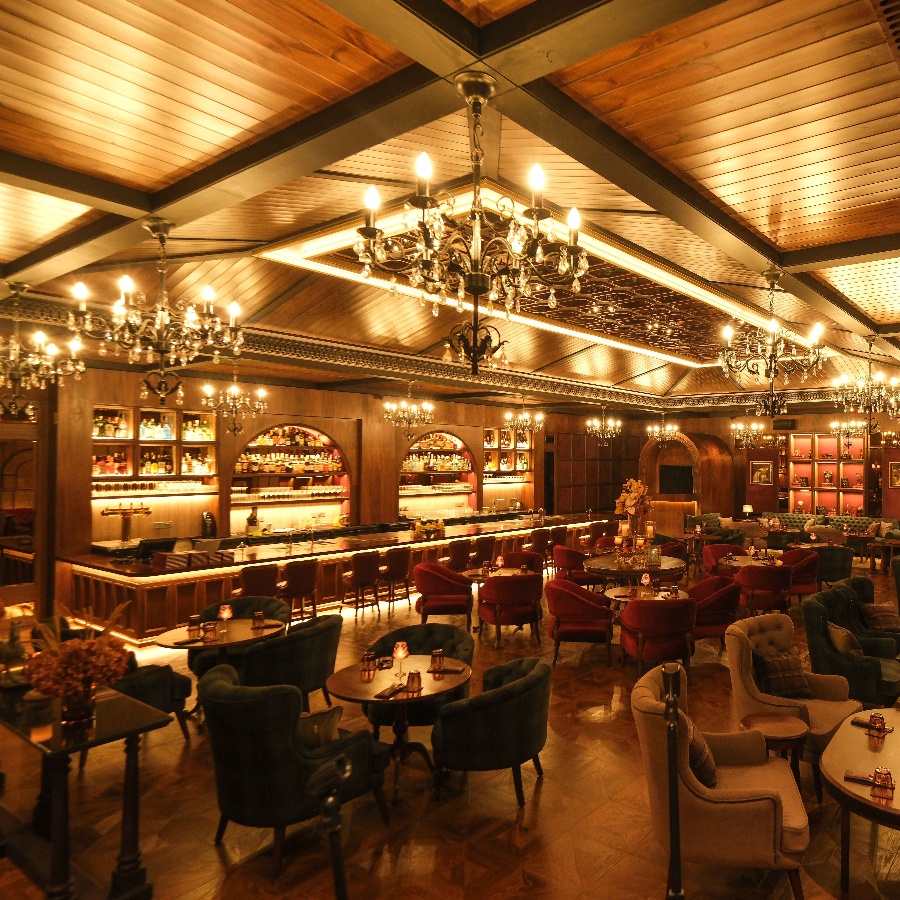
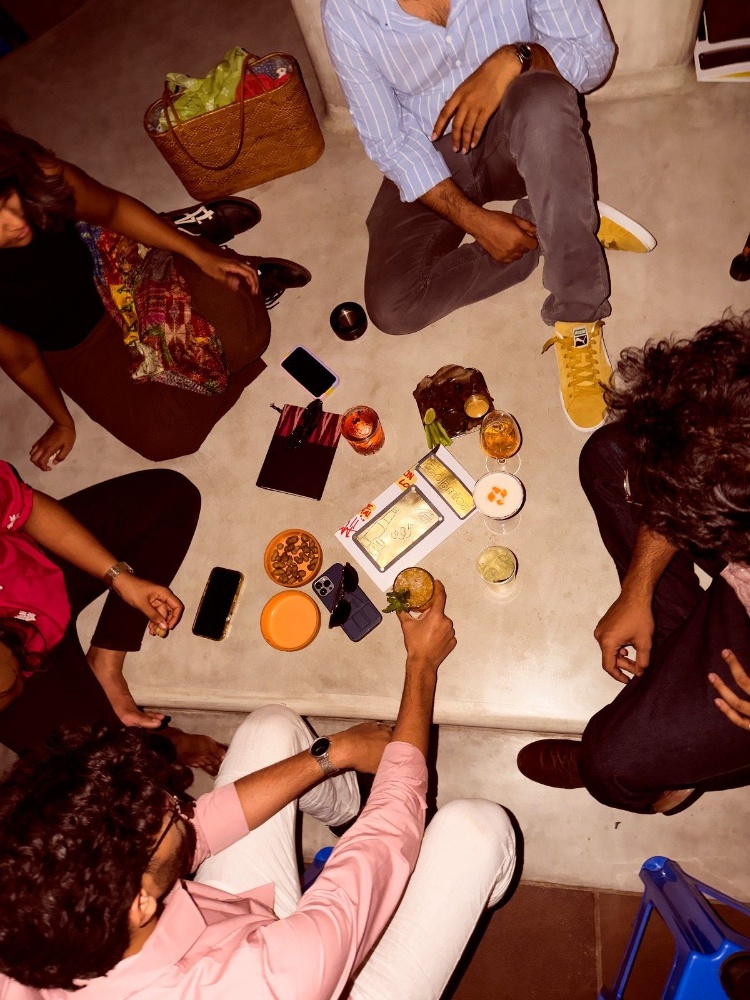
The location feels both central and secluded. An elevator whisks me up to a hallway and onto a roof with sweeping lake views, its cable bridge glimmering on the horizon. Under the sky, just past the entrance, is a village-style chaupal—the OG Indian ‘third space’—its in-situ seating under three fragrant eponymous trees. Around the edges of the space and upstairs are tables for groups of all sizes. And tucked under the upper level is a bar with gleaming pools of light and a low counter that allows tipplers to watch the action and chat with bartenders while shelling endless pods of boiled peanuts.
Founder Vikaas Passary has basically built a village square on a city roof, gathering people under trees, lakeside, to swap stories and snacks. In character with the kind of rooted, community-first spaces Hyderabad’s been moving towards in recent years (think Telugu Medium, Toops Coffee, even the massive Babylon, to some degree). And Kadamba has nailed this local, analogue, and tactile vibe, so much so that Passary calls Kadamba a ‘cultural compound’.

For years, Hyderabad was seen as a traditional restaurant market. Then, about five years ago, F&B brands from metros  (Olive Bistro, Farzi Cafe, Blue Tokai, Mamagoto) started making their way here and took off. This nudged homegrown F&B entrepreneurs (like Passary) who have grown up in the city to come up with “projects that are cooler, more casual, fun, and take us back to [our] roots”. Hyderabad now has a host of new places, like Tuya, Theta Theta Telugu, Oxymorons, and Loqa, which feel uniquely native.

“From the beginning, we never looked at Kadamba as another bar in the city,” says Passary, whose Viksit Hospitality also includes Orlo and Naad below. “As we moved from rural to urban cities, chaupals were replaced by bars. Here, it was about going back in time and bringing back the essence of a chaupal. We wanted to highlight how a bar can be more than just a drinking place.” Kadamba is designed to feel like a regular haunt, a place you’d naturally want to head to after work, a spot where you’ll inevitably run into people you know, a place to engage with the local community and culture.

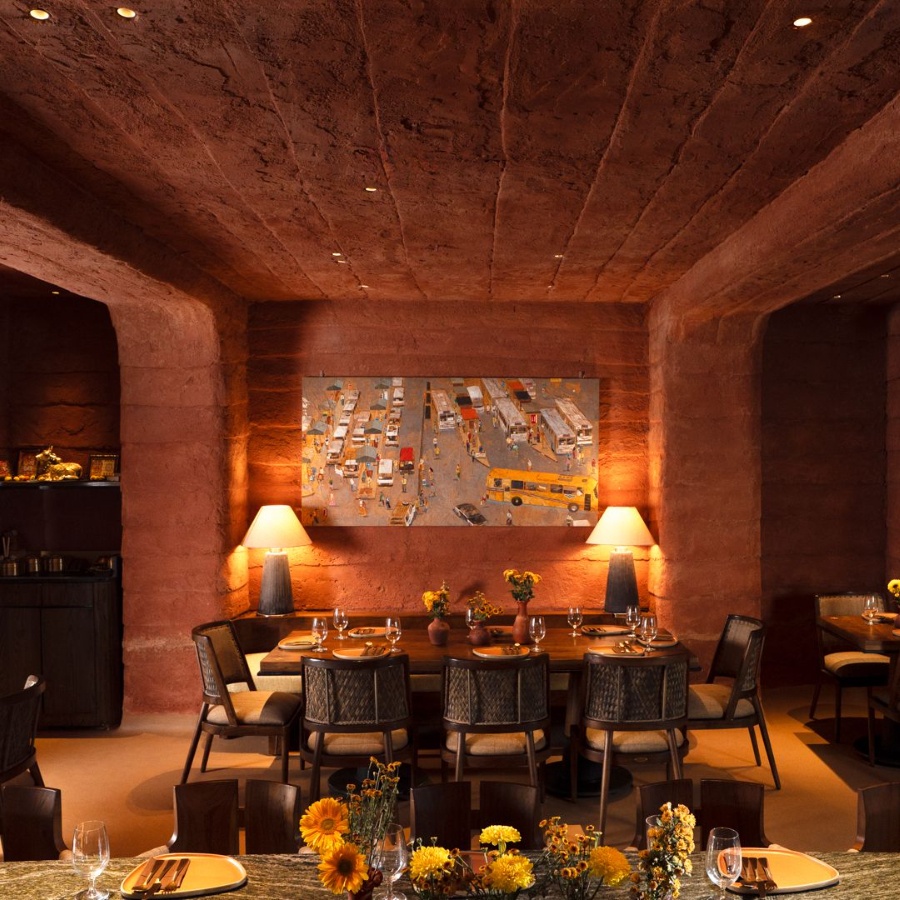
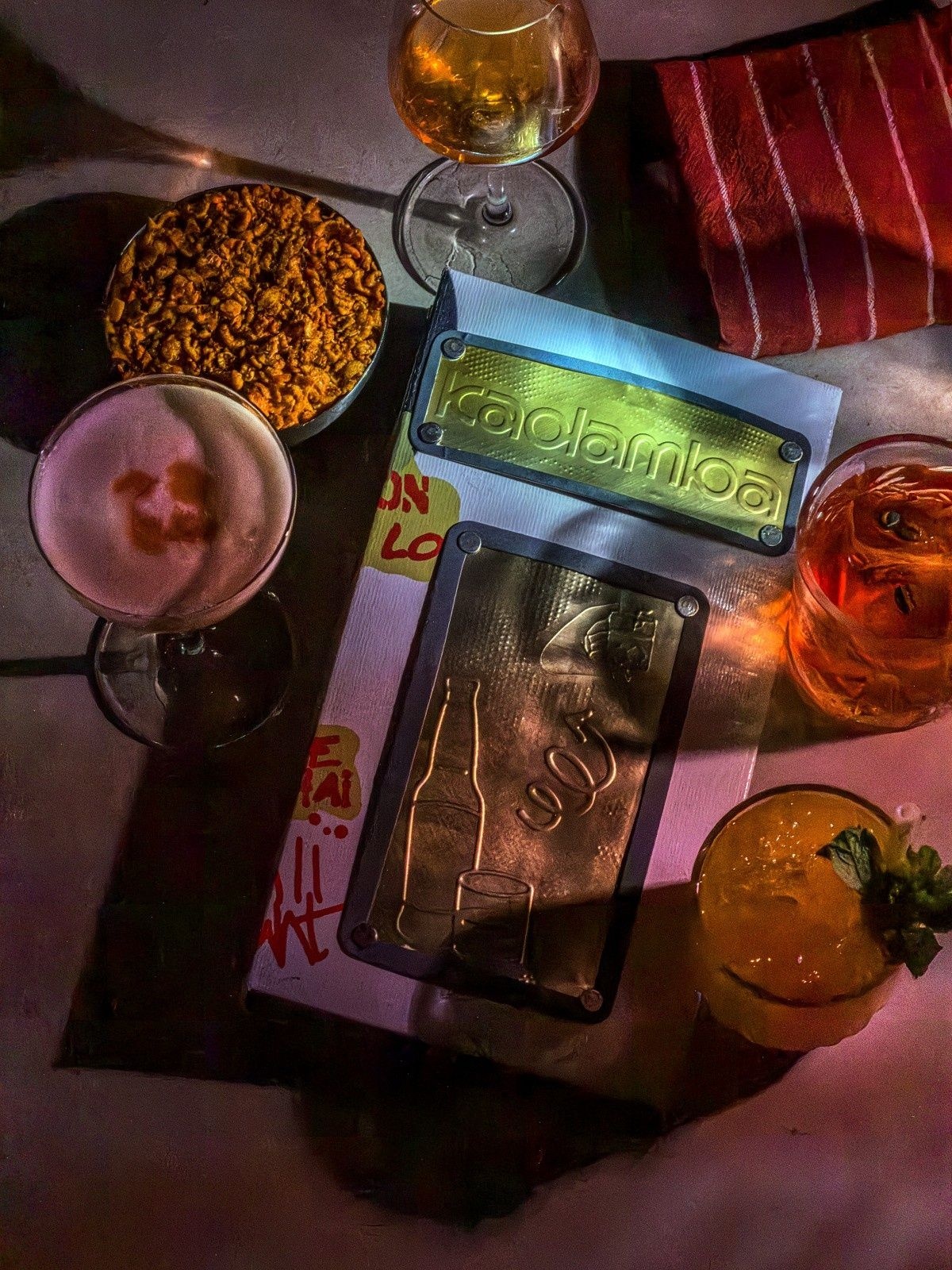
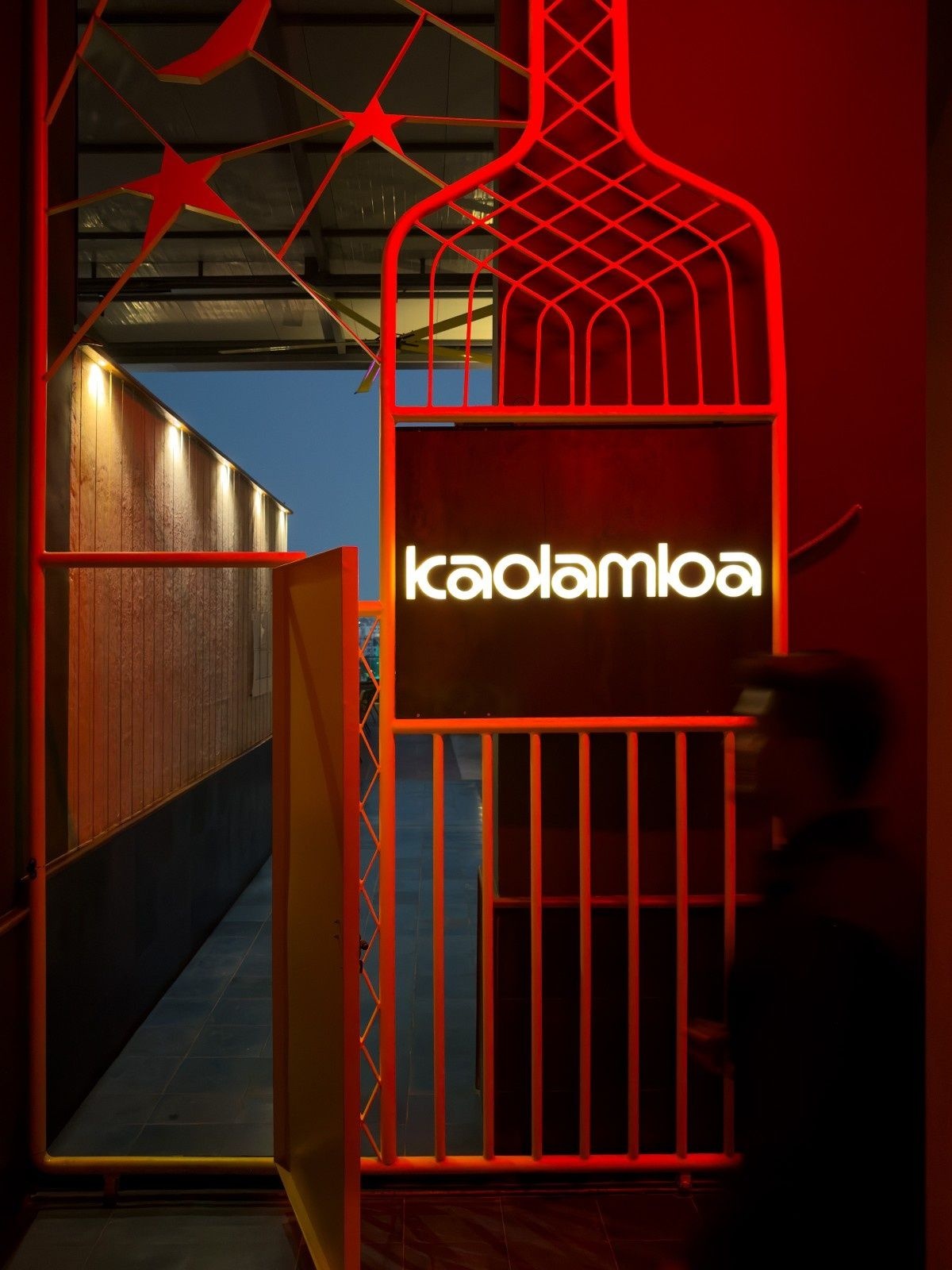
Punters walk in through a bottle-shaped entrance, a playful nod to the secret doors that lead to old-school thekas or desi government-licensed booze shops. Inside, Shankar Narayan Architects have used plenty of local materials to create cement screens, stone tiles, traditional woven Navar chairs, wood, and mirrors. (Make sure to look up in the restrooms.)

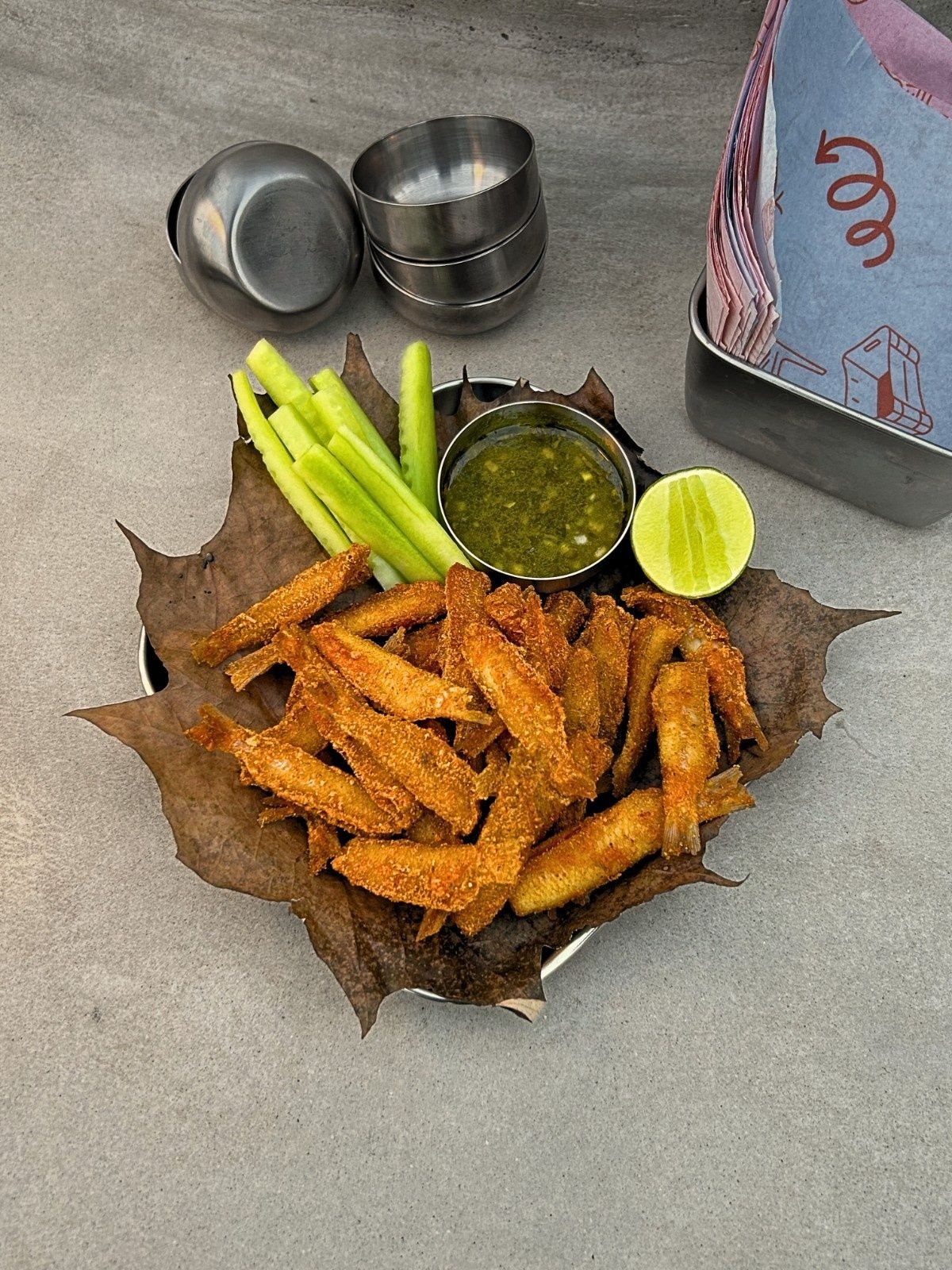
Of course, a room can only do so much. What really seals the deal is what arrives at the table. On Kadamba’s menu, comfort and easy belonging meet confidence through dishes that overlap, borrow, and adapt from both chakna and from bigger booze-friendly meals, appetisers, and even desserts across the country.

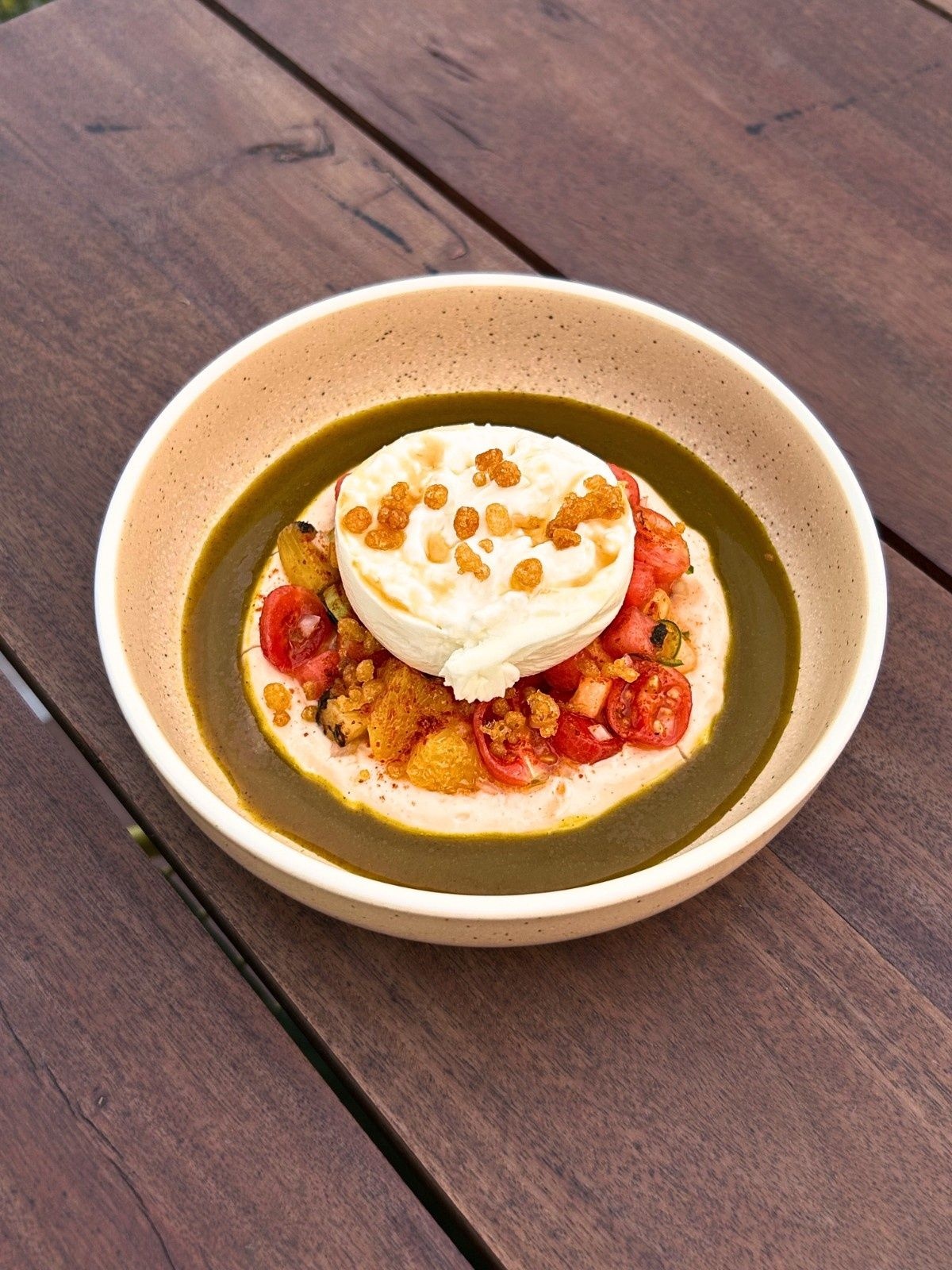
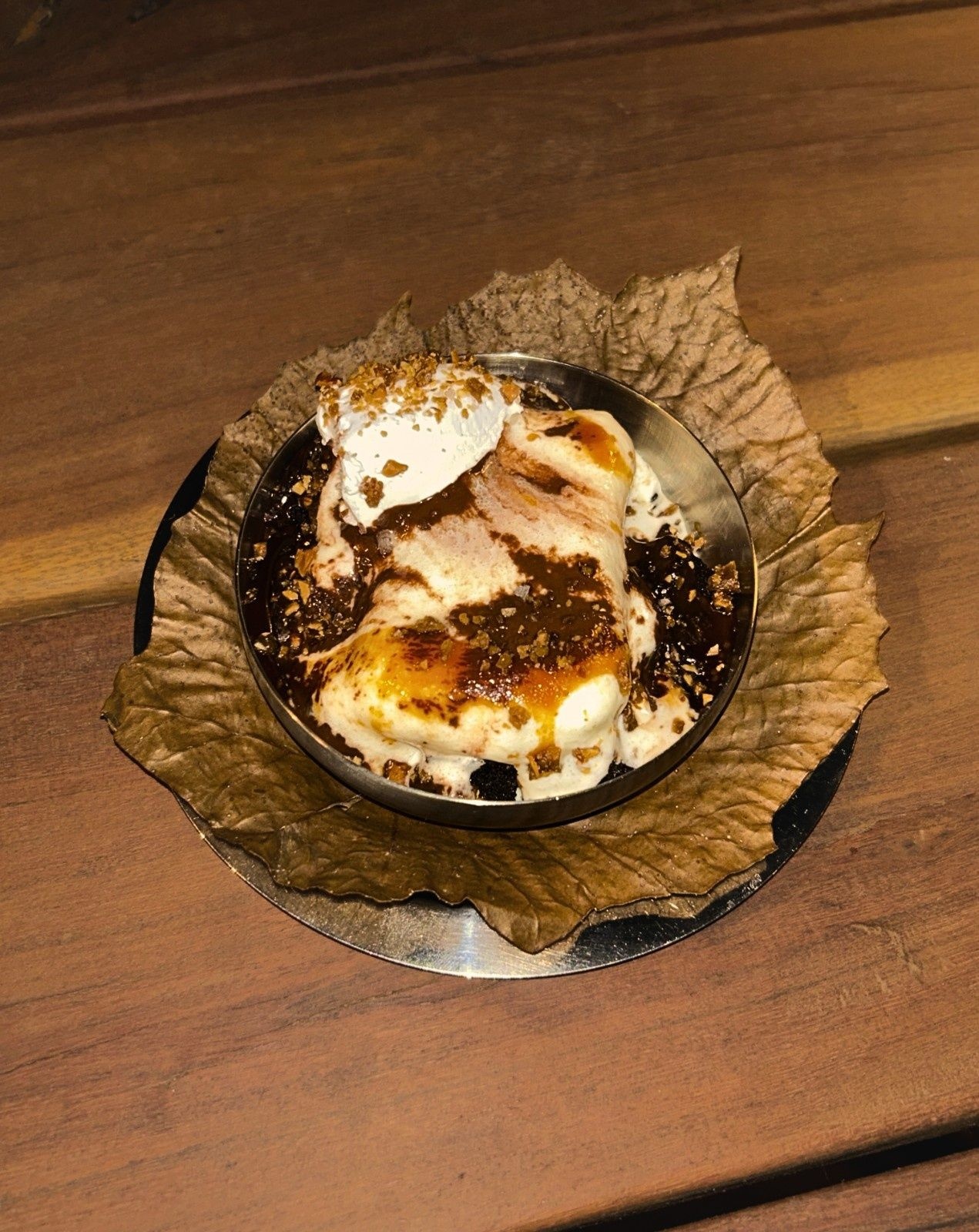
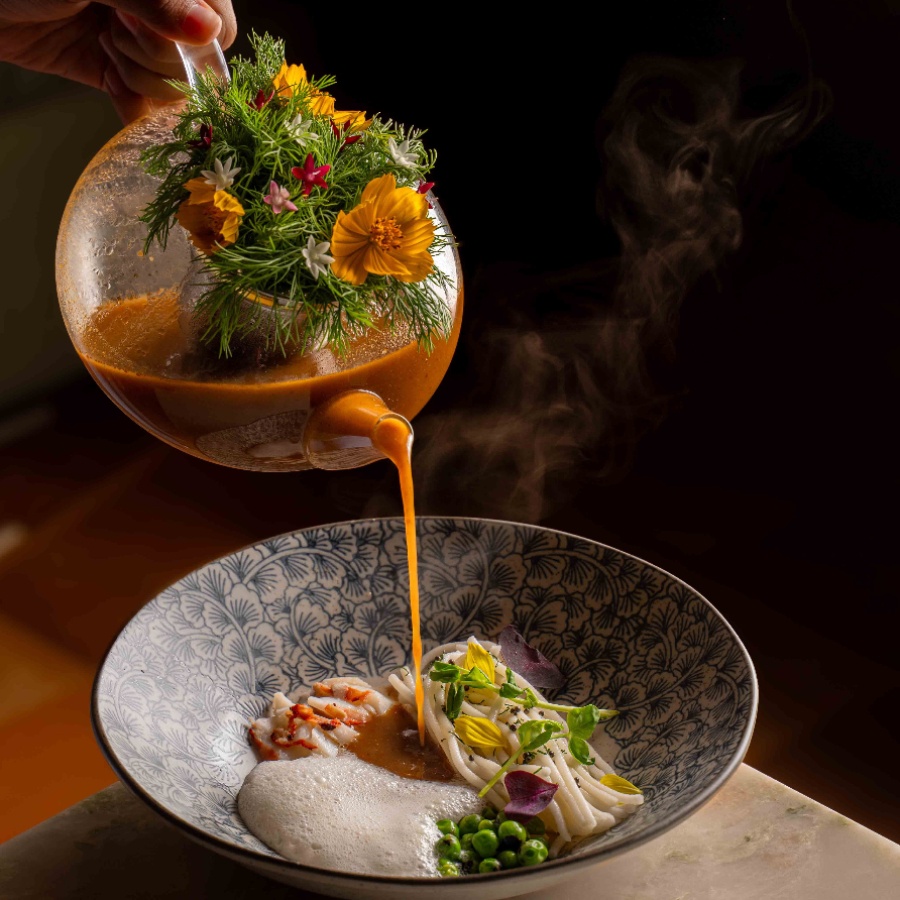
Bar food in India changes from place to place, but it always feels familiar: tasty, chatpata, bold snacks that are easy to share and don’t slow things down. At Kadamba, chef Jyoti Singh mimes his memories of such plates, moving smoothly from region to region. Spicy, creamy mushroom gola comes from a backpacking trip through Tamil Nadu and Karnataka in 2019; hearty, moreish chicken bhuna starts as a loose memory of chicken sukke but gets some street-food treatment on a tawa. Delhi’s fruit chaat becomes a kulia burrata with seasonal fruits, amchur yoghurt, and kulia dressing. Nepali pickle farsi ko achaar is a creamy chip-n-dip pool of butternut squash chokha topped with chilli oil, crisp ajwaini namak para tucked on the side for scooping. There is a Compound Wala Ceviche, in which seabass gets a velvety leche de tigre of pani puri dressing, scattered with lightly broken puris. Like the edamame, it’s a dish I am loath to share.    

“Across India, the idea of bar food shifts constantly,” says Singh. “It changes with geography, with cities, with people, with ambition, and with the moment you’re in. What you eat with a drink in a small town is not what you eat in a metro. What you crave at a street corner is different from what you order at a five-star bar. Yet all of it is equally Indian.” On a late-night menu, a dish called Apna Maggi evokes hostel rooms, mountain menus, and post-drinking street stalls from college years pre-dating delivery apps. Off-menu ‘silent cravings’ items, like curd rice, are available for those in the know. “It’s an ode to the city of Hyderabad, where no matter your age, group, or hierarchy, a meal feels complete only after some curd rice.”

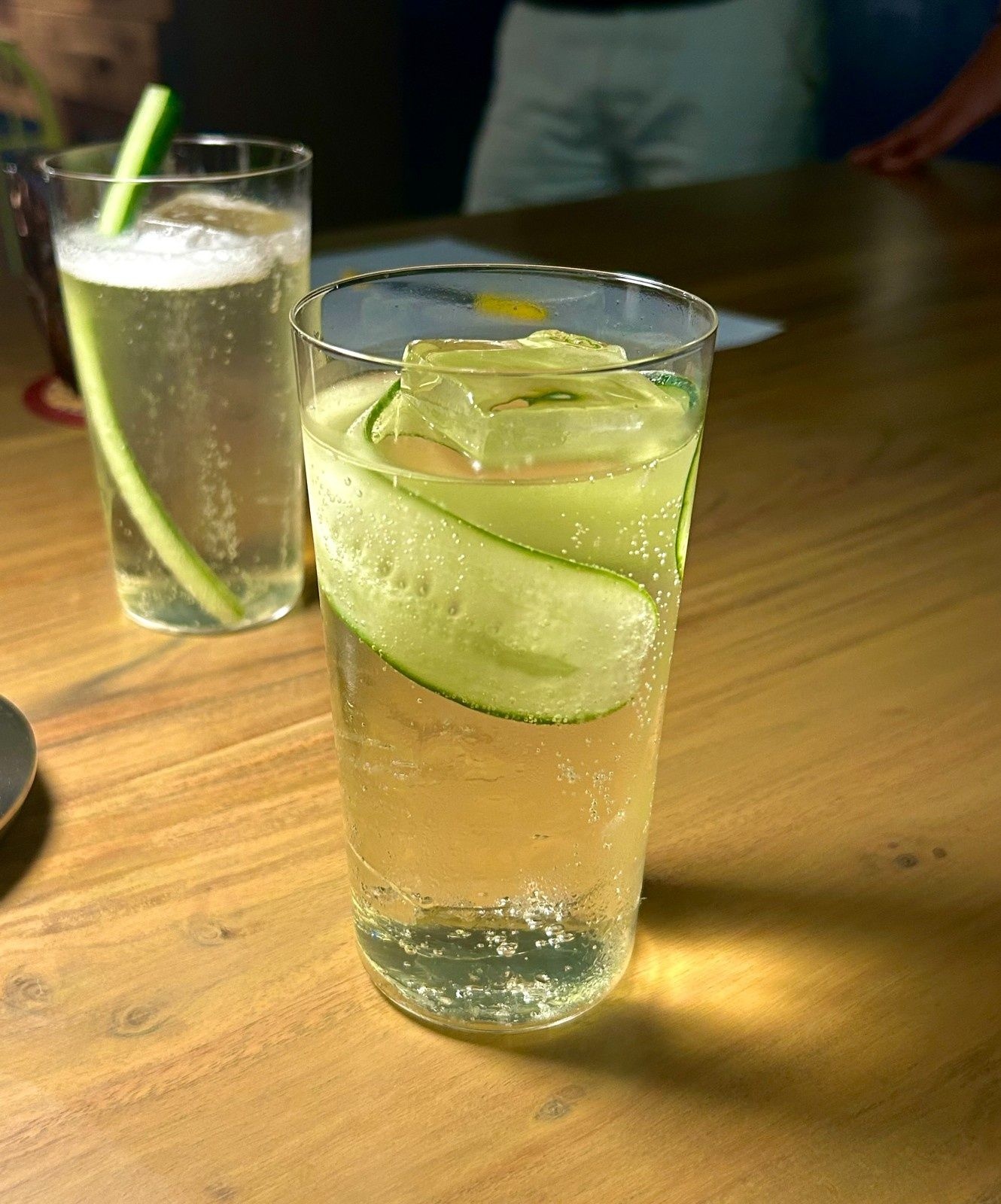
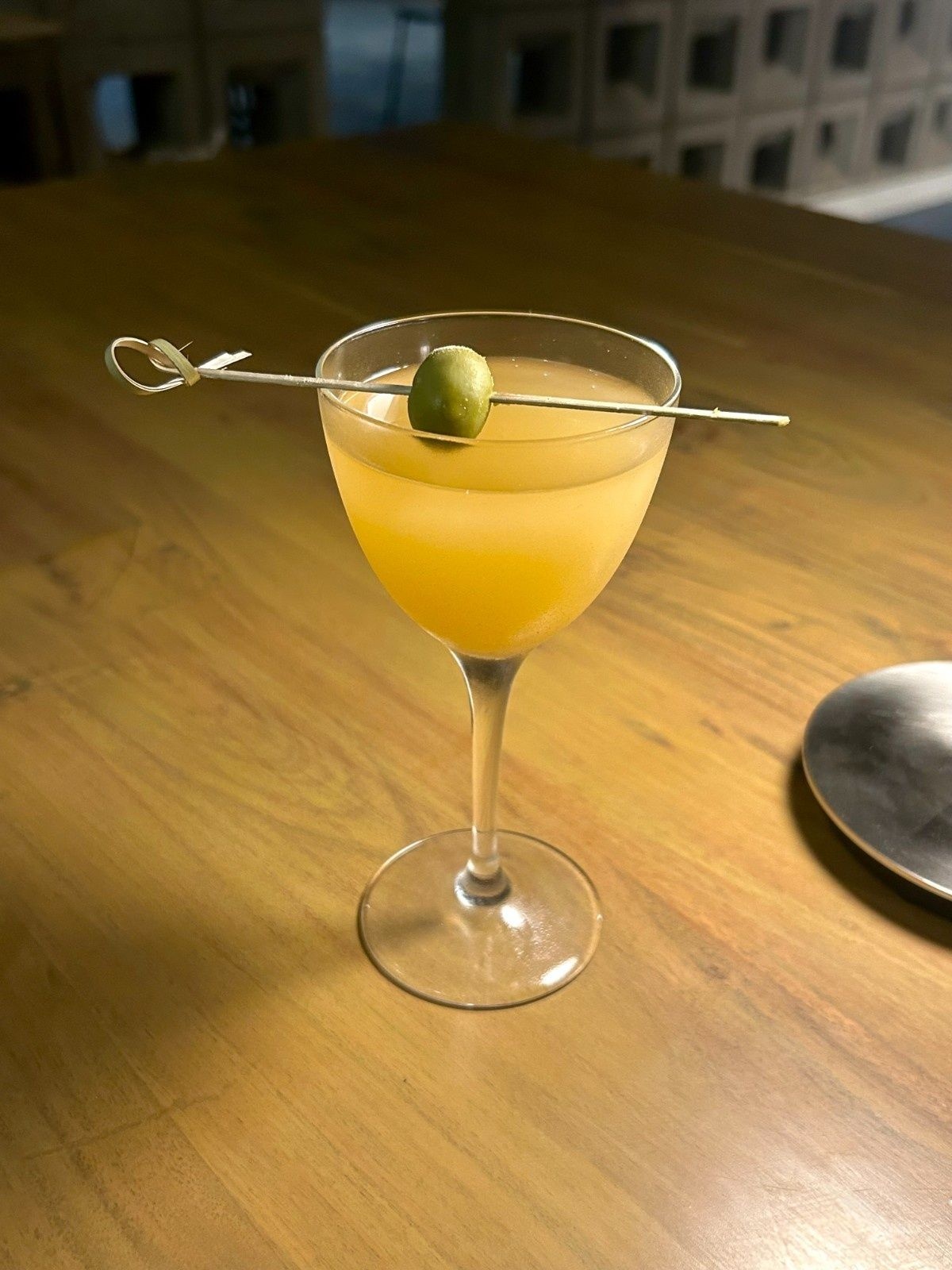
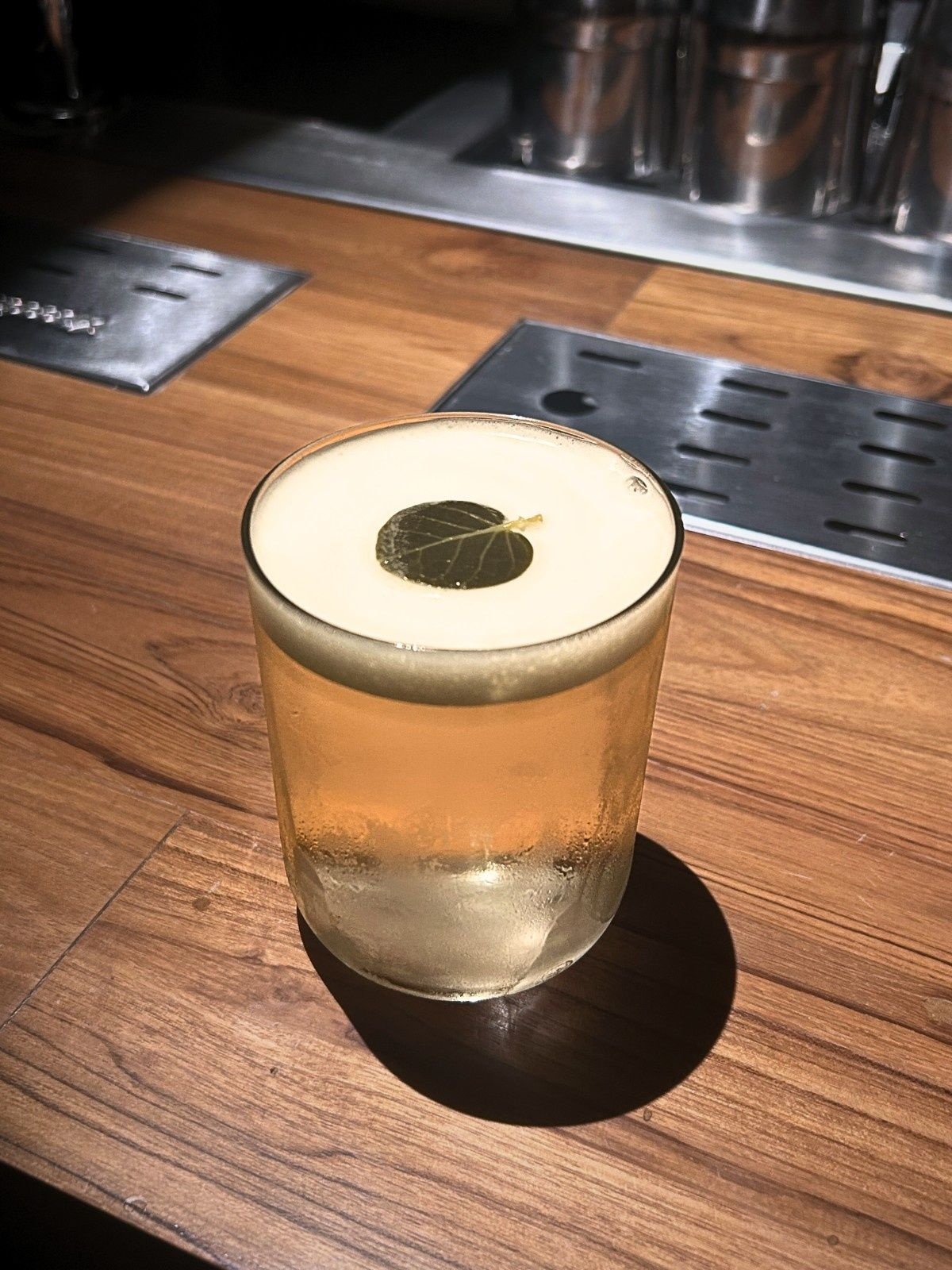
The drinks, too, are little time machines. On Kadamba’s bar menu, the opening page reads, “We tasted the campus classics, graduated to better spirits, and collected flavours, like stamps.” Bar head Sujan Shetty’s aamchur with tequila and olives (‘this feels tarty, briny, mischievous’) picks up from eating raw mangoes outside the schoolyard. “You step out and there’s always that guy cutting raw mango, adding chilli, salt, maybe a little masala,” says Shetty. “The first bite hits you hard, your face reacts, but you still go back for more.” Rumba Ho! with pineapple and chilli pickle is a Goa beach on a sticky, lazy afternoon. Agasi Negroni with gin, Campari, vermouth, watermelon, cacao, and coffee takes the spirit-forward drink for a spin on a Hyderabad rooftop. (As in Gujarati, we’re told that ‘agasi’ is often used to mean ‘terrace’ in colloquial Hyderabadi Hindi.) T-Loop matches muskmelon with capers, a little experiment that sounds like it should flop but instead clicks. For Shetty, a Kadamba drink “should feel familiar, but not predictable”.

I’m not even from Hyderabad, but after two visits just weeks apart, that’s exactly how all of Kadamba feels to me. I’m coming back, and this time, not just for the podi edamame. 

Address: Third and fourth floors, R Quad, near NCC Building, Doctor’s Colony, Madhapur, Hitech City, Hyderabad

Timings: Sunday to Friday: 5 pm to 11 pm; Saturday: 5 pm to 1 am

Reservations: Call +91 90631 69915

Cost for two (with a drink each): ₹2,500 (approx)

The Nod Newsletter

We're making your inbox interesting. Enter your email to get our best reads and exclusive insights from our editors delivered directly to you.