

Books09 Dec 20254 MIN

No, the internet isn’t making you dumb. You’re just not following the right people

In her new book, ‘Never Logged Out’, the eternally online Ria Chopra argues how curation and curiosity-driven creators are helping Gen Z find meaning in a world of unlimited information

Image

In my view, there are three ways in which the internet today has far more potential to make us smarter than to make us dumber.

The first is the course charted by Prometheus.

When we first came online, when we were zero internet years old, we had no idea what to do with it. It is telling of the human condition that many of us turned to our curiosities—going down Google rabbit holes, finding the games and communities we liked, reading blogs that focused on our niche interests. Over time, as the public commons of the internet became social media, we invented our own rules, which, when combined with the profit-motivated interests of technological juggernauts, created the messy world of social dynamics that the internet is today. We were handed a tool with no guidance, and we made of it what we could.

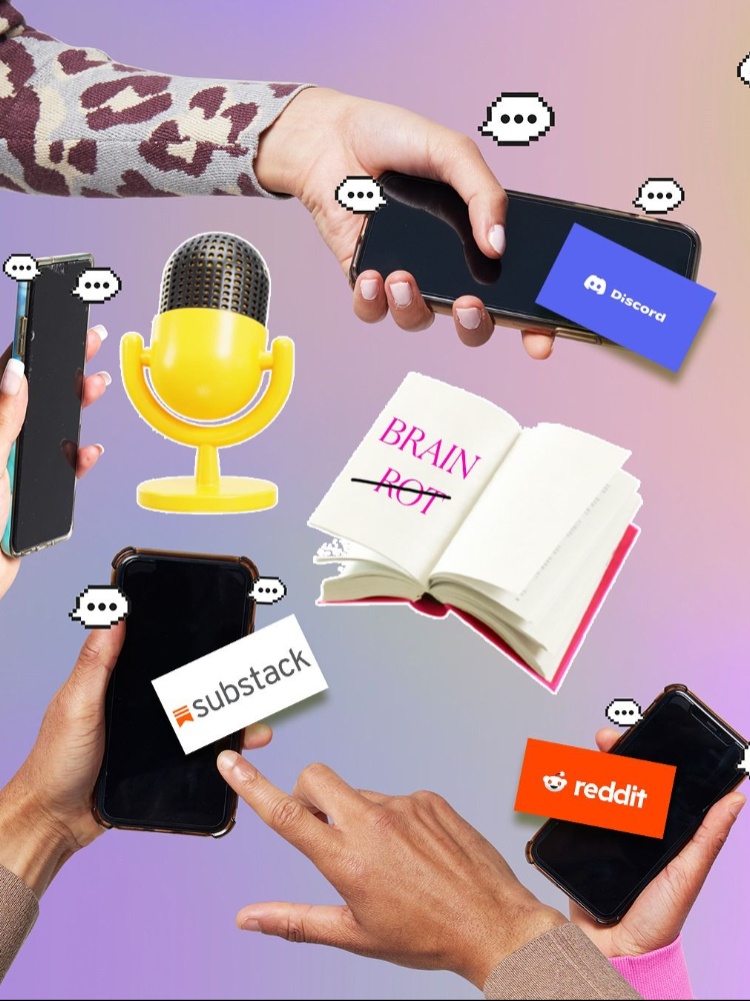
What we have now is the benefit of hindsight. Having had a couple of decades’ worth of internet experience behind us, there is a way for us to reshape the internet. Already, the documented rise of Substacks, Discord channels, podcasts, and the rising conversation around decentralised internet set-ups is indicating the re-shifting of the geography of the internet—more people are building their ‘walled gardens’ for specific subjects and niches and kinds of people. We can pass on these ethics and these filtration mechanisms to those that come after us—our own oral legends—to hopefully rebuild a better internet.

In 2008, the same year as Carr’s ‘Is Google Making Us Stupid?’, NYU new media professor, writer, and technologist Clay Shirky delivered the keynote speech at the Web 2.0 Expo in New York. He argued that the predicament Carr describes isn’t about information overload; it’s about our ‘filter failure’. And if we are to take that seriously, we must reckon with the fact that the internet is less about scarcity and more about abundance—in other words, we just need to know how to sort through the room to find what we want. This can look like courses in schools to be able to detect fake news, or modules on how to run good AI prompts, or the building of systems that could help run multimedia searches across social media, videos, audios, and images to find the results we look for. It is the education system—the knowledge systems—that must keep up with an evolving world, instead of the other way around.

The second way is the path laid out by Melvil Dewey.

By introducing efficiency in the sorting of information. Dewey’s Decimal Classification freed up librarians’ time, allowing them to become curators of knowledge. Already, on the internet, journalists have started mapping the ‘rise of the curator’. In a social media world that has increasingly started feeling overwhelmingly stimulating, with too much information for us to single-handedly make sense of, we are witnessing a rise of certain journalists, writers and new-age philosophers who would be better described as ‘curators’. This, once again, is not a new notion. In a visionary article published in 2012 on Social Media Today titled ‘The Rise of the Social Media Curator’, Thomas Samph argues for the same kind of filtration as Shirky did years earlier. ‘The Internet is a mess,’ Samph writes. He goes on: Fortunately, internet filters exist, and they come in the form of social media curators. They’re like your friend who lives around the corner who you can always call to suggest a new pizza place that you’ll love. They sift through and aggregate the endless amount of information on the internet and present us with the best of the best.

Whether they are posting to a standalone site that brings together the best content of the Web, or constantly tweeting links to the information that you want to see, these curators spend their time as the internet’s funnel and educate you as to what’s happening in the areas you care about most. Making it a habit of checking in on these sites and online personalities will keep you updated and stimulated by news and content from a constantly flowing and replenishing pool of information

This sentiment has started being echoed more recently, with articles and essays about the ‘curator economy’ chronicling the increasing value of people who sort through the noise for us. By finding the right curators, we can access knowledge more efficiently as well as allow someone else to lead us through their stories and ideas, hence sparking further creativity within us. By essentially doing the same tasks as a journalist reporting a story or a writer writing a book, which includes bringing together separate incidents, examples, and elements into a single cohesive narrative, digital curators offer us the opportunity to benefit from their discernment. Take your pick—a podcaster, a video essayist, a Substack newsletter writer, or a blogger, whoever is telling the stories you want to hear. This is the ‘room’ that is smarter than all of us.

In his New Yorker essay titled ‘The New Generation of Online Content Curators’, Kyle Chayka highlights the importance of making the act of curation financially feasible for those who make the effort of doing it. ‘The onslaught of online content requires filtering, whether technological or human, and bring the more important stories to the forefront.’ These are the new-age ‘curiosity sherpas’.

The third way is illuminated by John Dewey. In my opinion, the most meaningful form of intelligence today is not recall. It is response. With so much knowledge now ambient—always available, just a click or scroll away—the question is no longer what you know, but what you do with what you know. The apex of human knowledge—so pedestalised that it has been relegated to the realms of magic and mysticism—is the ability to know what will happen before it already has. And yet we see it happen all the time around us.

In the 2024 Lok Sabha elections, campaign slogans of ‘Abki baar, chaar sau paar’ were heard everywhere, indicating a strong belief in the likelihood of a decisive, 400-plus mega majority for the Bharatiya Janata Party (BJP). Exit polls aired across national newspapers and television channels also similarly predicted a roaring majority for the BJP. Only one voice stood out: Indian activist, psephologist, and politician Yogendra Yadav. Predicting that the BJP would win around 240 to 260 seats, Yadav released a video in which he stated, ‘Chaar sau paar wali baat to total hawaii thi, teen sau paar karna bhi BJP k liye namumkin hoga (While the four hundred seats claim was flimsy, for BJP it will be difficult to win even three hundred seats).’

Is this magic? Or is this the rigorous discipline of drawing factual conclusions by someone who truly understands what they’re looking at?

This is foresight.

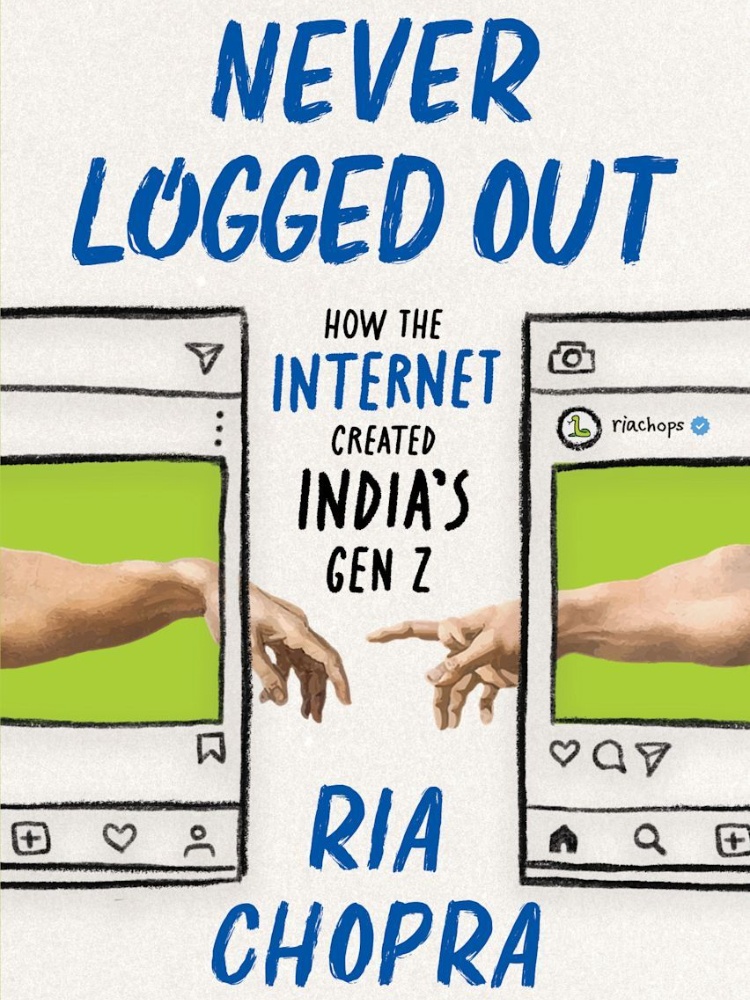
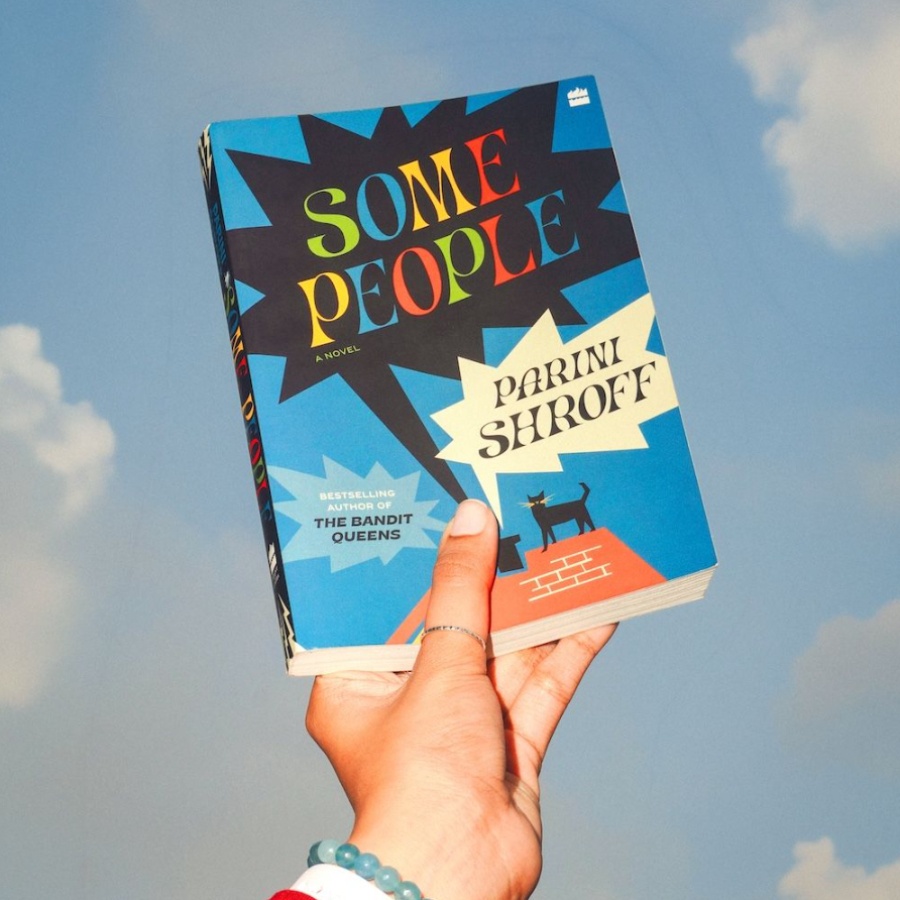
This excerpt is from the recently published Never Logged Out: How the Internet Created India’s Gen Z by Ria Chopra (Bloomsbury India); ₹499

The Nod Newsletter

We're making your inbox interesting. Enter your email to get our best reads and exclusive insights from our editors delivered directly to you.