



Arts06 May 20265 MIN

After 7 years, the India pavilion returns to the Venice Biennale

Five works—from a phantom thread house to an organic bamboo scaffolding—by five contemporary artists from Tamil Nadu to Ladakh are at the centre of the world’s largest art show

Image

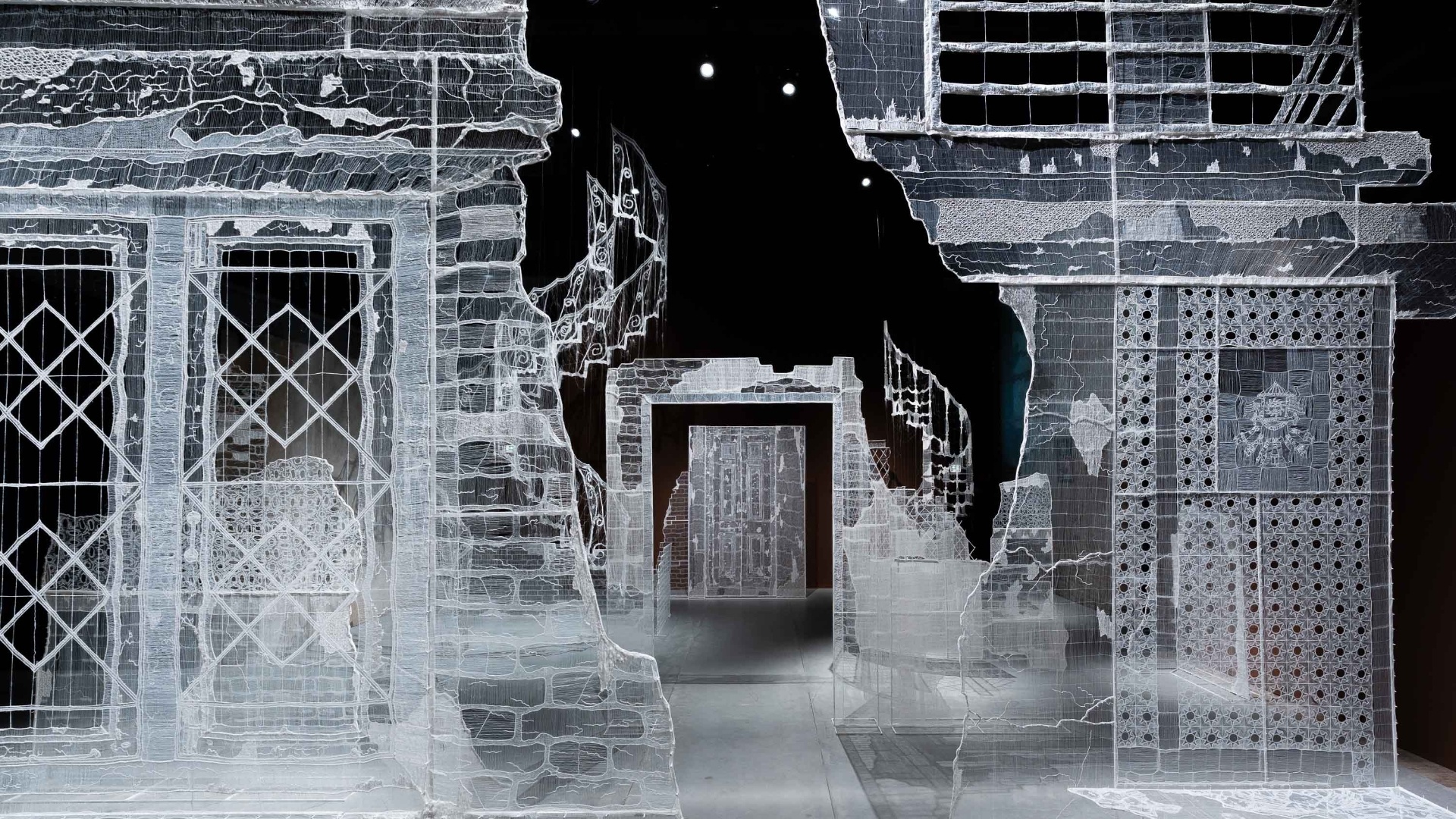
Sumakshi Singh, Permanent Address

Joe Habben

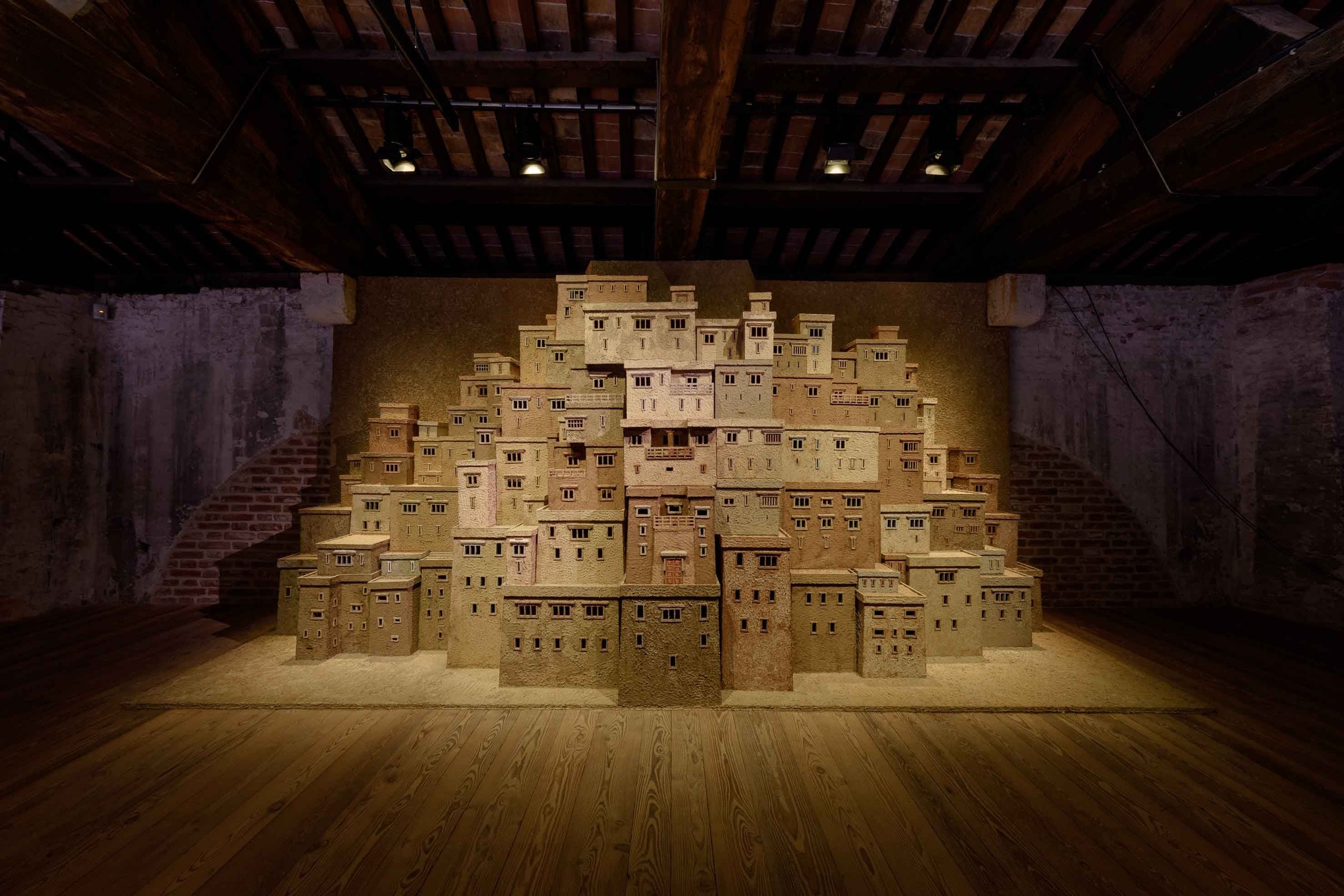
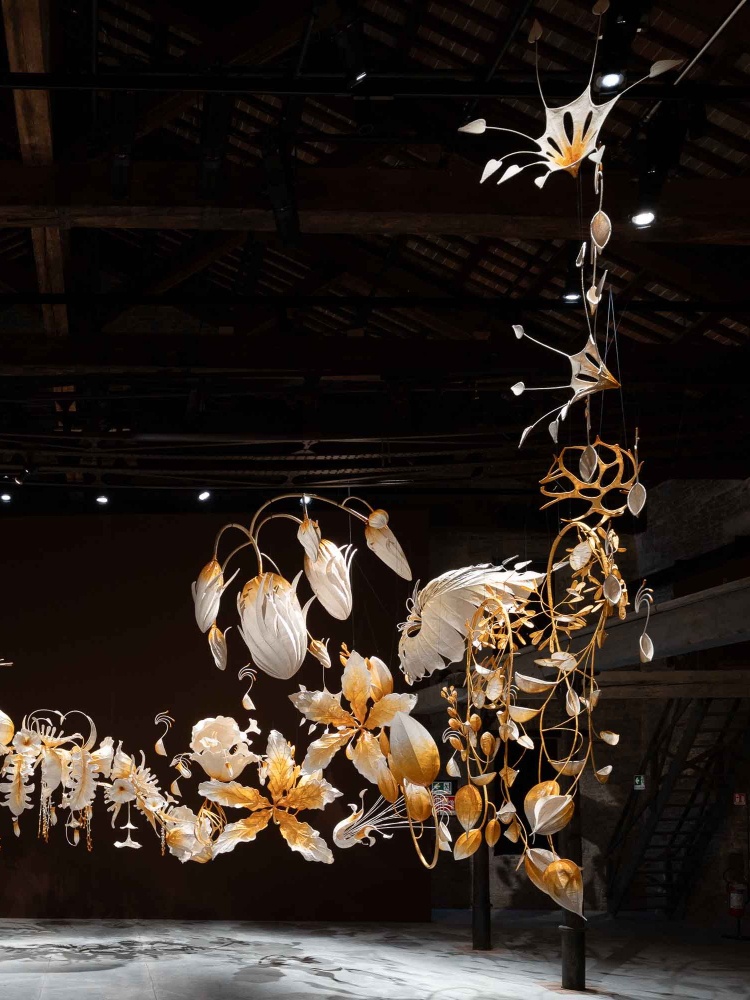
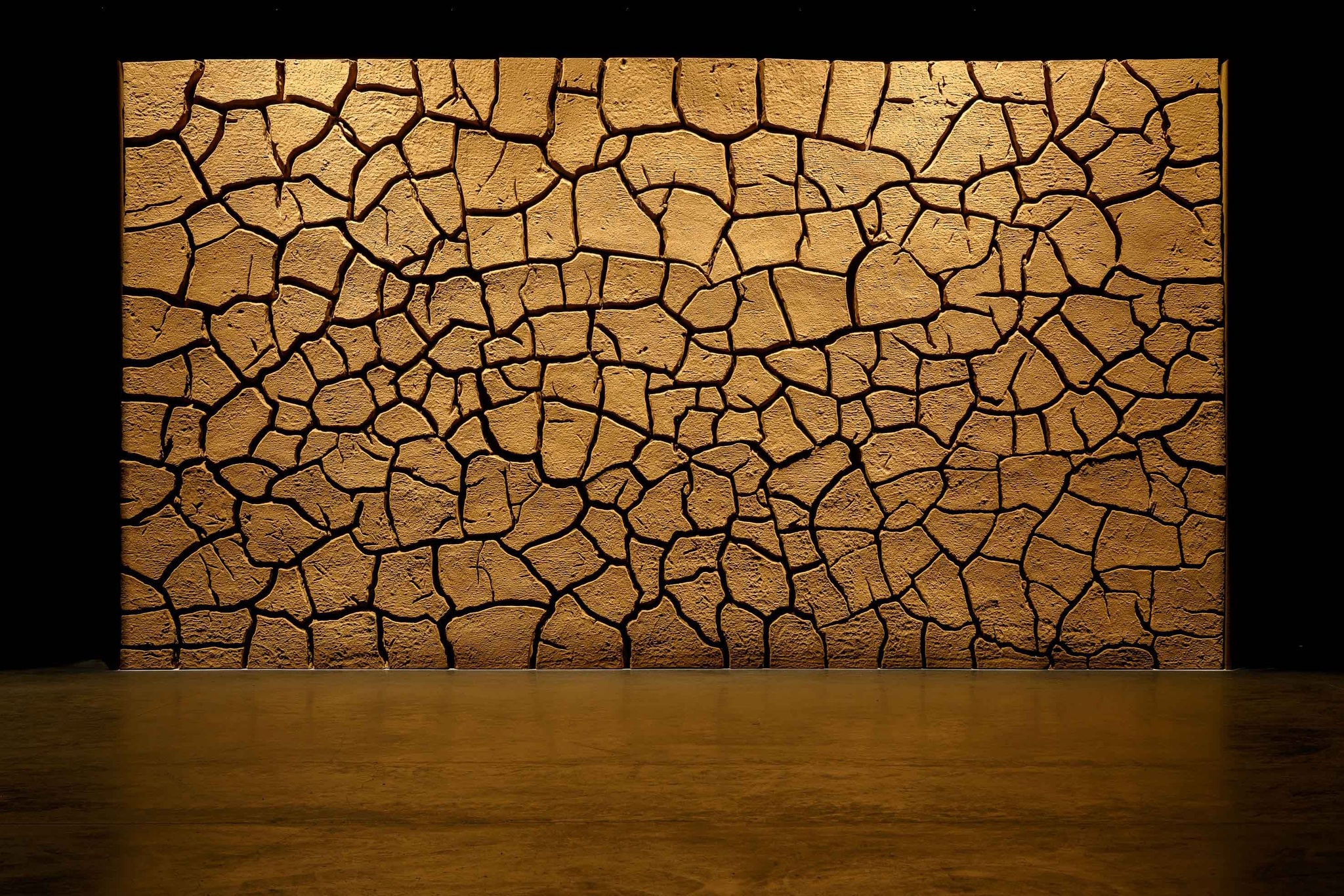
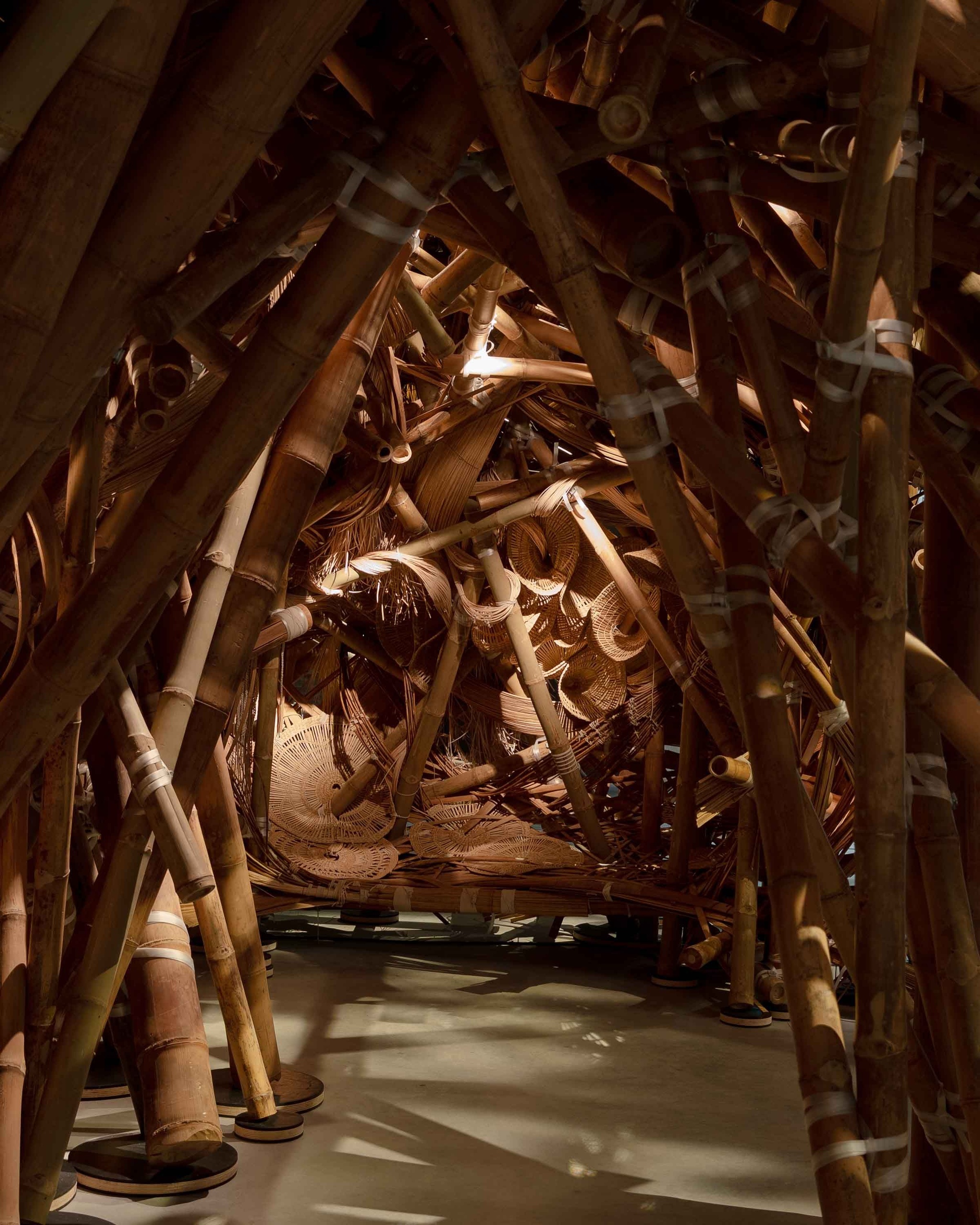
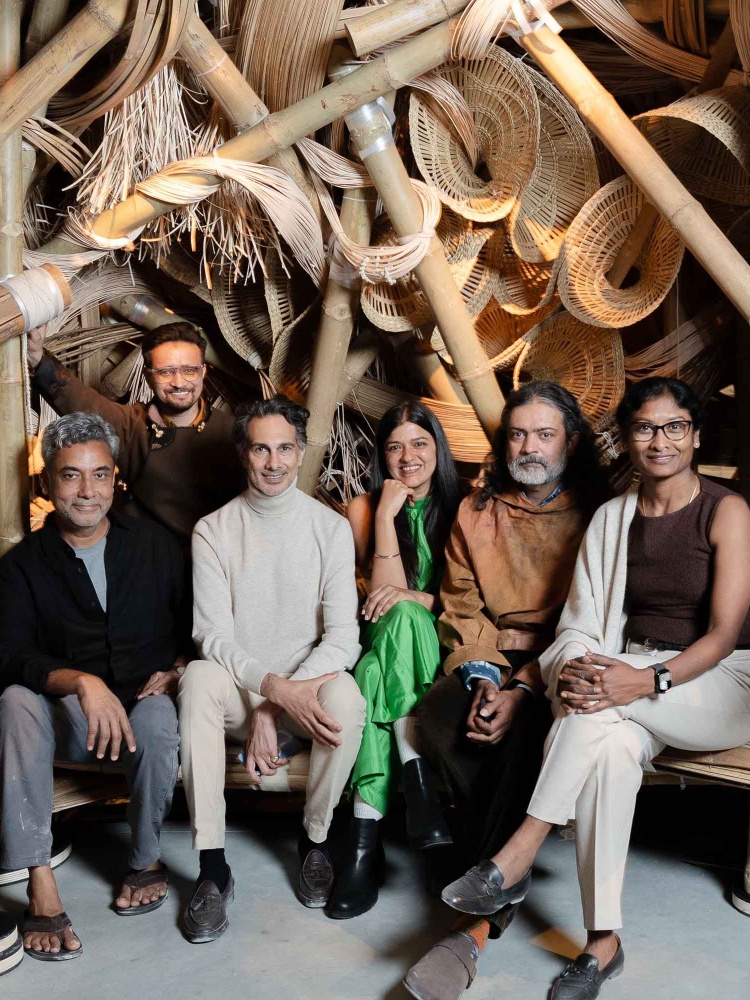
A haunting Delhi bungalow made of thread, a panel of fractured soil and clay from an artist’s home in Tirunelveli in Tamil Nadu, a papier-mâché Ladakhi township, a delicate garden that defies gravity and site-specific bamboo scaffolding that’s more organic than overwhelming. After a seven-year absence, India’s return to the Venice Biennale is not big on spectacle or packed with master/blue-chip artists. Curated by Amin Jaffer, senior curator of the Al Thani Collection and formerly of the Victoria and Albert Museum, the exhibit titled Geographies of Distance: remembering home is a succinct showcase of five seminal works by five contemporary Indian artists—Sumakshi Singh, Asim Waqif, Alwar Balasubramaniam (Bala), Skarma Sonam Tashi, and Ranjani Shettar. It signals a country quiet in its confidence, rooted in memory and materiality yet deeply contemporary, even forward-thinking in its outlook. And it’s bang on the theme: ‘In Minor Keys’, the title of the 61st International Art Exhibition at La Biennale di Venezia, is a sort of quiet resistance against the dominant.
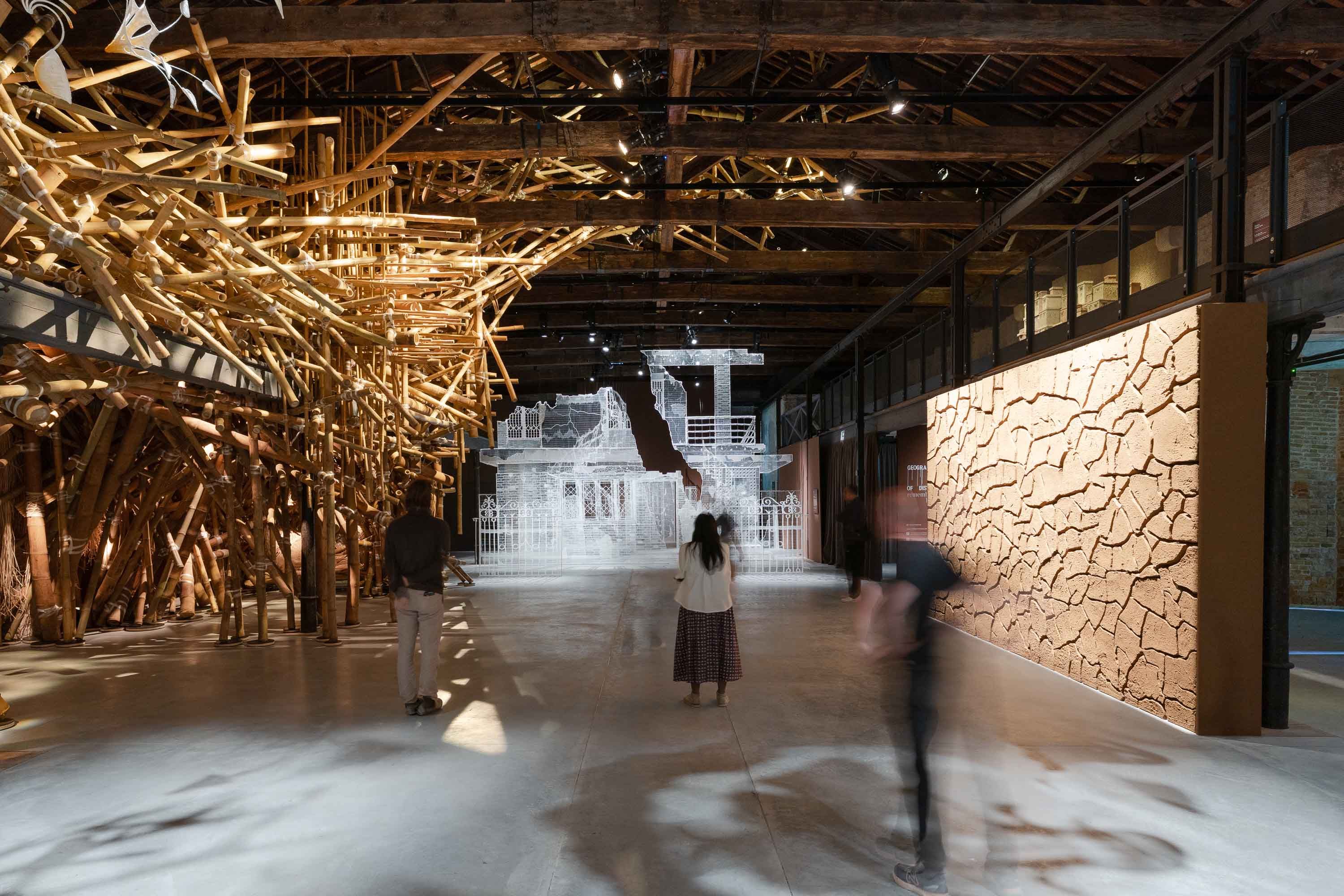
India Pavilion at the 61st International Art Exhibition, La Biennale di Venezia (c) Joe Habben.jpg
The India Pavilion at the 61st International Art Exhibition, La Biennale di Venezia. Photo: Joe Habben

When I catch Jaffer over a video call, he’s in Venice battling a gazillion calls and calming last-minute logistical dramas. But even with the preview just around the corner, Jaffer exudes a quiet confidence that calms the manic around him, much like his exhibit. “Think about the piano. The minor keys are melancholic, introspective, elegiac, understated,” he explains. “Missing home or thinking about your home is one of these soft emotions or moments in your day or thought process. As we advance through life, we make the decision to go away to study, to work, to move to the city, to get married, to do all sorts of things. This reflection is how I understood the theme.”
To curate a national pavilion at the world’s largest art show is to shape how a country chooses to be seen and how it chooses to see itself through art. This one is a true public-private partnership; the India pavilion is presented by the Ministry of Culture, Government of India, in partnership with the Nita Mukesh Ambani Cultural Centre (NMACC) and Serendipity Arts. It’s a major soft power flex and Jaffer knows this. “There are many different Indias and there are many different ways we could have gone,” he adds. “We could have looked at a lot of technology or the visual language of colour—both are India today. But I wanted to show an India that was unexpected, the one with its own meditative, quiet, organic tradition… Thread, soil, paper, plant and bamboo...you know, things that really come from the earth that we grow up with,” explains Jaffer.

The theme captured, he chose to look at personal mythologies of home and belonging and tap into a more universal but introspective emotion. The exhibit unfolds through memory and material, circling a simple but slippery idea that home is rarely as fixed as we think.

Jaffer was one of many curatorial submissions for the India pavilion. His winning pitch for the exhibit concept was summed up in one rather simple line: “It is Indian in its soul, but it will be 21st century in the messaging and in its artistic expression,” he recalls.

A vision that the various partners behind the pavilion have endorsed from the start. “Venice has long been where the world comes to witness the future of art. Through the India pavilion, NMACC is proud to ensure that India’s voice—complex, layered, and unmistakably its own—is heard clearly in that conversation,” says Isha Ambani on behalf of NMACC. And that’s exactly what Jaffer set out to bring alive in this pavilion.

For the veteran curator, the exhibit also comes from a deeply personal space. Jaffer belongs to the Indian diaspora and is of Kutchi Gujarati origin, with family that has spent many generations in Africa. “I was always interested in how we still felt so Indian, be it emotionally, culturally or philosophically. I was not born in India, my mother was not born in India, my grandfather was not and so on. So why is it that we still have an attachment to India as our home?” While the curator may bring the diaspora gaze to the exhibition, all the participating artists live, work, and practice across the country. But the question of home in a changing India remains relevant in any context.

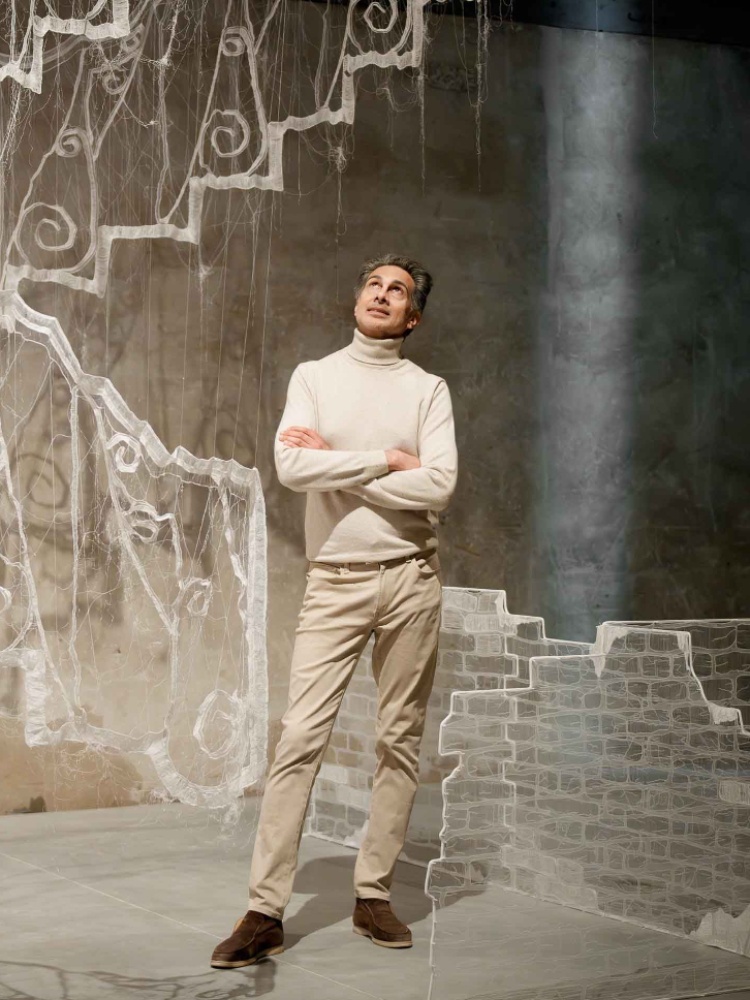
t was artist Sumakshi Singh’s work that was the first to make it to the curation, “She grew up all across India, but the one constant home in her life was her grandparents’ house at 33 Link Road in Delhi. The women of the family would sit in the garden and embroider together. After the death of her grandparents, the family decided to demolish the house because land values in Delhi have grown so much that a bungalow with a garden just didn't make sense,” says Jaffer. It’s a familiar instance of big-city life in India today. Singh, however, decided to recreate her grandparents’ home at scale in thread. This almost phantom evocation of her family home taps into loss, memory, and longing, and becomes the centrepiece and the mood of this exhibit.

Each of the five artists bring their personal experiences and ruminations on the fragility of home and belonging to Venice. “The richness and plurality of their work reflect the complexities and creative ambition of contemporary India while celebrating the timeless traditions of our country,” explains partner and art patron Isha Ambani, who has been a champion of Indian art and artists, be it on the recent Met Gala carpet or as the visionary behind the Art House at NMACC and as part of the board of trustees of the Smithsonian’s National Museum of Asian Art, the Dia Art Foundation, and LACMA. “This project underscores our vision for art and culture to foster a global dialogue that transcends boundaries, bringing the best of India and the world together,” she adds.

Putting the exhibition together has been a mammoth undertaking, and it hasn’t been without its nail-biting moments. With the Strait of Hormuz leading every headline around the globe, there was last minute re-routing of the massive and fragile artworks that had to be sent by air, leave alone the rush for visas and passports for scores of art handlers, installers, and crew. Take for instance the site-specific installation of artist Asim Waqif, which was made with bamboo and went through multiple rounds of treatment and certifications before being imported in. Add to it the curator’s vision, who insisted every artwork had a singular uninterrupted view, which made the exhibit design a mathematical game of perception, all the right angles and vantage points.

With over 7,00,000 expected visitors and 100 national participations, boundaries have to be transcended. But how does one cater to the world at large? “I didn’t want to produce a pavilion that’s rooted in a very specific iconography or terminology that only Indians understand. So, whether you’re from Mexico or Japan, you can understand and feel because it’s about home,” adds Jaffer.

But to really make your mark between the many exhibits and pavilions across Arsenale and Giardini, you need a certain je ne sais quoi. After all, you’ll see it all here, from unforgettable performances and Instagram-friendly immersive installations to post-truth video art. Amidst this, India’s exhibit asks you to pause and reflect on the familiar but complex idea of home in a sublime and beautiful way.

Ask the curator what stands out the most for him at the India pavilion, and he quips, “The thing that’s always annoyed me when I go into Biennale pavilions is you have this magnificent project and then you have an industrially produced desk with plastic chairs.”

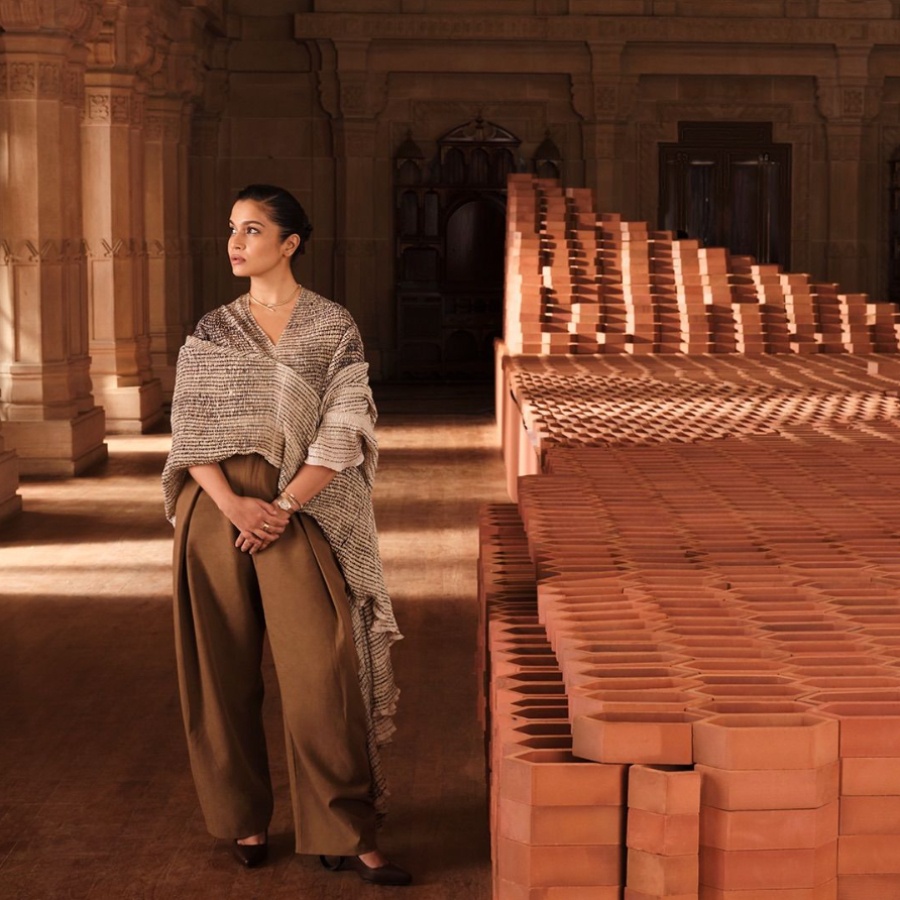
So, obviously, that’s not what they did. Instead, you’ll find “a reproduction in wood of one of Corbusier's Chandigarh desks with two chairs”, as well as a set of terracotta water bottles and khullars from Delhi-based designer Gunjan Gupta. It’s just a reminder to hydrate yourself, rest your feet, and indulge your mind at the India pavilion if you make it to the Venice Biennale this year.

The Nod Newsletter

We're making your inbox interesting. Enter your email to get our best reads and exclusive insights from our editors delivered directly to you.