Arts28 Oct 20263 MIN

Can art books survive the attention economy? 3 new Indian releases say yes

A look at our strange screen habits, an exploration of India as a wellspring for global design, one journalist’s portrait of his artist friend—it’s all there

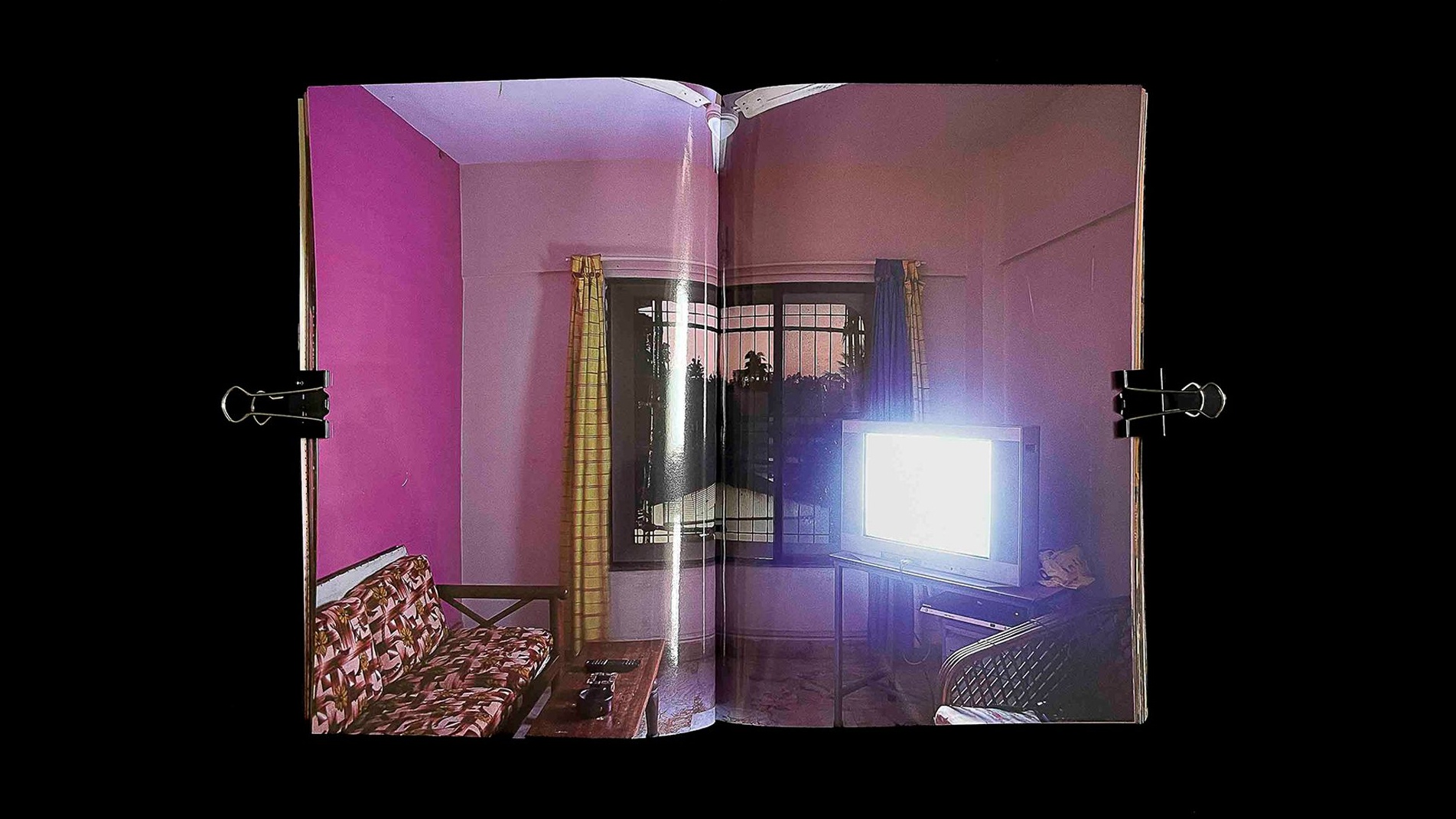
‘Static’ by Adil Hasan

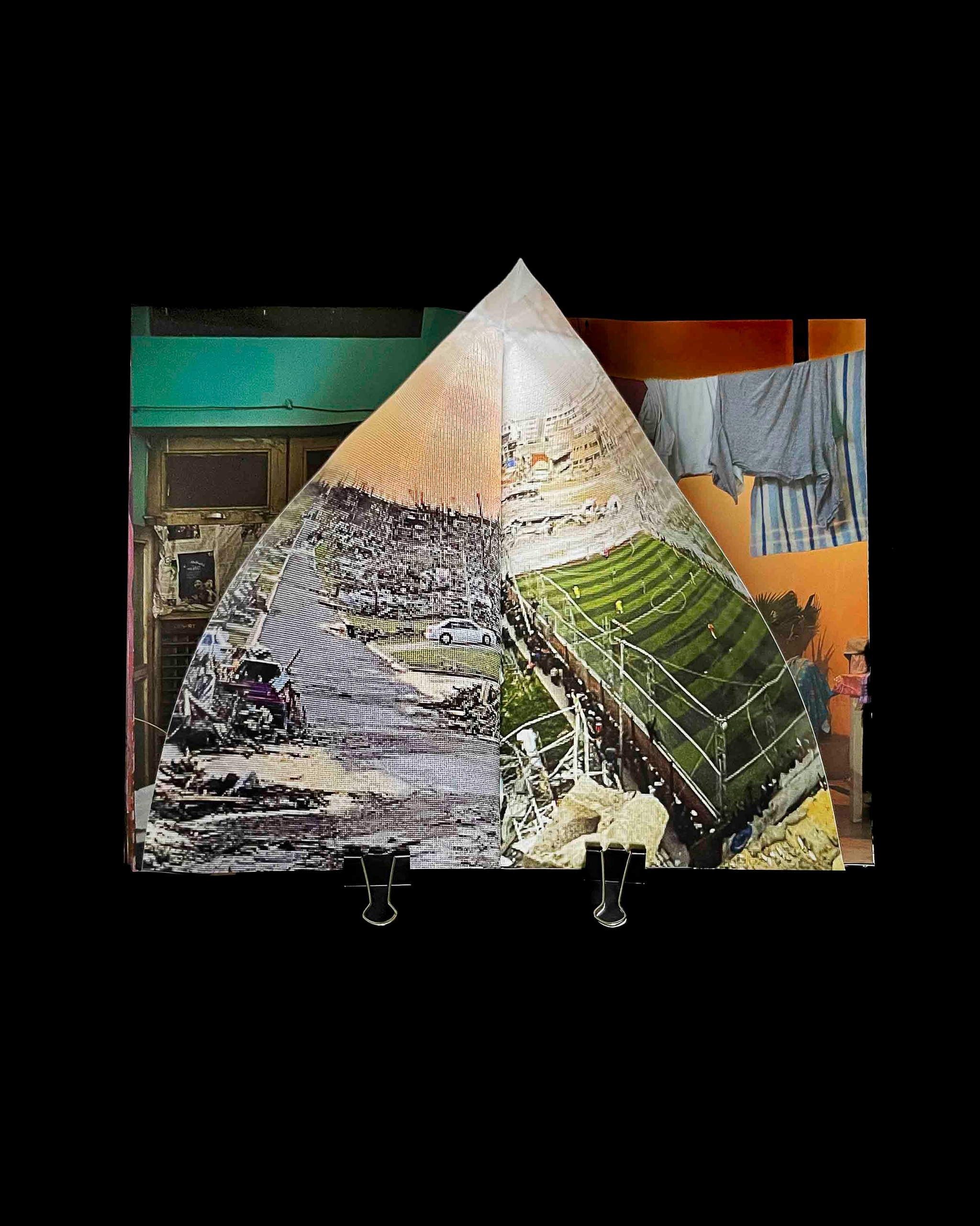
‘Static’ by Adil Hasan

Coffee tables deserve better than being treated as glorified coasters. This month, three art books have arrived that you’d be terrified of staining with a beverage. They might actually get people to pick them up, flip through the pages and—imagine this—read something.

New York-raised New Delhi resident Peter D’Ascoli brings four decades of India-inspired discoveries to the page; actor-editor Sudhanva Deshpande gets up-close with Goa-based Orijit Sen’s childhood drawings, sketchbooks, and political memes; and photographer Adil Hasan’s shiny copy of Static looks at our strange screen-filled lives. Consider them a Diwali gift for someone else or an excuse to upgrade your own bookshelf.

‘Static’ by Adil Hasan, self-published, available via Offset, ₹ 4,200

There was a time when television sets had distinct personalities. Their shapes, sizes, and the place they occupied in Indian homes made each one a little different. Then came the ubiquitous flat, black rectangles mounted against white walls that looked pretty much identical from one house to the next. Photographer Adil Hasan noticed this shift while working on a series of domestic interiors and later began photographing the images on our screens themselves.

In Static, the photographer brings together these two bodies of work in 192 pages that examine how screens have evolved from fixtures in our homes into portals delivering an endless, algorithm-curated stream of information, entertainment, and violence. Self-published and available via Offset, an independent bookshop that specialises in south Asian art books and was started by Hasan’s partner and artist Anshika Varma in 2019, it’s a fascinating signal of our times.

Most of us are tired of the word ‘immersive’, but this book makes a good case for it. Its French-fold pages conceal images that you have to prise open with your hands. “The silver foil does a very bad reflection of you as you hold the book straight in your hands. It does give you a very distorted, abstract reflection of you, which is kind of like a commentary on the notion that your individual algorithm is a little like an abstract portrait of you,” Hasan explains.

The other details are just as clever. Turn the book sideways and it resembles a television, complete with a red dot that resembles an LED light on a TV as well and pays homage to HAL, the rogue AI from 2001: A Space Odyssey (a fitting nod to the times we live in). Hasan takes this idea a step further, invoking Marshall McLuhan’s famous “The medium is the message”, only to offer a cheeky rebuttal of his own: “The medium is not the message. The algorithm is the message.”

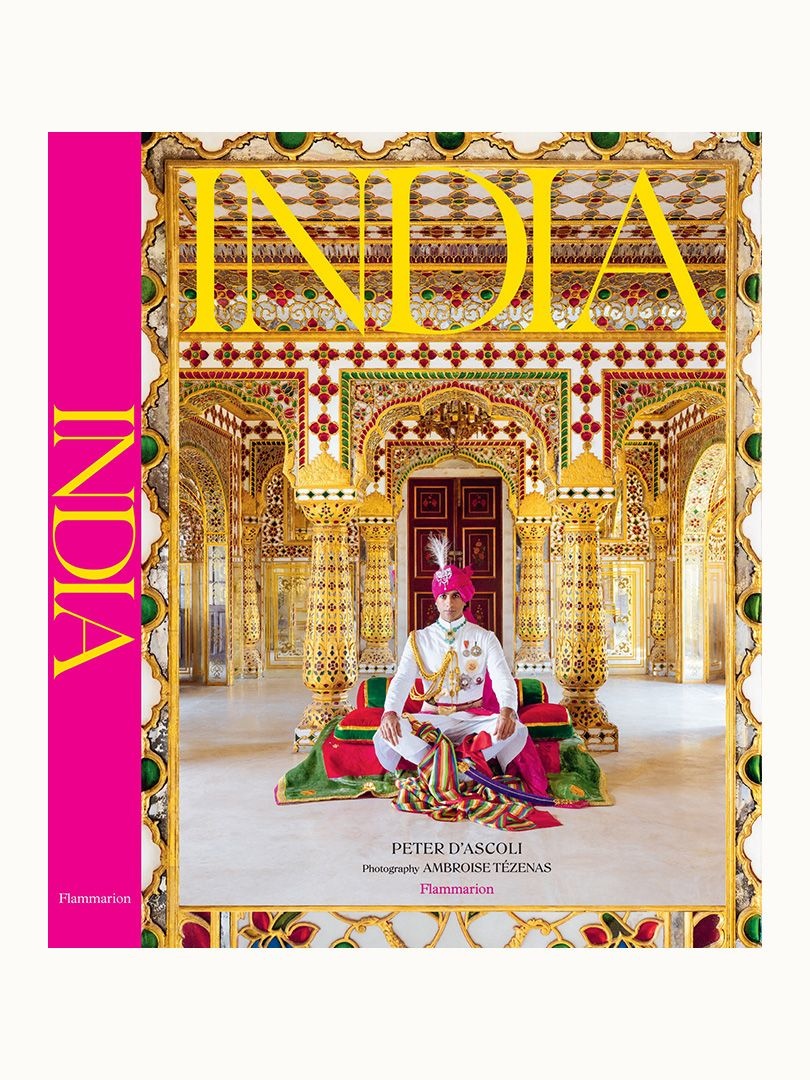
‘India: A Journey Within and Without’ by Peter D’Ascoli, Flammarion, ₹13,995

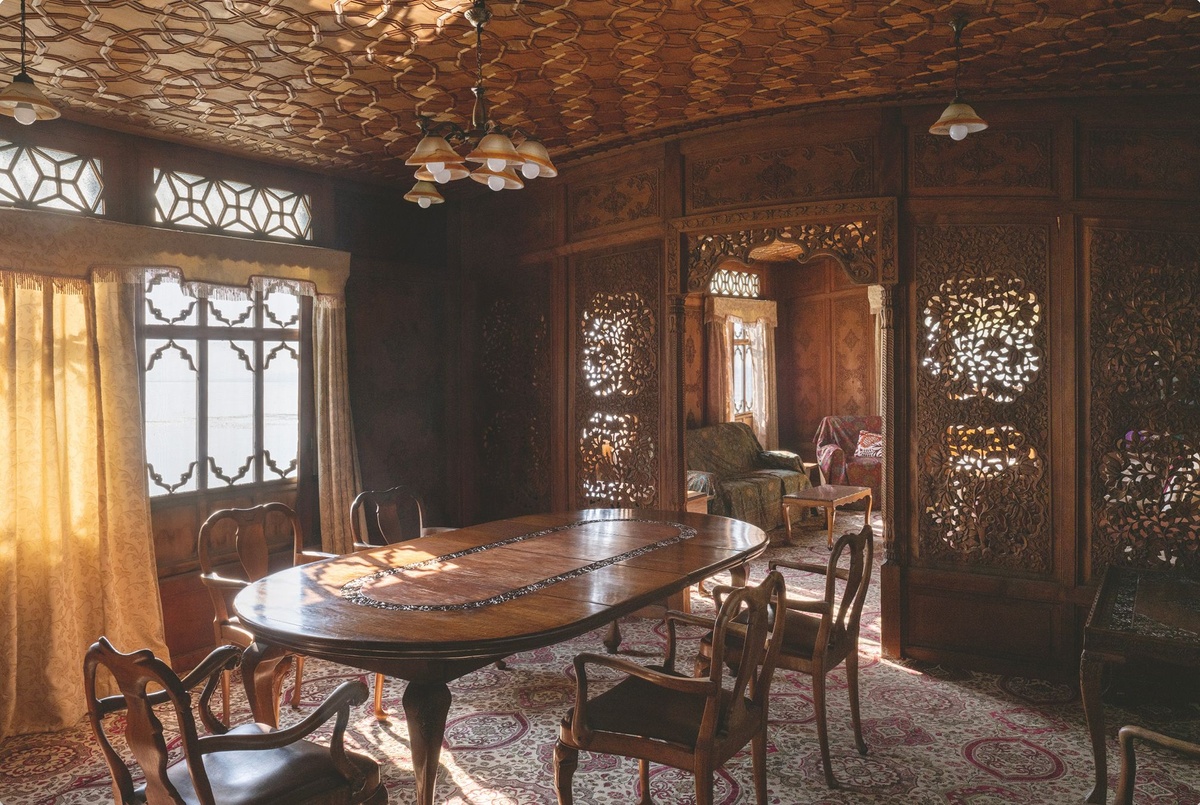
From dupattas being rechristened as Scandinavian scarves to Prada’s Kolhapuri controversy, there’s no shortage of reminders that the world has always wanted to draw from India. Designer Peter D’Ascoli’s India: A Journey Within and Without is a gorgeous reminder of why this isn’t really surprising.

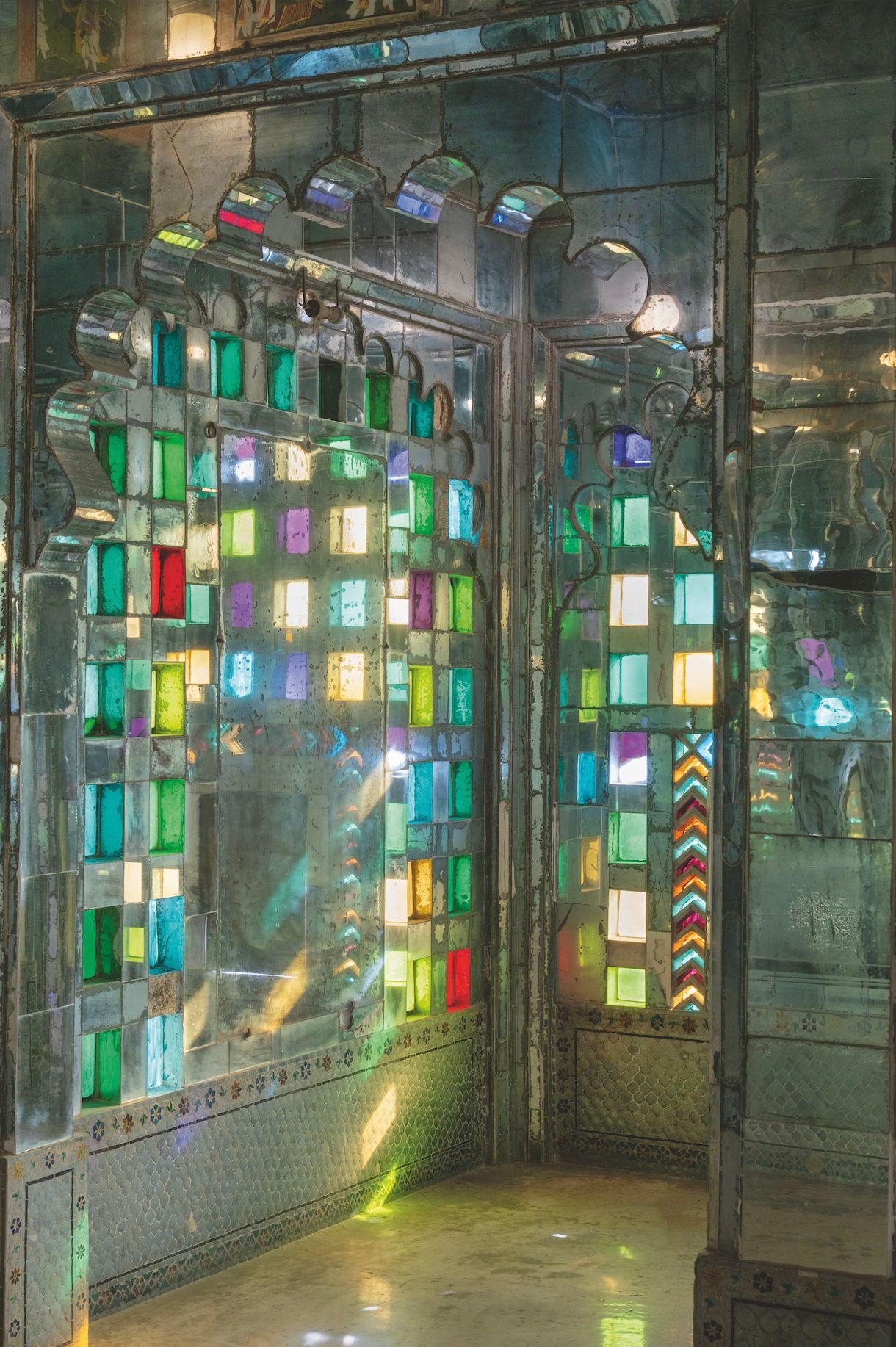
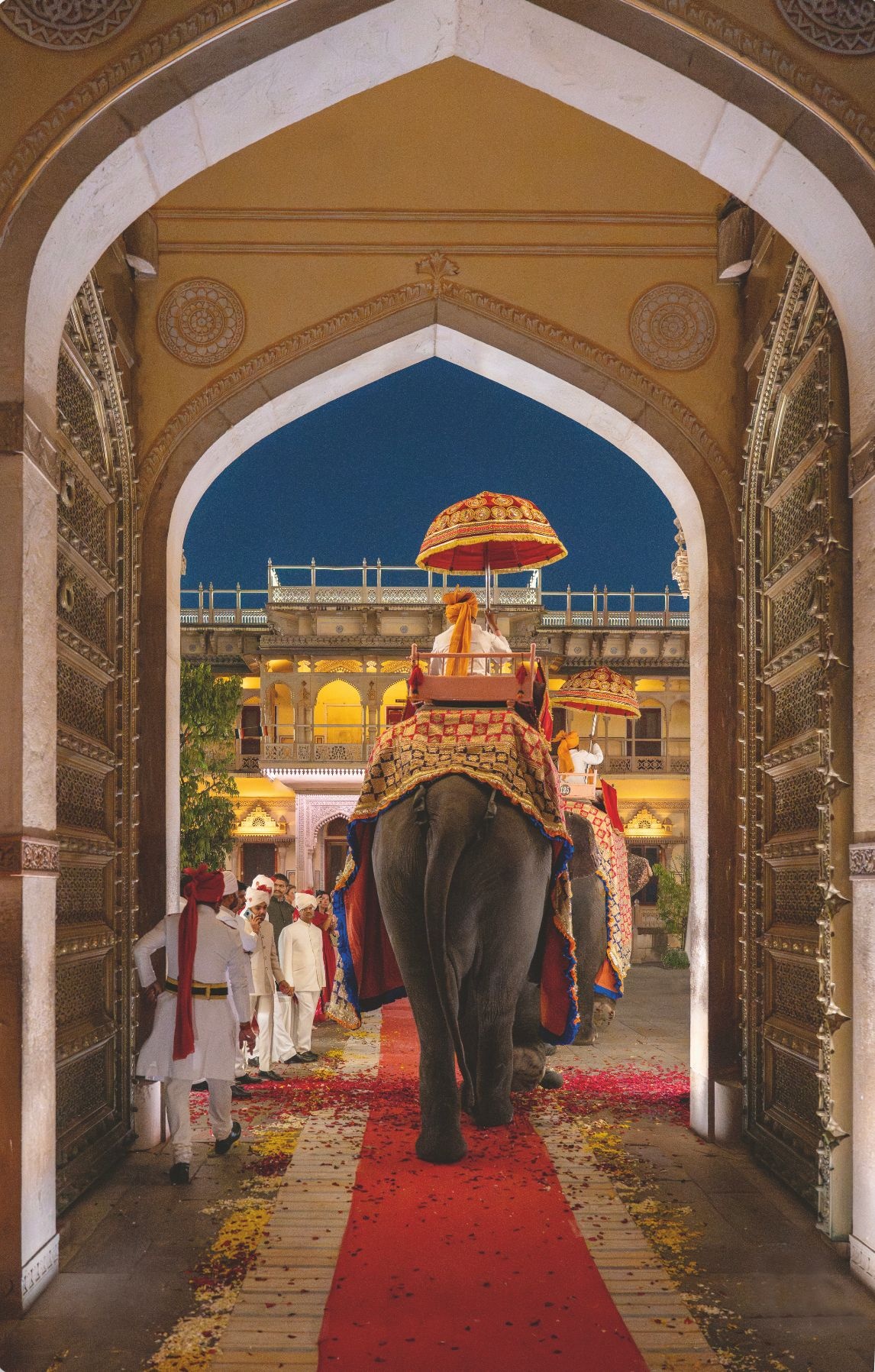
The New York-born designer, whose relationship with India spans almost four decades, takes readers through the country’s visual riches, from Jaipur’s opulent palace interiors and intricate block prints to meenakari jewellery and the marble inlay of the architectural marvel that is the Taj Mahal and the chapels of old Goa. The jewel-toned rooms, elaborate arches, and impeccable symmetry within these pages could almost pass for a Wes Anderson set, except these are real places with centuries of history behind them. Royal processions, archival photographs, and craftspeople at work offer plenty more to pore over.

D’Ascoli describes the 352-page book as a deeply personal project shaped by decades of returning to India for inspiration. “It’s a very personal journey, and that’s why the subtitle is A Journey Within and Without. It’s about me internally as well as what I see and what inspires me in my work,” he says. And how long did it take to put together? “I laugh and say it took 40 years, because it’s really a life’s journey. Even if we’ve only been putting the book together over the past few years, it encompasses everything I’ve learned.”

With so much colour, craft, and detail packed into its pages, you could spend an afternoon with this book and still find something new on your next look. It’s armchair travel, a design reference, and a rather lovely gift all rolled into one.

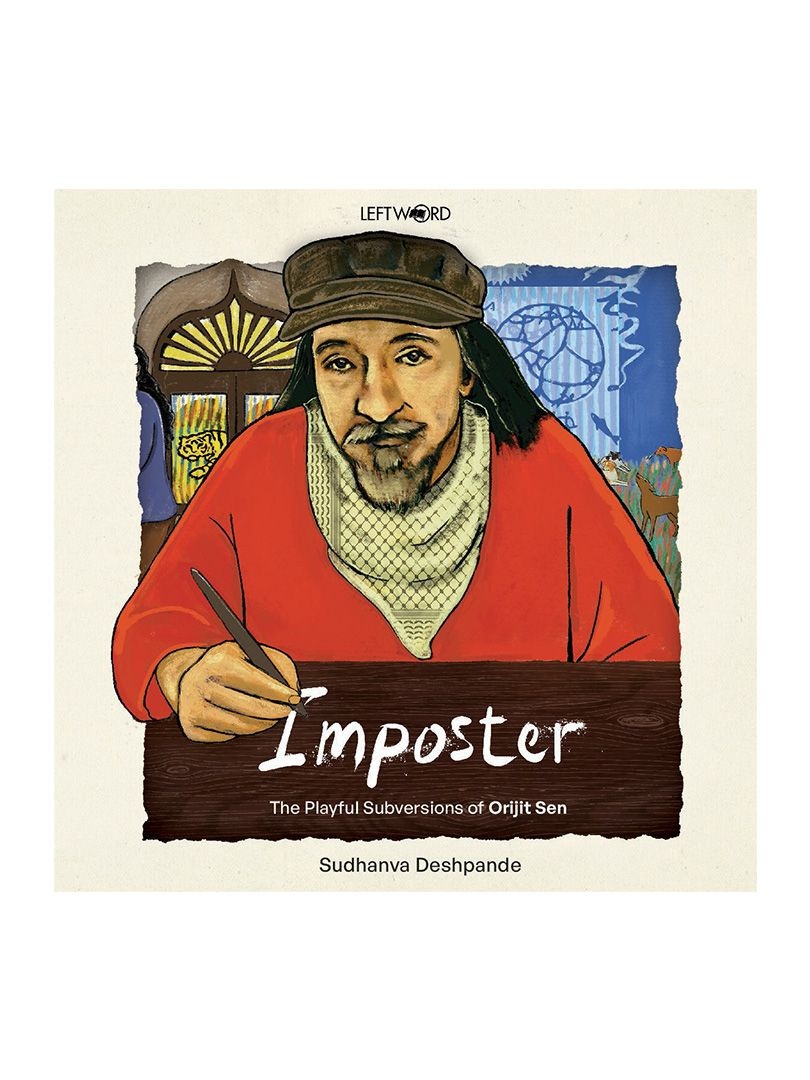
‘Imposter: The Playful Subversions of Orijit Sen’ by Sudhanva Deshpande, LeftWord Books, ₹1,950

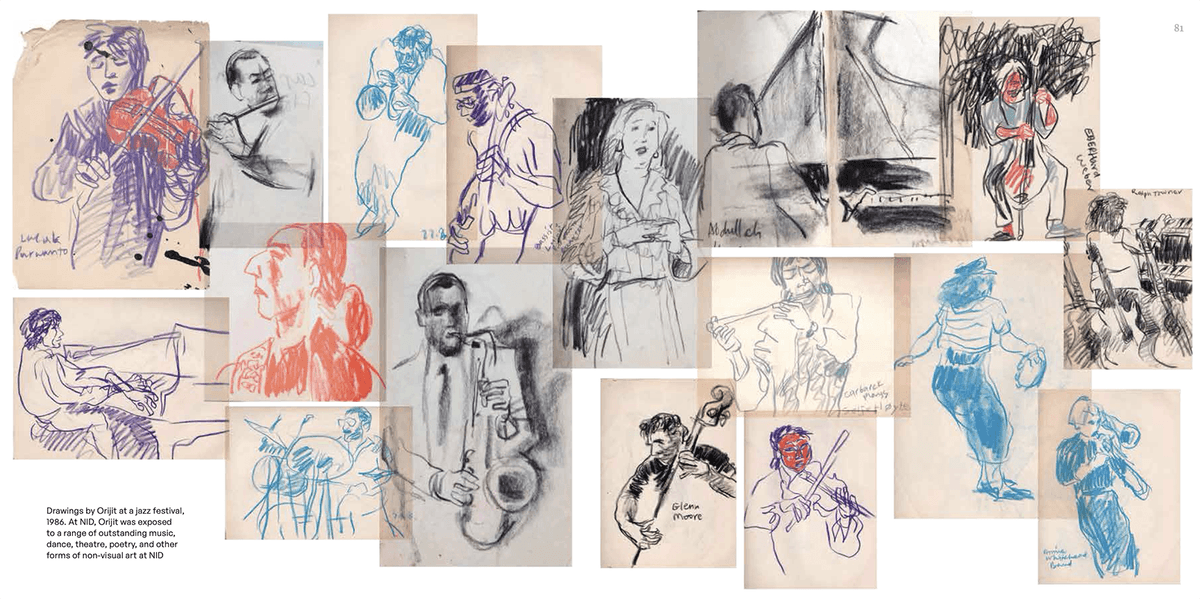
Childhood drawings saved by his mother, pages from his sketchbooks, graphic novel panels, and political memes sit alongside one another in Imposter: The Playful Subversions of Orijit Sen. Written by his longtime friend, the editor and actor Sudhanva Deshpande, the book is an intimate portrait of an artist whose practice has moved between design, illustration, graphic storytelling, and community-led public art.

The book follows Sen’s journey from his years at the National Institute of Design to River of Stories, now widely regarded as India’s first graphic novel, and the founding of People Tree, the iconic design store he built with his wife Gurpreet Sidhu in Delhi. These 228 pages include chapters on their relationship and the artist couple’s creative influences, Sen’s political leanings, intimate looks into his sketchbooks, and his very public confrontation with luxury fashion house Christian Dior over alleged plagiarism.

What began as a book about Sen’s political work online (the sexagenarian’s timely memes have garnered over 36.5k followers on IG) gradually grew into something more expansive. “As I made notes, I realised that just [for] the online work, in order to really understand where this is coming from and the stylistic innovations that he’s doing, I have to talk about him as a designer. I have to talk about him as an artist,” explains Deshpande, who has known Sen since the early 1990s. “So, then I started doing interviews with him and that expanded into interviews with other people who worked with him. So, all of that kind of just kept expanding and we now have a full-blown book.”

The Nod Newsletter

We're making your inbox interesting. Enter your email to get our best reads and exclusive insights from our editors delivered directly to you.