Fashion27 Oct 20264 MIN

Sanaa Choksi and Ashmi Bhansali make a business out of good taste

The Living Room Story co-founders on their shared wardrobe, shopping habits, and knowing what Mumbai wants to wear next

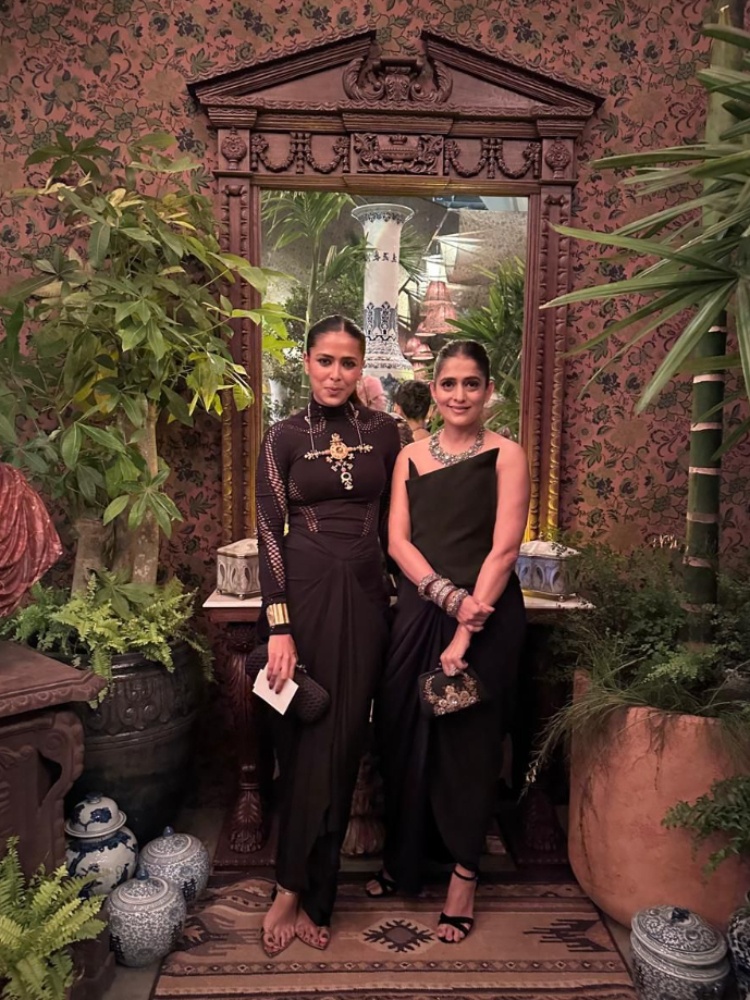
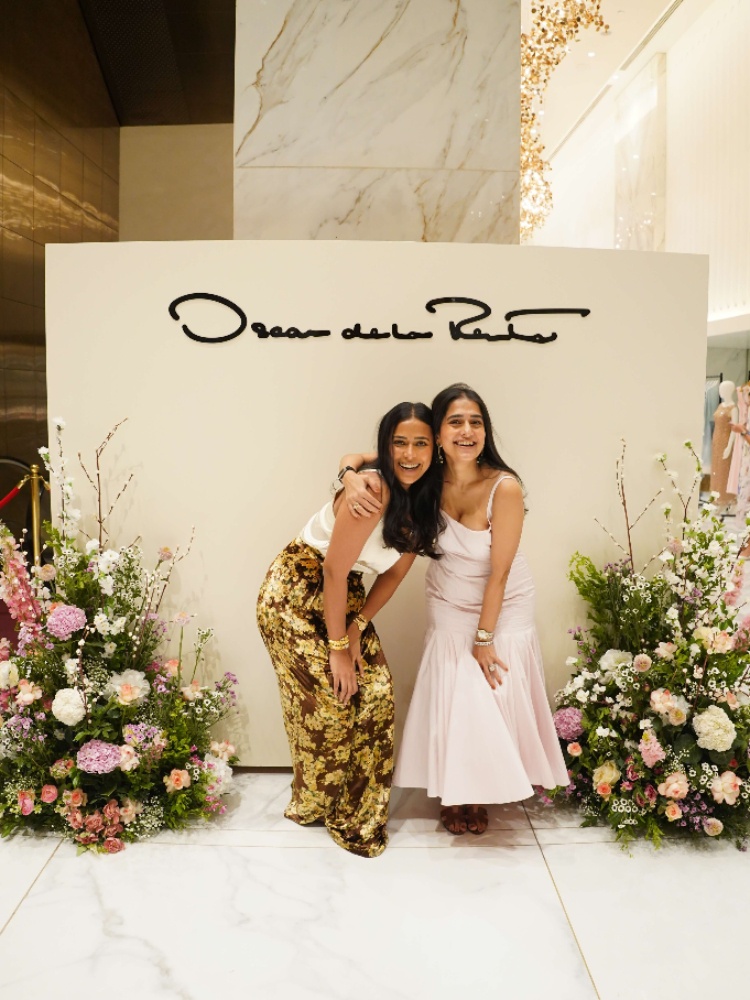
Sanaa Choksi and Ashmi Bhansali at the Living Room Story Oscar de la Renta pop-up in Mumbai

Sanaa Choksi and Ashmi Bhansali at The Living Room Story Oscar de la Renta pop-up in Mumbai

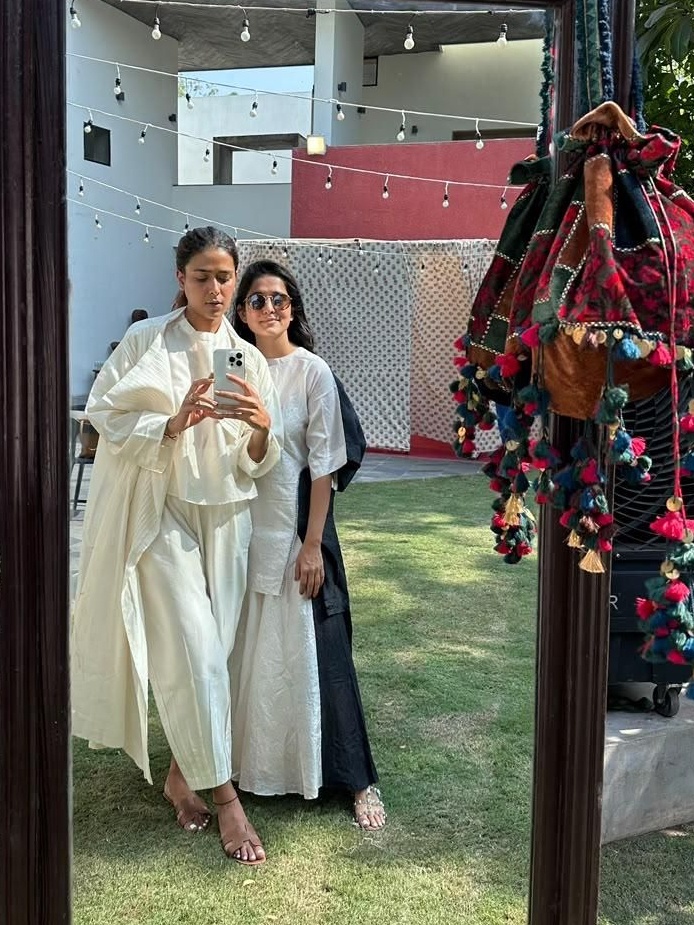
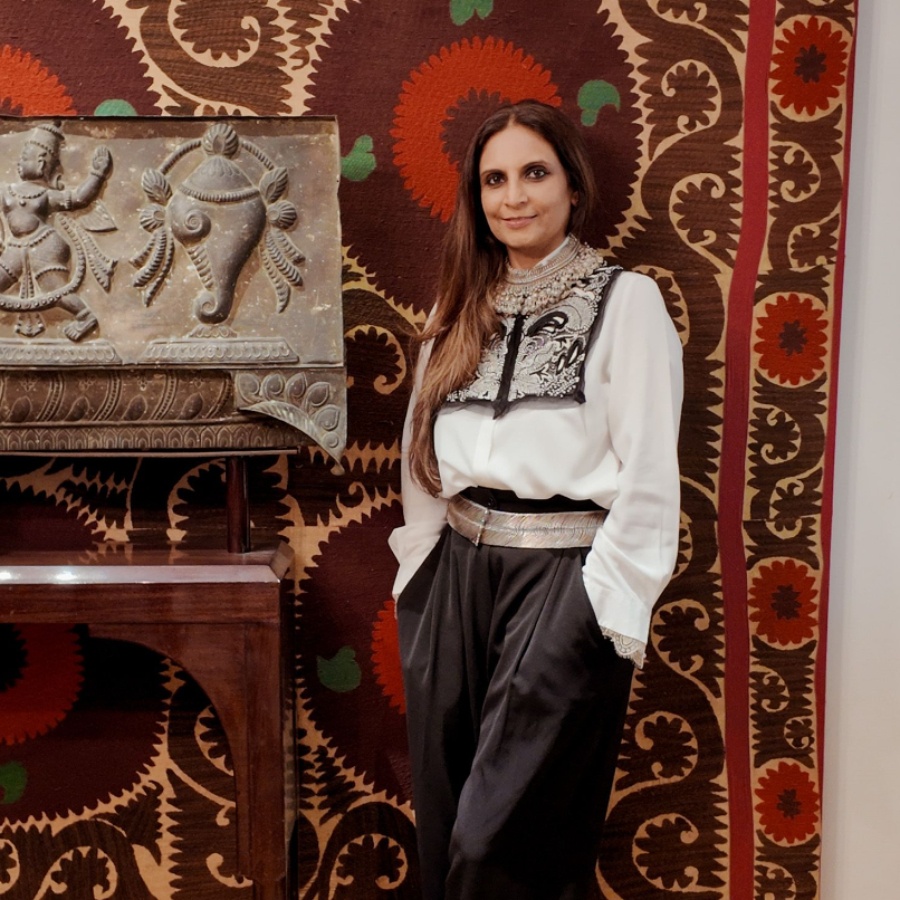
On a humid Mumbai afternoon at Sanaa Choksi’s Juhu home, it’s Ashmi Bhansali who answers the door. Fresh off their latest The Living Room Story showcase at Kathiwada City House with Anaita Shroff Adajania, Bhansali is dressed in straight-cut jeans and a crisp white tee, a Whoop band on one wrist and diamonds stacked on the other. Choksi emerges shortly after, hair swept up in an easy bun, dressed in a breezy top-and-trouser set from Zanzibar.

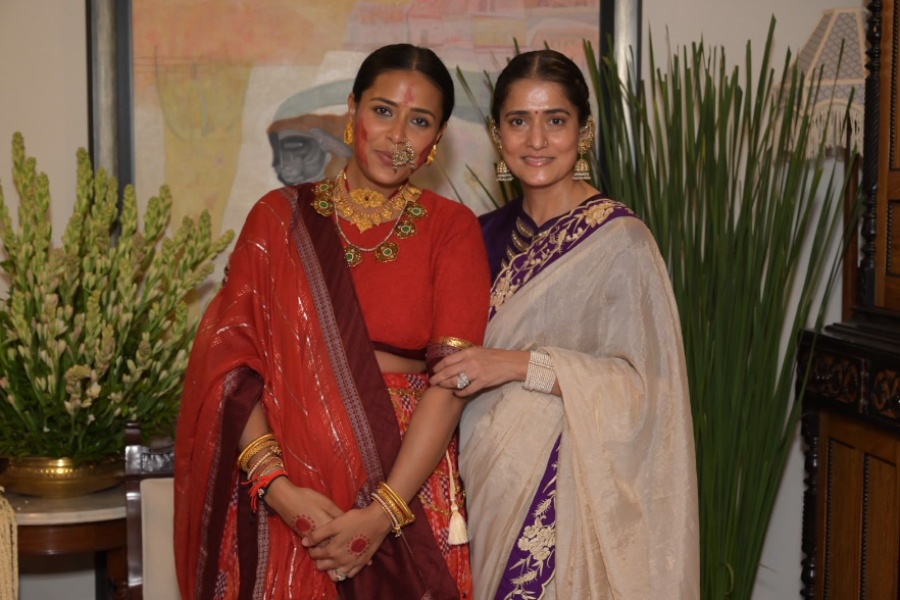
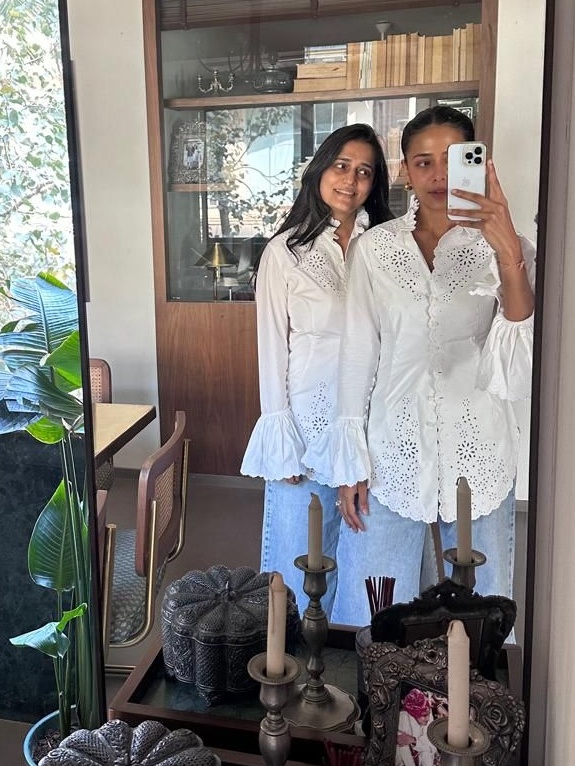
If you’ve seen them on social media, you’ve probably wondered if they’re sisters. Spend a little time with them and the question feels not as far-fetched. Within minutes, they’re trading observations about each other’s wardrobes, finishing each other’s sentences, and steering one another back whenever the conversation strays off course. “People think we’re sisters, because we look similar,” Choksi says. “And because we wear the same clothes,” Bhansali adds.

The two were family friends through their husbands but hadn’t spent much time together until Bhansali reached out to Choksi with an idea. After running her clothing and accessories label, Pink Papaya, for around 12 years and a brief stint at L’Officiel, she was looking to start something new. Choksi, who had worked with Masaba, written for Miss Malini, and modelled for about four years, had caught her eye for a one specific reason: the way she dressed.
“I just thought she dressed so well,” Bhansali recalls. “I reached out to her, and we started talking.” By November 2019, their conversations had turned into The Living Room Story, a curated shopping experience built around the designers and pieces they discovered and would want to wear themselves.

Their first pop-up—quite literally—was held in Bhansali’s living room, with five to six brands, including 431-88 and Bobo Calcutta. When the Covid-19 pandemic hit, they put their curation in a PDF and circulated it among clients and via social media. “Everyone was at home, so we thought, let’s curate a PDF of things we’d like to share. It was DIY to the core,” Bhansali recalls.

Same taste, different styles

Their stylistic eye naturally shows up in their personal wardrobes too. There are pieces they’ve bought in duplicate: “We have the exact same jacket and balloon pants from Antar-Agni, a Divyam Mehta outfit, and a Raw Mango top and skirt we both love and wear,” Choksi says.

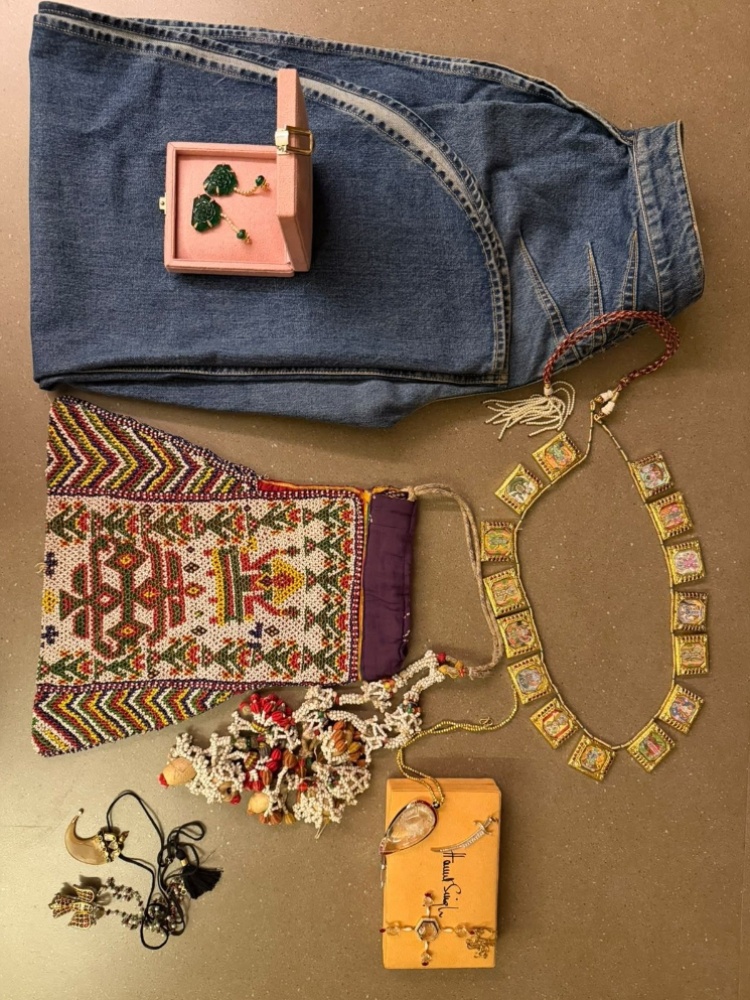
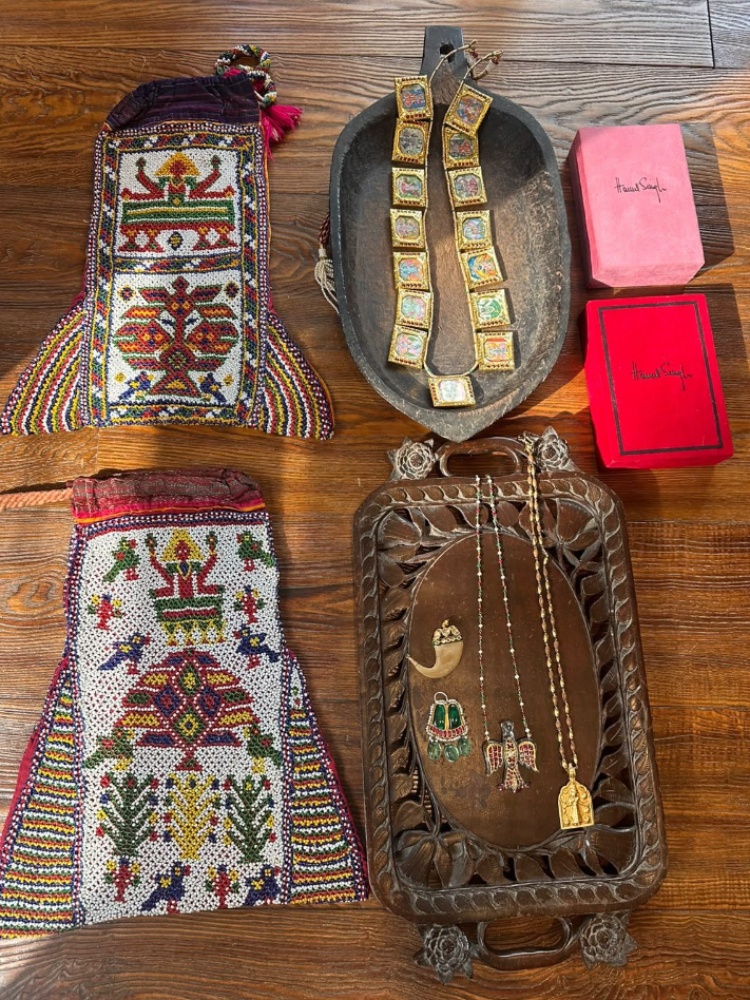
Jeweller Hanut Singh and designers Sourav Das and Sabyasachi Mukherjee are other shared favourites, as are Indian textiles and craft, from patolas to paithanis. “We’re obsessing over Sabyasachi bags right now and we had this phase in the middle where we were like, ‘What’s there in prêt? Give it to us!’” Choksi adds.

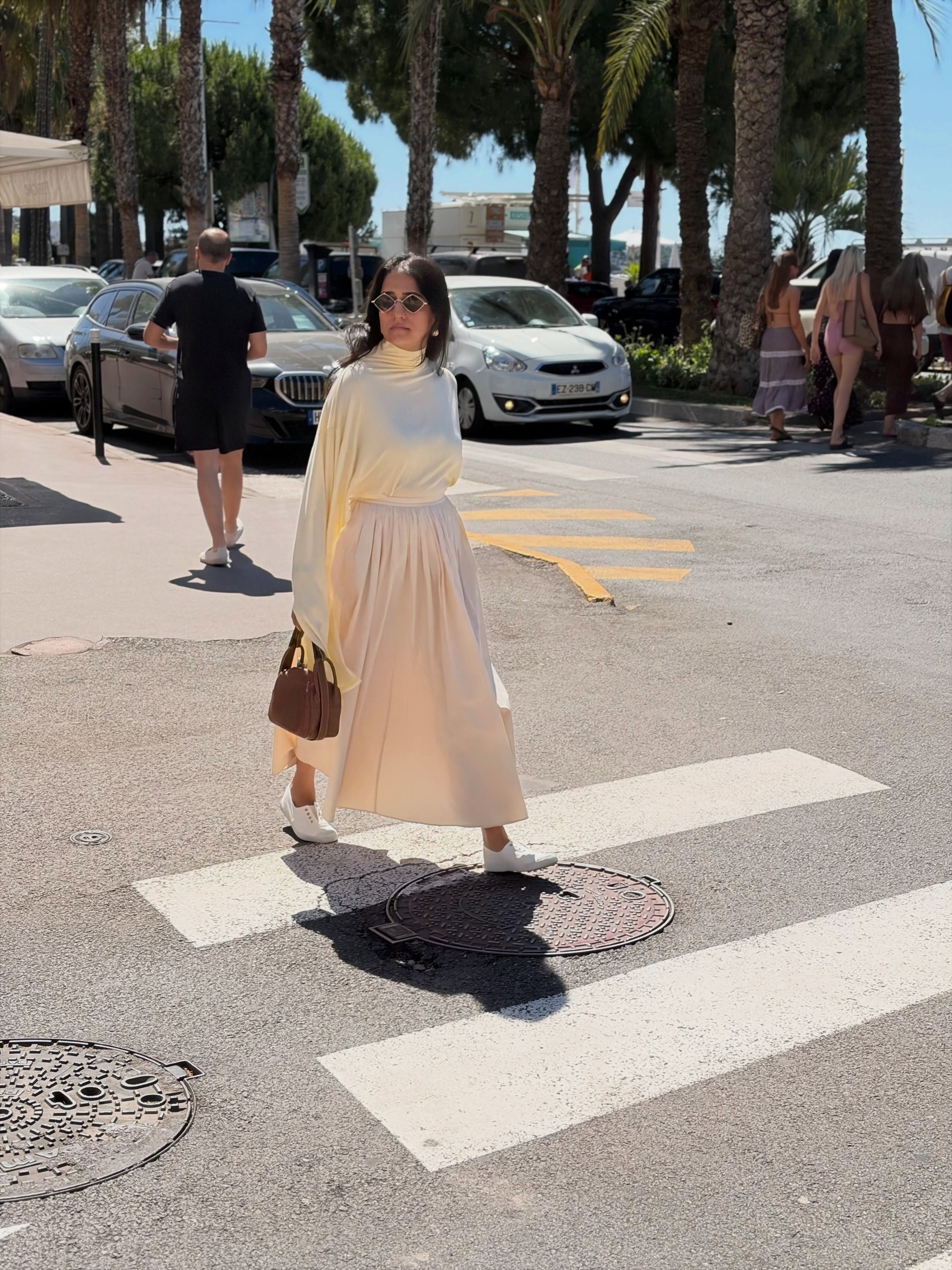
Despite having wardrobes that frequently overlap, their approach to wearing what’s in them varies. Choksi gravitates towards oversized shirts, white tees, distressed denim, and flats, while Bhansali prefers more feminine silhouettes, with skirts, skorts, heels, and jewellery.

“Shirts and jeans are my uniform, and I always buy large shirts because I like them oversized,” Choksi says, citing menswear labels like Genes Lecoanet Hemant and Helm. “I like things that don’t feel like I’ve tried too hard.” She remembers one of their early meetings, when Bhansali arrived wearing layers of jewellery while she turned up in pyjamas. Over time, some of Bhansali’s approach has rubbed off on her. “My jewellery has been very much inspired by Ashmi,” she adds.

Bhansali, meanwhile, describes her wardrobe as classic but punctuated by statement pieces. Her love for jewellery started when she was young and she tends to build her look around it.

From shopping to curation

For two women whose own wardrobes are a source of constant discovery, curating for others comes naturally. Their eye for a piece has been shaped by years of shopping, following designers, and spotting something interesting on someone else. “If I see someone wearing something I like, I take a screenshot and Google image search it until I know the brand,” Choksi says.

“We’ve become far more classic and conscious. We want to make sure what we buy we’re using,” Bhansali says.

Their discoveries for The Living Room Story come from Instagram, multi-designer stores like Ogaan and Ensemble, travel, and often, things on their personal wish lists, while their shopper-first perspective also dictates how they price an edit. “When I go to Raw Mango, I have a mental note: I want to buy a lehenga today,” Choksi explains. “At a pop-up, people come with a budget and buy whatever fits within it. Everything has to be well-priced. Curating a show with finds under ₹25,000 is hard, but you get a knack for it.”

They also look for what they feel is missing in the market. That may a menswear label worth introducing to their audience, an international name that isn’t easily available, or an Indian bag brand that sits between mass and luxury. “There aren’t too many bag brands that appeal to me in the Indian market,” Choksi says. “Either they’re too expensive or they’re too cheap and cheerful.”

The keepers and the ones that got away

Neither co-founder has the walk-in wardrobe one might expect of two women who spend their days surrounded by clothes. Instead, there’s Second Time Around, their resale initiative, which gives pre-loved pieces from their clients’ and their own closets another outing. The pair has shopped the edit too: Choksi has picked up a Manish Malhotra dress and a velvet Sabyasachi lehenga through it; Bhansali, a Payal Khandwala piece.

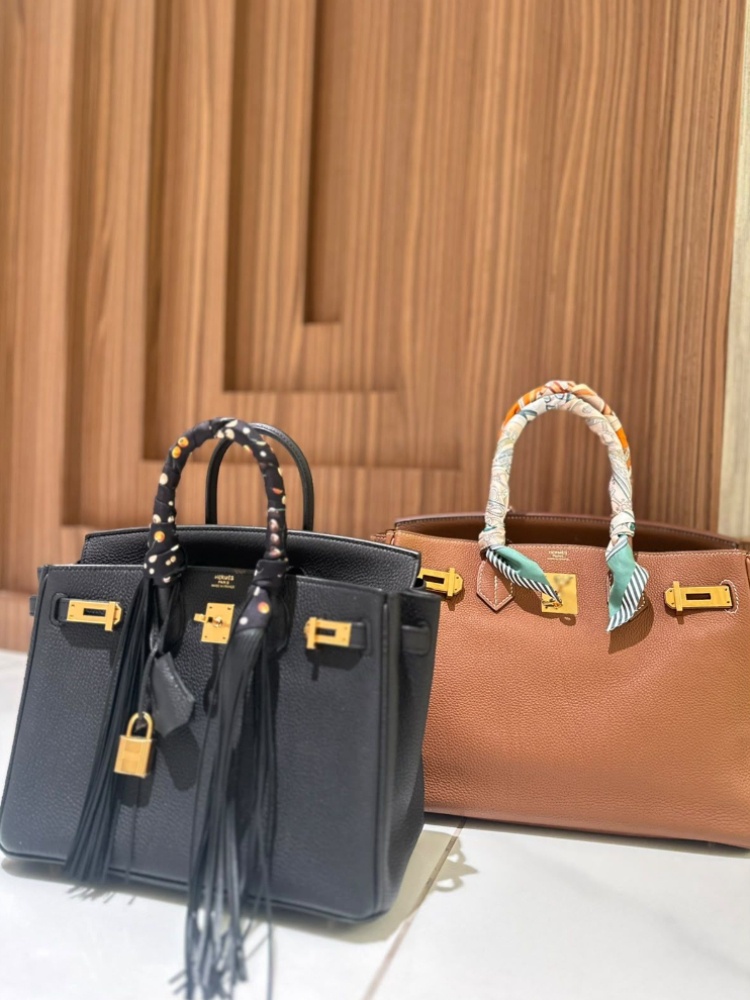
Not every purchase proves equally successful. Choksi, for instance, owns a baby-pink Hermès Picotin that she barely uses. Bhansali is quick to point out the obvious: “You’re not a pink person.”

For the curators, the pieces that didn’t make it to their wardrobe are just as memorable. At an early Delhi Vintage pop-up, where there was only one of each piece, Choksi tried sneaking off with a jacket before reminding herself it was there to be sold. A Ram Dongre painting they sourced for a Soho House project is another lingering regret. “We should have bought it,” Bhansali says, before adding: “And a lot more Hanuts.”

Beyond the living room

What began in Bhansali’s living room has since expanded to collaborations with The Flame Store in Goa, Sri Lanka’s Paradise Road and, most recently, Oscar de la Renta. The invite-only pop-up that brought the New York-based brand’s eveningwear to Mumbai took three years to materialise; it came about when London-based personal shopper Abhimanyu Desai visited one of their Mumbai shows and suggested they bring the label to India.

“Oscar came about very differently. It fell into our laps, but it’s taken three years to bring it here,” Bhansali says. “They do insane gowns— everything is embroidered in India before being assembled abroad. For brides, they’re timeless.”

The Nod Newsletter

We're making your inbox interesting. Enter your email to get our best reads and exclusive insights from our editors delivered directly to you.